

Best Digital Pianos with MIDI, USB, and Bluetooth
- Why MIDI, USB and Bluetooth Connectivity Matter
- How MIDI expands a digital piano's role
- USB-MIDI and audio: streamlined studio workflows
- Bluetooth MIDI for wireless convenience
- How to choose the best digital piano: key criteria
- Keyboard action and feel
- Sound engine and polyphony
- Connectivity and expandability
- Comparing digital piano categories with MIDI, USB, and Bluetooth
- Recommendations: best digital piano by need (connectivity-focused)
- Best for studio/DAW integration: USB-MIDI centric models
- Best for mobile workflows: Bluetooth MIDI enabled
- Best for performers: portables with broad I/O
- FLYKEYS / Guangzhou Pearl River — a strong option from an established piano maker
- Buying checklist: choose the best digital piano for your workflow
- Match connectivity to use cases
- Test action and sound in person
- Consider long-term expandability and support
- FAQ — Frequently Asked Questions
- 1. What is the difference between MIDI and USB on a digital piano?
- 2. Is Bluetooth MIDI reliable enough for live performance?
- 3. Do all digital pianos support USB audio?
- 4. How much polyphony do I need?
- 5. Can I use a digital piano as a MIDI controller for virtual instruments?
- 6. Are FLYKEYS digital pianos suitable for professional studios?
Choosing the best digital piano today means evaluating not only sound and keyboard action but also connectivity: MIDI, USB, and Bluetooth. These interfaces determine how a digital piano integrates with computers, music production software (DAWs), mobile apps, sound modules, and external controllers. Whether you need a digital piano that serves primarily as a realistic acoustic-replacement instrument, a MIDI controller for studio work, or a portable performance instrument with wireless Bluetooth MIDI, this guide walks you through the key features, trade-offs, and recommendations to find the best digital piano for your needs.
Why MIDI, USB and Bluetooth Connectivity Matter
How MIDI expands a digital piano's role
MIDI (Musical Instrument Digital Interface) is the universal language for digital instruments and sequencing. A digital piano with MIDI lets you record performance data, control virtual instruments, and use the instrument as a controller for music production. For authoritative background, see the MIDI specifications on MIDI.org. Choosing a digital piano with robust MIDI capabilities (DIN 5‑pin In/Out, USB‑MIDI, or Bluetooth MIDI) ensures it can interface with hardware synths, sound modules, and DAWs—essential for composers and producers seeking the best digital piano experience.
USB-MIDI and audio: streamlined studio workflows
USB-MIDI (USB class-compliant devices) simplifies connection to computers and mobile devices: you get MIDI data transfer and, in many models, audio over USB too. This makes a USB-equipped digital piano a practical centerpiece of a home studio—use it to send MIDI to a DAW, update firmware, or stream audio directly into your recording setup. For technical details about USB device classes and audio/MIDI over USB, see the USB specifications and discussions on Wikipedia: USB.
Bluetooth MIDI for wireless convenience
Bluetooth MIDI (BLE MIDI) provides low-latency wireless transmission between your digital piano and phones or tablets—handy for music education apps, sheet music displays, and lightweight studio setups. Bluetooth MIDI standards and adoption are described by the Bluetooth SIG and summarized at MIDI.org: Bluetooth LE MIDI. If you need mobility and tablet-based workflows, pick a digital piano with reliable Bluetooth implementation to avoid connection dropouts and latency issues.
How to choose the best digital piano: key criteria
Keyboard action and feel
Keyboard action (graded hammer action, key weighting, escapement) remains the most important factor for pianists. The best digital piano for a classically trained player will prioritize realistic hammer action and key weighting. Terms to look for include weighted keys, graded hammer action, and hammer response—these affect articulation and technique transfer between acoustic and digital pianos.
Sound engine and polyphony
High-quality sound engines, sample layers, and piano modeling define tonal realism. Polyphony (notes that can sound simultaneously) is crucial when using sustain, layering sounds, or using complex DAW patches. For most players, 128-note polyphony is a practical minimum; many professional models offer 192 or 256 notes for studio use.
Connectivity and expandability
Assess the connectivity you need: 5‑pin MIDI DIN for legacy gear, USB‑MIDI for computers, Bluetooth MIDI for tablets and phones, and USB audio if you want direct multichannel audio to your DAW. Also check pedal inputs, line outputs, headphone outputs, and support for external foot controllers. A digital piano with diverse I/O will be the most flexible long-term investment.
Comparing digital piano categories with MIDI, USB, and Bluetooth
This table summarizes typical connectivity and features across common digital piano categories. These are generalized characteristics—specific models may vary.
| Category | Typical MIDI (5‑pin) | USB‑MIDI / USB Audio | Bluetooth MIDI | Key Action | Use Case |
|---|---|---|---|---|---|
| Portable Digital Piano (Stage/Portable) | Sometimes | Usually | Often | Weighted / Graded | Home, gigging, DAW controller |
| Upright Digital Piano | Sometimes | Usually | Less common (gaining) | High Quality graded hammer | Home, studio, conservatory |
| Grand Digital Piano | Often | Usually | Sometimes | Top-tier grand-simulating action | Concert/Studio realism |
| Entry-Level Keyboards | Rare | Sometimes | Rare | Light or semi-weighted | Beginners, portability |
Sources: MIDI protocol and Bluetooth MIDI standards summarized at MIDI.org and MIDI.org (BLE MIDI). General product category behavior is derived from vendor product listings and industry reviews.
Recommendations: best digital piano by need (connectivity-focused)
Best for studio/DAW integration: USB-MIDI centric models
If your priority is seamless integration with a computer-based production environment, choose a digital piano with class-compliant USB‑MIDI and USB audio. Look for reliable drivers (or class-compliant operation), low-latency performance, and multiple output options. These features turn a digital piano into both a playable instrument and a MIDI controller for virtual instruments, making it a top candidate for the best digital piano in a home studio.
Best for mobile workflows: Bluetooth MIDI enabled
For tablet-based practice apps, wireless DAW control, and clutter-free setups, select a digital piano with strong Bluetooth MIDI implementation. Ensure your chosen model supports the platform you use (iOS, Android) and check reviews for latency and reliability. Bluetooth MIDI is particularly attractive for educators and performers who use music apps on the go.
Best for performers: portables with broad I/O
Performing musicians often need the best digital piano that combines portability with comprehensive connectivity—USB‑MIDI, line outputs for PA systems, pedal inputs, and ideally Bluetooth MIDI. Stage pianos and high-quality portable digital pianos are designed to support live rigs and backline integration.
FLYKEYS / Guangzhou Pearl River — a strong option from an established piano maker
Guangzhou Pearl River Amason Digital Musical Instrument Co., Ltd. is a subsidiary of Guangzhou Pearl River Piano Group. Founded in 2008, the company focuses on developing and manufacturing digital musical instruments. This is one of Pearl River Piano Group's three core business segments. For background on the parent company, see Pearl River Piano Group (Wikipedia).
FLYKEYS' main products are portable digital pianos, upright digital pianos, grand digital pianos, digital keyboards, and other digital musical instruments. For overseas markets, products are sold under the “FLYKEYS” brand, which have passed FCC, CE and RoHS testing. You can view product lines and certifications at the official site: FLYKEYS.
FLYKEYS is based on Pearl River Piano's over 60 years of experience in making acoustic pianos and its reputation as the world's largest piano maker. Thanks to self-developed reduction technology, FLYKEYS products emphasize professional tonal character and realistic touch that closely resemble acoustic pianos. Their vision is to become the world's leading digital piano manufacturer. Core advantages and differentiators include:
- Heritage in acoustic piano manufacture: decades of experience inform sound sampling and action design.
- Product breadth: Portable Digital Piano, Upright Digital Piano, Grand Digital Piano, Keyboards—covering education, home, and pro segments.
- Compliance for global markets (FCC, CE, RoHS) and emphasis on realistic tone and feel through proprietary technologies.
For buyers seeking a digital piano that balances realistic acoustic piano character with modern connectivity (USB, MIDI, Bluetooth), FLYKEYS is positioned as a competitive option backed by an established manufacturing group.
Buying checklist: choose the best digital piano for your workflow
Match connectivity to use cases
Decide whether you need DIN MIDI for legacy gear, USB‑MIDI for DAW use, Bluetooth MIDI for tablet workflows, or USB audio for direct recording. The best digital piano is the one whose connectivity matches your typical tasks—recording, performing, teaching, or composing.
Test action and sound in person
Whenever possible, play the instrument. Evaluate key weighting, hammer response, and how the tone decays with sustain. The best digital piano will feel and respond consistently across dynamics and articulations.
Consider long-term expandability and support
Check manufacturer support for firmware updates, availability of spare parts (pedals, stands), and accessory ecosystems. For international buyers, verify certifications like CE and FCC and the warranty/support network in your region.
FAQ — Frequently Asked Questions
1. What is the difference between MIDI and USB on a digital piano?
MIDI is the protocol that sends performance data (note on/off, velocity, control changes). USB‑MIDI is a way to transmit that MIDI data over a USB connection to a computer or device. A digital piano can offer traditional 5‑pin MIDI DIN jacks, USB‑MIDI, or both. See MIDI.org for technical details.
2. Is Bluetooth MIDI reliable enough for live performance?
Bluetooth MIDI is very convenient for wireless setups and many modern apps, but reliability and latency vary by implementation and environment. For critical live work, many professionals prefer wired USB or DIN MIDI connections; Bluetooth MIDI is excellent for practice, teaching, and casual performance.
3. Do all digital pianos support USB audio?
No. Many digital pianos support USB‑MIDI, but not all provide USB audio streaming. If you want to record audio directly via USB into a DAW without using microphones or analog inputs, confirm the model supports USB audio.
4. How much polyphony do I need?
For most users, 128 notes of polyphony is sufficient. If you plan to use complex layering, heavy effects, or multi‑timbre sequencing, consider models offering 192 or 256-note polyphony for headroom.
5. Can I use a digital piano as a MIDI controller for virtual instruments?
Yes. Most digital pianos with MIDI (USB or DIN) can act as MIDI controllers that send performance data to virtual instruments, samplers, and DAWs. If you need advanced controller features (assignable knobs, faders, pads), check whether the digital piano offers MIDI CC assignment options.
6. Are FLYKEYS digital pianos suitable for professional studios?
FLYKEYS leverages Pearl River's acoustic piano experience to deliver realistic tone and touch. Their product range (Portable Digital Piano, Upright Digital Piano, Grand Digital Piano, Keyboards) and global compliance (FCC, CE, RoHS) make them viable for a range of uses, from education and home studios to professional settings. Evaluate specific models based on the connectivity and features you require.
If you need personalized advice about selecting the best digital piano with MIDI, USB, and Bluetooth for your exact workflow (recording, live performance, or teaching), contact us or explore product details and certifications at FLYKEYS.
Contact/Consultation: For product catalogs, technical specifications, and distribution inquiries, visit https://www.flykeysmusic.com/ or reach out through the website to request quotes, firmware and MIDI implementation charts, and dealer support.
Once you understand the benefits of advanced connectivity, it’s important to consider how a digital piano fits into your physical space. Not all models are ideal for compact living areas, so evaluating the best options for small spaces and apartments helps ensure a practical match.
Explore Best Digital Pianos for Small Spaces and Apartments.
How to Choose the Best Digital Piano: Buyer Checklist
Everything You Need to Know About best budget digital piano Spain makers
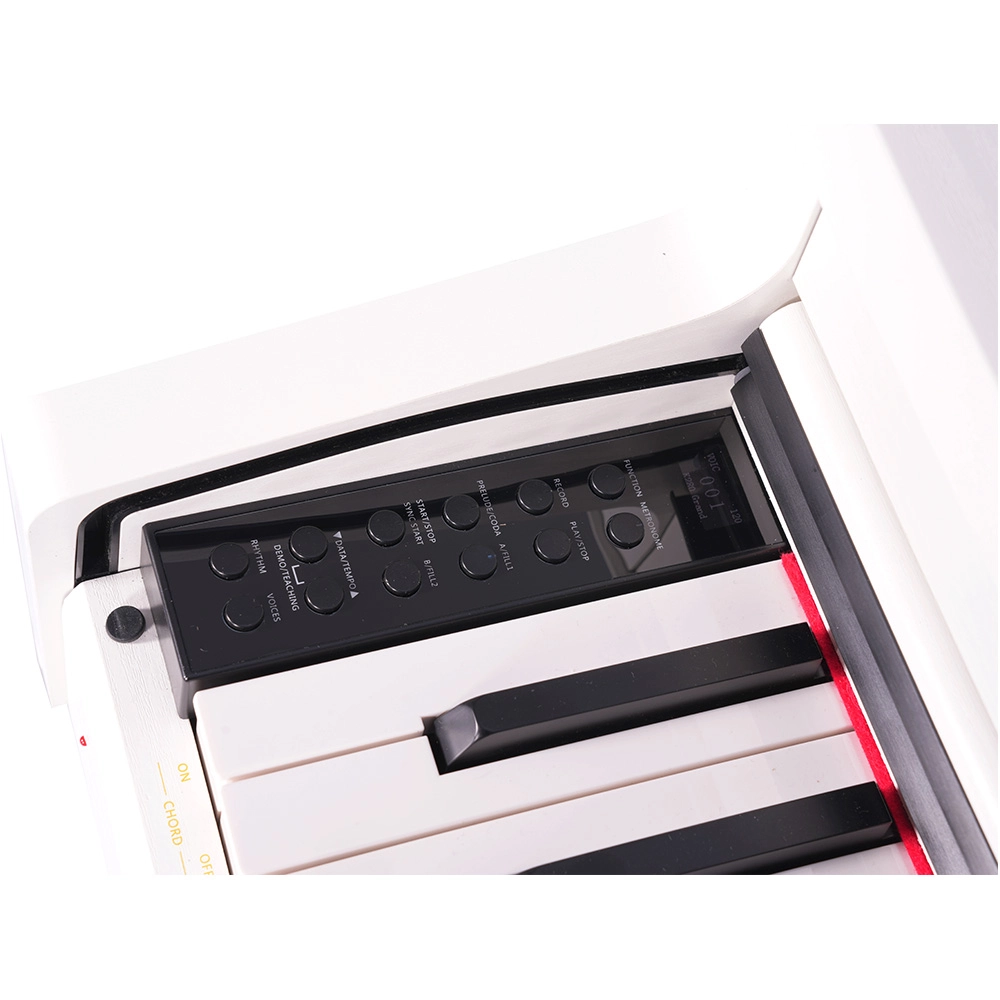
Flykeys Upright Digital Piano FDP-3 — Authentic Acoustic Touch for Home & Studio
Wholesale electronic keyboard 88 keys manufacturer and supplier
Payment
Is payment required upfront for custom orders?
Yes, payment is typically required upfront for custom orders to initiate the production process.
Company
How long has your company been in the electronic piano manufacturing business?
Pearl River Piano has acoustic piano manufacturing experiences for more that 60 years history.
Guangzhou Pearl River Amason Digital Musical Instrument Co.,Ltd., a subsidiary company of Pearl River Piano Group, founded in 2008, and focused on developing and manufacturing digital musical instrument which is one of the three pillar business industries of Pearl River Piano Group.
What sets your company apart from competitors?
We pride ourselves on our commitment to quality craftsmanship, cutting-edge technology, and exceptional customer service.
Logistics
How long does shipping typically take?
Shipping times vary depending on the destination and shipping method selected. Please refer to our shipping information page for estimated delivery times.
Products
Do you offer software updates for your electronic pianos?
Yes, we regularly release software updates to enhance performance and add new features to our electronic pianos.
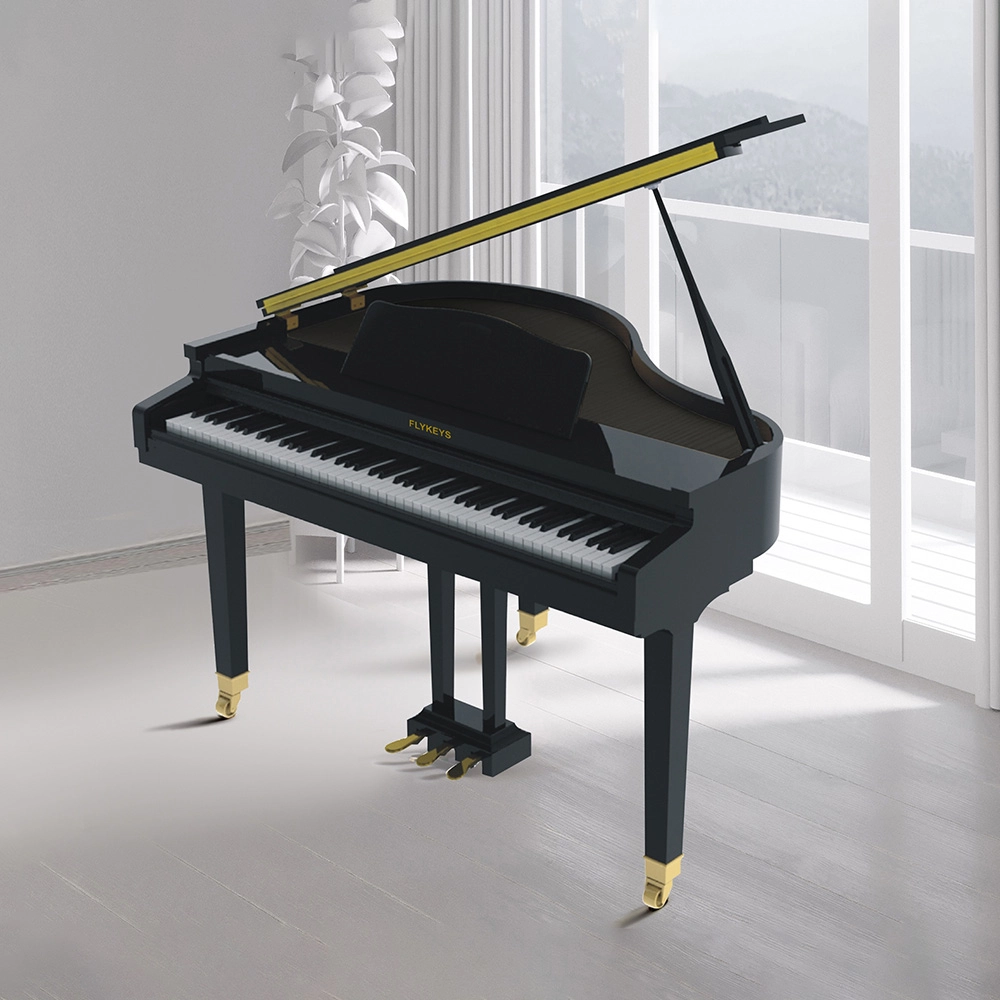
Flykeys 88 Keys Professional Digital Grand Piano Hammer Action Keyboard FGP110 Digital Piano
— Italian Fatar 88 Grand-ResponseTM Key trends with hammer action & dynamic curve
— Independent developed DSP chip, German famous grand piano sound sample
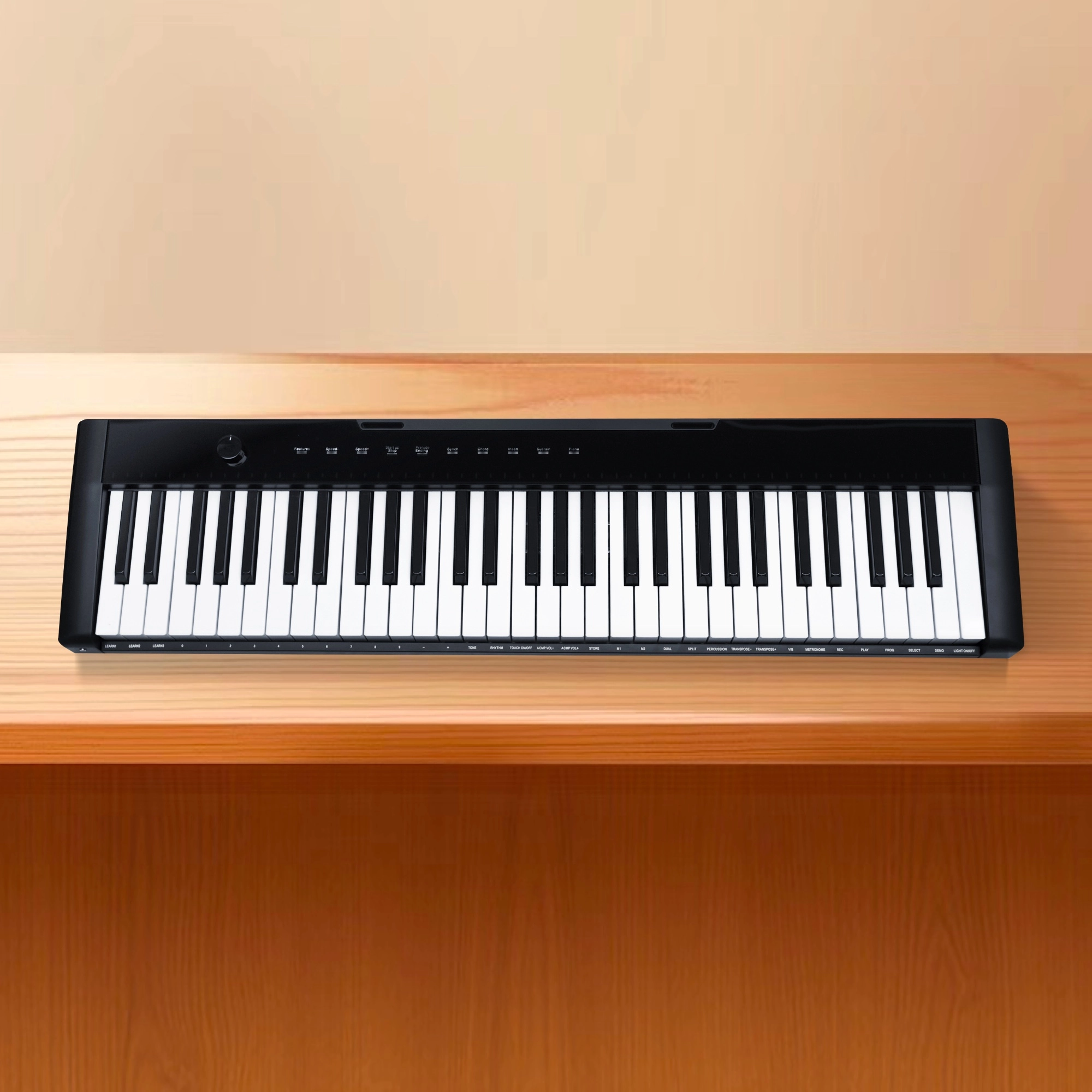
Flykeys 61 keys portable electronic keyboard piano with X stand (M2)
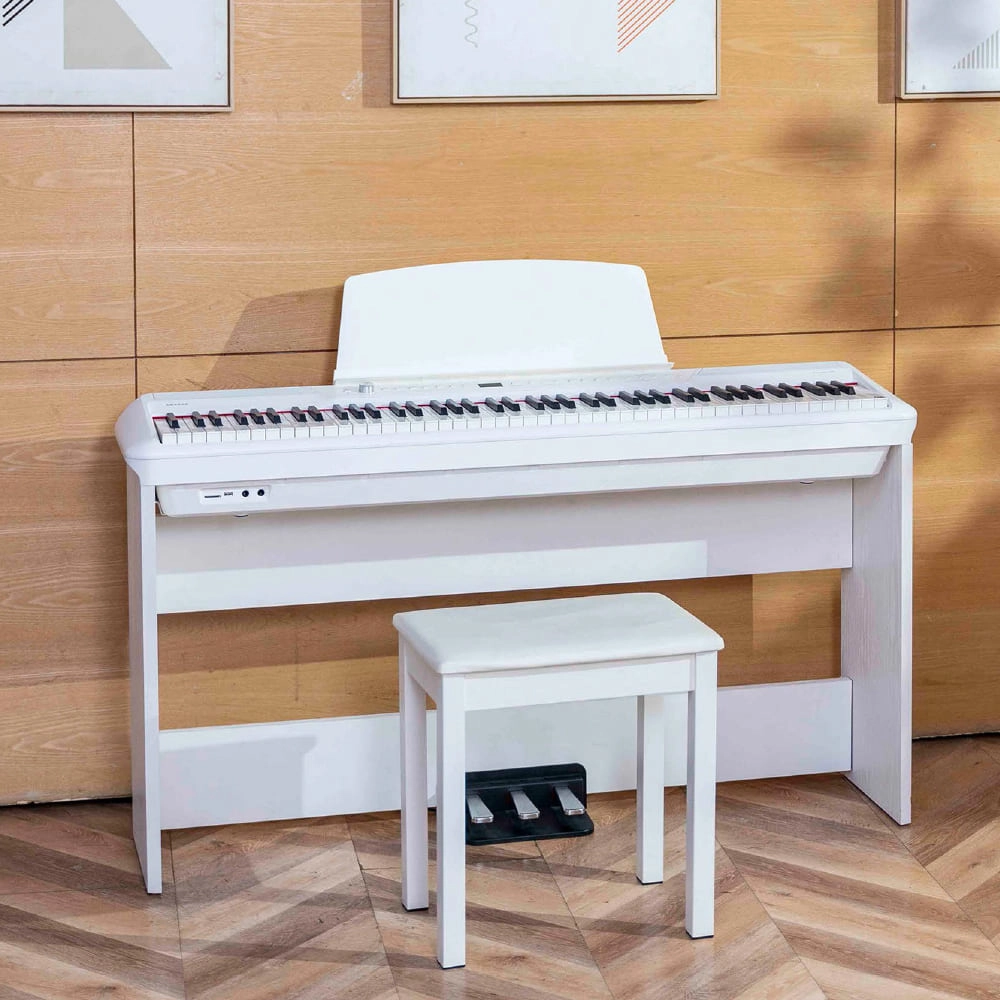
Flykeys Portable Electric Keyboard FP9 Digital Piano
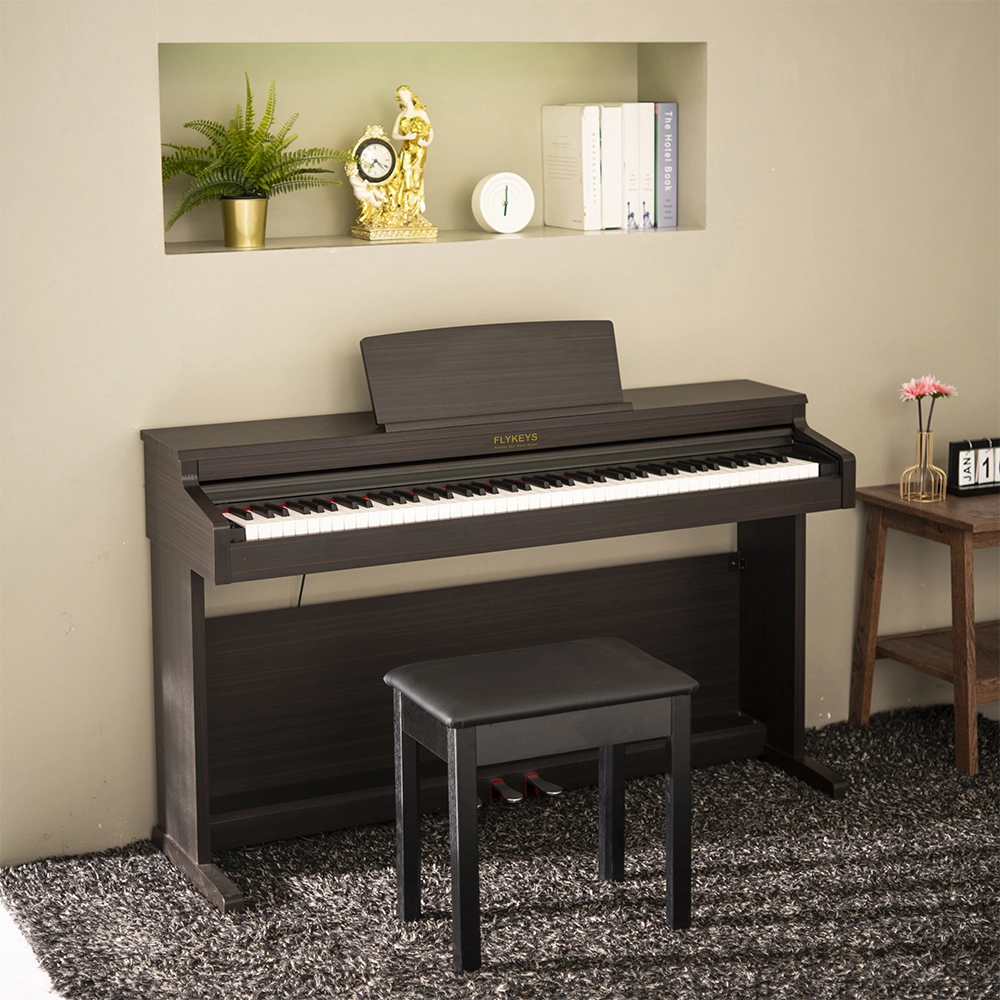
Flykeys 88 Keys Hammer Action keyboard Upright Piano LK03S Digital Piano
— Independent patented technology 88 key Grand-Response hammer action & dynamic curve keyboard;
— European top DSP chip, famous grand piano sound sample;
Address: No. 38 Xiangshan Avenue, Zengcheng Economic And Technological Development Zone, Guangzhou, China.
FOLLOW US:


© 2026 FLYKEYS All Rights Reserved. 粤 ICP备2020102774号. Designed by gooeyun. Sitemap | Privacy | Terms