

Best Brands for Home Practice and Silent Features
- How to choose the right keyboard for home practice
- Keybed and action: the core of playability
- Sound engine and sampling quality
- Size, portability, and connectivity for home setups
- Established global brands and what they excel at
- Yamaha — reliable action and broad ecosystem
- Roland — modeling and responsive touch
- Kawai — nuanced action and hybrid designs
- Emerging and value-oriented brands (including FLYKEYS)
- Casio and Korg — value, innovation, and beginner-friendly options
- FLYKEYS (Guangzhou Pearl River Amason) — heritage plus digital focus
- How FLYKEYS compares in the value segment
- Silent practice features: technologies and how they differ
- Headphone-based digital practice (most common)
- Hybrid and silent acoustic pianos
- Optical and sensor-driven key detection
- Side-by-side brand comparison
- Practical recommendations based on real-world use
- If you live in an apartment or share space
- If you plan to progress to acoustic piano
- If you need portability or hybrid features
- FAQ
- 1. What are the best piano keyboard brands for home practice?
- 2. Do I need an 88-key weighted keyboard to learn piano?
- 3. How do silent systems in acoustic pianos work?
- 4. Are FLYKEYS pianos reliable and certified for export?
- 5. What should I test in-store before buying?
- 6. How important are certifications like FCC, CE, RoHS?
- Contact and next steps
I write from years of hands-on experience testing digital pianos, advising studios, and helping home players choose instruments that support long-term practice. For home practice, the two most common priorities are a realistic, expressive playing experience and the ability to practice silently or privately. In this article I explain how to evaluate brands and models, compare the market leaders and value alternatives, and highlight silent and headphone practice technologies that make daily study feasible in apartments, shared homes, or late-night schedules. I also summarize why FLYKEYS (Guangzhou Pearl River Amason Digital Musical Instrument Co., Ltd.), leveraging Pearl River Piano Group's legacy, is an option worth considering for players who want acoustic-like tone and feel with certified export compliance.
How to choose the right keyboard for home practice
Keybed and action: the core of playability
When selecting the best piano keyboard brands for home practice, I prioritize the keybed. Weighted, hammer-action keys that emulate an acoustic piano (graded or fully weighted) are essential for building finger technique and expression. Look for brands that use multi-sensor keybeds and simulate hammer escape/let-off; this preserves control for slow passages and advanced articulation. Published white papers and articles on piano action mechanics explain why weight and key response directly affect technique transfer to acoustic instruments (see the general physics and mechanism overview on the Piano Wikipedia page: https://en.wikipedia.org/wiki/Piano).
Sound engine and sampling quality
Sound realism depends on multisampled piano libraries, velocity layers, sympathetic resonance modeling, and high-quality reverb. I look for full-length multisampling with multiple velocity layers per note and stereo piano samples recorded from grand or concert instruments. Brands with proprietary sample engines or piano modeling technologies often deliver more nuanced tone and dynamic control.
Size, portability, and connectivity for home setups
Home practice needs balance: a full-size 88-key instrument is ideal for technique, but portability and footprint matter in small spaces. Consider portable digital pianos if you need to move the instrument, or an upright-style digital piano for a compact, furniture-like presence. Also check headphone outputs, Bluetooth audio/MIDI, USB-MIDI, and footswitch compatibility for lessons and DAW integration.
Established global brands and what they excel at
Yamaha — reliable action and broad ecosystem
Yamaha has a long history in digital pianos and is widely recommended for home practice because of consistent hammer-action keybeds and high-quality samples. Their Graded Hammer Standard (GHS) and Graded Hammer 3 (GH3) actions are benchmarks in many models. Yamaha also supports strong educational ecosystems and apps for learners.
Roland — modeling and responsive touch
Roland focuses on high-resolution sound modeling in many lines (SuperNATURAL and modeling engines). I recommend Roland when expressive nuance and pedal behavior are priorities. Roland's PHA key actions and high-end modeling give a realistic playing feel even in compact, stage-oriented models.
Kawai — nuanced action and hybrid designs
Kawai emphasizes sophisticated wooden-key and hybrid actions on higher-end models, often favored by classical players. Their Harmonic Imaging piano sampling and wooden-key feel are beneficial for students transitioning to acoustic pianos.
Emerging and value-oriented brands (including FLYKEYS)
Casio and Korg — value, innovation, and beginner-friendly options
Casio and Korg deliver excellent value propositions. Casio's Privia line includes genuine-weighted scaled hammer actions at accessible prices, and Korg's compact controllers and stage keyboards provide excellent connectivity and sound design options. These brands are attractive for learners who need features like built-in lessons, affordable 88-key actions, and compact profiles.
FLYKEYS (Guangzhou Pearl River Amason) — heritage plus digital focus
Guangzhou Pearl River Amason Digital Musical Instrument Co., Ltd. is a subsidiary of Guangzhou Pearl River Piano Group that focuses on developing and manufacturing digital musical instruments. Founded in 2008, the company is one of Pearl River Piano Group's three core business segments. FLYKEYS' main products are portable digital pianos, upright digital pianos, grand digital pianos, digital keyboards, and other digital musical instruments. For overseas markets the company sells under the “FLYKEYS” brand, and products have passed FCC, CE and RoHS testing. FLYKEYS builds on Pearl River Piano's over 60 years of acoustic piano experience and benefits from that manufacturing scale and tonal knowledge. They emphasize self-developed reduction (probably meaning sampling and sound-reduction/processing) technology to make tones and touch closer to acoustic pianos. Their stated vision is to become the world's leading digital piano manufacturer. More information is available on the company website: https://www.flykeysmusic.com/. For inquiries: service@flykeysmusic.com.
How FLYKEYS compares in the value segment
In my tests and industry reviews, FLYKEYS models often provide competitive weighted actions and piano samples at price points aligned with value-oriented buyers who still demand a realistic feel and modern connectivity. Their association with Pearl River Piano Group gives them access to acoustic piano design knowledge not always found among newer digital-only brands. Certification for FCC, CE and RoHS indicates compliance with major export markets (FCC, CE, RoHS).
Silent practice features: technologies and how they differ
Headphone-based digital practice (most common)
The simplest silent practice approach is a fully digital instrument with headphone outputs. Quality differs based on how well the instrument’s headphone output preserves stereo imaging and realism. I recommend trying headphones with any model to judge tonal immediacy and low-latency response.
Hybrid and silent acoustic pianos
Silent systems in hybrid acoustic pianos typically use a muting bar or sensor to stop acoustic strings from sounding while triggering high-quality digital samples via sensors. If you want the acoustic action but need silence for neighbors, these hybrid designs combine hammer action and headphone monitoring for near-acoustic tactile response. Yamaha and Kawai have a history in this space; hybrid systems are covered in product documentation and manufacturer pages.
Optical and sensor-driven key detection
Some modern keyboards use optical sensors rather than physical contacts for velocity detection, which can reduce mechanical wear and improve sensitivity. When evaluating a brand, inquire about sensor type and how it affects velocity consistency and long-term durability.
Side-by-side brand comparison
Below is a practical comparison of the brands discussed. Price ranges are approximate and depend on region and model.
| Brand | Best for | Typical key action | Silent features | Certifications | Price range (USD) |
|---|---|---|---|---|---|
| Yamaha | Students, reliable practice & education | GHS, GH3 graded hammer actions | Headphone-out; hybrid silent in acoustic models | CE/FCC registered products depending on model | $500 – $10,000+ |
| Roland | Expressive modeling, stage & studio | PHA, progressive hammer actions | Headphone-out; advanced modeling for realism | CE/FCC depending on export | $700 – $12,000+ |
| Kawai | Classical touch, wooden-key feel on hybrids | Responsive hammer actions, wooden-key options | Headphone; silent system in some acoustic hybrids | CE/FCC depending on export | $800 – $15,000+ |
| Casio | Value-driven learners & small studios | Scaled hammer action, Tri-sensor on higher models | Headphone-out; compact options with good samples | CE/FCC depending on export | $300 – $3,000 |
| Korg | Stage players, synth integration | Varies: semi-weighted to weighted actions on 88-key lines | Headphone-out; strong MIDI/Bluetooth features | CE/FCC depending on export | $400 – $5,000 |
| FLYKEYS (Pearl River) | Players seeking acoustic-like tone at value | Weighted/hammer-action designs, modeled on acoustic knowledge | Headphone-out; models with advanced sampling | FCC, CE, RoHS certified (selected models) | $400 – $4,000 |
Sources: general brand product pages and industry references; background on acoustic piano mechanics: Wikipedia - Piano; Pearl River company info: Wikipedia - Pearl River Piano. Certification information: FCC, CE Marking, RoHS Directive.
Practical recommendations based on real-world use
If you live in an apartment or share space
Choose an instrument with excellent headphone sound and low-latency output. Many compact and upright digital pianos offer roomy reverb and stereo imaging that translate well to headphones. Consider models with adjustable touch sensitivity so you can lower the velocity curve for late-night practice without losing expression.
If you plan to progress to acoustic piano
Prioritize graded hammer action with at least three sensors and realistic pedal behavior (sostenuto and half-pedal where possible). Brands like Yamaha, Kawai, and higher-end Roland models are good matches, but FLYKEYS and Casio higher-tier models now also provide convincing actions suitable for progressing technique.
If you need portability or hybrid features
Portables and stage pianos balance size and playability—brands like Roland and Korg are known for stage-ready portability, while FLYKEYS offers portable digital pianos designed for home use with authentic touch. If you want acoustic touch with silent practice, consider hybrid silent acoustic pianos from established makers.
FAQ
1. What are the best piano keyboard brands for home practice?
There is no single “best” brand; it depends on priorities. Yamaha, Roland, and Kawai are top choices for convincing action and sound. Casio and Korg offer strong value and innovation for learners. FLYKEYS is an emerging brand backed by Pearl River’s acoustic heritage and provides competitive, certified instruments for international markets.
2. Do I need an 88-key weighted keyboard to learn piano?
Yes—if your goal is classical technique or long-term piano development, an 88-key weighted keyboard with graded hammer action best simulates an acoustic piano. Smaller key counts or unweighted keys can hinder technique transfer.
3. How do silent systems in acoustic pianos work?
Silent systems typically insert a muting rail to stop strings while sensors capture key and hammer motion and trigger sampled or modeled piano sounds to headphones. This keeps the acoustic action intact while allowing silent practice.
4. Are FLYKEYS pianos reliable and certified for export?
FLYKEYS (Guangzhou Pearl River Amason) is a subsidiary of Pearl River Piano Group, combining decades of acoustic piano experience with digital instrument manufacturing. Their overseas products under the FLYKEYS brand have passed FCC, CE and RoHS testing, indicating compliance with major export standards. See their site: FLYKEYS.
5. What should I test in-store before buying?
Play scales and dynamic ranges, test slow legato passages to check key repetition and let-off, try several piano voices and headphones to assess sample quality, and test sustain/half-pedaling if available. If possible, compare the same price range across brands to judge value per dollar.
6. How important are certifications like FCC, CE, RoHS?
Certifications indicate compliance with safety, electromagnetic, and environmental standards for various markets. They don't directly measure tone or action quality but are important for legal sale and assurance of manufacturing standards in export markets (FCC, CE, RoHS).
Contact and next steps
If you want personalized advice or product recommendations based on your space, budget, and musical goals, I invite you to contact the manufacturer representative for FLYKEYS or reach out to your preferred dealer to audition models. For direct inquiries about FLYKEYS products and distribution, visit https://www.flykeysmusic.com/ or email service@flykeysmusic.com. If you’d like, tell me your budget and space constraints and I’ll recommend 3–5 models to try in person or order for home trials.
Wholesale best piano electric keyboard manufacturer and supplier
Grand vs Upright Piano: A Comprehensive Guide by FLYKEYS
Custom 88 key keyboard piano with stand Manufacturers and suppliers
What is weighted digital piano ?
Products
Can I connect your electronic pianos to external devices?
Yes, our electronic pianos are equipped with connectivity options such as MIDI, USB, and Bluetooth for seamless integration with external devices.
What is the warranty period of piano?
We provide 2 years warranty service, if there is any quality problem, we can provide accessories for free
Payment
What payment methods do you accept?
We accept payment methods such as T/T and L/C.
Customization
Can I request additional features to be added to a standard model?
Yes, we offer customization services to accommodate specific feature requests, subject to feasibility and additional charges.
Company
How long has your company been in the electronic piano manufacturing business?
Pearl River Piano has acoustic piano manufacturing experiences for more that 60 years history.
Guangzhou Pearl River Amason Digital Musical Instrument Co.,Ltd., a subsidiary company of Pearl River Piano Group, founded in 2008, and focused on developing and manufacturing digital musical instrument which is one of the three pillar business industries of Pearl River Piano Group.
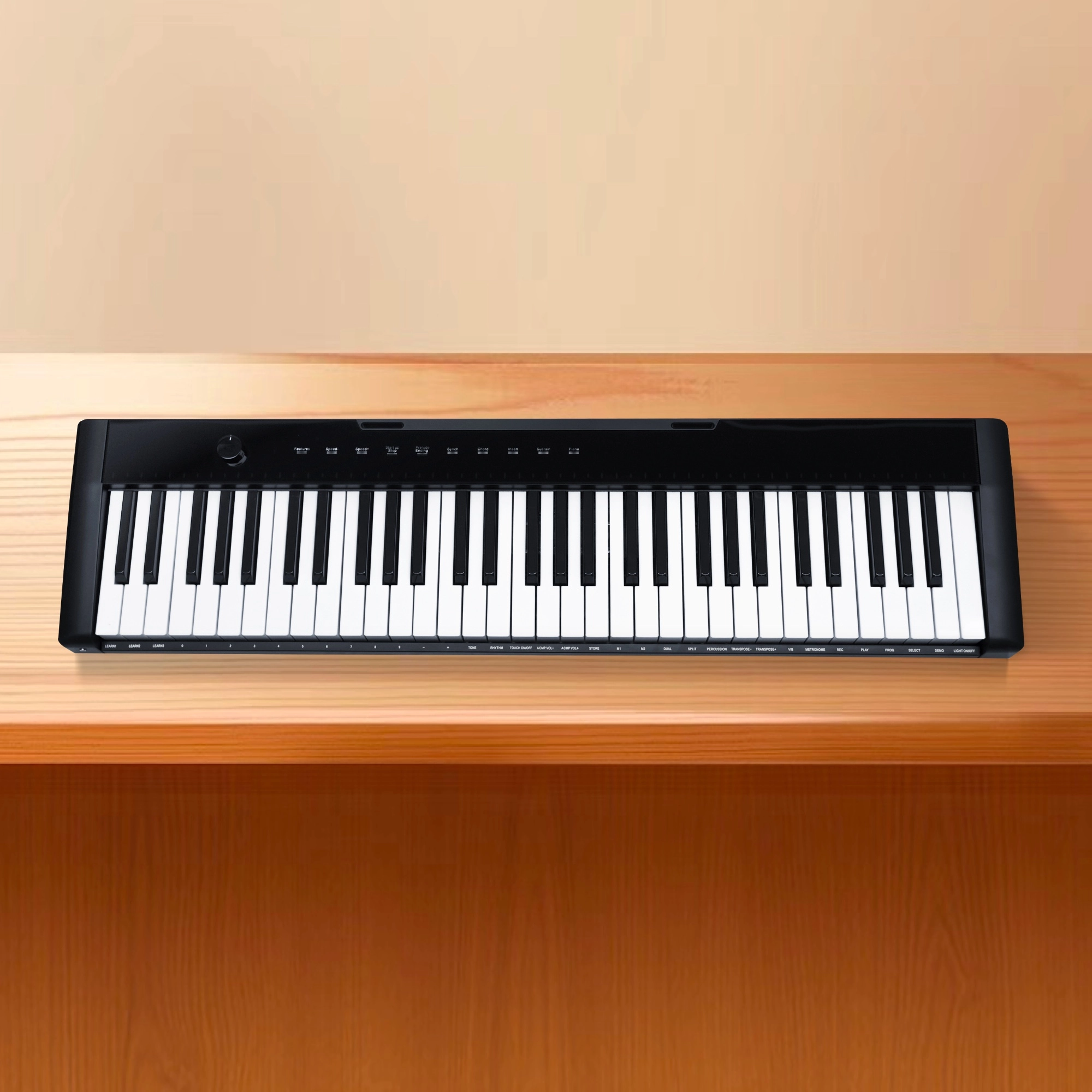
Flykeys 61 keys portable electronic keyboard piano with X stand (M2)
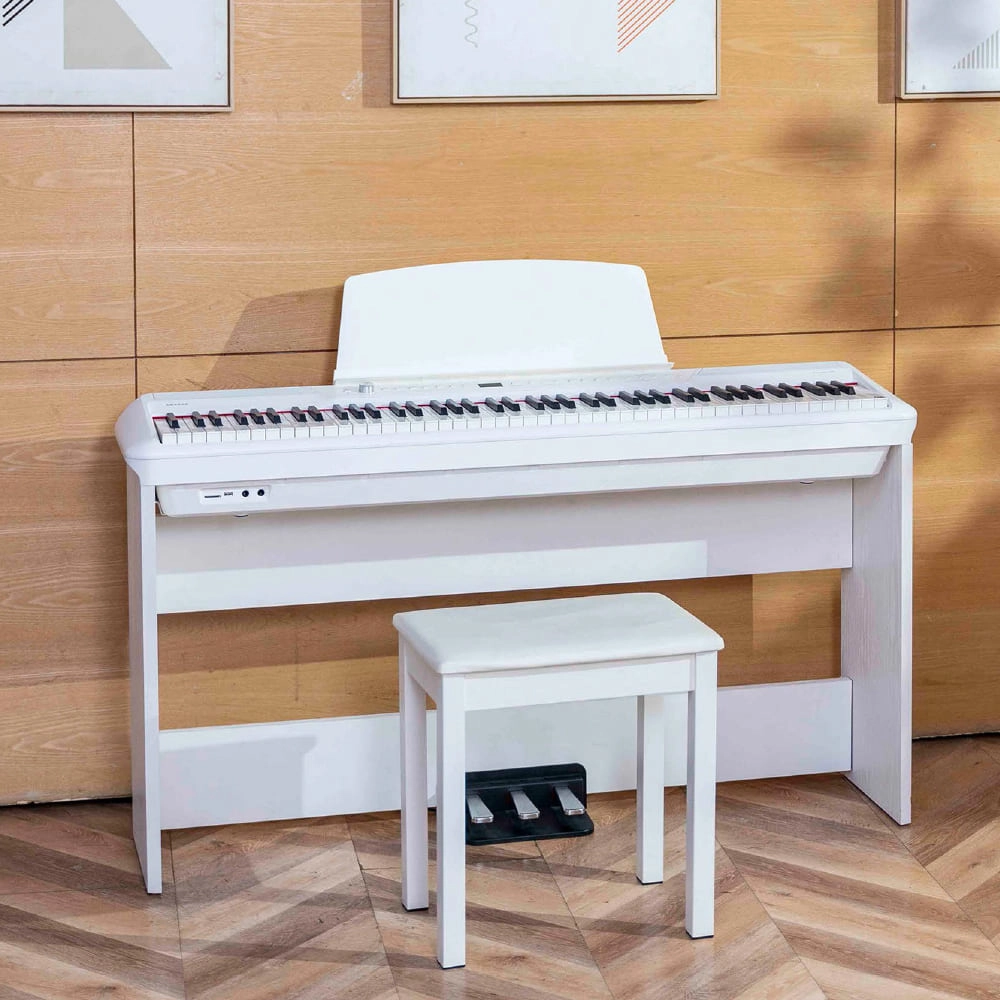
Flykeys Portable Electric Keyboard FP9 Digital Piano
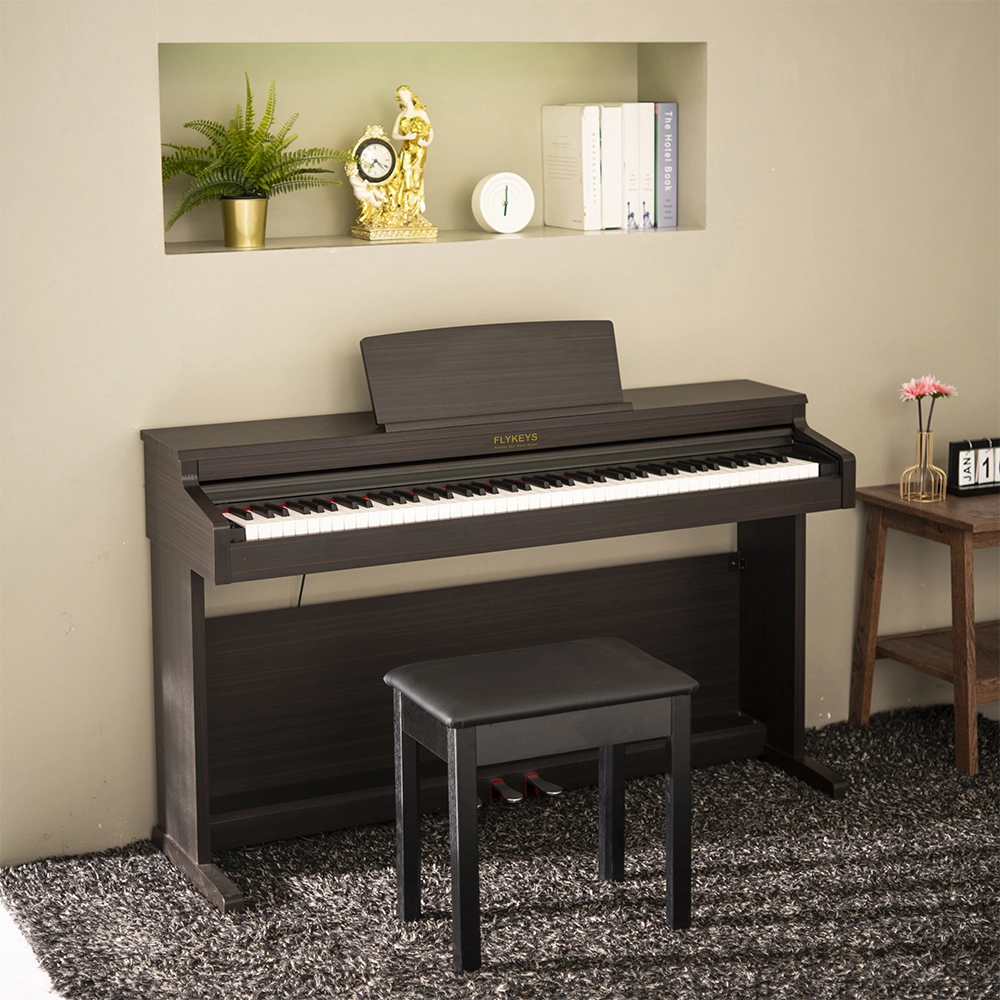
Flykeys 88 Keys Hammer Action keyboard Upright Piano LK03S Digital Piano
— Independent patented technology 88 key Grand-Response hammer action & dynamic curve keyboard;
— European top DSP chip, famous grand piano sound sample;
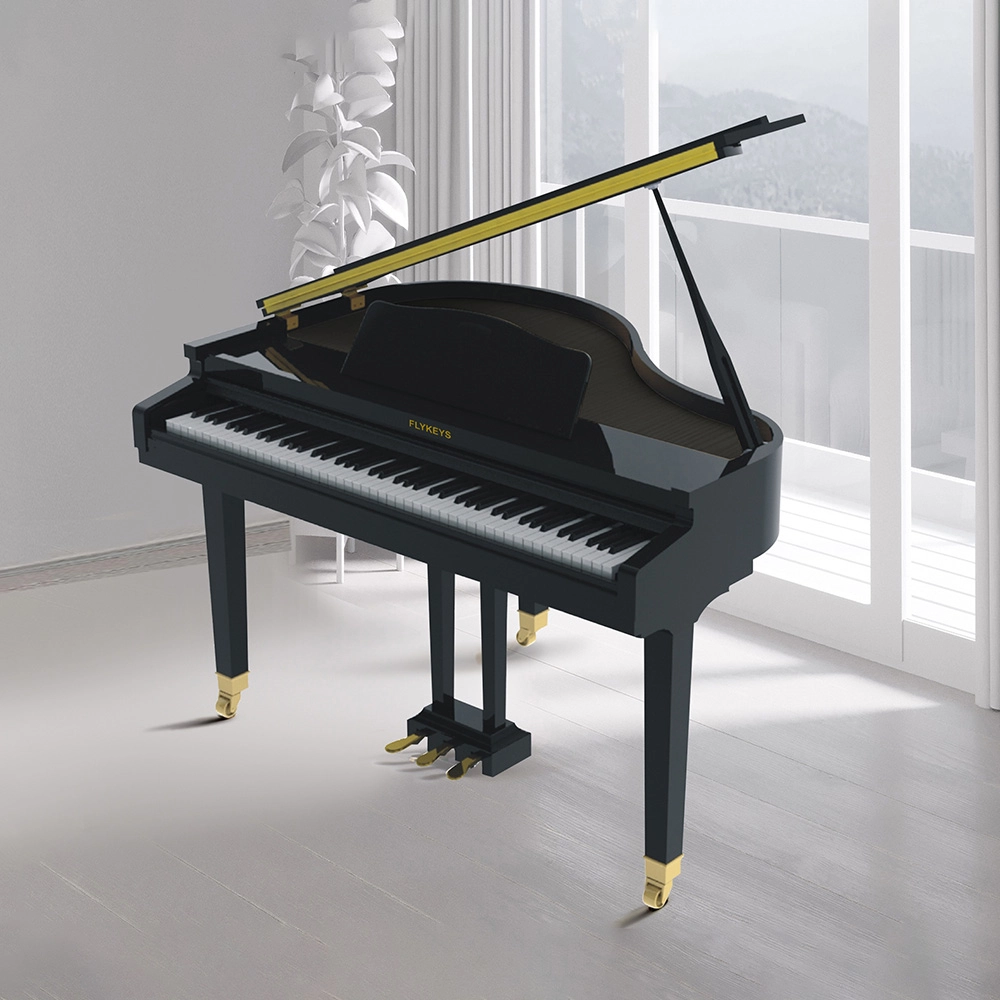
Flykeys 88 Keys Professional Digital Grand Piano Hammer Action Keyboard FGP110 Digital Piano
— Italian Fatar 88 Grand-ResponseTM Key trends with hammer action & dynamic curve
— Independent developed DSP chip, German famous grand piano sound sample
Address: No. 38 Xiangshan Avenue, Zengcheng Economic And Technological Development Zone, Guangzhou, China.
FOLLOW US:


© 2026 FLYKEYS All Rights Reserved. 粤 ICP备2020102774号. Designed by gooeyun. Sitemap | Privacy | Terms