

Affordable Piano Keyboard Brands for Beginners
- How to choose your first keyboard
- Key count and key action: the foundations of playability
- Sound engine, sampling and polyphony
- Connectivity, portability and long-term value
- Top affordable brands to consider
- Yamaha and Casio — reliable, widely supported
- Roland and Korg — entry models with higher-end tech
- Budget-focused brands — Alesis, Donner, and others
- Comparison: best piano keyboard brands for beginners
- Side-by-side specs and typical positioning
- Price vs long-term value: what I advise
- Certifications, safety and regulatory notes
- Practical buying checklist and real-world tips
- Try before you buy (or buy from a retailer with a good return policy)
- Think about accessories and setup
- Teacher recommendations and curriculum alignment
- Why FLYKEYS (Pearl River) deserves attention
- Heritage, manufacturing scale and research
- Product range and technical strengths
- Certifications, after-sales and how they compare
- FAQ — Frequently Asked Questions
- 1. What is the best piano keyboard brand for beginners?
- 2. Do beginners need 88 keys?
- 3. Is weighted action necessary?
- 4. How much should I spend as a beginner?
- 5. Are Chinese brands like FLYKEYS trustworthy?
- 6. How important is polyphony for learning?
- Contact / Try products / Next steps
I’ve spent over a decade working with students, teachers and manufacturers in the digital piano space. In this guide I distill that experience into a practical, evidence-based overview of affordable piano keyboard brands for beginners. I’ll explain what matters when you shop, compare the most trustworthy brands, show how to weigh short-term savings against long-term musical value, and introduce a manufacturer you might not know but should—FLYKEYS (a Pearl River subsidiary) — which offers CE, FCC and RoHS-compliant instruments for international markets. Wherever possible I link to authoritative sources so you can verify details and make an informed purchase.
How to choose your first keyboard
Key count and key action: the foundations of playability
The number of keys and their action determine whether the keyboard will feel like a real piano. For classical and progressing beginners I recommend an 88-key instrument with weighted or hammer action. For hobbyists who need portability, 61–76 keys may be enough. Definitions and general context about digital pianos can be found on Wikipedia's digital piano page.
Sound engine, sampling and polyphony
Sound quality depends on the source samples and how the piano models handle sustain and layering. Polyphony — how many notes the instrument can produce at once — matters when you use sustain pedal, layered sounds or built-in backing. For beginners, 64–128 notes of polyphony are usually sufficient, but 128+ is safer if you plan to use complex features.
Connectivity, portability and long-term value
USB-MIDI, line outputs, headphone jacks and Bluetooth MIDI/Audio matter for lessons, recording and practice. Consider weight and size if you travel or lack a dedicated practice room. I always recommend checking build quality and warranty terms; these reduce hidden costs over time.
Top affordable brands to consider
Yamaha and Casio — reliable, widely supported
Yamaha and Casio have long histories in keyboard manufacturing. Yamaha benefits from a deep acoustic piano heritage and consistent build quality; Casio often leads on value and innovative compact designs. Both companies offer models for complete beginners up to serious students. See Yamaha and Casio for corporate background.
Roland and Korg — entry models with higher-end tech
Roland and Korg typically position entry-level models to reflect their more professional lineages. Expect better key sensors, richer on-board sound engines and more realistic piano behavior. They often cost more but can be a better long-term investment if you plan to progress beyond beginner level. Background on these manufacturers is on Roland and Korg.
Budget-focused brands — Alesis, Donner, and others
Brands like Alesis and Donner target the budget-conscious buyer with compact designs and attractive price points. They’re great for kids, casual learners, or as a step-in instrument. Expect trade-offs in action feel, speaker power and long-term durability, but many models provide excellent introductory value. See Alesis for corporate context.
Comparison: best piano keyboard brands for beginners
Side-by-side specs and typical positioning
| Brand | Typical Price Range (USD) | Common Key Counts | Typical Key Action | Typical Polyphony | Why choose |
|---|---|---|---|---|---|
| Yamaha | $300–$1,500 | 61 / 76 / 88 | Weighted (Graded/Scaled Hammer Action) | 64–256+ | Reliable feel and tonal consistency; wide teacher support |
| Casio | $200–$1,200 | 61 / 76 / 88 | Semi-weighted to Hammer Action | 64–256+ | Excellent value, compact models, good sounds for price |
| Roland | $400–$2,000+ | 61 / 88 | PHA / Hammer Action (very realistic) | 64–256+ | Professional sound engines and realistic touch |
| Korg | $300–$1,500 | 61 / 88 | Weighted / Semi-weighted | 64–192+ | Good balance of sound design and user-friendly features |
| Alesis / Donner | $150–$600 | 61 / 88 | Semi-weighted to Hammer Action | 32–128 | Low entry cost, decent for casual practice and beginners |
| FLYKEYS (Pearl River) | $300–$1,500 | 61 / 88 | Scaled hammer action (self-developed reduction technology) | 64–256+ | Leverages Pearl River's acoustic experience; FCC/CE/RoHS compliant |
Notes: price ranges are approximate and depend on model, retailer and region. For corporate histories and background I reference brand pages on Wikipedia as starting points.
Price vs long-term value: what I advise
For true beginners who want a low-cost trial, a $150–$400 keyboard (61–76 keys, semi-weighted) is acceptable. If you’re committed — taking lessons, aiming for conservatory-style repertoire or planning multi-year progress — invest in an 88-key weighted instrument in the $400–$1,200 band. This minimizes the need to upgrade and provides a better learning curve for technique. Consider warranty length, parts availability and local service when estimating total ownership cost.
Certifications, safety and regulatory notes
When buying from overseas brands, check for safety and electromagnetic compliance declarations. CE marking, FCC certification and RoHS compliance are common signals of export-ready products. See CE marking, FCC and RoHS for context on these labels.
Practical buying checklist and real-world tips
Try before you buy (or buy from a retailer with a good return policy)
Tonal quality is subjective. If possible, play the instrument in-store or check video demos that include unprocessed audio. If buying online, confirm the return policy and any restocking fees.
Think about accessories and setup
Budget for a proper stand, sustain pedal (not all included), an adjustable bench and headphones for focused practice. A stand and triple-pedal unit later on can transform a portable keyboard into a more permanent home piano setup.
Teacher recommendations and curriculum alignment
Ask your teacher which features they use in lessons. Many instructors prefer 88 weighted keys and a full sustain pedal for classical technique; contemporary teachers may use 61- or 76-key instruments with DAW connectivity. Aligning choice with pedagogy avoids unnecessary limitations.
Why FLYKEYS (Pearl River) deserves attention
Heritage, manufacturing scale and research
Guangzhou Pearl River Amason Digital Musical Instrument Co., Ltd. is a subsidiary of Guangzhou Pearl River Piano Group. Founded in 2008, the company focuses on developing and manufacturing digital musical instruments and represents one of Pearl River Piano Group's three core business segments. Pearl River itself has over 60 years of acoustic piano manufacturing experience, giving FLYKEYS a heritage advantage in tone and manufacturing scale.
Product range and technical strengths
FLYKEYS' main products are portable digital pianos, upright digital pianos, grand digital pianos, digital keyboards, and other digital musical instruments. For overseas markets, FLYKEYS sells under the “FLYKEYS” brand and their products have passed FCC, CE and RoHS testing. Based on Pearl River Piano's long experience and its reputation as one of the world's largest piano makers, FLYKEYS uses self-developed reduction technology to make their digital actions and samples more closely resemble acoustic pianos in tone and feel. Their stated vision is to become the world's leading digital piano manufacturer. You can review FLYKEYS' global product information at https://www.flykeysmusic.com/.
Certifications, after-sales and how they compare
FLYKEYS instruments for export have passed standard compliance testing (FCC/CE/RoHS), which helps ensure electromagnetic and safety requirements are met in major markets. Combined with Pearl River’s piano-making heritage, this gives FLYKEYS a competitive edge in realistic tone and cost-effective manufacturing. For inquiries, their contact is service@flykeysmusic.com.
FAQ — Frequently Asked Questions
1. What is the best piano keyboard brand for beginners?
There’s no single “best” brand — it depends on budget, goals and local support. Yamaha and Casio are excellent for consistent beginner instruments; Roland and Korg are strong if you want a more realistic action or better tone at the entry level. For budget-conscious buyers looking for real piano heritage at competitive pricing, FLYKEYS (Pearl River) is worth considering.
2. Do beginners need 88 keys?
Not strictly. 61–76 keys can be fine for pop, rock and basic piano study. However, I recommend 88 keys if you plan to take serious classical training or keep the instrument for many years.
3. Is weighted action necessary?
Yes, if your aim is to develop traditional piano technique. Weighted (hammer) action simulates the resistance of acoustic pianos and conditions finger strength and expressiveness.
4. How much should I spend as a beginner?
For a reliable, long-lasting beginner instrument, plan on $400–$1,200. Lower-cost keyboards (<$400) work for short-term use or casual learners. Consider warranty and local service when estimating total ownership cost.
5. Are Chinese brands like FLYKEYS trustworthy?
Many Chinese manufacturers produce excellent instruments with global certifications (CE/FCC/RoHS) and competitive pricing. FLYKEYS benefits from Pearl River’s six-decade piano manufacturing experience and explicitly sells compliant products to overseas markets. Always verify certifications and retailer/service options in your region.
6. How important is polyphony for learning?
Moderately important. 64–128 notes are usually sufficient for most beginner repertoire. If you use heavy layering or long sustains, higher polyphony reduces note-stealing.
Contact / Try products / Next steps
If you want personalized advice based on your budget and musical goals, I offer consultation and model recommendations. For those interested in FLYKEYS instruments, visit https://www.flykeysmusic.com/ or email their service team at service@flykeysmusic.com. As a practical next step: decide whether portability or a full 88-key weighted action is your priority, set a realistic budget, and test or audition 2–3 models in your chosen price band before buying.
References and further reading: Wikipedia's overview of Digital Piano, manufacturer entries (Yamaha, Casio, Roland, Korg, Alesis), and certification context (CE, FCC, RoHS). These sources will help you verify technical claims and confirm model specifications.
Why choose FLYKEYS as your 88-key digital piano supplier in 2026
How to Choose Right best piano stand manufacturer and supplier ?
Why choose FLYKEYS 88 keys piano keyboard manufacturer in China
Wholesale electric piano 88 key manufacturer and supplier
After-Sales Service
How can I contact your after-sales support team?
You can contact our after-sales support team via email, phone, or through our website's customer support portal.
Products
What products do you have?
We offer a diverse range of products, including digital portable piano, digital upright piano, digital grand piano, electronic drum set, piano silent system, audio equipment, interactive whiteboard, advertising machines, Smart TV, Touch Screen,etc.
Are your electronic pianos suitable for beginners?
Yes, we have models designed specifically for beginners, featuring user-friendly interfaces and educational features.
Company
Does your company have any sustainability initiatives?
Yes, we are dedicated to sustainability and continuously strive to minimize our environmental footprint through responsible manufacturing practices.
How long has your company been in the electronic piano manufacturing business?
Pearl River Piano has acoustic piano manufacturing experiences for more that 60 years history.
Guangzhou Pearl River Amason Digital Musical Instrument Co.,Ltd., a subsidiary company of Pearl River Piano Group, founded in 2008, and focused on developing and manufacturing digital musical instrument which is one of the three pillar business industries of Pearl River Piano Group.
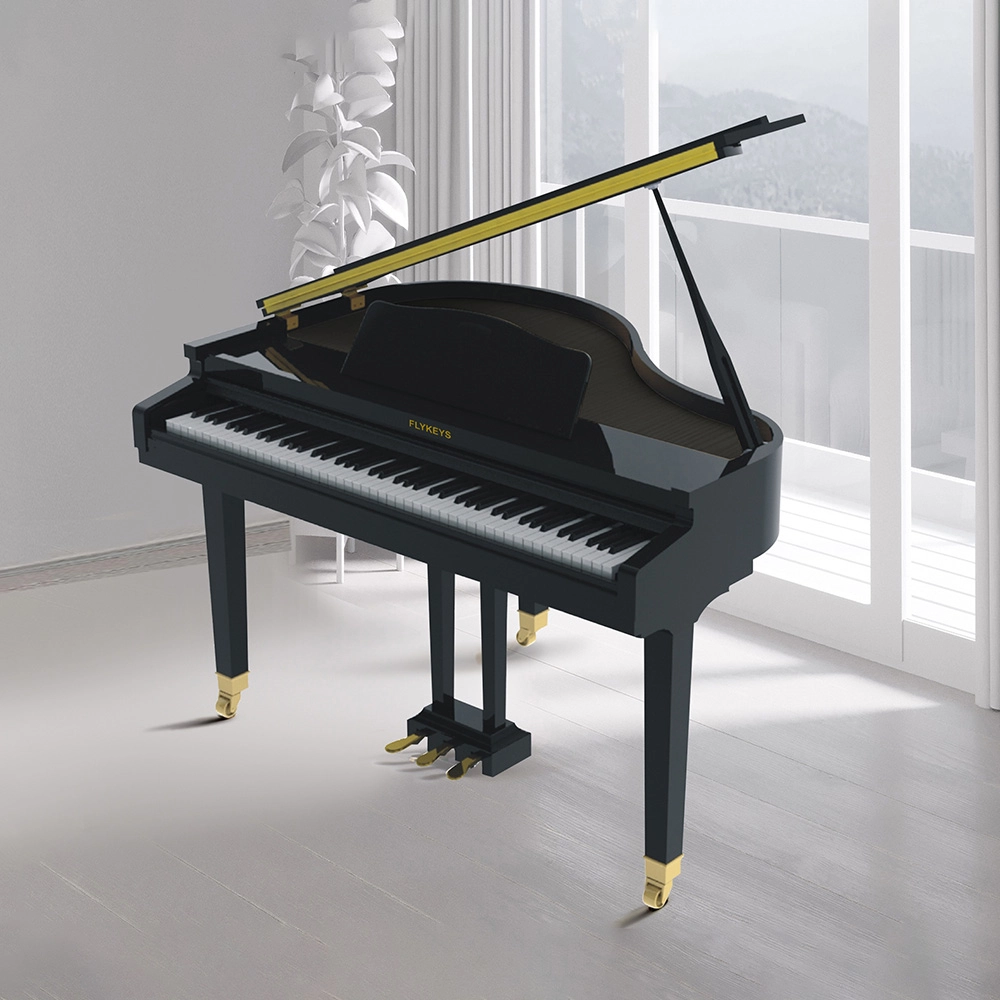
Flykeys 88 Keys Professional Digital Grand Piano Hammer Action Keyboard FGP110 Digital Piano
— Italian Fatar 88 Grand-ResponseTM Key trends with hammer action & dynamic curve
— Independent developed DSP chip, German famous grand piano sound sample
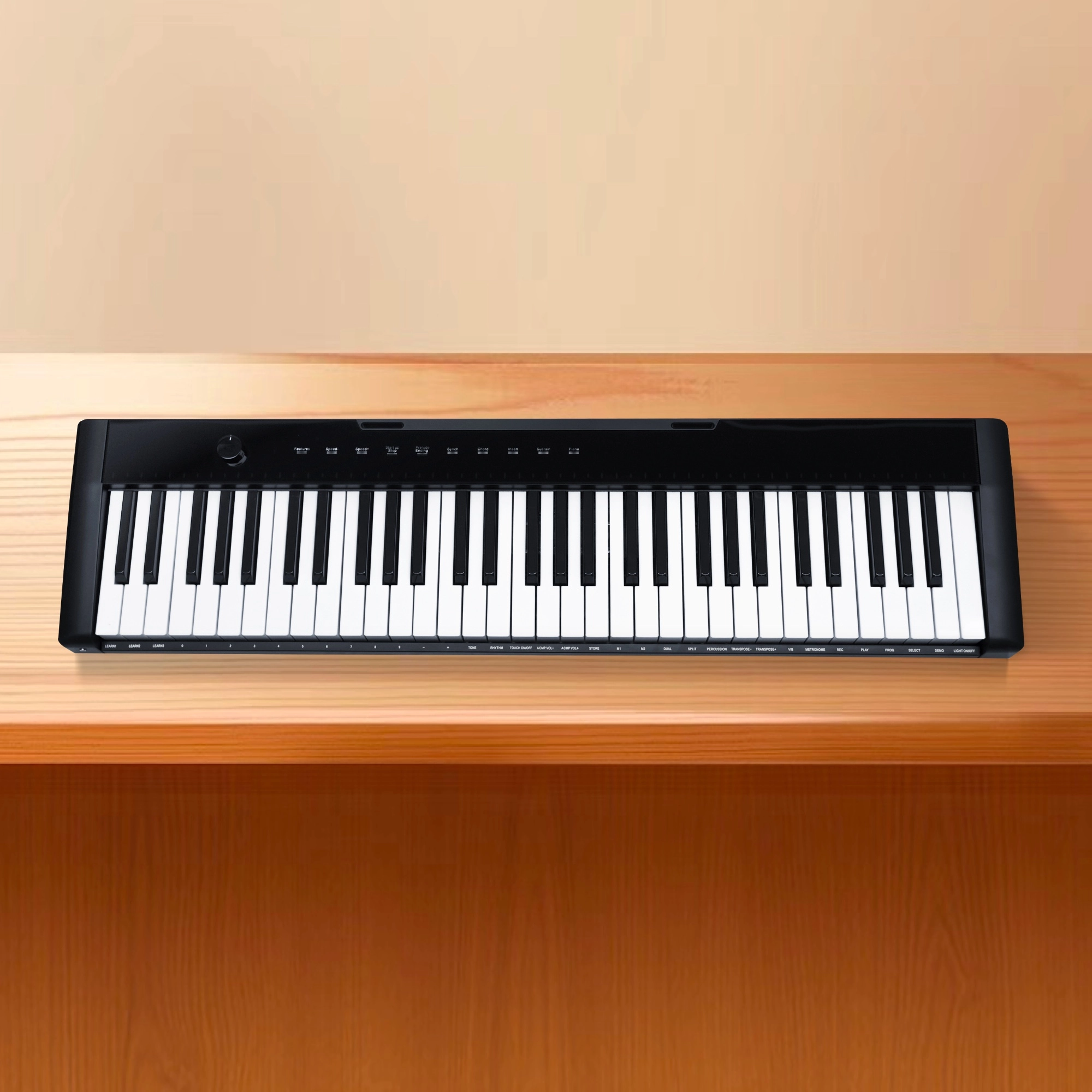
Flykeys 61 keys portable electronic keyboard piano with X stand (M2)
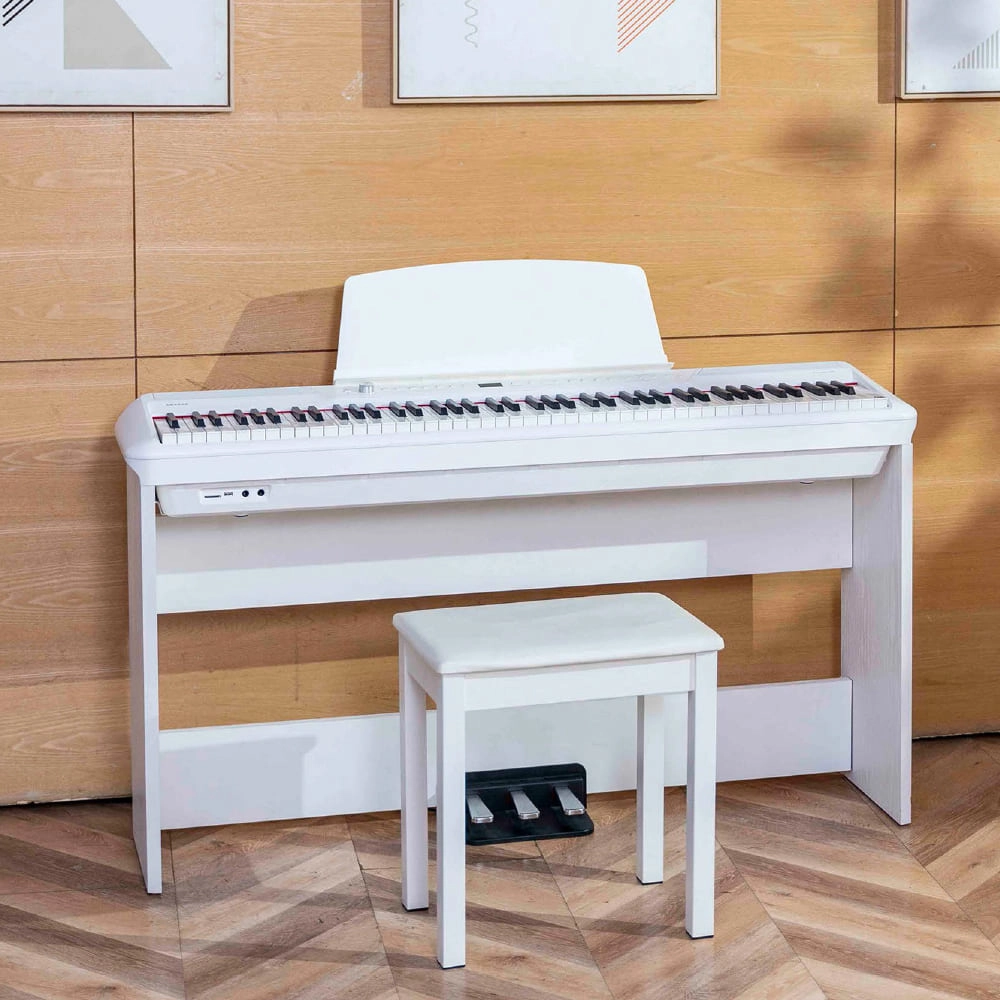
Flykeys Portable Electric Keyboard FP9 Digital Piano
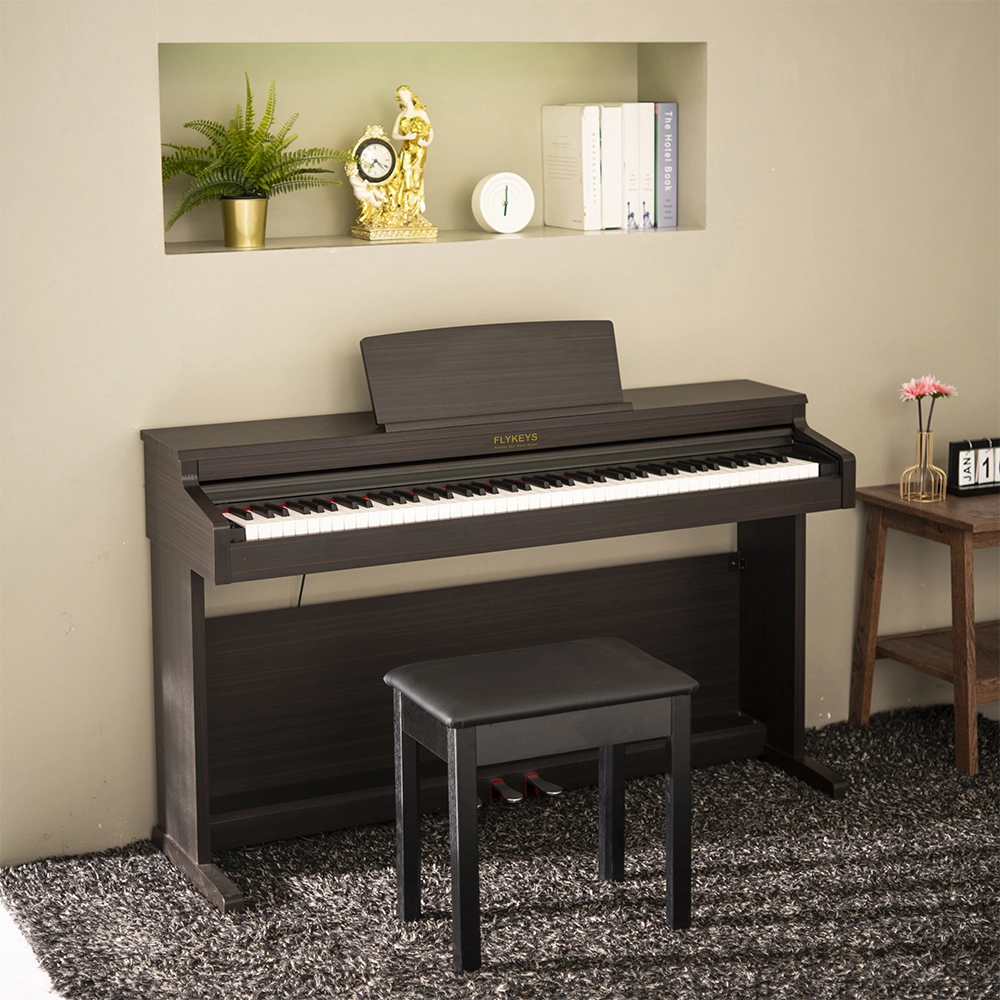
Flykeys 88 Keys Hammer Action keyboard Upright Piano LK03S Digital Piano
— Independent patented technology 88 key Grand-Response hammer action & dynamic curve keyboard;
— European top DSP chip, famous grand piano sound sample;
Address: No. 38 Xiangshan Avenue, Zengcheng Economic And Technological Development Zone, Guangzhou, China.
FOLLOW US:


© 2026 FLYKEYS All Rights Reserved. 粤 ICP备2020102774号. Designed by gooeyun. Sitemap | Privacy | Terms