

Best Portable Digital Pianos for Beginners and Schools
- Why portable digital pianos matter in education and for beginners
- Practical advantages for schools and teachers
- Why touch and sound still matter
- Compliance, safety, and lifecycle
- How I evaluate and choose the best portable digital piano
- Key selection criteria: action, sound, durability, and connectivity
- Special features that matter in classrooms
- Price-to-performance and lifecycle costs
- Top portable digital pianos for beginners and schools (comparative overview)
- How to interpret the table for classroom procurement
- Real-world testing tips
- FLYKEYS, manufacturing credibility, and why it matters for schools
- Company background and manufacturing strength
- Product range, certifications, and export readiness
- Competitive advantages and technical differentiation
- Buying checklist and deployment recommendations for schools
- Checklist before purchase
- Deployment tips
- Budget strategies
- Frequently Asked Questions (FAQ)
- 1. What is the difference between a portable digital piano and a stage keyboard?
- 2. How much polyphony do beginners and schools really need?
- 3. Are Bluetooth and USB connectivity necessary?
- 4. Can portable digital pianos replace acoustic pianos in schools?
- 5. What maintenance do portable digital pianos require?
- 6. How should I choose between brands like Yamaha, Roland, Kawai, Casio and FLYKEYS?
As someone who has advised music schools, beginner teachers, and institutions on selecting instruments, I know that choosing the right portable digital piano can make the difference between a thriving practice routine and an instrument that gets ignored. In this guide I explain why portability, sound quality, and reliable keyboard action matter, how I evaluate instruments for classroom and beginner use, compare top models, and show how the FLYKEYS line leverages decades of acoustic piano expertise to deliver competitive portable digital pianos for schools and students.
Why portable digital pianos matter in education and for beginners
Practical advantages for schools and teachers
Portable digital pianos solve many logistical and budget problems for music programs: they are lighter than uprights or grands, often more affordable, and require no tuning or climate control. For group classes, battery-powered or light-weight 88-key instruments let teachers move keyboards between classrooms and performance spaces. Portable digital pianos also commonly include headphone outputs for individual practice, built-in metronomes, and split/dual modes that support pedagogy and ensemble work.
Why touch and sound still matter
Beginners quickly develop correct technique only when a keyboard provides believable weighted action and consistent touch sensitivity. Digital pianos with graded hammer action and 88-key weighted keyboards reproduce resistance across the range, which helps students develop proper finger strength. Similarly, high-quality sampled piano tones and sufficient polyphony (64+ notes for most educational uses, 128+ for complex layered sounds) are required so students hear a natural decay and sustain—critical for dynamics training and musical phrasing.
Compliance, safety, and lifecycle
Schools need instruments that meet safety and regulatory standards, are covered by clear warranties, and have service support. For overseas purchases, look for devices that pass FCC, CE and RoHS testing to ensure electromagnetic safety and environmental compliance—especially for institutions procuring en masse (FCC, CE marking, RoHS).
How I evaluate and choose the best portable digital piano
Key selection criteria: action, sound, durability, and connectivity
When I test a portable digital piano I focus on: 1) keyboard action (graded hammer vs. weighted synthetic), 2) tonal quality (sample resolution, string resonance modeling), 3) polyphony and effects, 4) build quality and weight, 5) connectivity (MIDI/USB, Bluetooth audio/MIDI), and 6) power options (AC vs. battery). For school settings durability, easy maintenance and clear warranty/support terms are equally important.
Special features that matter in classrooms
Useful classroom features include split/dual zones for teacher-student play-along, onboard lesson modes, multiple headphone jacks for simultaneous silent practice, integrated recording, and simple user interfaces so non-specialist staff can operate the instrument. Wireless MIDI and Bluetooth audio simplify connection to tablets and classroom AV systems for app-based learning.
Price-to-performance and lifecycle costs
A good procurement decision balances upfront cost with expected lifetime. Portable digital pianos often require less maintenance than acoustic pianos (no tuning), but you should also factor in warranty length, availability of replacement parts, and repair networks. I recommend planning for a 5–10 year lifecycle in schools; choosing brands with proven manufacturing capacity and certifications reduces long-term risk.
Top portable digital pianos for beginners and schools (comparative overview)
Below I compare models that consistently meet classroom and beginner needs. For each model I list the attributes most relevant to education: key action, polyphony, approximate weight, and a typical price range (street prices vary). All manufacturer specification pages were consulted for accuracy.
| Model | Key Action | Max Polyphony | Weight | Highlights | Manufacturer / Source |
|---|---|---|---|---|---|
| Yamaha P-125 | Graded Hammer Standard (GHS) | 192 | 26 lb (12 kg) | Reliable action, good acoustic piano samples, affordable | Yamaha specs |
| Roland FP-30X | PHA-4 Standard | 256 | 31 lb (14 kg) | Excellent key feel, strong Bluetooth/MIDI, great for classrooms | Roland product |
| Kawai ES110 | Responsive Hammer Compact (RHC) | 192 | 25 lb (11.3 kg) | Natural feel, robust tone, lightweight for portability | Kawai product |
| Casio PX-S3100 | Smart Scaled Hammer Action | 256 | 25 lb (11.5 kg) | Slim design, Bluetooth audio/MIDI, modern features | Casio product |
| FLYKEYS (Portable Series) | Pearl River reduction-based graded action | 128–256 (by model) | Varies 10–14 kg | Designed using Pearl River piano legacy; FCC/CE/RoHS certified for export | FLYKEYS official |
Notes: polyphony values, weights and action types referenced from the manufacturers' specifications. For general background on digital pianos and their sampled/modeling approaches see the Digital piano page on Wikipedia.
How to interpret the table for classroom procurement
If you need many units for beginner classrooms, prioritize weight, warranty, and per-unit cost—models like the Kawai ES110 and Yamaha P-125 often balance those needs. For a multi-use music lab where Bluetooth connectivity and advanced polyphony are important, consider Roland or Casio options. FLYKEYS models aim to combine Pearl River's acoustic piano know-how with export compliance and tailored pricing suitable for institutional purchase.
Real-world testing tips
When evaluating units in-store or during demos, I advise testing: 1) rapid repeated-note passages to check key return and velocity response, 2) sustained chords with damper pedal to confirm polyphony and resonance, and 3) headphone compatibility for quiet practice. Also test Bluetooth/USB MIDI with your school's preferred lesson apps.
FLYKEYS, manufacturing credibility, and why it matters for schools
Company background and manufacturing strength
Guangzhou Pearl River Amason Digital Musical Instrument Co., Ltd. is a subsidiary of Guangzhou Pearl River Piano Group. Founded in 2008, the company focuses on developing and manufacturing digital musical instruments and represents one of Pearl River Piano Group's three core business segments. FLYKEYS benefits from Pearl River's more than 60 years of experience as one of the world's largest acoustic piano makers (Pearl River Piano — Wikipedia), which translates into practical tonal research and keyboard engineering experience applied to portable digital pianos.
Product range, certifications, and export readiness
FLYKEYS' main products include portable digital pianos, upright digital pianos, grand digital pianos, digital keyboards, and other digital musical instruments. For overseas markets, products sold under the “FLYKEYS” brand have passed FCC, CE and RoHS testing—important for institutional buyers concerned about product safety and import compliance. You can learn more on the corporate site: flykeysmusic.com. For direct inquiries, the company lists service@flykeysmusic.com as a contact.
Competitive advantages and technical differentiation
FLYKEYS leverages Pearl River Piano's acoustic expertise and a self-developed reduction technology to make digital action and tone more closely resemble acoustic pianos. Their competitive strengths relevant to schools include: 1) access to long-standing piano R&D and voicing practices, 2) scaled manufacturing and supply chain for bulk procurement, and 3) export certifications that simplify purchasing across regions. These advantages reduce procurement risk for education buyers who need consistent instrument quality, spare part availability, and long-term support.
Buying checklist and deployment recommendations for schools
Checklist before purchase
- Confirm keyboard: 88 weighted keys with graded hammer action where possible.
- Polyphony: minimum 64 notes for basic lessons; 128+ recommended for layered sounds.
- Connectivity: USB/MIDI + headphone jacks; consider Bluetooth for modern app integration.
- Weight and portability: test for single-person transport if needed.
- Warranty and parts support: ensure regional service or clear replacement parts policy.
- Certifications: FCC/CE/RoHS for international procurement.
Deployment tips
Once purchased, provide basic training for non-specialist staff on setup and troubleshooting, schedule regular cleaning (key surfaces, pedal maintenance), and keep a small inventory of spare cables and power supplies. For battery-powered or mobile setups, ensure spare batteries or charging solutions. Finally, maintain a simple inventory and serial tracking system to facilitate warranty claims and repairs.
Budget strategies
For limited budgets, buy a smaller number of higher-quality instruments for permanent classroom use and augment with cost-effective models for practice or outreach. Consider bulk purchasing from manufacturers like FLYKEYS who can support institutional orders and provide export documentation and testing certificates for compliance.
Frequently Asked Questions (FAQ)
1. What is the difference between a portable digital piano and a stage keyboard?
Portable digital pianos prioritize an 88-key weighted action and realistic piano sound, designed primarily for piano practice and education. Stage keyboards (or digital stage pianos) may emphasize broader sound libraries, more performance controls, and lighter actions—better for gigging musicians but sometimes less ideal for beginners developing piano technique. For a primer on the instrument class, see Digital piano — Wikipedia.
2. How much polyphony do beginners and schools really need?
For most beginner lessons, 64–128 notes of polyphony is adequate. If you plan to use layered sounds, orchestral samples, or heavy sustain with the damper pedal, target 128–256 polyphony to avoid dropped notes during complex passages.
3. Are Bluetooth and USB connectivity necessary?
Bluetooth audio/MIDI and USB-MIDI are highly useful for integrating learning apps, recording, and wireless classroom audio. However, if your program uses only internal sounds and prefers a hardwired setup for reliability, USB-MIDI and standard audio outputs are sufficient.
4. Can portable digital pianos replace acoustic pianos in schools?
Portable digital pianos are excellent for practice, teaching, and many performance situations, especially where tuning and climate control are impractical. For conservatory-level training or certain ensemble needs, acoustic pianos remain important. Many schools use a hybrid approach: acoustics for exams and recitals, digital pianos for classrooms and practice rooms.
5. What maintenance do portable digital pianos require?
Digital pianos require minimal maintenance compared with acoustics: keep them dust-free, avoid spills, protect pedals and power adapters, and follow manufacturer guidance for firmware updates. For institutions, keeping spare cables, power supplies, and a contract with a local service center reduces downtime.
6. How should I choose between brands like Yamaha, Roland, Kawai, Casio and FLYKEYS?
Consider action feel, local support, warranty, and price. Yamaha and Roland offer decades of digital-piano R&D; Kawai emphasizes key action realism; Casio focuses on value and modern features. FLYKEYS brings Pearl River’s acoustic piano heritage and export certifications, making it a solid option for bulk school procurement and institutions seeking a manufacturer capable of scale and compliance. Test instruments in person where possible and factor in total lifecycle costs.
If you need help specifying models for your school, comparing quotations, or arranging demos, contact me for consulting or reach out directly to FLYKEYS for product details and institutional quotes. Visit https://www.flykeysmusic.com/ or email service@flykeysmusic.com for product catalogs and certifications. I can also arrange a procurement checklist and on-site demo plan tailored to your program.
Ready to outfit your classroom or begin your student's musical journey? Contact FLYKEYS for product specs and certifications or reach out to me for a tailored school purchasing plan and demo coordination.
The Best Digital Piano Brands of 2026: Ultimate Buyer's Guide
How to Choose Right best starter digital piano manufacturer and supplier ?
How to Choose Right best piano stand manufacturer and supplier ?
Best professional upright digital piano manufacturers and supplier brands
Products
Are your electronic pianos suitable for beginners?
Yes, we have models designed specifically for beginners, featuring user-friendly interfaces and educational features.
Can I connect your electronic pianos to external devices?
Yes, our electronic pianos are equipped with connectivity options such as MIDI, USB, and Bluetooth for seamless integration with external devices.
Company
How long has your company been in the electronic piano manufacturing business?
Pearl River Piano has acoustic piano manufacturing experiences for more that 60 years history.
Guangzhou Pearl River Amason Digital Musical Instrument Co.,Ltd., a subsidiary company of Pearl River Piano Group, founded in 2008, and focused on developing and manufacturing digital musical instrument which is one of the three pillar business industries of Pearl River Piano Group.
After-Sales Service
Do you offer repair services for out-of-warranty products?
Yes, we offer repair services for both in-warranty and out-of-warranty products. Please contact our support team for assistance.
Payment
Is payment required upfront for custom orders?
Yes, payment is typically required upfront for custom orders to initiate the production process.
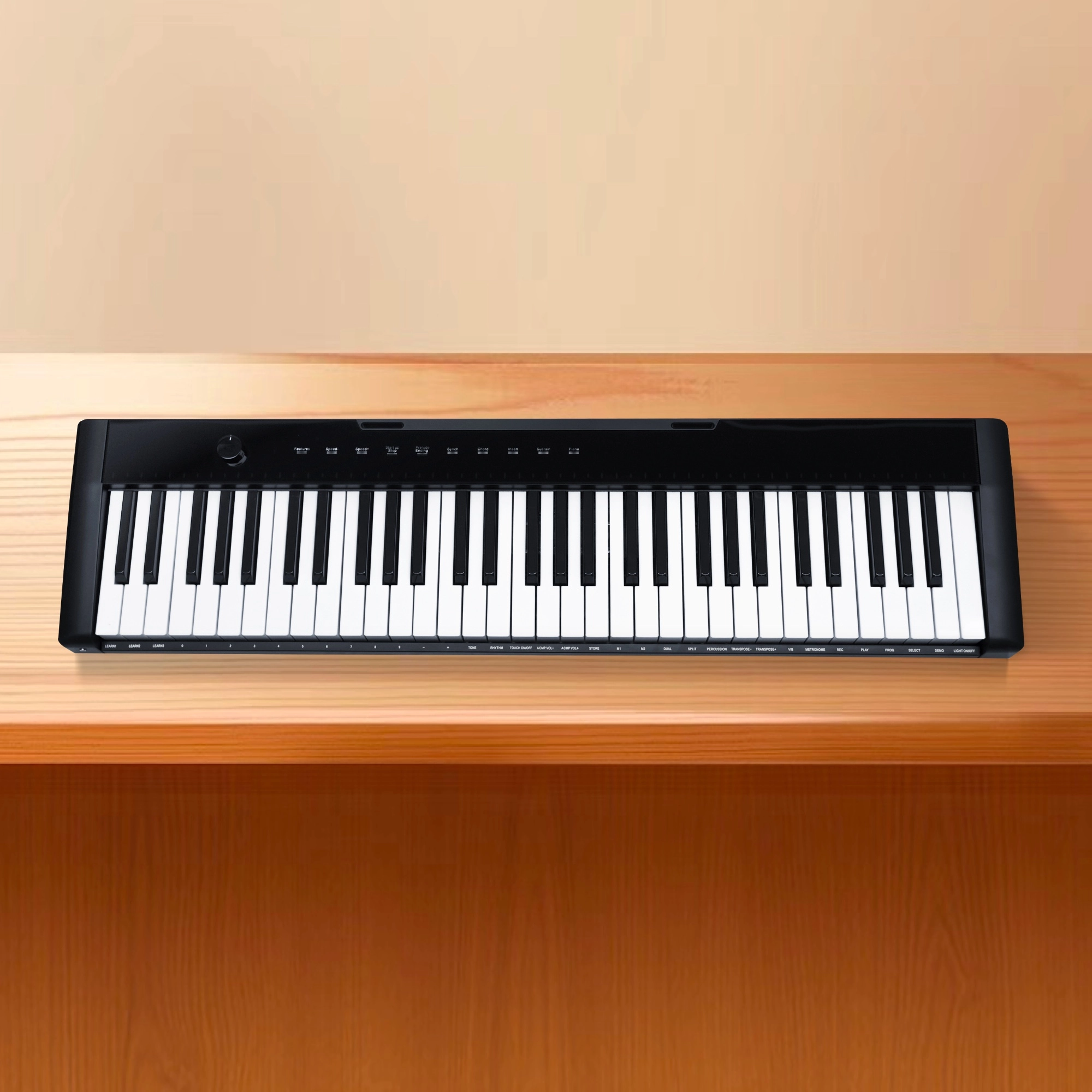
Flykeys 61 keys portable electronic keyboard piano with X stand (M2)
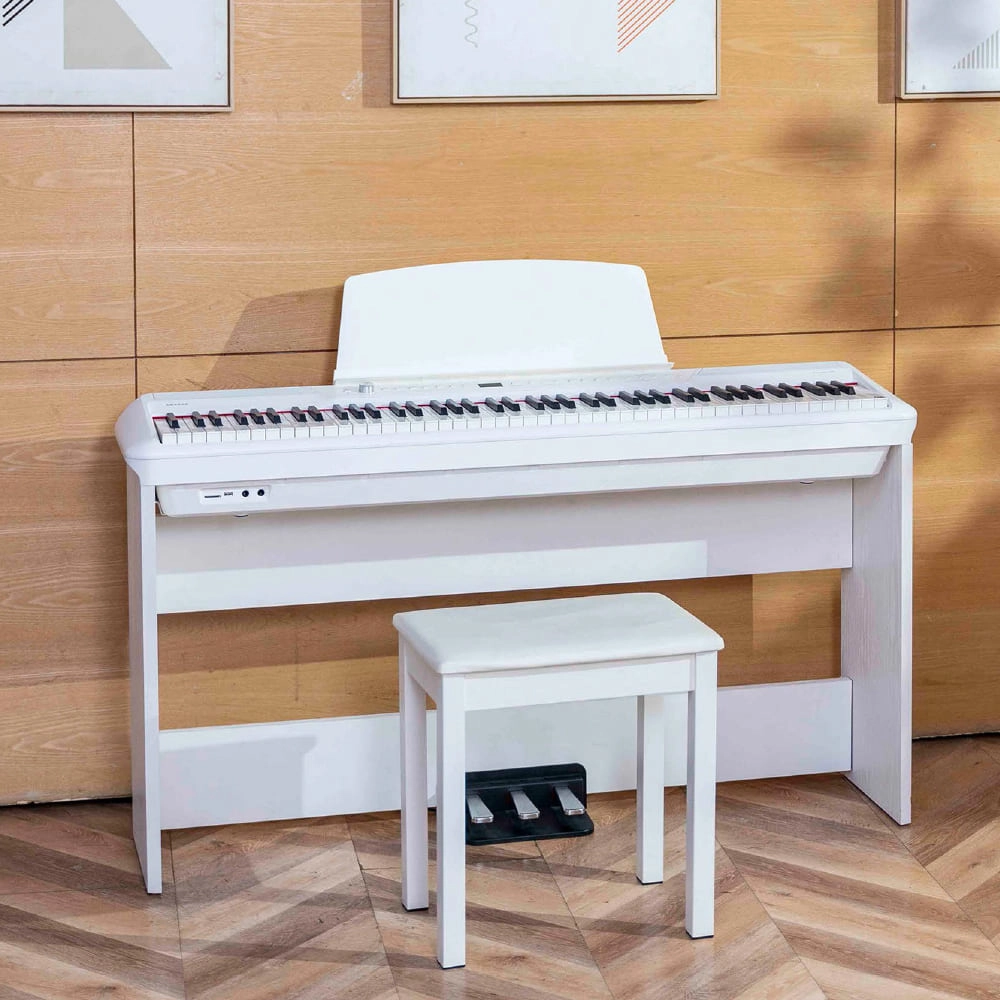
Flykeys Portable Electric Keyboard FP9 Digital Piano
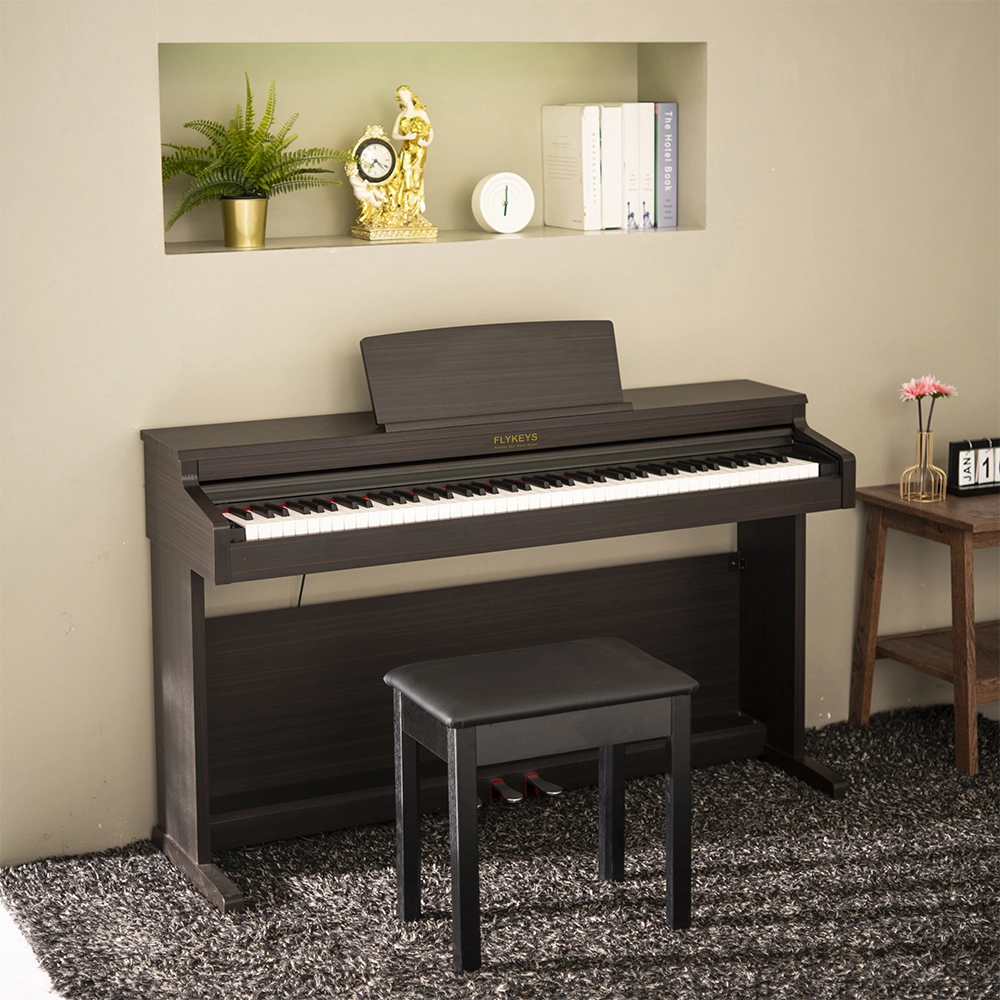
Flykeys 88 Keys Hammer Action keyboard Upright Piano LK03S Digital Piano
— Independent patented technology 88 key Grand-Response hammer action & dynamic curve keyboard;
— European top DSP chip, famous grand piano sound sample;
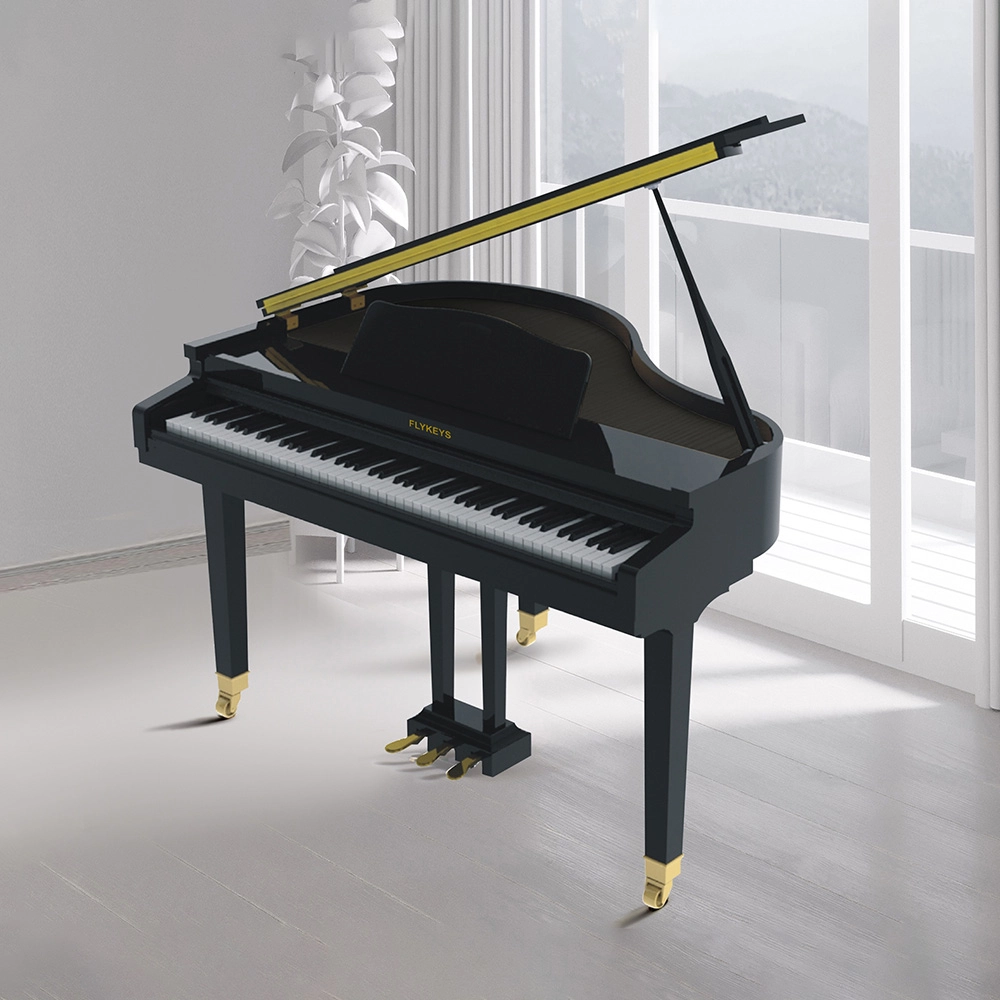
Flykeys 88 Keys Professional Digital Grand Piano Hammer Action Keyboard FGP110 Digital Piano
— Italian Fatar 88 Grand-ResponseTM Key trends with hammer action & dynamic curve
— Independent developed DSP chip, German famous grand piano sound sample
Address: No. 38 Xiangshan Avenue, Zengcheng Economic And Technological Development Zone, Guangzhou, China.
FOLLOW US:


© 2026 FLYKEYS All Rights Reserved. 粤 ICP备2020102774号. Designed by gooeyun. Sitemap | Privacy | Terms