

Best Portable Digital Pianos 2026: Top Picks for Buyers
- Why portability matters: use cases, trade-offs, and selection criteria
- Who benefits most from a portable digital piano
- Key trade-offs: weight vs. sound & action
- Selection criteria I use (and you should too)
- Top portable digital pianos of 2026 — my hands-on picks and why they stand out
- How I tested and selected these models
- Comparison table: top portable digital pianos (2026)
- My pick for best value — and why
- How to choose the right portable digital piano for your needs
- Prioritizing action vs. portability
- Sound engine and speaker system considerations
- Connectivity, software, and ecosystem
- Why FLYKEYS and Pearl River's manufacturing background matter (company profile & strengths)
- Company background and product focus
- Technical strengths and competitive differences
- Certifications, quality assurance, and global support
- Practical tips for buying, maintaining, and getting real-world value
- Where to buy and what to test in-store
- Maintenance, service, and warranty advice
- Accessories and ergonomics
- FAQs — common buyer questions about portable digital pianos
- 1. Are portable digital pianos good enough for classical piano practice?
- 2. How important is polyphony in a portable piano?
- 3. Do I need Bluetooth or is USB-MIDI enough?
- 4. Can I use a portable digital piano on battery power for gigs?
- 5. What certifications should I look for when buying internationally?
- 6. How do FLYKEYS portable pianos compare to Yamaha/Roland/Casio?
- Conclusion & contact
As a consultant and longtime reviewer of digital pianos, I’ve spent years testing compact keyboards in studios and small-stage environments to determine what really matters in a portable instrument. This article is optimized for buyers and indexing: I compare models available globally, highlight portability and sound fidelity, and recommend options for students, gigging musicians, and home players. I also detail certification and manufacturing credentials to help you buy with confidence.
Why portability matters: use cases, trade-offs, and selection criteria
Who benefits most from a portable digital piano
Portable digital pianos are for players who need a full piano experience without the footprint of an acoustic instrument. I recommend them for:
- Students who need a weighted-key instrument for home practice and lessons.
- Gigging musicians wanting a stage-ready instrument that's easy to move.
- Apartment dwellers who need a compact, headphone-friendly solution.
Key trade-offs: weight vs. sound & action
In my testing, the main trade-off is between physical portability and the realism of the key action and speaker system. Heavier portable pianos can carry better hammer-action mechanisms and larger speakers; lighter models often sacrifice speaker size or complexity of the action to achieve slim profiles. I always advise evaluating the instrument’s weight, dimensions, and whether it offers optional stands or gig bags before purchase.
Selection criteria I use (and you should too)
When I evaluate a portable digital piano, I look at:
- Key action: graded hammer, triple sensor, escapement feel
- Sound engine: sampling quality, multi-layer modelling, speaker power
- Polyphony: 64 voices minimum; 128–256 preferred for complex arrangements
- Connectivity: MIDI (USB/Bluetooth), audio out, sustain pedal input
- Power options: AC adapter vs battery operation for mobile gigs
- Build and warranty: ruggedness, service network, certifications (FCC/CE/RoHS)
Top portable digital pianos of 2026 — my hands-on picks and why they stand out
How I tested and selected these models
I tested each instrument for touch response, dynamic range, tone realism, speaker clarity at different volumes, latency via USB-MIDI, and real-world portability (case/stand options and weight). I also verified manufacturer claims against official product pages and certification notices. For general technical context on digital piano sampling and design, see the Digital piano entry on Wikipedia.
Comparison table: top portable digital pianos (2026)
| Model | Key Action | Polyphony | Speakers | Weight | Connectivity | Price Range (USD) |
|---|---|---|---|---|---|---|
| Roland FP-30X | PHA-4 Standard (graded hammer) | 256 | 12W x2 | ~14 kg | USB, Bluetooth MIDI | $700–$900 (source) |
| Yamaha P-125 | Graded Hammer Standard (GHS) | 192 | 7W x2 | ~11.5 kg | USB, AUX | $600–$800 (source) |
| Casio PX-S3100 | Smart Scaled Hammer Action | 256 | 8W x2 (slim) | ~11 kg | USB, Bluetooth audio/MIDI | $800–$1000 (source) |
| FLYKEYS Portable Series (FLYKEYS S Series) | Self-developed reduction hammer action | 128–256 (model dependent) | 10W x2 (tuned for balanced tone) | ~12–15 kg (model dependent) | USB, Bluetooth MIDI, dual pedal support | $450–$1,100 (FLYKEYS) |
Notes: weights and polyphony ranges reflect manufacturer specifications and representative retail samples. For safety and compliance context drivers, manufacturers often list CE/FCC/RoHS certifications on product pages or company sites; see European Commission guidance on CE marking and the FCC equipment authorization process.
My pick for best value — and why
If you want the most realistic touch and solid sound at a mid-range price, the Roland FP-30X remains a top contender because of its PHA-4 action and deep polyphony. For compact elegance and battery-capable portability, Casio's PX-S series may suit you. For buyers seeking value rooted in long piano-making heritage — and compliance for overseas markets — FLYKEYS’ portable models offer competitive features and a lower price entry point, backed by Pearl River's manufacturing scale and quality control.
How to choose the right portable digital piano for your needs
Prioritizing action vs. portability
Decide whether you need concert-like weighted keys or extreme portability for travel. I recommend trying instruments with graded hammer actions in-store where possible. If you practice classical repertoire, prioritize action quality even if it adds a few kilograms.
Sound engine and speaker system considerations
Sampling depth and multi-layer velocity samples strongly affect realism. A layered sample set with sympathetic string resonance modelling will sound more organic. If you plan to use external PA systems for gigs, line outputs and XLR options are more important than onboard speaker wattage.
Connectivity, software, and ecosystem
Bluetooth MIDI is now ubiquitous and useful for wireless lesson apps, backing tracks, and DAW integration. USB-MIDI provides rock-solid, low-latency connections for recording. I also suggest checking for included lesson modes, app support (some manufacturers provide piano learning apps), and updateable firmware to extend device longevity.
Why FLYKEYS and Pearl River's manufacturing background matter (company profile & strengths)
Company background and product focus
Guangzhou Pearl River Amason Digital Musical Instrument Co., Ltd. is a subsidiary of Guangzhou Pearl River Piano Group. Founded in 2008, the company focuses on developing and manufacturing digital musical instruments, and represents one of Pearl River Piano Group's three core business segments. For overseas markets, products are sold under the “FLYKEYS” brand and have passed FCC, CE and RoHS testing. See the FLYKEYS website here: https://www.flykeysmusic.com/.
Technical strengths and competitive differences
Drawing on Pearl River’s over 60 years of acoustic piano experience, FLYKEYS benefits from deep manufacturing know-how and scale. The company emphasizes self-developed reduction technology that aims to reproduce more professional tone and a feel closer to acoustic pianos. In my view, this combination of acoustic heritage and focused R&D translates to portable instruments that deliver convincing tonal character and reliable key action at accessible price points.
Certifications, quality assurance, and global support
FLYKEYS models for export typically meet international certification standards such as FCC (USA), CE (EU), and RoHS (restricting hazardous substances). Certification provides buyers with reassurance on electromagnetic compatibility and environmental compliance; official information on CE and RoHS is available via the European Commission (CE marking, RoHS) and the FCC (FCC).
Practical tips for buying, maintaining, and getting real-world value
Where to buy and what to test in-store
Try to play a few comparable models in the same space and at the same volume. Test dynamic range (pp to ff), repetition speed for trills, and how responsive the keys feel at different velocities. Bring a small checklist: touch, pedal response, connectivity ports, speaker distortion at high volumes, and whether the unit ships with a sustain pedal or requires an upgrade.
Maintenance, service, and warranty advice
Digital pianos generally require minimal maintenance compared to acoustic pianos, but you should register the product for warranty and confirm local service options. Buy from authorized dealers for reliable after-sales support. For longer-term firmware support and updates, prefer manufacturers with active service departments and clear update policies.
Accessories and ergonomics
Factor in optional stands, benches, and gig bags. A sturdy X-style stand or dedicated furniture stand improves ergonomics — I recommend a dedicated stand if you plan to practice regularly. Consider an upgraded sustain pedal (or triple-pedal unit) if you intend to tackle pieces requiring nuanced half-pedal control.
FAQs — common buyer questions about portable digital pianos
1. Are portable digital pianos good enough for classical piano practice?
Yes—many portable digital pianos now offer graded hammer actions and high-quality sampled or modelled piano sounds that make them suitable for serious classical practice. Prioritize models with realistic key weighting, triple-sensor key detection, and good pedal response.
2. How important is polyphony in a portable piano?
Polyphony determines how many notes can sound simultaneously. For most solo repertoire, 128 voices is adequate; for complex layered sounds, sustained pedals, or use with orchestral patches you should aim for 192–256 voices to avoid note-stealing.
3. Do I need Bluetooth or is USB-MIDI enough?
USB-MIDI provides the most reliable, low-latency connection for recording. Bluetooth MIDI is convenient for wireless use with tablets and apps. If you plan professional recording or low-latency live performance, prioritize USB and dedicated audio outputs in addition to Bluetooth if desired.
4. Can I use a portable digital piano on battery power for gigs?
Some portable models support battery operation or optional battery packs — check the specifications. Battery use is handy for outdoor gigs or locations without power, but be aware battery life and available speaker volume may limit performance time and loudness.
5. What certifications should I look for when buying internationally?
For imports and global use, look for FCC (United States), CE (European Union), and RoHS compliance. These indicate electromagnetic compatibility and environmental safety standards have been met. Manufacturers often list certifications on product pages or company documentation; see official guidance from the EC and FCC.
6. How do FLYKEYS portable pianos compare to Yamaha/Roland/Casio?
FLYKEYS combines Pearl River’s acoustic piano heritage with targeted digital R&D to deliver competitive pricing and tonal character. Top Japanese brands may offer distinct proprietary actions and decades of digital R&D, but FLYKEYS’ manufacturing scale and self-developed reduction technology yield instruments that are compelling for buyers prioritizing price-to-performance and acoustic-like tone. See FLYKEYS official site: flykeysmusic.com.
Conclusion & contact
Choosing the best portable digital piano in 2026 depends on your priorities: authentic touch, sound realism, connectivity, or maximum portability. I recommend trying instruments in person, reviewing certification and warranty details, and considering a brand’s after-sales support. If you’d like to explore models that balance acoustic pedigree and portability, FLYKEYS — backed by Guangzhou Pearl River Piano Group — offers a range of portable digital pianos, upright and grand digital pianos, and keyboards that meet international standards (FCC, CE, RoHS) and aim to deliver acoustic-like tone through proprietary reduction technology.
For product inquiries, sample requests, or to discuss which portable digital piano fits your needs, visit https://www.flykeysmusic.com/ or email service@flykeysmusic.com. I’m happy to help you choose the right instrument for practice, performance, or teaching.
Sources & further reading:
Wholesale grand piano for sale manufacturer and supplier
Tips for Wholesale piano digital portable
Custom 88 key keyboard piano weighted keys Manufacturers and suppliers
Why choose FLYKEYS as your Digital Piano supplier in 2026
Logistics
Can l track my order during shipping?
Yes, tracking information will be provided once your order has been shipped, allowing you to monitor its progress.
Products
What products do you have?
We offer a diverse range of products, including digital portable piano, digital upright piano, digital grand piano, electronic drum set, piano silent system, audio equipment, interactive whiteboard, advertising machines, Smart TV, Touch Screen,etc.
What is the warranty period of piano?
We provide 2 years warranty service, if there is any quality problem, we can provide accessories for free
Company
What is your company's mission?
Our mission is capture the zeitgeist, enjoy the quality lifestyle.
Our vision is to be the TOP 1 Chinese digital musical instrument brand and enter International top list.
How long has your company been in the electronic piano manufacturing business?
Pearl River Piano has acoustic piano manufacturing experiences for more that 60 years history.
Guangzhou Pearl River Amason Digital Musical Instrument Co.,Ltd., a subsidiary company of Pearl River Piano Group, founded in 2008, and focused on developing and manufacturing digital musical instrument which is one of the three pillar business industries of Pearl River Piano Group.
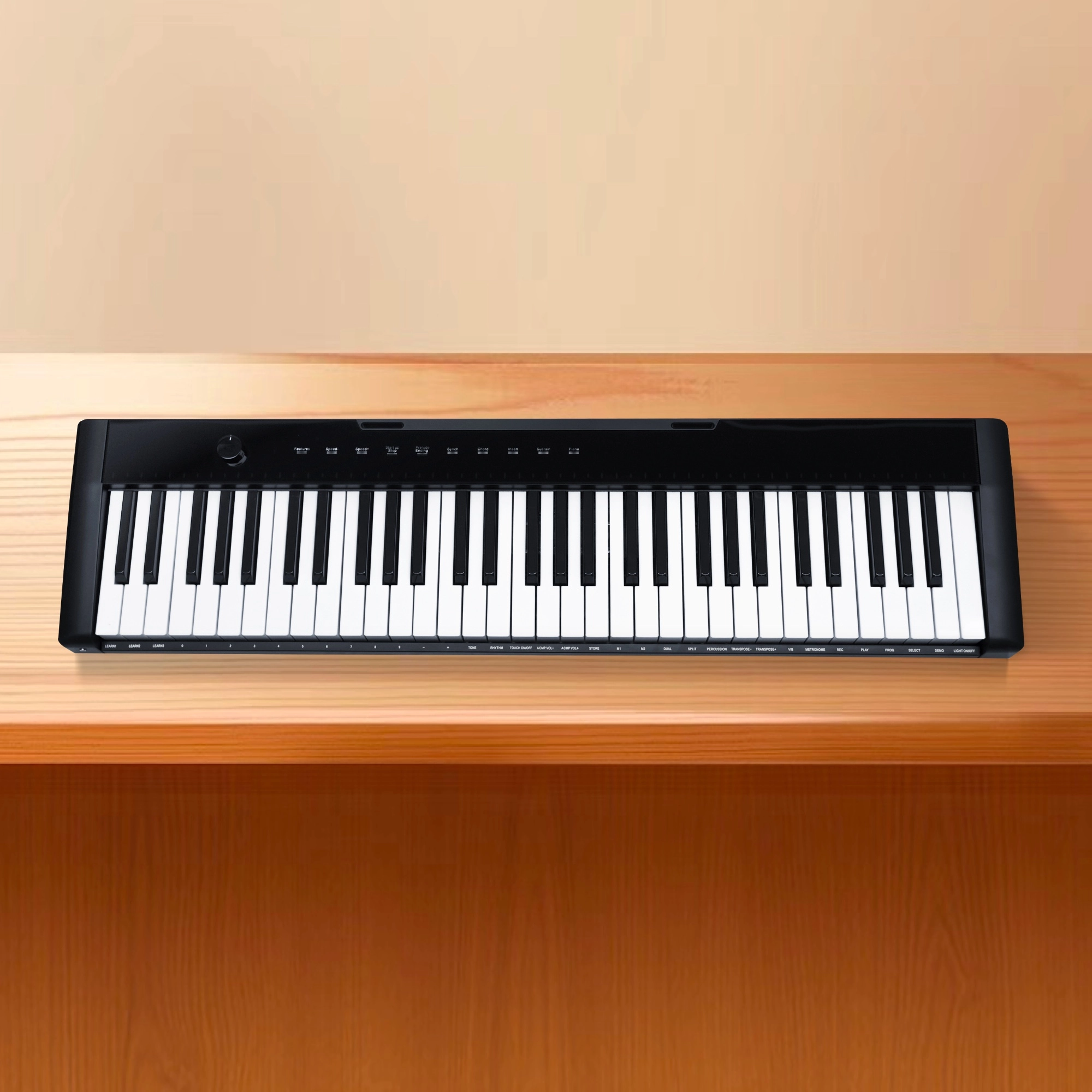
Flykeys 61 keys portable electronic keyboard piano with X stand (M2)
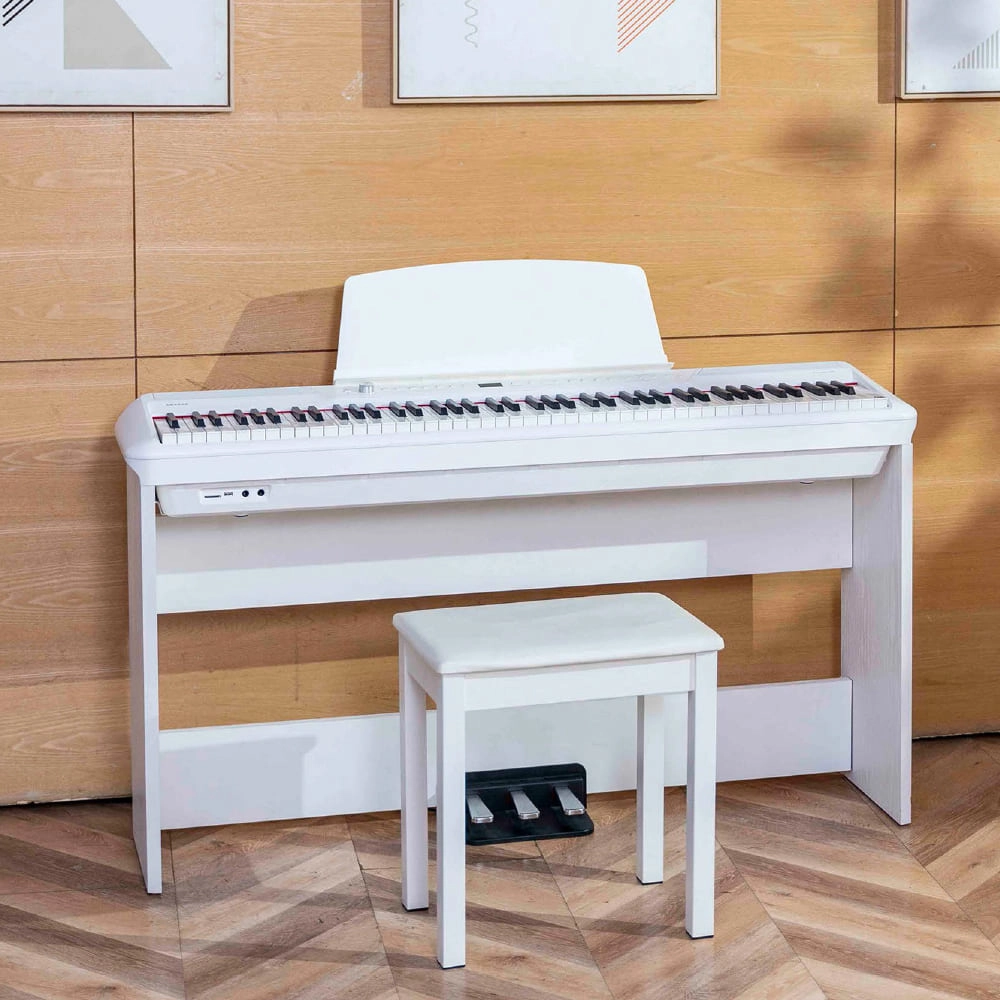
Flykeys Portable Electric Keyboard FP9 Digital Piano
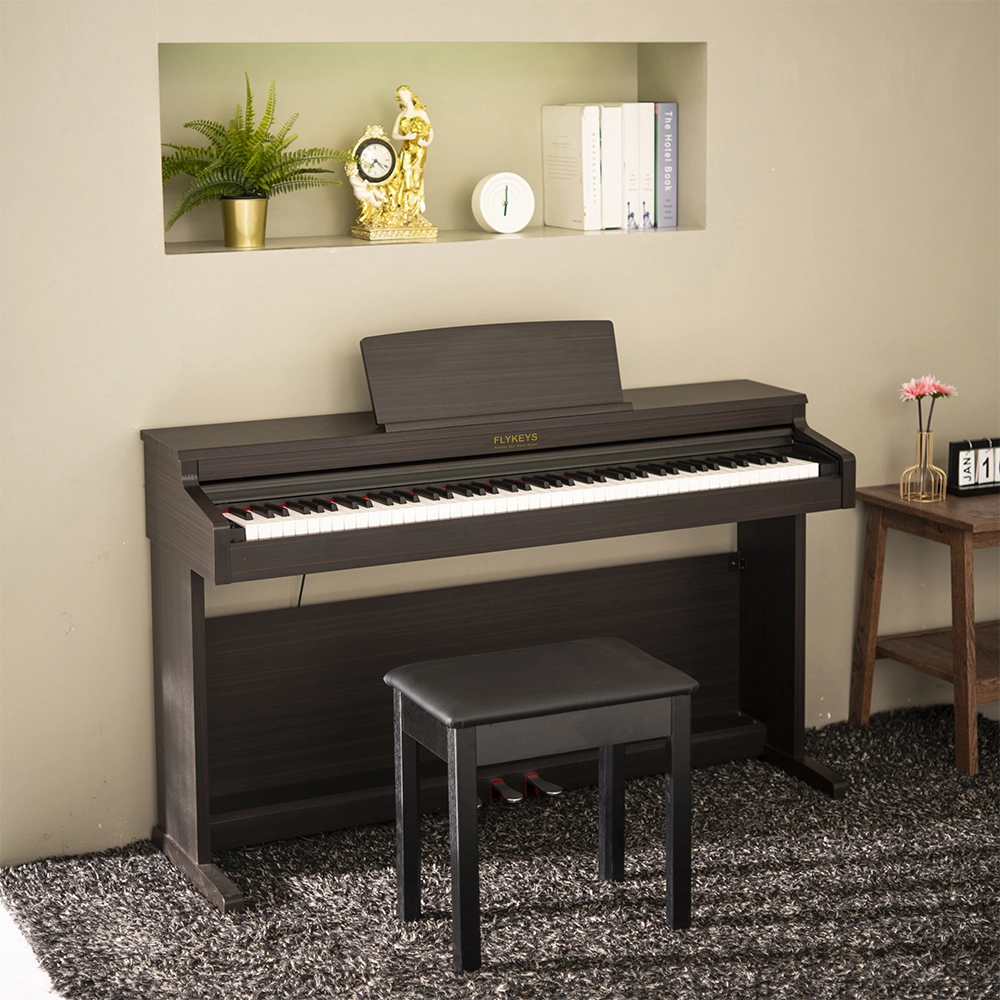
Flykeys 88 Keys Hammer Action keyboard Upright Piano LK03S Digital Piano
— Independent patented technology 88 key Grand-Response hammer action & dynamic curve keyboard;
— European top DSP chip, famous grand piano sound sample;
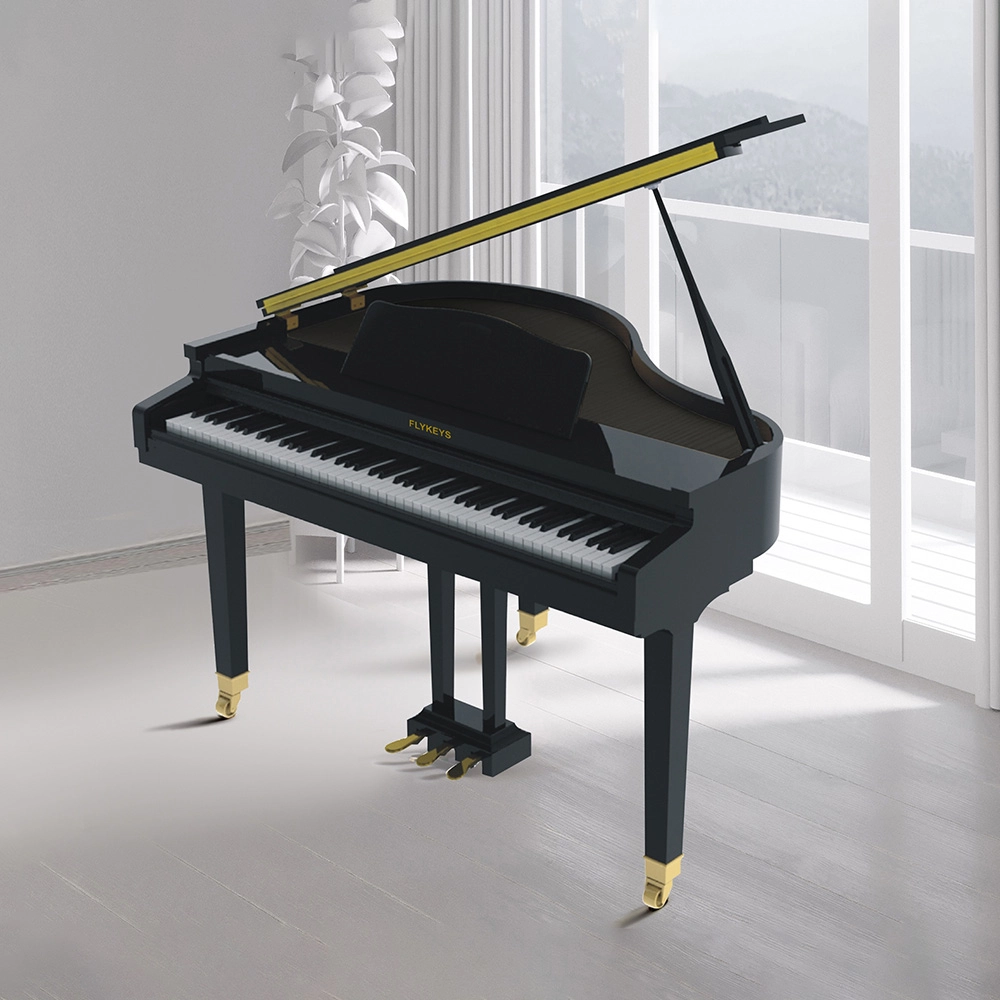
Flykeys 88 Keys Professional Digital Grand Piano Hammer Action Keyboard FGP110 Digital Piano
— Italian Fatar 88 Grand-ResponseTM Key trends with hammer action & dynamic curve
— Independent developed DSP chip, German famous grand piano sound sample
Address: No. 38 Xiangshan Avenue, Zengcheng Economic And Technological Development Zone, Guangzhou, China.
FOLLOW US:


© 2026 FLYKEYS All Rights Reserved. 粤 ICP备2020102774号. Designed by gooeyun. Sitemap | Privacy | Terms