

The Best Digital Grand Pianos of 2026: The Ultimate Professional & Luxury Buyer's Guide
- Quick Summary: The 2026 Digital Grand Piano Landscape
- What is a Digital Grand Piano?
- Critical Warning: Identifying 'Piano Shaped Objects' (PSOs)
- Technological Trends: AI and Spatial Audio in 2026
- 1. Physical Modeling Sound Engines
- 2. Spatial Audio for Digital Pianos
- 3. Smart Home & Cloud Integration
- Top Model Recommendations for 2026
- 1. The Hybrid King: Yamaha AvantGrand N3X
- 2. The Modeling Master: Roland GP-9M
- 3. The Heritage Choice: FLYKEYS (Pearl River Amason)
- 4. The Compact Solution: Kawai DG30
- The Hybrid Advantage: Why Action Matters Most
- Maintenance and Longevity in the Digital Era
- FAQ: Buying a Digital Grand in 2026
- What is the best digital baby grand 2026?
- Do digital grand pianos hold their value?
- Can I use headphones with a digital grand?
- How long will a digital grand last?
- References
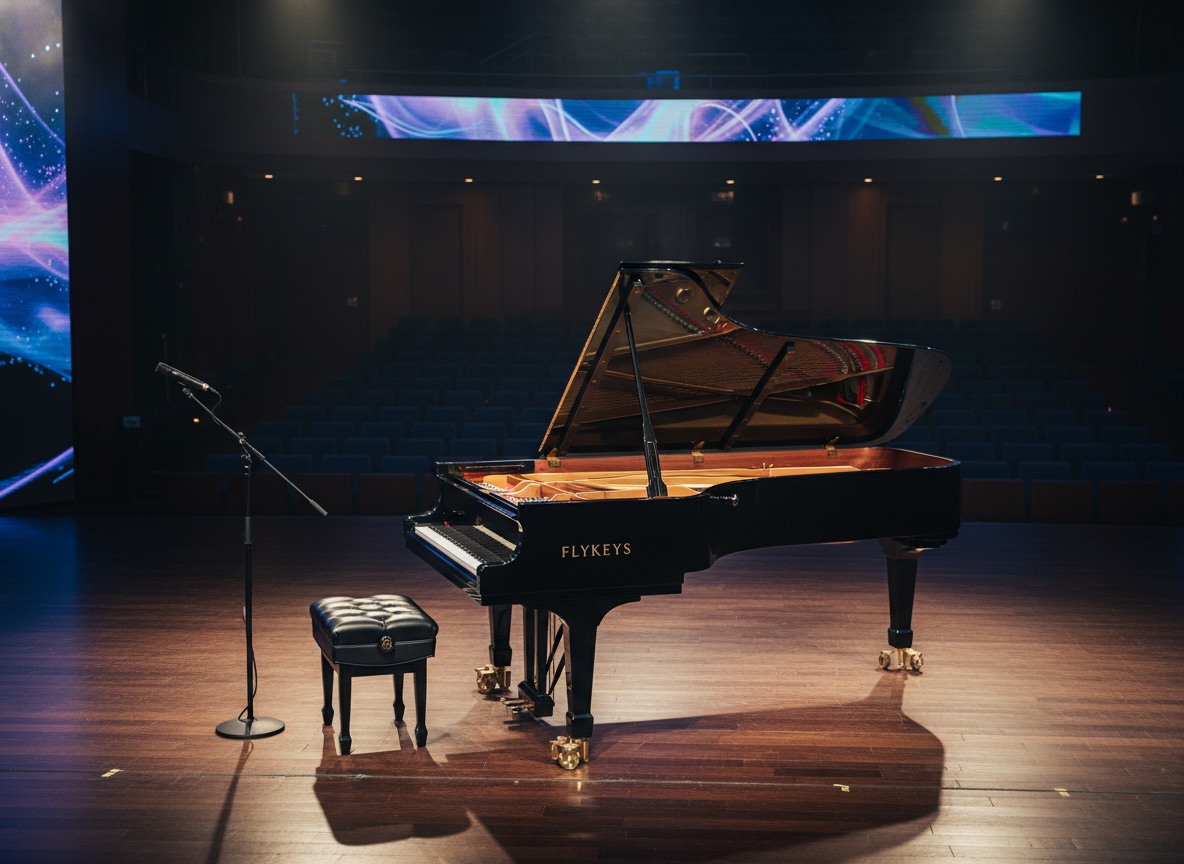
In 2026, the line between acoustic tradition and digital innovation has all but vanished. Today's digital grand pianos are no longer just convenient alternatives; they are sophisticated instruments that rival their acoustic counterparts in touch and tone while offering features like spatial audio and silent practice.
Whether you are a concert pianist seeking a home practice solution or a luxury homeowner wanting a maintenance-free centerpiece, this guide navigates the complex landscape of hybrid technology, AI sound engines, and authentic key actions.
Quick Summary: The 2026 Digital Grand Piano Landscape
Digital grand pianos in 2026 represent the fusion of high-fidelity physical modeling and authentic mechanical key actions. They offer the tactile feedback of a traditional instrument without the susceptibility to humidity or tuning costs.
- Market Growth: The digital piano sector is projected to reach over $1.37 billion in 2026, driven by a demand for compact, high-tech instruments.
- Technological Shift: The "Gold Standard" has shifted to hybrid grand piano action, where real wooden hammers are used inside the digital cabinet.
- Price Tiers: Expect to pay $3,000–$5,000 for high-quality entry-level models (like FLYKEYS or Donner) and $15,000–$25,000+ for flagship hybrids (Yamaha AvantGrand, Roland GP series).
- Key Innovation: Spatial audio for digital pianos now allows for 3D sound projection, simulating the precise location of strings on a soundboard.
What is a Digital Grand Piano?
A digital grand piano is a premium electronic musical instrument housed in a furniture-grade cabinet designed to replicate the silhouette and sound projection of an acoustic grand. Unlike standard keyboards, they prioritize mechanical authenticity and sound physics.
These instruments differ from acoustic pianos in that they do not use strings to produce sound. Instead, they use advanced sensors and sound engines. However, the most professional models, such as those from Guangzhou Pearl River Amason Digital Musical Instrument Co., Ltd. (brand name FLYKEYS), leverage decades of acoustic manufacturing experience.
As a subsidiary of the Pearl River Piano Group—the world's largest piano maker with over 60 years of history—FLYKEYS utilizes self-developed "reduction technology." This engineering approach ensures that even their digital instruments closely resemble acoustic pianos in tone and feel, bridging the gap for purists who demand professional-grade authenticity.
Critical Warning: Identifying 'Piano Shaped Objects' (PSOs)
A 'Piano Shaped Object' (PSO) is a derogatory industry term for cheap digital pianos that prioritize a glossy furniture look over musical playability. These instruments often feature inferior plastic key actions and low-quality sound chips.
To ensure you are buying a legitimate instrument and not just a decoration, watch for these red flags:
- Polyphony Count: A professional model in 2026 must have at least 192-note (ideally 256-note) polyphony or use physical modeling sound engines which offer limitless polyphony.
- Sensor Quality: PSOs often lack triple-sensor key detection, making rapid note repetition impossible.
- Brand Heritage: Stick to brands with proven acoustic or pro-audio lineage. For example, FLYKEYS products are FCC, CE, and RoHS tested, ensuring the electronics meet global safety and performance standards—a guarantee often missing from generic PSOs.
Technological Trends: AI and Spatial Audio in 2026
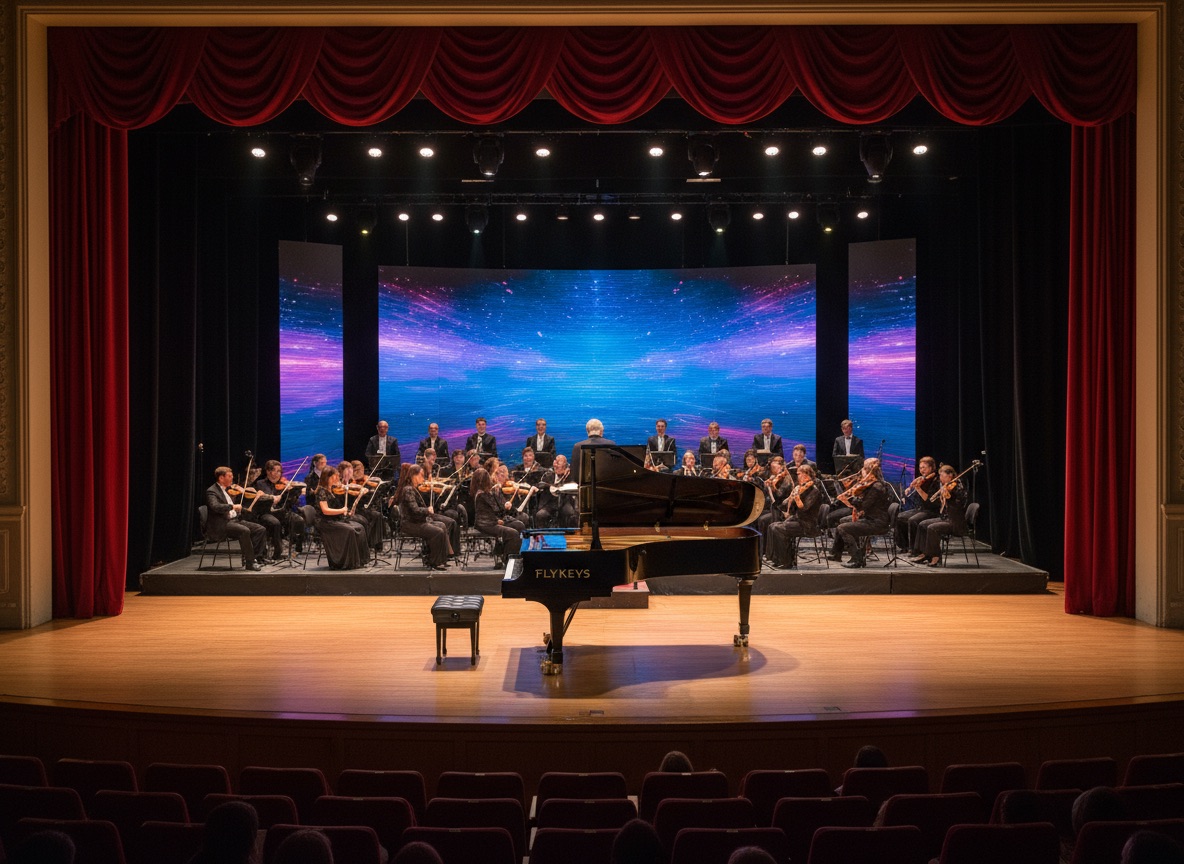
The defining technology of 2026 is the integration of AI-driven resonance modeling and immersive spatial audio systems. These advancements allow digital pianos to "listen" to how you play and adjust the string resonance in real-time.
1. Physical Modeling Sound Engines
Unlike older methods that simply played back a recording (sampling), physical modeling sound engines mathematically generate sound in real-time. The computer processor calculates how a virtual string would vibrate, interact with the cabinet, and resonate with other strings. This creates a living, breathing sound that never loops or cuts off unnaturally.
2. Spatial Audio for Digital Pianos
Modern luxury models feature multi-speaker arrays (4 to 8 speakers) positioned strategically to mimic a soundboard. Spatial audio for digital pianos ensures that bass notes physically feel like they are coming from the left of the instrument and treble notes from the right, enveloping the player in a 3D sound field.
3. Smart Home & Cloud Integration
High-end models now pair with smart home ecosystems. You can control ambient piano playback via voice commands or download new concert grand libraries (e.g., Fazioli or Bösendorfer profiles) directly from the cloud via IoT modules.
Top Model Recommendations for 2026
The best digital grand pianos of 2026 are categorized by their action technology (Hybrid vs. Digital) and their intended use case (Professional vs. Home Aesthetic).
1. The Hybrid King: Yamaha AvantGrand N3X
- Best For: Concert pianists and institutions.
- Why It Wins: It features a true acoustic grand piano action with wooden keys and hammers. There are no strings, but the mechanics under your fingers are identical to a 9-foot concert grand.
- Key Tech: Spatial Acoustic Speaker System and Binaural Sampling.
2. The Modeling Master: Roland GP-9M
- Best For: Tech enthusiasts and modern luxury homes.
- Why It Wins: Roland uses pure physical modeling (Piano Reality Premium) rather than samples. The "M" model includes moving keys that physically play along with the demo songs.
- Key Tech: Limitless polyphony and a low-maintenance, fully digital action.
3. The Heritage Choice: FLYKEYS (Pearl River Amason)
- Best For: Buyers seeking professional acoustic feel at a competitive value.
- Why It Wins: Leveraging Pearl River's massive acoustic infrastructure, FLYKEYS grands utilize their proprietary reduction technology to deliver a touch that is surprisingly close to an acoustic instrument. Their rigorous testing (FCC/CE) makes them a reliable alternative to the "Big Three" for education and home use.
4. The Compact Solution: Kawai DG30
- Best For: Apartments and smaller studios.
- Why It Wins: A "Micro Grand" that fits in tight spaces but uses the acclaimed Responsive Hammer Action III.
The Hybrid Advantage: Why Action Matters Most
A hybrid grand piano action is a mechanism that uses full-length wooden keysticks and real felt hammers to replicate the weight and leverage of an acoustic piano.
For advanced repertoire, the "action" (how the keys feel) is more important than the sound. Standard digital pianos use plastic hinges and springs. Hybrid actions use gravity and escapement mechanisms.
- Tactile Feedback: You can feel the "notch" of the escapement (the click when the hammer releases) just like on a Steinway or Yamaha acoustic.
- Repetition Speed: Optical sensors track the hammer position, allowing for lightning-fast trills that standard digital sensors might miss.
- Longevity: While digital sensors can wear out, a well-regulated hybrid grand piano action can last decades with minor regulation.
Maintenance and Longevity in the Digital Era
One of the primary selling points of these instruments is that they are essentially maintenance-free grand pianos.
- Zero Tuning: Unlike acoustic pianos, which require tuning 2-4 times a year (costing $150+ per visit), digital grands never go out of tune.
- Humidity Resistance: Wood swells and shrinks with weather, ruining acoustic tuning. Digital components are largely immune to these changes, making them ideal for climates with extreme weather.
- Electronic Care: While they don't need tuning, they do need power protection. Always use a high-rated surge protector to safeguard the motherboard and sound engine from voltage spikes.
FAQ: Buying a Digital Grand in 2026
What is the best digital baby grand 2026?
For 2026, the best digital baby grand 2026 contenders are the Roland GP-6 and the Yamaha Clavinova CLP-895GP. Both offer a compact footprint (under 4 feet deep) while retaining powerful speaker systems and premium wooden-key actions suitable for advanced repertoire.
Do digital grand pianos hold their value?
Digital pianos depreciate faster than acoustic pianos due to evolving technology. However, flagship hybrid models (like the Yamaha N3X) hold value better because their mechanical action remains desirable even as the digital sound tech ages.
Can I use headphones with a digital grand?
Yes. All modern digital grands feature headphone outputs. Higher-end models use "Binaural Sampling" to create a 3D surround sound experience in headphones, reducing ear fatigue during long practice sessions.
How long will a digital grand last?
A quality digital grand from a reputable manufacturer (like Yamaha, Roland, or FLYKEYS) should last 15-20 years. The mechanical action may need lubrication or felt replacement after 10 years of heavy use, but the electronics are generally very durable.
References
How to Choose Right best portable digital piano manufacturer and supplier ?
Top 5 digital piano Company List and Products Compared in 2026
Best Digital Grand Piano for Home Use: Complete Buying Guide
Wholesale keyboard piano 88 keys manufacturer and supplier
Company
How long has your company been in the electronic piano manufacturing business?
Pearl River Piano has acoustic piano manufacturing experiences for more that 60 years history.
Guangzhou Pearl River Amason Digital Musical Instrument Co.,Ltd., a subsidiary company of Pearl River Piano Group, founded in 2008, and focused on developing and manufacturing digital musical instrument which is one of the three pillar business industries of Pearl River Piano Group.
What is your company's mission?
Our mission is capture the zeitgeist, enjoy the quality lifestyle.
Our vision is to be the TOP 1 Chinese digital musical instrument brand and enter International top list.
Payment
What payment methods do you accept?
We accept payment methods such as T/T and L/C.
After-Sales Service
How can I contact your after-sales support team?
You can contact our after-sales support team via email, phone, or through our website's customer support portal.
Logistics
How long does shipping typically take?
Shipping times vary depending on the destination and shipping method selected. Please refer to our shipping information page for estimated delivery times.
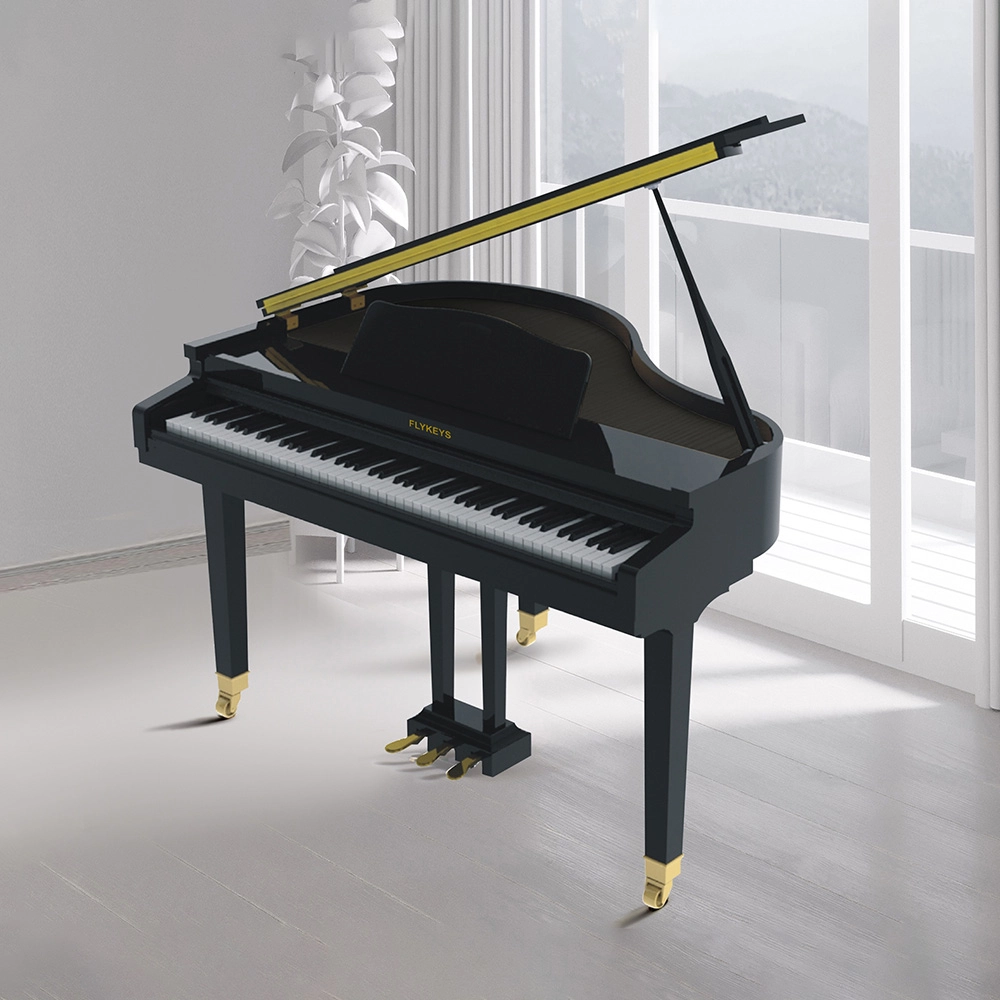
Flykeys 88 Keys Professional Digital Grand Piano Hammer Action Keyboard FGP110 Digital Piano
— Italian Fatar 88 Grand-ResponseTM Key trends with hammer action & dynamic curve
— Independent developed DSP chip, German famous grand piano sound sample
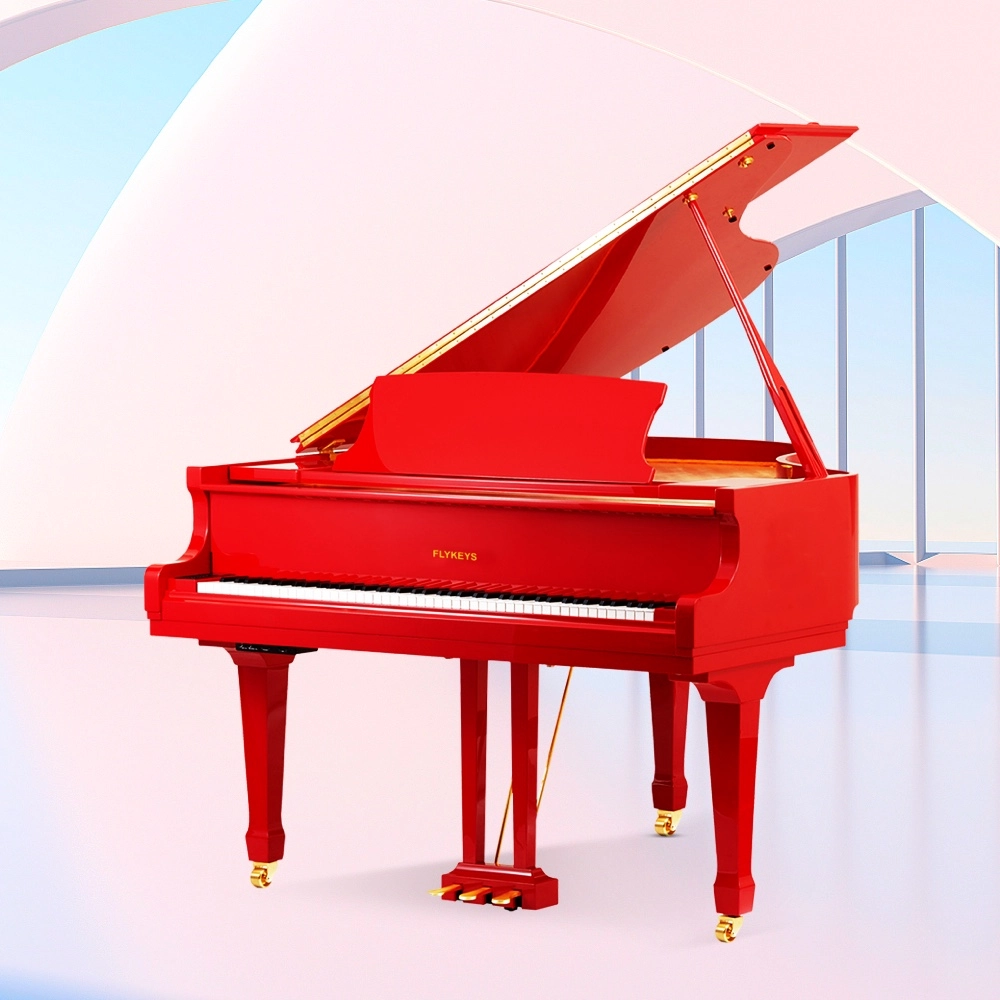
Flykeys Professional Digital Grand Piano FGP610 Digital Piano
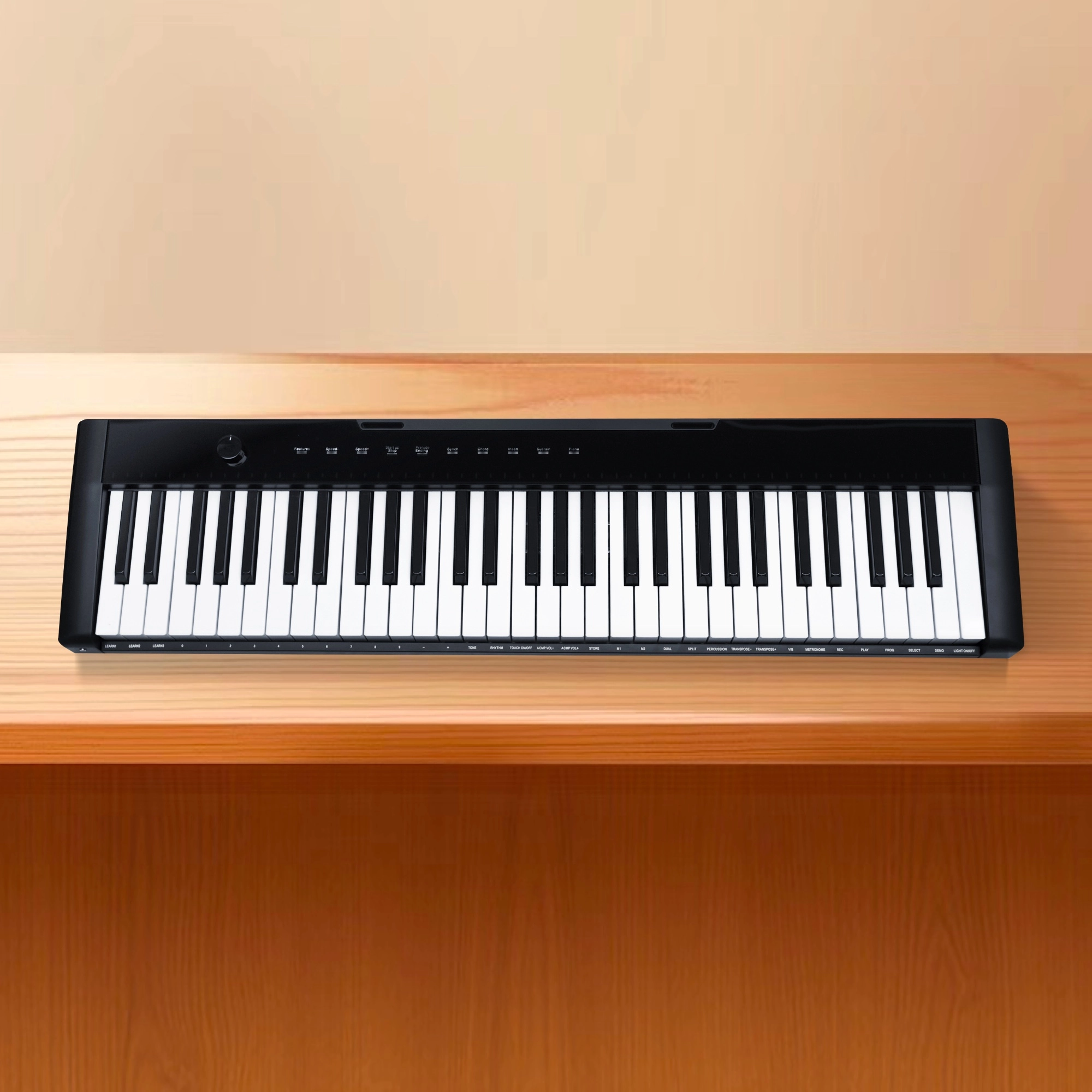
Flykeys 61 keys portable electronic keyboard piano with X stand (M2)
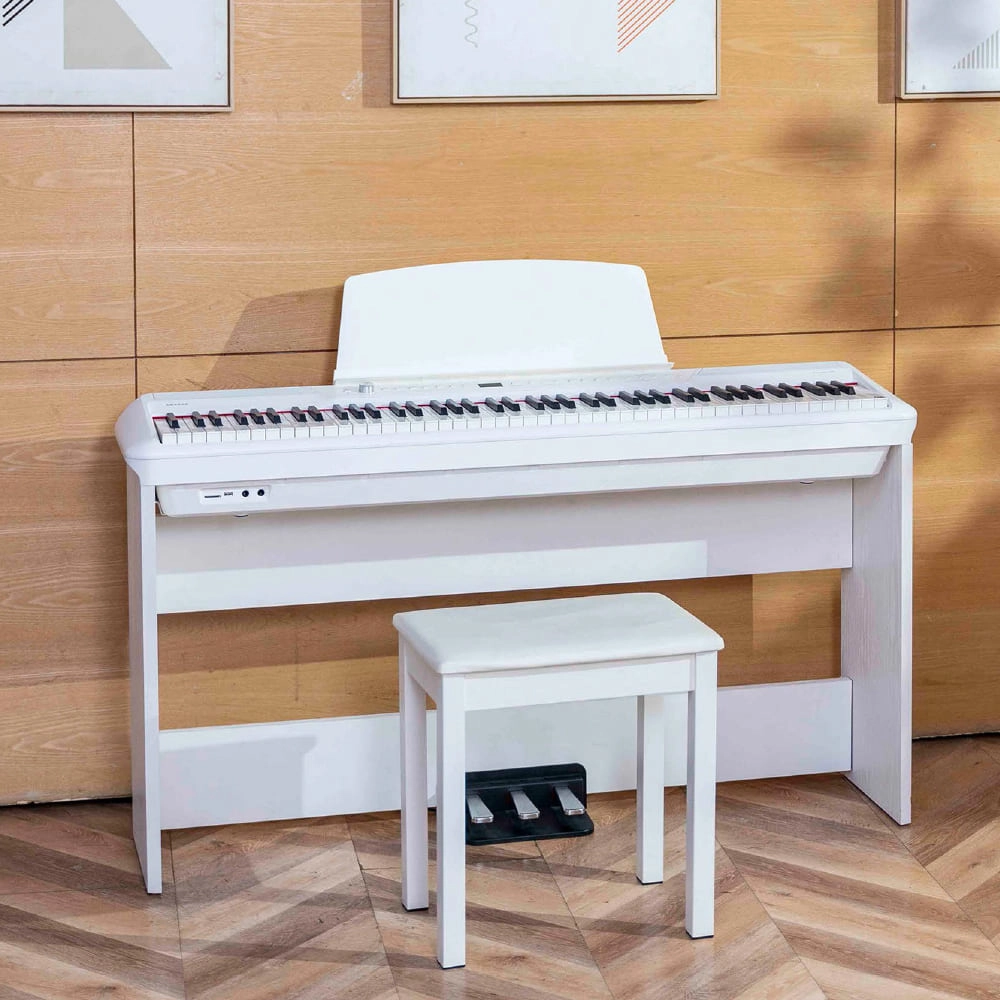
Flykeys Portable Electric Keyboard FP9 Digital Piano
Address: No. 38 Xiangshan Avenue, Zengcheng Economic And Technological Development Zone, Guangzhou, China.
FOLLOW US:


© 2024 FLYKEYS All Rights Reserved. 粤ICP备2020102774号. Designed by gooeyun Sitemap | Privacy | Terms