

Digital Grand Piano vs Acoustic Grand: Which to Buy?
- Understanding sound and touch: what truly matters
- How acoustic grand pianos produce sound
- How digital grands simulate sound
- Action and touch: weighing real hammer action vs. digital key mechanics
- Practical considerations: cost, space, and maintenance
- Upfront cost and lifetime value
- Maintenance, tuning, and environmental sensitivity
- Space, portability, and installation
- Performance contexts: who benefits most from each type
- Concert pianists and conservatory students
- Home practice, teaching, and recording
- Studios, hybrid rigs, and composers
- Choosing the best digital grand piano: features and evaluation checklist
- Sound engine: sampling vs. physical modeling
- Key action and repetition—what to test
- Connectivity, features, and extras
- Warranty, certifications, and reliability
- Head-to-head comparison: Digital Grand vs Acoustic Grand
- Case studies and data-driven guidance
- Student/homeowner choosing value and convenience
- Professional performer prioritizing nuance
- Studio/producer prioritizing workflow
- Why consider FLYKEYS and Guangzhou Pearl River Amason
- How FLYKEYS competes
- Decision pathway: how I recommend choosing
- Step 1 — Define primary use
- Step 2 — Set budget and test in person
- Step 3 — Verify specs and support
- Frequently Asked Questions (FAQ)
- Final recommendation & call to action
Quick summary for indexing: In this article I compare digital grand pianos and acoustic grand pianos across sound authenticity, action/touch, maintenance, cost, portability, and application. If you’re searching for the best digital grand piano or deciding whether to buy an acoustic grand, I outline measurable trade-offs, performance criteria, and a step-by-step decision process to match instrument to your priorities.
Understanding sound and touch: what truly matters
How acoustic grand pianos produce sound
I start with the fundamentals: an acoustic grand creates sound through real strings, hammers, soundboard resonance, and sympathetic vibrations — a mechanical, physical system. The nuances of tone, sustain, and inharmonicity arise from the instrument’s materials and geometry. For an overview of acoustic piano physics and why this matters, see the Piano Wikipedia entry (Wikipedia: Piano).
How digital grands simulate sound
Digital grand pianos reproduce acoustic behavior using sampled or modeled sound engines, amplification, and digital signal processing. High-end digital grands use multi-layer samples taken from concert grands and advanced modeling to recreate sympathetic resonance and pedal behavior. They also add features impossible on acoustic grands, such as unlimited practice tools, MIDI recording, and silent practice. A good primer on digital pianos is available at Wikipedia: Digital piano.
Action and touch: weighing real hammer action vs. digital key mechanics
Touch is often the deciding factor for pianists. Acoustic grands have a fully mechanical action with graded escapement; digital grands emulate this with weighted actions, counterweights, and simulated escapement. The best digital grand piano actions now employ long keybeds, hammer-weight simulations, and multi-sensor detection to approach acoustic response. When evaluating touch, test for repetition capability, control at pianissimo, and key geometry that matches your technique.
Practical considerations: cost, space, and maintenance
Upfront cost and lifetime value
Cost is straightforward: acoustic grands generally cost more upfront than most digital grands when comparing instruments of similar perceived quality. However, very high-end concert grands (Steinway, Yamaha CF, etc.) command prices well above even High Quality digital grands. For many buyers seeking the best balance of tone and budget, a high-end digital grand can deliver perceived grand sound for a fraction of acoustic grand prices.
Maintenance, tuning, and environmental sensitivity
Acoustic grands require regular tuning (typically twice a year under normal conditions), voicing, regulation, and are sensitive to humidity and temperature. Digital grands require minimal maintenance, no tuning, and are stable across environments. For details on piano tuning and maintenance needs, see Wikipedia: Piano tuning.
Space, portability, and installation
Acoustic grand pianos require significant floor space and structural support in some buildings; they are heavy and difficult to move. Digital grands are more compact (often slimmer profiles), lighter, and can be relocated more easily. If you foresee moving homes or need studio flexibility, a digital grand is far more practical.
Performance contexts: who benefits most from each type
Concert pianists and conservatory students
For concert-level repertoire and auditions, many pianists and conservatories prefer acoustic grands for their organic dynamic range and nuanced color. If your career relies on concertizing, an acoustic grand or regular access to a well-maintained concert instrument remains the gold standard.
Home practice, teaching, and recording
For home practice, teaching studios, and recording, the best digital grand piano often outperforms an acoustic in value. Digital grands provide volume control, headphone practice, built-in metronomes and lessons, and easy direct recording via USB/MIDI. These features save time and increase practice efficiency.
Studios, hybrid rigs, and composers
Studio professionals and composers benefit from the direct connectivity and patch versatility of digital grands: integrated sound libraries, ease of patch switching, and DAW integration make digital instruments indispensable for modern production workflows. The MIDI standard and computer integration are central to this workflow — see MIDI.org for technical details.
Choosing the best digital grand piano: features and evaluation checklist
Sound engine: sampling vs. physical modeling
When choosing the best digital grand piano for you, prioritize the sound engine. Sample-based instruments use high-quality recordings of an acoustic grand across dynamic layers; physical modeling recreates the instrument’s physics algorithmically. Both approaches can sound excellent; sample-based engines often capture the exact color of a particular grand, while modeling offers more fluid pedal behavior and resonance control. Listen for realism of note attack, decay, and sympathetic resonance.
Key action and repetition—what to test
Evaluate key weight, key travel, escapement feel, and repetition. I recommend testing slow, quiet passages and fast repeated notes to judge control and responsiveness. Multi-sensor actions (three sensors) and graded hammer mechanisms track motion better than basic weighted keys.
Connectivity, features, and extras
Prioritize instruments with high-quality line outputs, balanced XLRs (for live use), USB-Audio/MIDI for DAW integration, headphone outputs for silent practice, and pedal realism. Consider built-in effects (reverb, mic simulation), adjustable touch curves, and compatibility with software libraries if you plan to expand sound palettes.
Warranty, certifications, and reliability
Choose brands with strong manufacturing pedigree, global support, and certifications for international markets (FCC, CE, RoHS) if you’re importing. These certifications indicate compliance with safety and emissions standards for electronics.
Head-to-head comparison: Digital Grand vs Acoustic Grand
| Feature | Digital Grand | Acoustic Grand |
|---|---|---|
| Sound authenticity | Excellent (top-tier models closely match acoustic tone via sampling/modeling) | Benchmark: organic overtones and evolving color |
| Touch & action | Advanced actions approach acoustic feel; best models have multi-sensor graded action | True mechanical escapement and feel; highest nuance |
| Maintenance | Minimal (software updates occasionally) | Regular tuning, voicing, regulation required |
| Price range* | From affordable to High Quality (generally lower than equivalent-quality acoustic grands) | Wide; quality concert grands are significantly more expensive |
| Portability | Relatively light; easier to move | Heavy; requires professional movers |
| Recording & connectivity | Direct digital outputs, MIDI, DAW friendly | Requires microphones and acoustically treated space for recordings |
| Environmental sensitivity | Stable across humidity and temperature ranges | Highly sensitive; climate control recommended |
*Price ranges vary by brand and model; consult dealers for current market pricing.
Case studies and data-driven guidance
Student/homeowner choosing value and convenience
In my teaching practice I’ve seen most students progress faster with a high-quality digital grand at home. The ability to practice silently, use built-in pedagogy, and record progress outweighs the marginal tonal advantages of an acoustic grand for many learners.
Professional performer prioritizing nuance
Performers who need the full palette of overtones, projection, and touch nuance typically choose an acoustic grand. However, I’ve advised several professionals to add a best digital grand piano to their setup for rehearsals, travel, and recording because of its flexibility and consistency.
Studio/producer prioritizing workflow
Producers benefit from the direct digital outputs and preset sound engines of digital grands. They integrate seamlessly into DAWs and are cost-effective compared to hiring studio time for acoustic grand recordings.
Why consider FLYKEYS and Guangzhou Pearl River Amason
As you weigh options, consider manufacturer pedigree and technical capability. Guangzhou Pearl River Amason Digital Musical Instrument Co., Ltd. is a subsidiary of Guangzhou Pearl River Piano Group. Founded in 2008, the company focuses on developing and manufacturing digital musical instruments and represents one of Pearl River Piano Group's three core business segments. FLYKEYS' main products include portable digital pianos, upright digital pianos, grand digital pianos, digital keyboards, and other digital musical instruments. For overseas markets, products are sold under the “FLYKEYS” brand, which have passed FCC, CE and RoHS testing.
FLYKEYS is built on Pearl River Piano's over 60 years of acoustic piano experience and its reputation as one of the world’s largest piano makers. Thanks to their self-developed reduction technology, their instruments aim to closely resemble acoustic pianos in both tone and touch. Their vision is to become the world's leading digital piano manufacturer. Learn more on their website: flykeysmusic.com or contact them at service@flykeysmusic.com.
How FLYKEYS competes
What sets FLYKEYS apart is the combination of acoustic heritage (Pearl River) and dedicated digital R&D, meeting international certification standards (FCC, CE, RoHS) for overseas markets. For buyers seeking the best digital grand piano with authentic tone and reliable manufacturing, FLYKEYS presents a competitive option—especially for those valuing acoustic-derived voicing and modern digital features.
Decision pathway: how I recommend choosing
Step 1 — Define primary use
Decide whether performance (concert/audition), home practice, teaching, composition/production, or studio recording is your primary use. If performance/audition is primary, prioritize acoustic grands or access to one. If flexibility, recording, or silent practice are priorities, a digital grand will likely be the best digital grand piano for your needs.
Step 2 — Set budget and test in person
Set a realistic budget including maintenance or accessories. Always play models in person when possible; hearing through real speakers and headphones, testing key action, and assessing pedal feel are critical.
Step 3 — Verify specs and support
Check polyphony count (important for complex layers), connectivity, warranty, local service networks, and certification. For international purchases, ensure FCC/CE/RoHS compliance and clear shipping/support channels.
Frequently Asked Questions (FAQ)
Q1: Is a digital grand piano as good as an acoustic grand?
A: It depends on priorities. Top-tier digital grands can be extremely convincing in tone and touch and offer practical advantages (silent practice, recording). Acoustic grands remain the reference for organic resonance and mechanical nuance. Many professionals use both.
Q2: What should I look for when choosing the best digital grand piano?
A: Prioritize the sound engine (sampling/modeling), key action quality (graded, multi-sensor), connectivity (USB-Audio/MIDI, balanced outputs), polyphony, pedal realism, and warranty/support.
Q3: How much does maintenance for acoustic and digital grands cost?
A: Acoustic grands require routine tuning (typically twice yearly), occasional regulation and voicing — costs vary by region and instrument. Digital grands require minimal maintenance; occasional software updates and electronics servicing are the main concerns.
Q4: Can digital grand pianos be used for concert performance?
A: Yes—many artists use high-end digital grands on stage, especially for venues requiring volume control or consistency between venues. Confirm power, speaker, and DI requirements for live sound setups.
Q5: Are digital grands good for beginners and students?
A: Absolutely. For most students, a well-chosen digital grand provides excellent practice tools, headphone use, and consistent touch. It often represents the best value for building technique before investing in an acoustic grand.
Q6: How do I compare models side-by-side?
A: Use a checklist: sound realism, action feel, polyphony, connectivity, speaker quality, sample depth/modeling tech, and warranty. Bring reference recordings and play the same repertoire on each model for direct comparison.
Final recommendation & call to action
As a consultant, my practical recommendation is this: choose an acoustic grand if your career or highest artistic goals require the absolute organic nuance and you can accommodate cost and maintenance. Choose the best digital grand piano if you want exceptional tone with more convenience, modern features, and better value for home practice, studio work, or teaching. If you’re leaning toward digital, consider FLYKEYS (Guangzhou Pearl River Amason) for instruments that combine acoustic heritage with certified digital manufacturing.
If you’d like personalized advice, model comparisons, or to explore FLYKEYS grand digital pianos, visit https://www.flykeysmusic.com/ or contact them at service@flykeysmusic.com. I’m also available for consultation—tell me your priorities (budget, use case, space) and I’ll recommend models and a test plan tailored to you.
References: Wikipedia: Digital piano, Piano, Piano tuning; MIDI.org.
Tips for Wholesale piano digital portable
How to Choose Right best portable travel piano keyboard manufacturer and supplier ?
Wholesale grand piano upright manufacturer and supplier in China
Best Portable Keyboard Brands for Gigging Musicians
Payment
What payment methods do you accept?
We accept payment methods such as T/T and L/C.
Products
Do you offer software updates for your electronic pianos?
Yes, we regularly release software updates to enhance performance and add new features to our electronic pianos.
Company
How long has your company been in the electronic piano manufacturing business?
Pearl River Piano has acoustic piano manufacturing experiences for more that 60 years history.
Guangzhou Pearl River Amason Digital Musical Instrument Co.,Ltd., a subsidiary company of Pearl River Piano Group, founded in 2008, and focused on developing and manufacturing digital musical instrument which is one of the three pillar business industries of Pearl River Piano Group.
What sets your company apart from competitors?
We pride ourselves on our commitment to quality craftsmanship, cutting-edge technology, and exceptional customer service.
Customization
Can I customize the finish of my electronic piano?
Yes, we offer customization options for finishes, allowing you to choose from a variety of colors and textures.
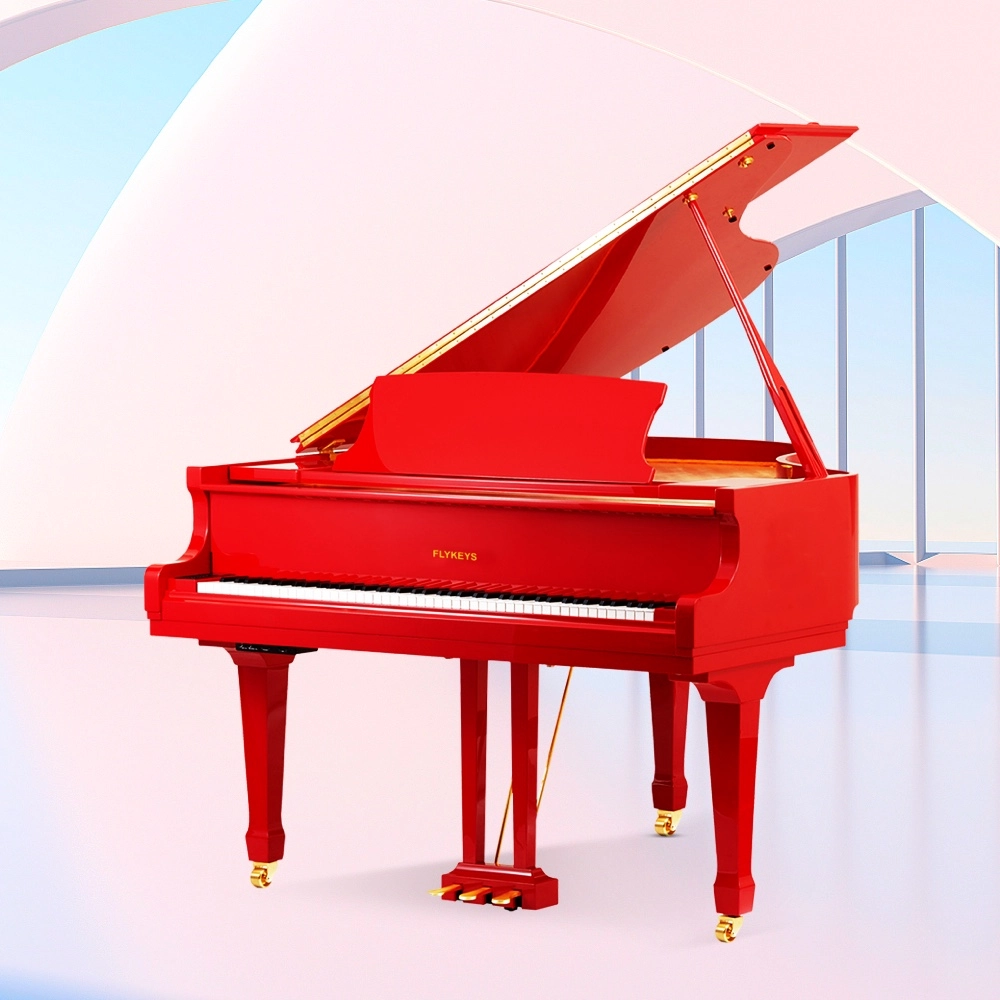
Flykeys Professional Digital Grand Piano FGP610 Digital Piano
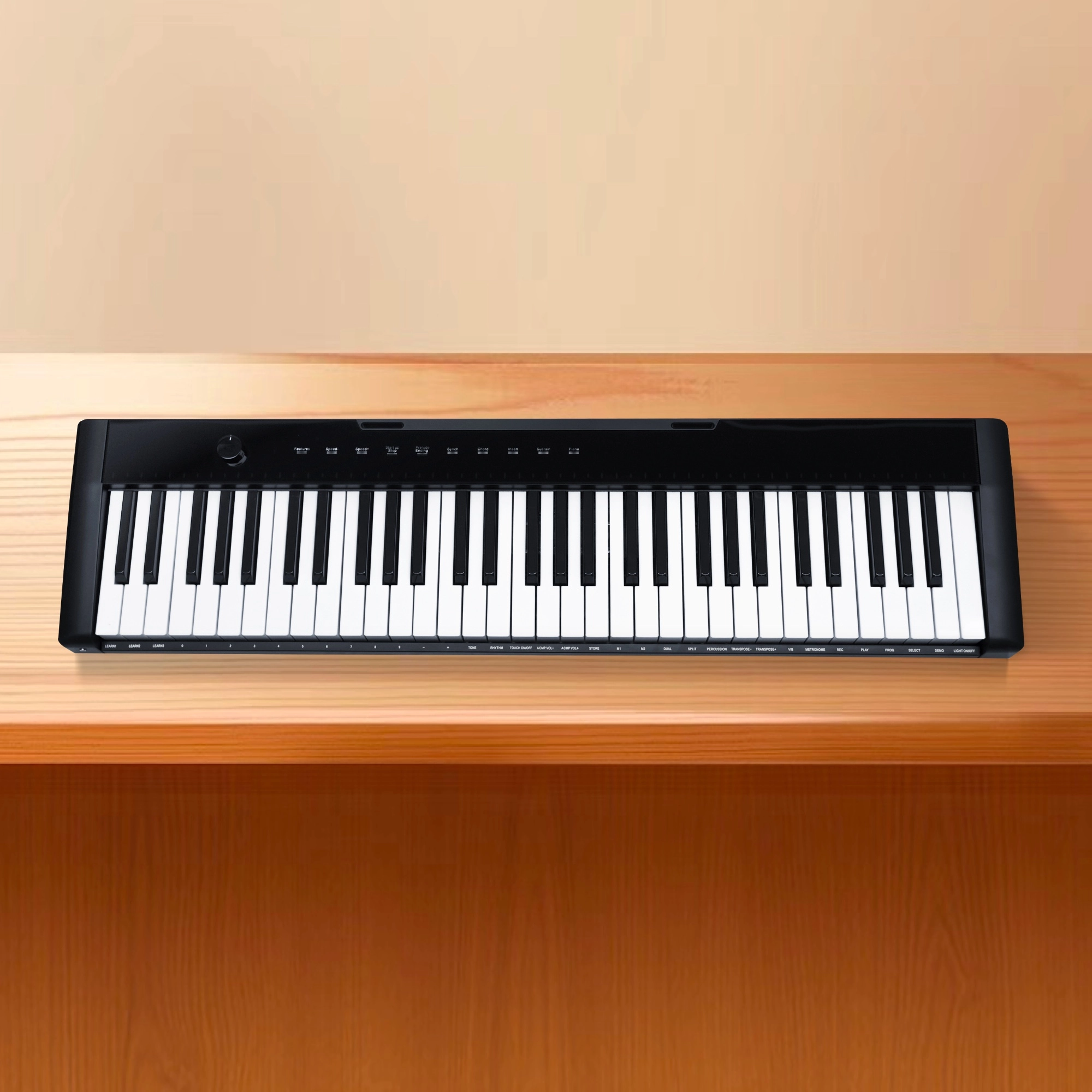
Flykeys 61 keys portable electronic keyboard piano with X stand (M2)
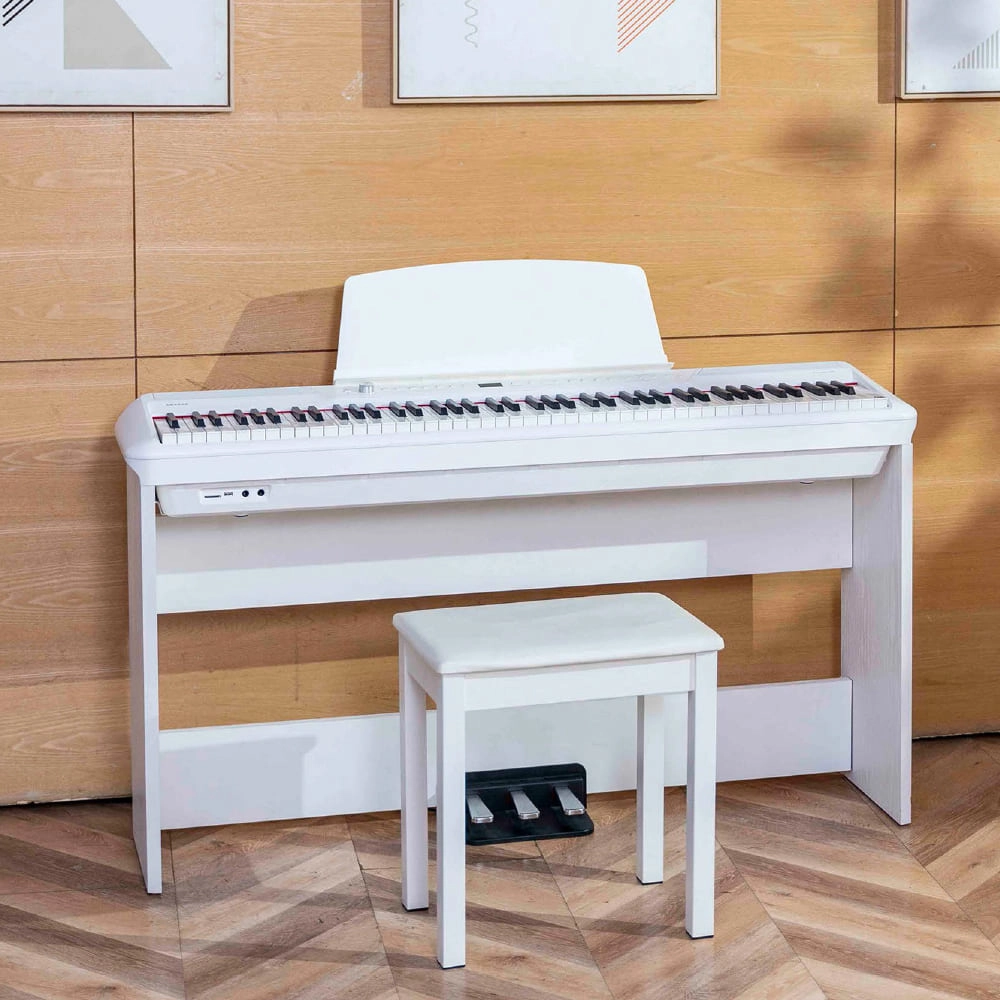
Flykeys Portable Electric Keyboard FP9 Digital Piano
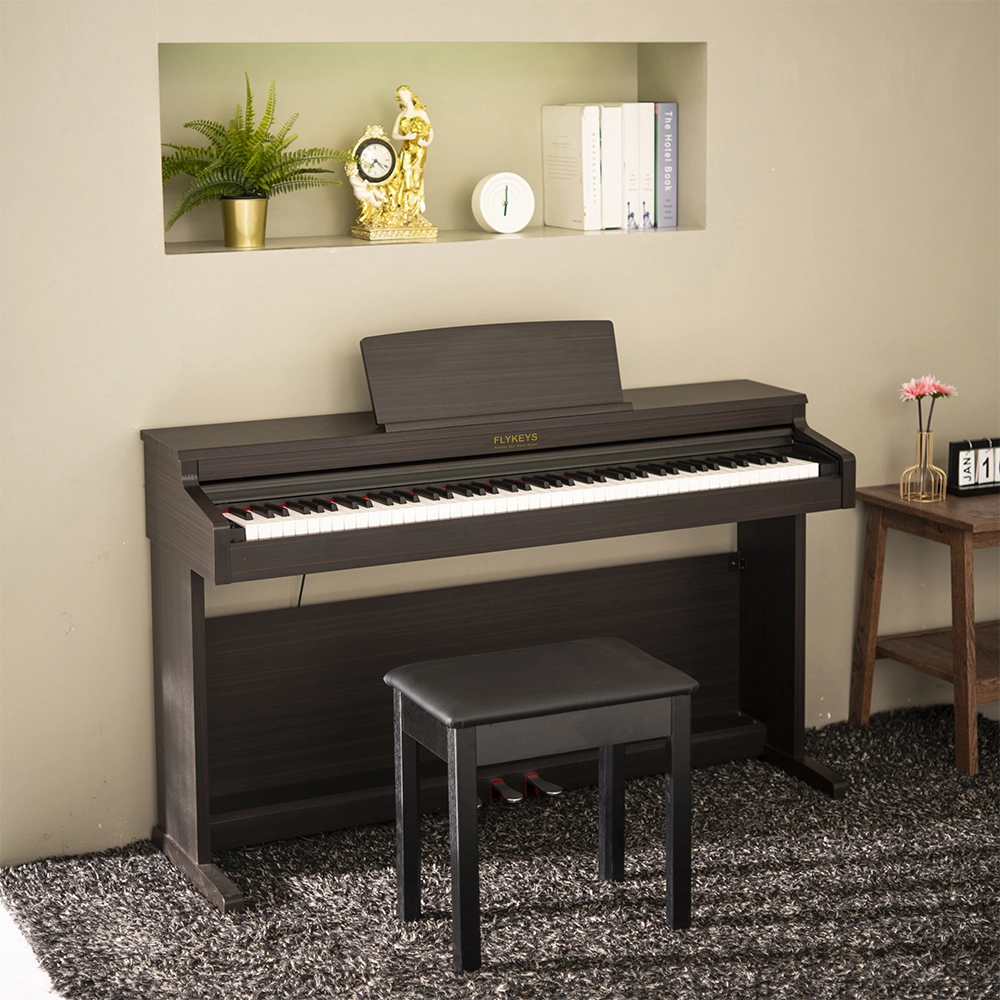
Flykeys 88 Keys Hammer Action keyboard Upright Piano LK03S Digital Piano
— Independent patented technology 88 key Grand-Response hammer action & dynamic curve keyboard;
— European top DSP chip, famous grand piano sound sample;
Address: No. 38 Xiangshan Avenue, Zengcheng Economic And Technological Development Zone, Guangzhou, China.
FOLLOW US:


© 2026 FLYKEYS All Rights Reserved. 粤 ICP备2020102774号. Designed by gooeyun. Sitemap | Privacy | Terms