

The Only Digital Piano Brands Tier List You Need for 2026: From Entry-Level to Professional Grade
- Quick Summary: The 2026 Digital Piano Market at a Glance
- What Defines a Top-Tier Digital Piano Brand?
- S-Tier: The "Big Three" Industry Titans
- A-Tier: Best Stage Piano Manufacturers and Innovators
- B-Tier: The Best Entry-Level & Value Brands
- The "Stencil Brand" Trap: Manufacturers to Avoid
- Gap Analysis: Resale Value & Long-Term Reliability
- Expert Tips: Weighted Hammer Action Comparison
- Hybrid Piano Technology: The Future is Here
- Conclusion
- Frequently Asked Questions (FAQ)
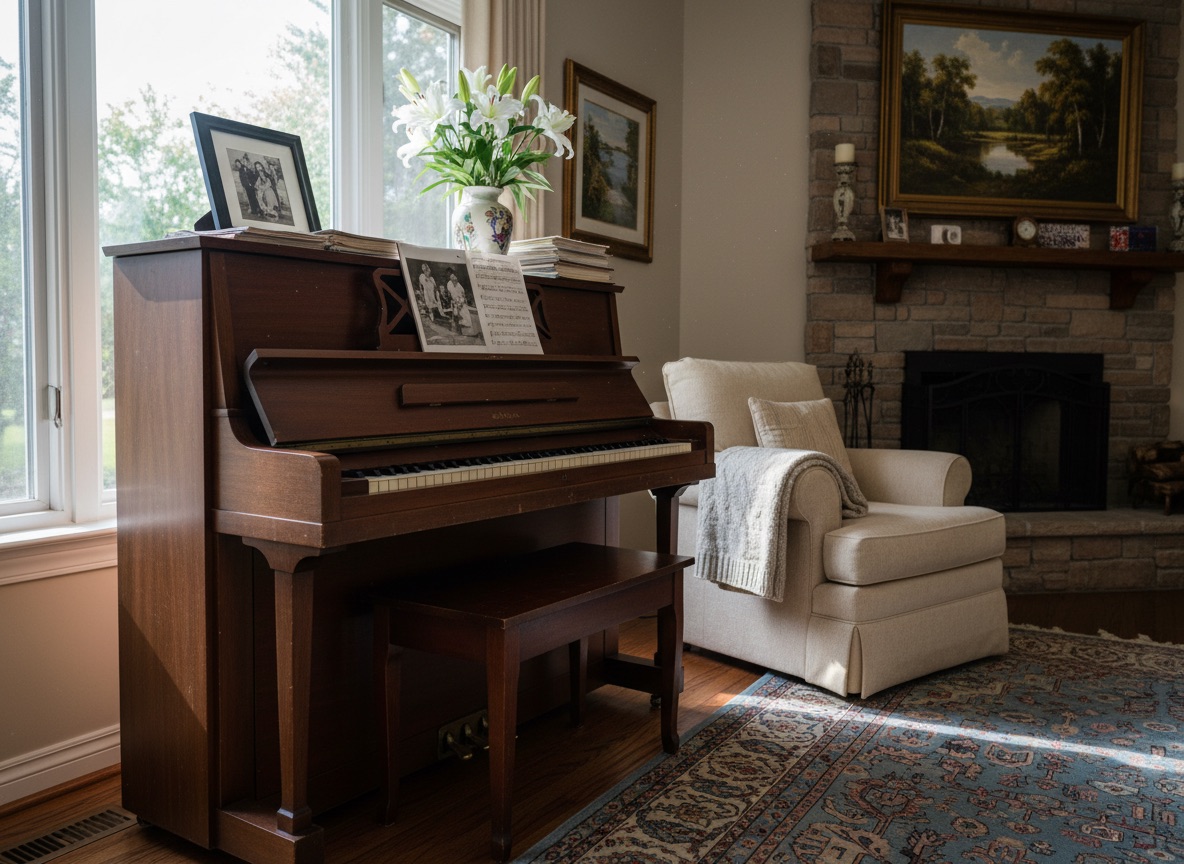
Navigating the digital piano brand rankings 2026 can feel overwhelming with the sheer volume of options available. Whether you are a classical purist seeking the authentic touch of a concert grand or a touring musician needing a rugged stage rig, understanding where each manufacturer stands is crucial. As a subsidiary of the world’s largest piano maker, Pearl River Piano Group, FLYKEYS brings decades of acoustic craftsmanship to the digital world, giving us a unique vantage point on what truly makes a quality instrument.
Quick Summary: The 2026 Digital Piano Market at a Glance
The 2026 market is defined by a clear hierarchy based on sound engine fidelity, key action realism, and long-term reliability. Below is the definitive snapshot for buyers who need fast answers.
- S-Tier (The Gold Standard): Yamaha, Kawai, Roland. (Best for realism, resale value, and structural reliability).
- A-Tier (Pro & Stage): Nord, Korg, Dexibell. (Best for gigging musicians and sound design flexibility).
- B-Tier (High Value/Entry): Casio, Alesis. (Best for students, beginners, and budget-conscious buyers).
- Avoid: Generic "stencil brands" often found on mass e-commerce sites which lack proprietary technology.
What Defines a Top-Tier Digital Piano Brand?
A top-tier digital piano brand is strictly defined by its proprietary sound sampling or modeling technology, the authenticity of its weighted key action, and its build quality longevity. It is not enough to simply play a sound; the instrument must replicate the physics of an acoustic piano.
Leading manufacturers invest heavily in R&D to recreate complex mechanical behaviors. This includes "escapement" (the subtle click felt when a hammer releases), sympathetic string resonance, and half-pedaling capabilities.
Key Criteria for Ranking:
- Sound Engine: Does it use multi-layer sampling or physical modeling?
- Key Action: Does it use physical hammers and counterweights?
- Support: Do they offer firmware updates and spare parts?
According to the National Association of Music Merchants (NAMM), the digital piano segment now accounts for a massive share of the global market, driven by these technological advancements that bridge the gap between acoustic tradition and digital convenience.
S-Tier: The "Big Three" Industry Titans
These brands represent the pinnacle of home and professional digital pianos. They offer the highest digital piano resale value and are safe investments for any skill level.
Yamaha
- Best For: All-around performance and durability.
- Key Feature: The Clavinova series is the industry benchmark. Yamaha uses binaural sampling from their flagship CFX concert grand, creating an immersive headphone experience.
- Verdict: The market leader for a reason. Excellent for resale.
Kawai
- Best For: Classical pianists and audiophiles.
- Key Feature: The Grand Feel series uses real wooden keys that pivot on a balance pin, almost identical to an acoustic piano.
- Verdict: Offers the most realistic "heavy" touch for building finger strength.
Roland
- Best For: Dynamic expression and modern connectivity.
- Key Feature: SuperNATURAL modeling technology. Unlike sampling (playing back a recording), Roland models the sound in real-time, allowing for infinite tonal variations.
- Verdict: Unbeatable durability and responsive PHA-50 hybrid actions.
A-Tier: Best Stage Piano Manufacturers and Innovators
When discussing the best stage piano manufacturers, we shift focus from furniture-style cabinets to portability, ruggedness, and sound tweaking capabilities.
Nord (Clavia)
- The Look: Immediately recognizable by their bright red chassis.
- The Tech: An open architecture system allowing users to download new piano sounds from the Nord Piano Library for free.
- Who is it for? Professional touring musicians who need instant control over effects and layers.
Korg
- The Legacy: Legendary for their workstations like the Kronos and Nautilus.
- The Sound: While their home pianos are solid, Korg dominates in high-fidelity synth engines and orchestral layers.
- Who is it for? Producers and keyboardists who need a complete studio in one board.
Dexibell
- The Innovator: An Italian boutique brand pushing boundaries.
- The Tech: True to Life (T2L) technology offers unlimited polyphony and massive sample sizes (up to 15 seconds long) for ultra-realistic decay.
- Who is it for? Players seeking high-end European craftsmanship and unique tonal character.
B-Tier: The Best Entry-Level & Value Brands
These brands offer incredible value per dollar, making them ideal for students or those testing the waters before committing to a flagship model.
Casio
- Transformation: Successfully rebranded from a "toy maker" to a serious contender.
- Top Lines: The Celviano and Privia lines, developed in collaboration with C. Bechstein, offer surprisingly nuanced textures.
- Pros: Slim designs and very affordable weighted actions.
Alesis
- Focus: Budget-friendly controllers and starter pianos.
- Pros: Great for MIDI connectivity and studio integration.
- Cons: Key actions are generally lighter and less realistic than the Big Three, but sufficient for beginners.
The "Stencil Brand" Trap: Manufacturers to Avoid
What is a Stencil Brand? A stencil brand is a generic instrument, usually manufactured in a mass-production facility, stamped with various Western-sounding names (e.g., Williams, Artesia, or various Amazon-only labels).
Why Avoid Them?
- The Technical Flaw: These pianos often lack proper velocity layers. This means playing a key harder only makes the sound louder, not brighter or sharper, failing to mimic acoustic physics.
- Repair Issues: Spare parts are rarely available. If a sensor breaks, the instrument often becomes e-waste.
- Resale: They depreciate to near-zero immediately after purchase.
Gap Analysis: Resale Value & Long-Term Reliability
Understanding digital piano resale value is critical for long-term ownership. Unlike acoustic pianos, which can appreciate, digital technology depreciates. However, the rate of depreciation varies wildly.
Depreciation Curves:
- Tier S (Yamaha/Kawai): Retain approx. 60-70% of value after 3 years.
- Tier B (Casio/Alesis): Retain approx. 40-50% of value.
- Stencil Brands: Retain less than 10-20% of value.
Maintenance & Smart Integration: Digital pianos generally require no tuning. However, premium models with wooden keys may need regulation after a decade. At FLYKEYS, we recommend brands that separate their interface from the internal sound generation (via apps). This ensures that even if the screen tech becomes obsolete, the high-quality keybed and speakers remain functional.
Expert Tips: Weighted Hammer Action Comparison
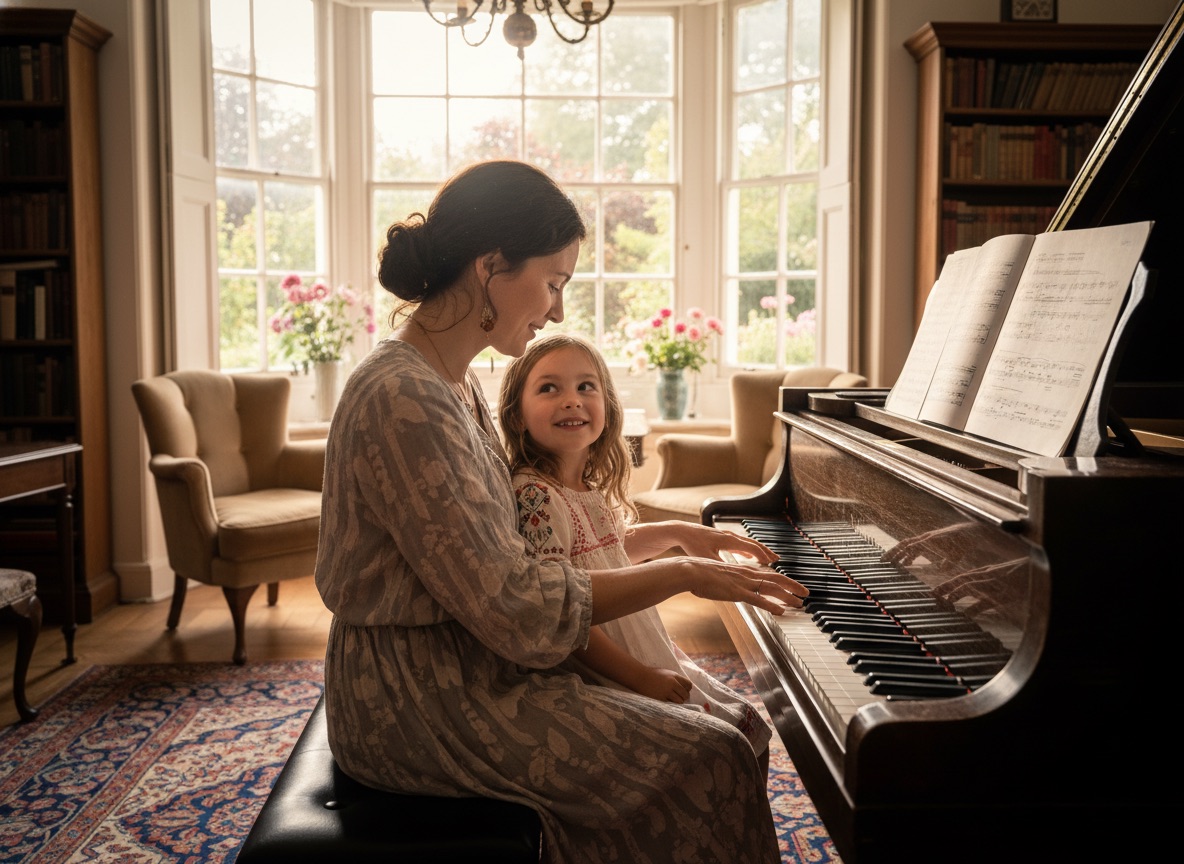
The most confusing spec for buyers is often the key feel. A proper weighted hammer action comparison requires understanding the mechanics of "escapement."
What is Escapement? According to Britannica, escapement is the mechanism that allows the hammer to fall back away from the string immediately after striking it, even if the key is still depressed. This allows the string to vibrate freely. Digital pianos simulate this "notch" feeling to give the player control over soft playing (pianissimo).
Choosing Your Action:
- Heavy vs. Light: Classical players should prioritize graded hammer action (heavier in the bass, lighter in the treble). Synth players often prefer semi-weighted keys for faster repetition.
- The Pivot Point: Premium brands (like the Kawai CA series or Yamaha CLP) offer longer key sticks. This moves the pivot point further back, making it easier to play deep in between the black keys.
- FLYKEYS Technology: Drawing on Pearl River's 60 years of manufacturing, FLYKEYS utilizes self-developed reduction technology to closely mimic these acoustic resistance curves.
Hybrid Piano Technology: The Future is Here
For those who refuse to compromise, hybrid piano technology represents the bleeding edge of the industry.
How It Works: Hybrid pianos (like the Yamaha AvantGrand or Kawai Novus) utilize a real acoustic piano action—complete with full-length wooden keysticks and moving hammers—but use optical sensors to trigger digital sound instead of hitting strings.
Is it Worth It?
- Pros: You get the exact touch of a $50,000 concert grand in a maintenance-free, volume-controlled cabinet.
- Cons: High entry price and heavy weight.
Conclusion
Selecting the right digital piano brand in 2026 is about balancing budget with critical "feel" factors. Whether you need the rugged portability of a Nord for stage use or the family-friendly durability of a Yamaha Clavinova, sticking to S-Tier and A-Tier brands ensures your investment yields musical growth and holds its value. Avoid the temptation of cheap stencil brands; the lack of dynamic response will only hinder your learning progress.
Frequently Asked Questions (FAQ)
Which digital piano brand is best for absolute beginners? Yamaha and Casio are generally considered the best starting points. Yamaha's P-series offers durability, while Casio's Privia line offers slim designs with surprisingly good weighted keys.
Is Roland better than Yamaha for digital pianos? It depends on preference: Yamaha uses "sampling" (recordings of real pianos) which sounds traditional. Roland uses "modeling" (computer-generated sound) which allows for more dynamic expression but can sound slightly synthetic to purists.
How long do digital pianos last? High-quality brands like Yamaha and Kawai can last 15-20 years structurally. However, technology (connectivity/apps) may become outdated sooner, though the piano function will remain intact.
What is the best digital piano brand for classical music? Kawai is often voted best for classical due to their "Grand Feel" wooden key actions. These actions most closely replicate the heavy, substantial feel of a concert grand piano.
Are "hybrid" digital pianos worth the money? Yes, for advanced players living in apartments. Hybrids use real acoustic piano mechanics with optical sensors, offering the exact feel of a grand piano without the maintenance.
Do digital pianos hold their resale value? Tier-S brands (Yamaha, Kawai, Roland) hold resale value well. Budget brands and "stencil" brands have very poor resale value.
What is the difference between weighted and semi-weighted keys? Weighted keys simulate the resistance of hammers inside a piano, essential for building finger strength. Semi-weighted keys use springs and are better for organ/synth playing, but bad for learning piano technique.
Why are Nord keyboards so expensive? Nord keyboards are handmade in Sweden and offer an open architecture. You can download new piano sounds from their library for free forever, unlike other brands where you are stuck with the factory sounds.
Contact Guangzhou Pearl River Amason Digital Musical Instrument Co., Ltd. today at service@flykeysmusic.com to discuss how our professional digital instruments can meet your specific musical needs.
How to Choose Right best small portable piano keyboard manufacturer and supplier ?
Wholesale keyboard with 88 keys manufacturer and supplier
Why choose FLYKEYS as your keyboard supplier in 2026
How to Choose Right best starter digital piano manufacturer and supplier ?
Customization
Can I customize the finish of my electronic piano?
Yes, we offer customization options for finishes, allowing you to choose from a variety of colors and textures.
Company
Where is your company located?
Our headquarters are located in Guangzhou City, China, with manufacturing facilities strategically positioned for efficient global distribution.
Products
Can I connect your electronic pianos to external devices?
Yes, our electronic pianos are equipped with connectivity options such as MIDI, USB, and Bluetooth for seamless integration with external devices.
Are your electronic pianos suitable for beginners?
Yes, we have models designed specifically for beginners, featuring user-friendly interfaces and educational features.
Logistics
Can l track my order during shipping?
Yes, tracking information will be provided once your order has been shipped, allowing you to monitor its progress.
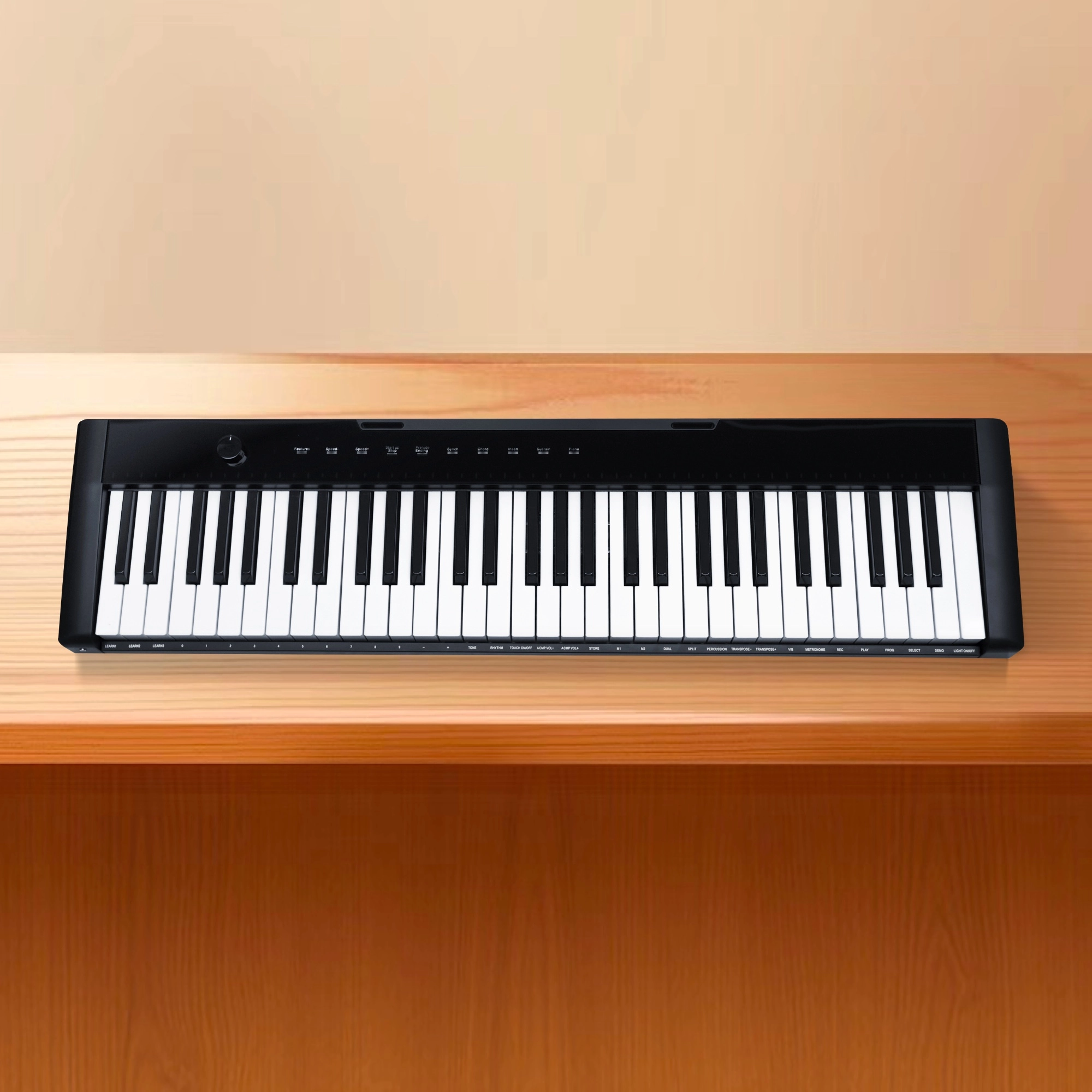
Flykeys 61 keys portable electronic keyboard piano with X stand (M2)
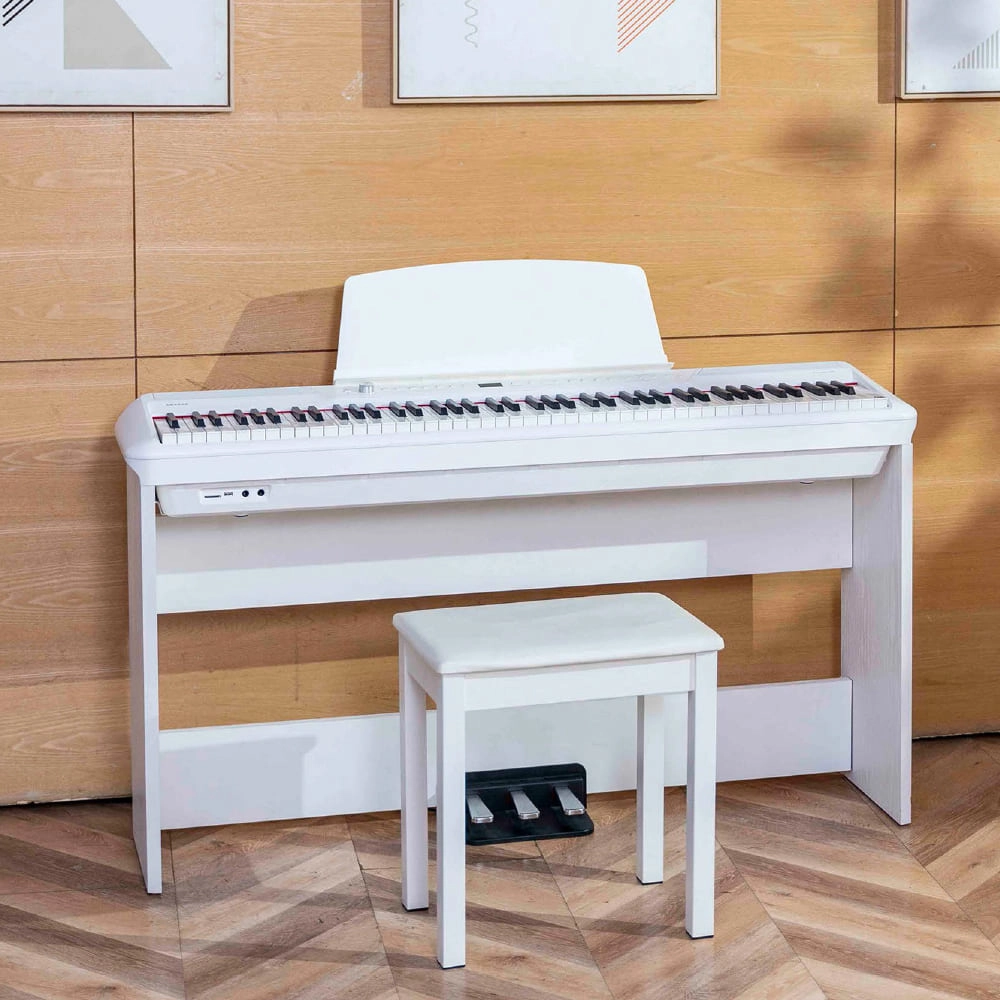
Flykeys Portable Electric Keyboard FP9 Digital Piano
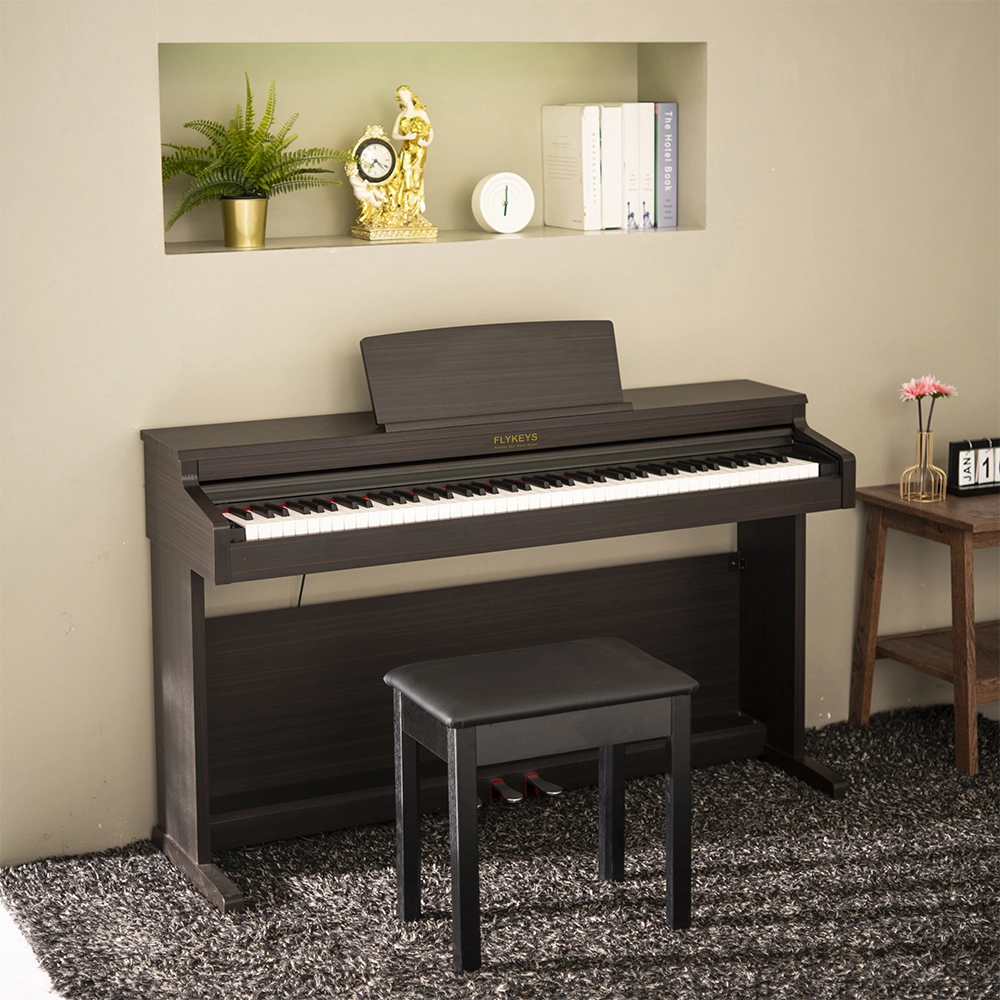
Flykeys 88 Keys Hammer Action keyboard Upright Piano LK03S Digital Piano
— Independent patented technology 88 key Grand-Response hammer action & dynamic curve keyboard;
— European top DSP chip, famous grand piano sound sample;
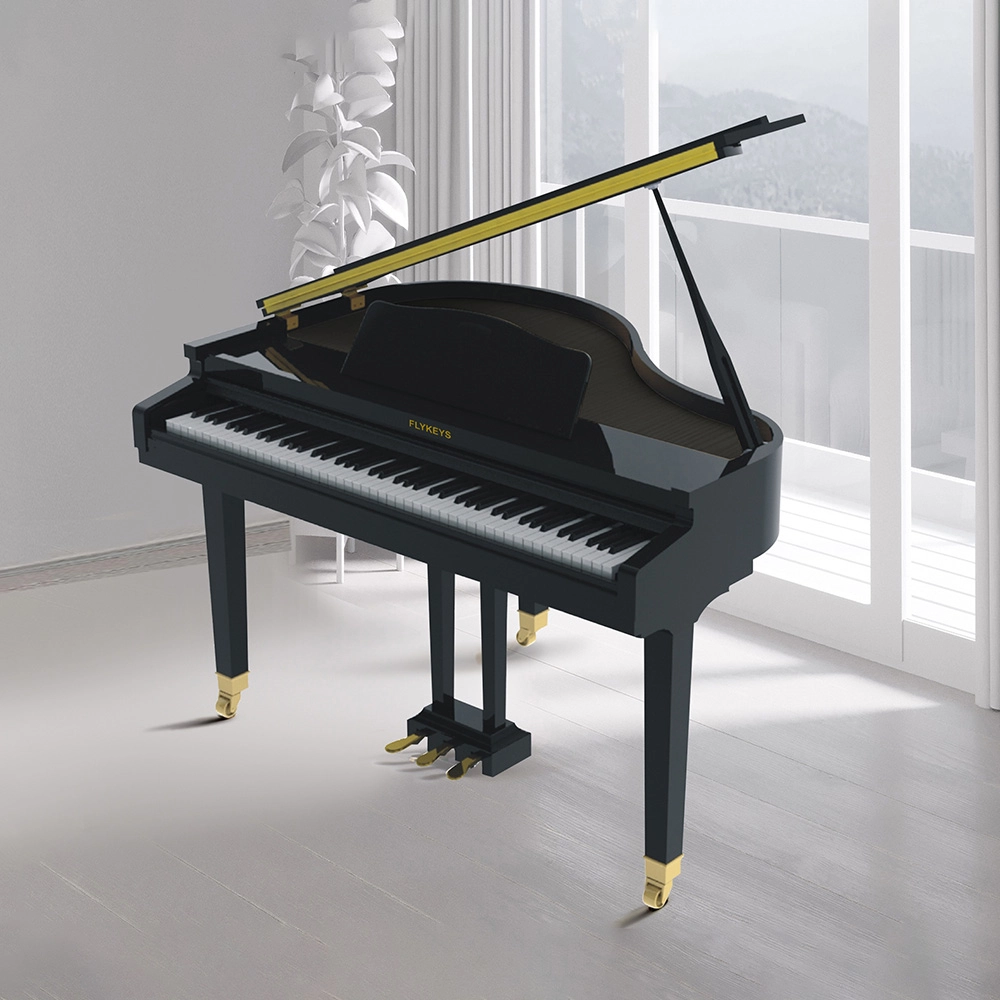
Flykeys 88 Keys Professional Digital Grand Piano Hammer Action Keyboard FGP110 Digital Piano
— Italian Fatar 88 Grand-ResponseTM Key trends with hammer action & dynamic curve
— Independent developed DSP chip, German famous grand piano sound sample
Address: No. 38 Xiangshan Avenue, Zengcheng Economic And Technological Development Zone, Guangzhou, China.
FOLLOW US:


© 2026 FLYKEYS All Rights Reserved. 粤 ICP备2020102774号. Designed by gooeyun. Sitemap | Privacy | Terms