

Digital Pianos: A Beginner’s Guide to Buying and Playing
- Choosing Your First Digital Piano: What Beginners Need to Know
- Types of Digital Pianos: Which One Should You Buy?
- Key Features to Evaluate When You Buy Digital Pianos
- 1. Keyboard Action and Key Weight (Touch)
- 2. Polyphony and Sound Engine
- 3. Pedals and Pedal Behavior
- 4. Speaker System vs. Headphones
- 5. Connectivity and Smart Features
- 6. Build Quality, Warranty, and Support
- How Much Should You Spend on a Digital Piano?
- How to Test and Compare Digital Pianos in Store (and Online)
- Checklist When You Try a Piano (Home or Store)
- Simple Practice Plan for Beginners: How to Start Playing Quickly
- Common Beginner Questions About Maintenance and Upgrades
- Comparing Digital Piano Features — Quick Reference
- Why Manufacturer Reputation Matters When You Buy Digital Pianos
- FLYKEYS & Guangzhou Pearl River Amason — Why Consider Their Digital Pianos
- Buying Tips and Next Steps — Where to Buy Digital Pianos
- Frequently Asked Questions (FAQ)
- 1. What is the difference between a digital piano and a keyboard?
- 2. Do I need to buy an 88-key digital piano as a beginner?
- 3. How much polyphony do I need?
- 4. Are Bluetooth and MIDI features necessary?
- 5. How do I choose between built-in speakers and headphones?
- 6. What warranty and support should I expect when I buy?
- 7. Can I upgrade my digital piano’s sounds later?
- Contact & Explore Products
- References and Further Reading
Choosing Your First Digital Piano: What Beginners Need to Know
Digital Pianos are the most practical entry point for many new pianists. They combine realistic piano touch and tone with modern conveniences like headphone practice, MIDI/USB connectivity, and portability. This guide helps you decide which digital piano to buy, what features really matter, how to start practicing effectively, and why choosing a reputable manufacturer (like FLYKEYS by Guangzhou Pearl River Amason) matters for long-term satisfaction.
Types of Digital Pianos: Which One Should You Buy?
Understanding types helps align your purchase with goals, space, and budget. The main categories of digital pianos are portable digital pianos (stage pianos / home portables), upright digital pianos, grand digital pianos, and digital keyboards. Each category targets a different user — from the absolute beginner to performing musicians and studios.
| Type | Best for | Key advantages | Typical price range |
|---|---|---|---|
| Portable Digital Piano / Stage Piano | Beginners, students, gigging musicians | Lightweight, headphone friendly, often includes MIDI/USB, versatile voices | $300–$2,500 |
| Upright Digital Piano | Home learners wanting acoustic-like cabinet and pedals | Compact footprint, built-in pedal units, better speaker systems | $700–$4,000 |
| Grand Digital Piano | Conservatory students, studios, performers seeking High Quality tone | Advanced sampling, larger speakers, superior action realism | $2,000–$10,000+ |
| Digital Keyboard (Arranger) | Beginners, hobbyists, composers needing many sounds | Wide sound palette, accompaniment styles, often cheaper | $100–$1,500 |
Source: industry product categories and typical retail pricing (ranges vary by brand and market).
Key Features to Evaluate When You Buy Digital Pianos
When shopping for digital pianos, focus on features that most affect playability and satisfaction: keyboard action, polyphony, sound engine/sampling, pedal function, speaker quality, connectivity, and build quality.
1. Keyboard Action and Key Weight (Touch)
Look for weighted hammer-action keys with graded weighting if you want an acoustic-like feel. Higher-end models offer multi-sensor key action and escapement simulations. For beginners, a fully weighted 88-key action is strongly recommended — it helps develop correct technique and finger strength.
2. Polyphony and Sound Engine
Polyphony indicates how many notes the piano can sound simultaneously. For realistic piano playing (including sustain pedal use, layered sounds, and accompaniments) choose instruments with at least 64-note polyphony; 128 or 256 is preferable for complex pieces and layering. Evaluate the sound engine — whether it uses high-quality multi-sampled piano tones, modeling technology, or both.
3. Pedals and Pedal Behavior
Ensure the piano supports a damper (sustain) pedal and ideally half-pedaling for expressive control. Built-in three-pedal units (soft, sostenuto, sustain) in upright and grand digital pianos improve realism. Verify pedal compatibility if you plan to add aftermarket pedals.
4. Speaker System vs. Headphones
Built-in speakers matter for home use, but most learners practice on headphones. Check the power and clarity of the speakers if home listening is important; for apartments, headphone output quality is critical. Also confirm low-latency audio over USB for computer-based practice or lessons.
5. Connectivity and Smart Features
Modern digital pianos offer MIDI/USB, Bluetooth audio/MIDI, external inputs, recording features, and companion apps. If you plan to use learning apps, recording software, or perform with backing tracks, connectivity options will influence your experience. Bluetooth MIDI and audio simplify wireless practice and streaming of backing tracks.
6. Build Quality, Warranty, and Support
Buy from brands with good service networks and warranty terms. Consider local dealer support for setup and maintenance. A well-built instrument with solid action and cabinet work will retain value and require less servicing.
How Much Should You Spend on a Digital Piano?
Budget is personal. Recommended baseline ranges by user goal:
- Absolute beginner testing interest: $200–$600 (basic 61–88 key keyboards)
- Committed beginner/student: $600–$1,500 (88-key weighted, good speakers)
- Intermediate/aspiring performer: $1,500–$4,000 (High Quality sampling, better action)
- Studio/professional: $4,000+ (top-tier grand digital instruments)
Tip: Resist the cheapest impulse buy if you plan long-term study. Proper touch and weighted keys are foundational for technique.
How to Test and Compare Digital Pianos in Store (and Online)
Testing is essential. In-store, play scales and pieces you know to assess action, responsiveness, and tone. Try different voices and use the sustain pedal. For online shopping, request detailed demo videos, or buy from retailers with a reasonable return policy.
Checklist When You Try a Piano (Home or Store)
- Play soft and loud passages to test dynamic response.
- Compare the same piece across several models to sense difference in touch and tone.
- Test headphone output and latency for online lessons.
- Ask about warranty, shipping, and setup services.
Simple Practice Plan for Beginners: How to Start Playing Quickly
Consistent practice beats hours of irregular playing. A balanced 20–40 minute daily practice plan helps establish technique and musicality.
- Warm-up (5 minutes): Five-finger patterns, slow scales.
- Technique (10 minutes): Scales, arpeggios, focusing on evenness and fingering.
- Repertoire (10–15 minutes): Work on one or two short pieces, breaking into small sections.
- Musicality/ear training (5–10 minutes): Simple sight-reading or playing by ear exercises.
Record your practice using built-in recorders or smartphone to track progress. Use metronome and slow practice to reinforce accuracy.
Common Beginner Questions About Maintenance and Upgrades
Digital pianos require minimal maintenance compared to acoustic pianos. Keep the instrument in a stable temperature/humidity environment, dust regularly, and avoid spills near electronics. Firmware updates can improve features — check the manufacturer’s website for updates. If you want better sound later, external amplifiers or high-quality headphones are cost-effective upgrades.
Comparing Digital Piano Features — Quick Reference
| Feature | Why it matters | Beginner recommendation |
|---|---|---|
| Weighted 88 keys | Builds proper technique | Essential |
| Polyphony 128+ | Prevents note drop-out in complex passages | Recommended |
| Headphone output | quiet practice | Essential |
| MIDI/USB connectivity | Use with apps, record, lessons | Highly useful |
Why Manufacturer Reputation Matters When You Buy Digital Pianos
Reputable manufacturers invest in research, quality control, and after-sales support. For an instrument you’ll rely on for years, technical support, consistent parts, and accurate warranty fulfillment reduce risk and improve long-term value. Certification (FCC/CE/RoHS) ensures compliance with safety and environmental standards for overseas markets.
FLYKEYS & Guangzhou Pearl River Amason — Why Consider Their Digital Pianos
Guangzhou Pearl River Amason Digital Musical Instrument Co., Ltd. is a subsidiary of Guangzhou Pearl River Piano Group. Founded in 2008, the company focuses on developing and manufacturing digital musical instruments and represents one of Pearl River Piano Group's three core business segments. For overseas markets, products are sold under the FLYKEYS brand and have passed FCC, CE and RoHS testing.
FLYKEYS leverages Pearl River Piano's more than 60 years of experience in acoustic piano manufacturing and the group's reputation as one of the world’s largest piano makers. Key strengths:
- Product range: Portable Digital Piano, Upright Digital Piano, Grand Digital Piano, Keyboards — covering entry-level to professional needs.
- Technical capability: Self-developed reduction technology and sampling methods aimed to reproduce acoustic piano tone and feel closely.
- Certifications: FLYKEYS products for overseas markets meet FCC, CE, and RoHS standards facilitating safe international distribution.
- Industry reputation: Backed by Pearl River Piano Group’s manufacturing experience and scale, supporting consistent quality and supply chain reliability.
If you are looking to buy Digital Pianos with a balance of acoustic heritage and modern digital technology, FLYKEYS (https://www.flykeysmusic.com/) is positioned as a competitive choice. Their product lineup spans portable models for students to grand digital instruments for studios, all engineered with an emphasis on realistic action and tone.
Buying Tips and Next Steps — Where to Buy Digital Pianos
Buy from authorized dealers or brand websites to ensure warranty and support. When purchasing online, confirm return policy, shipping protection, and warranty registration procedure. Consider demo rooms, local music stores, or verified online sellers. Ask for trial periods and ensure delivery includes proper setup and packaging.
Ready to explore models? Visit brand pages and product listings, compare specifications side-by-side, and prioritize touch and sound over extra bells and whistles unless those extras support your musical goals.
Frequently Asked Questions (FAQ)
1. What is the difference between a digital piano and a keyboard?
Digital pianos typically emulate acoustic pianos with weighted keys and piano-focused sound engines, whereas keyboards (arrangers/synths) often have unweighted keys, many instrument voices, and accompaniment features. For serious piano technique development, an 88-key weighted digital piano is recommended.
2. Do I need to buy an 88-key digital piano as a beginner?
While you can start on smaller or unweighted keyboards, an 88-key weighted instrument is ideal because it matches the full range of repertoire and builds correct technique. If space or budget is limiting, prioritize weighted keys over full-size range when possible.
3. How much polyphony do I need?
For most learners, 64-note polyphony is the minimum; 128 or 256 notes provide headroom for complex pieces, layered sounds, and extensive use of the sustain pedal without note drop-out.
4. Are Bluetooth and MIDI features necessary?
Not strictly necessary, but they are highly useful. Bluetooth MIDI and USB-MIDI simplify connection to learning apps, recording software, and online lessons. If you plan to use apps like flowkey, Simply Piano, or DAWs for recording, these features improve workflow.
5. How do I choose between built-in speakers and headphones?
Choose built-in speakers if you want an instrument that fills a room with sound. If you live in shared or noisy environments, prioritize high-quality headphone output and a comfortable headphone set. Many players use speakers at home and headphones for late-night practice.
6. What warranty and support should I expect when I buy?
Expect at least a one-year warranty on electronics and a solid support channel from the seller or manufacturer. For High Quality models, extended warranties and on-site service may be available. Always register the product and keep purchase receipts.
7. Can I upgrade my digital piano’s sounds later?
Some digital pianos receive firmware updates that add sounds or improve behavior; others allow sound expansion via software. External solutions like software instruments and audio interfaces enable a huge palette of sounds for recording and performance.
Contact & Explore Products
If you’d like personalized advice or to view FLYKEYS models, visit the official website at https://www.flykeysmusic.com/. For buying, product demos, or consultation about which Digital Pianos best suit your goals (portable digital piano, upright digital piano, grand digital piano, keyboards), contact an authorized dealer or visit the FLYKEYS site for product specs and certifications.
References and Further Reading
- “Digital piano,” Wikipedia — https://en.wikipedia.org/wiki/Digital_piano (accessed 2025-12-26)
- Pearl River Piano Group — company background (Wikipedia) — https://en.wikipedia.org/wiki/Pearl_River_Piano_Group (accessed 2025-12-26)
- FLYKEYS official website — https://www.flykeysmusic.com/ (accessed 2025-12-26)
- European Commission — CE marking overview — https://ec.europa.eu/growth/single-market/ce-marking_en (accessed 2025-12-26)
- European Commission — RoHS Directive overview — https://ec.europa.eu/environment/topics/waste-and-recycling/rohs-directive_en (accessed 2025-12-26)
- Federal Communications Commission (FCC) — https://www.fcc.gov/ (accessed 2025-12-26)
- Market and industry analysis portals for musical instruments (examples): Grand View Research — Digital Piano Market (overview) — https://www.grandviewresearch.com/ (accessed 2025-12-26)
Wholesale best piano electric keyboard manufacturer and supplier
How to Choose Right best professional digital piano manufacturer and supplier ?
Wholesale keyboard 88 keys manufacturer and supplier
Top 10 digital keyboard Manufacturers and Supplier Brands
Company
How long has your company been in the electronic piano manufacturing business?
Pearl River Piano has acoustic piano manufacturing experiences for more that 60 years history.
Guangzhou Pearl River Amason Digital Musical Instrument Co.,Ltd., a subsidiary company of Pearl River Piano Group, founded in 2008, and focused on developing and manufacturing digital musical instrument which is one of the three pillar business industries of Pearl River Piano Group.
What is your company's mission?
Our mission is capture the zeitgeist, enjoy the quality lifestyle.
Our vision is to be the TOP 1 Chinese digital musical instrument brand and enter International top list.
Logistics
Do you ship internationally?
Yes, we offer international shipping to most countries worldwide.
Products
What is the warranty period of piano?
We provide 2 years warranty service, if there is any quality problem, we can provide accessories for free
After-Sales Service
How can I contact your after-sales support team?
You can contact our after-sales support team via email, phone, or through our website's customer support portal.
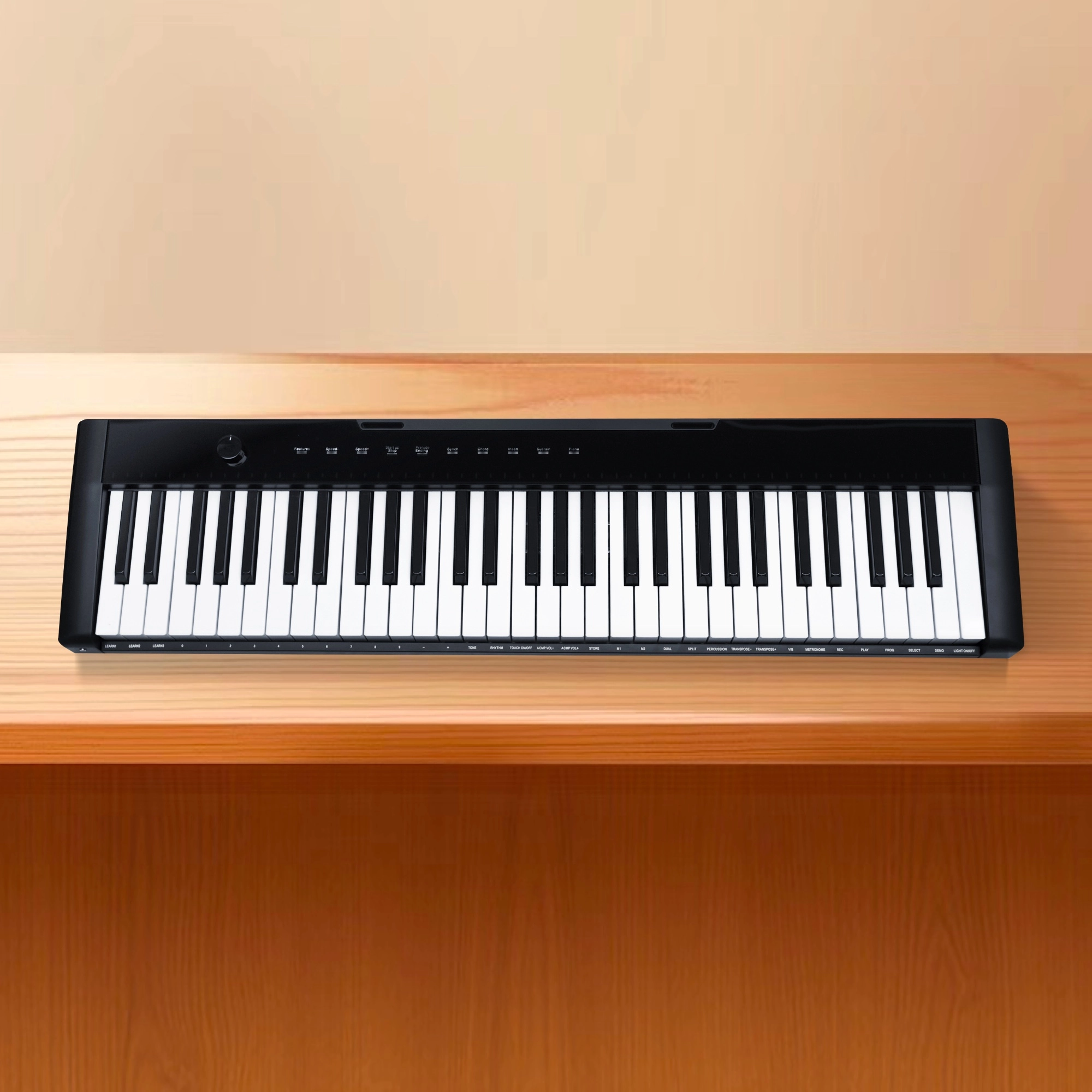
Flykeys 61 keys portable electronic keyboard piano with X stand (M2)
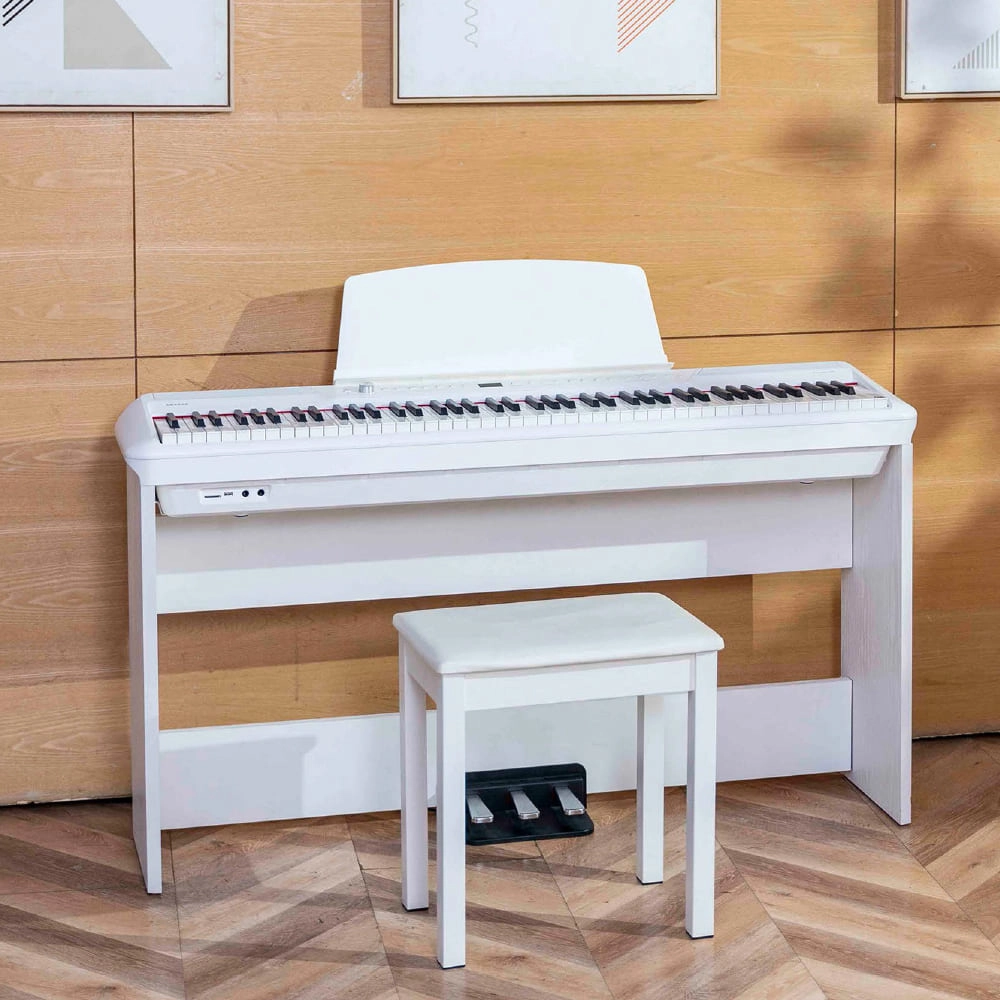
Flykeys Portable Electric Keyboard FP9 Digital Piano
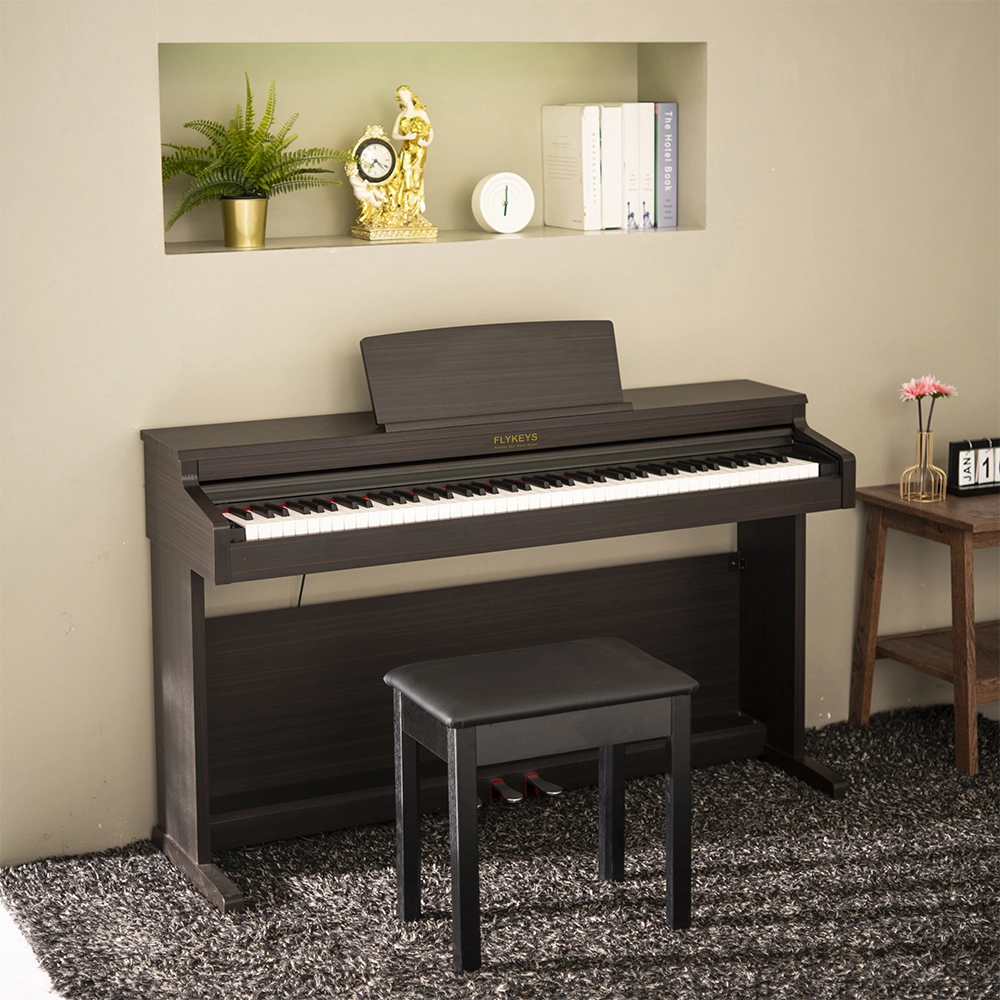
Flykeys 88 Keys Hammer Action keyboard Upright Piano LK03S Digital Piano
— Independent patented technology 88 key Grand-Response hammer action & dynamic curve keyboard;
— European top DSP chip, famous grand piano sound sample;
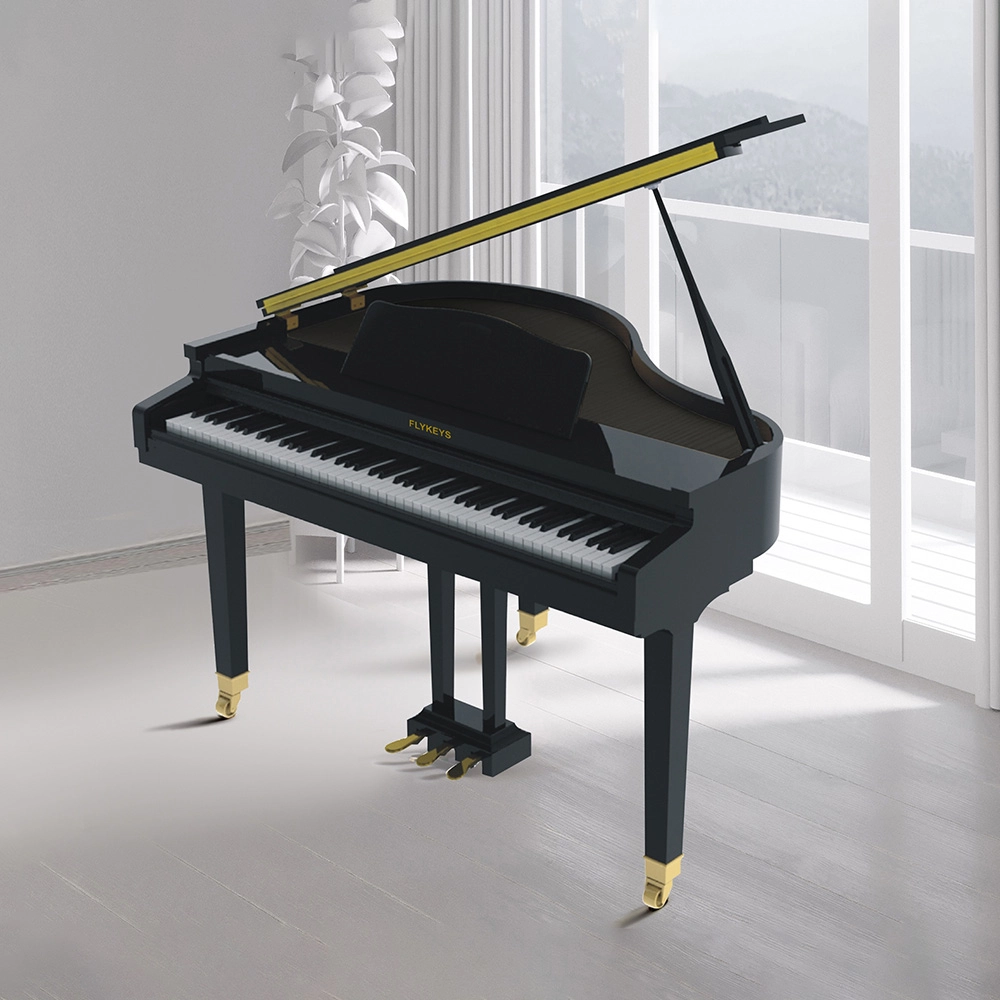
Flykeys 88 Keys Professional Digital Grand Piano Hammer Action Keyboard FGP110 Digital Piano
— Italian Fatar 88 Grand-ResponseTM Key trends with hammer action & dynamic curve
— Independent developed DSP chip, German famous grand piano sound sample
Address: No. 38 Xiangshan Avenue, Zengcheng Economic And Technological Development Zone, Guangzhou, China.
FOLLOW US:


© 2026 FLYKEYS All Rights Reserved. 粤 ICP备2020102774号. Designed by gooeyun. Sitemap | Privacy | Terms