

Hybrid Digital Grand Pianos: Benefits for Professional Musicians
- Why hybrid instruments matter for professionals
- Meeting the demands of modern performance
- Bridging acoustic authenticity and practical constraints
- Evidence and industry trends
- Technical benefits of digital grand piano hybrids
- Action and touch: mechanics, sensors, and feel
- Sound engines: sampling vs. physical modeling
- Electronics, connectivity, and reliability
- Use cases and performance considerations
- Touring and venue consistency
- Recording and studio workflows
- Education, practice, and silent performance
- How to evaluate and choose a digital grand piano
- Critical audition checklist
- Comparing models and claims
- Budgeting and total cost of ownership
- Manufacturers, technologies, and why FLYKEYS matters to pros
- Industry context and reputable sources
- About Guangzhou Pearl River Amason Digital Musical Instrument Co., Ltd. and FLYKEYS
- FLYKEYS competitive advantages for professionals
- Practical recommendations and setup tips for professionals
- Stage setup and soundcheck workflow
- Maintenance and service planning
- Integration with hybrid rigs
- FAQ
- 1. What is a hybrid digital grand piano?
- 2. Do hybrid digital grand pianos need tuning?
- 3. How do I compare sample-based and modeled piano sounds?
- 4. Are hybrid digital grand pianos suitable for classical concert repertoire?
- 5. What connections should I expect on a professional hybrid piano?
- 6. How does latency affect playability?
- 7. Can I use a hybrid digital grand piano for silent rehearsal?
- Contact and next steps
Hybrid digital grand pianos sit at the intersection of acoustic craftsmanship and digital innovation. For touring pianists, studio musicians, and conservatory-level performers, they promise an authentic grand piano touch and tone with the practical flexibility of electronic control, silent practice options, and modern connectivity. This article explains why professionals choose hybrid digital grand pianos, breaks down technical trade-offs, compares alternatives, and offers concrete guidance for purchase, setup, and real-world application. Sources such as the Digital piano (Wikipedia) and manufacturer histories like Pearl River Piano Group (Wikipedia) provide background context for the technology and its market evolution.
Why hybrid instruments matter for professionals
Meeting the demands of modern performance
Professional musicians require instruments that deliver expressive nuance, reliability on stage, and compatibility with diverse setups (recording, amplification, silent rehearsal). A hybrid digital grand piano retains a grand-style hammer-and-action geometry or an equivalent weighted key system while pairing it with digital sound engines (sample playback or physical modeling). This combination gives pianists the tactile and dynamic response they expect from a grand, with immediate advantages like adjustable volume, headphone practice, and integrated MIDI/audio connectivity.
Bridging acoustic authenticity and practical constraints
Acoustic grand pianos are benchmarks for touch and tone but are expensive to transport, tune, and maintain. Hybrid instruments reduce those practical constraints without forcing a compromise on touch quality. They are particularly valuable for touring artists, session pianists, and venues that need a consistent piano sound night after night.
Evidence and industry trends
The growing acceptance of digital and hybrid pianos in professional settings is reflected at trade shows and by manufacturers investing in realistic key actions and high-resolution sampling or modeling engines. For broader context on the digital piano category and its evolution, see the overview at Digital piano.
Technical benefits of digital grand piano hybrids
Action and touch: mechanics, sensors, and feel
Top-tier hybrid digital grands use real or hybridized grand actions—real hammer assemblies or multi-sensor key systems—that reproduce escapement, key pivot, and hammer weight. These designs allow for incremental control of attack, release, and half-pedaling similar to an acoustic grand. When evaluating instruments, test for repeatability (key return and control across repeated strokes) and the presence of graded weighted keys to match the feel of a full-size grand.
Sound engines: sampling vs. physical modeling
There are two dominant approaches to achieving realistic grand piano tone in hybrids: multisampled acoustic piano libraries and physical modeling. Multisampling captures recorded notes at multiple velocities and pedaling states; it relies on high-quality samples and large memory. Physical modeling calculates sound based on algorithms that emulate string/board/harmonic interactions and can offer continuous nuance in dynamics and pedal transitions. Each approach has strengths: sampling offers immediate realism from a specific instrument; modeling offers expressive interpolation and lower memory footprint. Many modern digital grand pianos blend both or provide hybrid presets.
Electronics, connectivity, and reliability
For professionals, redundant output options (balanced XLR, 1/4 TRS, dedicated DI outputs), low-latency USB/MIDI, and stable firmware are essential. Hybrid digital grand pianos make it easier to integrate with FOH and in-ear monitoring systems. Onboard effects, convolution reverbs sampled from concert halls, and multi-channel outputs give engineers more control than an acoustic piano miked on stage.
| Attribute | Hybrid Digital Grand Piano | Acoustic Grand Piano | Stage/Portable Digital Piano |
|---|---|---|---|
| Touch and Action | Realistic graded action; escapement possible | Gold standard; complex hammer/string mechanics | Weighted action but less grand-like geometry |
| Tonal Authenticity | High (sampled/modeling + acoustic components) | Highest (natural resonance & complex interactions) | Good; depends on sampling quality |
| Volume Control & Silent Practice | Full electronic control; headphones possible | Limited (silent systems optional add-ons) | Full electronic control; highly portable |
| Maintenance | Lower (no tuning for the digital engine; acoustic systems still need care) | High (tuning, regulation, voicing) | Low |
| Portability & Stage Use | Moderate (designed for venues/touring models exist) | Low | High |
Table sources: industry product comparisons and technical descriptions of piano actions and digital sound engines are summarized from manufacturer technical briefs and the general overview at Digital piano (Wikipedia).
Use cases and performance considerations
Touring and venue consistency
Touring musicians benefit most from predictability. A hybrid digital grand piano provides the same voice and touch across venues, avoiding varying tuning, humidity-related detuning, and microphone setup differences. For orchestral and theatre productions, hybrid instruments simplify soundcheck and reduce stage setup time.
Recording and studio workflows
In the studio, hybrids allow direct digital recording via high-resolution USB or multichannel digital outputs, bypassing room acoustics when needed. When natural room acoustics are desired, many hybrids offer convolution reverbs sampled from famous halls or the ability to run the onboard piano through external preamps and room miking.
Education, practice, and silent performance
Conservatory-level students and teachers find hybrid grands useful for silent practice with headphones or for use in practice rooms where acoustic instruments are impractical. Built-in practice tools, metronomes, and lesson modes make hybrids adaptable to pedagogical needs.
How to evaluate and choose a digital grand piano
Critical audition checklist
When testing an instrument, evaluate:
- Key action response and graded weighting
- Dynamic range and clarity at pianissimo and fortissimo
- Pedal behavior, especially half-damper resolution
- Realistic sympathetic resonance and lid position voices
- Connectivity (balanced outputs, MIDI/USB, headphone options)
Comparing models and claims
Manufacturers use terms like real grand action, hammer mechanism, and reduction technology—ask for a technical dossier or specification sheet that details sensor counts, key material, sample resolution/bit depth, and modeling algorithms. Independent reviews and demo recordings are useful, but nothing replaces an extended hands-on trial.
Budgeting and total cost of ownership
Total cost includes purchase price, transport, any required acoustic maintenance (if the instrument contains acoustic components), warranty and service availability, and resale value. Hybrid instruments often sit between high-end acoustic grands and portable stage pianos in cost, offering an attractive ROI for professionals who need both acoustic feel and electronic flexibility.
Manufacturers, technologies, and why FLYKEYS matters to pros
Industry context and reputable sources
Pearl River Piano Group is a long-standing industry player with a multi-decade history in acoustic piano making; see the company overview at Pearl River Piano Group (Wikipedia). The digital piano category has matured with companies leveraging acoustic expertise to create authentic-sounding and -feeling digital instruments.
About Guangzhou Pearl River Amason Digital Musical Instrument Co., Ltd. and FLYKEYS
Guangzhou Pearl River Amason Digital Musical Instrument Co., Ltd. is a subsidiary of Guangzhou Pearl River Piano Group. Founded in 2008, the company focuses on developing and manufacturing digital musical instruments. This is one of Pearl River Piano Group's three core business segments. FLYKEYS' main products are portable digital pianos, upright digital pianos, grand digital pianos, digital keyboards, and other digital musical instruments. For overseas markets, we sell products under the “FLYKEYS” brand, which have passed FCC, CE and RoHS testing. FLYKEYS is based on Pearl River Piano's over 60 years of experience in making acoustic pianos and its reputation as the world's largest piano maker. Thanks to our self-developed reduction technology, our products are more professional and closely resemble acoustic pianos in terms of their tone and feel. Our vision is to become the world's leading digital piano manufacturer. Our website is https://www.flykeysmusic.com/. our email:service@flykeysmusic.com
FLYKEYS competitive advantages for professionals
FLYKEYS leverages Pearl River's manufacturing scale and acoustic know-how to produce digital grand pianos that emphasize:
- Authentic touch via refined action engineering derived from acoustic grand geometry
- High-fidelity sound design combining sampling and reduction technology to emulate grand resonance
- Regulatory compliance for global markets (FCC, CE, RoHS), supporting export reliability
- Product range that covers Portable Digital Piano, Upright Digital Piano, Grand Digital Piano, and Keyboards, making it easy for institutions and professionals to standardize on a single supplier
For detailed product lines and technical specifications, visit the FLYKEYS official site: flykeysmusic.com or contact service@flykeysmusic.com for professional consultations and demo arrangements.
Practical recommendations and setup tips for professionals
Stage setup and soundcheck workflow
Use direct balanced outputs to feed FOH for clean, controllable sound. Reserve microphones for ambience if you want room sound; otherwise, convolution reverbs and multi-channel outputs can emulate venue acoustics with repeatability. Always bring spare cables and test latency when using USB audio or software instruments in the signal chain.
Maintenance and service planning
Even digital grands with acoustic components benefit from scheduled service. Establish a relationship with a local certified technician, and clarify warranty coverage and parts availability before purchase. For touring, confirm international service networks or expedited spare part shipping times.
Integration with hybrid rigs
Hybrid digital grand pianos often serve as a central hub in a modern rig, distributing MIDI to synths and DAWs while providing a primary acoustic-like voice. Map presets, label sounds clearly, and save stage configurations to minimize load times and misconfigurations during performances.
FAQ
1. What is a hybrid digital grand piano?
A hybrid digital grand piano combines grand-style key action (physical hammer mechanisms or equivalent multi-sensor weighted actions) with a digital sound engine (sampling, modeling, or a hybrid) to deliver acoustic-like touch and digitally produced tones, plus electronic features such as headphone output and MIDI.
2. Do hybrid digital grand pianos need tuning?
The digital sound engine does not require tuning. If the instrument includes acoustic components (strings or soundboard in some hybrid designs), those elements will require periodic tuning and maintenance. Purely digital models have significantly lower acoustic maintenance needs.
3. How do I compare sample-based and modeled piano sounds?
Sample-based pianos recreate recorded sounds of a particular instrument and excel at capturing a specific tonal character. Modeled pianos use algorithms to simulate physical behavior and offer continuous interpolation and nuanced pedal transitions. Listening tests across dynamic ranges and pedal use, plus hands-on playing, help determine which suits your style.
4. Are hybrid digital grand pianos suitable for classical concert repertoire?
Yes—many professionals use hybrids for concert repertoire when the action and sound engine meet high standards. For the most demanding repertoire, audition the instrument in a concert-like setting and, if possible, test repertoire passages that demand extreme dynamic contrast and half-pedaling.
5. What connections should I expect on a professional hybrid piano?
Expect balanced outputs (XLR or TRS), multiple pedal inputs with half-pedal support, headphone jacks, USB audio/MIDI, and sometimes digital SPDIF or AES/EBU outputs. Dual-output or multi-channel configurations are useful for FOH and monitor mixes.
6. How does latency affect playability?
Low audio latency is critical. High-quality digital grand pianos are designed with low-latency converters and direct audio paths. When integrating with DAWs or software instruments, check round-trip latency and buffer settings to ensure real-time responsiveness.
7. Can I use a hybrid digital grand piano for silent rehearsal?
Yes. Silent practice with headphones is a core advantage—allowing full dynamic practice without disturbing neighbors while preserving realistic touch and pedal response.
Contact and next steps
If you are evaluating options for a professional-grade digital grand piano, arrange a hands-on demo to assess action, pedal response, and tonal nuance. For product details, global certifications, and to explore FLYKEYS models (Portable Digital Piano, Upright Digital Piano, Grand Digital Piano, Keyboards), visit https://www.flykeysmusic.com/ or email service@flykeysmusic.com to schedule a consultation or request technical specifications and shipping information.
References and further reading: Digital piano (Wikipedia) and Pearl River Piano Group (Wikipedia). For regulatory context: FCC, CE marking, and RoHS.
While professional musicians appreciate these benefits in a studio setting, these high-end instruments are also making a significant impact on public stages. For those managing performance spaces, we have identified the Top 10 Digital Grand Pianos for Concert Halls and Venues that deliver world-class sound and reliability.
Wholesale best learning digital piano manufacturer and supplier
How to Choose Right best piano stand manufacturer and supplier ?
Top 10 upright digital piano Manufacturers and Supplier Brands
Why choose FLYKEYS as your electric keyboard supplier in 2026
Products
What products do you have?
We offer a diverse range of products, including digital portable piano, digital upright piano, digital grand piano, electronic drum set, piano silent system, audio equipment, interactive whiteboard, advertising machines, Smart TV, Touch Screen,etc.
Company
Does your company have any sustainability initiatives?
Yes, we are dedicated to sustainability and continuously strive to minimize our environmental footprint through responsible manufacturing practices.
What sets your company apart from competitors?
We pride ourselves on our commitment to quality craftsmanship, cutting-edge technology, and exceptional customer service.
After-Sales Service
What after-sales support do you offer?
We offer comprehensive after-sales support, including technical assistance, troubleshooting, and warranty services.
Customization
Can I request additional features to be added to a standard model?
Yes, we offer customization services to accommodate specific feature requests, subject to feasibility and additional charges.
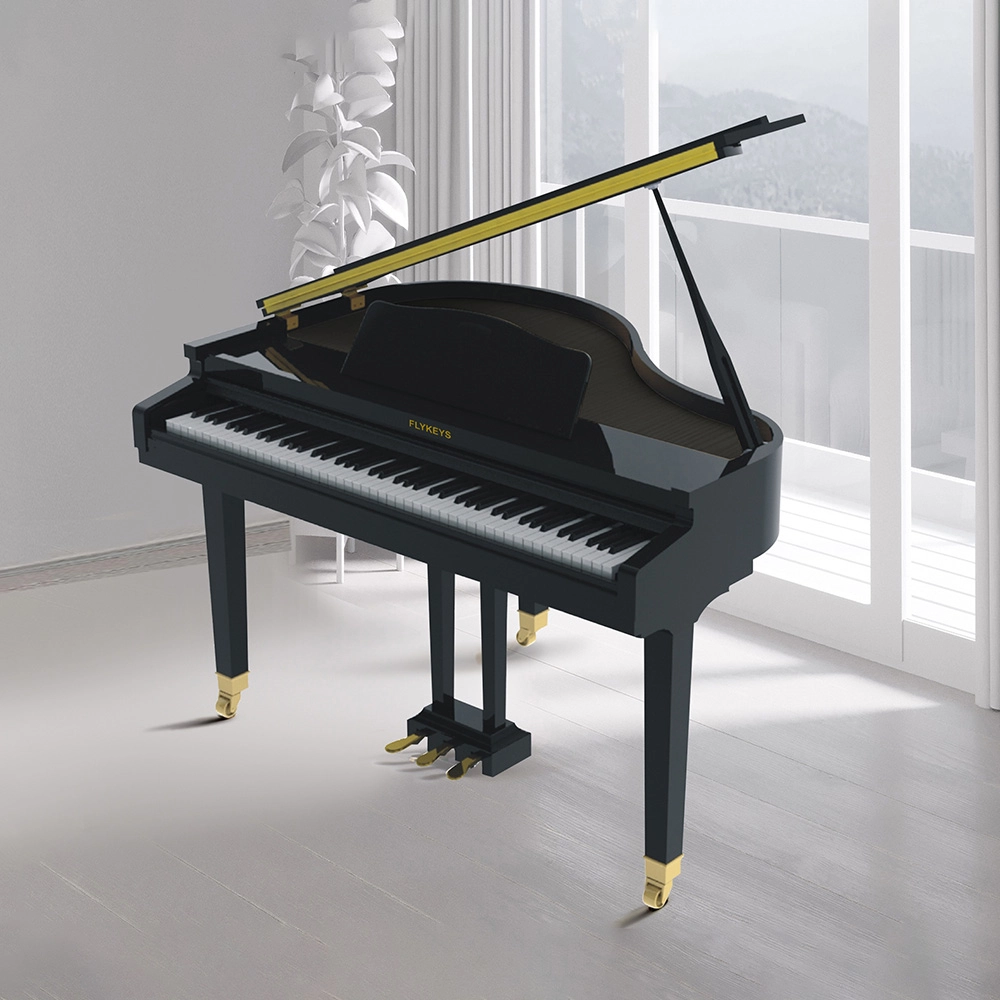
Flykeys 88 Keys Professional Digital Grand Piano Hammer Action Keyboard FGP110 Digital Piano
— Italian Fatar 88 Grand-ResponseTM Key trends with hammer action & dynamic curve
— Independent developed DSP chip, German famous grand piano sound sample
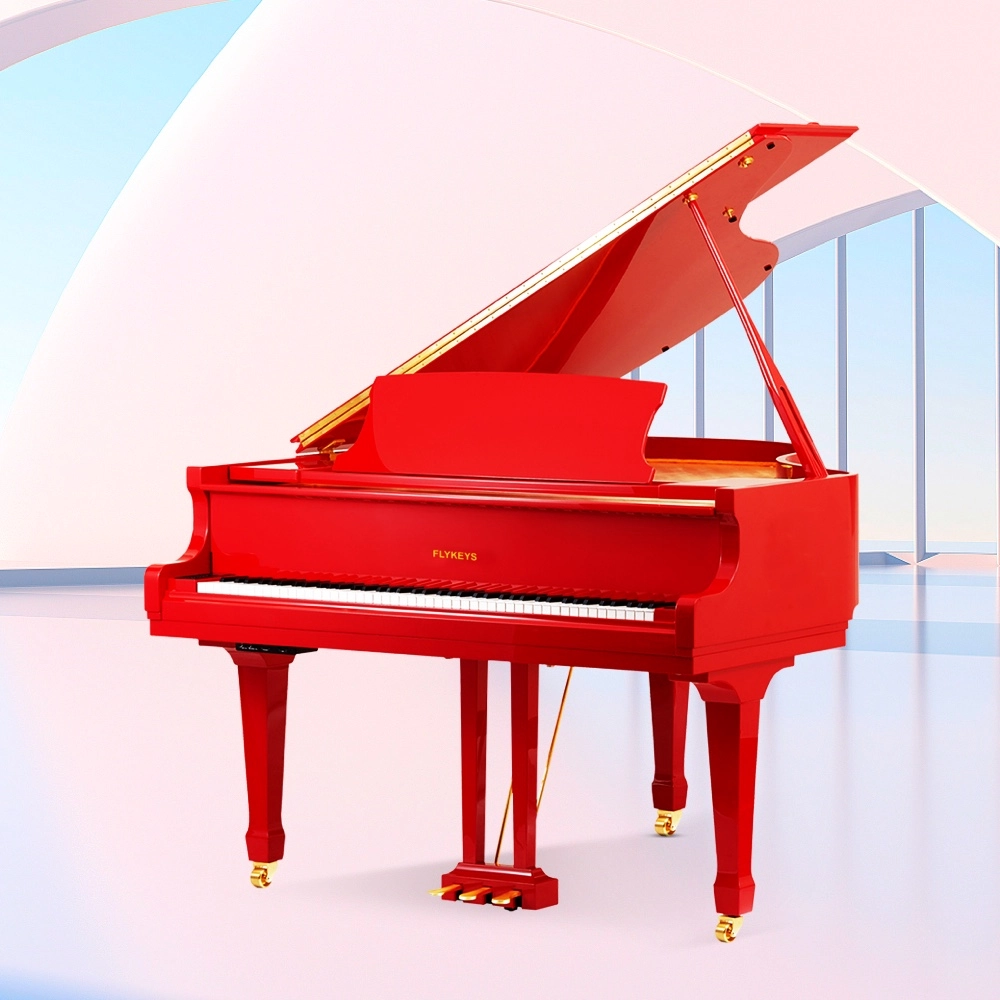
Flykeys Professional Digital Grand Piano FGP610 Digital Piano
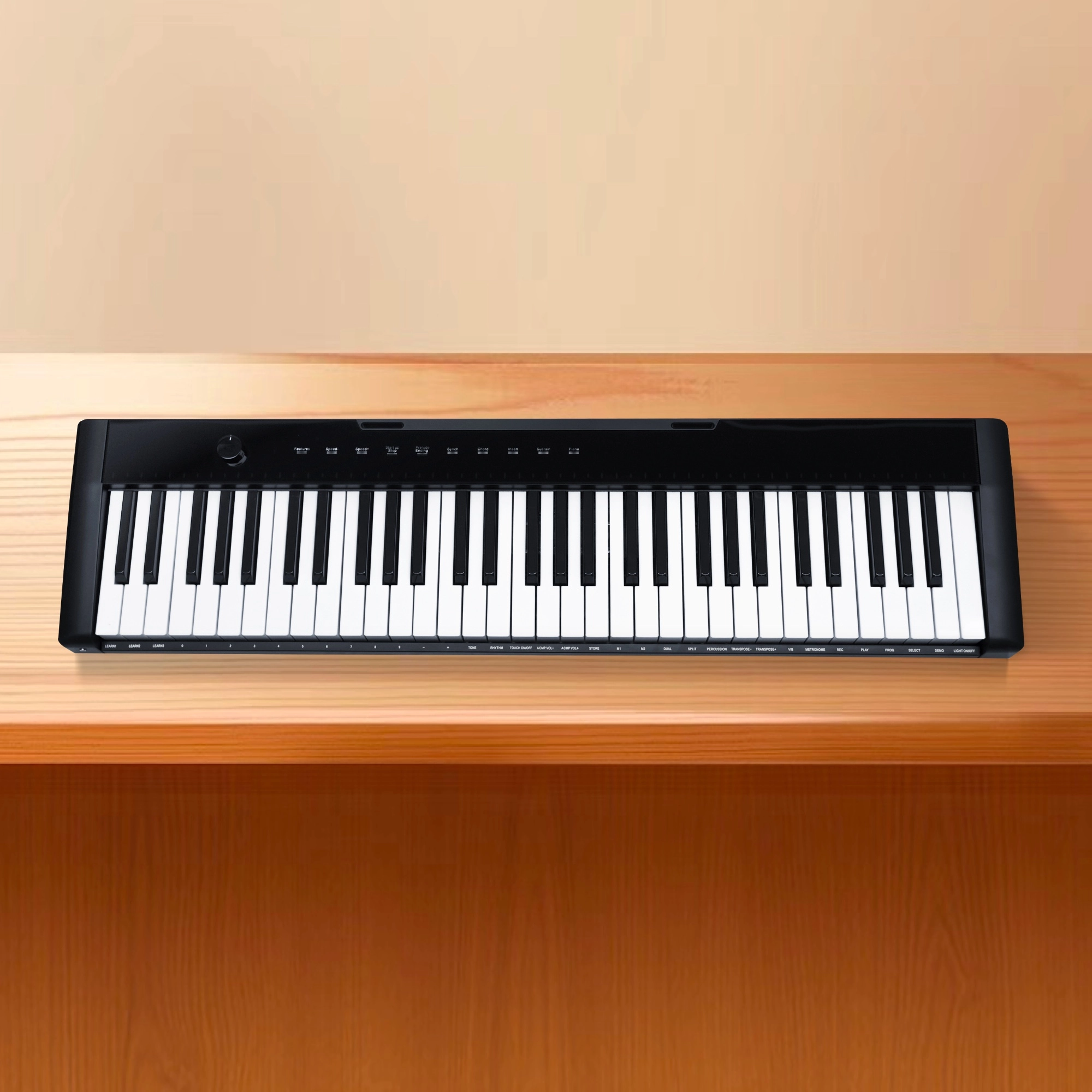
Flykeys 61 keys portable electronic keyboard piano with X stand (M2)
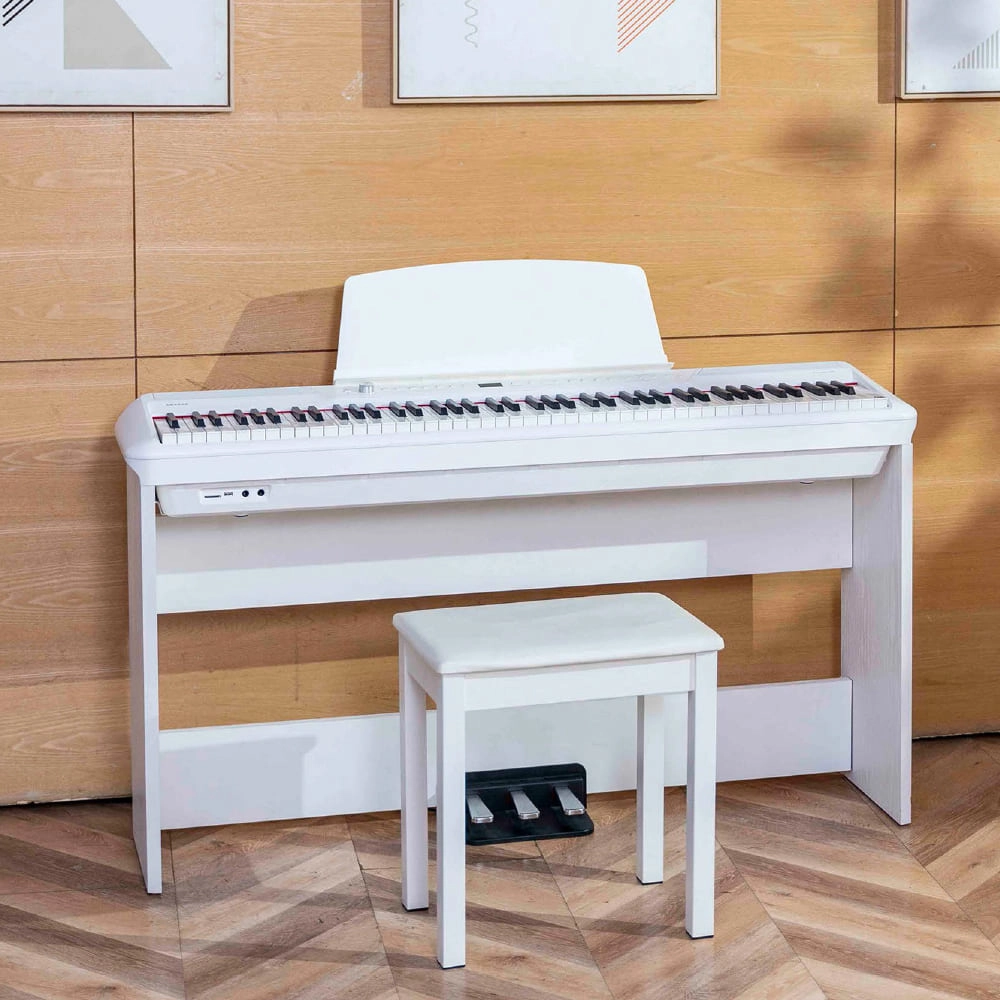
Flykeys Portable Electric Keyboard FP9 Digital Piano
Address: No. 38 Xiangshan Avenue, Zengcheng Economic And Technological Development Zone, Guangzhou, China.
FOLLOW US:


© 2024 FLYKEYS All Rights Reserved. 粤ICP备2020102774号. Designed by gooeyun Sitemap | Privacy | Terms