

Portable Digital Pianos Buying Guide: Features to Compare
- Why portability matters beyond simple weight
- Portability vs. playability: the practical trade-offs
- Form factor: stage pianos, portable keyboards, and foldable designs
- Durability and transport considerations
- Core playable features to compare
- Keyboard action: weighted, graded, and hammer sensors
- Keybed materials and sensor technology
- Polyphony and voice complexity
- Sound engine, amplification, and connectivity
- Sampling vs. modeling sound engines
- Onboard speakers and amplification
- Connectivity: MIDI, USB, Bluetooth, and pedals
- Practical buying comparison and recommended specs
- How to match features to use cases
- Sample reliability data and standards
- Comparative checklist before purchase
- Evaluating brands, warranties, and after-sales support
- What manufacturer reputation signifies
- Warranties, service networks, and spare parts
- Why certifications and testing matter
- FLYKEYS and Pearl River: an example of industrial competence
- Company background and credentials
- Technical advantage and sourcing
- Product lines and suitability
- Buying tips, field testing, and a real-world checklist
- Try before you buy when possible
- Budget allocation: where to spend more
- Final pre-purchase checklist
- FAQ
- 1. What is the minimum polyphony I should accept for a portable digital piano?
- 2. Is graded hammer action necessary for beginners?
- 3. Can a portable digital piano replace an acoustic piano?
- 4. How important are onboard speakers?
- 5. Should I prefer sampling or modeling sound engines?
- 6. How do I verify manufacturer claims?
As a consultant and long-time practitioner in the digital piano space, I know buyers need more than brand names and numbers. This guide is designed for search engines and real users alike: it summarizes what matters when comparing portable digital pianos, explains why each feature affects playability and value, and gives practical recommendations based on use case. Wherever I cite standards or technical claims, I link to authoritative sources so you can verify details and continue your research.
Why portability matters beyond simple weight
Portability vs. playability: the practical trade-offs
When people search for a portable digital piano they often think only of weight and footprint. In my experience, portability also includes setup speed, power options, and how the instrument integrates with a player’s environment. A truly portable instrument lets you rehearse in different rooms, gig with minimal stage footprint, or travel for lessons. But cutting weight can mean compromises: smaller speakers, lighter key mechanisms, or reduced polyphony. Understanding these trade-offs helps you avoid buyer's remorse.
Form factor: stage pianos, portable keyboards, and foldable designs
Portable digital pianos appear in several form factors. A stage piano emphasizes performance controls and balanced output but can still be portable. Console-style portable pianos mimic an upright but detach from heavy cabinetry. Ultra-portable keyboards prioritize minimal weight. Consider where you'll play most: home practice, studio recording, or live gigs. Each scenario changes the importance of onboard speakers, key action, and I/O.
Durability and transport considerations
Cases, gig bags, and chassis materials matter. A metal chassis or reinforced plastics improve longevity; soft gig bags reduce weight but offer limited protection. I recommend investing in a quality case for any portable instrument used outside the home. Also check the power jack and control knobs—those are common failure points during transport.
Core playable features to compare
Keyboard action: weighted, graded, and hammer sensors
Keyboard feel is the first thing a pianist notices. Key action types include synth-action (light, fast), semi-weighted, fully weighted (hammer action), and graded hammer action (heavier in bass, lighter in treble). For realistic acoustic-piano response, graded hammer action is preferred. Technical notes and mechanism overviews are summarized in the digital piano literature; Wikipedia provides a basic primer on digital piano technology: Digital piano — Wikipedia.
Keybed materials and sensor technology
Keytops can be plastic, textured, or simulated ivory/ebony. Higher-end models use triple sensors for improved repetition and expression. When comparing models, test for consistent action across the keyboard and reliable velocity curves. If possible, try the exact keybed or a closely related model; manufacturer names for mechanisms are often proprietary.
Polyphony and voice complexity
Polyphony defines how many notes sound simultaneously. Low-end portable digital pianos may offer 64-note polyphony, while more capable units provide 128, 192, or 256 notes. For complex layering, sustain pedal use, and use with orchestral voices, aim for at least 128-note polyphony. Manufacturer claims should be tested if you use heavy layering or virtual instrument hosting.
Sound engine, amplification, and connectivity
Sampling vs. modeling sound engines
Sound engines fall into two categories: sample-based (recorded piano samples) and physical modeling (algorithmic synthesis of piano acoustics). Sample-based engines provide authentic timbres from high-quality recordings; modeling engines excel in responsiveness and dynamic behavior under varied playing techniques. Both approaches have merits; I often recommend sample-based engines with high-resolution multisampling for players prioritizing tonal realism, and modeling engines for those seeking expressive nuance and adjustable acoustic parameters.
Onboard speakers and amplification
Speakers determine how the instrument sounds in-room. Portable digital pianos sometimes have small onboard speakers that are fine for practice but insufficient for small gigs; external amplification or powered speakers can change the equation. Check driver sizes (e.g., 2x10W, 2x20W), frequency response, and whether the amp headroom supports dynamic playing. For reliable live performance, plan for DI outputs or balanced L/R outputs.
Connectivity: MIDI, USB, Bluetooth, and pedals
Modern portable pianos should include USB-MIDI, 5-pin DIN MIDI (on many pro models), headphone outputs, sustain and damper pedal jacks, aux inputs, and line outputs. Wireless Bluetooth audio and MIDI are convenient for practice with apps, but wired I/O remains the standard for low-latency performance. If you plan to use an external sustain pedal with half-pedal capability or a three-pedal setup, confirm the piano supports continuous pedal messages or 3-pedal units via an accessory input.
Practical buying comparison and recommended specs
How to match features to use cases
I categorize buyers into Beginner, Intermediate, and Professional. Each group has distinct priorities: beginners need a reliable keybed and simple connectivity, intermediates want better sound engines and expressive pedals, professionals require high polyphony, robust outputs, and stage-ready build quality. The table below helps map features to user needs.
| Feature / Tier | Beginner | Intermediate | Professional |
|---|---|---|---|
| Key Action | Semi-weighted or graded hammer | Graded hammer, 2 sensors | Graded hammer, triple sensor, realistic escapement |
| Polyphony | 64–128 | 128–192 | 192–256+ |
| Sound Engine | Basic multisamples | High-res multisamples, limited modeling | Multi-layered samples + modeling options |
| Speakers | Onboard for practice | Onboard + line out for small gigs | Balanced outputs, headphone amp, recommend external PA |
| Connectivity | USB, headphone | USB-MIDI, sustain, aux in | USB, 5-pin MIDI, balanced L/R, multiple pedals, Bluetooth |
| Weight | 6–12 kg | 10–18 kg | 12–25 kg (stage/portable) |
Sample reliability data and standards
When manufacturers claim their products meet international standards or certifications, those claims are verifiable. For example, many export models carry FCC, CE, and RoHS marks indicating electromagnetic compliance and hazardous substance restrictions. You can read basic information about these programs at the official agency pages: FCC (fcc.gov), CE marking guidance (ec.europa.eu), and RoHS details (ec.europa.eu RoHS).
Comparative checklist before purchase
Before buying, I recommend this checklist: test key action, verify polyphony count in layered modes, try sustain and expression responsiveness, inspect physical build and connectors, confirm speaker adequacy for your venue, and validate warranty and service network. If you buy online, compare return policies and shipping protection.
Evaluating brands, warranties, and after-sales support
What manufacturer reputation signifies
Established piano makers that expanded into digital instruments often leverage acoustic piano expertise to design more realistic action and tone. Brand reputation matters for parts availability and service. Check how long a company has been producing instruments, their manufacturing scale, and whether they publish technical details about key mechanisms and sampling sources.
Warranties, service networks, and spare parts
A global warranty and local service centers reduce downtime. For portable instruments used on the road, fast replacement of jacks, power supplies, or keybeds is crucial. Ask retailers about typical service turnaround times and whether spare parts are stocked locally.
Why certifications and testing matter
Certifications (FCC, CE, RoHS) primarily address safety and environmental requirements and help avoid import issues. They do not directly prove better sound or key action, but they indicate a manufacturer follows basic compliance procedures. For technical claims like sampling rates, polyphony, or hammer technology, manufacturers should provide specifications, whitepapers, or clear model comparisons.
FLYKEYS and Pearl River: an example of industrial competence
Company background and credentials
As you evaluate brands, consider Guangzhou Pearl River Amason Digital Musical Instrument Co., Ltd., a subsidiary of Guangzhou Pearl River Piano Group. Founded in 2008, the company focuses on developing and manufacturing digital musical instruments and represents one of Pearl River Piano Group's three core business segments. Their overseas brand, FLYKEYS, sells portable digital pianos, upright digital pianos, grand digital pianos, and keyboards. FLYKEYS products pass FCC, CE and RoHS testing, aligning with the compliance expectations I described earlier.
Technical advantage and sourcing
FLYKEYS leverages Pearl River Piano's more than 60 years of acoustic piano experience and production scale. The company emphasizes self-developed reduction technology to produce tone and touch that closely resemble acoustic pianos. In my professional assessment, the benefit of backing by a major acoustic piano maker includes deeper technical know-how for hammer action design, broader supply chains for quality parts, and larger scale manufacturing that supports consistent quality control.
Product lines and suitability
FLYKEYS’ core product lines are well aligned with common buyer needs: portable digital pianos for gigging and home practice; upright and grand digital pianos aimed at studio and home users seeking acoustic-like feel; and keyboards for broader electronic music applications. For inquiries or product-specific questions you can contact FLYKEYS at service@flykeysmusic.com or visit their website at https://www.flykeysmusic.com/. Their vision is to become a world-leading digital piano manufacturer, which is supported by the Pearl River Group’s industry reputation.
Buying tips, field testing, and a real-world checklist
Try before you buy when possible
Nothing replaces tactile testing. Play scales, repeated notes, and chords with the damper pedal engaged. Test dynamic range at low and high velocity, try layered sounds, and check how the piano reacts to half-pedaling if you plan to use advanced pedal techniques. If you cannot test in person, look for video demos that include close-up shots of key movement and real-time audio samples without heavy compression.
Budget allocation: where to spend more
Prioritize spending on a good keybed and realistic sound engine rather than bells and whistles. A better action improves years of practice; speakers and color displays can be upgraded later. For performers, allocate budget to outputs and ruggedness; for home users, prioritize headphone sound and polyphony.
Final pre-purchase checklist
- Confirm the key action type and sensor count.
- Verify polyphony and sample resolution.
- Check I/O (USB, MIDI, balanced outputs) and pedal compatibility.
- Inspect weight and case options for portability.
- Validate warranty, certifications (FCC/CE/RoHS), and service network.
- Read reviews from reliable publications and users, and cross-check video/audio demos.
FAQ
1. What is the minimum polyphony I should accept for a portable digital piano?
I recommend at least 128-note polyphony for most players. If you plan heavy layering or orchestral backing tracks, choose 192 or more to avoid note-stealing during sustained passages.
2. Is graded hammer action necessary for beginners?
Graded hammer action is highly recommended because it develops proper finger technique and dynamic control. Some quality beginner models have excellent graded actions; avoid very light synth-action keyboards if you intend to progress seriously.
3. Can a portable digital piano replace an acoustic piano?
For many players, yes. High-end portable digital pianos emulate acoustic dynamics well and are more practical for space, maintenance, and portability. However, for some concert pianists and purists, the acoustic piano's resonance and mechanical nuance still offer an unmatched experience.
4. How important are onboard speakers?
Onboard speakers are important for casual practice and home use. For live performance, balanced outputs to a PA or powered monitors are preferable. If onboard speakers are small, plan to use external amplification for clarity and volume.
5. Should I prefer sampling or modeling sound engines?
Both have strengths. Sampling gives highly authentic recorded tones; modeling offers dynamic responsiveness and customization. If you primarily want convincing acoustic piano sound, prioritize high-resolution sampling. If you want a highly expressive and tweakable instrument, consider modeling or hybrid engines.
6. How do I verify manufacturer claims?
Request technical specifications, whitepapers, or controlled demo recordings. Look for independent reviews, hands-on tests from reputable music tech publications, and confirmation of certifications (FCC/CE/RoHS) on official product pages.
If you’d like personalized advice based on your budget, playing level, or intended use (home practice, studio, or gigging), contact me or reach out directly to FLYKEYS for product info and samples. Visit https://www.flykeysmusic.com/ or email service@flykeysmusic.com to view models and request demo units. I’m happy to help you narrow options and find the right portable digital piano for your needs.
Grand vs Upright Piano: A Comprehensive Guide by FLYKEYS
Tips for Wholesale grand piano keys
Tips for Wholesale piano digital portable
FLYKEYS Best professional portable electric piano keyboard manufacturers and supplier brands
Products
Do you offer software updates for your electronic pianos?
Yes, we regularly release software updates to enhance performance and add new features to our electronic pianos.
What products do you have?
We offer a diverse range of products, including digital portable piano, digital upright piano, digital grand piano, electronic drum set, piano silent system, audio equipment, interactive whiteboard, advertising machines, Smart TV, Touch Screen,etc.
What is the warranty period of piano?
We provide 2 years warranty service, if there is any quality problem, we can provide accessories for free
Company
Does your company have any sustainability initiatives?
Yes, we are dedicated to sustainability and continuously strive to minimize our environmental footprint through responsible manufacturing practices.
How long has your company been in the electronic piano manufacturing business?
Pearl River Piano has acoustic piano manufacturing experiences for more that 60 years history.
Guangzhou Pearl River Amason Digital Musical Instrument Co.,Ltd., a subsidiary company of Pearl River Piano Group, founded in 2008, and focused on developing and manufacturing digital musical instrument which is one of the three pillar business industries of Pearl River Piano Group.
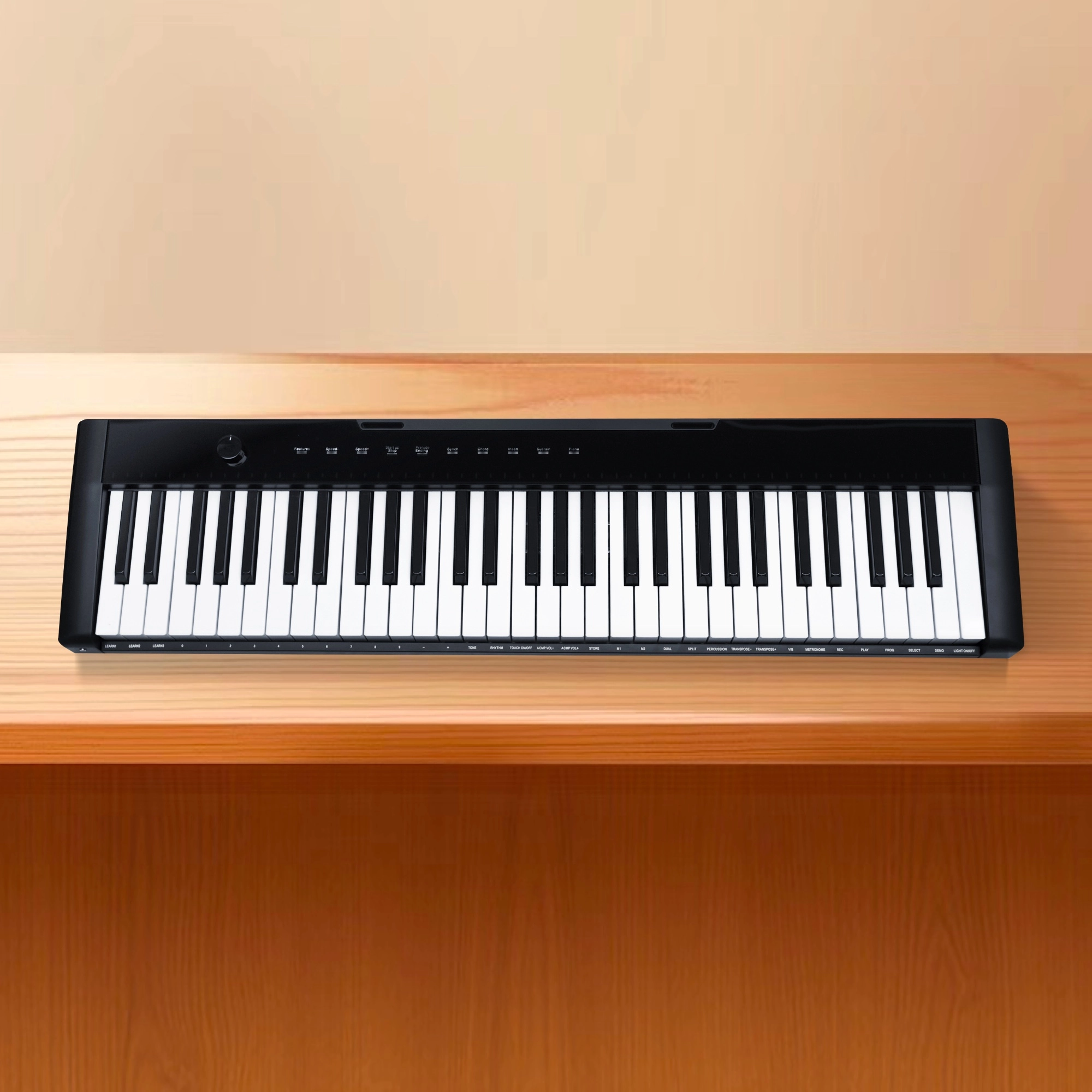
Flykeys 61 keys portable electronic keyboard piano with X stand (M2)
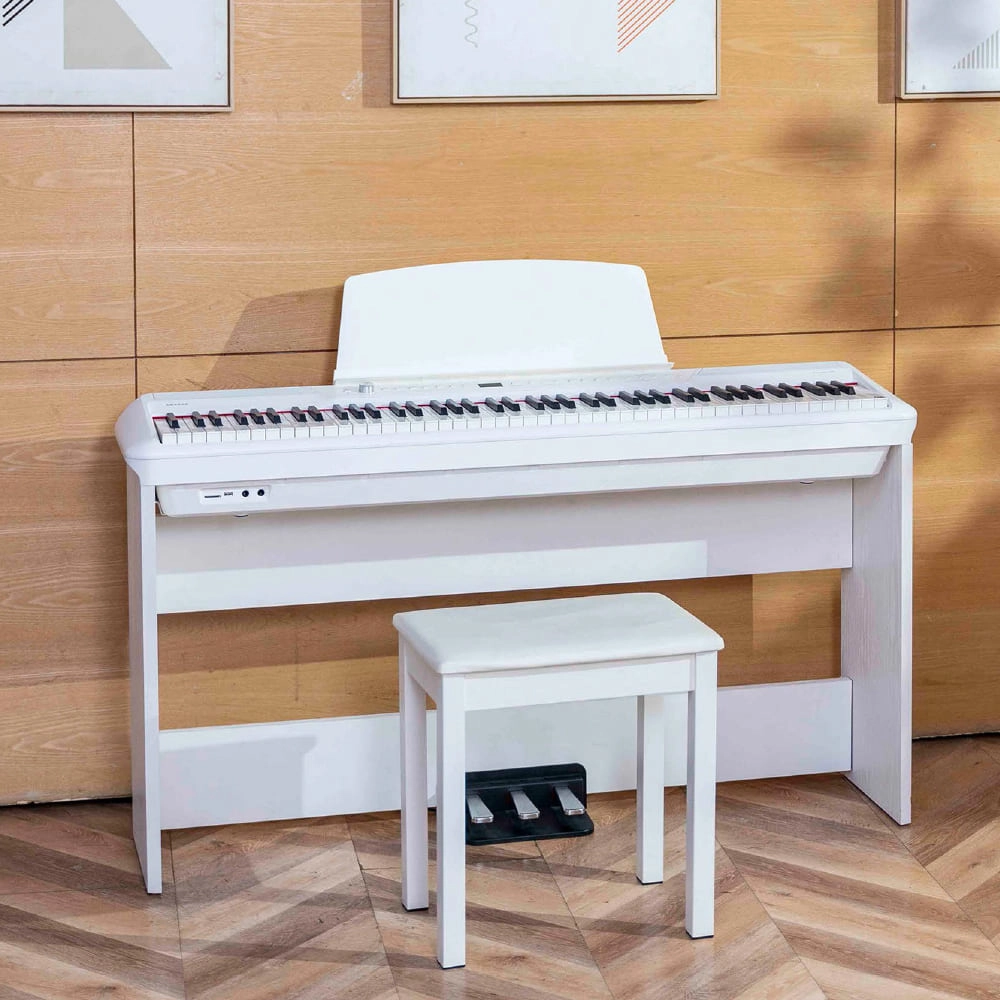
Flykeys Portable Electric Keyboard FP9 Digital Piano
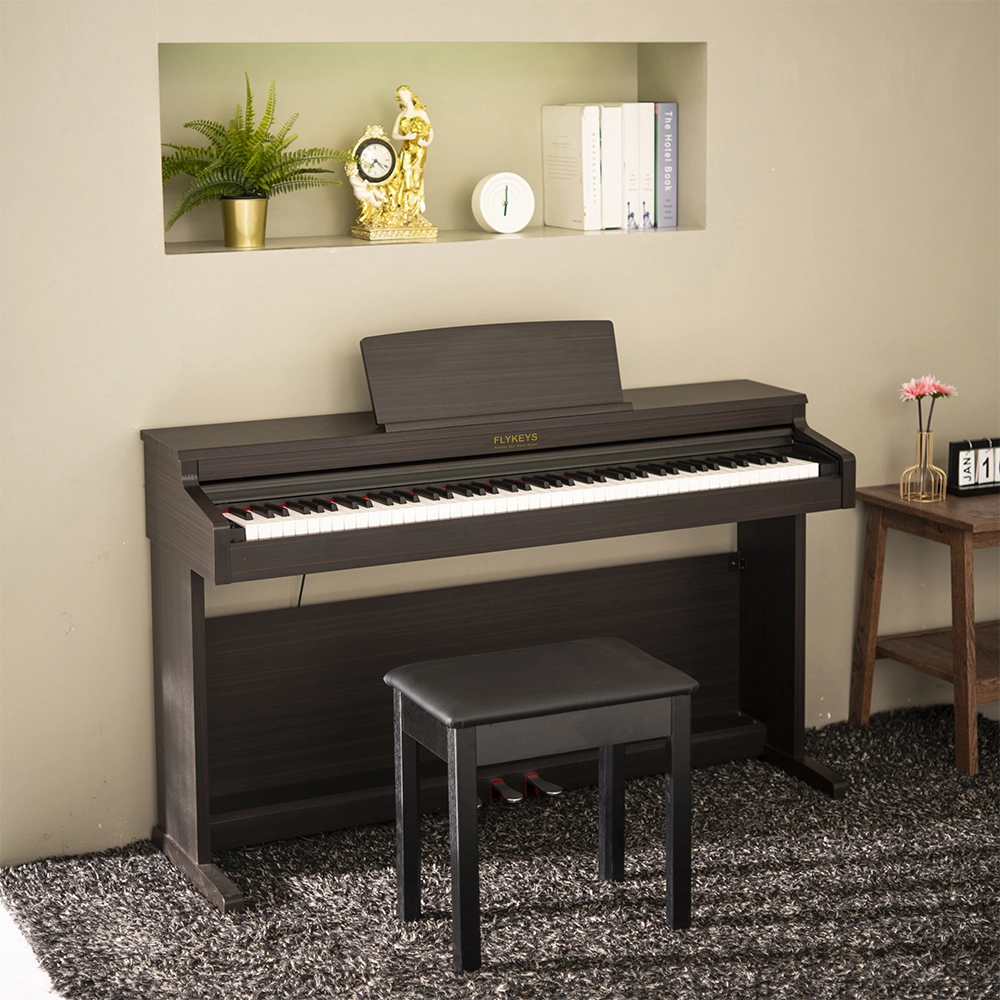
Flykeys 88 Keys Hammer Action keyboard Upright Piano LK03S Digital Piano
— Independent patented technology 88 key Grand-Response hammer action & dynamic curve keyboard;
— European top DSP chip, famous grand piano sound sample;
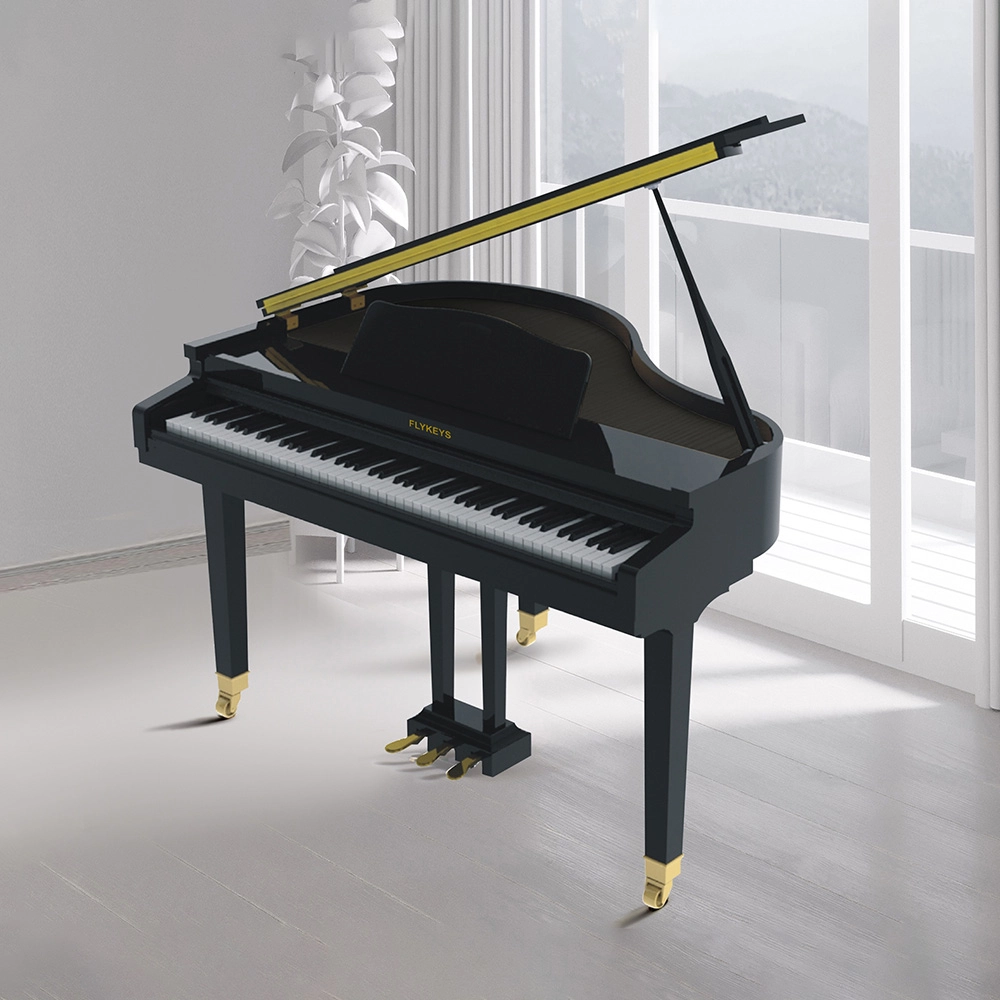
Flykeys 88 Keys Professional Digital Grand Piano Hammer Action Keyboard FGP110 Digital Piano
— Italian Fatar 88 Grand-ResponseTM Key trends with hammer action & dynamic curve
— Independent developed DSP chip, German famous grand piano sound sample
Address: No. 38 Xiangshan Avenue, Zengcheng Economic And Technological Development Zone, Guangzhou, China.
FOLLOW US:


© 2026 FLYKEYS All Rights Reserved. 粤 ICP备2020102774号. Designed by gooeyun. Sitemap | Privacy | Terms