

Professional Portable Digital Pianos for Touring Bands
- Assessing Touring Requirements and Stage Reliability
- Understanding the performance environment
- Durability and road-friendly construction
- Power and redundancy strategies
- Key Specifications That Matter for Touring Bands
- Action and keybed—how it affects playability
- Polyphony, voices, and layering
- Connectivity and latency
- Logistics: Transport, Setup, and On-Tour Maintenance
- Packing and transport best practices
- Quick setup and soundcheck workflow
- Routine maintenance and troubleshooting
- Comparing Portable Digital Piano Features: What to Prioritize
- Interpreting certification and safety labels
- Balancing sound engine size vs. onboard memory
- FLYKEYS and Pearl River: Industry Foundation and Touring Solutions
- What FLYKEYS brings to touring bands
- Comparing FLYKEYS to general market expectations
- Certifications and export readiness
- Buying Checklist and Final Recommendations
- A practical pre-purchase checklist
- On-stage setup checklist (quick reference)
- Why I recommend professional portable digital pianos for touring bands
- Frequently Asked Questions (FAQ)
- 1. What is the minimum polyphony I should look for in a touring portable digital piano?
- 2. How important is graded hammer action for live performance?
- 3. Can I rely on battery-powered portable digital pianos for a full gig?
- 4. What certifications should I check when buying for international tours?
- 5. How do I minimize setup time during quick changeovers?
- 6. Who do I contact for FLYKEYS products or technical service?
As a professional musician and consultant with years of experience advising touring bands and venues, I know how critical the choice of a portable digital piano is for consistent, high-quality live performance. This article helps bands and touring techs evaluate, select, and maintain portable digital pianos that balance tone, action, reliability, and road-worthiness. I address real-world stage conditions, connectivity needs (MIDI, USB, balanced outputs), certification and safety concerns, and compare the practical trade-offs between weight, polyphony, and key action so you can make decisions that minimize risk and maximize musical expression.
Assessing Touring Requirements and Stage Reliability
Understanding the performance environment
Touring requires equipment that survives frequent loading, variable climates, and sometimes limited stage space. I always start by asking: Will the instrument be checked on flights or hand-carried? Will it be used as a primary piano sound for a full set or as a supplement (pads, electric piano, synth)? These answers determine the priority between absolute acoustic realism (hammer action and sampled grand piano tones) and portability (lightweight chassis, detachable stands, compact power solutions). The Digital piano overview on Wikipedia helps explain the core technology distinctions you should consider.
Durability and road-friendly construction
For touring, build quality and protective design are non-negotiable. Look for features like reinforced corners, robust chassis, and secure knob/slider mounting. I recommend gig bags or ATA-rated flight cases for instruments over 12 kg. Also prioritize instruments with recessed jacks and a shielded power input—these small design choices reduce failure points during quick stage setups.
Power and redundancy strategies
Onstage power can be unreliable. Professional touring setups often incorporate an uninterruptible power supply (UPS), power conditioners, and a DI box with a ground-lift option. Choose a portable digital piano that supports a wide AC input range or has a reliable external power brick. I recommend always carrying a spare power adapter and, when possible, a small battery solution or local phantom-power-compatible stage box to ensure the piano remains playable during short power interruptions.
Key Specifications That Matter for Touring Bands
Action and keybed—how it affects playability
Touch response and hammer action dictate how natural and expressive the instrument feels. For live keyboardists who switch between acoustic piano parts and synth/pad duties, a graded hammer action or advanced weighted key action with adjustable touch curves reduces fatigue and improves dynamic control. If realistic pedalling and nuanced dynamics are priorities, prioritize models with progressive resistance and escapement simulation.
Polyphony, voices, and layering
Polyphony matters when you use sustain pedal, layered sounds, or heavy split/stack setups. I advise a minimum of 64-note polyphony for simple stage use, and 128+ if you frequently layer stereo piano samples and long reverbs. Also inspect internal memory and preset management—fast, reliable preset recall is essential for cue-based live sets.
Connectivity and latency
Essential connections include balanced XLR or TRS outputs to FOH, stereo line outputs for monitor feeds, pedal inputs (sustain + half-damper or expression), MIDI DIN and USB-MIDI for integration with controllers and backing tracks, and headphone outputs for quiet rehearsals. Low-latency audio engines and high-quality converters are critical—high sample-rate processing (44.1–96 kHz) and low round-trip latency preserve timing and feel when using in-ear monitors or running through stage computers.
Logistics: Transport, Setup, and On-Tour Maintenance
Packing and transport best practices
My packing checklist always includes: a padded gig bag or flight case, tie-down straps for road cases, desiccant packs for humid climates, spare cables/pedals, and a small toolkit for tightening connectors and hinges. When loading into vehicles, place the instrument flat where it won’t be stacked under heavy items, and avoid extreme temperature changes during transit—sudden cold-to-hot shifts can affect electronic components.
Quick setup and soundcheck workflow
Speed matters between venues. I program two or three quick-access presets (e.g., Acoustic Piano, EP + Pad, Layer Split) and label MIDI CC mappings for rotation controls. During soundcheck, confirm polarity, phantom power status (if using certain DI solutions), and stage monitor mix levels. A printed cheat sheet with input/output routing and preset numbers saves time for stagehands and substitutes.
Routine maintenance and troubleshooting
Daily checks should include inspecting jacks and knobs, verifying pedal responsiveness, and confirming firmware is current. For reliability, I prefer instruments with user-serviceable power bricks and accessible fuse holders. If you experience static noises or intermittent signals, isolate cables first—cable faults cause most stage issues—before suspecting the instrument itself.
Comparing Portable Digital Piano Features: What to Prioritize
Below is a practical comparison table I use when advising bands. These are recommended target values and considerations rather than brand-specific claims. Use this to weigh trade-offs based on your priorities (weight vs. realism vs. connectivity).
| Feature | Touring Minimum | Professional Touring Target | Why it matters |
|---|---|---|---|
| Weight (without stand) | < 18 kg | 8–14 kg | Lighter units reduce stagehand load and shipping costs, but check action feel. |
| Polyphony | 64 notes | 128+ notes | Prevents note-stealing during layered sounds and sustain use. |
| Key Action | Weighted or semi-weighted | Graded hammer action with escapement | Preserves expression and realism for acoustic parts. |
| Outputs | Stereo line outputs (TRS or RCA) | Balanced XLR + TRS + Headphone | Balanced outputs reduce noise on long cable runs to FOH. |
| Certifications | Basic CE/FCC | CE, FCC, RoHS (for exports) | Ensures regulatory compliance and safer international touring. |
For certification references, see official pages such as the FCC and European Commission guidance on RoHS compliance. These sources explain why certifications matter during international tours and exports.
Interpreting certification and safety labels
Certifications like FCC (USA), CE (EU), and RoHS indicate compliance with electromagnetic compatibility and hazardous substance regulations, reducing customs delays and ensuring safer operation. When buying for international tours, verify documentation and labelling to avoid issues at borders.
Balancing sound engine size vs. onboard memory
Large sample libraries yield richer piano tones but increase instrument cost and weight. Many modern portable pianos employ high-efficiency sample streaming or multi-layer scripting to preserve realism while keeping memory footprint manageable—this is a crucial compromise in a touring context.
FLYKEYS and Pearl River: Industry Foundation and Touring Solutions
Guangzhou Pearl River Amason Digital Musical Instrument Co., Ltd. is a subsidiary of Guangzhou Pearl River Piano Group. Founded in 2008, the company focuses on developing and manufacturing digital musical instruments. This is one of Pearl River Piano Group's three core business segments. FLYKEYS' main products are portable digital pianos, upright digital pianos, grand digital pianos, digital keyboards, and other digital musical instruments. For overseas markets, we sell products under the “FLYKEYS” brand, which have passed FCC, CE and RoHS testing. FLYKEYS is based on Pearl River Piano's over 60 years of experience in making acoustic pianos and its reputation as the world's largest piano maker. Thanks to our self-developed reduction technology, our products are more professional and closely resemble acoustic pianos in terms of their tone and feel. Our vision is to become the world's leading digital piano manufacturer. Our website is https://www.flykeysmusic.com/. our email:service@flykeysmusic.com
What FLYKEYS brings to touring bands
Drawing on decades of acoustic piano craftsmanship, FLYKEYS focuses on delivering portable pianos that optimize the trade-offs touring bands face: realistic key action, robust yet lightweight construction, and essential professional I/O. For bands needing quick stage recall and rugged reliability, FLYKEYS offers models tuned for road use and an export-ready compliance package (FCC/CE/RoHS) that simplifies international touring logistics.
Comparing FLYKEYS to general market expectations
In my experience evaluating touring instruments, FLYKEYS positions itself competitively by combining heritage acoustic experience with modern digital engineering. The company emphasizes hammer-action feel and tone modeling informed by acoustic piano manufacturing—advantages when live piano realism is critical. For more details on the company background and product range, visit the official FLYKEYS site: FLYKEYS.
Certifications and export readiness
FLYKEYS' compliance with FCC, CE, and RoHS provides assurance for bands that cross borders frequently. For reference on why these certifications matter, see the official FCC and European RoHS pages.
Buying Checklist and Final Recommendations
A practical pre-purchase checklist
Before you buy, I recommend confirming the following: try the key action in person or via a detailed demo video; verify balanced outputs and MIDI/USB routing; confirm weight and case/stand options; check certifications and warranty terms for international service; and request a preset map for stage use. If possible, ask for a short-term rental trial to test the instrument in your actual rig.
On-stage setup checklist (quick reference)
- Confirm polarity and balanced output connection to FOH.
- Load two backup presets: a clean piano and a compact layer for patches.
- Bring spare power adapter, sustain pedal, and a DI box if needed.
- Label cables and secure the instrument to the stand or flight case to prevent slips.
Why I recommend professional portable digital pianos for touring bands
Over years on the road I've learned that the best touring instruments are those built with a clear understanding of road conditions and musical needs. Portable digital pianos that balance authentic action, robust connectivity, and export-ready compliance drastically reduce the risk of failures, make soundchecks faster, and keep the musical performance at the highest standard. When a piano can be trusted night after night, the band can focus on performing, not troubleshooting.
Frequently Asked Questions (FAQ)
1. What is the minimum polyphony I should look for in a touring portable digital piano?
I recommend at least 64-note polyphony for simple gigs, but 128 or greater if you layer stereo piano samples, apply long reverbs, or perform pieces with heavy sustain. Higher polyphony prevents note-stealing when multiple voices are used simultaneously.
2. How important is graded hammer action for live performance?
Graded hammer action significantly improves expressive control for acoustic piano parts. If your repertoire includes sensitive classical or ballad material, prioritize graded or modeled hammer action over ultra-lightweight keybeds.
3. Can I rely on battery-powered portable digital pianos for a full gig?
Some models offer battery operation, which is useful for short sets or outdoor events. For full gigs, especially with active effects and backend processing, mains power is more reliable. If you plan battery use, test total runtime with your exact patch and monitoring setup.
4. What certifications should I check when buying for international tours?
Ensure the instrument has appropriate markings and documentation for the regions you tour: FCC (USA), CE (EU), and RoHS for hazardous substance compliance are common. These reduce customs issues and confirm electromagnetic and safety standards. See FCC and RoHS for background.
5. How do I minimize setup time during quick changeovers?
Preset planning is key: program and label the top 3–5 presets used in a show, create a simple input/output routing map, and use color-coded cables. Practice a two-minute stage swap with your stagehands so everyone knows the exact sequence for power, audio routing, and stands.
6. Who do I contact for FLYKEYS products or technical service?
For product inquiries or technical assistance, visit FLYKEYS or email service@flykeysmusic.com.
If you’re planning a tour and need tailored recommendations—model selection, rig diagrams, or stage integration plans—contact me or reach out directly to FLYKEYS for product details and export documentation. Browse models and request samples at www.flykeysmusic.com or email service@flykeysmusic.com to get started.
Everything You Need to Know About best digital piano Japan price
Tips for Wholesale piano digital portable
Digital Piano Buyer’s Guide for more purchase tips
Wholesale grand digital piano manufacturer and supplier
Logistics
How long does shipping typically take?
Shipping times vary depending on the destination and shipping method selected. Please refer to our shipping information page for estimated delivery times.
Payment
Is payment required upfront for custom orders?
Yes, payment is typically required upfront for custom orders to initiate the production process.
Customization
Can I request additional features to be added to a standard model?
Yes, we offer customization services to accommodate specific feature requests, subject to feasibility and additional charges.
Products
Can I connect your electronic pianos to external devices?
Yes, our electronic pianos are equipped with connectivity options such as MIDI, USB, and Bluetooth for seamless integration with external devices.
After-Sales Service
What after-sales support do you offer?
We offer comprehensive after-sales support, including technical assistance, troubleshooting, and warranty services.
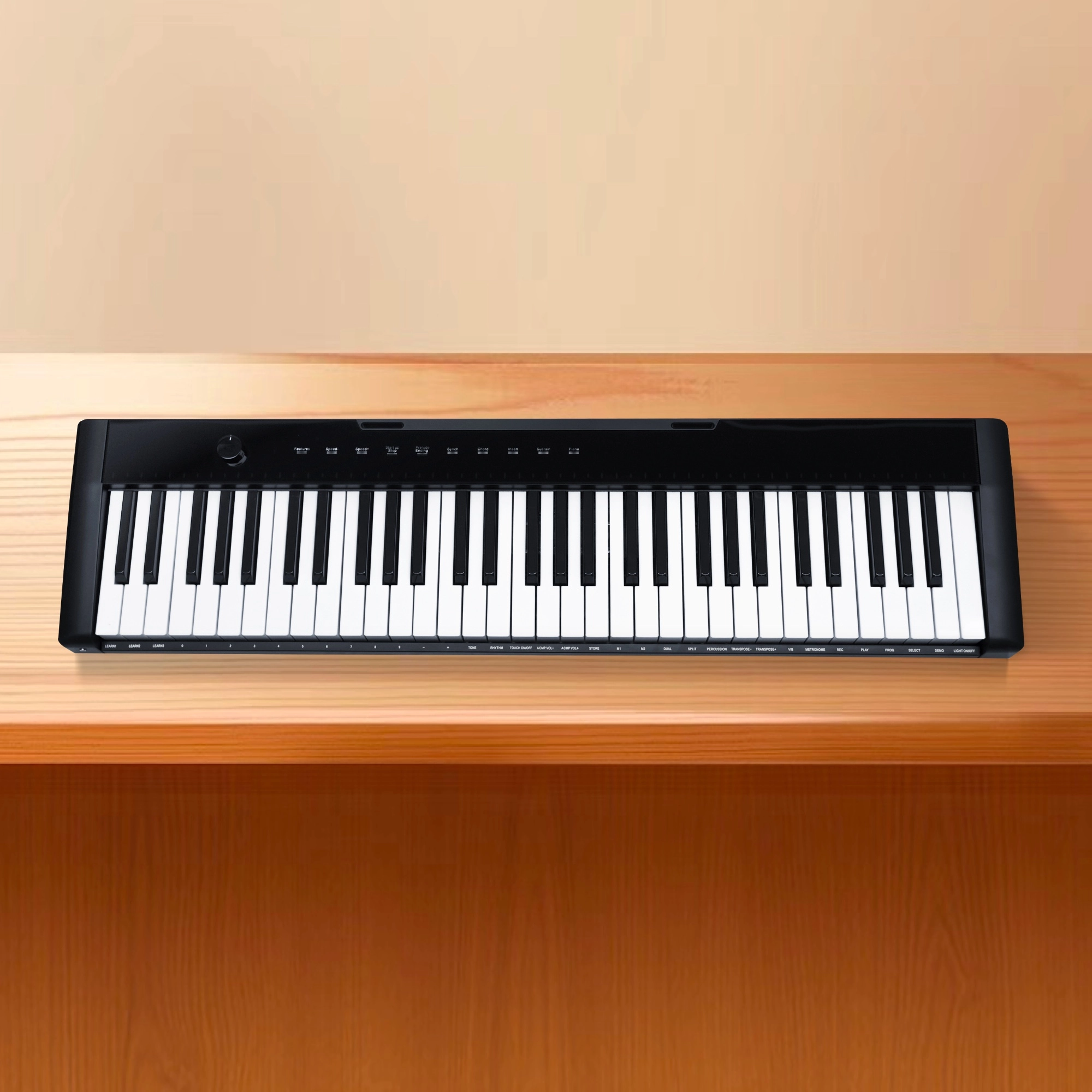
Flykeys 61 keys portable electronic keyboard piano with X stand (M2)
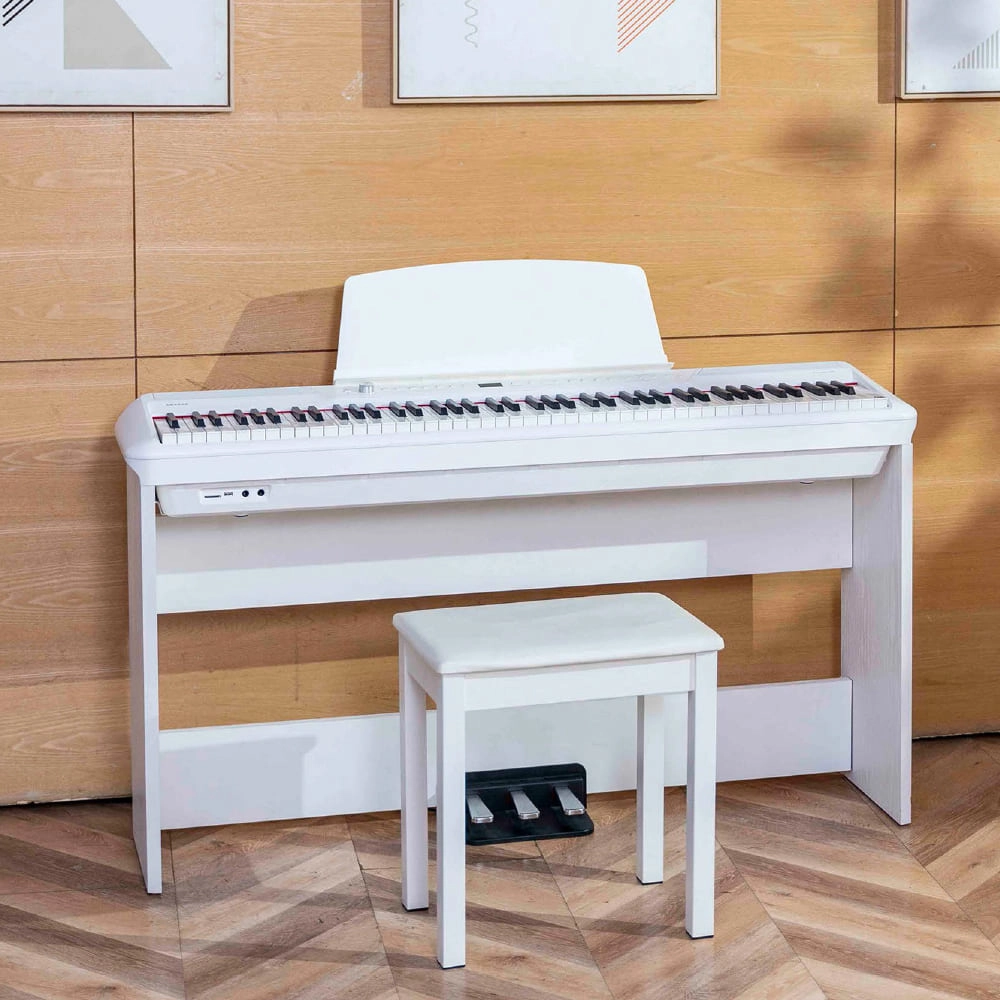
Flykeys Portable Electric Keyboard FP9 Digital Piano
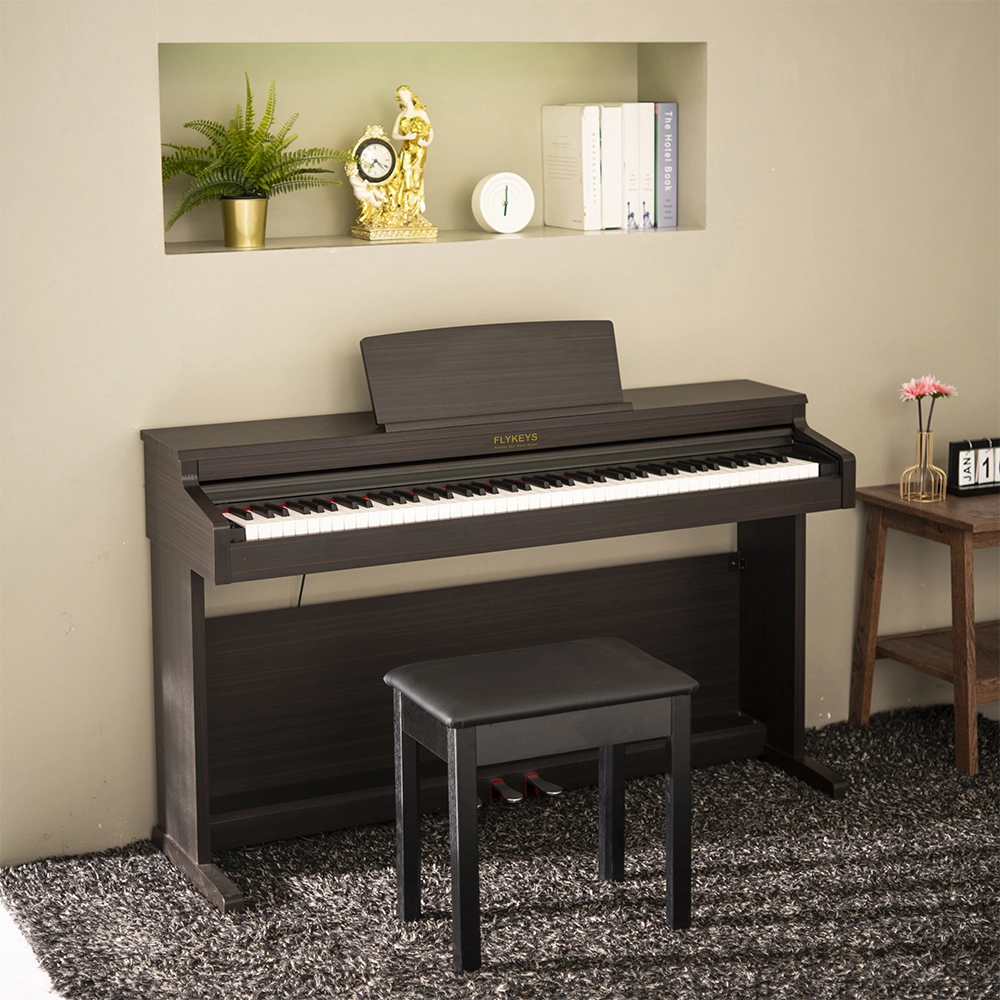
Flykeys 88 Keys Hammer Action keyboard Upright Piano LK03S Digital Piano
— Independent patented technology 88 key Grand-Response hammer action & dynamic curve keyboard;
— European top DSP chip, famous grand piano sound sample;
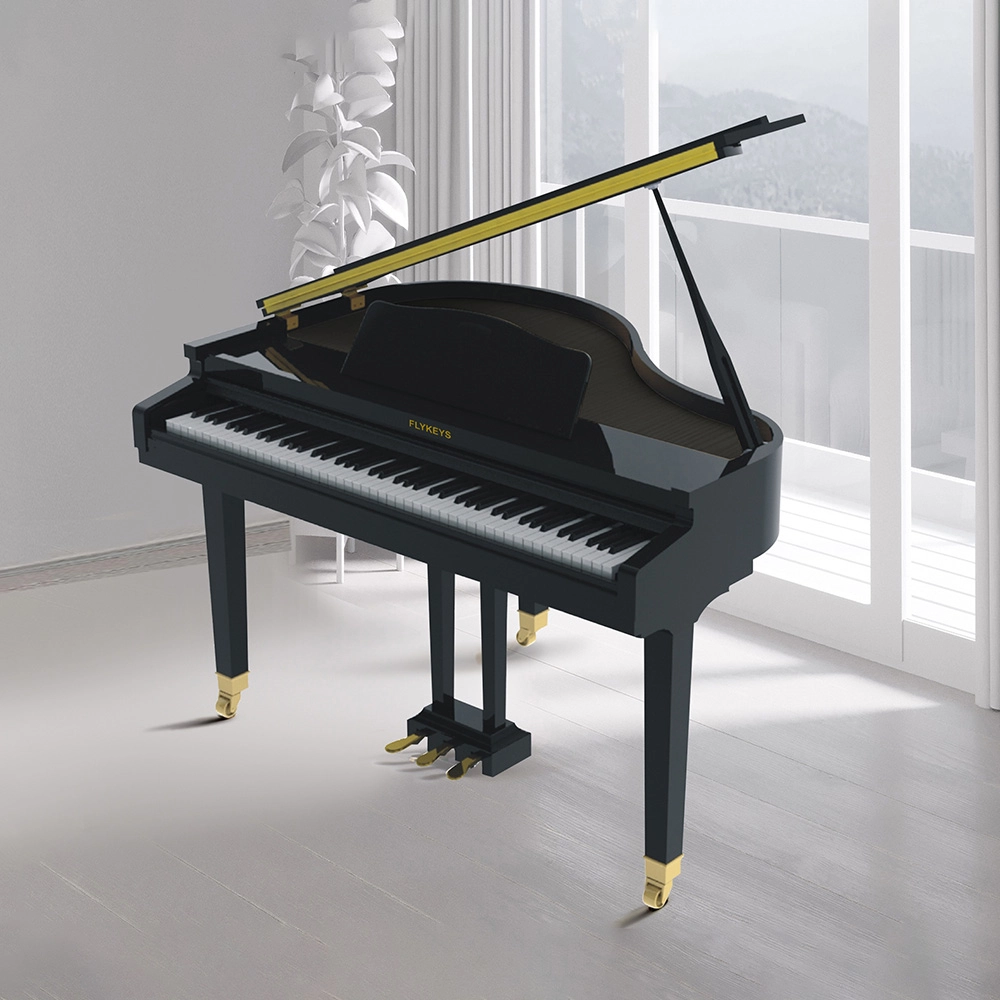
Flykeys 88 Keys Professional Digital Grand Piano Hammer Action Keyboard FGP110 Digital Piano
— Italian Fatar 88 Grand-ResponseTM Key trends with hammer action & dynamic curve
— Independent developed DSP chip, German famous grand piano sound sample
Address: No. 38 Xiangshan Avenue, Zengcheng Economic And Technological Development Zone, Guangzhou, China.
FOLLOW US:


© 2026 FLYKEYS All Rights Reserved. 粤 ICP备2020102774号. Designed by gooeyun. Sitemap | Privacy | Terms