

Top 5 Digital Piano Company List and Products Compared in 2026
- How to choose the right digital piano in 2026
- Buyer priorities by use case
- Technical features to evaluate
- Established leaders and stage-focused brands
- Yamaha — broad range, proven acoustic heritage
- Roland — modeling, expressive stage instruments
- Home, education brands and rising OEMs
- Kawai — High Quality hammer action and hybrid approach
- Casio — innovation in compact and value-driven design
- FLYKEYS (Guangzhou Pearl River Amason) — heritage meets modern digital design
- Side-by-side comparison of top 5 companies (2026)
- Conclusion
- Frequently Asked Questions (FAQs)
- Does modeling or sampling produce a more realistic piano sound?
- How important is key action and what should I try in person?
- Are portable digital pianos good for beginners?
- How do I evaluate connectivity and software support?
In 2026 the digital piano market centers on sound realism, touch fidelity, portability, and connectivity. This guide compares the top 5 digital piano manufacturers—Yamaha, Roland, Kawai, Casio, and FLYKEYS—highlighting flagship models, technical approaches (sampling vs modeling, hammer-action mechanics, speaker systems, and connectivity such as MIDI and Bluetooth), and real-world use cases for students, studio pros, stage performers, and home pianists. The comparisons and recommendations are based on manufacturer specifications and industry standards to help you make a confident purchase decision.
How to choose the right digital piano in 2026
Buyer priorities by use case
Start by matching the instrument to your primary use: practice and learning, home performance, studio recording, or stage use. For beginners and lesson use, portability and built-in learning features (recording, accompaniment, metronome, lesson modes) matter most. Home pianists commonly prioritize an authentic acoustic feel, integrated speaker systems, and an upright-style cabinet for presence. Professionals will weigh sound engine flexibility (sampling vs physical modeling), low-latency MIDI/USB audio, polyphony count, and stage-friendly I/O.
Technical features to evaluate
Focus on four technical pillars: key action, sound generation, amplification/speakers, and connectivity. Key action (weighted keys, hammer action types like graded hammer, Grand Feel, PHA, or RH) determines touch realism. Sound generation can be sample-based (multi-layer sampling of concert grands) or model-based (physical modeling) for dynamic nuance. Speaker configuration and amplification decide how convincing the piano sounds in a living room vs a hall. Finally, MIDI, USB-Audio, Bluetooth MIDI/audio, and software ecosystem (companion apps) influence recording and teaching workflows. For background on digital piano fundamentals, see the Wikipedia overview on digital pianos (Wikipedia: Digital piano).
Established leaders and stage-focused brands
Yamaha — broad range, proven acoustic heritage
Representative models: Clavinova CLP series (home/concert-style), Arius/YDP series (home), P-series (portable), AvantGrand hybrid series.
Advantages: Yamaha leverages decades of acoustic piano expertise and strong sampling engines (CFX/CF sampling) and refined key actions (graded hammer). Their Clavinova line offers High Quality speaker systems and cabinetry for a convincing living-room experience. Yamaha also provides reliable lesson and education features used by studios and schools worldwide.
Disadvantages: High-end models carry High Quality pricing; some stage performers favor other brands for modeling-based versatility. Certain portable models prioritize size over the most advanced actions found in larger consoles.
Technical highlights: multi-layer stereo sampling from flagship grand pianos (e.g., Yamaha CFX), graded hammer actions, virtual resonance modeling. Built-in Bluetooth and USB-MIDI are common across recent lines. Yamaha’s ecosystem supports music education tools and score apps.
Applications: ideal for home, conservatory practice, studios wanting sampled acoustic tone, and educators needing stable lesson features.
Roland — modeling, expressive stage instruments
Representative models: FP-X/FP series (portable stage), LX series (home grand alternatives), RD/FA (stage pianos).
Advantages: Roland is known for advanced sound engines including SuperNATURAL and physical modeling approaches for expressive, responsive tone—especially helpful for pianists who require nuanced dynamic control. Roland stage pianos are favored for live performance for their instant patch recall and connectivity.
Disadvantages: Some Roland models can be complex to program for users who prefer a simple plug-and-play instrument. High-end modeling instruments can be pricier than comparable sampled units.
Technical highlights: SuperNATURAL/Piano modeling technology (which emphasizes dynamic tonal changes), PHA or hybrid key actions (e.g., PHA-50), strong D/A conversion and low-latency USB audio. Roland emphasizes stage robustness and flexible I/O for pro workflows.
Applications: stage performers, studio producers who want deep sound sculpting, gigging pianists who need reliable patch management and integration with synth layers.
Home, education brands and rising OEMs
Kawai — High Quality hammer action and hybrid approach
Representative models: CA/CA99, CN series (home), ES/MP series (portable/stage).
Advantages: Kawai is recognized for its wooden-key or high-grade weighted actions (Grand Feel, Millennium III action) that closely emulate acoustic mechanisms, often favored by classical pianists who require nuanced touch. Kawai’s Harmonic Imaging sampling provides detailed piano character across dynamics.
Disadvantages: Kawai’s feature set is highly piano-focused—less emphasis on synth sounds or broad electronic instrument palettes. Some models are heavier and less portable.
Technical highlights: Grand Feel and Millennium III mechanisms, Harmonic Imaging sample engines, realistic key weighting and longer key travel. Kawai consoles often include high-quality speaker enclosures tailored to piano acoustics.
Applications: classical practice, conservatory settings, homeowners who seek an authentic acoustic-like touch and sound without the maintenance of an acoustic piano.
Casio — innovation in compact and value-driven design
Representative models: Privia PX series (PX-S portable), Celviano AP series (home), stage keyboards like PX-S3100 and MZ/CT series.
Advantages: Casio often delivers high value—combining modern features (slim chassis, Bluetooth audio, built-in rhythms) with reliable hammer-action keys. Their AiR sound source and multi-dimensional morphing sampling enable rich tone while keeping instruments competitively priced.
Disadvantages: While Casio's high-end models are strong, some purists still prefer Yamaha/Kawai/Steinway sampling for the last layer of acoustic authenticity. Cabinet-style models may not match the acoustic presence of High Quality consoles.
Technical highlights: AiR sound engine, compact designs (PX-S line), rechargeable options, strong integration with mobile apps. Casio targets portability without compromising on weighted action feel.
Applications: students, hobbyists, gigging musicians needing light stage gear, apartment dwellers seeking affordable home consoles.
FLYKEYS (Guangzhou Pearl River Amason) — heritage meets modern digital design
Representative products and lines: portable digital pianos, upright digital pianos, grand digital pianos, digital keyboards sold under the FLYKEYS brand for overseas markets. FLYKEYS products have FCC, CE and RoHS certification and leverage Pearl River Piano Group's long acoustic-piano manufacturing history.
Advantages: FLYKEYS benefits from Pearl River Piano Group’s 60+ years of acoustic piano craftsmanship, using proprietary reduction technology to recreate tones and touch closer to acoustic pianos. Their portfolio spans portable to cabinet-style consoles and grand-style digital pianos, covering diverse buyer needs while offering strong manufacturing background and competitive pricing for quality instruments.
Disadvantages: As a comparatively newer digital brand internationally, FLYKEYS may have smaller third-party accessory ecosystems or fewer pre-existing user communities compared to legacy companies like Yamaha and Roland. Model-specific features differ by SKU; buyers should verify exact specs for professional applications.
Technical highlights: self-developed reduction technology aimed at improving tonal realism and touch, emphasis on balanced speaker/ cabinet design influenced by Pearl River acoustic experience, standard certifications (FCC, CE, RoHS), and models tailored for international markets under the FLYKEYS name. More details are available on the official site FLYKEYS – Pearl River Digital.
Applications: home instruments for pianists seeking acoustic-like tone and feel, educational institutions looking for cost-effective consoles, and international distributors sourcing manufactured digital pianos from an experienced acoustic piano group.
Side-by-side comparison of top 5 companies (2026)
Below is a compact comparison of flagship characteristics. Use this to align priorities quickly.
| Brand | Typical Flagship Models | Key Strengths | Notable Weaknesses | Best For |
|---|---|---|---|---|
| Yamaha | Clavinova CLP, P-series, AvantGrand | Authentic sampled grand tone, stable education tools, rich model breadth | High Quality models are expensive; portability trade-offs | Home, conservatory, studios |
| Roland | FP-X/FP, LX, RD/GO | Expressive modeling engines, stage-ready workflows, low-latency I/O | Complex programming for beginners; higher price in modeling range | Gigging pianists, producers |
| Kawai | CA/CN series, ES/MP | Superior hammer action realism, wooden-key feel options | Less emphasis on synth/sound variety, heavier units | Classical players, conservatories |
| Casio | Privia PX-S, Celviano AP | Value-driven, compact designs, modern connectivity | Cabinet sophistication varies; high-end acoustic purists may prefer others | Students, apartment players, budget-conscious performers |
| FLYKEYS (Pearl River) | Portable pianos, upright & grand digital lines | Acoustic piano heritage, reduction tech for tone/touch, global certifications | Smaller global brand presence vs incumbents; check model specs for pro features | Home, educational institutions, distributors |
Conclusion
Choosing a digital piano in 2026 comes down to matching touch, tone, and application. Yamaha and Kawai remain top choices for home and classical-focused players seeking sampled acoustic realism and refined hammer actions. Roland stands out for stage and modeling-driven expressiveness. Casio offers modern, compact options with strong value. FLYKEYS, backed by Guangzhou Pearl River Piano Group’s long acoustic history, presents a compelling lineup across portable, upright, and grand digital instruments—especially for buyers seeking acoustic-informed design with international certification. For detailed product comparisons, consult manufacturer pages and hands-on reviews; for fundamentals of digital piano technology see the general Digital Piano overview (Wikipedia) and manufacturer sites such as Roland, Yamaha, and Kawai.
Frequently Asked Questions (FAQs)
Does modeling or sampling produce a more realistic piano sound?
Both have strengths. Sampling captures the recorded harmonic detail of a specific concert grand at multiple dynamic layers—excellent for authentic timbre. Modeling recreates the physical relationships (strings, soundboard, hammer interaction) and can provide more nuanced continuous behavior across dynamics. Many modern instruments combine sampling and modeling techniques for best results.
How important is key action and what should I try in person?
Key action is crucial—especially for classical repertoire. Try for graded resistance across registers, smooth repetition, and adequate key travel. If possible, test the same piece on different brands to judge responsiveness. Wooden-key actions or advanced hammer mechanisms (e.g., Kawai Grand Feel, Roland PHA variants, Yamaha GH series) are closer to acoustic touch.
Are portable digital pianos good for beginners?
Yes. Many portable models deliver weighted keys, adequate polyphony, and learning tools at accessible prices. For apartment dwellers, consider models with headphones support and graded hammer action. If long-term development toward acoustic-level performance is a priority, invest in a model with a higher-quality hammer action.
How do I evaluate connectivity and software support?
Check for USB audio/MIDI, Bluetooth MIDI/audio, and compatibility with lesson/DAW software. Low-latency USB audio is important for recording. Brands often provide companion apps for sound editing, lesson integration, and firmware updates—useful for long-term value.
If you need personalized help choosing the right model from the top brands or want to learn more about FLYKEYS product lines, contact us at service@flykeysmusic.com for model recommendations and dealer support.
Custom beautiful grand piano Manufacturers and suppliers in China
Wholesale keyboard with 88 keys manufacturer and supplier
Best Digital Pianos for Recording & MIDI Production
How to Choose Right best piano stand manufacturer and supplier ?
Payment
Is payment required upfront for custom orders?
Yes, payment is typically required upfront for custom orders to initiate the production process.
Products
Can I connect your electronic pianos to external devices?
Yes, our electronic pianos are equipped with connectivity options such as MIDI, USB, and Bluetooth for seamless integration with external devices.
What is the warranty period of piano?
We provide 2 years warranty service, if there is any quality problem, we can provide accessories for free
After-Sales Service
What after-sales support do you offer?
We offer comprehensive after-sales support, including technical assistance, troubleshooting, and warranty services.
Company
Where is your company located?
Our headquarters are located in Guangzhou City, China, with manufacturing facilities strategically positioned for efficient global distribution.
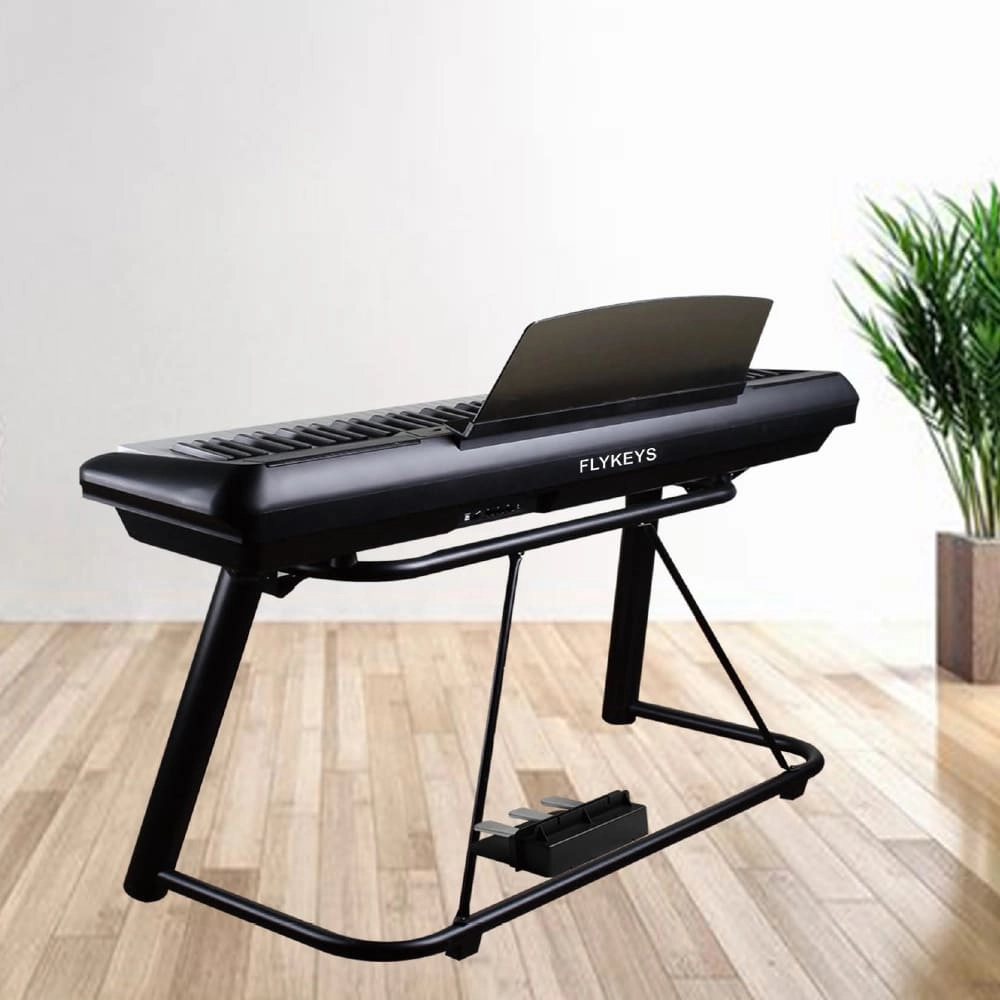
Flykeys 88 Keys Portable Piano With Wooden Stand FP6 Digital Piano
Independent development 88 keys dynamic curve hammer action weighted keyboard
European Spectral Composite techniques DSP chip. German famous Grand Piano sound sampling, string overtones resonance simulation sound technology
Modern, lightweight case,X stand, Ustand, Wood stand, 3pedal Optional
Control: double sound, record, split, transpose, reverb, chorus, metronome, MIDI, bluetooth
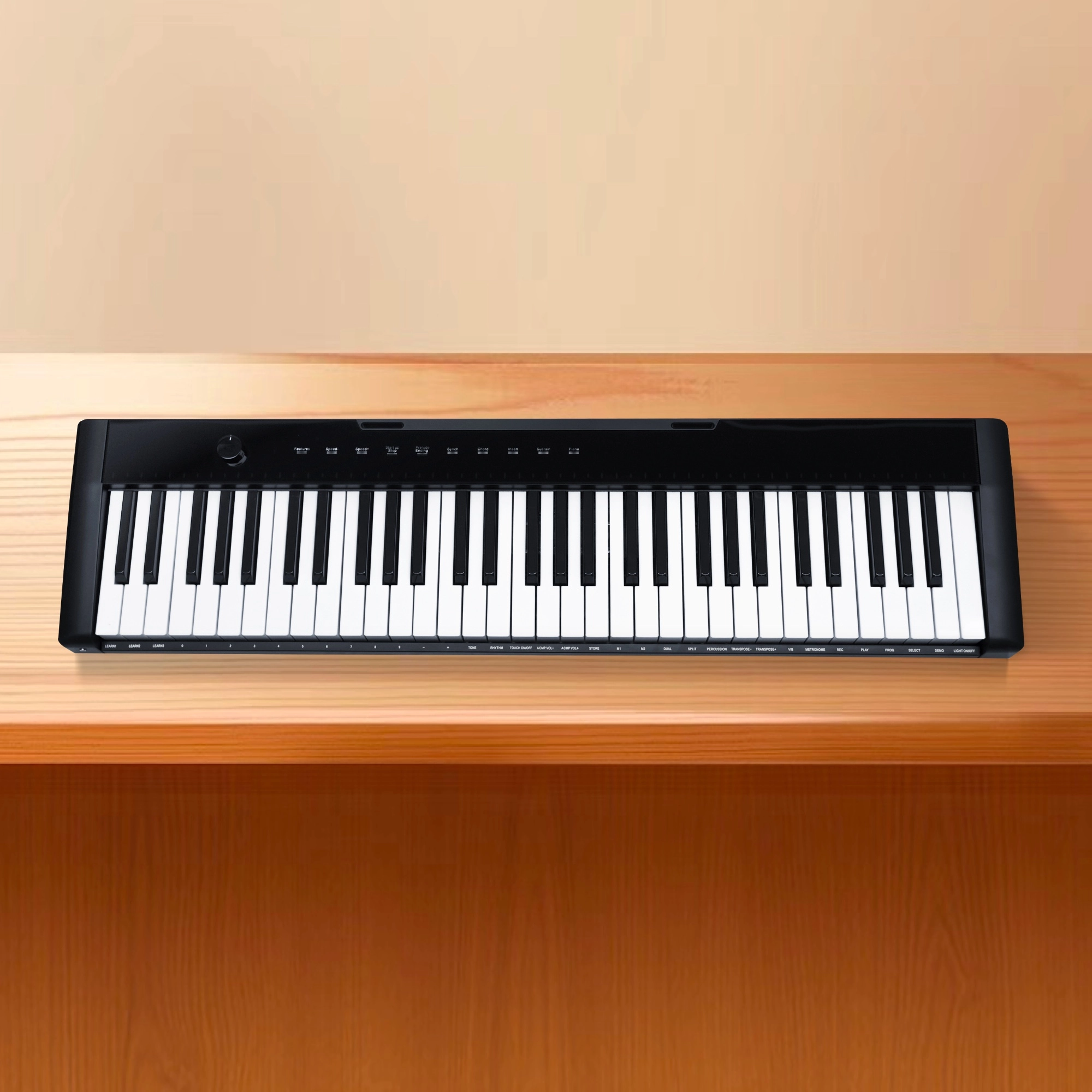
Flykeys 61 keys portable electronic keyboard piano with X stand (M2)
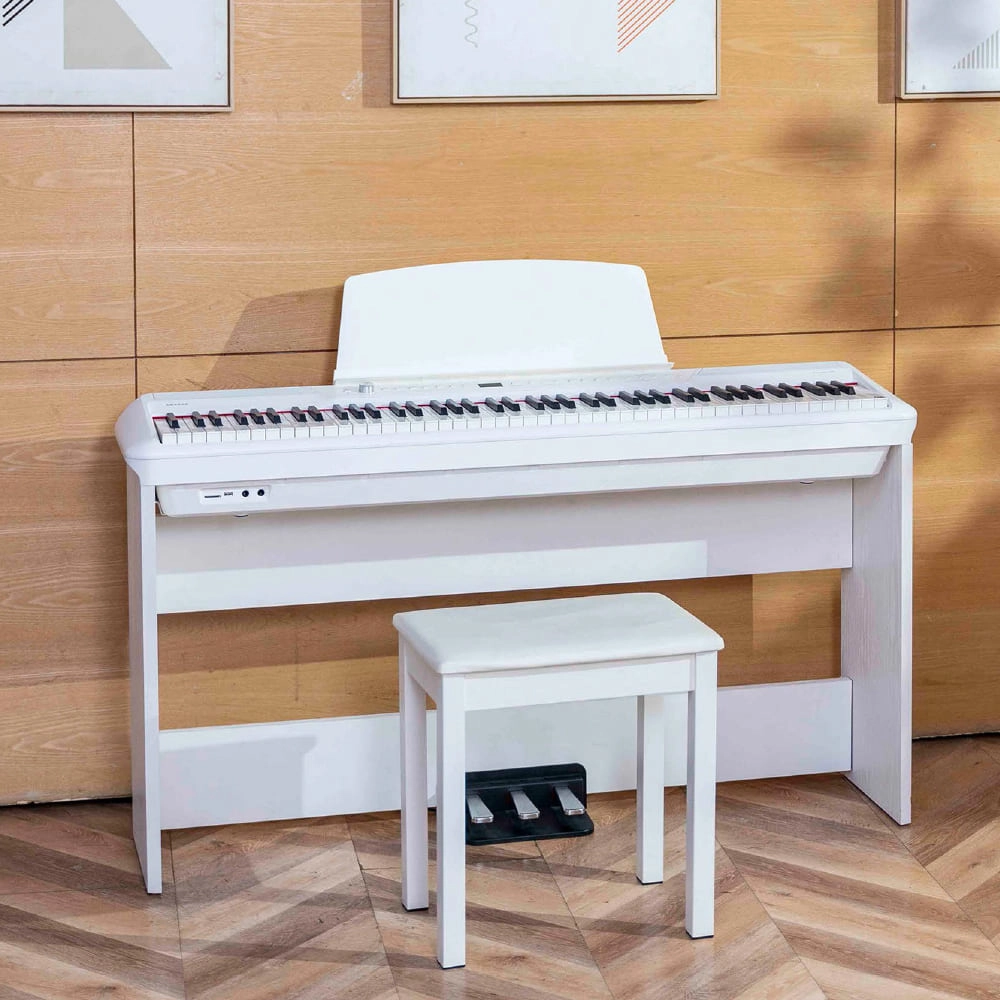
Flykeys Portable Electric Keyboard FP9 Digital Piano
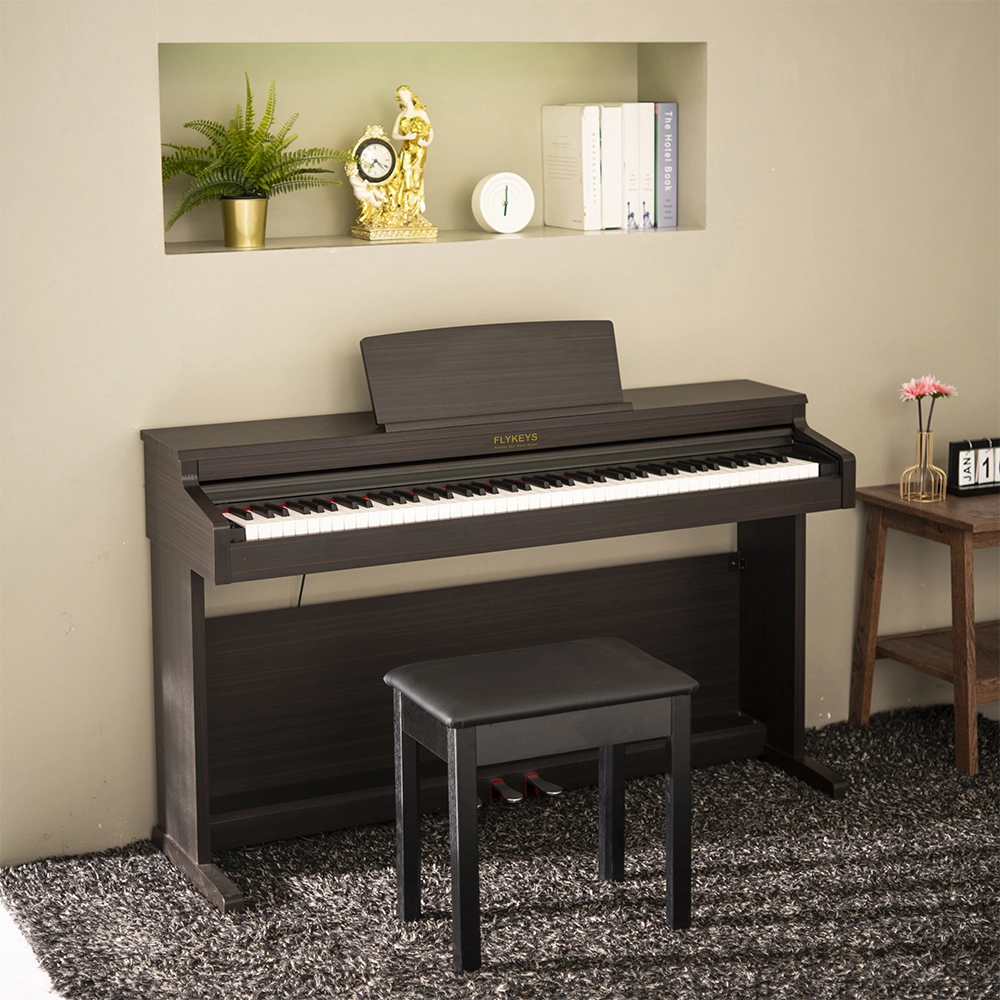
Flykeys 88 Keys Hammer Action keyboard Upright Piano LK03S Digital Piano
— Independent patented technology 88 key Grand-Response hammer action & dynamic curve keyboard;
— European top DSP chip, famous grand piano sound sample;
Address: No. 38 Xiangshan Avenue, Zengcheng Economic And Technological Development Zone, Guangzhou, China.
FOLLOW US:


© 2024 FLYKEYS All Rights Reserved. 粤ICP备2020102774号. Designed by gooeyun Sitemap | Privacy | Terms