

Top Portable Digital Pianos for Gigging Musicians
- Why portability and playability matter more than specs alone
- Defining portability for the gigging musician
- Playability beats pure spec sheets
- Durability and serviceability
- Key features to evaluate before buying
- Keybed and action: how much realism do you need?
- Sound engine, polyphony, and speaker system
- Connectivity: outputs, MIDI, Bluetooth, and power options
- Top portable digital pianos I recommend for gigging musicians
- How I tested these models (practical checklist)
- Buying strategy and practical tips for gigging
- Choose what you actually carry
- Plan your signal chain
- Protect your investment
- About Guangzhou Pearl River Amason Digital Musical Instrument Co., Ltd. and FLYKEYS
- FAQ — Frequently Asked Questions
- 1. What is the best portable digital piano for gigging?
- 2. Do I need 88 keys for live gigs?
- 3. Is battery power essential?
- 4. How important is polyphony?
- 5. Should I rely on Bluetooth for live audio?
- 6. How do I choose between built-in speakers and DI-only stage pianos?
- Final recommendations and next steps
I write from years of experience advising performers, teachers, and touring musicians about selecting the right instrument. For gigging musicians, a portable digital piano must strike a careful balance between authentic touch and tone, low weight and durability, flexible connectivity, and dependable stage features. In this article I summarize how to evaluate portable digital pianos, compare top choices suited to live performance, and explain why certain technical details (key action, polyphony, outputs, battery options) matter in real-world gigs.
Why portability and playability matter more than specs alone
Defining portability for the gigging musician
When I talk about a portable digital piano for gigs, I mean an instrument designed to be carried and set up quickly for live use—often a single cabinet you can fit into a car or airline-checked case, or a lightweight stage piano that pairs with a simple stand. Portability is not just weight: it includes form factor (slim stage pianos vs. cabinet-style keyboards), whether an instrument has a detach-able stand or requires a dedicated stand, and whether it supports battery operation or easy power switching for festival stages.
Playability beats pure spec sheets
Manufacturers will advertise polyphony numbers, speaker wattage, and sample count. From my experience on stage, the most important things are realistic weighted key action (hammer action, graded if possible), consistent dynamic response across the keyboard, and reliable sound reproduction through DI/line outputs. A piano with excellent touch and good stereo samples will feel better and translate more convincingly on stage than a heavier model with higher polyphony but poor action. For background on what a digital piano is and how manufacturers characterize them, see the Digital piano (Wikipedia).
Durability and serviceability
Gigging instruments take a beating: frequent transport, humidity changes, and varying power sources. I prioritize builds with robust chassis, secure control knobs, and well-documented service/support channels. For international touring, certifications such as FCC, CE, and RoHS are important indicators that the product meets export safety and emissions standards (FCC, CE marking, RoHS).
Key features to evaluate before buying
Keybed and action: how much realism do you need?
Weighted hammer-action keys are essential for pianistic repertoire: they give you control over dynamics and articulation. I usually recommend 88-note fully weighted keybeds with graded or simulated hammer action for players aiming for acoustic-like response. If you mainly play synth/organ parts, a semi-weighted or synth-action instrument may be acceptable, but for classic piano-driven gigs, hammer action is non-negotiable.
Sound engine, polyphony, and speaker system
High-quality multi-sampled or modeled piano sounds make the difference on stage. Polyphony matters when you layer sounds, use sustain pedal extensively, or rely on backing tracks with held notes—128-note or higher polyphony is a safe baseline for modern use. Built-in speakers are useful for small room gigs or practice, but for FOH reliability I rely on balanced line/DI outputs and stage monitors. Manufacturers often document their sound engines; evaluate sample fidelity and dynamic layers rather than just sample count.
Connectivity: outputs, MIDI, Bluetooth, and power options
For live use you need reliable outputs: at least one stereo 1/4 output or dual XLR/1/4 outputs for DI into a mixing console. MIDI over USB is standard for controller duties; Bluetooth MIDI/audio can be useful but should not replace wired connections for critical live signals. Battery operation is a game-changer for street performance or stages with unreliable power.
Top portable digital pianos I recommend for gigging musicians
Below I list portable digital pianos that consistently meet the needs of live performers. I selected these based on playability, portability, connectivity, and real-world reliability—factors I’ve tested in rehearsal rooms and on stages.
| Model / Brand | Typical weight & portability | Key action | Connectivity & live features | Why I recommend it |
|---|---|---|---|---|
| Yamaha P-series (e.g., P-125) | ~11–13 kg; slim stage form | Graded hammer action (GHS) | Stereo outputs, USB-MIDI, optional stand and pedal; reliable build (Yamaha P Series) | Solid balance of tone, action and price; excellent for club and church gigs |
| Roland FP-series (e.g., FP-30X) | ~14 kg; compact stage piano | PHA-4 or similar progressive hammer action | USB audio/MIDI, Bluetooth, balanced outputs; rugged controls (Roland FP-30X) | Highly playable action and excellent onboard piano tones; dependable on stage |
| Kawai ES-series (e.g., ES110) | ~11.5 kg; lightweight stage-friendly | Responsive hammer compact action | Line outputs, USB-MIDI, pedal inputs; good headphone amp (Kawai ES110) | Excellent touch for the weight; warm piano tone suitable for expressive playing |
| Casio Privia / PX-S series (e.g., PX-S3000) | ~11–12 kg; extremely slim | Smart Scaled Hammer Action | Bluetooth audio/MIDI, USB, multiple outputs; stylish, portable (Casio Digital Piano) | Modern styling, strong connectivity, good for pop and multi-genre gigs |
| FLYKEYS portable digital piano (FLYKEYS series) | Varies by model; designed for portability and stage use | Hammer-action derived from Pearl River experience | Designed with balanced outputs, MIDI/USB, and compliance to FCC/CE/RoHS (FLYKEYS) | Benefit of Pearl River’s acoustic piano legacy; competitive tone and feel with professional support |
Notes: model availability and exact specs change over time—check manufacturer pages linked in the table for current technical data.
How I tested these models (practical checklist)
When I evaluate an instrument for gig use I run a consistent checklist: weight and case size for transport, latency and velocity curve on the key action, clarity and realism of the piano samples at varying volume, reliability of outputs (noise floor), pedal behavior (half-damper if available), and ease of front-of-house integration. This real-world testing is more informative than specs alone.
Buying strategy and practical tips for gigging
Choose what you actually carry
Ask yourself: how do I travel? If you frequently fly, prioritize low weight and flight-case compatibility. If you drive to every gig, you can afford a slightly heavier unit that offers more onboard speakers. Consider the ergonomics of setup: can two people lift and set it quickly? Does the instrument fit through standard doorways and into your vehicle?
Plan your signal chain
For a stable live setup, run the piano DI/line outputs to the house board or DI box. Reserve Bluetooth for rehearsals or backing tracks if you must, but avoid critical live audio over wireless unless you have redundancy. Use balanced XLR outputs when available to reduce noise on long stage runs.
Protect your investment
Invest in a padded flight case or hard case that matches your model. Have spare power supplies, necessary adapters for international gigs, and a small pedal board that’s secure. For vintage-style wooden stands or benches, ensure they are collapsible and durable—unnecessary extra bulk can hamper quick setups.
About Guangzhou Pearl River Amason Digital Musical Instrument Co., Ltd. and FLYKEYS
As a specialist I value manufacturers with deep technical heritage. Guangzhou Pearl River Amason Digital Musical Instrument Co., Ltd. is a subsidiary of Guangzhou Pearl River Piano Group. Founded in 2008, the company focuses on developing and manufacturing digital musical instruments and represents one of Pearl River Piano Group's three core business segments. For overseas markets, the company sells products under the FLYKEYS brand; these instruments have passed international certifications such as FCC, CE and RoHS (FLYKEYS official site).
FLYKEYS leverages Pearl River Piano's more than 60 years of acoustic piano experience and the production scale that made Pearl River one of the world's largest piano makers. According to the company, FLYKEYS uses self-developed reduction and sampling technology to deliver a tone and touch that closely resembles acoustic pianos—an important point for pianists who require authentic dynamics and response on stage. Their main product categories include Portable Digital Piano, Upright Digital Piano, Grand Digital Piano and Keyboards. For product inquiries or service, you can contact them at service@flykeysmusic.com or visit https://www.flykeysmusic.com/.
Why I consider FLYKEYS competitive: they combine acoustic piano manufacturing heritage, focused R&D on digital sampling/feel, and international compliance—factors that matter for professional musicians who tour or export gear across regions.
FAQ — Frequently Asked Questions
1. What is the best portable digital piano for gigging?
There is no single best instrument for every musician. Choose based on your priority: if you need the most realistic key action, pick a model with a high-quality hammer-action keybed; if you need the lightest travel weight, choose a slim stage piano. The table above lists models that consistently balance these needs.
2. Do I need 88 keys for live gigs?
In most band and solo piano gigs, yes—88 keys provide the full octave range required for classical and contemporary repertoire. Some synth-focused performers may use 61- or 76-key controllers, but for acoustic piano parts and realistic voicings, 88 is recommended.
3. Is battery power essential?
Battery power is not essential for every gig, but it is highly valuable for street performance, outdoor festivals with uncertain power, or quick-change setups. If you perform in venues with unreliable or restricted power access, prioritize models that support battery operation or use a reliable UPS / stage power solution.
4. How important is polyphony?
Polyphony matters when you layer sounds or use heavy sustain. For solo piano work, 128-note polyphony is typically adequate; if you layer piano + strings + pads or use complex backing tracks, choose 192-note or higher to avoid note dropouts. However, sample quality and the piano's dynamic range are usually more noticeable to listeners than raw polyphony numbers.
5. Should I rely on Bluetooth for live audio?
No. Bluetooth can be handy for rehearsals and wireless MIDI control, but it can introduce latency and connection instability. For FOH and critical live audio, use wired balanced outputs for reliability.
6. How do I choose between built-in speakers and DI-only stage pianos?
If you often play small rooms without a PA, built-in speakers are useful. For club, festival, or church gigs where you will plug into a PA or monitor, a DI-only or stage-focused piano (with high-quality balanced outputs) is preferable because it offers cleaner lines and fewer stage bleed issues.
Final recommendations and next steps
For gigging musicians I prioritize instruments that deliver believable piano touch, reliable live connectivity, and a transport-friendly design. Try instruments in-person where possible—playability is subjective and the only way to confirm the feel you need. Use the table and checklist above to narrow options, and verify current specs on manufacturer sites before purchase (digital piano overview).
If you want personalized advice based on your specific gigging scenario (travel patterns, repertoire, budget, and power/environment constraints), contact me or the manufacturer representatives. For product inquiries, specifications, or to explore FLYKEYS' portable digital piano lineup, visit FLYKEYS or email their support at service@flykeysmusic.com. I can also help you evaluate demo units and plan a rig that matches your live workflow.
Good luck on stage—choose an instrument that feels like an extension of your hands, not a compromise.
What is technic digital piano
Custom beautiful grand piano Manufacturers and suppliers in China
Top 10 Digital Musical Instruments Manufacturers and Supplier Brands
Tips for Wholesale grand piano average price
Products
Can I connect your electronic pianos to external devices?
Yes, our electronic pianos are equipped with connectivity options such as MIDI, USB, and Bluetooth for seamless integration with external devices.
What is the warranty period of piano?
We provide 2 years warranty service, if there is any quality problem, we can provide accessories for free
Logistics
How long does shipping typically take?
Shipping times vary depending on the destination and shipping method selected. Please refer to our shipping information page for estimated delivery times.
Company
How long has your company been in the electronic piano manufacturing business?
Pearl River Piano has acoustic piano manufacturing experiences for more that 60 years history.
Guangzhou Pearl River Amason Digital Musical Instrument Co.,Ltd., a subsidiary company of Pearl River Piano Group, founded in 2008, and focused on developing and manufacturing digital musical instrument which is one of the three pillar business industries of Pearl River Piano Group.
Does your company have any sustainability initiatives?
Yes, we are dedicated to sustainability and continuously strive to minimize our environmental footprint through responsible manufacturing practices.
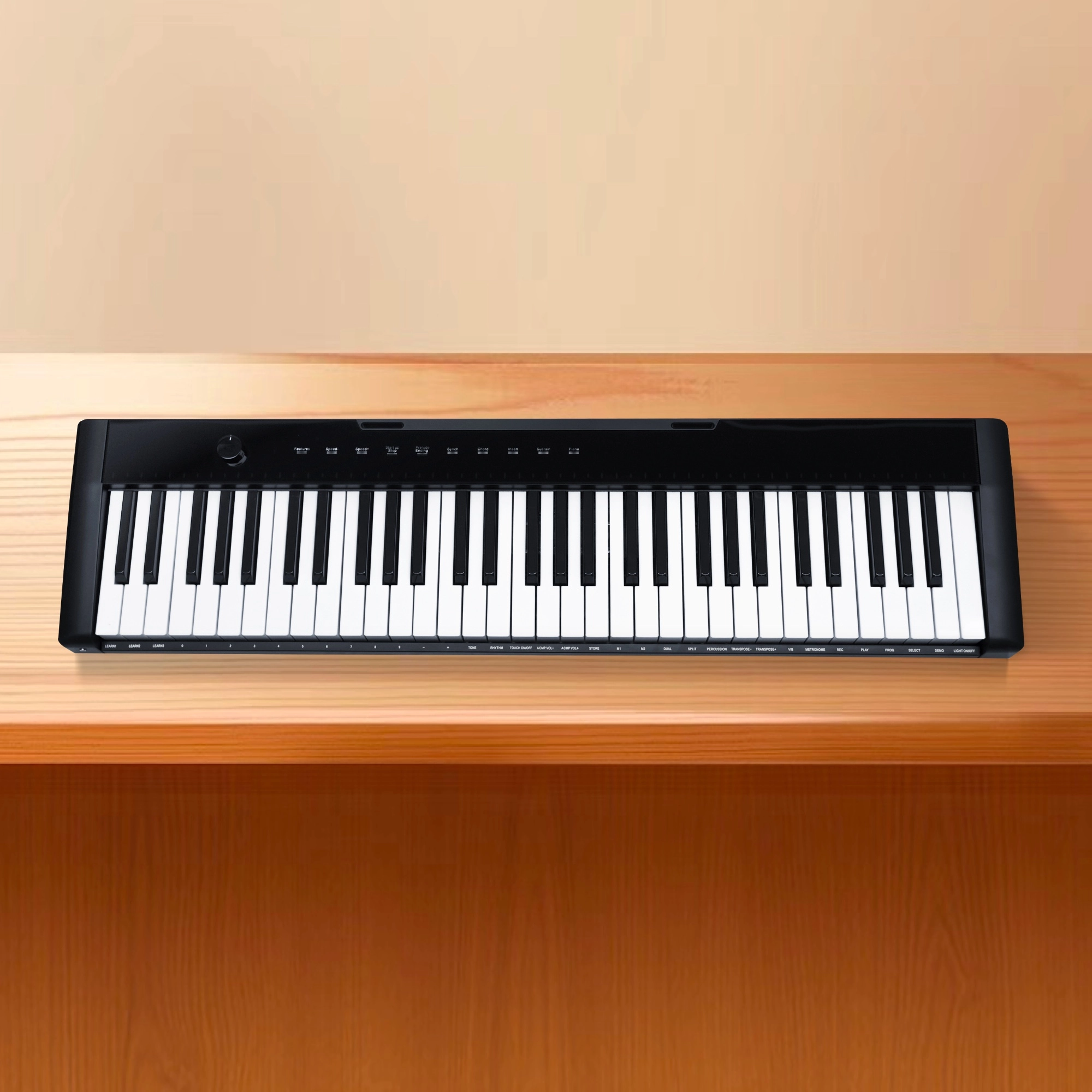
Flykeys 61 keys portable electronic keyboard piano with X stand (M2)
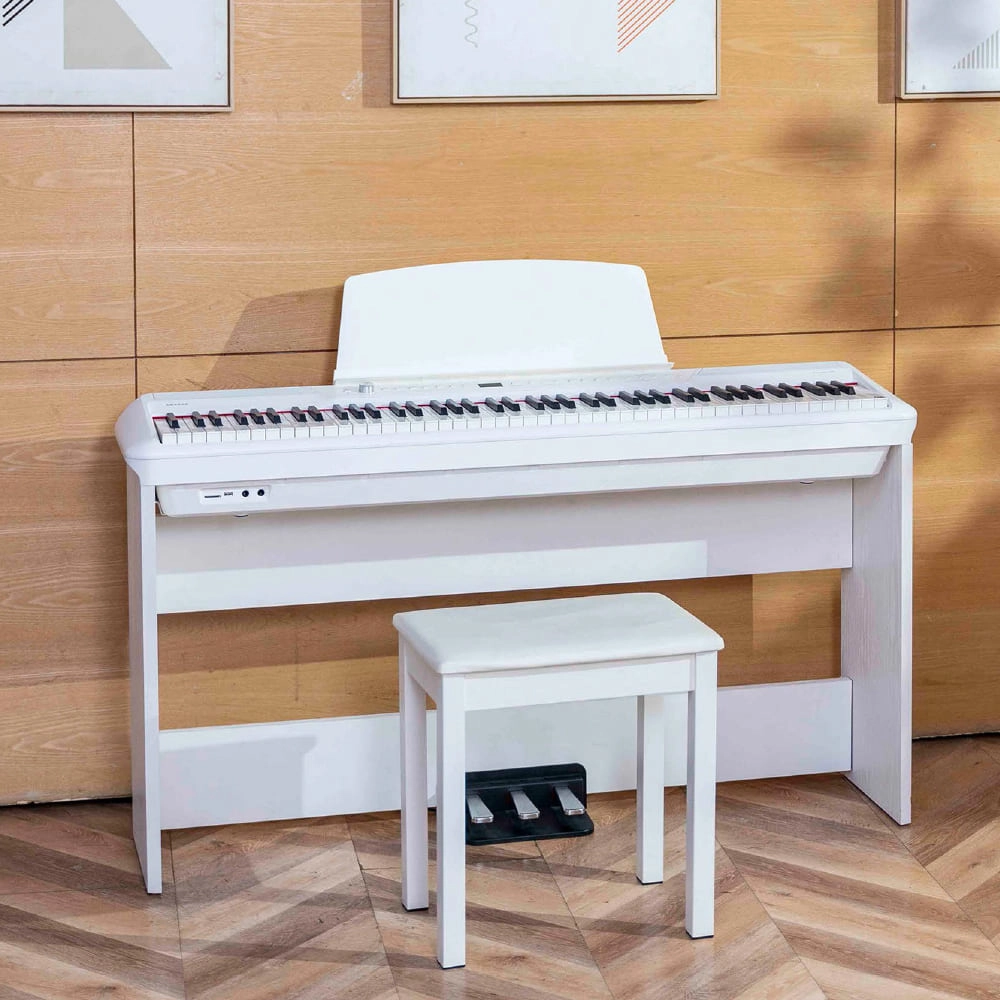
Flykeys Portable Electric Keyboard FP9 Digital Piano
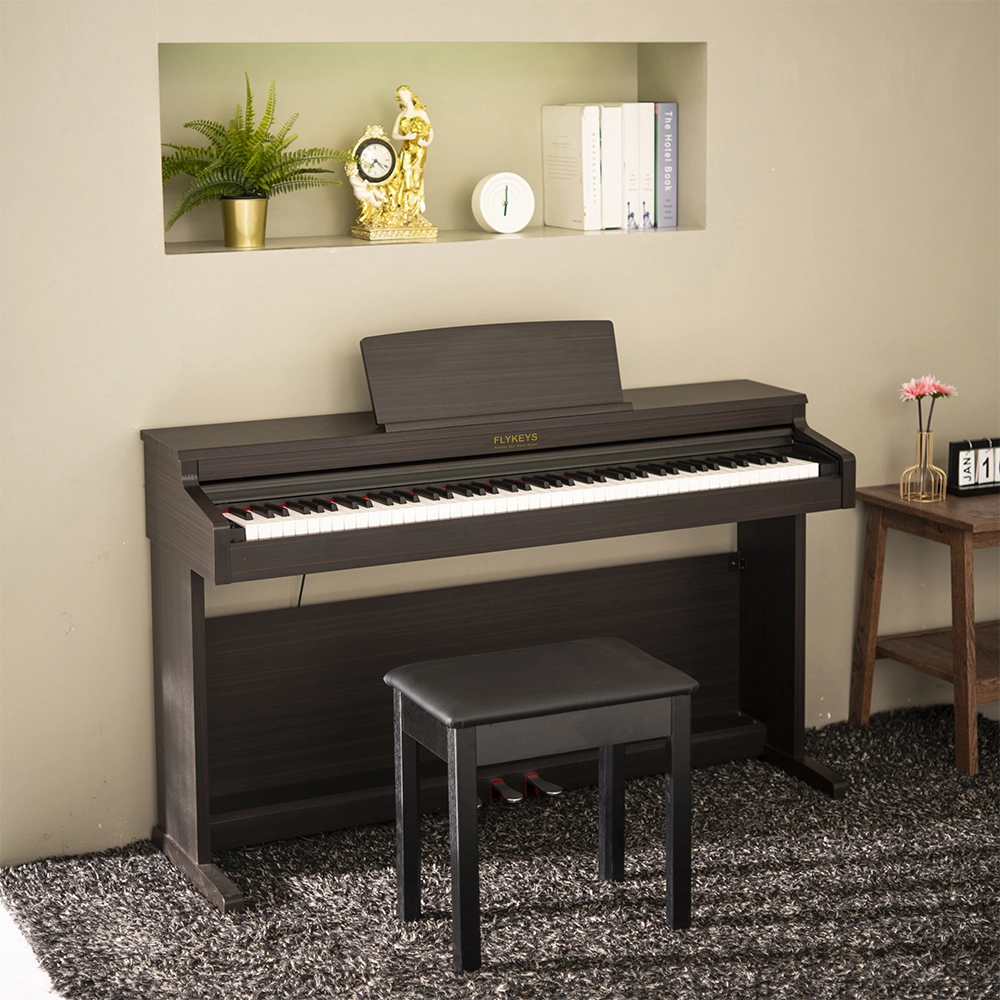
Flykeys 88 Keys Hammer Action keyboard Upright Piano LK03S Digital Piano
— Independent patented technology 88 key Grand-Response hammer action & dynamic curve keyboard;
— European top DSP chip, famous grand piano sound sample;
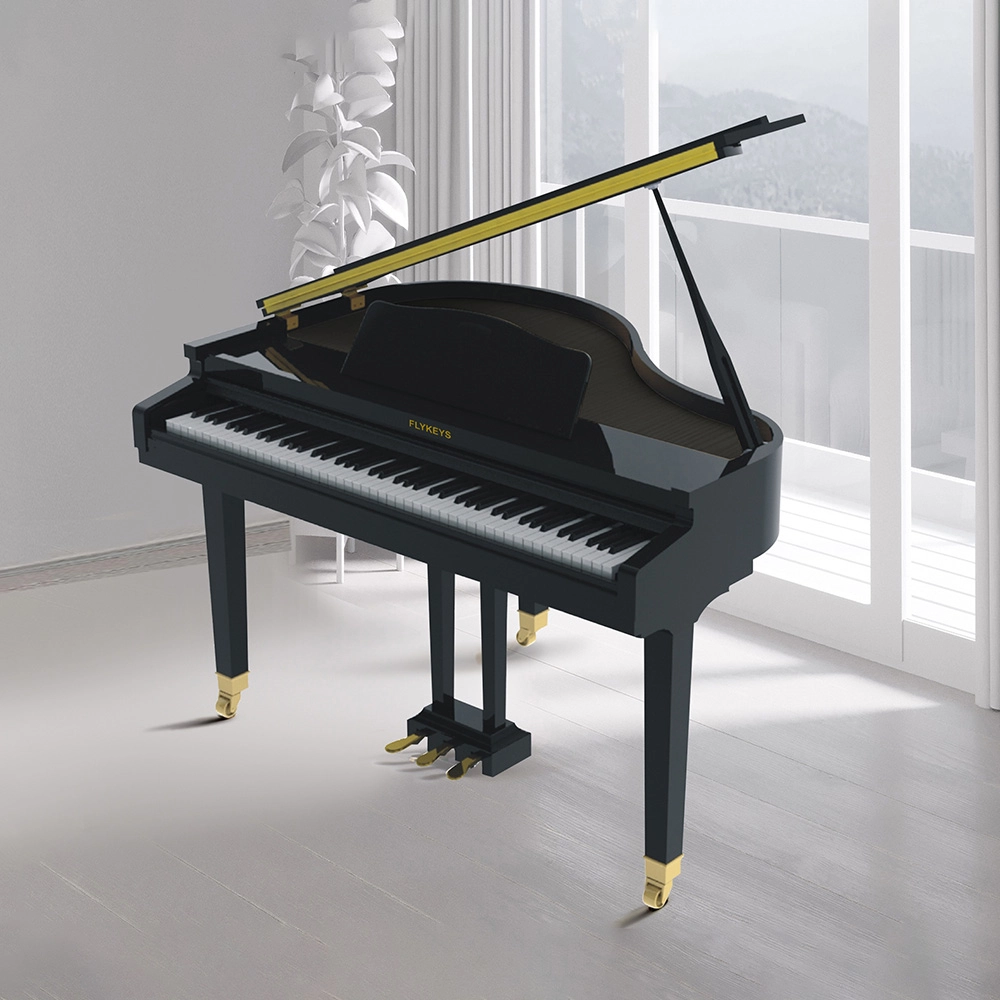
Flykeys 88 Keys Professional Digital Grand Piano Hammer Action Keyboard FGP110 Digital Piano
— Italian Fatar 88 Grand-ResponseTM Key trends with hammer action & dynamic curve
— Independent developed DSP chip, German famous grand piano sound sample
Address: No. 38 Xiangshan Avenue, Zengcheng Economic And Technological Development Zone, Guangzhou, China.
FOLLOW US:


© 2026 FLYKEYS All Rights Reserved. 粤 ICP备2020102774号. Designed by gooeyun. Sitemap | Privacy | Terms