

How to Choose the electric keyboard manufacturer and supplier ?
- How to Choose the Right Electric Keyboard Manufacturer and Supplier
- Introduction: What buyers are really searching for
- Define your product requirements clearly
- Identify supplier types and decide the business model
- Assess factory capabilities and technical expertise
- Verify certifications and regulatory compliance
- Examine quality control processes and testing
- Check production capacity and lead times
- Understand tooling, R&D and customization options
- Evaluate pricing, MOQ and total landed cost
- Review supply chain and component sourcing
- Ensure after-sales support, warranty and spare parts
- Protect intellectual property and branding
- Audit, visit, and use third-party inspection
- Negotiate payment terms and contract essentials
- Logistics, packaging and FMGC requirements
- Evaluate references, past clients and market reputation
- Why consider Guangzhou Pearl River Amason (FLYKEYS)
- Checklist: Questions to ask every electric keyboard manufacturer
- Conclusion: Make a choice based on capability, transparency and fit
- Frequently asked questions
How to Choose the Right Electric Keyboard Manufacturer and Supplier
Introduction: What buyers are really searching for
When businesses and retailers search for an electric keyboard manufacturer or digital keyboard supplier, their intent is commercial: they need a reliable partner who can produce consistent quality, meet lead times, offer competitive pricing, and support product development or OEM branding. This guide explains practical steps to evaluate manufacturers and suppliers of electric keyboards, helping you reduce risk, control cost, and speed time-to-market.
Define your product requirements clearly
Start by documenting the electric keyboard features you need: product category (portable digital piano, upright digital piano, grand-style digital piano, or entry-level digital keyboard), polyphony, key action (semi-weighted, hammer-action, full weighted), sound engine, speaker power, MIDI/USB connectivity, display and controls, materials, dimensions, and target retail price. Including target certifications (FCC, CE, RoHS) and target sales regions helps you filter out incompatible suppliers early. Clear technical and commercial specifications are the foundation of any supplier selection.
Identify supplier types and decide the business model
Choose whether you need an OEM/ODM manufacturer, a branded supplier, or a trading company. OEM/ODM electric keyboard manufacturers typically control R&D, tooling, and production — suitable when you want custom models or private-label products. Trading companies can help small buyers source existing models but add margin and have less direct control over quality. For long-term brand building and closer product alignment, prioritize direct manufacturers or subsidiaries with design and production capabilities.
Assess factory capabilities and technical expertise
Evaluate a factory's technical strengths: do they design keybed mechanisms, build hammer-action systems, or develop sound engines? Look for companies with in-house R&D, acoustic modeling, and sample-making capabilities. For example, Guangzhou Pearl River Amason Digital Musical Instrument Co., Ltd. (FLYKEYS) leverages over 60 years of Pearl River Piano heritage and in-house reduction technology to reproduce acoustic-like tone and feel—an advantage for buyers seeking professional-level electric keyboards.
Verify certifications and regulatory compliance
Confirm the manufacturer can produce units that pass necessary certifications for your target markets (e.g., FCC for the U.S., CE for the EU, RoHS for hazardous substances). Request copies of test reports and ask whether testing is done by accredited labs (TÜV, SGS, Intertek, etc.). Certified electric keyboard suppliers minimize regulatory risk and speed customs clearance.
Examine quality control processes and testing
Ask about quality control (QC) at every stage: incoming materials inspection, in-line process checks, end-of-line functional tests (key response, velocity curves, speaker SPL, signal-to-noise ratio), aging tests, and packaging checks. Request factory QC manuals, sample test reports, and photos or videos of testing lines. Favor suppliers who allow third-party inspections and provide long-term quality traceability—this is crucial for reliable bulk supply.
Check production capacity and lead times
Understand the manufacturer's production capacity and how that maps to your demand cycles. Ask for typical lead times for prototypes (2–6 weeks), sample units (1–3 weeks), and mass production (commonly 4–12 weeks depending on complexity and seasonal demand). Confirm peak-season constraints and whether the supplier can scale to meet promotions or large retailer orders.
Understand tooling, R&D and customization options
If you plan custom cabinetry, keybed design, logos or branded software/sounds, verify the supplier's tooling and R&D capabilities. Tooling costs and lead times can be significant for custom housings and keybeds, so ask for estimates and amortization plans. A manufacturer with modular platforms (existing product bases) can reduce tooling cost and speed development for private-label electric keyboards.
Evaluate pricing, MOQ and total landed cost
Request a complete pricing breakdown: unit FOB/CIF price, tooling and sample fees, packaging cost, certifications, and estimated freight. MOQ (minimum order quantity) varies by supplier and SKU; clarify MOQ per model, per color, and for customized branding. Calculate total landed cost per unit (unit cost + freight + duties + inspection) to compare offers fairly across manufacturers.
Review supply chain and component sourcing
Successful electric keyboard production depends on stable sourcing of keybeds, speakers, amplification boards, sound chips, and electronic components. Ask whether components are sourced from branded suppliers (e.g., known chip or speaker brands) or generic vendors. Reliable suppliers have multi-source strategies to avoid single-point failures and can share bills of materials (BOM) to demonstrate component traceability.
Ensure after-sales support, warranty and spare parts
Determine the warranty period and coverage (common warranties range from 1–3 years). Confirm spare parts availability and lead times for replacements (keybeds, power adapters, speakers, PCBs). A supplier with global after-sales logistics or distributor partnerships simplifies service for your customers and reduces long-term costs.
Protect intellectual property and branding
When sharing designs, request an NDA and confirm the supplier's IP practices. For unique product features, consider registering design patents or trademarks in key markets. Verify whether the manufacturer supports OEM/ODM branding, private labeling, and custom packaging—important if you plan to build a distinct brand in overseas markets.
Audit, visit, and use third-party inspection
Whenever possible, visit the factory to verify production lines, R&D labs, and QC practices. If an in-person visit isn't possible, commission a third-party factory audit or video inspection. Inspections before shipment (pre-shipment inspections) help catch defects early. Use suppliers who welcome audits and transparent reporting.
Negotiate payment terms and contract essentials
Standard payment structures include deposits (commonly 30% T/T) and balance before shipment, but terms vary by supplier and buyer history. Consider letters of credit, escrow, or milestone payments for large projects. Ensure contracts clearly state delivery terms (Incoterms), quality acceptance criteria, penalties for late delivery, warranty obligations, and intellectual property clauses.
Logistics, packaging and FMGC requirements
Confirm the supplier's packaging standards, carton marking, and whether they can provide retail-ready packaging for direct-to-consumer sales. Ask about palletization options, freight forwarder partnerships, and ability to handle customs paperwork. For electronic musical instruments, ensure anti-static and humidity-protective packaging for long shipments.
Evaluate references, past clients and market reputation
Ask for references of existing clients, sample case studies, or photos of similar electric keyboard models the supplier manufactures. Review online feedback, B2B directory ratings, and whether the company participates in international trade shows. A supplier with brand clients and positive references reduces procurement risk.
Why consider Guangzhou Pearl River Amason (FLYKEYS)
FLYKEYS, a subsidiary of Guangzhou Pearl River Piano Group, focuses on developing and manufacturing digital musical instruments since 2008. The company benefits from Pearl River’s more than 60 years of piano-making experience and combines that heritage with in-house reduction technology to approach acoustic tone and feeling. For overseas markets, FLYKEYS sells under the FLYKEYS brand and has models that have passed FCC, CE and RoHS testing—making it a strong option for buyers seeking certified, professional-feel digital pianos and electric keyboards.
Checklist: Questions to ask every electric keyboard manufacturer
Before you sign an agreement, ask: Can you provide recent FCC/CE/RoHS reports? What is your MOQ and lead time? Do you offer sample units and at what cost? How is warranty handled and are spare parts stocked? Can you support OEM software or sound-set customization? Do you accept third-party inspection? What are standard payment terms and penalties for delays? Use this checklist to compare suppliers objectively.
Conclusion: Make a choice based on capability, transparency and fit
Choosing the right electric keyboard manufacturer and supplier requires blending technical requirements, commercial realism, and trust. Prioritize factories with demonstrable R&D, quality systems, certifications, transparent pricing, and good communication. For buyers wanting a partner with deep piano-making roots, certified products, and a range of digital keyboard models (portable, upright, grand styles), FLYKEYS (Guangzhou Pearl River Amason) is positioned to support both branded and OEM needs. Use the practical steps and checklist above to qualify suppliers and negotiate terms that protect your margins and brand reputation.
Frequently asked questions
What is the difference between an OEM and an ODM electric keyboard supplier?OEM (Original Equipment Manufacturer) builds products to your exact specifications or private-labels an existing design you provide. ODM (Original Design Manufacturer) offers existing designs that you can rebrand or lightly customize, typically with lower tooling costs and faster lead times.
How long does it typically take to develop a new electric keyboard model?Prototype and concept validation commonly take 4–12 weeks depending on complexity. Tooling and pre-production for a mass-manufactured model can extend the timeline to 3–6 months. Using an existing platform or modular design can shorten development time.
What certifications should I insist on for electric keyboards sold internationally?For most markets, insist on CE (EU safety), RoHS (restriction of hazardous substances), and FCC (US electromagnetic compatibility) where applicable. Additional regional safety certifications or EMC tests may be required depending on destination countries.
What is a realistic MOQ for electric keyboards?MOQ varies by supplier and model complexity—small orders can be possible with trading companies, while direct manufacturers may require higher MOQs to cover tooling and setup. Expect MOQs to range widely; always confirm per-model MOQ in writing.
How can I protect my design when working with a manufacturer abroad?Use NDAs before sharing sensitive files, register relevant patents/designs/trademarks in key markets, limit BOM and firmware disclosure where possible, and work with manufacturers that have clear IP protection policies and positive references.
Are there common hidden costs to watch for when sourcing electric keyboards?Yes—tooling fees, testing and certification costs, sample charges, packaging design, freight, customs duties, and after-sales spare part logistics. Always request a full landed-cost breakdown to avoid surprises.
How important is after-sales service and spare parts availability?Very important. Long-term customer satisfaction depends on easy access to spare parts, repair guidance, and firmware updates. Confirm parts availability and typical lead times before committing to a supplier.
Wholesale portable digital piano manufacturer and supplier
Digital Piano Buyer’s Guide for more purchase tips
What Is a Digital Piano? – FLYKEYS
Wholesale grand piano brand manufacturer and supplier in China
Company
Does your company have any sustainability initiatives?
Yes, we are dedicated to sustainability and continuously strive to minimize our environmental footprint through responsible manufacturing practices.
What is your company's mission?
Our mission is capture the zeitgeist, enjoy the quality lifestyle.
Our vision is to be the TOP 1 Chinese digital musical instrument brand and enter International top list.
After-Sales Service
What after-sales support do you offer?
We offer comprehensive after-sales support, including technical assistance, troubleshooting, and warranty services.
Products
Can I connect your electronic pianos to external devices?
Yes, our electronic pianos are equipped with connectivity options such as MIDI, USB, and Bluetooth for seamless integration with external devices.
Logistics
Can l track my order during shipping?
Yes, tracking information will be provided once your order has been shipped, allowing you to monitor its progress.
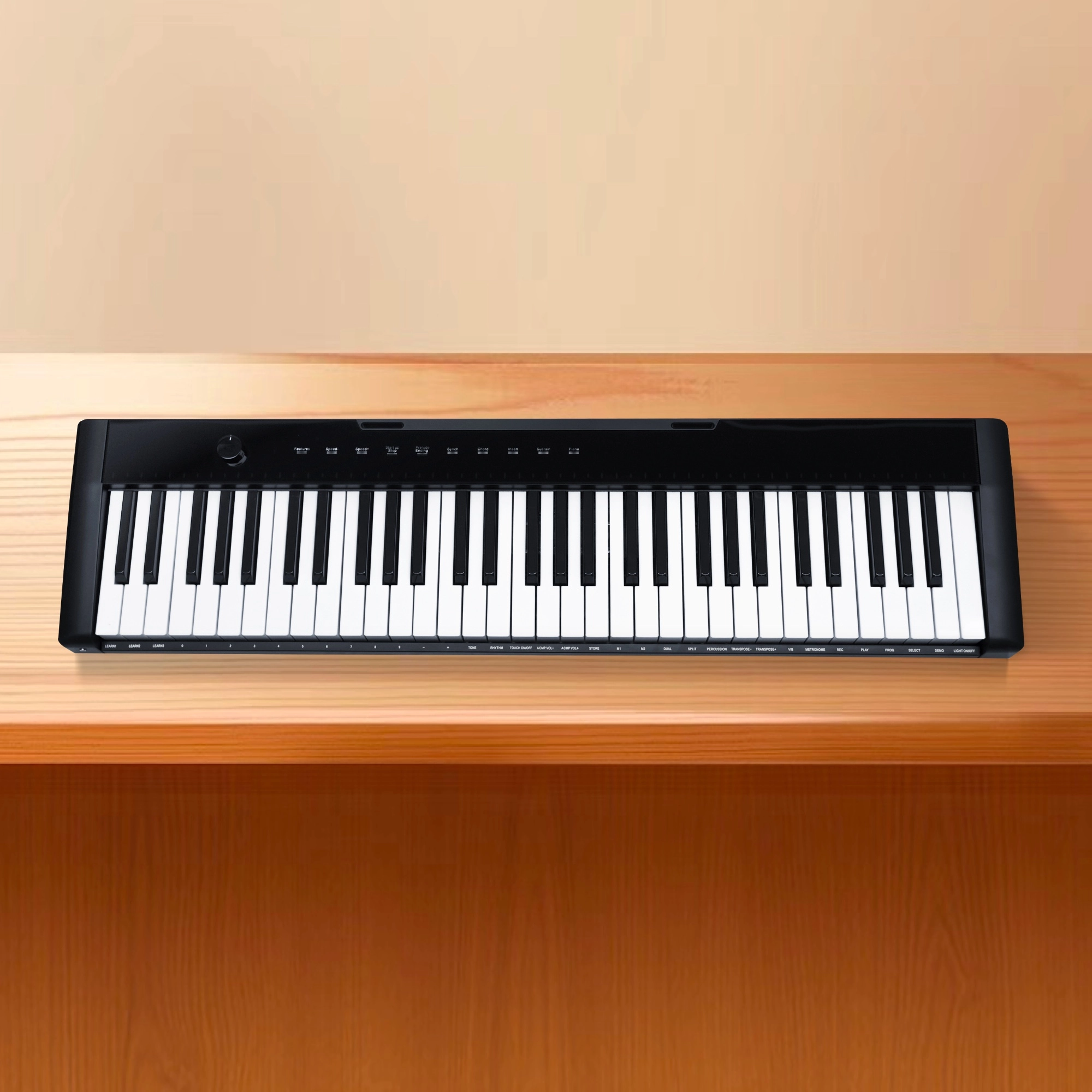
Flykeys 61 keys portable electronic keyboard piano with X stand (M2)
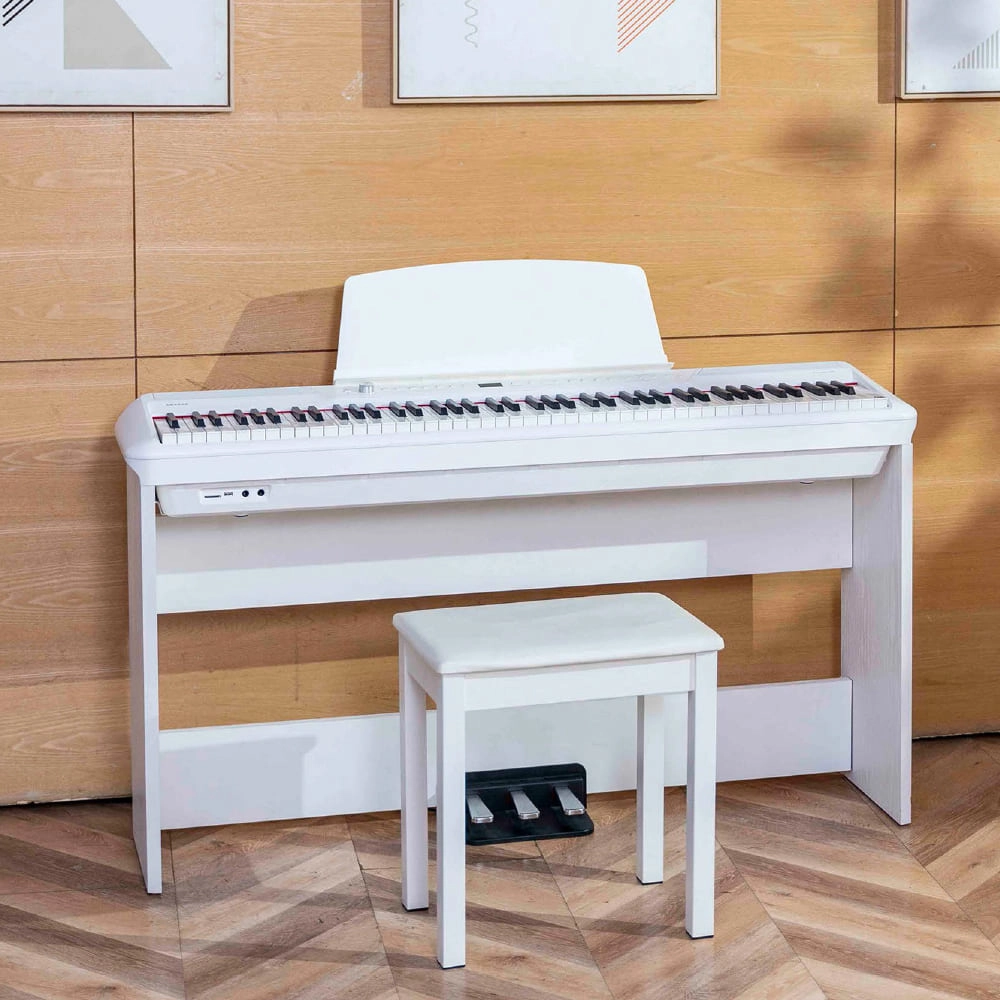
Flykeys Portable Electric Keyboard FP9 Digital Piano
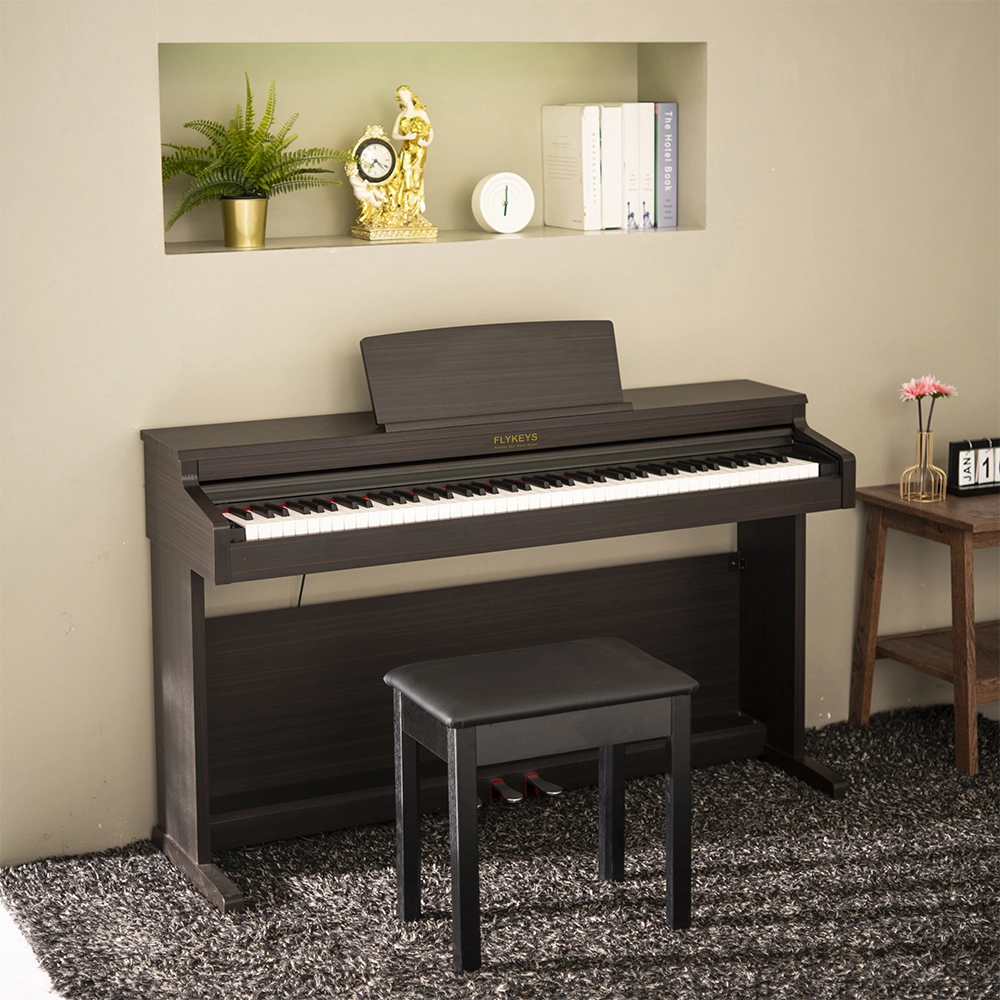
Flykeys 88 Keys Hammer Action keyboard Upright Piano LK03S Digital Piano
— Independent patented technology 88 key Grand-Response hammer action & dynamic curve keyboard;
— European top DSP chip, famous grand piano sound sample;
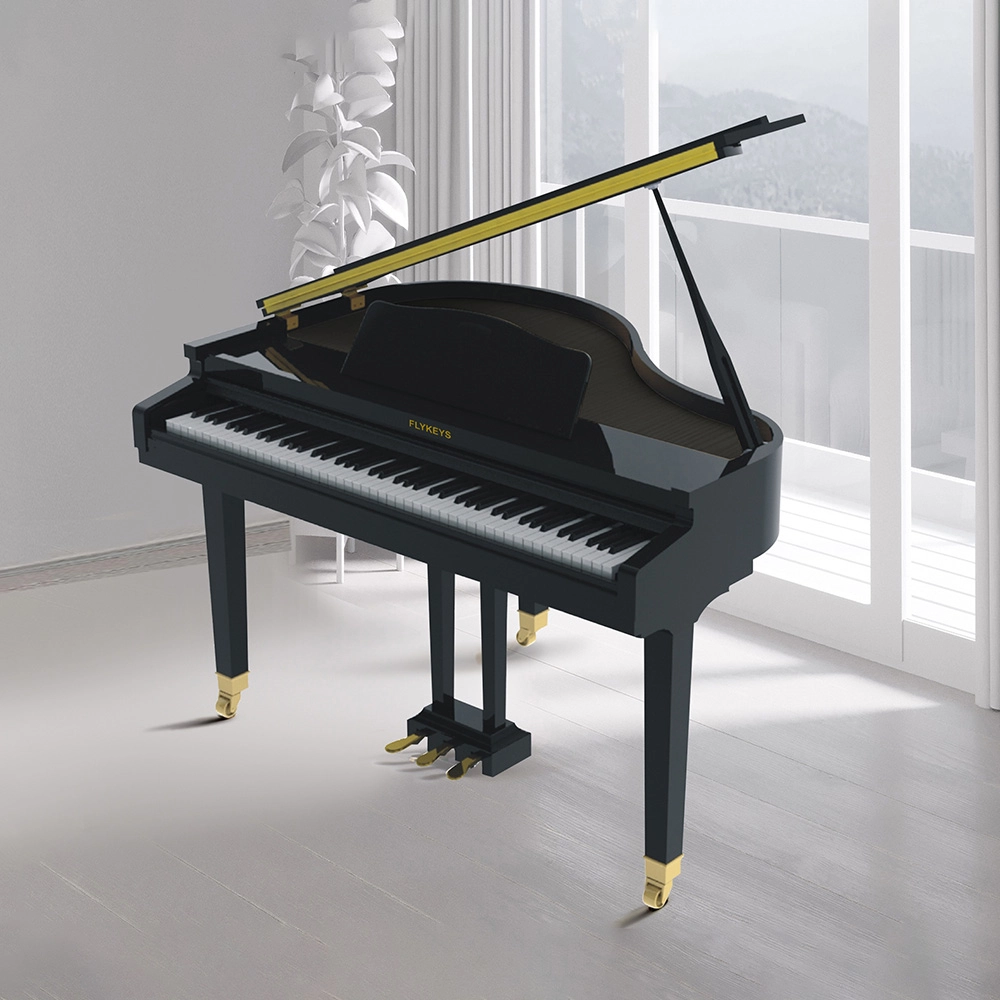
Flykeys 88 Keys Professional Digital Grand Piano Hammer Action Keyboard FGP110 Digital Piano
— Italian Fatar 88 Grand-ResponseTM Key trends with hammer action & dynamic curve
— Independent developed DSP chip, German famous grand piano sound sample
Address: No. 38 Xiangshan Avenue, Zengcheng Economic And Technological Development Zone, Guangzhou, China.
FOLLOW US:


© 2024 FLYKEYS All Rights Reserved. 粤ICP备2020102774号. Designed by gooeyun Sitemap | Privacy | Terms