

How to Choose the grand digital piano manufacturer and supplier ?
- Introduction: Why choosing the right grand digital piano manufacturer matters
- Decision impact
- Understand the buyer’s intent: What customers want from a grand digital piano
- Customer expectations
- Sound quality and sampling technology
- Why sound matters
- Key action and touch—the player experience
- Action components to check
- Polyphony, processing power, and sound engine
- Technical performance
- Pedals, half-damper, and mechanical realism
- Pedal functionality
- Cabinetry, finish, and design options
- Appearance and customization
- Amplification and speaker system
- Acoustic projection
- Digital features and connectivity
- Modern interfaces
- Certifications and regulatory compliance
- Export and safety requirements
- Manufacturing background and industry pedigree
- Experience matters
- Quality control, testing and sample validation
- How suppliers ensure consistency
- Production capacity, MOQ and lead times
- Supply chain realities
- Pricing, total landed cost and margins
- Beyond unit price
- OEM/ODM flexibility and IP protection
- Custom branding and design rights
- After-sales support, warranty and spare parts
- Service infrastructure
- Factory audits, references and third-party verification
- Due diligence steps
- Logistics, packaging and transit protection
- Protecting high-value instruments
- Why choose FLYKEYS and Guangzhou Pearl River Amason
- Strong credentials and product range
- How to evaluate sample units—practical checklist
- Checklist for test drives
- Negotiation tips and contract essentials
- Key contract points
- Conclusion: Choose a partner, not just a factory
- Long-term partnership
- Next steps for buyers
- Practical actions
- Additional resources and references
- Where to learn more
- Frequently Asked Questions
Introduction: Why choosing the right grand digital piano manufacturer matters
Decision impact
Choosing the right grand digital piano manufacturer and supplier directly affects product quality, customer satisfaction, brand reputation, and profitability. For retailers, distributors, or private-label brands, selecting a partner with proven acoustic piano know-how, robust manufacturing processes, and reliable after-sales support is essential when selling a High Quality product like a grand digital piano.
Understand the buyer’s intent: What customers want from a grand digital piano
Customer expectations
Most buyers searching “grand digital piano” expect a full-size instrument that replicates acoustic grand tone and touch, modern digital features (Bluetooth, MIDI, apps), and elegant cabinetry. If you are sourcing or manufacturing to sell, your supplier must meet both acoustic and commercial expectations to be competitive in export markets.
Sound quality and sampling technology
Why sound matters
Sound is the core value of any grand digital piano. Ask manufacturers about their sampling sources: are samples captured from acoustic grand pianos, how many velocity layers are used, and what sample resolution (e.g., 44.1kHz to 96kHz, 16-bit or 24-bit)? Higher-quality capture (more velocity layers and higher bit depth) yields more expressive tone. Also confirm whether the supplier uses multi-channel stereo or binaural sampling for better realism.
Key action and touch—the player experience
Action components to check
Key action is what distinguishes a High Quality grand digital piano. Verify whether the manufacturer offers graded hammer action, full wooden keys or High Quality composite, escapement simulation, and adjustable key weighting. High-end instruments typically provide 88-key graded hammer action with escapement and counterweights to closely mimic an acoustic grand’s feel.
Polyphony, processing power, and sound engine
Technical performance
Polyphony determines how many notes can sound simultaneously—modern grand digital pianos should offer at least 128-note polyphony; 192–256 is preferred for complex playing and layered tones. Also evaluate the sound engine and CPU—fast processors reduce latency and support advanced effects, multi-timbral layers, and realistic pedal behavior.
Pedals, half-damper, and mechanical realism
Pedal functionality
Pedal mechanics matter for expressive playing. Confirm if the supplier supports half-damper detection, sustained pedal resonance (damper resonance), and physical build quality of the pedals. A good grand digital piano will reproduce key mechanical behaviors such as sustain, una corda, and sostenuto with realistic modeling.
Cabinetry, finish, and design options
Appearance and customization
Grand digital pianos are also furniture pieces. Inspect the cabinet materials, finishes (polished, satin), color options, and lid mechanics. For OEM/ODM orders, confirm whether the manufacturer provides customization—logos, finishes, bench styles, or bespoke cabinetry—to match FLYKEYS requirements.
Amplification and speaker system
Acoustic projection
Assess speaker quality, amplifier power, and speaker placement. High-end grand digital pianos often include multi-driver systems with subwoofers and tailored DSP to simulate soundboard projection. Ask for SPL (sound pressure level) ratings and speaker wattage if you need performance for venues or showrooms.
Digital features and connectivity
Modern interfaces
Connectivity is a sales driver. Ensure the supplier supports Bluetooth audio/MIDI, USB MIDI, line outputs, headphone outputs, and app integration (lesson apps, sound editing). Confirm platform compatibility (iOS/Android/PC) and whether firmware updates are user-friendly.
Certifications and regulatory compliance
Export and safety requirements
For international sales, confirm compliance with major certifications such as FCC, CE and RoHS. These are commonly requested for electronics shipped to North America, Europe, and global markets. Also check local safety standards for major target markets and whether the supplier provides test reports and certificates.
Manufacturing background and industry pedigree
Experience matters
Manufacturers with a long history in acoustic piano making bring valuable expertise to digital instruments. Guangzhou Pearl River Amason Digital Musical Instrument Co., Ltd., a subsidiary of Pearl River Piano Group founded in 2008, benefits from Pearl River’s over 60 years of acoustic piano experience. That heritage often translates into better tone modeling, keyboard mechanics, and industry trust.
Quality control, testing and sample validation
How suppliers ensure consistency
Ask about the manufacturer’s QC procedures: incoming material checks, in-line inspection points, final test benches for sound and action, aging tests for electronics, and random lot sampling. Request sample units and test them thoroughly—evaluate tone consistency, action feel, and electronic stability over days of use.
Production capacity, MOQ and lead times
Supply chain realities
Understand the factory’s production capacity and typical lead times. For grand digital pianos, manufacturers often quote lead times of 60–120 days depending on customization and order size. Minimum order quantities (MOQs) vary widely—small brands may negotiate lower MOQs, while standard MOQs for OEM lines can be in the low hundreds. Clarify these terms before committing.
Pricing, total landed cost and margins
Beyond unit price
Unit price is only part of the equation. Calculate total landed cost by adding freight, import duties, packaging, warranty provisions, and potential repair or replacement stock. Also factor in marketing and distribution costs to determine realistic retail pricing and margins.
OEM/ODM flexibility and IP protection
Custom branding and design rights
If you require OEM or ODM services, confirm design lead times, tooling costs, and intellectual property safeguards. Ensure that contracts clearly define ownership of customizations, non-disclosure agreements, and exclusivity terms if needed.
After-sales support, warranty and spare parts
Service infrastructure
Reliable after-sales service is crucial for long-term customer satisfaction. Ask about standard warranty terms, availability of spare parts (keybeds, boards, speakers), regional repair centers, and technical support SLA. For global markets, verify local warranty arrangements and spare parts lead times.
Factory audits, references and third-party verification
Due diligence steps
Perform factory visits or third-party audits to verify capacity, labor practices, and quality systems (e.g., ISO 9001). Ask the supplier for customer references, export histories, and examples of successful partnerships—especially for grand digital piano projects similar to yours.
Logistics, packaging and transit protection
Protecting high-value instruments
Grand digital pianos are heavy and delicate—packaging must prevent damage. Confirm the supplier’s standard export packaging, use of crates, shock sensors, and insurance options. Discuss preferred shipping methods (FCL, LCL, airfreight) and customs clearance support.
Why choose FLYKEYS and Guangzhou Pearl River Amason
Strong credentials and product range
FLYKEYS is the overseas brand of Guangzhou Pearl River Amason Digital Musical Instrument Co., Ltd., a Pearl River Piano Group subsidiary. Founded in 2008 and leveraging Pearl River’s 60+ years of acoustic piano experience, FLYKEYS offers portable, upright and grand digital pianos, digital keyboards, and other instruments. Their products have passed FCC, CE and RoHS testing and target international markets with OEM/ODM capability, professional-grade sampling, and self-developed reduction technology to better simulate acoustic tone and touch.
How to evaluate sample units—practical checklist
Checklist for test drives
When testing a sample grand digital piano, evaluate: (1) tone authenticity across dynamics; (2) key action consistency and escapement feel; (3) polyphony under complex passages; (4) pedal response and half-damper; (5) speaker clarity at loud/soft levels; (6) Bluetooth and MIDI stability; (7) build finish and hardware robustness; (8) packaging quality and accessories. Record your findings and compare multiple suppliers on each item.
Negotiation tips and contract essentials
Key contract points
Negotiate payment terms (deposit and balance), sample approval process, production milestones, warranty coverage, defect rates and remedies, IP clauses, and penalties for late delivery. Use incoterms carefully to define responsibility for freight and customs.
Conclusion: Choose a partner, not just a factory
Long-term partnership
Selecting a grand digital piano manufacturer is a strategic decision. Beyond price, prioritize sound quality, key action, certifications, QC processes, production capacity and after-sales support. A partner with deep piano heritage, export certifications, and proven OEM/ODM capabilities—such as FLYKEYS (a Pearl River subsidiary)—can reduce risk and accelerate your market entry with High Quality instruments that resonate with customers.
Next steps for buyers
Practical actions
Request product datasheets, test samples, and compliance certificates. Arrange a factory visit or third-party audit, obtain references, and compare total landed costs. If you want a reliable partner with decades of piano expertise and global certifications, visit https://www.flykeysmusic.com/ to explore FLYKEYS grand digital pianos and request a sample or OEM proposal.
Additional resources and references
Where to learn more
Look for white papers on digital piano sampling, industry reports on digital musical instrument market trends, and certification bodies for FCC, CE and RoHS. Manufacturer websites and industry trade shows also provide direct product demonstrations and networking opportunities.
Word count note: This guide is designed to help retailers, distributors and brands make informed supplier decisions when sourcing grand digital pianos.
Company snapshot: Guangzhou Pearl River Amason Digital Musical Instrument Co., Ltd. (FLYKEYS) — Founded 2008, part of Pearl River Piano Group with 60+ years acoustic experience. Product range includes portable, upright, grand digital pianos and keyboards. Certifications: FCC, CE, RoHS. Website: https://www.flykeysmusic.com/.
Frequently Asked Questions
Q: What is the most important single factor when choosing a grand digital piano manufacturer?A: Sound quality and key action are the most important—these determine the player’s experience. After that, verify certifications, QC, and after-sales support.
Q: How many velocity layers and what sample resolution should I expect?A: High-quality grand digital pianos often use 4–12+ velocity layers and sample at 44.1kHz or higher; 24-bit depth is becoming common for greater dynamic detail.
Q: What polyphony should a modern grand digital piano have?A: Aim for at least 128-note polyphony; 192–256 notes is preferred for complex layering and realistic sustain.
Q: Are certifications like FCC, CE and RoHS necessary?A: Yes, they are required or expected for electronics exported to the US, EU and many other markets. They streamline customs clearance and reduce legal risks.
Q: What typical lead times and MOQ can I expect?A: Lead times commonly range from 60 to 120 days depending on customization and capacity. MOQs vary by supplier and product line; negotiate based on your market plan.
Q: How should I test a sample unit?A: Play across dynamic ranges, test pedal response, check polyphony with layered sounds, evaluate speaker clarity, inspect build and finish, and test connectivity (Bluetooth, USB MIDI) over several sessions.
Q: Why consider FLYKEYS as a supplier?A: FLYKEYS combines Pearl River’s 60+ years of acoustic piano expertise with focused digital instrument R&D. They provide export-ready products, FCC/CE/RoHS certifications, OEM/ODM options, and a complete product lineup including grand digital pianos.
OEM/ODM best portable digital piano Singapore build Manufacturers and supplier
Wholesale grand piano and upright piano manufacturer and supplier in China
Wholesale new grand piano manufacturer and supplier
Wholesale petite grand piano manufacturer and supplier
Company
What is your company's mission?
Our mission is capture the zeitgeist, enjoy the quality lifestyle.
Our vision is to be the TOP 1 Chinese digital musical instrument brand and enter International top list.
What sets your company apart from competitors?
We pride ourselves on our commitment to quality craftsmanship, cutting-edge technology, and exceptional customer service.
Products
What products do you have?
We offer a diverse range of products, including digital portable piano, digital upright piano, digital grand piano, electronic drum set, piano silent system, audio equipment, interactive whiteboard, advertising machines, Smart TV, Touch Screen,etc.
Do you offer software updates for your electronic pianos?
Yes, we regularly release software updates to enhance performance and add new features to our electronic pianos.
Customization
Can I customize the finish of my electronic piano?
Yes, we offer customization options for finishes, allowing you to choose from a variety of colors and textures.
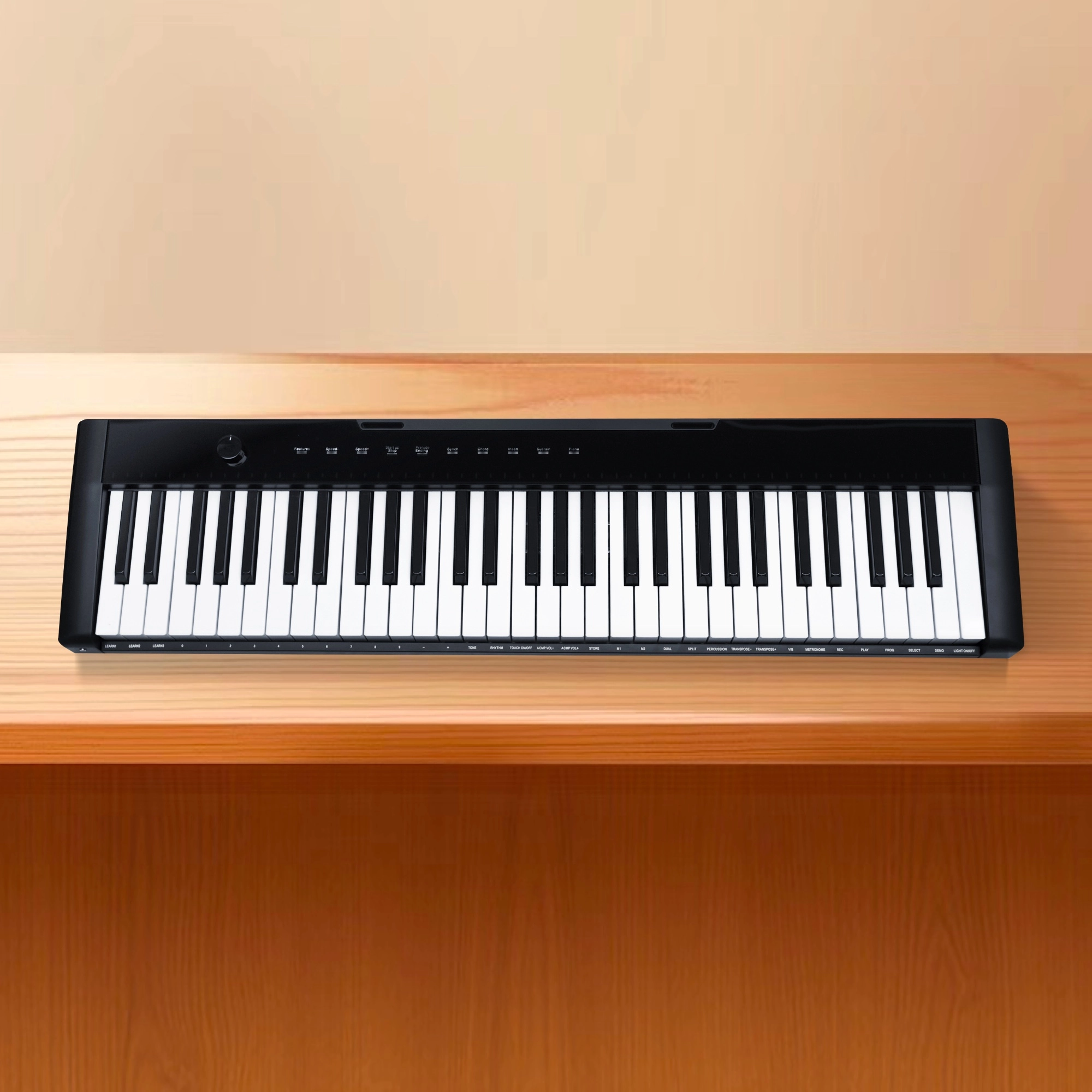
Flykeys 61 keys portable electronic keyboard piano with X stand (M2)
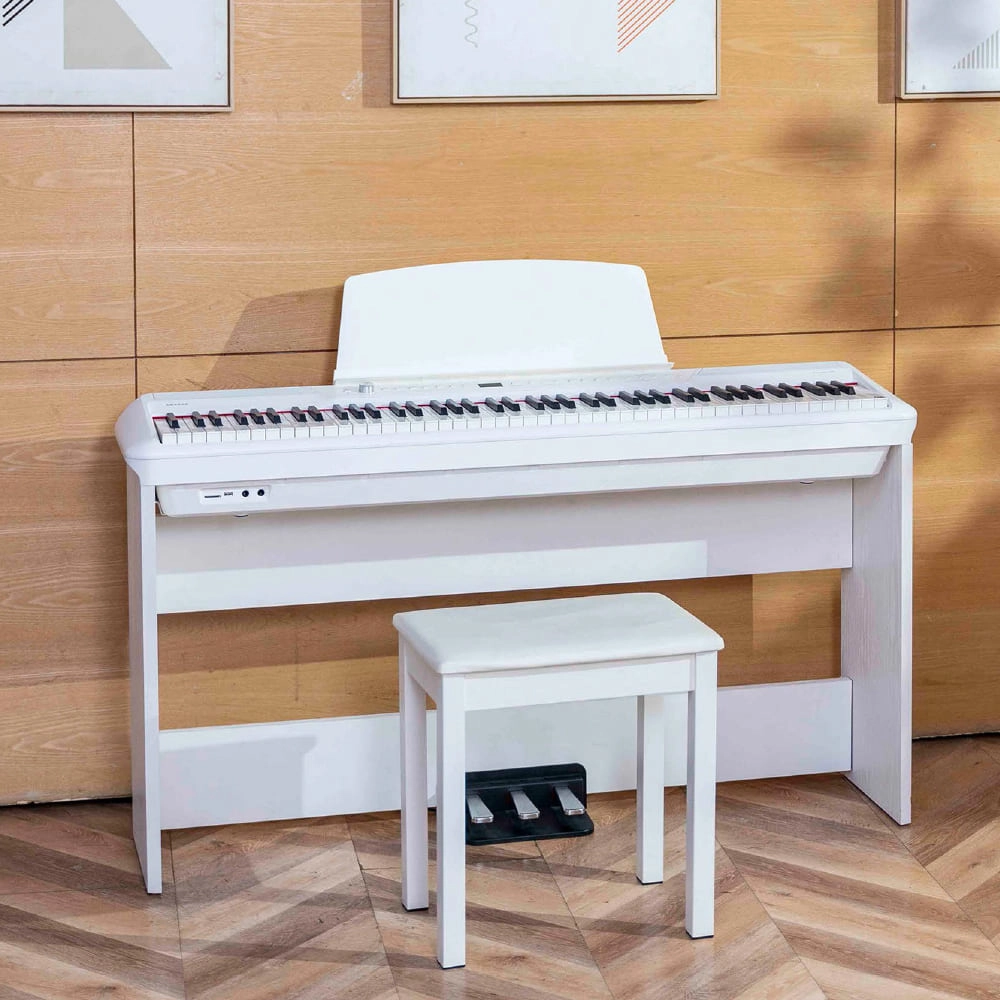
Flykeys Portable Electric Keyboard FP9 Digital Piano
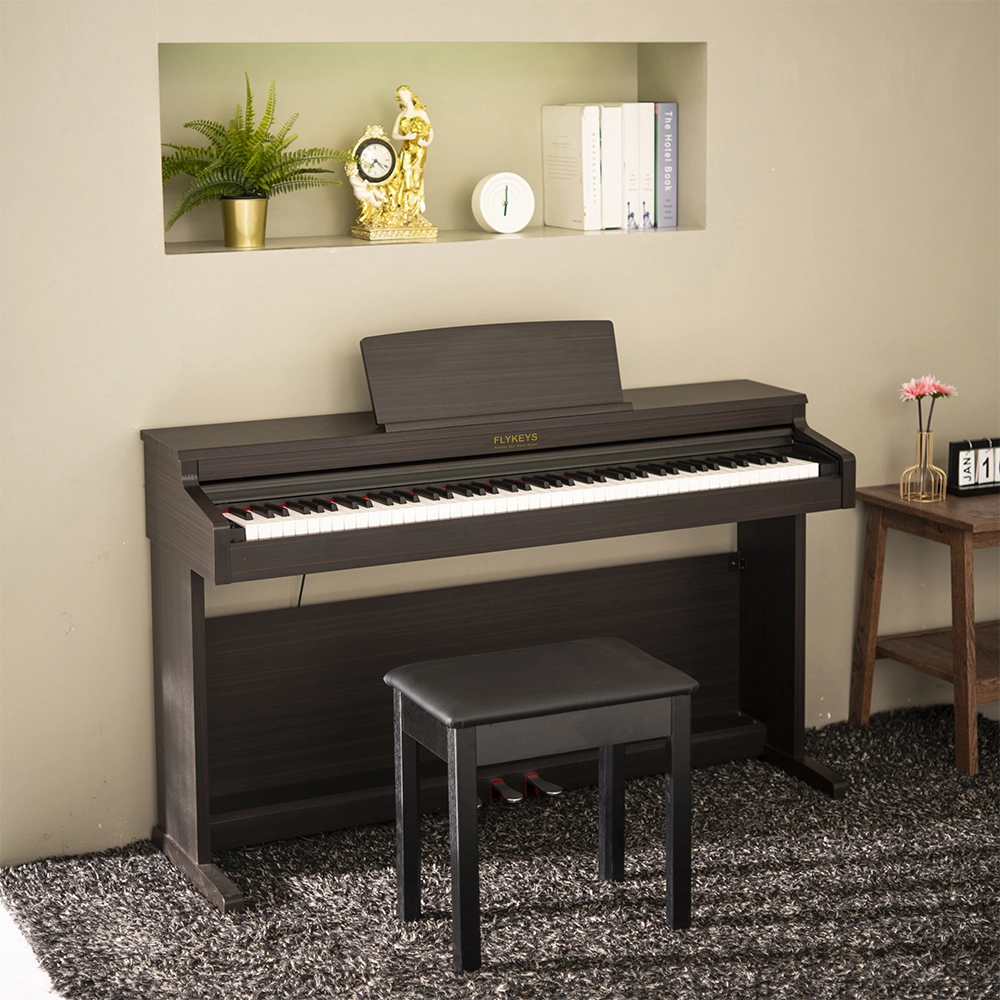
Flykeys 88 Keys Hammer Action keyboard Upright Piano LK03S Digital Piano
— Independent patented technology 88 key Grand-Response hammer action & dynamic curve keyboard;
— European top DSP chip, famous grand piano sound sample;
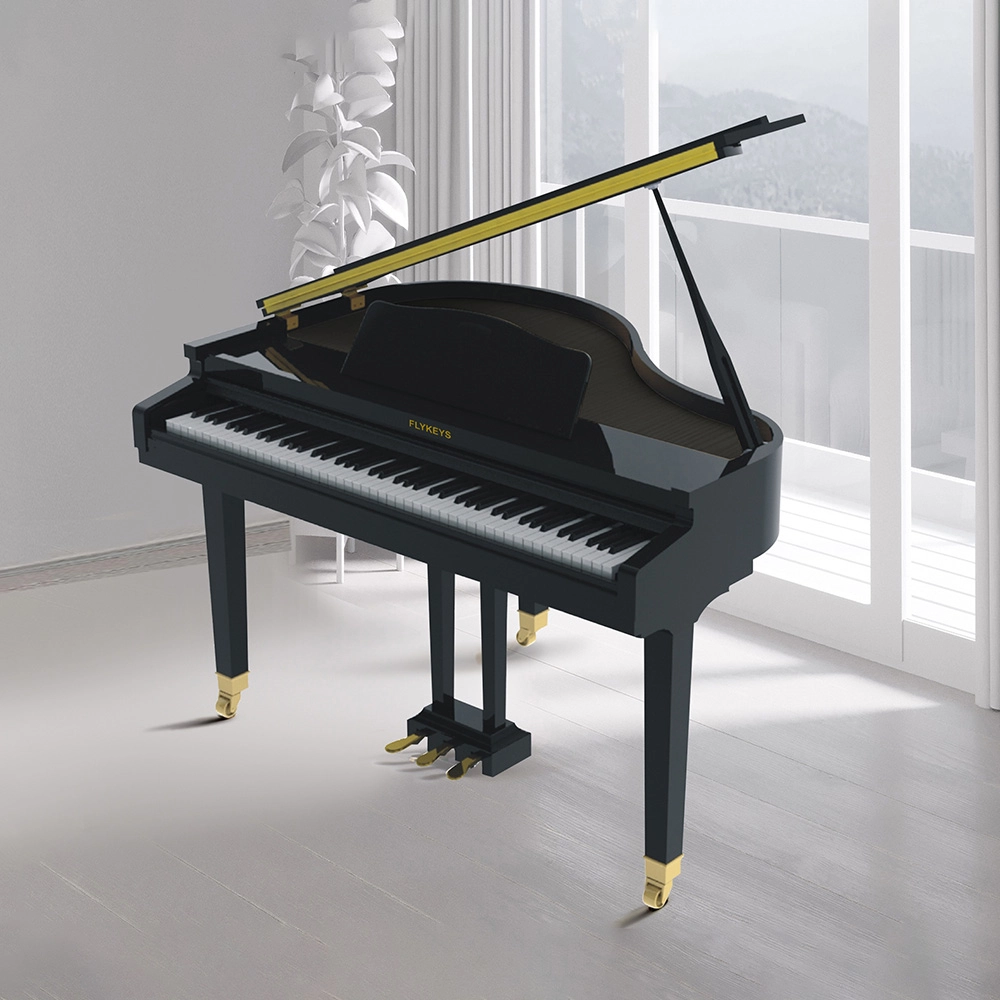
Flykeys 88 Keys Professional Digital Grand Piano Hammer Action Keyboard FGP110 Digital Piano
— Italian Fatar 88 Grand-ResponseTM Key trends with hammer action & dynamic curve
— Independent developed DSP chip, German famous grand piano sound sample
Address: No. 38 Xiangshan Avenue, Zengcheng Economic And Technological Development Zone, Guangzhou, China.
FOLLOW US:


© 2024 FLYKEYS All Rights Reserved. 粤ICP备2020102774号. Designed by gooeyun Sitemap | Privacy | Terms