

How to Choose the keyboard piano manufacturer and supplier ?
- Introduction: Why choosing the right keyboard piano manufacturer matters
- Connecting product vision to reliable manufacturing
- Understand your and sourcing needs
- Define your market position and product goals
- Types of manufacturers and suppliers
- OEM, ODM, and full-brand manufacturers explained
- Key technical and musical quality checks
- Sound engine and samples: how to evaluate tone quality
- Key action and hammer mechanism
- Electronics, polyphony and connectivity
- Certifications, compliance and safety
- Why FCC, CE and RoHS matter for keyboard piano exports
- Manufacturing capacity, lead times and MOQ
- What to expect on sample and production timelines
- Pricing, cost structure and total landed cost
- Beyond unit price: tooling, shipping and after-sales costs
- Customization, branding and IP protection
- Options for cabinetry, finishes and sound branding
- Quality control, testing and warranty commitments
- Quality checkpoints: incoming, in-process, and final inspection
- After-sales support and global service network
- Spare parts, service training and replacement policy
- Case study: Why heritage matters for keyboard piano design
- Pearl River’s experience applied to digital piano craftsmanship
- Comparative checklist: choosing a keyboard piano manufacturer
- Use this table to compare prospective suppliers
- How to run supplier evaluation and selection
- Practical steps for supplier due diligence
- Practical tips for negotiating with keyboard piano manufacturers
- Balance price, quality and partnership terms
- Conclusion: Build a partnership, not just a transaction
- Long-term success depends on alignment and mutual investment
- Frequently Asked Questions
- Sources and references
Introduction: Why choosing the right keyboard piano manufacturer matters
Connecting product vision to reliable manufacturing
Choosing the right keyboard piano manufacturer is a business decision that directly affects product quality, brand reputation, margins, and time-to-market. Whether you are launching your first portable digital piano or upgrading an existing line of keyboard piano products, the choice between an OEM, ODM, or direct brand manufacturer determines how closely the finished instrument will meet player expectations, compliance requirements, and commercial goals.
Understand your and sourcing needs
Define your market position and product goals
Before contacting suppliers, clearly define whether you want a white-label keyboard piano, a semi-custom instrument, or a fully bespoke product. Buyers with —retailers, distributors, schools, and music brands—should map features (weighted keys, polyphony, sampling quality, connectivity, cabinetry), target price points, and expected order volumes. This clarity helps narrow manufacturer candidates efficiently.
Types of manufacturers and suppliers
OEM, ODM, and full-brand manufacturers explained
Choosing between an OEM, ODM, or a brand-owner manufacturer impacts control, cost, and IP ownership. OEMs produce to your specification; ODMs offer ready designs you can brand; full-brand manufacturers (like Pearl River's FLYKEYS) combine manufacturing with R&D and vertical know-how. For keyboard piano buyers, each model has trade-offs in lead time, tooling costs, and minimum order quantities (MOQ).
Key technical and musical quality checks
Sound engine and samples: how to evaluate tone quality
Evaluate the sound engine and piano samples on any keyboard piano candidate. Listen for dynamic range, realism at soft and loud dynamics, and how the instrument responds to varied touch. Manufacturers who can demonstrate multi-layer sampling, sympathetic resonance modeling, and high-quality waveform management typically offer more authentic piano tones.
Key action and hammer mechanism
Inspect the key action: graded hammer action, key weighting, escapement, and long-term durability. A supplier with experience in acoustic piano mechanisms (for example, companies with Pearl River’s piano heritage) can better reproduce authentic touch and feel for keyboard piano products.
Electronics, polyphony and connectivity
Confirm polyphony limits (128 or 256 notes are common for modern digital pianos), MIDI/USB connectivity, Bluetooth audio/MIDI options, and firmware upgradability. These features affect performance for gigging musicians and integration with DAWs and music education software.
Certifications, compliance and safety
Why FCC, CE and RoHS matter for keyboard piano exports
For overseas markets, ensure your supplier’s keyboard piano models comply with relevant certifications: FCC (North America), CE (Europe), and RoHS (hazardous substances restriction). These certifications confirm electromagnetic compatibility, safety and material compliance—critical to clear customs and sell in major markets. FLYKEYS products, for example, have passed FCC, CE and RoHS testing.
Manufacturing capacity, lead times and MOQ
What to expect on sample and production timelines
Lead times vary by manufacturer and complexity. Common timelines: prototypes/samples 2–6 weeks; pre-production samples 3–8 weeks; mass production 45–90 days depending on customization and seasonal demand. Minimum order quantities can range widely—small-batch specialist runs to thousands—so confirm MOQs early to align with inventory strategy.
Pricing, cost structure and total landed cost
Beyond unit price: tooling, shipping and after-sales costs
Evaluate unit price, tooling/setup fees, freight, customs duties, import taxes, local distribution costs, warranty and repair logistics. A seemingly low FOB price can become expensive once shipping, duty, and returns are included. Request a detailed cost breakdown and use total landed cost when comparing suppliers.
Customization, branding and IP protection
Options for cabinetry, finishes and sound branding
Ask suppliers about available customization: cabinetry colors, cabinetry materials, user interface language, pre-loaded sounds and voice branding. Protect your designs with clear contracts and IP clauses, and consider manufacturing in facilities with strict confidentiality and secure tooling management.
Quality control, testing and warranty commitments
Quality checkpoints: incoming, in-process, and final inspection
Agree on quality control standards: AQL sampling, electrical safety testing, acoustic checks, and playability inspections. Ensure your manufacturer supports third-party inspections and provides clear warranty and RMA procedures in writing. Reputable suppliers offer multi-year warranty options and spare-parts availability.
After-sales support and global service network
Spare parts, service training and replacement policy
Evaluate the supplier’s after-sales service: availability of spare parts (keys, sensors, speakers), technician training, remote firmware support, and replacement timelines. For global brands and distributors, a supplier with international service capacity reduces downtime for end customers.
Case study: Why heritage matters for keyboard piano design
Pearl River’s experience applied to digital piano craftsmanship
Manufacturers with a background in acoustic pianos bring decades of tonal and mechanical experience to digital instruments. Guangzhou Pearl River Amason Digital Musical Instrument Co., Ltd. (FLYKEYS) benefits from Pearl River Piano Group's more than 60 years of acoustic piano expertise, which helps create digital keyboard pianos that better emulate acoustic tone and touch thanks to proprietary reduction and sampling technologies.
Comparative checklist: choosing a keyboard piano manufacturer
Use this table to compare prospective suppliers
| Selection Criterion | What to ask / check | Why it matters |
|---|---|---|
| Product portfolio | Do they produce portable digital pianos, upright/grand digital pianos and keyboards? | Shows range and technical depth for future line expansions. |
| Certifications | Are models FCC/CE/RoHS tested? Provide certificates. | Required for legal sale and customer trust in key markets. |
| Manufacturing experience | Years in business; connection to acoustic piano manufacturing? | Experience improves tonal authenticity and action design. |
| MOQs and lead times | Minimum order sizes; sample and bulk lead times. | Directly affects cash flow and inventory planning. |
| Customization capabilities | Can they customize sound, cabinetry, firmware, manuals? | Enables differentiation in crowded keyboard piano markets. |
| Quality control | Inspection processes; AQL levels; third-party inspection access | Ensures consistent product performance and lower return rates. |
| After-sales support | Spare parts, warranty, service network and training | Reduces downtime and supports end-customer satisfaction. |
How to run supplier evaluation and selection
Practical steps for supplier due diligence
- Shortlist suppliers based on product fit and certifications.
- Request product samples and signed NDA for technical discussions.
- Visit the factory or request a virtual factory tour and audit.
- Ask for test reports, production photos and client references.
- Negotiate commercial terms, warranties and lead times in writing.
- Start with a pilot order, then scale after QC verification.
Practical tips for negotiating with keyboard piano manufacturers
Balance price, quality and partnership terms
Don't base the decision solely on the lowest unit price. Negotiate payment terms that protect both sides (e.g., deposit + balance on shipping), include clear warranty and returns policies, and build milestones into tooling and production timelines. Consider supplier stability and capacity during peak seasons.
Conclusion: Build a partnership, not just a transaction
Long-term success depends on alignment and mutual investment
Choosing the right keyboard piano manufacturer is about aligning technical capability, musical quality, certifications, and commercial terms. A partner with deep piano experience, transparent quality systems, and global market certifications (FCC/CE/RoHS) offers faster time-to-market and lower long-term risk. Companies like Guangzhou Pearl River Amason (FLYKEYS) combine acoustic piano heritage with dedicated digital instrument R&D—an example of how vertical expertise benefits keyboard piano brands and buyers.
Frequently Asked Questions
What is the difference between an OEM and an ODM for keyboard pianos?OEMs manufacture to your specifications—design, electronics and mechanical layout come from you. ODMs provide existing designs you can rebrand or slightly modify; they often reduce time-to-market but offer less control over IP.
How important are certifications like CE, FCC and RoHS?Certifications ensure compliance with regional electrical safety and hazardous materials rules. They are mandatory in many markets and help prevent customs delays and legal issues while building consumer trust.
What typical lead times should I expect for a new keyboard piano model?Prototype/sample stage often takes 2–6 weeks; pre-production 3–8 weeks; mass production commonly 45–90 days, depending on complexity and factory backlog.
How can I ensure consistent touch and tone across production batches?Specify detailed acceptance criteria for key action, sampling quality and speaker performance; require AQL inspections and allow third-party QC checks. Maintain ongoing communication with the manufacturer and request production samples at set intervals.
Is it better to source from a manufacturer that also makes acoustic pianos?Manufacturers with acoustic piano heritage often have deeper knowledge of tone production and action design, which can lead to more realistic keyboard piano instruments. However, ensure they also have dedicated digital R&D and electronics expertise.
Sources and references
- FLYKEYS official company information and product portfolio (Guangzhou Pearl River Amason Digital Musical Instrument Co., Ltd.)
- Pearl River Piano Group corporate background and manufacturing heritage
- Industry-standard certification descriptions: FCC, CE, RoHS regulatory outlines
- General manufacturing lead time and MOQ business practices from global electronics and musical instrument supply chains
How to Choose Right best piano stand manufacturer and supplier ?
Wholesale best electronic piano keyboard manufacturer and supplier
OEM/ODM best portable keyboard piano Malaysia Construction Manufacturers and supplier
Top 10 Digital Grand Pianos for Concert Halls and Venues
Products
Are your electronic pianos suitable for beginners?
Yes, we have models designed specifically for beginners, featuring user-friendly interfaces and educational features.
Do you offer software updates for your electronic pianos?
Yes, we regularly release software updates to enhance performance and add new features to our electronic pianos.
What is the warranty period of piano?
We provide 2 years warranty service, if there is any quality problem, we can provide accessories for free
Company
How long has your company been in the electronic piano manufacturing business?
Pearl River Piano has acoustic piano manufacturing experiences for more that 60 years history.
Guangzhou Pearl River Amason Digital Musical Instrument Co.,Ltd., a subsidiary company of Pearl River Piano Group, founded in 2008, and focused on developing and manufacturing digital musical instrument which is one of the three pillar business industries of Pearl River Piano Group.
Where is your company located?
Our headquarters are located in Guangzhou City, China, with manufacturing facilities strategically positioned for efficient global distribution.
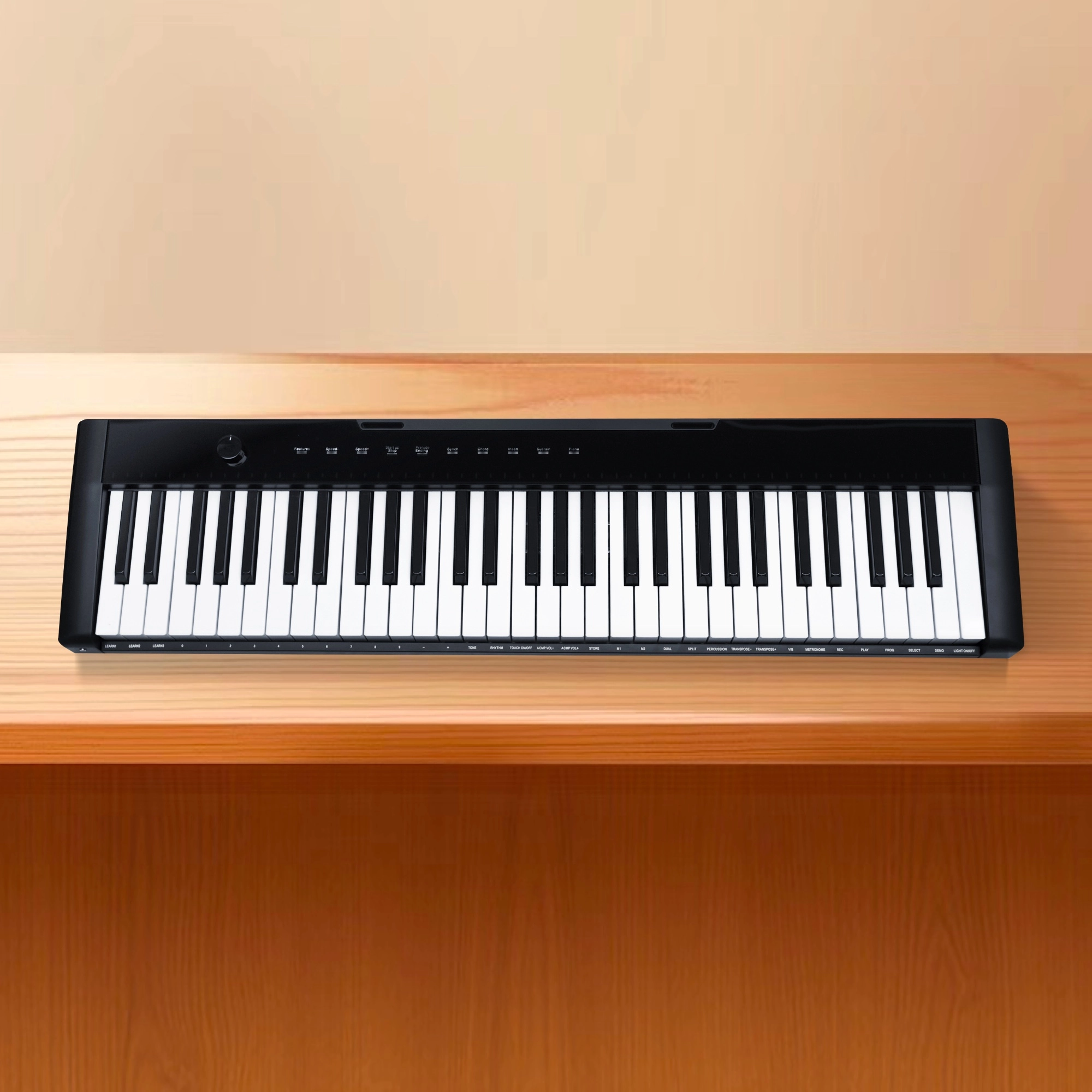
Flykeys 61 keys portable electronic keyboard piano with X stand (M2)
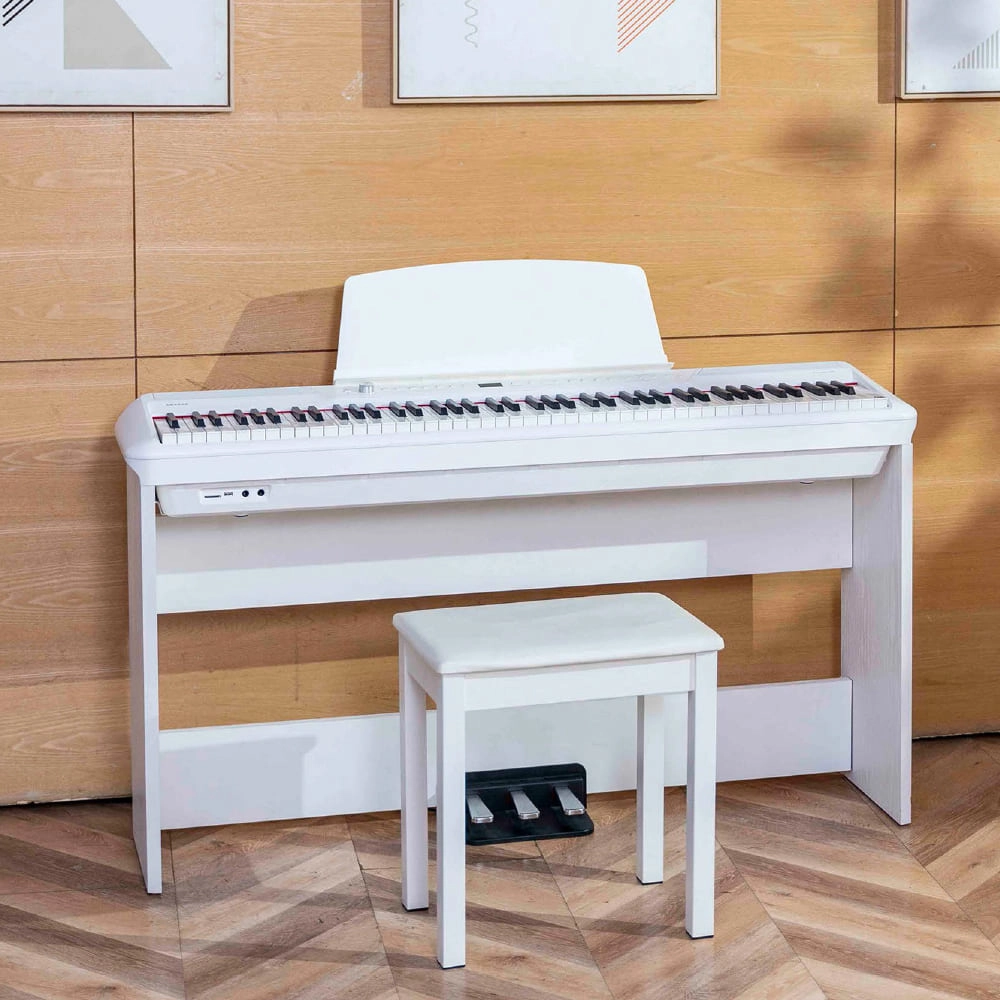
Flykeys Portable Electric Keyboard FP9 Digital Piano
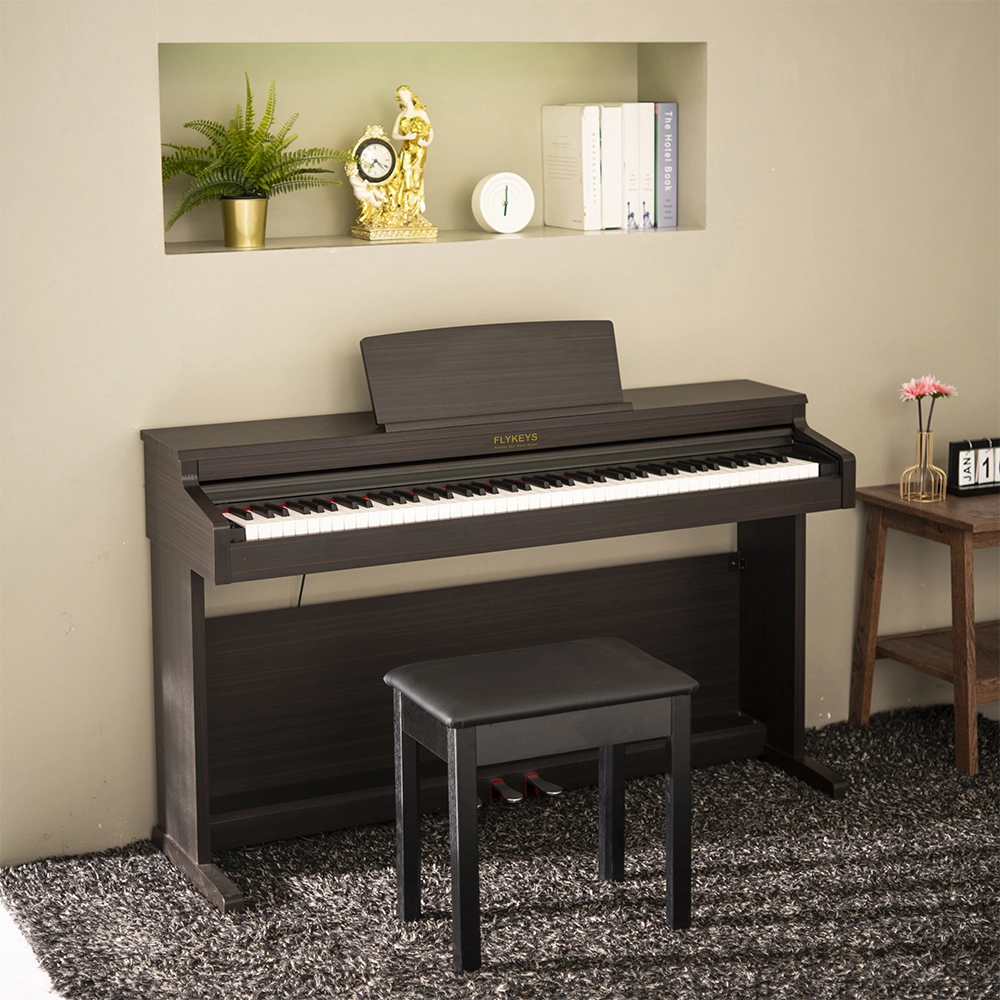
Flykeys 88 Keys Hammer Action keyboard Upright Piano LK03S Digital Piano
— Independent patented technology 88 key Grand-Response hammer action & dynamic curve keyboard;
— European top DSP chip, famous grand piano sound sample;
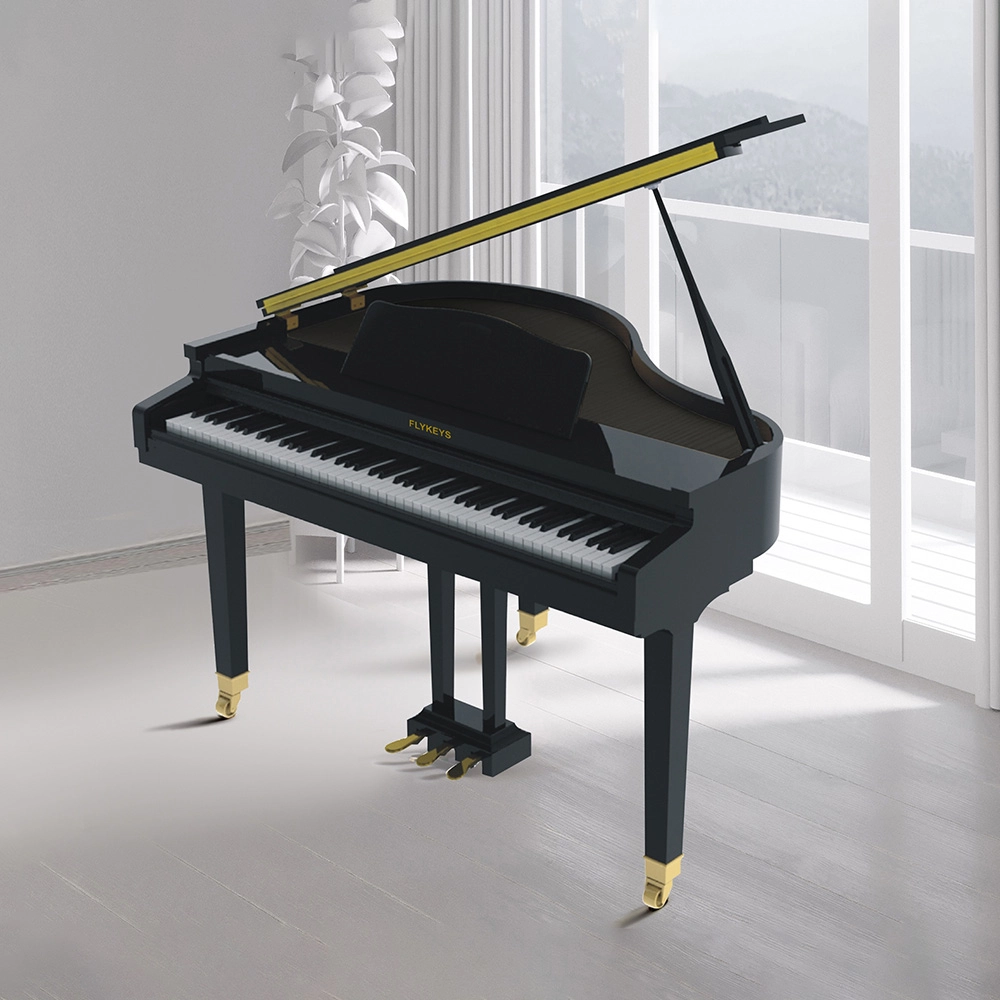
Flykeys 88 Keys Professional Digital Grand Piano Hammer Action Keyboard FGP110 Digital Piano
— Italian Fatar 88 Grand-ResponseTM Key trends with hammer action & dynamic curve
— Independent developed DSP chip, German famous grand piano sound sample
Address: No. 38 Xiangshan Avenue, Zengcheng Economic And Technological Development Zone, Guangzhou, China.
FOLLOW US:


© 2024 FLYKEYS All Rights Reserved. 粤ICP备2020102774号. Designed by gooeyun Sitemap | Privacy | Terms