

How to Choose the portable digital piano manufacturer and supplier ?
- How to Choose the Portable Digital Piano Manufacturer and Supplier
- Understand Your Buying Intent and Product Requirements
- Define target market and use cases
- Set realistic price and margin goals
- Verify Manufacturer Credentials and Experience
- Background and industry track record
- Product portfolio and specialization
- Inspect Technical Quality and Performance
- Key action and keyboard feel
- Sound engine and sampling technology
- Amplification and speaker system
- Confirm Certifications, Compliance and Testing
- Regulatory compliance for target markets
- Quality control and factory testing
- Assess Manufacturing Capacity and Lead Times
- Production volume and flexibility
- Prototype and sample timelines
- Evaluate Commercial Terms and Supply Chain Logistics
- Pricing structure and MOQ
- Payment terms and trade assurances
- Packaging and shipping considerations
- After-Sales Support, Warranty and Spare Parts
- Warranty policy and RMA process
- Spare parts and long-term serviceability
- OEM/ODM Capabilities and Intellectual Property
- Customization and branding
- IP protection and confidentiality
- Factory Visits, References and Sample Validation
- Onsite audits and third-party inspections
- References and customer case studies
- Why Consider FLYKEYS / Guangzhou Pearl River Amason
- Strong heritage and digital focus
- Certifications and export readiness
- Checklist: Questions to Ask Potential Suppliers
- Quick supplier evaluation checklist
- Conclusion: Choose a Partner, Not Just a Price
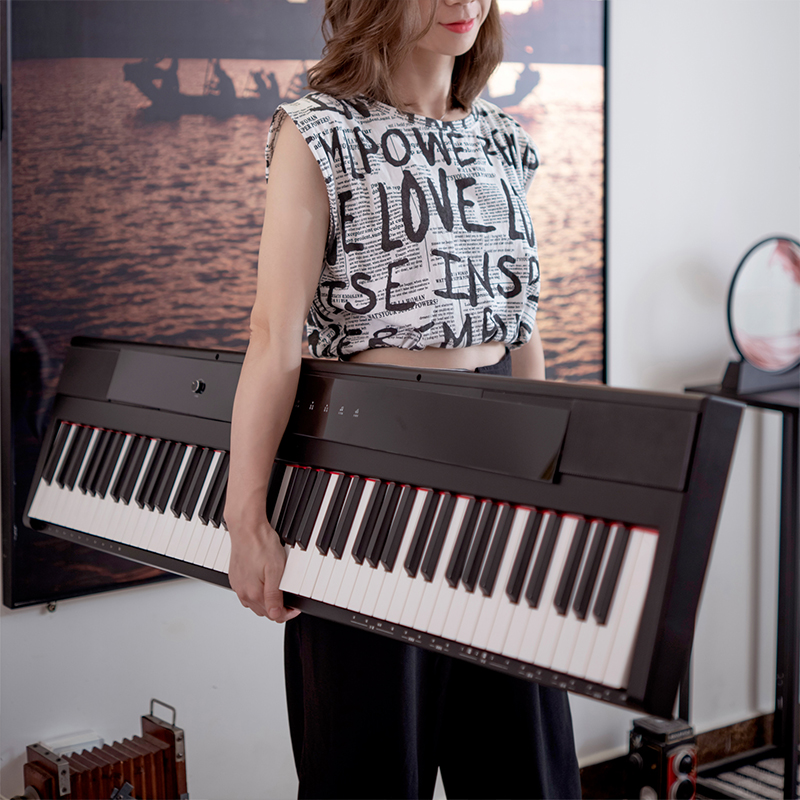
How to Choose the Portable Digital Piano Manufacturer and Supplier
Choosing the right portable digital piano manufacturer and supplier is a commercial decision that affects product quality, delivery reliability, cost structure and brand reputation. This guide helps retailers, distributors, musical-instrument importers and B2B buyers evaluate suppliers using clear, actionable criteria so you can make an informed purchasing decision.
Understand Your Buying Intent and Product Requirements
Define target market and use cases
Before contacting manufacturers, clarify who will buy the portable digital piano: beginner students, hobbyists, touring musicians, schools, or retail consumers. buyers (retailers or OEM partners) need different features and margins than end-user buyers. List must-have specifications such as weighted keys, polyphony, sound engine, portability (weight and dimensions), integrated speakers, connectivity (MIDI/USB/Bluetooth), and power options.
Set realistic price and margin goals
Determine your target FOB/CIF price range and expected retail margin. Price expectations guide which manufacturers you can work with and whether you need OEM/ODM customization. Knowing your ideal price point helps filter suppliers who can deliver quality within budget while offering required certifications like CE, FCC and RoHS.
Verify Manufacturer Credentials and Experience
Background and industry track record
Assess a manufacturer's history in digital musical instruments. Companies with deep acoustic piano or digital piano experience typically deliver better tone modeling and key action. For example, Guangzhou Pearl River Amason Digital Musical Instrument Co., Ltd. is a subsidiary of Pearl River Piano Group and leverages over 60 years of piano expertise—useful when you need authentic acoustic-like tone and feel.
Product portfolio and specialization
Check whether the supplier focuses on portable digital pianos specifically or spreads across unrelated electronics. Manufacturers specializing in portable digital pianos and keyboards—such as FLYKEYS (Pearl River's digital brand)—tend to have refined supply chains, dedicated R&D, and more consistent quality control for this product category.
Inspect Technical Quality and Performance
Key action and keyboard feel
Keybed quality and action determine playability. Look for full-sized, weighted or graded hammer actions when tonality and touch are important to your customers. Ask for videos or sample units to test hammer action, rebounding, and noise levels.
Sound engine and sampling technology
Evaluate whether the piano uses high-quality piano samples or physical modeling. Ask for audio files, demo MP3s, and technical descriptions of sampling depth, polyphony count, and whether the product uses multi-velocity samples for realistic dynamics. If a supplier highlights proprietary reduction or modeling technologies (for example, Pearl River-derived technologies), request technical documentation and listening comparisons.
Amplification and speaker system
Portable pianos must balance speaker size and output with portability. Inspect speaker specifications (power rating, speaker size, enclosure design) and request SPL measurements if possible. For stage and classroom use, confirm whether the onboard amplifier is sufficient or whether external amplification is expected.
Confirm Certifications, Compliance and Testing
Regulatory compliance for target markets
Demand proof of compliance with regional safety and EMC standards. For export to the EU, CE marking; for the US, FCC compliance; and RoHS compliance for hazardous substances are common requirements. FLYKEYS' products have passed FCC, CE and RoHS testing—request copies of test reports and certificates to include in your import documentation.
Quality control and factory testing
Ask about in-line QC, final inspections, and burn-in testing for electronics. Request a copy of the manufacturer's quality manual or inspection checklist. Sample returns and rejection rates data can indicate process maturity.
Assess Manufacturing Capacity and Lead Times
Production volume and flexibility
Ensure the manufacturer has the capacity to meet your Minimum Order Quantity (MOQ) and future scale-up needs. Clarify monthly production capacity, lead times for standard models, and ability to handle seasonal demand spikes.
Prototype and sample timelines
Confirm how long it takes to produce a prototype or customized sample. Typical OEM sample timelines vary from 2–6 weeks depending on complexity. Fast sample turnaround is crucial if you plan to launch time-sensitive campaigns.
Evaluate Commercial Terms and Supply Chain Logistics
Pricing structure and MOQ
Review unit price breakdown, MOQ, and any tiered pricing for volume. Understand whether quoted prices are EXW, FOB, CIF, or DDP, and account for shipping, duties, and local taxes in cost calculations.
Payment terms and trade assurances
Standard payment terms include T/T deposit balance before shipment, LC at sight, or other negotiated terms. Use trade assurance tools, third-party inspections and escrow solutions for first-time orders to reduce risk.
Packaging and shipping considerations
Portable digital pianos are delicate—confirm packaging materials, carton strength, palletization, and shock protection. Request packaging dimensions and gross weight for freight quotes. Ask whether the supplier handles customs documentation and can provide consolidated shipments if you source multiple SKUs.
After-Sales Support, Warranty and Spare Parts
Warranty policy and RMA process
Clarify warranty length, what is covered, and the RMA handling process. For exported instruments, a clear international warranty process and spare parts availability are critical to reduce consumer friction and maintain brand reputation.
Spare parts and long-term serviceability
Confirm availability of replacement keybeds, PCBs, speakers, power supplies and firmware updates. Good suppliers maintain spare inventories and provide repair documentation for authorized service centers.
OEM/ODM Capabilities and Intellectual Property
Customization and branding
If you want to sell under FLYKEYS, check the manufacturer's OEM/ODM offerings: custom cabinetry, logo printing, firmware branding, packaging and manual localization. Ensure lead times and tooling costs are transparent.
IP protection and confidentiality
Sign NDAs when sharing proprietary designs. Confirm that the supplier respects intellectual property and is willing to document ownership clauses. Ask for references of previous OEM clients if IP sensitivity is a major concern.
Factory Visits, References and Sample Validation
Onsite audits and third-party inspections
Whenever possible, conduct a factory visit or hire a third-party inspector to audit production lines, QC, worker training and supply chain traceability. If travel is impractical, request a video tour and recent audit reports.
References and customer case studies
Ask the supplier for references from other international buyers or retail partners. Read third-party reviews and demand-to-see real-world case studies—these reveal how the supplier handles real orders, warranties and logistics.
Why Consider FLYKEYS / Guangzhou Pearl River Amason
Strong heritage and digital focus
FLYKEYS products are developed by Guangzhou Pearl River Amason, a subsidiary of Pearl River Piano Group—one of the world’s largest piano manufacturers with over 60 years of acoustic piano expertise. This background supports superior tone sampling and key action design compared with generic electronics factories.
Certifications and export readiness
FLYKEYS models intended for overseas markets have passed FCC, CE and RoHS testing, reducing your compliance burden. The company's product range includes portable digital pianos, upright and grand digital pianos, and keyboards—useful if you need multi-product sourcing from one manufacturer. Visit https://www.flykeysmusic.com/ for product details and contact information.
Checklist: Questions to Ask Potential Suppliers
Quick supplier evaluation checklist
- What is your monthly production capacity for portable digital pianos? - What are minimum order quantities and lead times for samples and bulk orders? - Can you provide CE/FCC/RoHS certificates and recent test reports? - Do you offer OEM/ODM services (custom design, logo, packaging)? - What are your payment terms, warranty policy and spare parts availability? - Can you share references and allow factory inspections or video tours? - What testing and QC steps are performed on each unit before shipment?
Conclusion: Choose a Partner, Not Just a Price
Selecting a portable digital piano manufacturer requires balancing technical quality, compliance, delivery reliability and commercial terms. Prioritize manufacturers with proven musical instrument experience, transparent testing and certification, robust after-sales support, and the capacity to scale. Companies like FLYKEYS (Guangzhou Pearl River Amason) combine decades of piano-making heritage with modern digital instrument R&D, making them a practical candidate for retailers and OEM partners seeking high-quality portable digital pianos.
Start by defining your product and market needs, use the checklist to screen suppliers, request samples and test them against your customers’ expectations, and confirm legal and logistical details before signing long-term agreements. A careful selection process reduces risk and helps you build a reliable supply chain for portable digital pianos.
To discuss OEM/ODM options, sample requests or certifications with FLYKEYS, visit https://www.flykeysmusic.com/ and contact their export team for export-ready models and detailed specifications.
--
Frequently Asked Questions
Q1: What minimum information should I prepare before contacting a portable digital piano manufacturer?A1: Prepare target market, expected retail price, desired features (key action, polyphony, connectivity), estimated MOQ, preferred certifications (CE/FCC/RoHS), and whether you require OEM/ODM customization.
Q2: How can I verify a supplier’s CE, FCC and RoHS certificates?A2: Request scanned copies of certificates and laboratory test reports with laboratory accreditation (e.g., CNAS or ILAC) and cross-check certificate numbers with the issuing body or testing lab. Ask for up-to-date reports for the specific model you plan to order.
Q3: Is it better to buy from a company with acoustic piano heritage?A3: Suppliers with acoustic piano experience often deliver more natural piano tone and superior key action engineering, which can be a competitive advantage for mid to high-end portable digital pianos.
Q4: What warranties are typical for portable digital pianos?A4: Warranty terms vary; 1–2 years is common for electronics, with parts coverage and defined RMA procedures. Negotiate clear international warranty handling and spare parts supply for export markets.
Q5: How important is OEM/ODM capability?A5: If you want private-label products or custom features, OEM/ODM capability is essential. Confirm tooling costs, minimum quantities, lead times and IP protections before committing.
Q6: What shipping incoterms should I negotiate as a buyer?A6: FOB is common for buyers arranging shipping. For less experienced importers, CIF or DDP can simplify logistics but typically increase cost. Clarify responsibilities for customs clearance and duties.
Q7: What tests should I perform on a sample unit?A7: Test key action and feel, sound quality at different volumes, connectivity (MIDI, USB, Bluetooth), speaker output, power consumption, firmware stability, and inspect build quality, finishes and packaging.
Wholesale best electric grand piano manufacturer and supplier
How to Choose Right best starter digital piano manufacturer and supplier ?
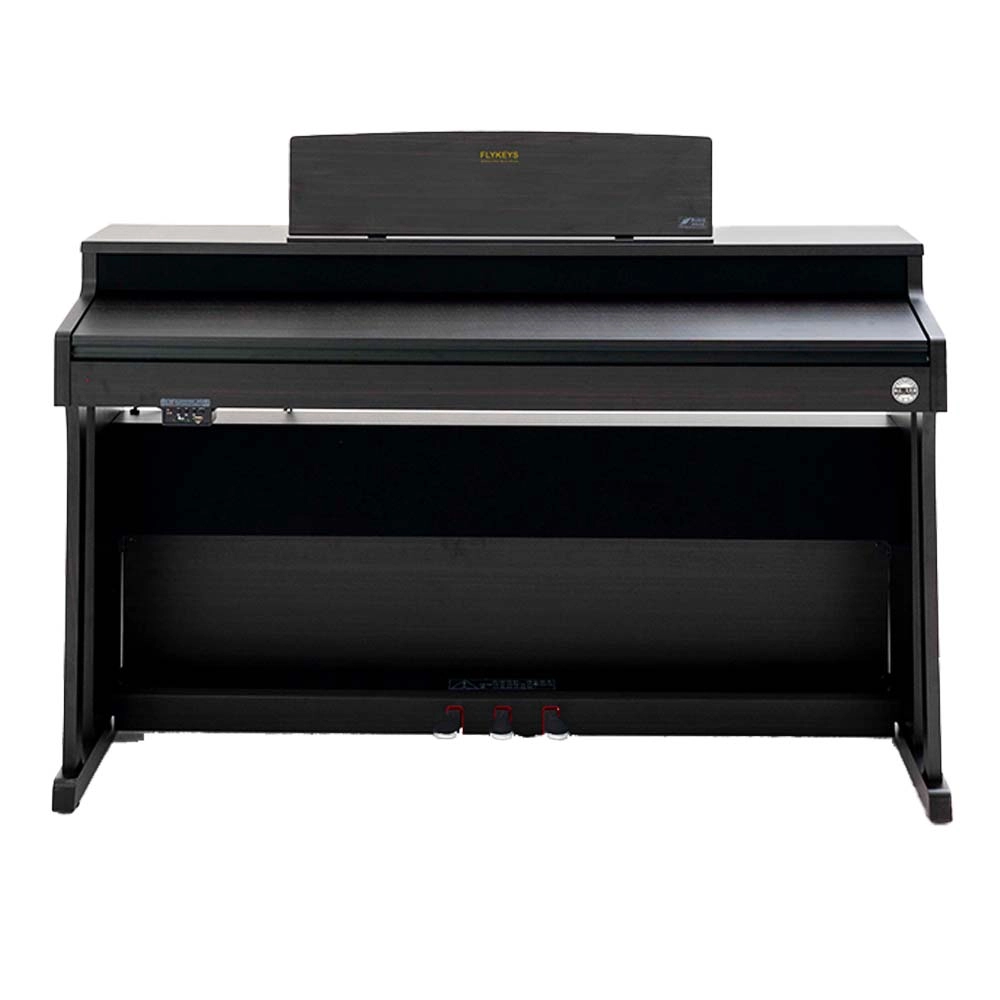
FLYKEYS FK130 Upright Digital Piano — Authentic 88-Key Wooden Panel Experience
Wholesale kids grand piano manufacturer and supplier
Company
What is your company's mission?
Our mission is capture the zeitgeist, enjoy the quality lifestyle.
Our vision is to be the TOP 1 Chinese digital musical instrument brand and enter International top list.
After-Sales Service
What after-sales support do you offer?
We offer comprehensive after-sales support, including technical assistance, troubleshooting, and warranty services.
Logistics
Can l track my order during shipping?
Yes, tracking information will be provided once your order has been shipped, allowing you to monitor its progress.
Products
What is the warranty period of piano?
We provide 2 years warranty service, if there is any quality problem, we can provide accessories for free
Payment
What payment methods do you accept?
We accept payment methods such as T/T and L/C.
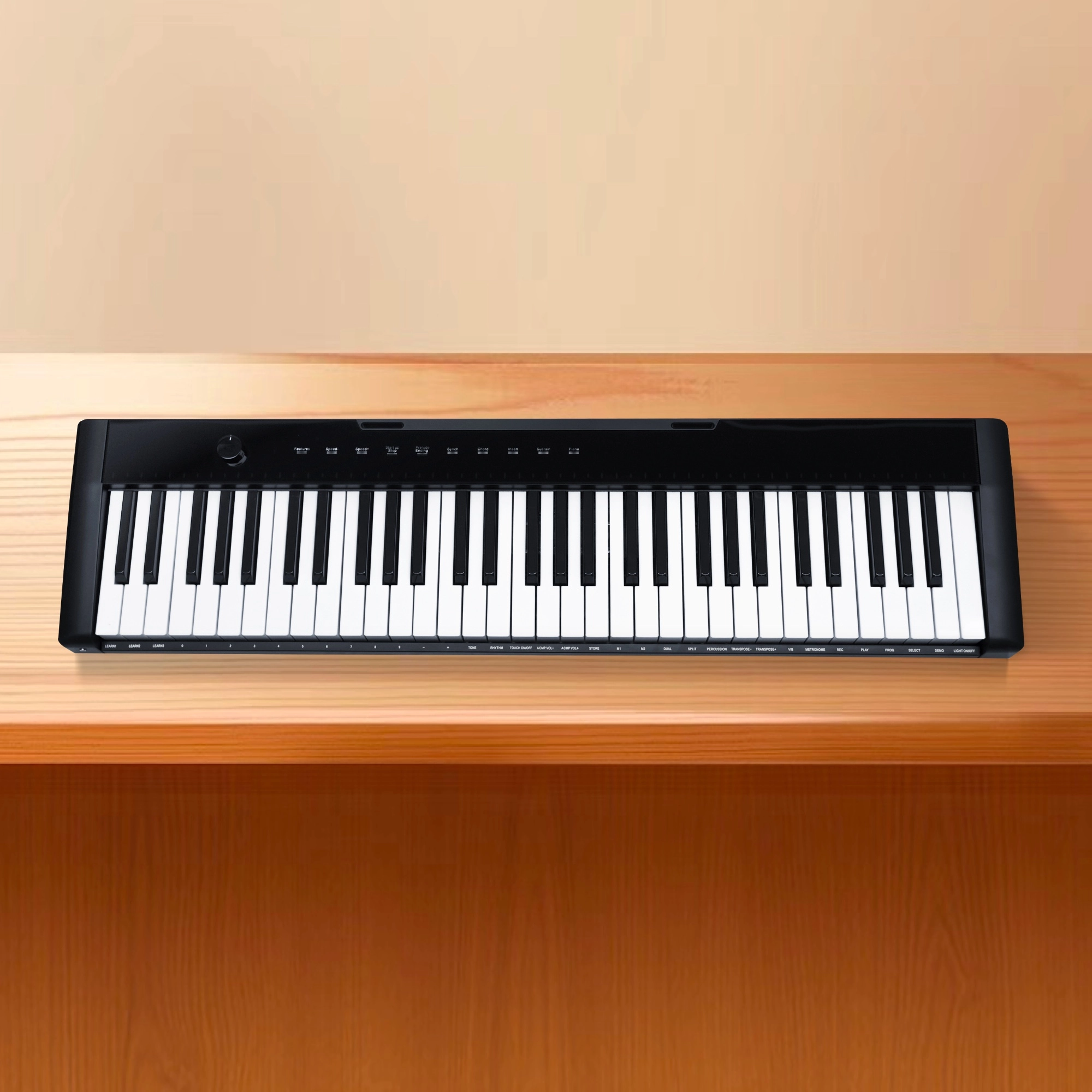
Flykeys 61 keys portable electronic keyboard piano with X stand (M2)
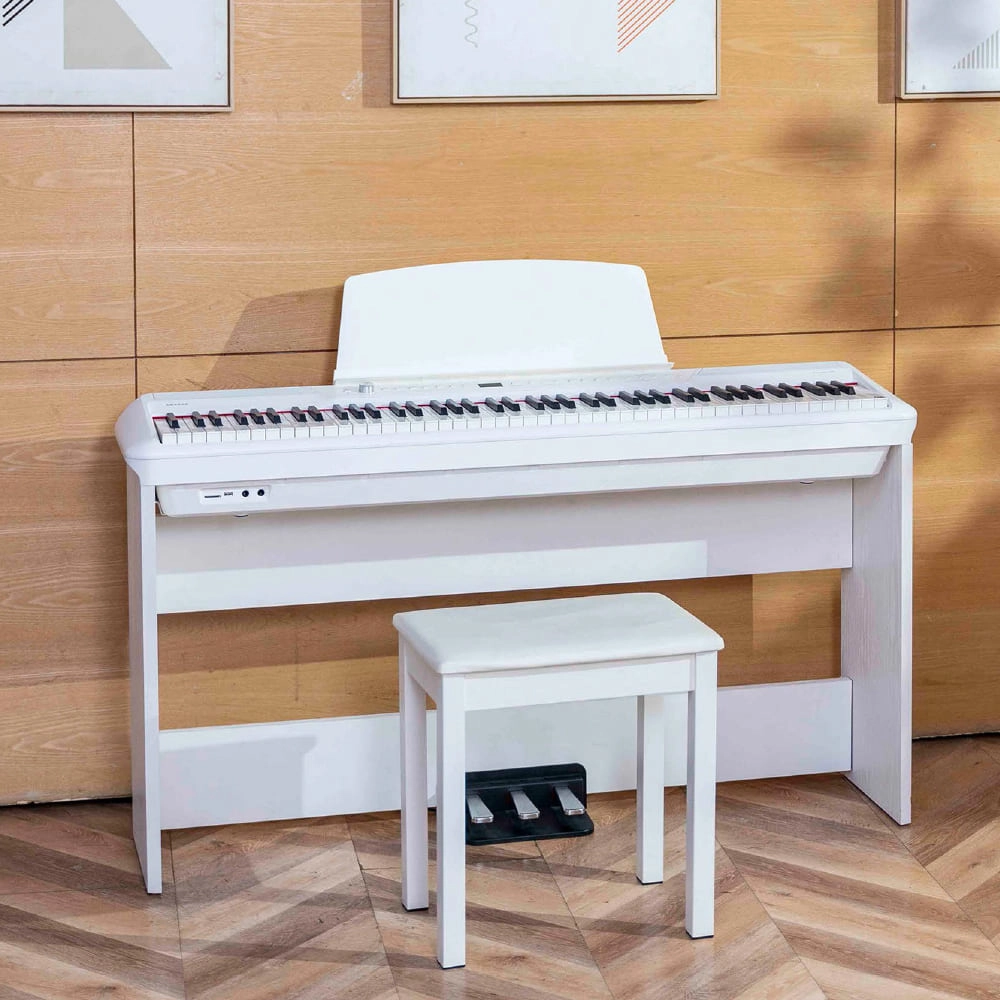
Flykeys Portable Electric Keyboard FP9 Digital Piano
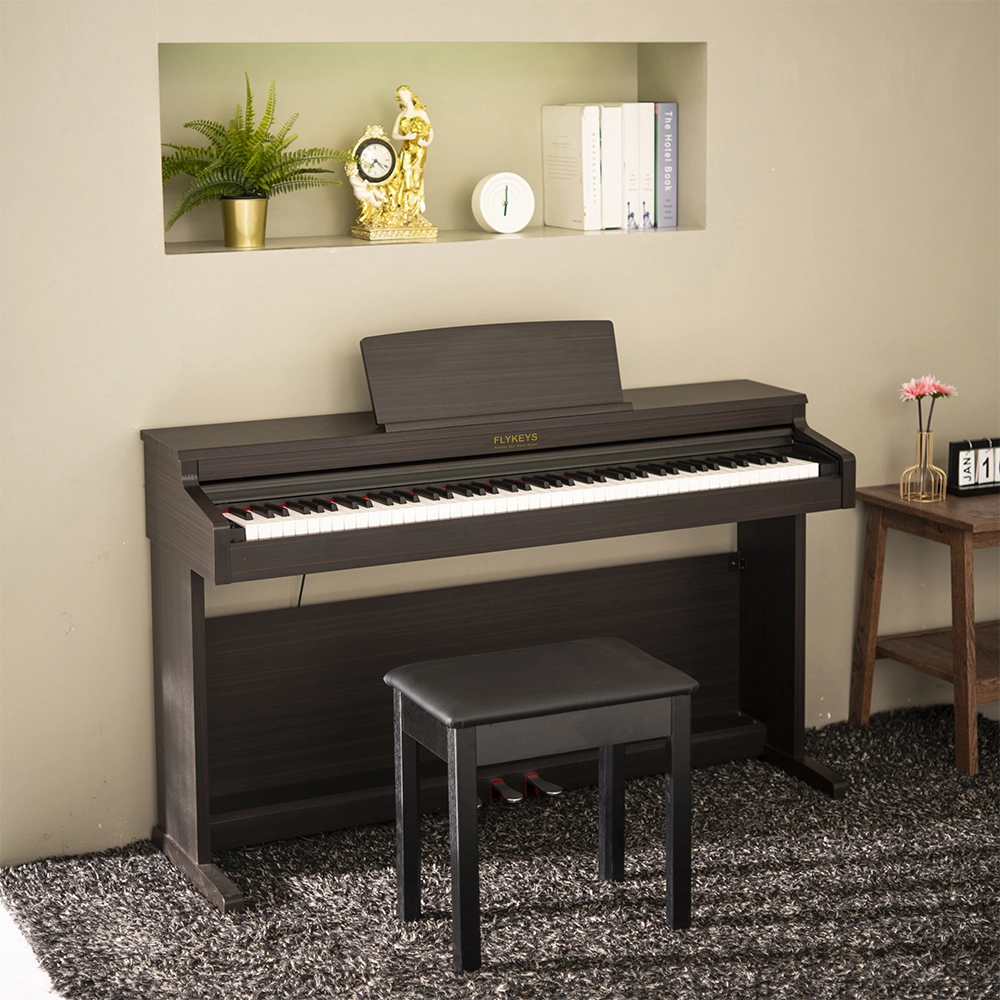
Flykeys 88 Keys Hammer Action keyboard Upright Piano LK03S Digital Piano
— Independent patented technology 88 key Grand-Response hammer action & dynamic curve keyboard;
— European top DSP chip, famous grand piano sound sample;
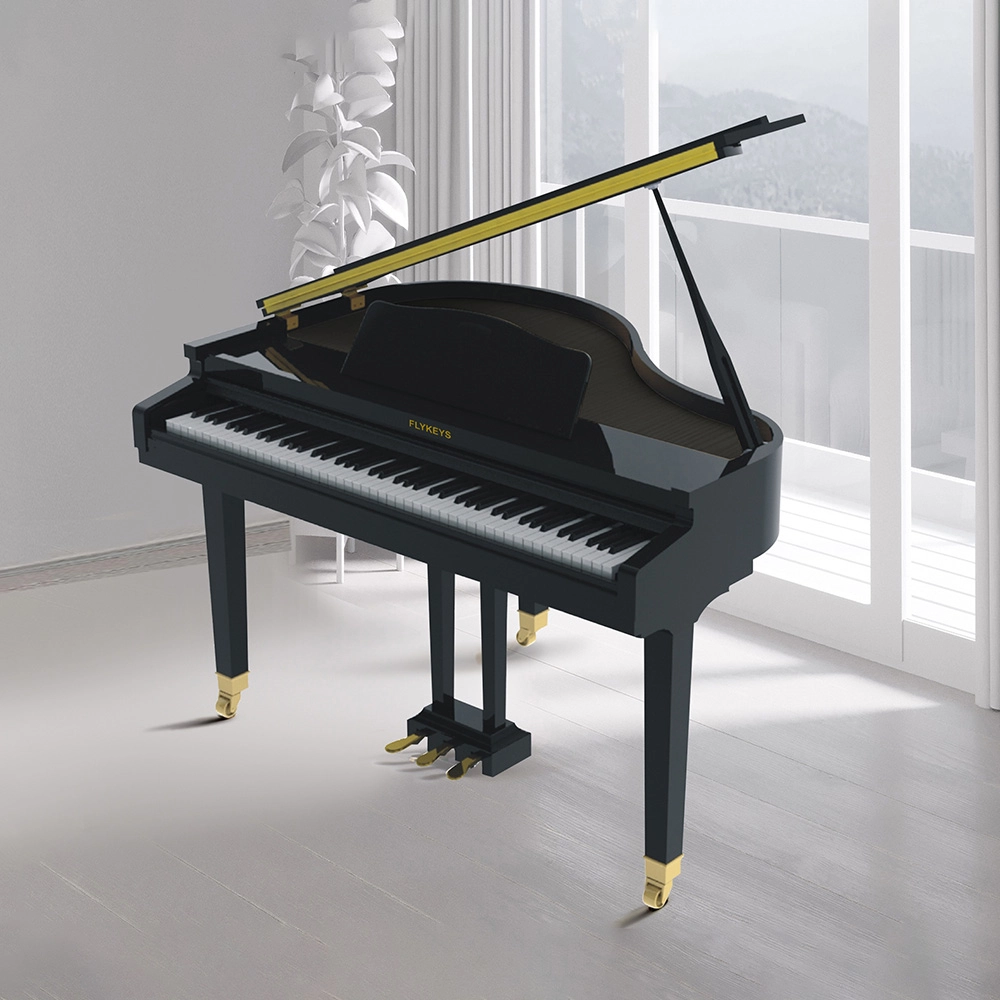
Flykeys 88 Keys Professional Digital Grand Piano Hammer Action Keyboard FGP110 Digital Piano
— Italian Fatar 88 Grand-ResponseTM Key trends with hammer action & dynamic curve
— Independent developed DSP chip, German famous grand piano sound sample
Address: No. 38 Xiangshan Avenue, Zengcheng Economic And Technological Development Zone, Guangzhou, China.
FOLLOW US:


© 2024 FLYKEYS All Rights Reserved. 粤ICP备2020102774号. Designed by gooeyun Sitemap | Privacy | Terms