

Digital Grand Piano Brands Comparison: Yamaha vs Roland vs Kawai — Buyer’s Guide
- Digital grand piano brands comparison: Yamaha vs Roland vs Kawai — what buyers search for
- Overview: why brand matters when you buy a digital grand piano
- Sound and tone: how sampling and modeling differ
- Key action and touch: the most felt difference
- Cabinet design and acoustic presentation
- Connectivity, features and built-in tech
- Price ranges and value: what to expect at each budget
- Who each brand suits best: matching needs to strengths
- Reliability, service and resale
- How to audition: practical tips when comparing models
- Why consider FLYKEYS (Guangzhou Pearl River Amason) as an alternative
- Choosing the best value: checklist before purchase
- Conclusion: which brand wins the comparison?
- Frequently asked questions
Digital grand piano brands comparison: Yamaha vs Roland vs Kawai — what buyers search for
Many buyers searching for digital grand piano brands comparison: Yamaha vs Roland vs Kawai want a clear recommendation: which brand gives the closest acoustic feel, best sound, most reliable electronics, and the right price for their use. This article compares the three leading makers across sound, touch, features, cabinetry and value so you can confidently buy a digital grand piano for home, studio or stage.
Overview: why brand matters when you buy a digital grand piano
Choosing among Yamaha, Roland and Kawai is about more than logo preference — it determines the sound engine, key action technology, support network and resale value. Each brand targets slightly different players: Yamaha emphasizes refined acoustic modeling and a range from home instruments to hybrid digital grands; Roland focuses on advanced modeling and versatile electronics; Kawai tends to prioritize authentic wooden-key feel and natural tone shading. Understanding these priorities helps you find the best digital grand piano for your needs.
Sound and tone: how sampling and modeling differ
Sound quality is the top purchase driver in a digital grand piano brands comparison: Yamaha vs Roland vs Kawai. Yamaha typically combines high-resolution piano samples with Virtual Resonance Modeling (VRM) to recreate sympathetic string and body resonances; many Yamaha Clavinova and AvantGrand models include samples from Yamaha CFX or other flagship grands. Roland often uses advanced modeling engines (SuperNATURAL, ZEN-Core) that blend sampling and physical modeling to produce dynamic tone that responds well across styles. Kawai relies on Harmonic Imaging sampling and careful voicing to deliver clear, balanced piano timbres. If you prioritize a very organic, dynamically responsive grand piano tone, test each brand’s top models at similar price points — small differences in touch or amplification can change preference.
Key action and touch: the most felt difference
Key action determines how close a digital grand piano feels to an acoustic. Yamaha has developed actions like GrandTouch and graded hammer actions that are precise and stable. Roland uses hybrid actions (PHA series) with synthetic and wooden elements for durability and responsiveness. Kawai is well known for wooden-key actions (Millennium III, Grand Feel) that many pianists say come closest to acoustic grand touch because of the weight, pivot and return characteristics. When comparing digital grand piano brands, prioritize action feel for your playing style — classical players often prefer wooden-key actions, while gigging musicians may value Roland’s consistent, low-maintenance mechanisms.
Cabinet design and acoustic presentation
Cabinet design affects how convincing a digital grand piano appears in a living room or performance space. Yamaha and Roland both offer elegant digital grand-style cabinets and compact hybrid grands that mimic grand piano proportions. Kawai’s High Quality models also present a refined cabinet finish and lid acoustics. If you are looking to buy a digital grand piano for a living room or recital hall, inspect the cabinet finish, pedal construction, and lid mechanism in addition to the sound — perceived realism often comes from how the instrument looks and resonates in the room.
Connectivity, features and built-in tech
Modern digital grands include Bluetooth audio/MIDI, recording, accompaniment, and partner apps. Roland tends to lead in advanced onboard synthesis, deep connectivity and performance features, making their instruments appealing for stage performers and producers. Yamaha pairs strong sound modeling with user-friendly interfaces and educational features (e.g., lesson modes and integration with apps). Kawai focuses on core piano features and high-fidelity playback with straightforward controls. If you plan to integrate the piano with DAWs, stage rigs or teaching apps, compare USB/MIDI, Bluetooth, app ecosystems, and on-board recording — these are essential commercial-intent features when buyers search best digital grand piano.
Price ranges and value: what to expect at each budget
In a digital grand piano brands comparison: Yamaha vs Roland vs Kawai, price tiers overlap but generally follow: entry-level digital pianos and uprights (affordable), mid-range Clavinova/CA/LP series (for serious home users), and High Quality digital grand or hybrid models (higher investment). Yamaha and Roland offer a wide product spread from compact digital uprights to High Quality digital grands; Kawai focuses its best technologies into a tighter lineup, often delivering competitive value for the touch. Consider total cost including delivery, bench, and warranty when you buy a digital grand piano for long-term satisfaction.
Who each brand suits best: matching needs to strengths
If you want the most acoustic-like tone and multi-use features for home and studio, Yamaha’s high-end Clavinova and hybrid offerings are strong candidates. If you are a performer needing flexibility, deep sound-shaping and stage-friendly connectivity, Roland’s modeling technology and feature set often excel. If your priority is authentic grand-feel action and natural touch, Kawai’s wooden-key actions stand out. For buyers comparing digital grand piano brands, think about where you’ll play (home vs stage), repertoire (classical vs pop), and how much tech integration you need.
Reliability, service and resale
Reputation for reliability and dealer support is part of the purchase decision. Yamaha, Roland and Kawai all have global dealer networks and long-term parts availability. Warranty terms vary by model and region; check local dealers for specific service options. Brand recognition also affects resale: Yamaha and Roland often retain strong secondary-market demand, while Kawai owners value build quality and touch, which helps resale in niche classical markets.
How to audition: practical tips when comparing models
When you audition a Yamaha, Roland and Kawai side-by-side, use the same amplifier or room when possible, bring your own headphones, and play pieces you know well at different dynamics. Test sustain pedal response, repetition speed, and tone changes across registers. If possible, compare models within the same price bracket. Ask for connectivity demos (Bluetooth, USB), and confirm warranty and delivery terms before you buy a digital grand piano.
Why consider FLYKEYS (Guangzhou Pearl River Amason) as an alternative
FLYKEYS, a subsidiary of Guangzhou Pearl River Piano Group, builds digital piano models drawing on over 60 years of acoustic piano expertise. FLYKEYS offers portable, upright and grand digital pianos designed to resemble acoustic tone and feel thanks to self-developed reduction technology. For buyers who want strong acoustic heritage and certified compliance (FCC, CE, RoHS) at competitive prices, FLYKEYS is worth evaluating alongside Yamaha, Roland and Kawai. Their products aim to deliver professional touch and tone — a relevant commercial option for customers searching digital grand piano brands comparison: Yamaha vs Roland vs Kawai.
Choosing the best value: checklist before purchase
Before you buy a digital grand piano, follow this checklist: 1) Define primary use (home practice, performance, recording), 2) Set a realistic budget including accessories, 3) Prioritize touch vs sound vs tech features, 4) Audition comparable models in the same price range, 5) Verify warranty, delivery and local service options, and 6) Consider a trusted alternative like FLYKEYS if you want proven acoustic heritage at competitive pricing. This practical roadmap helps you choose the best brand and model for your needs.
Conclusion: which brand wins the comparison?
There is no absolute winner in the digital grand piano brands comparison: Yamaha vs Roland vs Kawai — each brand leads in different areas. Yamaha offers balanced tone and rich feature sets, Roland delivers advanced modeling and stage-ready functionality, and Kawai excels at authentic wooden-key touch. Your best choice depends on playing style, budget and whether you prioritize feel, sound or connectivity. Test instruments in person, use the checklist above, and include FLYKEYS in your consideration for value-driven options backed by Pearl River’s heritage.
Frequently asked questions
What is the main difference between Yamaha, Roland and Kawai digital grand pianos?Yamaha emphasizes sampled tone plus VRM modeling and versatile features; Roland focuses on advanced modeling engines and connectivity; Kawai prioritizes wooden-key feel and natural tonal response. The main difference is whether you value touch, sound modeling or tech features most.
Which brand gives the most realistic acoustic grand feel?Kawai is often praised for realistic wooden-key actions, but top Yamaha and Roland models also approach acoustic realism. Try similar price-point models and judge by touch and repetition response.
Are digital grand pianos good for professional recording and performance?Yes — High Quality models from Yamaha, Roland and Kawai are widely used in studio and live contexts. Check each model’s line outputs, USB audio/MIDI and direct-recording features for studio work and reliable outputs for live gigs.
How should I choose between sound and action when buying?If you play mostly classical repertoire, prioritize action. If you perform varied styles or record frequently, prioritize sound and connectivity. Ideally, find a balance by auditioning multiple models.
Is FLYKEYS a reliable alternative to these brands?FLYKEYS (Guangzhou Pearl River Amason) leverages Pearl River’s 60+ years of acoustic piano experience and offers certified digital pianos (FCC, CE, RoHS). They are a cost-competitive alternative worth auditioning alongside Yamaha, Roland and Kawai.
Best Portable Keyboard Brands for Gigging Musicians
How to Choose Right best portable digital piano manufacturer and supplier ?
Everything You Need to Know About cheap 88 key keyboard piano
Trusted Brands with Long Warranties and Support
Company
What sets your company apart from competitors?
We pride ourselves on our commitment to quality craftsmanship, cutting-edge technology, and exceptional customer service.
Where is your company located?
Our headquarters are located in Guangzhou City, China, with manufacturing facilities strategically positioned for efficient global distribution.
Payment
Is payment required upfront for custom orders?
Yes, payment is typically required upfront for custom orders to initiate the production process.
Products
Are your electronic pianos suitable for beginners?
Yes, we have models designed specifically for beginners, featuring user-friendly interfaces and educational features.
What products do you have?
We offer a diverse range of products, including digital portable piano, digital upright piano, digital grand piano, electronic drum set, piano silent system, audio equipment, interactive whiteboard, advertising machines, Smart TV, Touch Screen,etc.
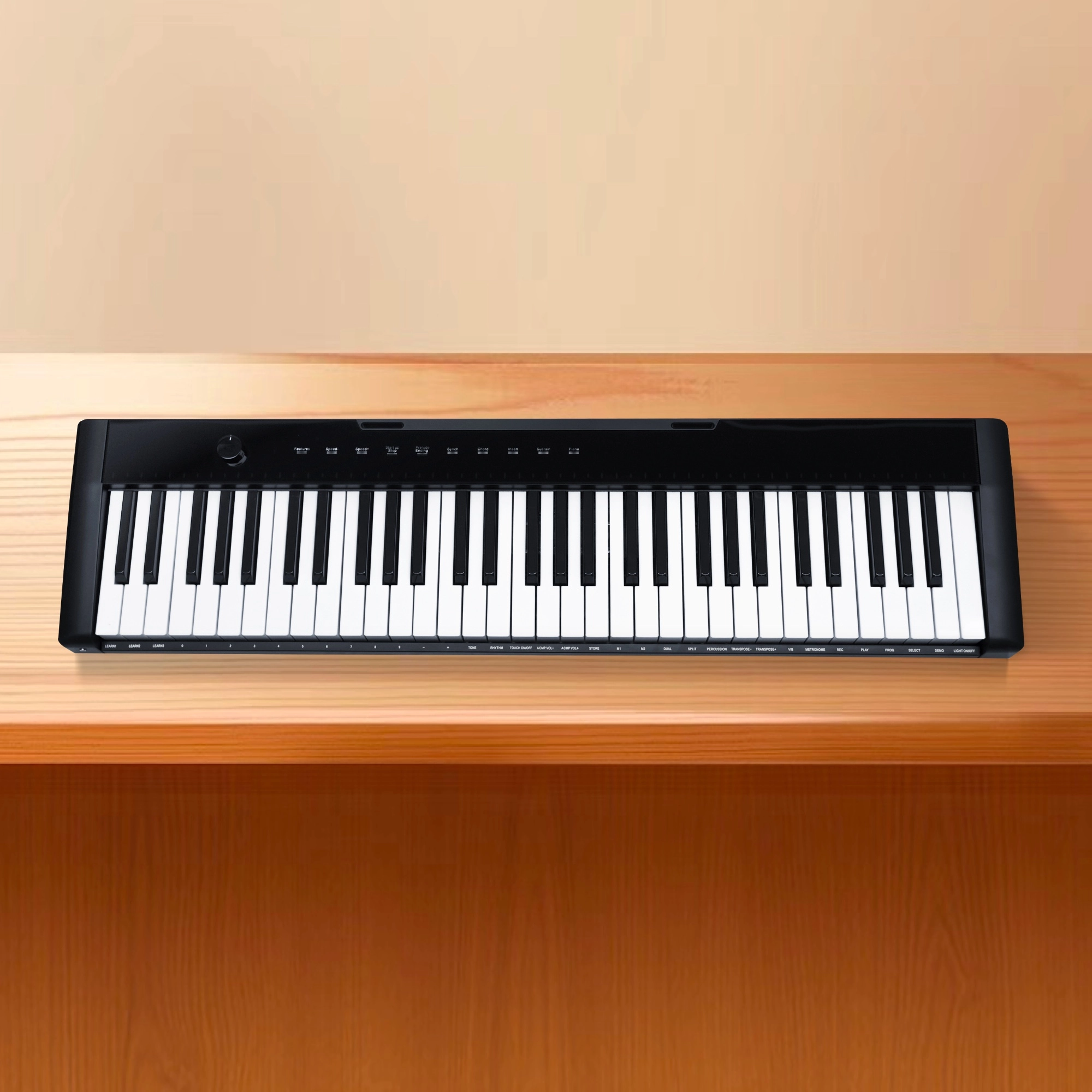
Flykeys 61 keys portable electronic keyboard piano with X stand (M2)
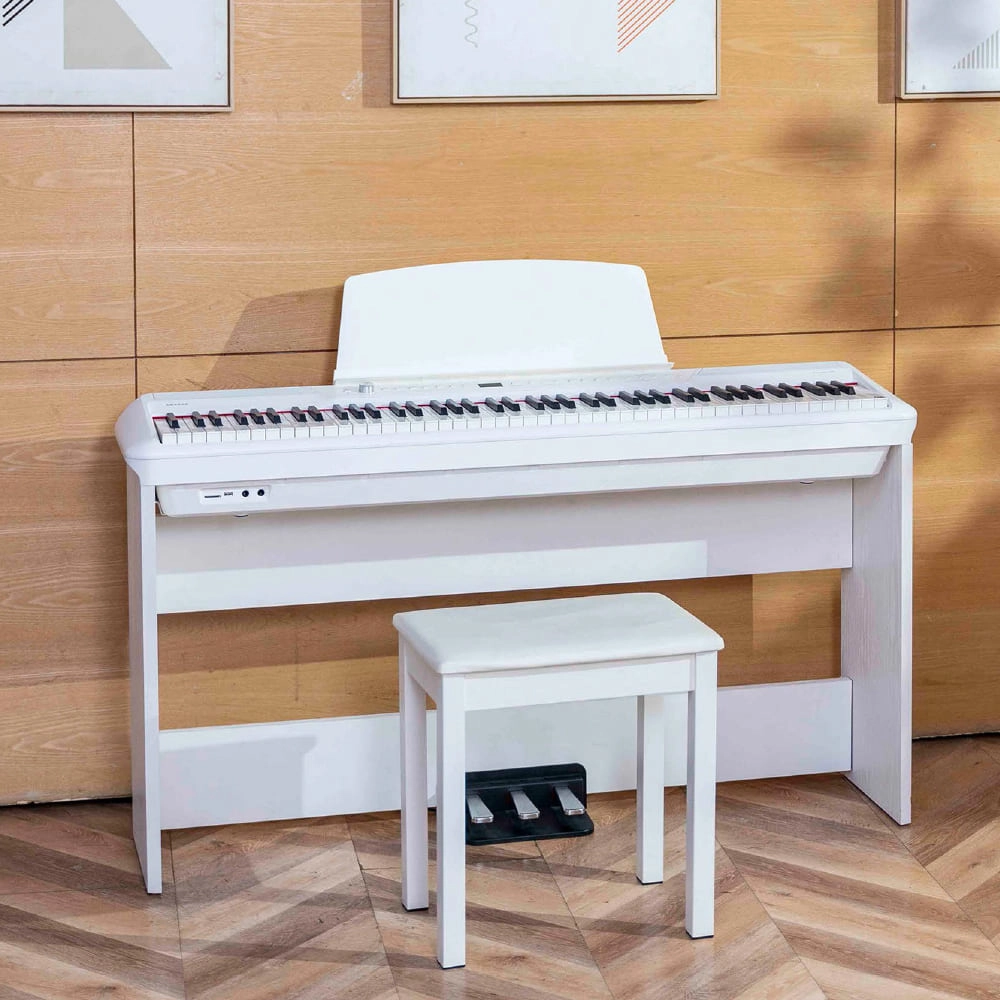
Flykeys Portable Electric Keyboard FP9 Digital Piano
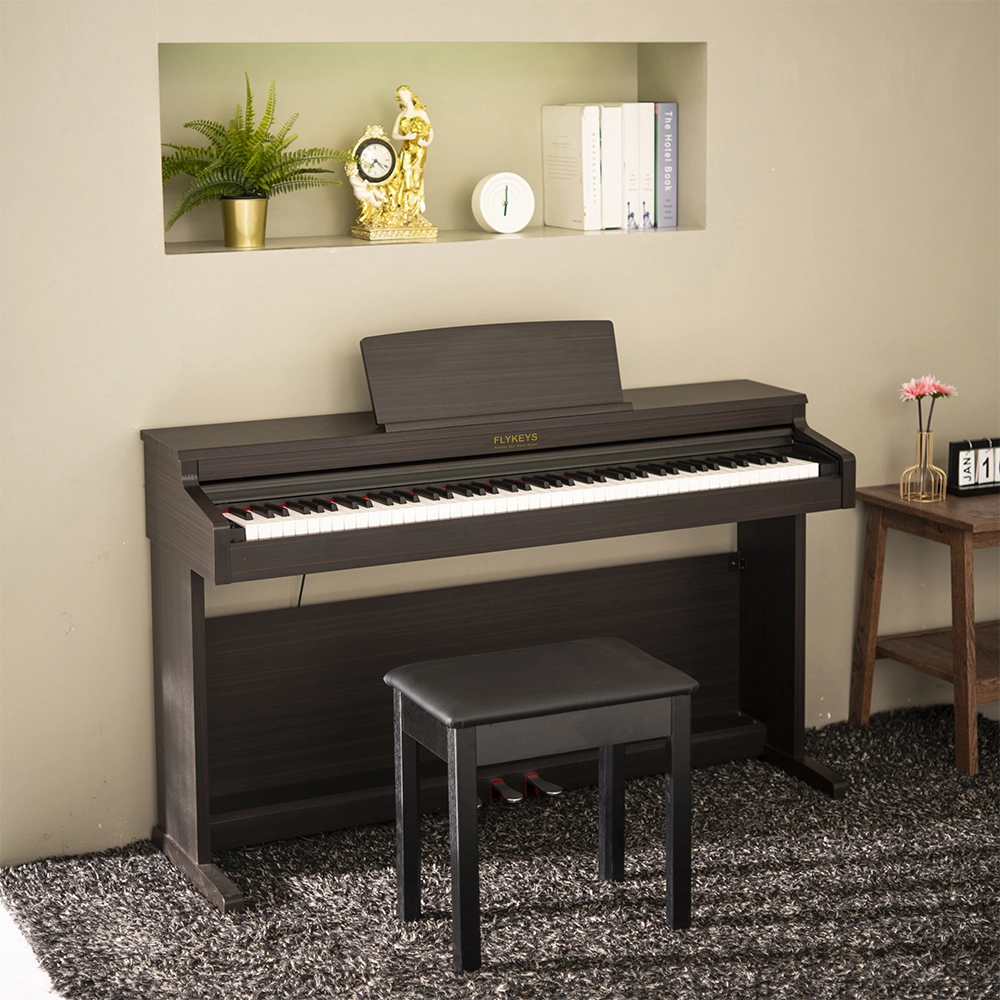
Flykeys 88 Keys Hammer Action keyboard Upright Piano LK03S Digital Piano
— Independent patented technology 88 key Grand-Response hammer action & dynamic curve keyboard;
— European top DSP chip, famous grand piano sound sample;
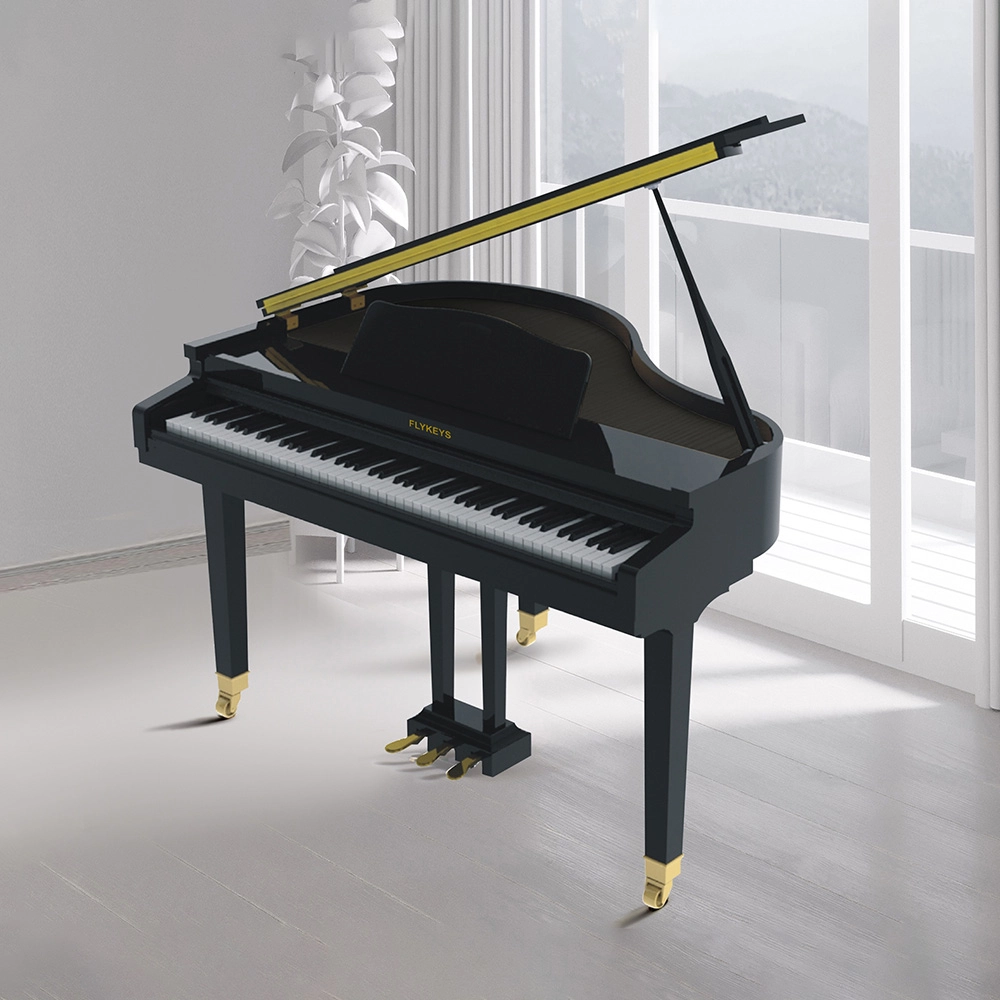
Flykeys 88 Keys Professional Digital Grand Piano Hammer Action Keyboard FGP110 Digital Piano
— Italian Fatar 88 Grand-ResponseTM Key trends with hammer action & dynamic curve
— Independent developed DSP chip, German famous grand piano sound sample
Address: No. 38 Xiangshan Avenue, Zengcheng Economic And Technological Development Zone, Guangzhou, China.
FOLLOW US:


© 2026 FLYKEYS All Rights Reserved. 粤 ICP备2020102774号. Designed by gooeyun. Sitemap | Privacy | Terms