

Digital Piano vs Acoustic Piano Comparison for deeper insight
- Digital Piano vs Acoustic Piano: A Practical Overview
- Introduction to Digital Piano vs Acoustic Piano
- What Is a Digital Piano and What Is an Acoustic Piano?
- Definition: Digital Piano in modern use
- Definition: Acoustic Piano basics
- Sound Quality: Digital Piano Sampling vs Acoustic Resonance
- How Digital Piano sound is created
- Acoustic Piano sound characteristics
- Touch and Action: Key Feel Differences
- Digital Piano key mechanisms
- Acoustic Piano action advantages
- Cost Comparison: Digital Piano vs Acoustic Piano
- Typical pricing ranges for Digital Piano
- Typical pricing ranges for acoustic pianos
- Maintenance and Lifespan Considerations
- Maintenance needs for Digital Piano
- Maintenance needs for acoustic piano
- Portability and Space: Where Digital Piano Excels
- Portability benefits of Digital Piano
- Space considerations for acoustic piano
- Features and Technology: Recording, Connectivity and Sounds
- Digital Piano modern features
- Acoustic piano and technology
- Resale Value and Long-Term Investment
- Resale dynamics for Digital Piano
- Resale dynamics for acoustic piano
- Objective Comparison Table: Digital Piano vs Acoustic Piano
- Side-by-side data for common decision factors
- Who Should Buy a Digital Piano?
- Ideal users for a Digital Piano
- Who Should Choose an Acoustic Piano?
- When acoustic pianos make the most sense
- Buying Tips: How to Evaluate a Digital Piano
- Checklist for testing Digital Piano models
- FLYKEYS: Advantages and Product Highlights
- Why consider FLYKEYS for a Digital Piano
- FLYKEYS main products and advantages
- Practical Scenarios: Which Piano Fits Which Use Case?
- Scenario-based recommendations
- Environmental and Acoustic Factors
- Room and humidity considerations
- Summary: How to Decide Between a Digital Piano and an Acoustic Piano
- Final decision framework
- FAQ — Frequently Asked Questions
- 1. Does a Digital Piano sound like a real piano?
- 2. How long do Digital Pianos last compared to acoustic pianos?
- 3. Can I teach on a Digital Piano?
- 4. Is polyphony important in a Digital Piano?
- 5. Are Digital Pianos good for recording?
- 6. How do I choose between portable and console-style Digital Pianos?
- 7. What certifications matter for Digital Piano exports?
- 8. Can a Digital Piano replace an acoustic piano for learning?
- Closing note
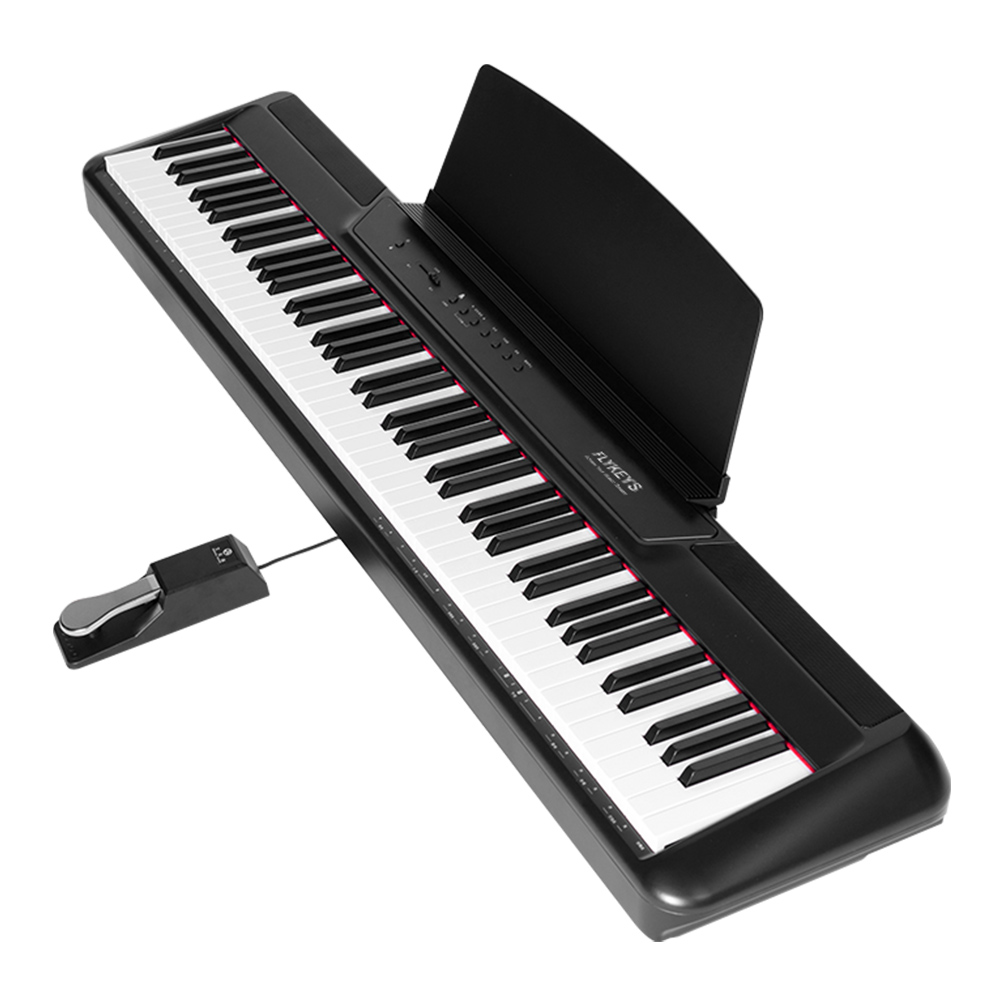
Digital Piano vs Acoustic Piano: A Practical Overview
Introduction to Digital Piano vs Acoustic Piano
Choosing between a Digital Piano and an acoustic piano is a common crossroads for beginners, teachers, gigging musicians and home players. This comparison prioritizes user needs—tone, touch, budget, space, maintenance and recording—to help you decide which instrument fits your goals.
What Is a Digital Piano and What Is an Acoustic Piano?
Definition: Digital Piano in modern use
A Digital Piano is an electronic instrument designed to emulate the sound and feel of an acoustic piano using sampled tones or physical modeling. A Digital Piano typically includes features such as headphone outputs, MIDI/USB connectivity, built-in speakers, multiple instrument voices and selectable polyphony. For many buyers, the keyword Digital Piano signals practicality, tech features and modern convenience.
Definition: Acoustic Piano basics
An acoustic piano (upright or grand) produces sound mechanically via hammers striking strings. Acoustic pianos offer direct resonance, complex overtones and an organic touch response that many players prize. Acoustic instruments require tuning and periodic maintenance but deliver unmatched acoustic projection and long-term value for certain users.
Sound Quality: Digital Piano Sampling vs Acoustic Resonance
How Digital Piano sound is created
Digital Piano sound comes from high-quality multisampled recordings or modeling engines. High-end Digital Pianos use multiple velocity layers, stereo sampling, sympathetic resonance simulation and effects (reverb, mic positions) to approach acoustic complexity. Typical polyphony in Digital Piano models ranges from 64 notes (entry level) to 128–256 notes (mid to high-end), which matters when using sustain and layered sounds.
Acoustic Piano sound characteristics
Acoustic pianos produce continuous, naturally evolving tones and complex sympathetic vibrations between strings and the soundboard. The harmonic richness and room interaction are inherently analog; for many classical and jazz players, this quality is central to musical expression.
Touch and Action: Key Feel Differences
Digital Piano key mechanisms
Digital Piano key actions attempt to reproduce graded hammer action and weighted keys. Top-tier models use progressive hammer mechanisms and synthetic ivory-like keytops, delivering convincing resistance and repetition. While excellent digital actions exist, many advanced pianists still notice subtle differences compared with a finely regulated acoustic action.
Acoustic Piano action advantages
An acoustic piano's mechanical action provides direct physical feedback and nuanced control, including repeated-note behavior and escapement feel. For conservatory-level repertoire and touch-sensitive phrasing, many performers prefer a well-maintained acoustic action.
Cost Comparison: Digital Piano vs Acoustic Piano
Typical pricing ranges for Digital Piano
The price of a Digital Piano varies by features and build quality. Typical ranges (USD): entry-level $300–$1,000, mid-range $1,000–$3,000, high-end $3,000–$10,000+. High Quality models that replicate grand piano nuances fall into the upper range.
Typical pricing ranges for acoustic pianos
Acoustic pianos carry higher entry and long-term costs. Upright acoustic pianos commonly range $3,000–$10,000 for new models; quality used uprights may be lower. New grands start around $30,000 and can exceed $200,000 for concert instruments. These prices reflect materials, craftsmanship and brand heritage.
Maintenance and Lifespan Considerations
Maintenance needs for Digital Piano
Digital Piano maintenance is minimal—no tuning or string replacement. Typical issues involve electronics and speakers; lifespan depends on component quality but is often 10–30 years with care. Firmware updates and replaceable parts can extend useful life.
Maintenance needs for acoustic piano
Acoustic pianos require regular tuning (commonly 1–2 times per year), occasional regulation and voicing, humidity control and periodic technical servicing. A well-maintained acoustic instrument can last many decades—often 50–100+ years—making it a long-term investment for institutions and discerning players.
Portability and Space: Where Digital Piano Excels
Portability benefits of Digital Piano
Digital Piano models (especially portable and stage pianos) are designed for mobility: lightweight cabinets, detachables, gig-ready cases and integrated amplification. For teachers, touring musicians and small-space households, Digital Piano is often the practical choice.
Space considerations for acoustic piano
Acoustic uprights and grands demand floor space, structural floor support and acoustic room treatment for optimal sound. Moving an acoustic piano requires professional movers and planning; this is an important cost and logistic factor.
Features and Technology: Recording, Connectivity and Sounds
Digital Piano modern features
Digital Piano units frequently include MIDI/USB, multi-track recording, lesson modes, headphone jacks, split/layer voices and integrations with apps and DAWs. These features make practice, composition and home recording straightforward, increasing the instrument's versatility for contemporary users.
Acoustic piano and technology
Acoustic pianos can be fitted with silent or hybrid systems to enable headphone practice and MIDI output, but these are aftermarket or built-in High Quality options. Pure acoustic playing lacks electronic convenience but provides an authentic acoustic experience.
Resale Value and Long-Term Investment
Resale dynamics for Digital Piano
Digital Piano depreciation tends to be faster than acoustic instruments, as technology evolves and electronic components age. Well-built Digital Pianos from reputable brands can retain reasonable resale value for several years, especially models with professional features and robust build quality.
Resale dynamics for acoustic piano
Acoustic pianos—especially from respected manufacturers and in good condition—can hold value over long periods. Some vintage and High Quality models may appreciate, but resale depends on maintenance history, tuning, cabinet condition and market demand.
Objective Comparison Table: Digital Piano vs Acoustic Piano
Side-by-side data for common decision factors
| Factor | Digital Piano | Acoustic Piano |
|---|---|---|
| Typical new price (USD) | $300–$10,000+ | $3,000 (upright) – $200,000+ (grand) |
| Maintenance | Minimal (software updates, occasional repairs) | Tuning 1–2x/yr, regulation, humidity control |
| Portability | High (portable models available) | Low (heavy; professional moving needed) |
| Polyphony | 64–256+ notes (model-dependent) | Effectively unlimited in acoustic context |
| Sound projection | Controlled by built-in speakers; headphone-friendly | Natural acoustic projection; interacts with room |
| Lifespan | 10–30+ years (electronics dependent) | 50–100+ years with good care |
| Connectivity | MIDI/USB, Bluetooth (many models) | Limited unless hybrid/silent system added |
Who Should Buy a Digital Piano?
Ideal users for a Digital Piano
A Digital Piano is ideal for beginners, apartment dwellers, gigging musicians, teachers who need portable solutions, and anyone who needs silent practice via headphones or integrated recording. If you prioritize convenience, technology and lower ongoing costs, a Digital Piano is a practical and modern choice.
Who Should Choose an Acoustic Piano?
When acoustic pianos make the most sense
Choose an acoustic piano if you value organic sound projection, nuanced touch for advanced repertoire, and a long-term heirloom instrument. Concert venues, conservatories and serious classical pianists often prefer acoustic instruments for their unmatched tonal complexity and expressive range.
Buying Tips: How to Evaluate a Digital Piano
Checklist for testing Digital Piano models
When shopping for a Digital Piano, test touch (weighted/graduated action), key return, velocity sensitivity, polyphony rating, sound samples (including headroom and dynamic response), speaker quality, connectivity (MIDI/USB/Bluetooth), build quality and warranty. Try headphones to evaluate sample detail and test different piano voices and effects. For commercial purchasers, consider certifications—FCC, CE, RoHS—if selling internationally or using for export.
FLYKEYS: Advantages and Product Highlights
Why consider FLYKEYS for a Digital Piano
FLYKEYS (Guangzhou Pearl River Amason Digital Musical Instrument Co., Ltd.), a Pearl River Piano Group subsidiary founded in 2008, leverages over 60 years of acoustic piano expertise. FLYKEYS combines acoustic heritage with digital innovation: their self-developed reduction technology improves tone and touch realism, and products have passed FCC, CE and RoHS tests for overseas markets. With a strategy focused on portability, professional feel and global certifications, FLYKEYS aims to be a leading Digital Piano manufacturer worldwide.
FLYKEYS main products and advantages
FLYKEYS' product lineup includes Portable Digital Piano, Upright Digital Piano, Grand Digital Piano and Keyboards. Portable Digital Pianos focus on lightweight design, robust built-in amplification and stage-ready connectivity—ideal for gigging and travel. Upright Digital Pianos combine furniture-like cabinetry with realistic weighted actions and integrated sound systems for home use. Grand Digital Pianos target players seeking grand-style sound and expressive dynamics without the space and upkeep of an acoustic grand. Keyboards emphasize versatility and price accessibility for learners and hobbyists. Each product line benefits from Pearl River’s acoustic design background, making FLYKEYS' Digital Piano tone and feel closer to acoustic expectations while offering modern features like MIDI/USB and headphone practice.
Practical Scenarios: Which Piano Fits Which Use Case?
Scenario-based recommendations
- Small apartment / shared housing: Digital Piano (headphone practice, compact footprint).
- Stage performer / touring musician: Portable Digital Piano (weight, connectivity, quick setup).
- Home with audiophile focus: Upright Digital Piano or Acoustic Upright depending on budget and preference.
- Conservatory student / performance career: Acoustic piano recommended for advanced repertoire; high-end Digital Piano can be suitable for practice and travel.
Environmental and Acoustic Factors
Room and humidity considerations
Acoustic pianos are sensitive to humidity and temperature; stable environments and humidification systems often needed. Digital Piano instruments are more tolerant of environmental changes, making them suitable for varied climates and locations without specialized climate control.
Summary: How to Decide Between a Digital Piano and an Acoustic Piano
Final decision framework
Ask yourself: Is portability important? Do you need silent practice? What is your budget and space? Are you pursuing advanced classical performance where acoustic nuance matters? For most modern users, a high-quality Digital Piano delivers excellent value, convenience and advanced features. For those prioritizing traditional acoustic tone and long-term instrument legacy, an acoustic piano remains unmatched.
FAQ — Frequently Asked Questions
1. Does a Digital Piano sound like a real piano?
High-end Digital Piano models with multi-layer sampling and modeling can come very close to an acoustic piano in many contexts. However, purists often still prefer acoustic resonance and the organic interaction between strings and soundboard.
2. How long do Digital Pianos last compared to acoustic pianos?
Digital Piano lifespan typically ranges from 10–30+ years depending on electronics, usage and build. Acoustic pianos can last 50–100+ years with proper maintenance.
3. Can I teach on a Digital Piano?
Yes. Digital Piano instruments are widely used in private lessons and schools. Their headphone outputs, volume control and lesson-friendly features make them practical for teaching.
4. Is polyphony important in a Digital Piano?
Yes. Polyphony determines how many notes can sound simultaneously. For realistic piano playing with sustain and layered sounds, choose models with at least 128-note polyphony for comfortable headroom.
5. Are Digital Pianos good for recording?
Absolutely. Digital Piano offers direct MIDI/USB and stereo audio outputs for clean recording into DAWs, which simplifies home production compared with miking an acoustic piano.
6. How do I choose between portable and console-style Digital Pianos?
Choose portable Digital Piano if mobility and lightweight design matter. Choose console-style or upright Digital Piano if home aesthetics, integrated speakers and a furniture look are priorities.
7. What certifications matter for Digital Piano exports?
For international sales, certifications like FCC (USA), CE (EU) and RoHS are commonly required or expected. FLYKEYS products have passed FCC, CE and RoHS tests for overseas markets.
8. Can a Digital Piano replace an acoustic piano for learning?
For most beginners and intermediate students, a high-quality Digital Piano is sufficient and convenient. Advanced students preparing for conservatory auditions may benefit from regular access to an acoustic piano as well.
Closing note
Both Digital Piano and acoustic pianos have clear strengths. Prioritize practical needs—sound, touch, budget, space, maintenance and features—when choosing. If you value modern convenience and portability without sacrificing expressive tone, consider high-quality Digital Piano options from reputable manufacturers like FLYKEYS, which combine acoustic expertise with digital innovation.
What Is a Digital Piano? Key Features & Benefits
How to Choose Right best piano stand manufacturer and supplier ?
Wholesale grand piano instrument manufacturer and supplier in China
Top 10 portable digital piano Manufacturers and Supplier Brands
Payment
What payment methods do you accept?
We accept payment methods such as T/T and L/C.
After-Sales Service
How can I contact your after-sales support team?
You can contact our after-sales support team via email, phone, or through our website's customer support portal.
Products
What is the warranty period of piano?
We provide 2 years warranty service, if there is any quality problem, we can provide accessories for free
Are your electronic pianos suitable for beginners?
Yes, we have models designed specifically for beginners, featuring user-friendly interfaces and educational features.
Company
How long has your company been in the electronic piano manufacturing business?
Pearl River Piano has acoustic piano manufacturing experiences for more that 60 years history.
Guangzhou Pearl River Amason Digital Musical Instrument Co.,Ltd., a subsidiary company of Pearl River Piano Group, founded in 2008, and focused on developing and manufacturing digital musical instrument which is one of the three pillar business industries of Pearl River Piano Group.
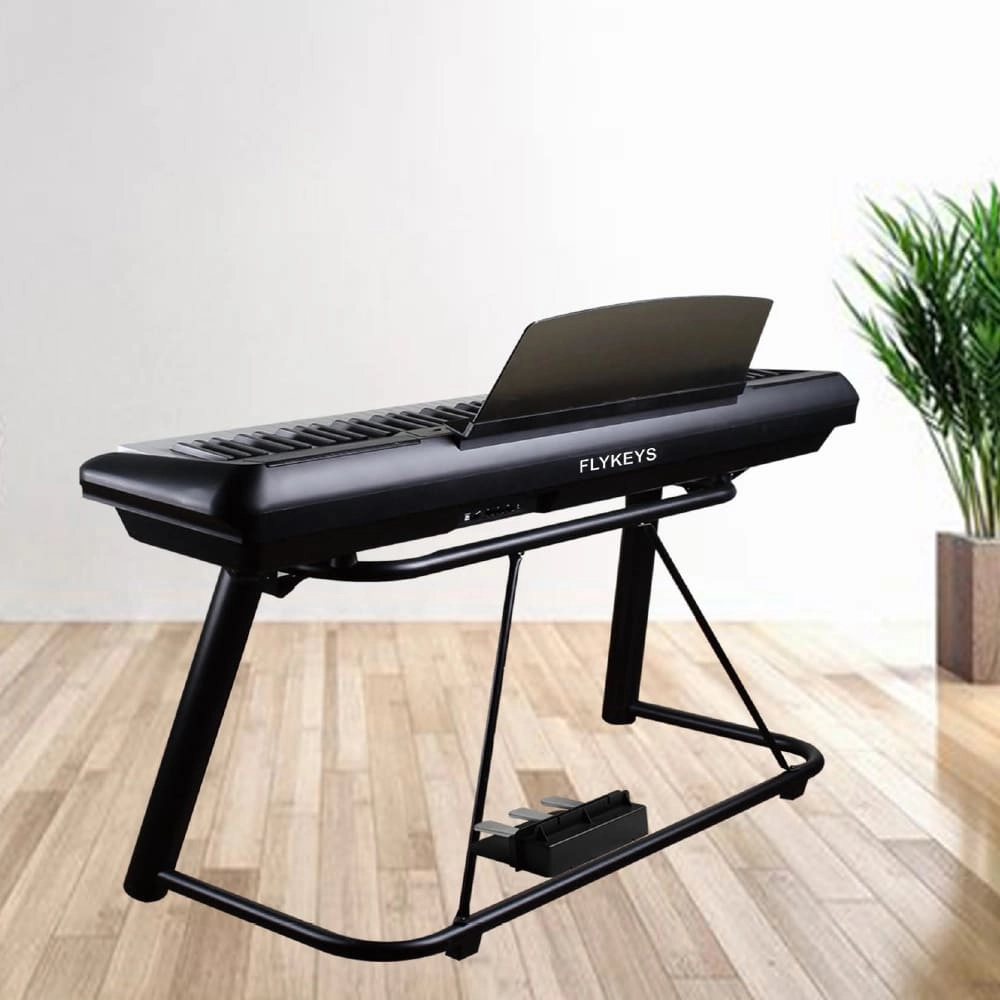
Flykeys 88 Keys Portable Piano With Wooden Stand FP6 Digital Piano
Independent development 88 keys dynamic curve hammer action weighted keyboard
European Spectral Composite techniques DSP chip. German famous Grand Piano sound sampling, string overtones resonance simulation sound technology
Modern, lightweight case,X stand, Ustand, Wood stand, 3pedal Optional
Control: double sound, record, split, transpose, reverb, chorus, metronome, MIDI, bluetooth
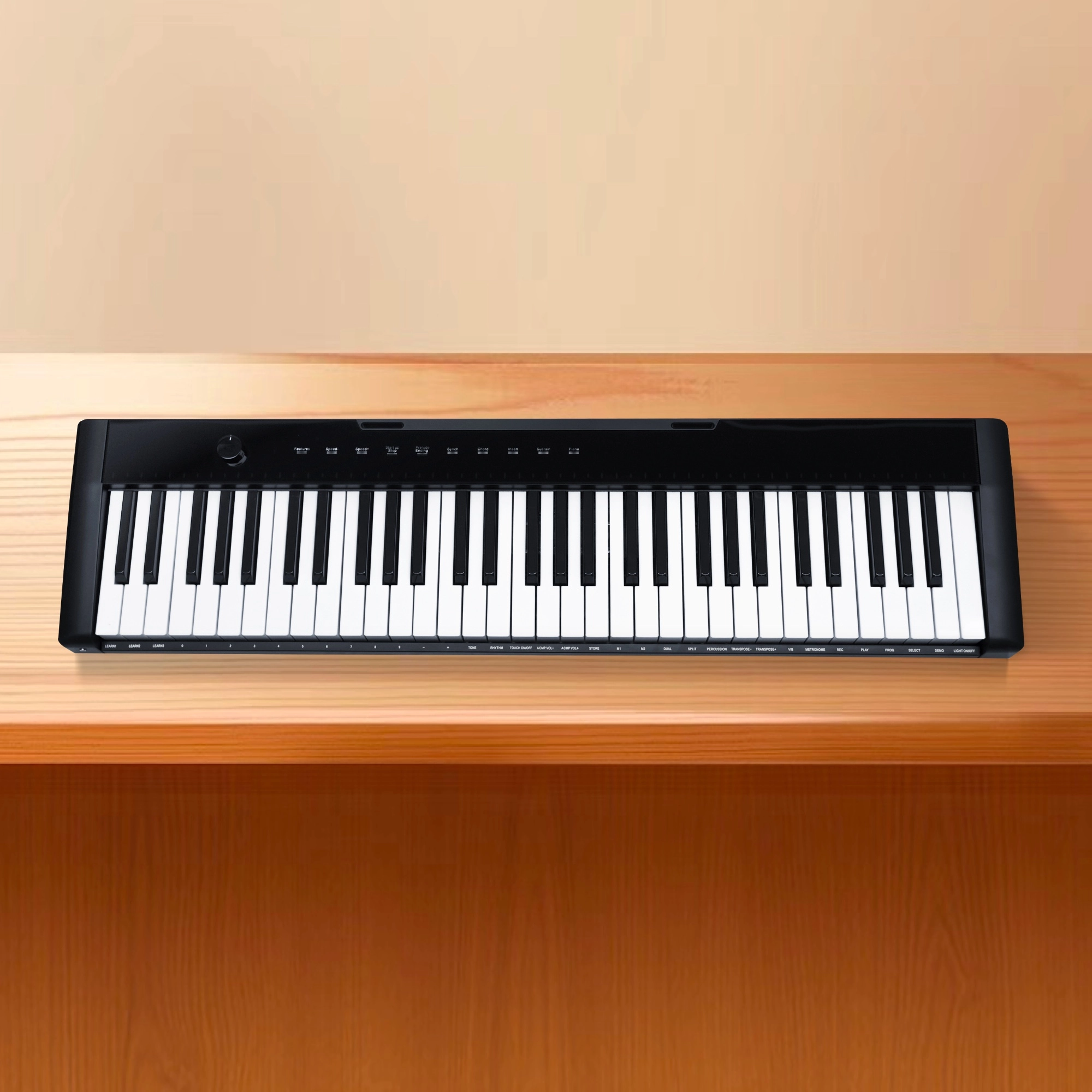
Flykeys 61 keys portable electronic keyboard piano with X stand (M2)
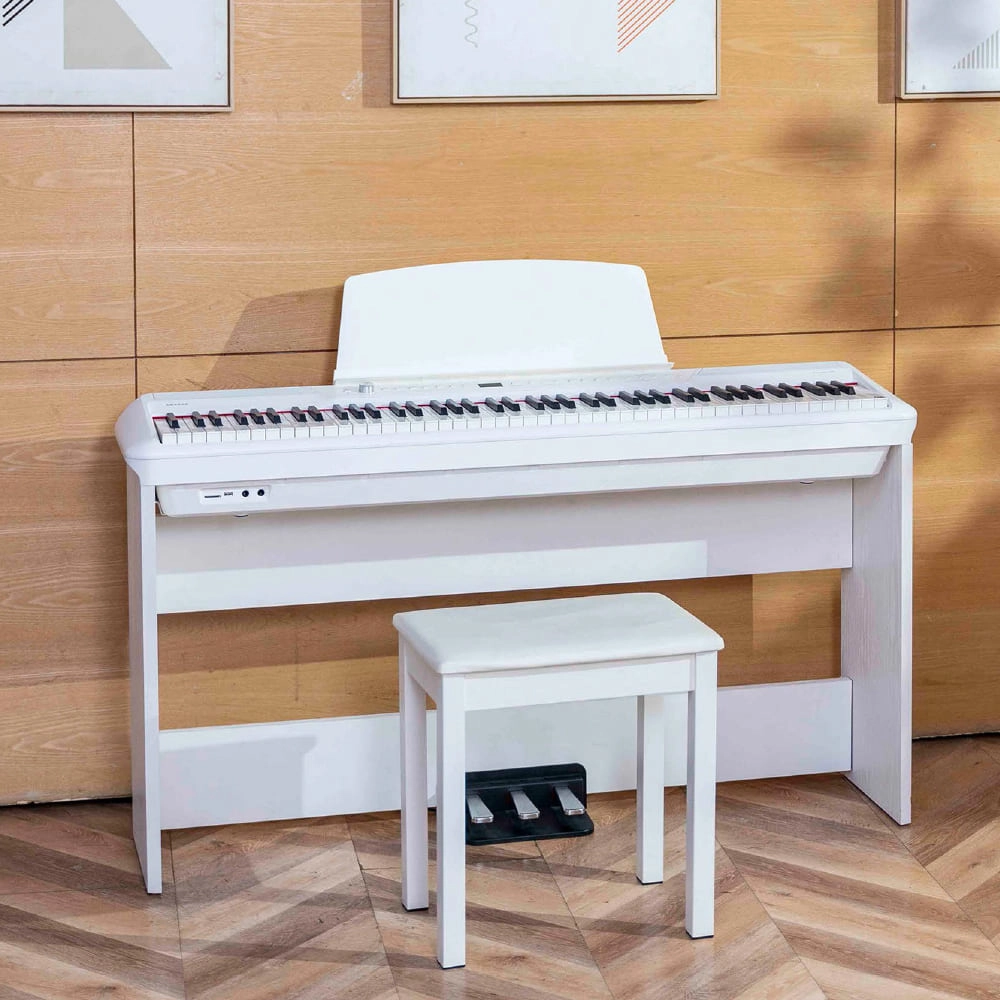
Flykeys Portable Electric Keyboard FP9 Digital Piano
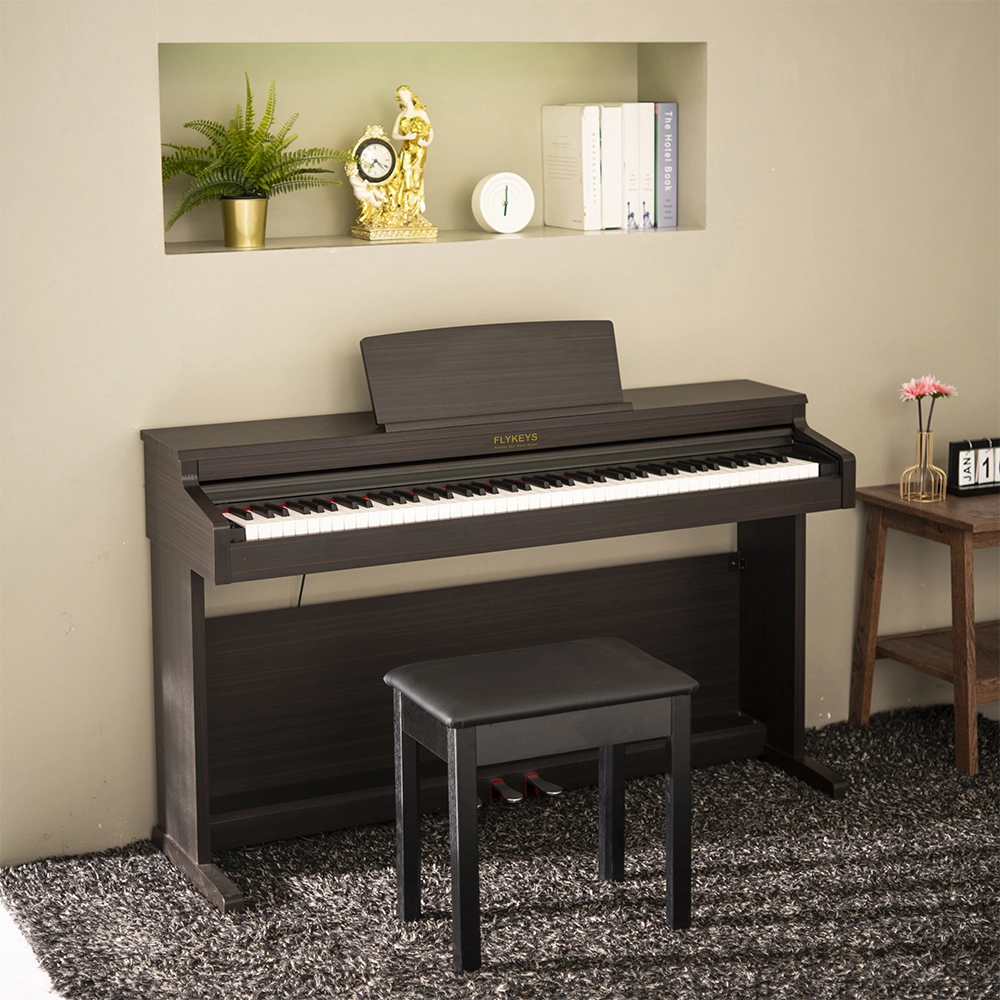
Flykeys 88 Keys Hammer Action keyboard Upright Piano LK03S Digital Piano
— Independent patented technology 88 key Grand-Response hammer action & dynamic curve keyboard;
— European top DSP chip, famous grand piano sound sample;
Address: No. 38 Xiangshan Avenue, Zengcheng Economic And Technological Development Zone, Guangzhou, China.
FOLLOW US:


© 2024 FLYKEYS All Rights Reserved. 粤ICP备2020102774号. Designed by gooeyun Sitemap | Privacy | Terms