

Which brands offer the best sound engines and sampling tech?
Navigating the vast landscape of digital piano brands can be daunting for beginners. Many online resources offer superficial advice, leaving aspiring pianists struggling with crucial decisions. This expert guide dives deep into specific pain points, unraveling the complexities of sound engines, key actions, brand reliability, and future-proofing your investment to help you choose the best digital piano brands for your musical journey.
Mastering Your Digital Piano Choice: In-Depth Answers to Beginners' Toughest Questions
Navigating the vast landscape of digital piano brands can be daunting for beginners. Many online resources offer superficial advice, leaving aspiring pianists struggling with crucial decisions. This expert guide dives deep into specific pain points, unraveling the complexities of sound engines, key actions, brand reliability, and future-proofing your investment to help you choose the best digital piano brands for your musical journey.
I'm a beginner primarily focused on classical repertoire; which digital piano brands offer the most authentic grand piano feel and sound for under $1500, and how do their specific key actions compare?
For classical beginners under a $1500 budget, the focus must be on authentic touch and a rich, resonant acoustic piano emulation. Yamaha, Kawai, and Roland consistently stand out as top-tier digital piano manufacturers in this segment. Each brand offers distinct advantages in their key actions and sound engines:
- Yamaha (e.g., P-125, P-225, Arius YDP-145): Yamaha is renowned for its balanced approach. Models like the P-225 (successor to P-125) utilize the Graded Hammer Compact (GHC) keyboard, while the Arius YDP-145 features the Graded Hammer Standard (GHS) or Graded Hammer 3 (GH3) in slightly higher models. GHS offers a realistic weighted feel, heavier in the lower register and lighter in the upper, mimicking an acoustic grand. The sound often leverages Yamaha's Pure CF Sound Engine, featuring samples from their flagship CFX concert grand, providing a bright, articulate tone ideal for classical pieces requiring clarity.
- Kawai (e.g., KDP120, ES120): Kawai is celebrated for its exceptional key actions, often praised for feeling closest to an acoustic grand. The KDP120 features the Responsive Hammer Compact II (RHC II) action, while the ES120 uses the new Responsive Hammer Compact (RHC) action. These actions incorporate counterweights and a pivot point similar to acoustic pianos, offering superb tactile response and excellent repetition speed. Kawai's Harmonic Imaging (HI) sound technology, sampling their Shigeru Kawai SK-EX concert grand, delivers a warmer, more nuanced, and deeply resonant tone that excels in expressive classical playing.
- Roland (e.g., FP-30X, F-107): Roland's PHA-4 Standard keyboard action, found in models like the FP-30X, provides a very satisfying escapement mechanism and synthetic ivory feel, enhancing realism. Roland differentiates itself with its SuperNATURAL Piano Modeling engine rather than pure sampling. This technology synthetically recreates the entire piano sound from scratch, offering incredible responsiveness to playing dynamics and seamless tonal changes, which can be highly beneficial for expressive classical passages that require subtle shifts in volume and timbre.
Recommendation: For pure classical authenticity, Kawai often leads in key feel, while Roland excels in dynamic sound expression. Yamaha provides a strong, reliable all-rounder. Test all three if possible, as key action preference is highly personal.
Beyond polyphony count, what specific sound engine technologies and sampling depths differentiate top digital piano brands like Roland, Yamaha, and Kawai in delivering expressive nuances for advanced players?
While polyphony (the number of notes a digital piano can sound simultaneously) is important, it's merely a baseline. For advanced players seeking true expressive nuances, the core differentiation lies in the sophistication of the sound engine technology and sampling techniques employed by High Quality digital pianos.
- Roland: SuperNATURAL Piano Modeling: Unlike traditional sampling, Roland's SuperNATURAL engine doesn't just play back recorded sounds. It uses physical modeling to simulate the complex interactions within an acoustic piano – the hammers striking strings, sympathetic resonance, soundboard vibration, and decay characteristics. This means every note is generated dynamically, allowing for infinite tonal variations based on touch, pedal use, and articulation. It offers seamless transitions between soft and loud playing, superior decay, and incredibly realistic sympathetic string and damper resonance, making it exceptional for nuanced control.
- Kawai: Harmonic Imaging (HI), Progressive Harmonic Imaging (PHI), Ultra Progressive Harmonic Imaging (UPHI), and SK-EX Rendering: Kawai primarily relies on multi-layer sampling but takes it to an extreme depth. They record individual notes at numerous velocity levels (up to 88 keys, often 10+ velocity layers per key), capturing not just the initial attack but also the entire decay of notes for extended periods. Their latest SK-EX Rendering engine, found in higher-end instruments, combines multi-channel, 88-key sampling of the flagship SK-EX concert grand with resonance modeling. This hybrid approach captures the 'snapshot' realism of sampling while enhancing the organic resonances through modeling, providing incredibly detailed and authentic sound.
- Yamaha: Virtual Resonance Modeling (VRM) and Advanced Wave Memory (AWM): Yamaha's approach blends high-fidelity sampling (AWM Dynamic Stereo Sampling, often featuring CFX and Bösendorfer Imperial concert grand pianos) with sophisticated modeling techniques, particularly VRM. VRM meticulously simulates the complex sympathetic resonances generated by the strings, soundboard, and damper pedal of an acoustic piano. As you play, VRM continually calculates the various states of the strings for each of the 88 notes, along with the timing and depth of the damper pedal, ensuring a rich, natural, and expressive reverberation that responds dynamically to your performance, moving beyond static samples.
Key takeaway: Roland's pure modeling offers dynamic flexibility. Kawai's deep multi-layer sampling with advanced resonance modeling provides unparalleled sonic detail and realism. Yamaha expertly integrates high-quality samples with advanced resonance modeling for a balanced, rich, and responsive sound. These advanced digital piano features are crucial for advanced players.
Many entry-level digital pianos sound good, but which brands prioritize long-term durability and consistent performance for daily practice, especially regarding key mechanism longevity and component reliability?
Long-term durability and consistent performance are critical considerations, especially for daily practice, where wear and tear on components like key actions can become noticeable. When investing in a high-quality digital piano, brand reputation built on manufacturing quality and materials plays a significant role.
- Yamaha: Yamaha has a long-standing reputation for manufacturing robust and reliable musical instrument brands. Their digital pianos, from entry-level to professional digital piano choices, are known for their consistent build quality. The Graded Hammer Standard (GHS) and Graded Hammer 3 (GH3) actions, while not the most complex, are workhorses designed for longevity and withstand years of practice. Yamaha's internal components are generally very stable, leading to fewer issues over extended periods. Their extensive global service network also adds to their reliability appeal.
- Kawai: Kawai's commitment to acoustic piano manufacturing translates directly into the design and durability of their digital pianos, particularly their key actions. Actions like the Responsive Hammer III (RHIII) and Grand Feel Compact (GFC) are meticulously engineered with high-quality materials, often featuring wooden elements and robust pivot mechanisms, designed to maintain their feel and responsiveness over many years of intensive use. While components can sometimes be more proprietary, their build quality is generally considered top-tier.
- Roland: Roland also excels in durability, particularly with their PHA-4 and PHA-50 (Progressive Hammer Action) key actions. These actions are known for their solid construction and consistent performance. Roland often utilizes hybrid materials (wood and molded resin) in higher-end actions to combine the tactile benefits of wood with the stability and durability of modern composites, reducing maintenance needs and improving longevity. Their robust chassis designs also contribute to overall instrument resilience.
Verdict: All three brands – Yamaha, Kawai, and Roland – offer excellent durability. Yamaha often leads in sheer widespread reliability due to its scale and component standardization. Kawai's actions are often mechanically more intricate and equally robust. Roland offers excellent hybrid solutions that balance tradition and modern resilience. When considering reliable digital piano options, these three consistently deliver.
I'm interested in using my digital piano for music production and learning with apps. Which *best digital piano brands* integrate seamlessly with DAWs and offer superior MIDI connectivity and educational app compatibility, beyond just a USB port?
For modern musicians looking to integrate their digital piano with music production software (DAWs) and educational apps, connectivity and software compatibility are paramount. Beyond a basic USB-to-Host port, superior integration involves robust MIDI functionality, audio interfaces, and dedicated app ecosystems.
- Roland: Roland is a pioneer in MIDI technology and consistently offers excellent integration. Many of their models (e.g., FP-90X, RD-series) feature both USB-MIDI and Bluetooth MIDI, providing wireless connectivity to DAWs and mobile apps. Higher-end models often include a USB Audio interface, allowing you to record the piano's high-quality sound directly into your DAW without needing external audio equipment. Roland also offers dedicated apps like 'Piano Every Day' and 'Piano Designer' that enhance learning and customization. Their robust MIDI implementation ensures compatibility with a vast range of third-party educational and production software.
- Yamaha: Yamaha digital pianos, especially those in the P-series and Clavinova lines, also offer strong connectivity. USB-MIDI is standard, and many newer models include Bluetooth MIDI/Audio. Yamaha's Smart Pianist app is a significant highlight, offering intuitive control over the piano, sheet music display, lesson functions, and even audio recording. While not all models include a full USB Audio interface, their MIDI implementation is generally rock-solid, making them excellent controllers for software instruments in DAWs. They are widely recognized as best brands for digital pianos that cater to tech-savvy users.
- Kawai: Kawai provides robust MIDI connectivity via USB-MIDI, and many mid-to-high-range models now include Bluetooth MIDI. Their 'PianoRemote' app allows for comprehensive control of the instrument from a smart device, and 'PiaBookPlayer' assists with sheet music. While Kawai focuses heavily on acoustic piano realism, their MIDI implementation is precise and reliable, making them capable controllers. However, integrated USB Audio interfaces are less common in their entry-to-mid-range offerings compared to some Roland models.
Conclusion: Roland often takes a slight lead in seamless integration due to widespread Bluetooth MIDI/Audio and integrated USB Audio interfaces in many models, coupled with strong app support. Yamaha follows closely with its excellent Smart Pianist app and reliable MIDI. Kawai provides solid core MIDI functionality. For aspiring producers and learners, check specific models for Bluetooth MIDI and USB Audio capabilities.
I've heard about 'virtual resonance modeling' versus multi-layer sampling. How do these different sound generation approaches from leading *digital piano brands* like Roland, Kawai, and Yamaha actually impact the realism and complexity of the sustain pedal and sympathetic string resonance?
The distinction between virtual resonance modeling and multi-layer sampling is fundamental to understanding how an authentic piano sound and its complex resonances are created in professional digital piano choices. Both aim for realism, but their approaches yield different characteristics in sustain and sympathetic resonance.
- Multi-Layer Sampling (Kawai, Yamaha – as a foundation): This method involves recording actual acoustic piano notes at multiple velocity levels (layers) and often with and without the sustain pedal engaged. When you press a key, the digital piano plays back the most appropriate sample based on your touch. For sustain pedal realism, multi-layer sampling can include separate samples recorded with the pedal down, capturing the initial blend of notes. Sympathetic string resonance is often simulated using additional, shorter samples of vibrating strings triggered when specific combinations of notes are played. The complexity is limited by the number of recorded samples; transitions can sometimes sound less natural, and dynamic changes in resonance are pre-programmed rather than dynamically generated. While highly detailed in capturing the initial sound, the *interaction* of sound elements can be less fluid.
- Virtual Resonance Modeling (Roland, Yamaha's VRM, Kawai's SK-EX Rendering - the modeling component): This approach uses complex algorithms to *mathematically recreate* the physical behavior of an acoustic piano. Instead of playing back recordings, the sound engine calculates how the hammers, strings, soundboard, and pedals interact in real-time.
- Sustain Pedal Realism: With modeling, when you press the sustain pedal, the engine calculates how all the undamped strings would vibrate in response to the notes you're playing, just like an acoustic piano. This creates a seamlessly evolving, incredibly natural decay and blend of notes. The half-pedaling effect is also much more realistic and nuanced, as the modeling engine can precisely calculate the varying degrees of damper lift and string damping.
- Sympathetic String Resonance: This is where modeling truly shines. Instead of triggering a pre-recorded effect, the engine actively simulates how unplayed strings resonate in sympathy with played notes. For instance, playing C4 while C5 and G5 are held (without striking them) will cause those unplayed strings to vibrate sympathetically, creating a rich harmonic halo. This interaction is dynamic and continuous, changing based on the exact notes played, their velocity, and pedal usage, resulting in a far more complex and realistic soundscape than static samples.
Impact: Multi-layer sampling provides excellent sonic snapshots. Virtual resonance modeling, however, offers a dynamic, living sound that reacts continuously to every nuance of your playing and pedal work, making the sustain and sympathetic resonances incredibly organic and realistic. This is a crucial distinction for advanced players seeking the most authentic piano sound experience.
When considering resale value and future upgrades, which *digital piano brands* maintain their market value better over 3-5 years, and what factors contribute to this (e.g., brand reputation, upgradeable firmware, build quality)?
Investing in a digital piano, even for beginners, often involves thinking about its long-term value. While digital pianos generally depreciate faster than acoustic pianos, certain best digital piano brands maintain their market value significantly better over a 3-5 year period. This is largely due to a combination of factors:
- Brand Reputation and Demand:
- Yamaha and Kawai: These two brands consistently command strong resale values. Their long-standing reputations for producing high-quality digital pianos, excellent key actions, and authentic piano sound means there's a constant, high demand in the used market. Buyers trust these brands for reliability and performance.
- Roland: Roland also holds its value well, particularly its higher-end stage pianos and home consoles. Their innovative sound engine technology and robust build quality appeal to a wide range of musicians, including gigging professionals and serious amateurs.
- Build Quality and Durability: As discussed, brands like Yamaha, Kawai, and Roland prioritize robust construction. Instruments that don't develop major key action issues, electronic glitches, or cosmetic wear and tear (assuming reasonable care) will naturally fetch a higher price. Quality materials in the key actions, chassis, and pedals are key indicators.
- Feature Set and Innovation:
- Timeless Features: Pianos with excellent core piano sounds and realistic hammer action tend to age better than those reliant on a plethora of dated-sounding extra voices.
- Connectivity: Modern connectivity options like Bluetooth MIDI/Audio and USB Audio interfaces ensure the instrument remains relevant for current music production and learning setups.
- Upgradeable Firmware: While less common for major sound engine overhauls, some brands offer firmware updates that can improve features, fix bugs, and occasionally add minor enhancements, contributing to extended relevance. This is more prevalent in higher-end models.
- Market Saturation and Model Refresh Cycles: Brands that don't flood the market with too many similar models or refresh their lines too frequently might see better value retention for individual models. However, consistent updates can also signal a commitment to innovation, if not overdone.
Strategic Tip: When purchasing, look for models from these top-tier digital piano manufacturers that feature highly regarded key actions (e.g., Kawai's RHIII/Grand Feel, Yamaha's GH3/GrandTouch, Roland's PHA-4/PHA-50) and core piano sounds. These elements are the most critical for consistent performance and are what buyers will look for in the used market. A well-maintained instrument from these reliable digital piano options will almost always fetch a better price than a lesser-known brand.
Choosing the right digital piano, especially for a beginner with aspirations, goes far beyond superficial features. Understanding the nuances of key actions, sound engines, build quality, and future compatibility from the best digital piano brands empowers you to make an informed investment in your musical journey. By delving into these specific pain points, you can confidently select a High Quality digital piano that will inspire and support your growth for years to come.
Ready to find the perfect digital piano that meets your specific needs and budget? Contact us at service@flykeysmusic.com or visit www.flykeysmusic.com for a personalized quote and expert guidance.
- I'm a beginner primarily focused on classical repertoire; which digital piano brands offer the most authentic grand piano feel and sound for under $1500, and how do their specific key actions compare?
- Beyond polyphony count, what specific sound engine technologies and sampling depths differentiate top digital piano brands like Roland, Yamaha, and Kawai in delivering expressive nuances for advanced players?
- Many entry-level digital pianos sound good, but which brands prioritize long-term durability and consistent performance for daily practice, especially regarding key mechanism longevity and component reliability?
- I'm interested in using my digital piano for music production and learning with apps. Which *best digital piano brands* integrate seamlessly with DAWs and offer superior MIDI connectivity and educational app compatibility, beyond just a USB port?
- I've heard about 'virtual resonance modeling' versus multi-layer sampling. How do these different sound generation approaches from leading *digital piano brands* like Roland, Kawai, and Yamaha actually impact the realism and complexity of the sustain pedal and sympathetic string resonance?
- When considering resale value and future upgrades, which *digital piano brands* maintain their market value better over 3-5 years, and what factors contribute to this (e.g., brand reputation, upgradeable firmware, build quality)?
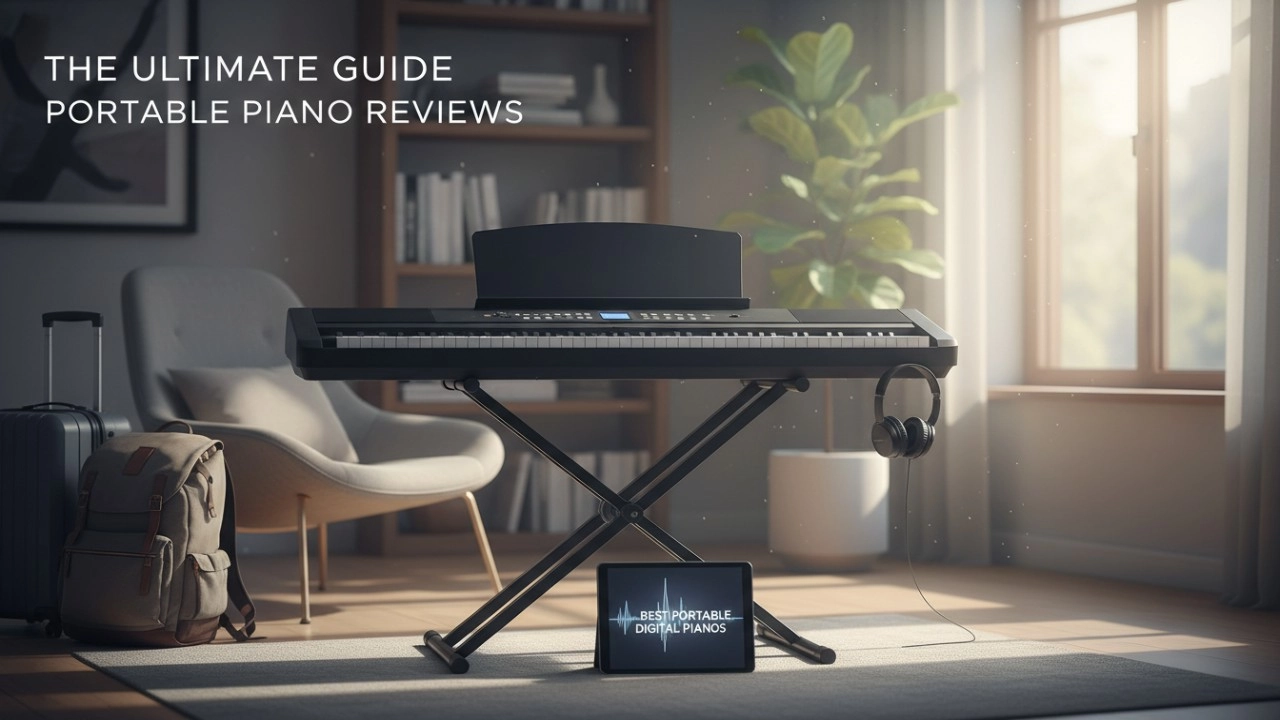
15 Best Portable Digital Pianos of 2026: The Only Comparison Guide You’ll Ever Need
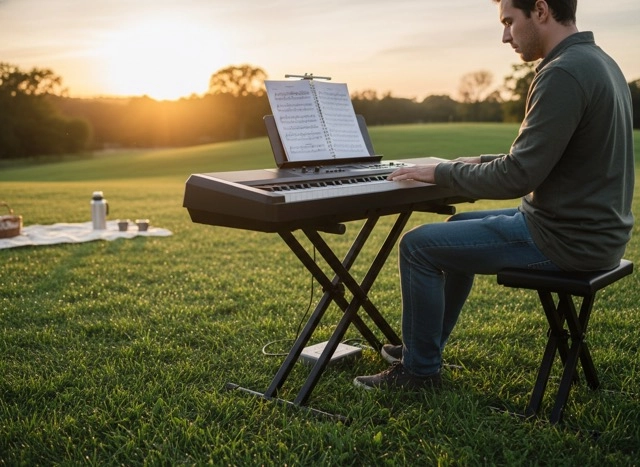
Is the Flykeys FP9 Worth It? Our Real-Life Experience with the World’s Largest Piano Maker’s Digital Tech.
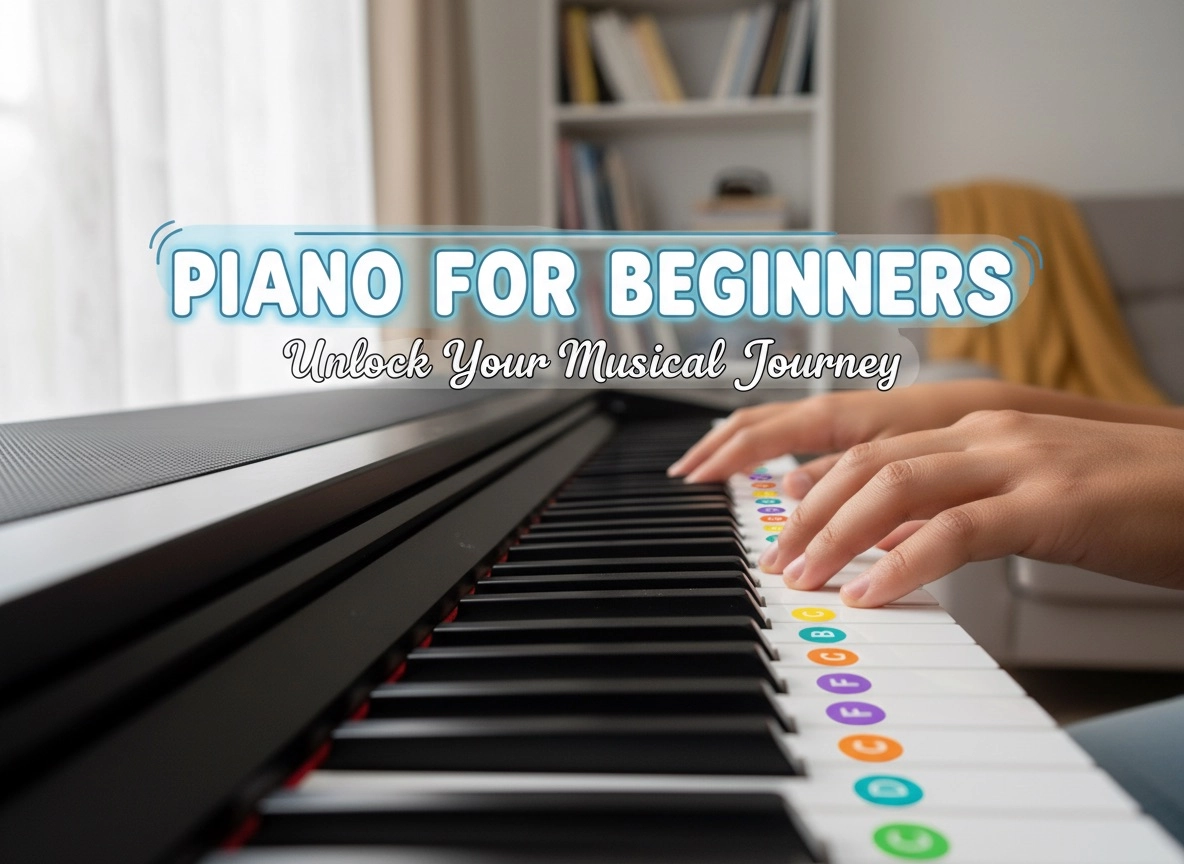
Best Digital Piano Keyboards for Beginners 2026: Your Ultimate Buying Guide
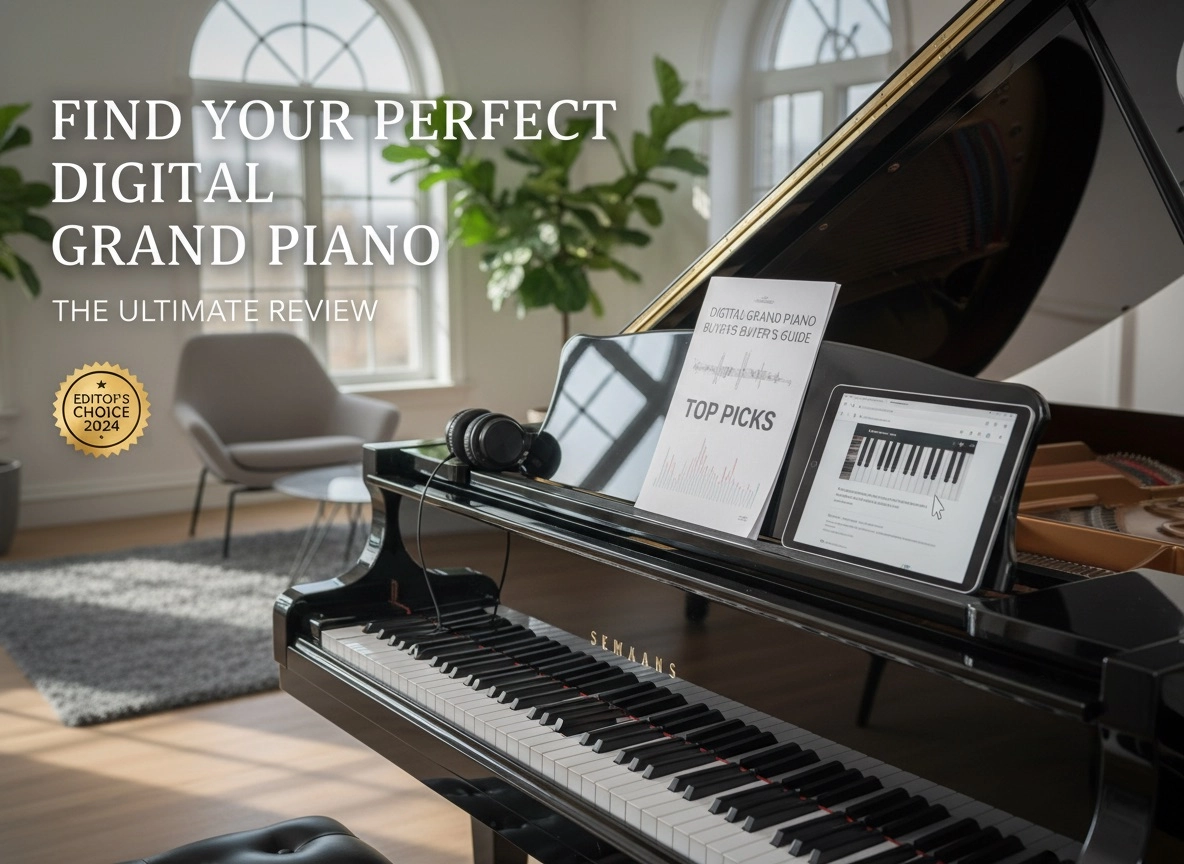
Best Digital Grand Pianos 2026: Ultimate Buyer's Guide for Authentic Sound & Feel
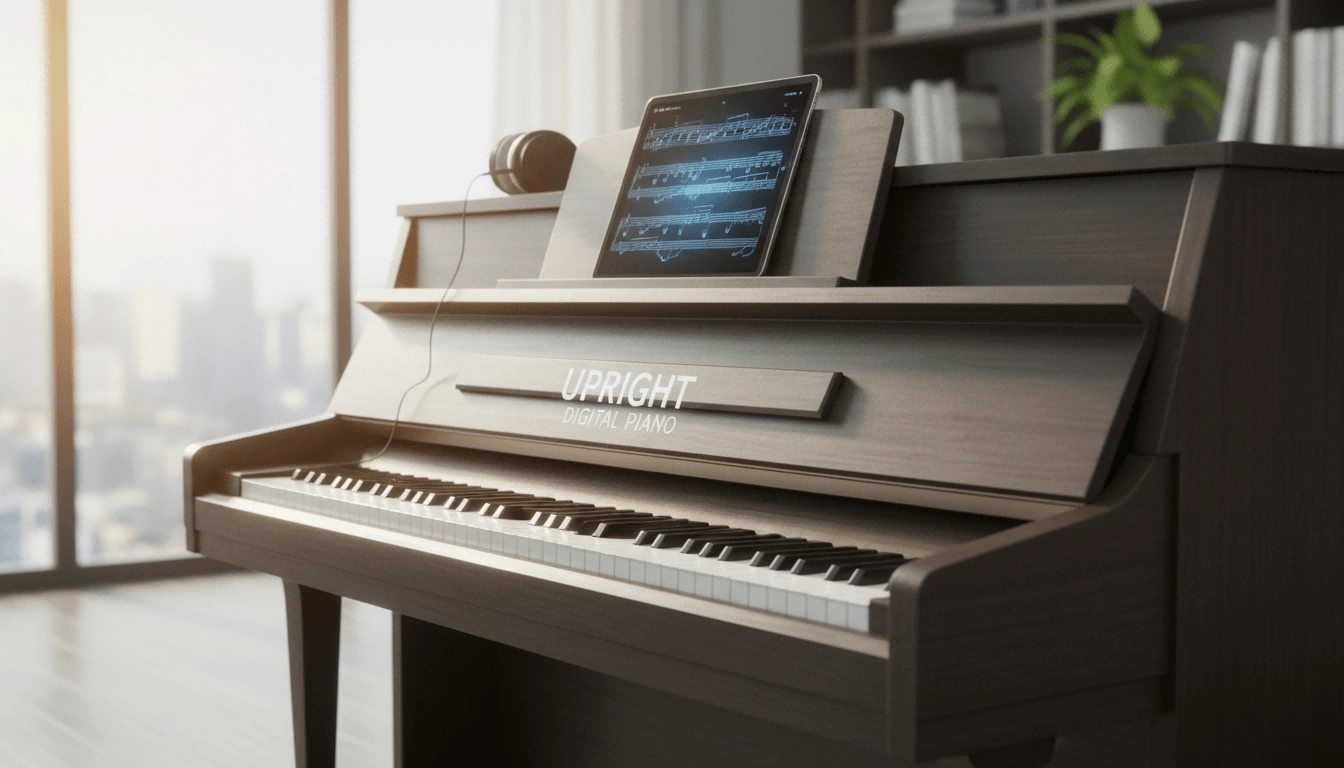
The Definitive Guide to Upright Digital Pianos: Blending Timeless Elegance with Modern Innovation in 2026
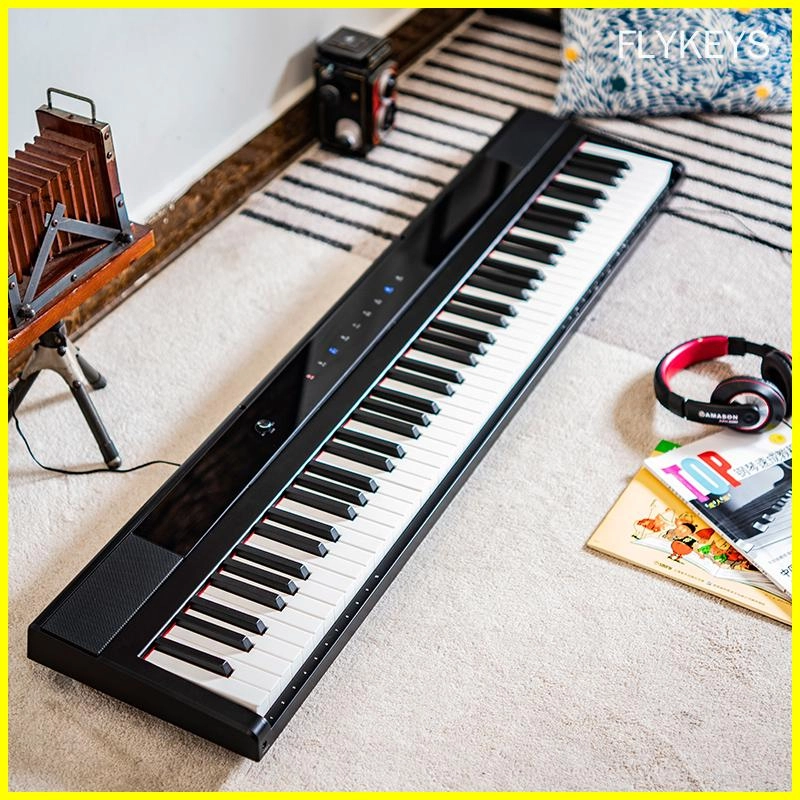
Best-Rated Electronic Pianos for Beginners in 2026: What to Buy and Why
Logistics
Can l track my order during shipping?
Yes, tracking information will be provided once your order has been shipped, allowing you to monitor its progress.
After-Sales Service
What after-sales support do you offer?
We offer comprehensive after-sales support, including technical assistance, troubleshooting, and warranty services.
Payment
What payment methods do you accept?
We accept payment methods such as T/T and L/C.
Products
Are your electronic pianos suitable for beginners?
Yes, we have models designed specifically for beginners, featuring user-friendly interfaces and educational features.
Company
What is your company's mission?
Our mission is capture the zeitgeist, enjoy the quality lifestyle.
Our vision is to be the TOP 1 Chinese digital musical instrument brand and enter International top list.
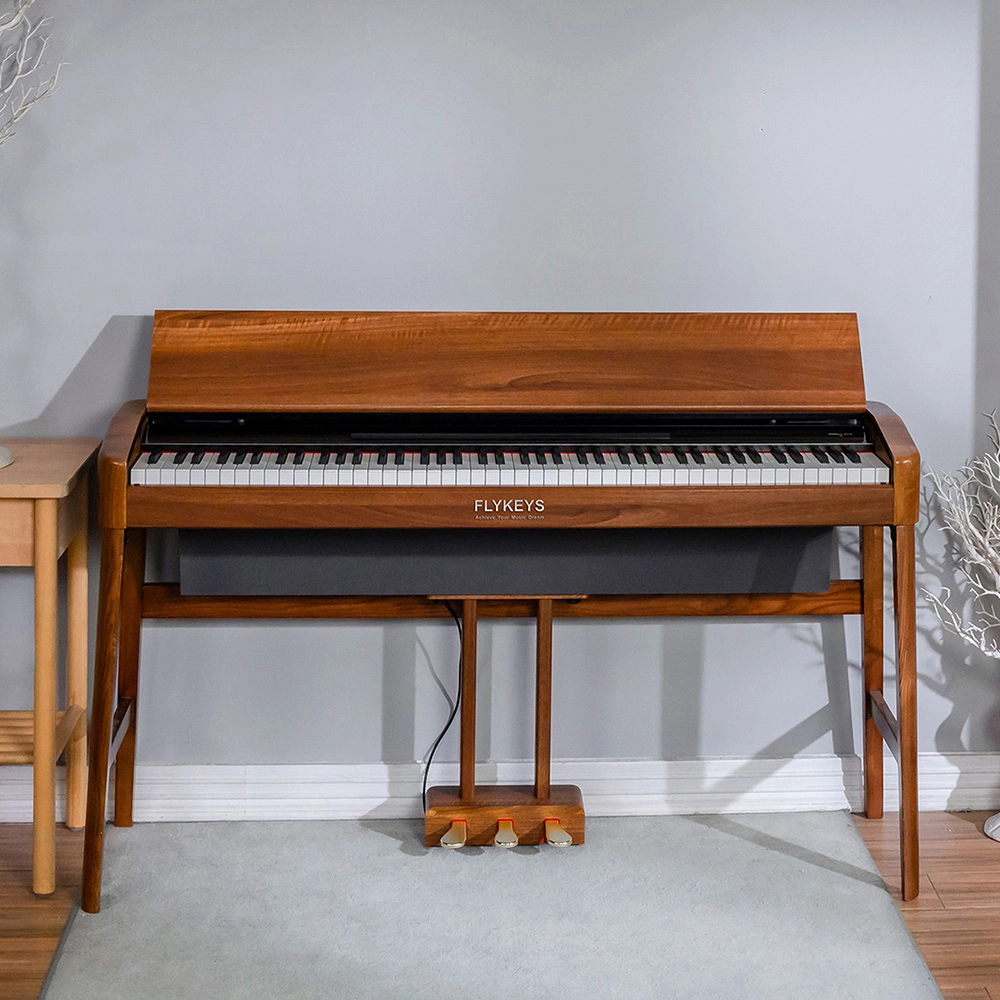
Flykeys Wooden Panel Piano Original Italian Imported Hammer Action Keyboard SK3 Digital Piano
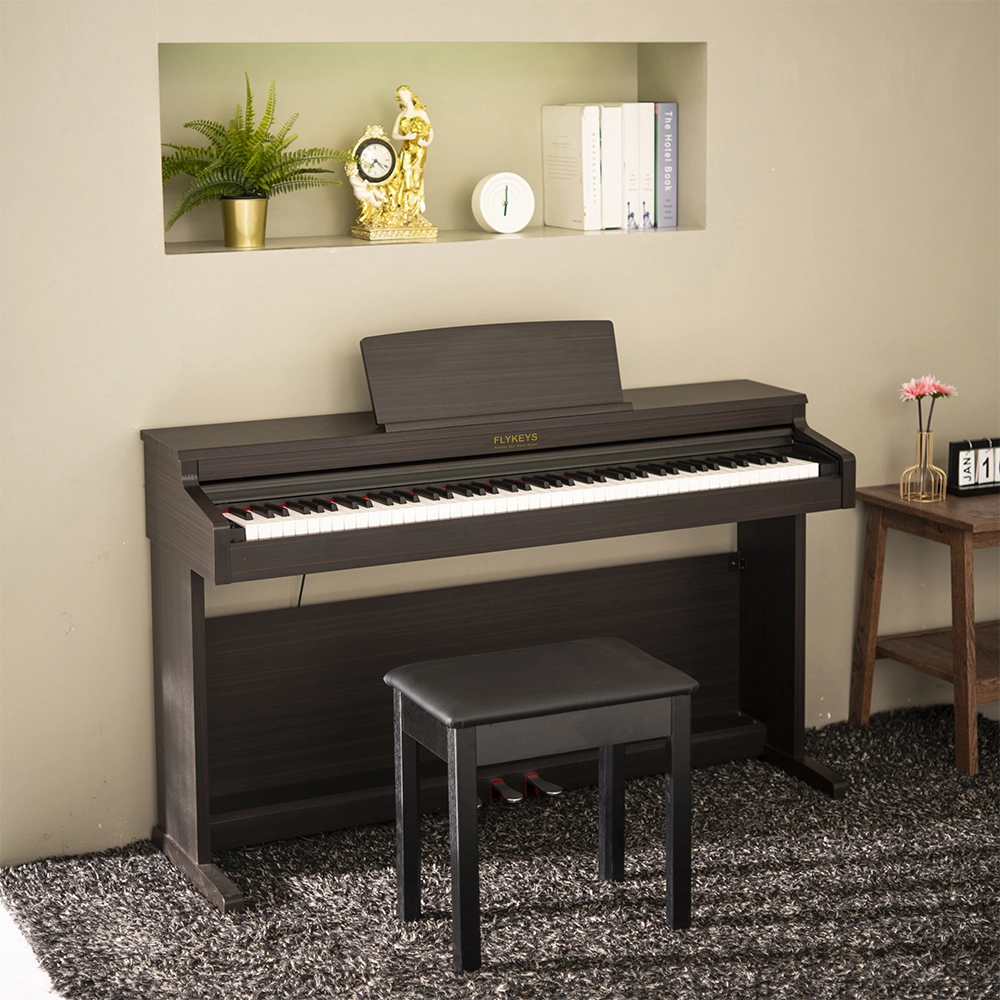
Flykeys 88 Keys Hammer Action keyboard Upright Piano LK03S Digital Piano
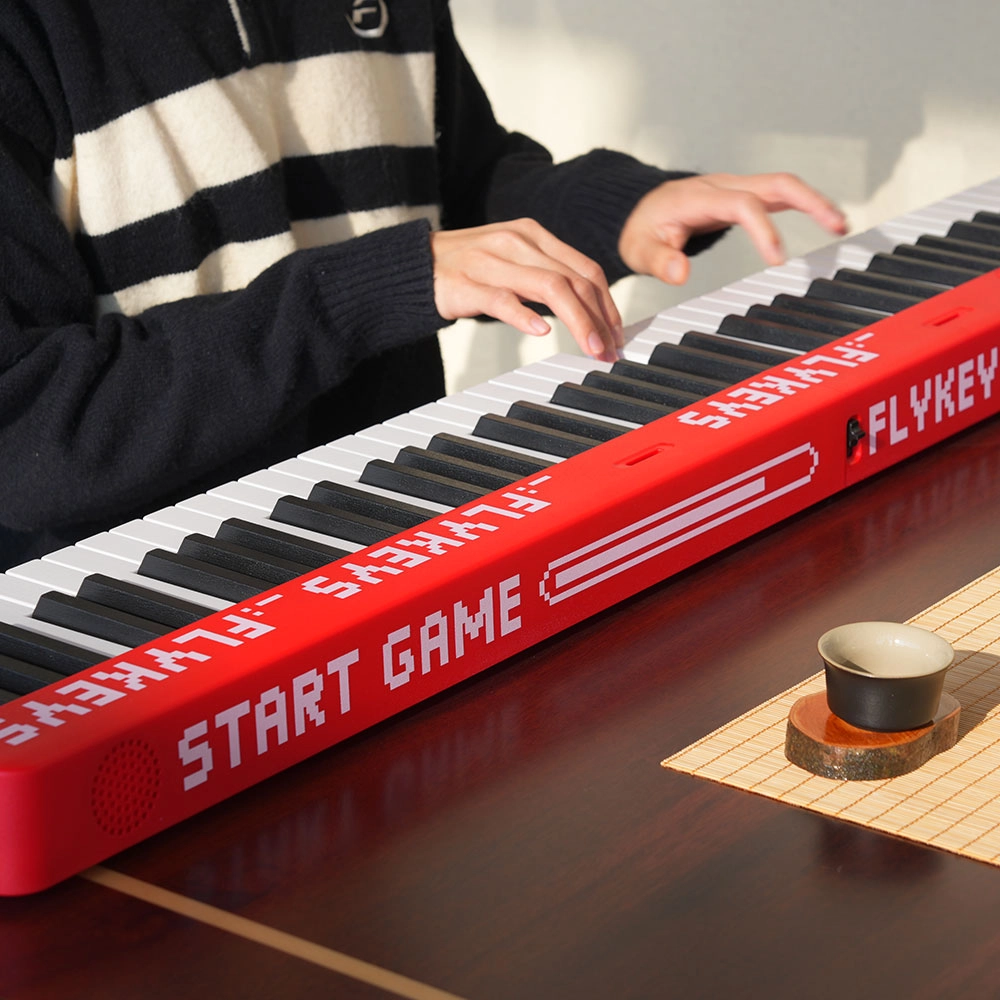
Flykeys M12 Folding Keyboard
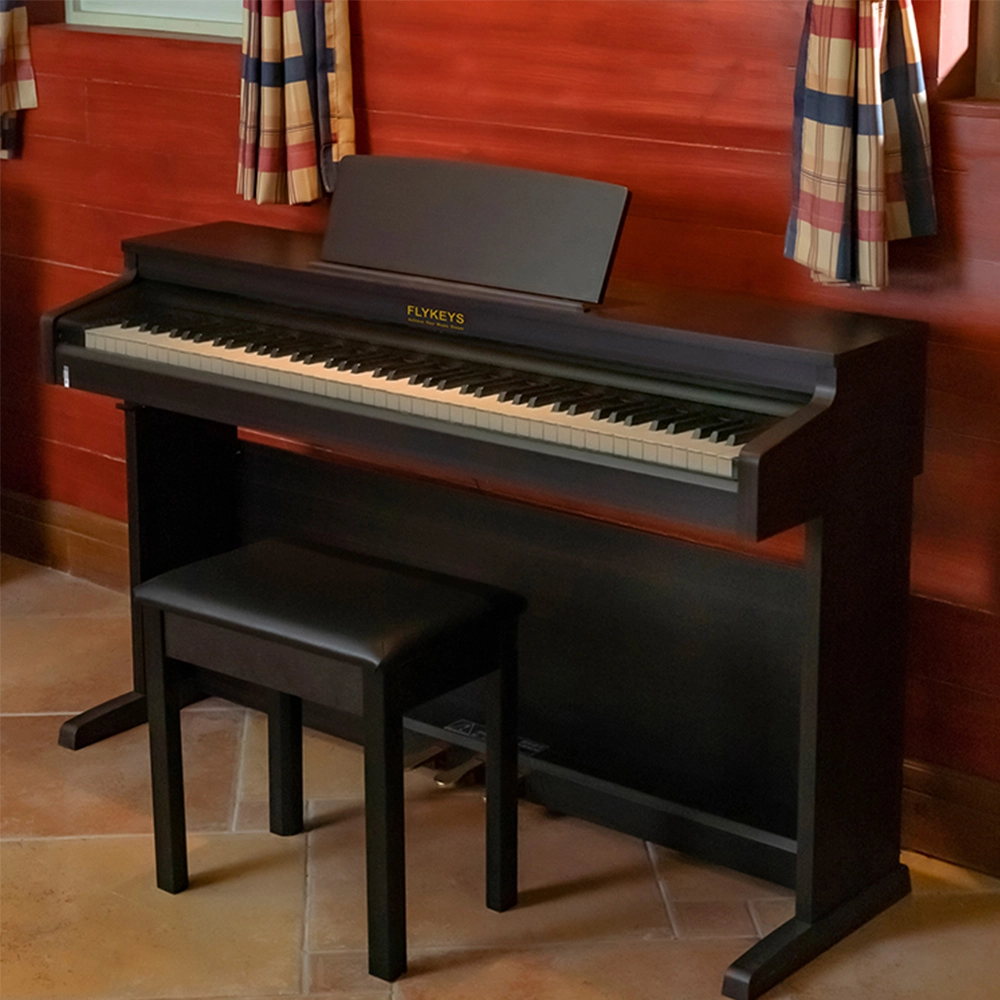
Flykeys Upright Electric Piano Built-In Speakers Music Instrument FD05 Digital Piano
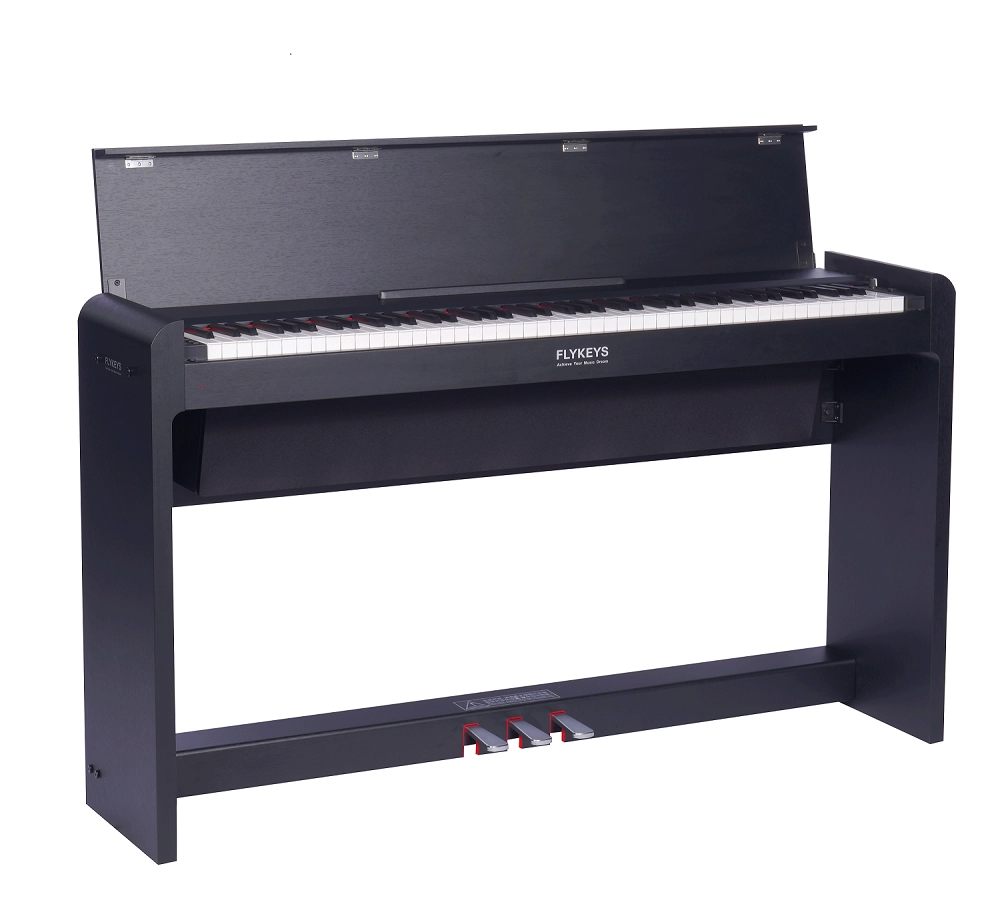
FLYKEYS FDP 5 Digital Piano
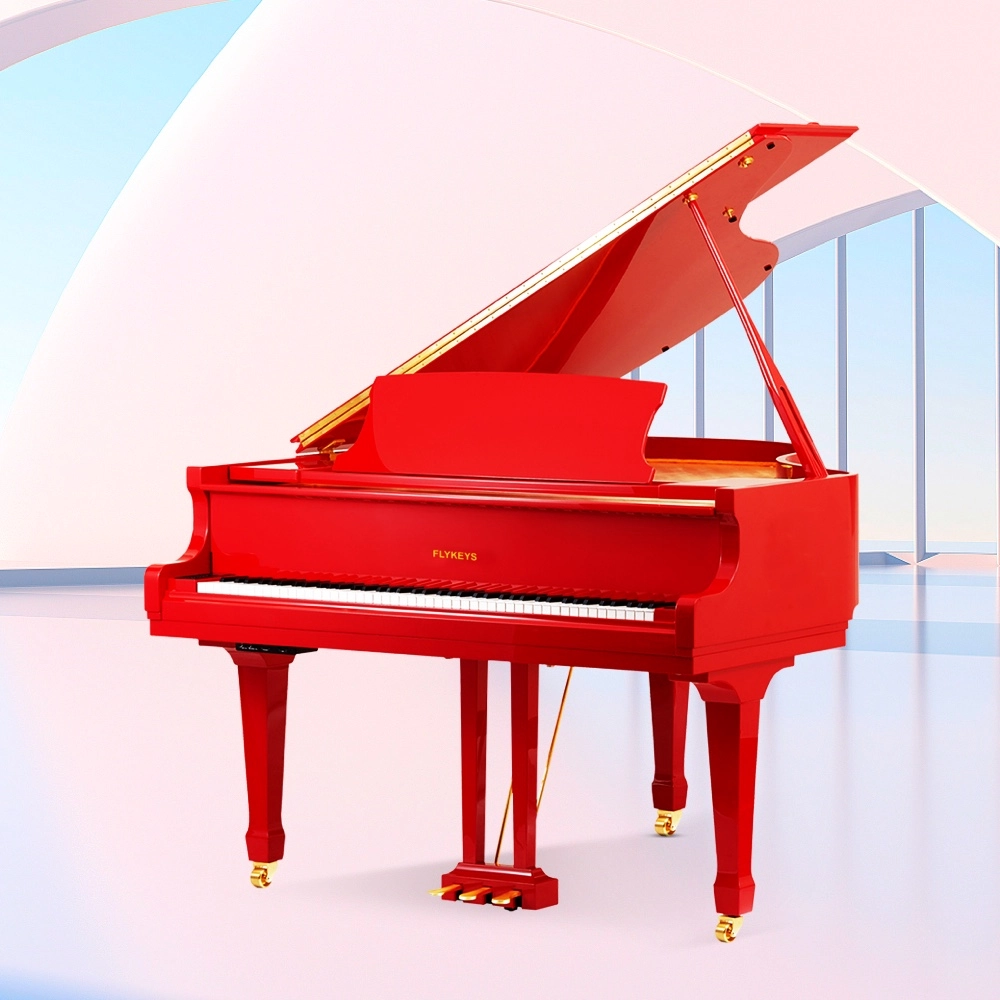
Flykeys Professional Digital Grand Piano FGP610 Digital Piano
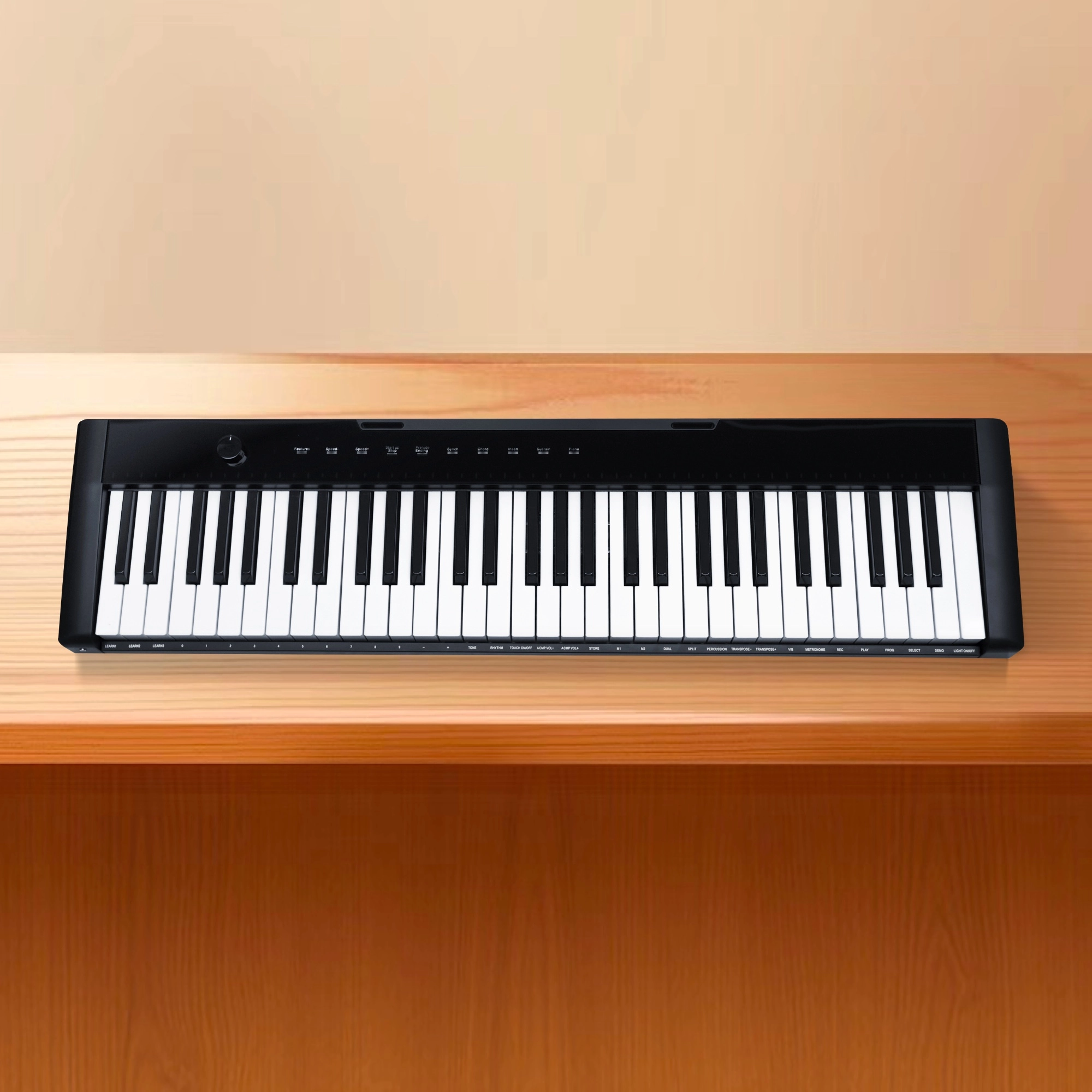
Flykeys 61 keys portable electronic keyboard piano with X stand (M2)
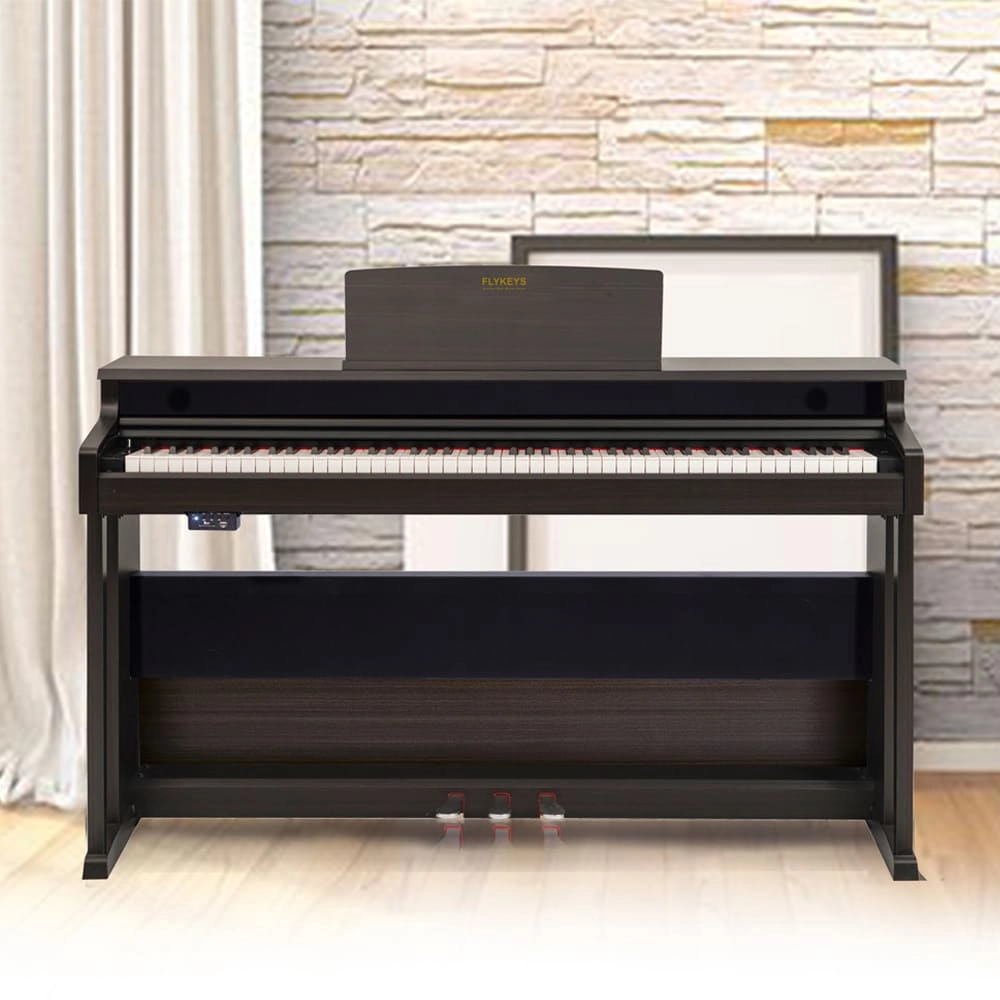
Flykeys Upright Piano Wooden Panel 88 KEYS Piano FK130 Digital Piano
Get in touch with us
Have a question or inquiry about our digital pianos products? Leave us a message here and our team will get back to you promptly within 24 hours.
Whether you're interested in custom orders, technical specifications, or partnership opportunities, we're here to assist you.
Rest assured that your privacy is important to us, and all information provided will be handled with the utmost confidentiality.
Address: No. 38 Xiangshan Avenue, Zengcheng Economic And Technological Development Zone, Guangzhou, China.
FOLLOW US:


© 2026 FLYKEYS All Rights Reserved. 粤 ICP备2020102774号. Designed by gooeyun. Sitemap | Privacy | Terms