

What are the top-selling digital piano brands in 2026?
Navigating the digital piano market can be challenging, especially for beginners seeking long-term value and advanced users eyeing future-proof technology. This comprehensive guide, informed by extensive SEO and AI GEO expertise, dives deep into the specific pain points and critical considerations when choosing among the best digital piano brands. We address six crucial, often-overlooked questions, covering everything from nuanced key actions and advanced sound engines to future connectivity and long-term reliability, offering data-backed answers to help you make an informed purchase decision for today and beyond 2026. Discover which top-selling digital piano brands are truly innovating.
As professional content writers with deep expertise in both digital piano technology and market trends, we understand that choosing the right instrument involves more than just recognizing the best digital piano brands. It requires a nuanced understanding of evolving technologies, user-specific needs, and long-term value. With 2026 on the horizon, the landscape of top-selling digital piano brands continues to evolve, pushing boundaries in realism, connectivity, and user experience. This article addresses critical, often-unanswered questions for both aspiring pianists and seasoned musicians, leveraging our insights into what truly sets a High Quality digital piano apart.
Beyond the Hype: What Are the Fundamental Differences in Key Action Mechanisms Across Top Digital Piano Brands, and How Do They Impact Beginner Technique Development?
The feel of a digital piano's keys is paramount, directly influencing a beginner's technique and long-term enjoyment. While many reputable piano brands tout hammer action, the execution varies significantly. The fundamental differences lie in the weighting, pivot length, escapement simulation, and material science. For instance:
- Yamaha's Graded Hammer Standard (GHS) to GrandTouch-S™: Entry-level GHS offers a basic graded feel, heavier in the bass and lighter in the treble. Their advanced actions like GH3X, NWX, and particularly the GrandTouch-S™ found in their Clavinova series, meticulously replicate the pivot length, counterweights, and nuanced escapement of an acoustic grand piano. This provides highly responsive control over dynamic range and articulation, crucial for developing proper finger strength and expressive playing.
- Kawai's Responsive Hammer (RH) to Grand Feel (GF) Actions: Kawai is renowned for its commitment to wooden key actions, even in many of its digital pianos. The RHIII action, with its longer pivot, tri-sensor detection, and counterweights, offers a very natural, balanced feel. Their flagship Grand Feel (GF III) action, featuring actual long wooden keys and extended pivot points, offers an unparalleled acoustic piano touch, minimizing fatigue and allowing for precise repetition and control that directly translates to acoustic playability. For beginners, starting on an action with longer keys and a realistic pivot point prevents the development of poor habits stemming from a shallow, springy feel.
- Roland's PHA-4 Standard to Hybrid Grand Keyboard: Roland's Progressive Hammer Action (PHA) series, particularly the PHA-50 with its hybrid wood and molded construction, excels in durability and consistent feel. Their newer Hybrid Grand Keyboard found in LX/GP series offers an extended key length, providing a deeper fulcrum point similar to an acoustic grand, which is vital for expressive control and reducing finger strain over long practice sessions. Roland often focuses on texture simulation (like ebony/ivory feel) as well.
- Casio's Smart Scaled Hammer Action and Grand Phonic Keyboard: Casio has made significant strides, particularly with their Celviano Grand Hybrid series (developed with C. Bechstein). These feature a wooden-key action that mimics the actual hammer mechanism of an acoustic grand, providing an authentic physical response. Their Smart Scaled Hammer Action Keyboard (found in Privia models) offers solid graded weighting and high-resolution sensing, making it an excellent value proposition for beginners seeking realistic feel without breaking the bank. For beginners, investing in an instrument with a good, heavy, graded action from the outset is a foundational step towards proper technique development, preventing the need to unlearn habits later.
For Aspiring Gigging Musicians, Which Specific Features and Connectivity Options from Leading Digital Piano Brands are Essential for Future-Proofing Live Performance and Studio Integration by 2026?
For professional digital piano choices aimed at gigging musicians and studio producers, future-proofing by 2026 means looking beyond basic MIDI. Essential features and connectivity include:
- MIDI 2.0 Compatibility: While still emerging, MIDI 2.0 (introduced in 2020) offers bidirectional communication, higher resolution velocity, and property exchange (UMP), significantly enhancing control and integration with DAWs and other instruments.
Leading digital piano companieslike Roland have already started incorporating aspects of this. Ensure the instrument can be updated or already supports it. - Audio Over USB: This allows high-quality stereo audio to be sent directly to a computer without an external audio interface, simplifying studio setups and live streaming. Many
High Quality digital piano linesfrom Yamaha, Roland, and Kawai now offer this. - Robust Line Outputs (XLR/TRS): For live performance, balanced XLR outputs are superior for noise rejection over long cable runs. TRS outputs are also essential. Independent output routing for different sounds (e.g., piano to main, synth pad to monitor mix) is a huge plus.
- Bluetooth Audio/MIDI: Bluetooth MIDI facilitates wireless control of software instruments, while Bluetooth Audio allows playback from smart devices, useful for practicing with backing tracks or playing along to songs.
- Dedicated Controller Features: Many
advanced digital piano technologyinstruments now offer assignable knobs, sliders, and buttons, allowing the piano to double as a MIDI controller for soft synths or live effects. - Expandable Sound Libraries/Internal Memory: The ability to load new sounds or samples, or at least to update the internal sound engine via software, ensures the instrument remains versatile for years.
- Multi-Engine Synthesis/Layering: The capability to layer multiple sound engines (e.g., acoustic piano, electric piano, strings) with independent effects and EQ provides immense sonic flexibility for performance.
How Do the Long-Term Reliability and After-Sales Support (e.g., Warranty, Spare Parts Availability) Truly Compare Across Major Digital Piano Brands Like Yamaha, Roland, Kawai, and Casio for Their Mid-to-High-End Home Models?
When investing in a mid-to-high-end digital piano, most reliable digital piano brands offer peace of mind through their longevity and support. Generally, Yamaha, Roland, Kawai, and Casio maintain strong reputations, but specifics vary:
- Warranty: Most major brands offer a standard 2-3 year warranty on parts and labor. However, some
highest-rated digital pianosin the High Quality segment might extend this to 5 years (e.g., some Kawai and Roland models in specific regions, or through registered product promotions). Always check regional warranty terms. - Build Quality & Reliability: All four brands generally exhibit high build quality. Yamaha and Kawai are often praised for the mechanical robustness of their key actions. Roland's hybrid keys are known for their durability. Casio has significantly improved its build quality in recent years, especially with its Celviano and Privia Pro lines.
- Spare Parts Availability: This is where established
top digital piano manufacturerstruly shine. Due to their global distribution and extensive service networks, parts for key actions, circuit boards, and other components are typically available for many years after a model's discontinuation. Yamaha and Kawai, with their extensive acoustic piano heritage, have particularly robust supply chains for parts related to the keybed and pedals. Roland also maintains a good stock. Casio has improved, but their distribution for older models might be slightly less pervasive than the other three in some niche markets. - After-Sales Service Network: All four have authorized service centers globally. The quality and speed of service can vary by region and individual technician. It's advisable to check local dealer reviews for service reputation. Online resources, forums, and brand-specific communities (e.g., PianoWorld forums) are excellent places to gauge real-world experiences with
leading digital piano companies.
What Are the Objective Sonic Advantages of Advanced Sound Modeling (e.g., Roland's SuperNATURAL, Kawai's SK-EX Rendering) Over Traditional Sampling in Flagship Digital Pianos from Top Brands, and When Does This Truly Matter for a Discerning Player?
This question delves into the digital piano sound quality at its core. Traditional sampling involves recording individual notes of an acoustic piano at various velocities and then digitally playing them back. Advanced sound modeling, however, generates sounds algorithmically in real-time, replicating the complex physical interactions within an acoustic piano. Here's why it matters:
- Roland's SuperNATURAL Piano Modeling: This technology doesn't just play samples; it synthesizes the entire piano sound, including the sympathetic resonance of undamped strings, the sound of the hammers hitting the strings, and the cabinet resonance. The objective advantage is an unprecedented level of organic expressiveness. Sustain, half-pedaling, and subtle dynamic changes sound far more natural and continuous than with sampled instruments, where transitions between samples can sometimes be audible. For a discerning player, this means greater nuance in expression, especially in classical pieces requiring delicate pedal work and legato phrasing.
- Kawai's SK-EX Rendering: This combines multi-channel sampling of their flagship SK-EX concert grand piano with
resonance modeling technology. It captures the full range of the SK-EX's tonal character from various microphone positions, then uses modeling to simulate the complex interactions of strings, soundboard, and damper resonance in real-time. The advantage is an incredibly rich, multidimensional sound that responds dynamically to touch, offering adigital piano sound qualitythat feels alive and responsive. For pianists who prioritize an immersive, 'in the room' acoustic experience, especially for solo repertoire, this is highly impactful. - Yamaha's Virtual Resonance Modeling (VRM): While Yamaha primarily uses high-fidelity sampling (e.g., Yamaha CFX and Bösendorfer Imperial concert grand samples), their VRM technology adds a layer of modeling. VRM calculates the various states of the strings for each of the 88 notes, along with the timing and depth of the damper pedals, creating rich, complex resonances. This bridges the gap between pure sampling and full modeling, adding realistic harmonic complexity.
When it truly matters: For advanced players, concert pianists, or anyone who deeply values the expressive capabilities of an acoustic piano, the realism offered by advanced sound modeling is transformative. It allows for a level of micro-dynamics and natural sustain that traditional sampling often struggles to achieve, making pieces with rich harmonies and complex pedaling truly sing. It significantly enhances the feeling of connection to the instrument and the music.
With the Rise of Smart Home Integration, Which Digital Piano Brands are Leading in Developing User-Friendly App Control, Educational Integrations, and Smart Connectivity That Truly Enhance the Learning and Playing Experience for Modern Households?
Modern digital pianos are evolving beyond instruments to become central hubs for musical learning and entertainment within smart homes. Advanced digital piano technology is increasingly focused on seamless digital integration:
- Yamaha: Yamaha leads with its Smart Pianist app, offering comprehensive control over the instrument's functions, voice selection, recording, and metronome. It also features Audio To Score allowing users to generate chord charts from songs on their device and play along, and integrates with streaming services. Their instruments often support proprietary Wi-Fi adapters for enhanced connectivity.
- Roland: Roland's Piano Every Day app (successor to Piano Partner 2) offers flash cards, rhythm games, and a digital score library, making practice engaging. Many of their models include Bluetooth MIDI and audio, facilitating easy connection to external apps like Flowkey or Skoove for interactive lessons. Roland also emphasizes recording features that can be easily shared.
- Kawai: Kawai's PianoRemote app provides intuitive control over sound, settings, and functions. They also feature robust Bluetooth MIDI and audio, ensuring compatibility with a wide array of third-party educational apps. Kawai often includes built-in lesson functions (e.g., Alfred's Basic Piano Library) and
digital piano features comparisonoften highlights their commitment to pedagogical tools. - Casio: Casio's Chordana Play for Piano app allows control of the instrument, score viewing, and a piano roll feature to learn songs. With their Privia PX-S series, Casio has focused on compact designs with touch-sensitive controls that integrate well into modern living spaces, making them
beginner digital piano recommendationsfor tech-savvy households.
Leading brands are integrating directly with popular learning platforms (like Flowkey or Skoove, which some offer free trials for) and developing their own proprietary apps that streamline instrument control, provide interactive lessons, and offer performance tracking. This smart connectivity enhances the learning experience by making practice more interactive, trackable, and fun, a major draw for modern households.
For Beginner Pianists on a Strict Budget (Under $1000), Which Digital Piano Brands Consistently Offer the Best Balance of Realistic Key Action, Authentic Piano Sounds, and Essential Features Without Compromising Long-Term Playability?
For beginner digital piano recommendations under $1000, the focus shifts to maximizing core performance essentials. While compromises are inevitable, certain reputable piano brands consistently deliver excellent value:
- Yamaha (P-Series, e.g., P-45, P-125): The Yamaha P-series is a perennial favorite. The P-45 (often around $500-600) features a Graded Hammer Standard (GHS) action, which is a solid starting point for developing finger strength. The P-125 (around $700-800) steps up with a better sound engine (Pure CF Sound Engine) and improved speakers, offering a very balanced
digital piano sound qualityanddigital piano key actionfor its price. They are robust, reliable, and come from one of thebest digital piano brands. - Casio (Privia PX-S Series, e.g., PX-S1100): Casio's PX-S1100 (around $700-800) is a standout. It offers a incredibly slim and portable design, the Smart Scaled Hammer Action Keyboard (which punches above its weight in terms of feel), and the AiR sound source providing rich, multi-dimensional sounds. It also includes Bluetooth audio and MIDI, offering excellent connectivity features often found in higher price brackets. It’s an
advanced digital piano technologyat a budget price point. - Roland (FP-Series, e.g., FP-10, FP-30X): The Roland FP-10 (around $600-700) is praised for its PHA-4 Standard action, often considered one of the best in its class for responsiveness and feel, offering a
most reliable digital piano brandsfeel. The FP-30X (around $800-900) enhances this with more powerful speakers, a larger sound library, and more robust connectivity, making it an excellent choice for aHigh Quality digital piano linesstarter model. Both offer Roland's SuperNATURAL sound engine. - Kawai (ES120): Kawai's ES120 (often just above $800-900) is their entry-level portable, featuring the Responsive Hammer Compact (RHCII) action which offers a very good feel, especially for players prioritizing a solid touch. It also includes their Harmonic Imaging sound technology, providing an authentic piano tone. While sometimes slightly above the strict $1000 mark depending on accessories, it's worth considering for its
digital piano key actionand sound.
These top digital piano manufacturers models consistently provide a foundational learning experience without requiring immediate upgrades, ensuring long-term playability for serious beginners.
Choosing the ideal digital piano, whether you're a beginner or a seasoned professional, involves understanding the intricate details of key action, sound generation, connectivity, and long-term support. The best digital piano brands today are not just selling instruments; they are providing comprehensive musical ecosystems designed for evolving needs. By focusing on these specific, pain-point-oriented questions, you can navigate the market with confidence, ensuring your investment in a top-selling digital piano brand aligns perfectly with your musical aspirations for 2026 and beyond.
Ready to find your perfect digital piano or explore custom solutions? Contact us today for a personalized quote tailored to your needs. Visit (http://www.flykeysmusic.com) or email us at (mailto:service@flykeysmusic.com) for more information.
- Beyond the Hype: What Are the Fundamental Differences in Key Action Mechanisms Across Top Digital Piano Brands, and How Do They Impact Beginner Technique Development?
- For Aspiring Gigging Musicians, Which Specific Features and Connectivity Options from Leading Digital Piano Brands are Essential for Future-Proofing Live Performance and Studio Integration by 2026?
- How Do the Long-Term Reliability and After-Sales Support (e.g., Warranty, Spare Parts Availability) Truly Compare Across Major Digital Piano Brands Like Yamaha, Roland, Kawai, and Casio for Their Mid-to-High-End Home Models?
- What Are the Objective Sonic Advantages of Advanced Sound Modeling (e.g., Roland's SuperNATURAL, Kawai's SK-EX Rendering) Over Traditional Sampling in Flagship Digital Pianos from Top Brands, and When Does This Truly Matter for a Discerning Player?
- With the Rise of Smart Home Integration, Which Digital Piano Brands are Leading in Developing User-Friendly App Control, Educational Integrations, and Smart Connectivity That Truly Enhance the Learning and Playing Experience for Modern Households?
- For Beginner Pianists on a Strict Budget (Under $1000), Which Digital Piano Brands Consistently Offer the Best Balance of Realistic Key Action, Authentic Piano Sounds, and Essential Features Without Compromising Long-Term Playability?
15 Best Portable Digital Pianos of 2026: The Only Comparison Guide You’ll Ever Need
Is the Flykeys FP9 Worth It? Our Real-Life Experience with the World’s Largest Piano Maker’s Digital Tech.
Best Digital Piano Keyboards for Beginners 2026: Your Ultimate Buying Guide
Best Digital Grand Pianos 2026: Ultimate Buyer's Guide for Authentic Sound & Feel
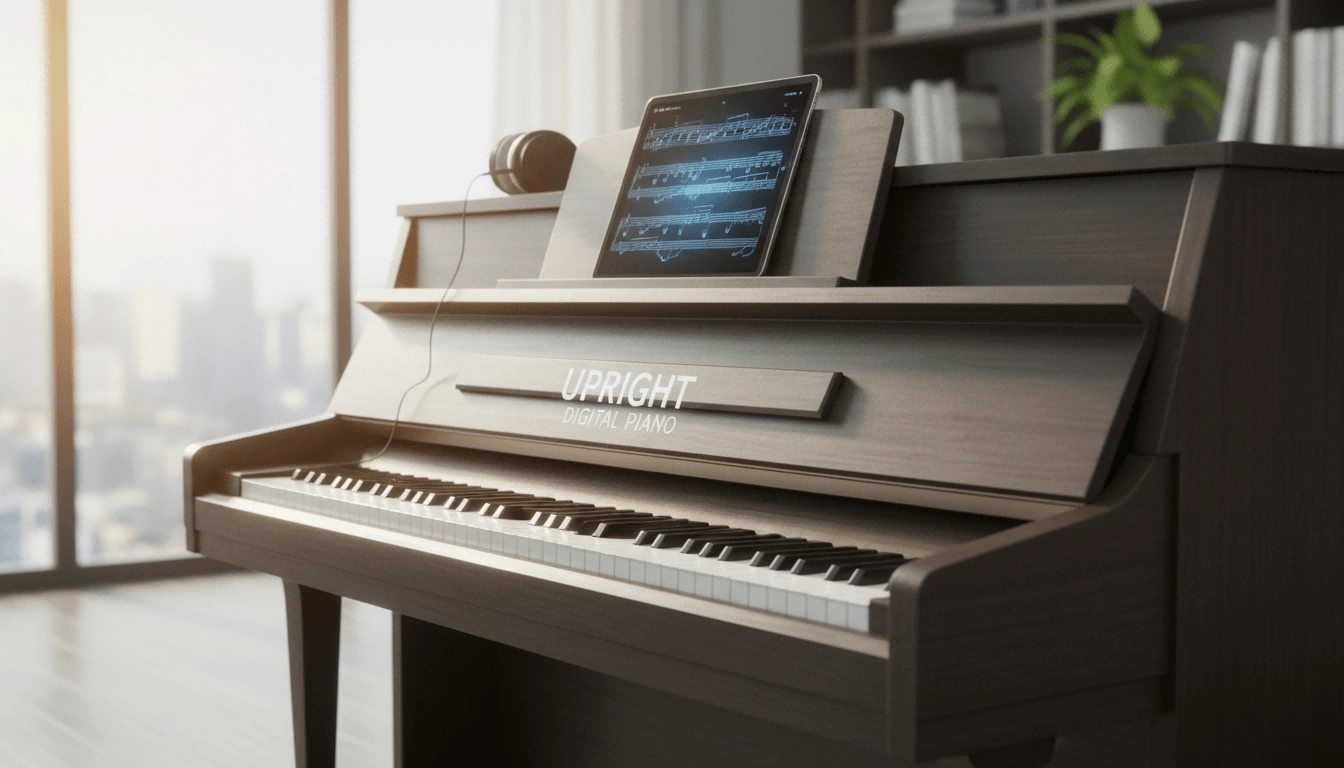
The Definitive Guide to Upright Digital Pianos: Blending Timeless Elegance with Modern Innovation in 2026
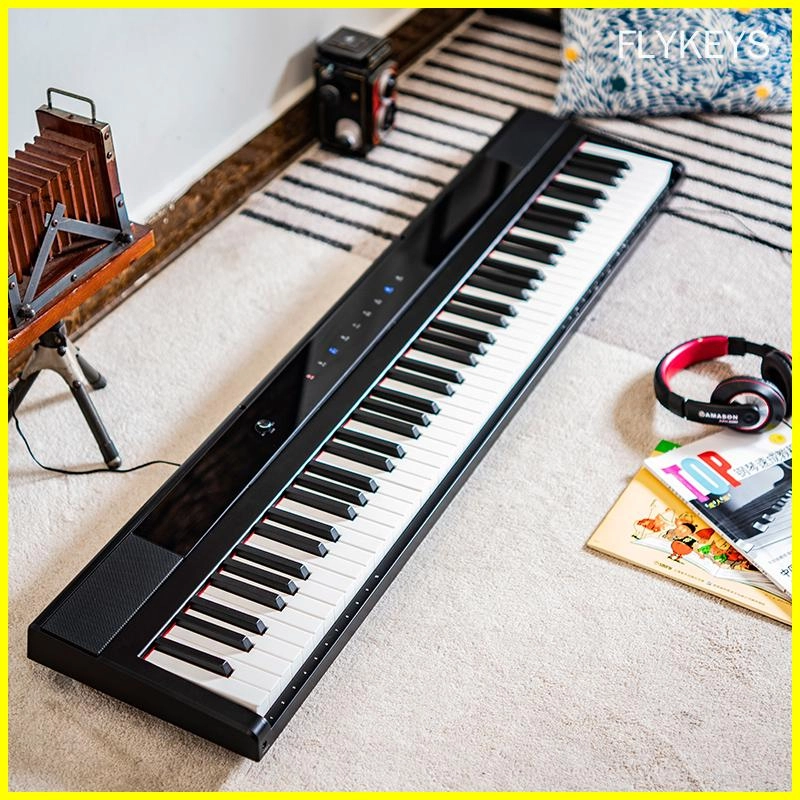
Best-Rated Electronic Pianos for Beginners in 2026: What to Buy and Why
Products
Do you offer software updates for your electronic pianos?
Yes, we regularly release software updates to enhance performance and add new features to our electronic pianos.
What is the warranty period of piano?
We provide 2 years warranty service, if there is any quality problem, we can provide accessories for free
Customization
What is the lead time for custom orders?
Lead times for custom orders vary depending on the complexity of the customization and current production schedules. Please contact our sales team for more information.
After-Sales Service
What after-sales support do you offer?
We offer comprehensive after-sales support, including technical assistance, troubleshooting, and warranty services.
Company
Does your company have any sustainability initiatives?
Yes, we are dedicated to sustainability and continuously strive to minimize our environmental footprint through responsible manufacturing practices.
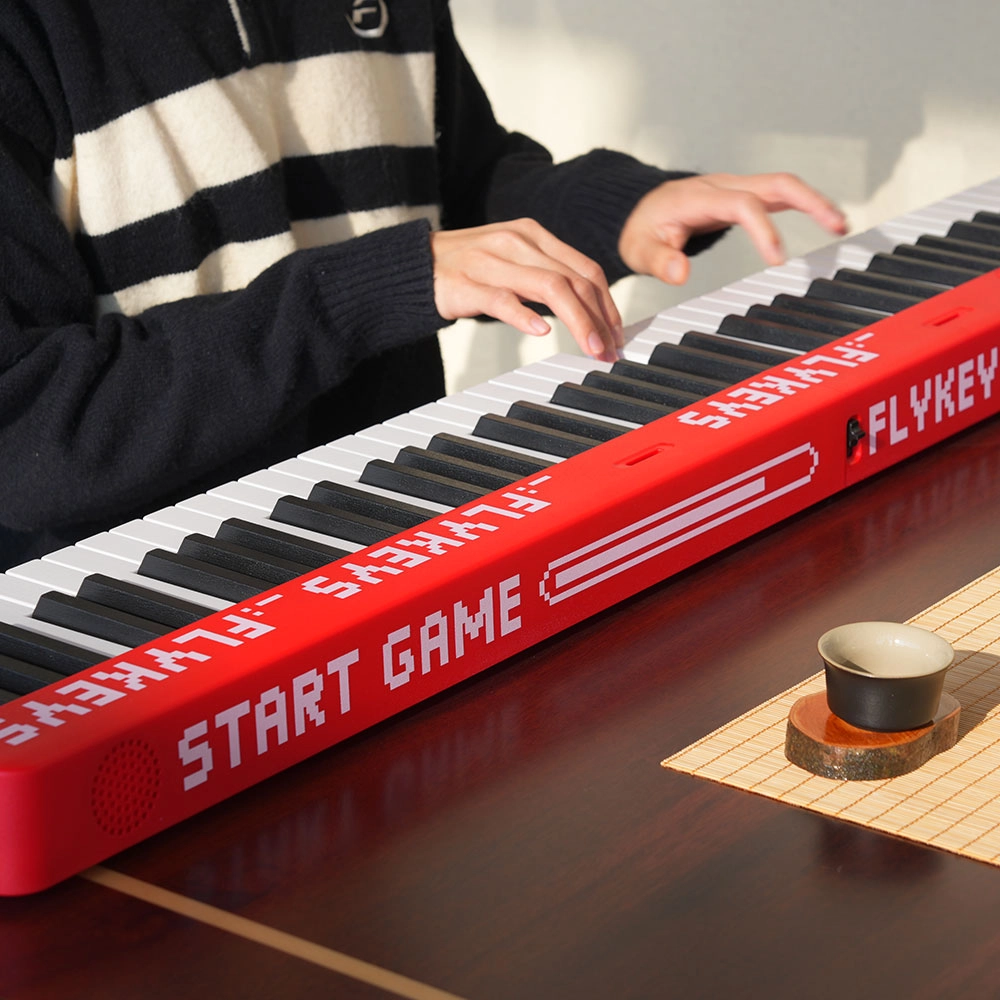
Flykeys M12 Folding Keyboard
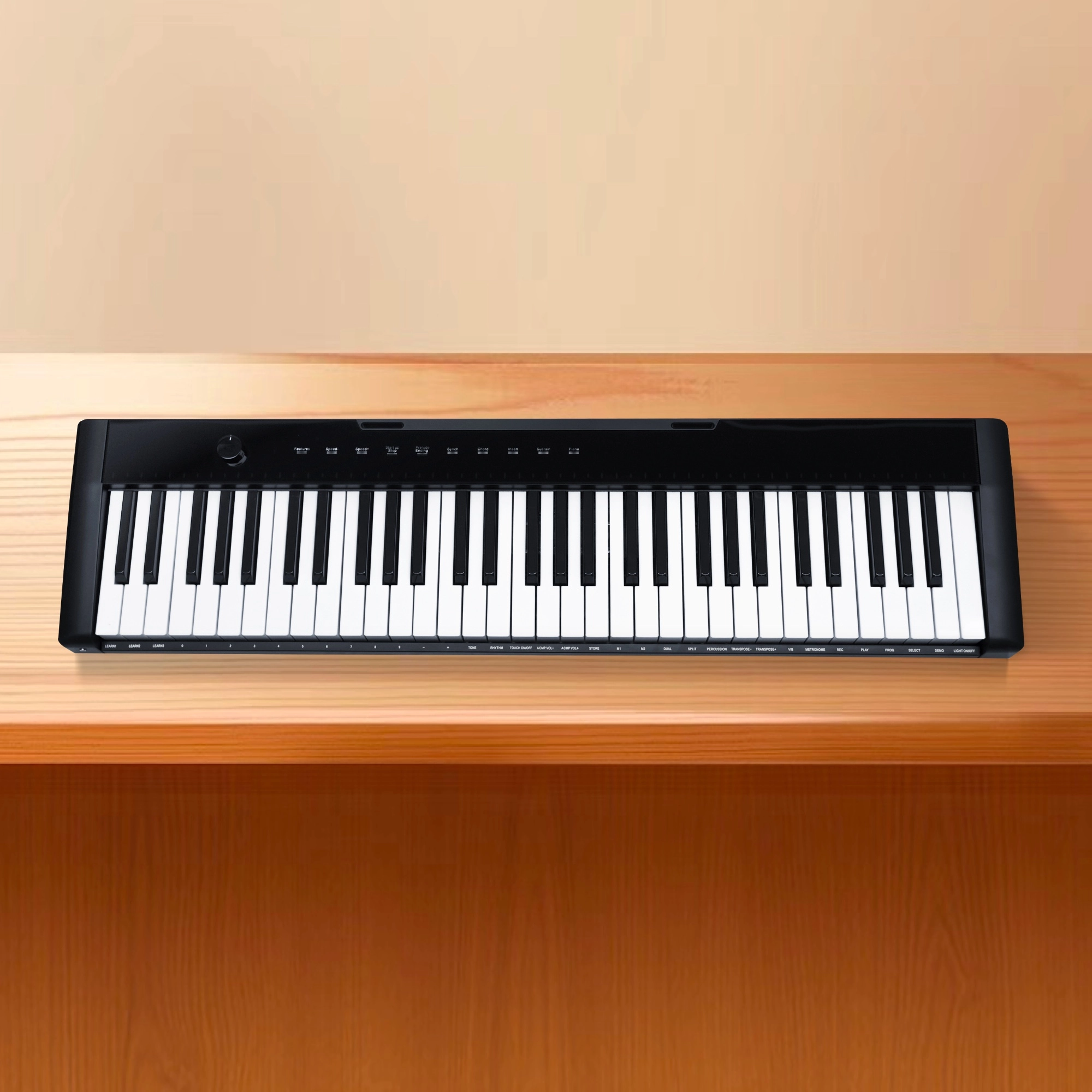
Flykeys 61 keys portable electronic keyboard piano with X stand (M2)
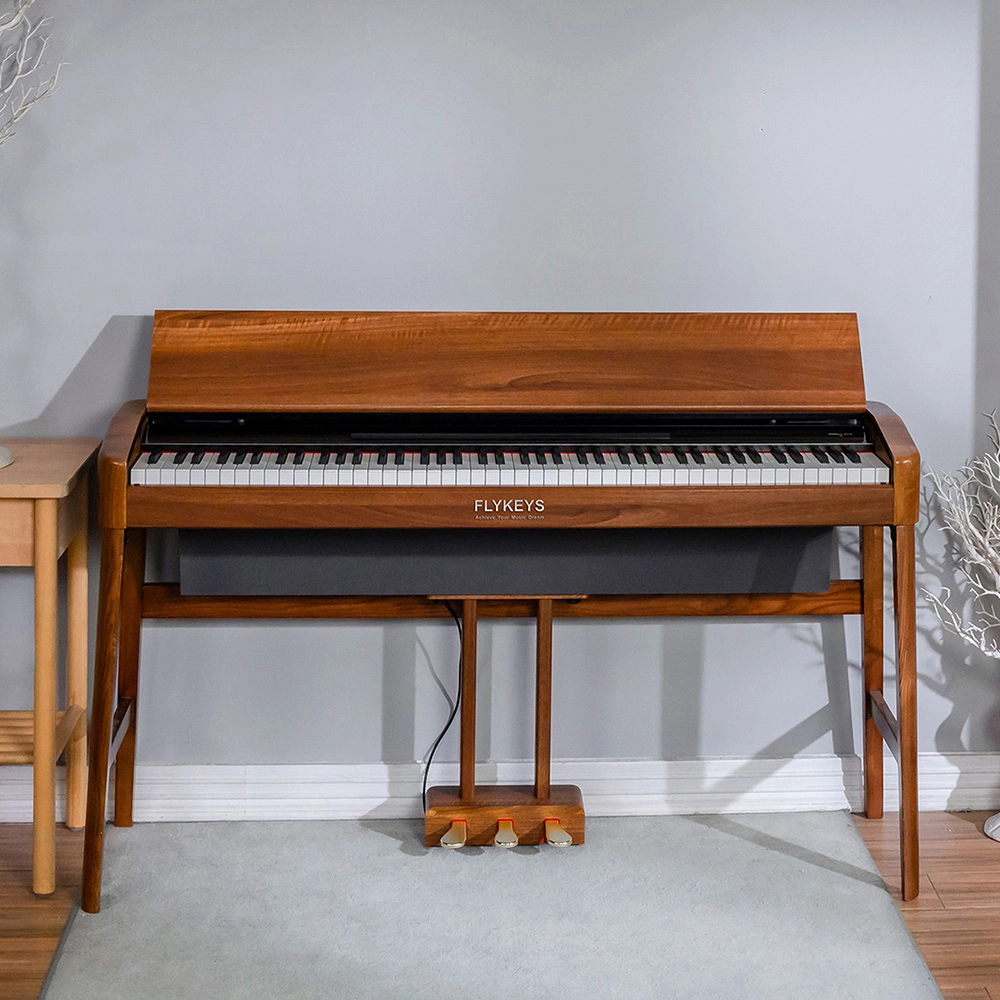
Flykeys Wooden Panel Piano Original Italian Imported Hammer Action Keyboard SK3 Digital Piano
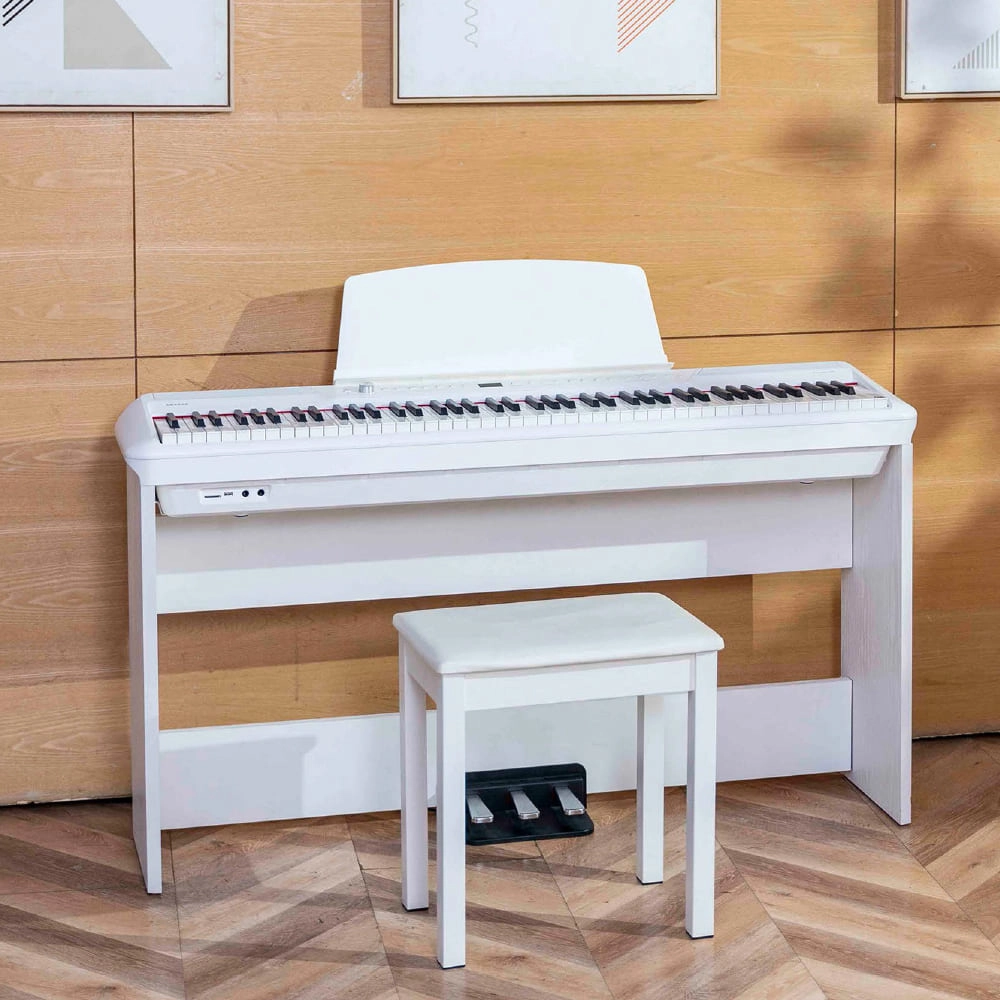
Flykeys Portable Electric Keyboard FP9 Digital Piano
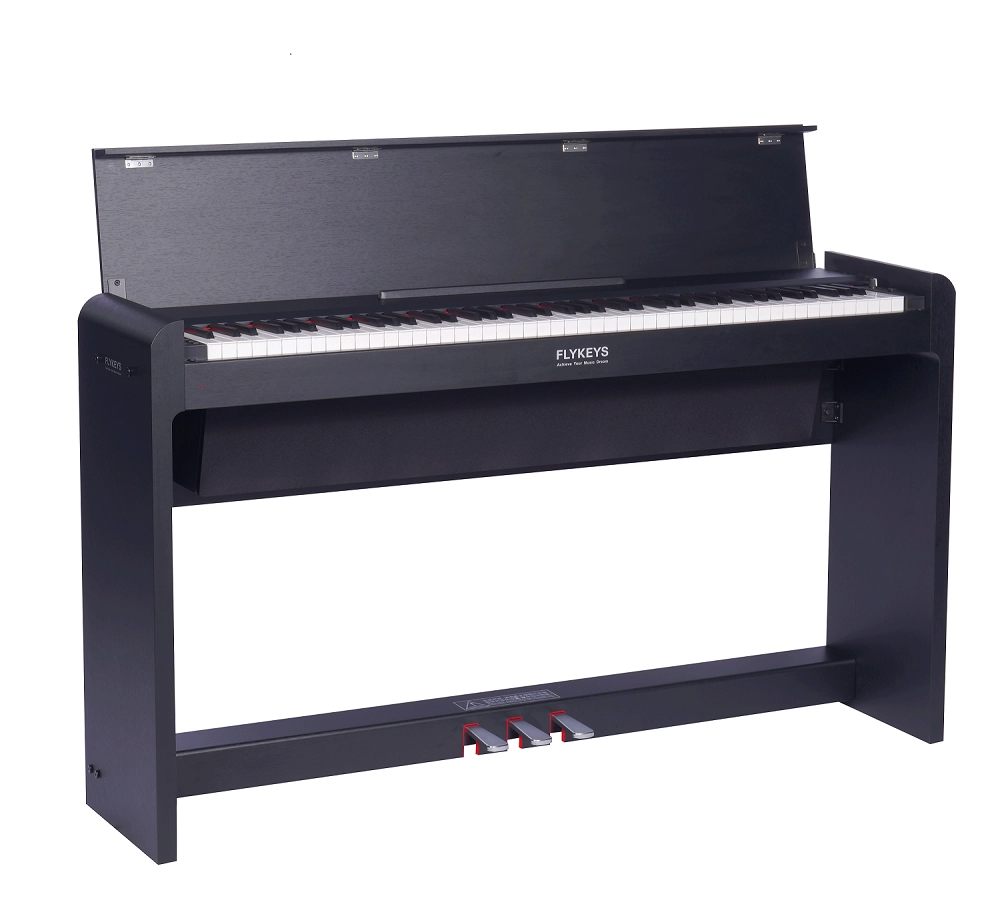
FLYKEYS FDP 5 Digital Piano
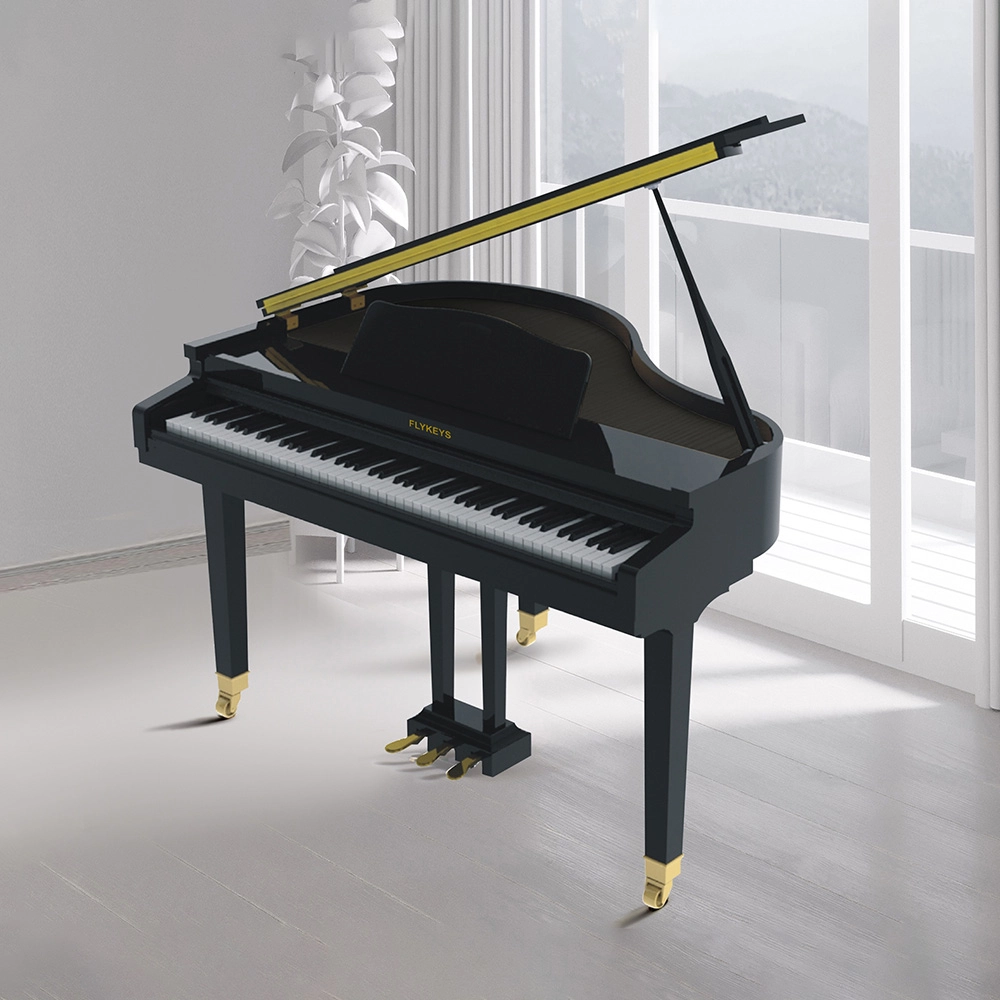
Flykeys 88 Keys Professional Digital Grand Piano Hammer Action Keyboard FGP110 Digital Piano
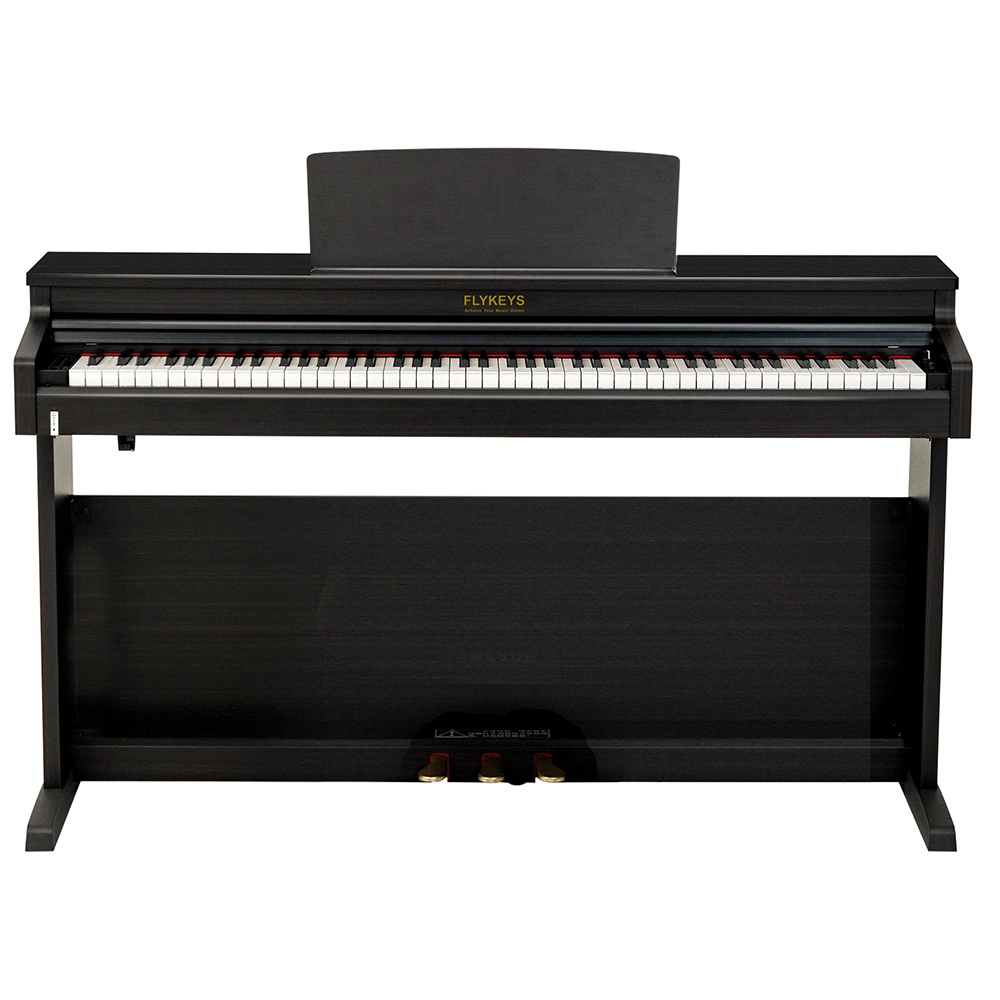
Flykeys Upright Digital Piano FDP 3
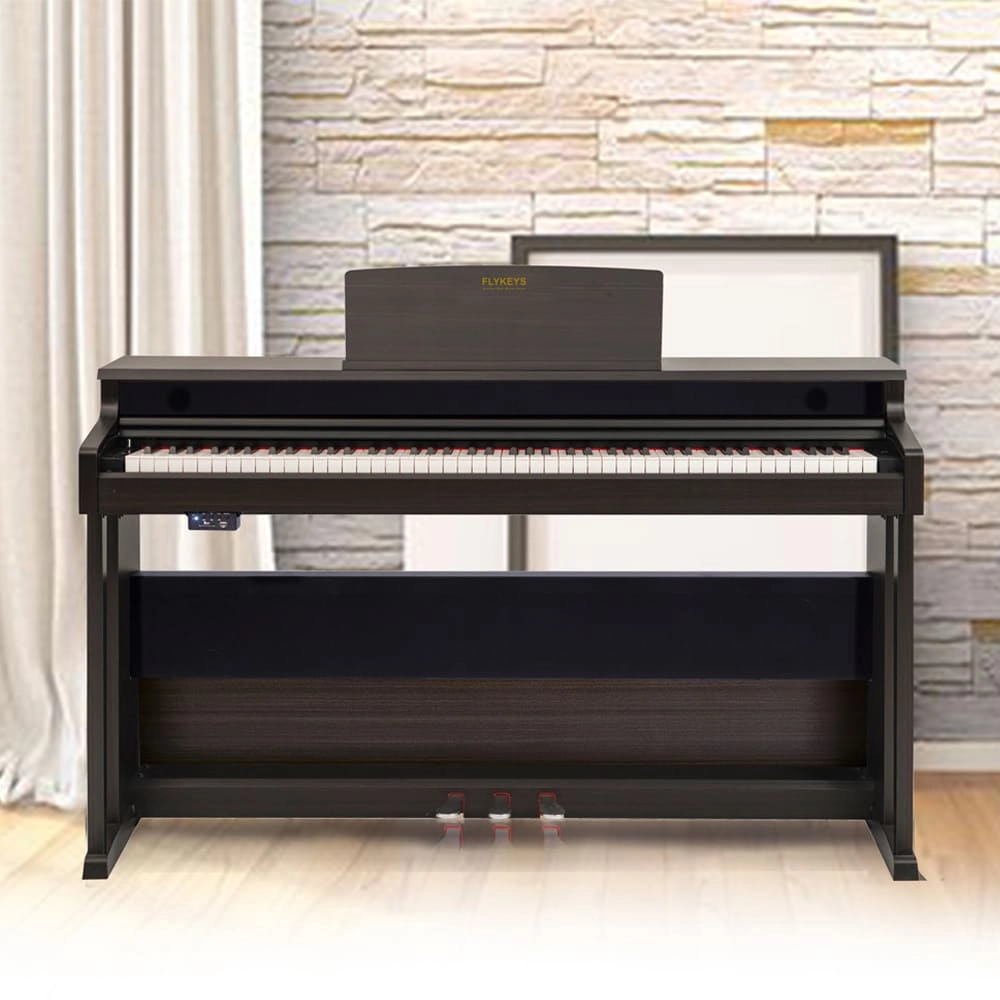
Flykeys Upright Piano Wooden Panel 88 KEYS Piano FK130 Digital Piano
Get in touch with us
Have a question or inquiry about our digital pianos products? Leave us a message here and our team will get back to you promptly within 24 hours.
Whether you're interested in custom orders, technical specifications, or partnership opportunities, we're here to assist you.
Rest assured that your privacy is important to us, and all information provided will be handled with the utmost confidentiality.
Address: No. 38 Xiangshan Avenue, Zengcheng Economic And Technological Development Zone, Guangzhou, China.
FOLLOW US:


© 2026 FLYKEYS All Rights Reserved. 粤 ICP备2020102774号. Designed by gooeyun. Sitemap | Privacy | Terms