

Which digital pianos offer the best connectivity options?
Navigating the world of digital pianos can be daunting for beginners. This guide cuts through the noise, answering critical, often-overlooked questions about essential features, advanced connectivity, and how to choose the best digital piano that supports your musical journey, from authentic key action to seamless integration with modern tech. Discover what truly matters for your learning and creative endeavors.
Embarking on the journey of learning piano is an exciting endeavor, and choosing the right instrument is your first crucial step. For many, a digital piano offers the perfect blend of authenticity, versatility, and convenience. But with a market flooded with options, identifying the best digital pianos that truly meet your needs, especially regarding modern digital piano connectivity and essential features, can be challenging. This expert guide addresses specific pain points and long-tail questions often overlooked, providing in-depth answers to help you make an informed purchase.
Beyond just USB-MIDI, what advanced connectivity features should I look for in a digital piano to integrate with modern music production software and smart devices?
While USB-MIDI (MIDI over USB) has been a standard for years, allowing your digital piano to act as a MIDI controller for software instruments, modern connectivity extends far beyond. For seamless integration with music production software (DAWs) and smart devices, look for:
- USB Audio Interface (USB-to-Host with Audio): This is a game-changer. Instead of just sending MIDI data, a digital piano with a built-in USB audio interface can send its actual audio output directly to your computer via a single USB cable. This eliminates the need for a separate audio interface, simplifying recording and live streaming setups. It often allows for bi-directional audio, meaning you can also play audio from your computer through the piano's speakers.
- Bluetooth MIDI: While traditional USB-MIDI offers rock-solid reliability, Bluetooth MIDI provides wireless freedom. It's excellent for connecting wirelessly to educational apps on tablets (e.g., Flowkey, Simply Piano) or even some DAWs, reducing cable clutter. However, always consider potential Bluetooth MIDI latency for critical performance or recording.
- Bluetooth Audio (Input): This allows you to stream audio from your smartphone or tablet directly through your digital piano's speakers. It's perfect for playing along with backing tracks, lessons, or your favorite songs, turning your piano into a high-quality sound system.
- Dedicated App Integration: Many top manufacturers offer proprietary apps (e.g., Roland Piano App, Yamaha Smart Pianist, Kawai PianoRemote). These apps often provide enhanced control over piano settings, access to learning tools, score display, and even recording functionalities, significantly expanding the instrument's utility.
- Line Out Jacks (1/4 TS/TRS): Essential for connecting to external amplifiers, PA systems, or audio interfaces for higher-quality sound reproduction, live performance, or studio recording. Some professional models even offer balanced XLR outputs for superior noise rejection over long cable runs.
These features transform your digital piano from a standalone instrument into a versatile hub for learning, creation, and performance, making it a strong contender among the best digital pianos for modern musicians.
For a beginner on a tight budget, what are the *essential* features in a digital piano that shouldn't be compromised, and which 'High Quality' features can be safely overlooked without hindering long-term progress?
When seeking a budget digital piano, prioritizing core playability and sound quality is paramount for effective learning. Don't compromise on these essentials:
- 88 Fully Weighted Keys: This is non-negotiable. An 88-key keyboard mirrors an acoustic piano's range, and fully weighted keys (ideally with graded hammer action) are crucial for developing proper finger strength, technique, and dynamic control. Anything less will hinder your progress and make transitioning to an acoustic piano difficult.
- Authentic Piano Sound: While a vast library of sounds is nice, focus on the quality of the primary acoustic piano sample. It should be rich, expressive, and responsive to your touch. Look for models with good polyphony (at least 64, ideally 128 or more) to prevent notes from cutting off prematurely.
- Decent Built-in Speakers: For practice, clear and reasonably powerful internal speakers are important. While you might upgrade to headphones or external amplification later, good internal speakers make daily practice enjoyable.
- Basic Connectivity (USB-MIDI/Headphone Jacks): At minimum, you'll want a USB-MIDI port for computer connection and at least one, preferably two, headphone jacks for silent practice or duets.
Features you can safely overlook as a beginner to save costs include:
- Extensive Sound Libraries: While fun, you'll primarily use the piano sound. A few extra sounds (e.g., electric piano, organ, strings) are sufficient.
- Advanced Effects & Rhythms: Reverb and chorus are standard and useful, but complex DSP effects or a vast array of rhythm accompaniments are not essential for learning classical or contemporary piano.
- Elaborate Cabinet Designs: While beautiful, a simple, sturdy stand and basic console design are perfectly functional. Focus on the internal components rather than the furniture aspect.
- Touchscreens & Complex Interfaces: Physical buttons and a clear LED display are often more intuitive for beginners than navigating complex menus on a small screen.
By focusing on these core elements, you can find one of the best digital pianos for learning without overspending.
How does key action, specifically 'graded hammer action' versus 'fully weighted,' impact a beginner's learning curve and transition to an acoustic piano, and what's the *best digital piano* for authentic feel without breaking the bank?
Key action is arguably the most critical feature of a digital piano, directly influencing your playing experience and skill development. Understanding the nuances is key:
- Fully Weighted Action: This generally means all 88 keys have a similar, heavier resistance, mimicking the feel of an acoustic piano more closely than semi-weighted or synth-action keys. It's a significant improvement for developing finger strength and control.
- Graded Hammer Action (GHA): This is the gold standard for digital piano key action and what you should prioritize. GHA simulates the mechanical action of an acoustic grand piano, where the bass keys are heavier and gradually become lighter towards the treble end. This authentic resistance variation is crucial for developing proper technique, dynamic control, and muscle memory that translates directly to playing an acoustic instrument. Without it, you'll struggle to adapt to the varying touch of a real piano.
For beginners, a digital piano with graded hammer action is highly recommended. It provides the most realistic playing experience, ensuring that the skills you develop are transferable. Many manufacturers have their own proprietary GHA systems, such as Yamaha's Graded Hammer Standard (GHS) or Graded Hammer 3 (GH3), Roland's PHA-4 Standard, and Kawai's Responsive Hammer III (RHIII). While High Quality actions like Roland's Hybrid Grand Keyboard or Kawai's Grand Feel Compact offer even more realism, excellent GHA can be found in mid-range models without breaking the bank. For example, models featuring Yamaha's GHS action are often considered among the best digital pianos for beginners seeking an authentic feel on a reasonable budget.
Many digital pianos advertise Bluetooth MIDI, but how reliable is it for real-time performance and recording compared to traditional wired connections, and what are the *best digital pianos* for low-latency wireless integration with educational apps?
Bluetooth MIDI offers undeniable convenience, freeing you from cables and simplifying connections to mobile devices. However, its reliability for real-time performance and critical recording scenarios compared to wired connections is a common concern due to potential latency.
- Latency: Bluetooth, by its nature, introduces a small delay (latency) between when you press a key and when the sound is produced or recorded. While modern Bluetooth MIDI (especially Bluetooth 5.0 and optimized implementations) has significantly reduced this, it's still generally higher than a direct wired USB-MIDI connection. For casual practice with educational apps, where a few milliseconds of delay are often imperceptible or tolerable, Bluetooth MIDI is fantastic.
- Reliability: Wired USB-MIDI connections are inherently more stable and less prone to interference or dropouts, making them the preferred choice for professional recording, live performance, or any situation where absolute timing precision is critical. For these scenarios, always opt for a wired connection if available.
For low-latency wireless integration with educational apps, look for digital pianos that explicitly mention optimized Bluetooth MIDI performance and support for the latest Bluetooth standards. Brands like Roland, Yamaha, and Kawai have made significant strides in this area, often pairing their instruments with dedicated apps that leverage Bluetooth MIDI effectively. These are often among the best digital pianos for integrating with learning software, making practice more interactive and engaging. However, for serious production work, a wired connection remains the most reliable option.
Beyond built-in speakers, what external audio output options (e.g., line out, XLR) are crucial for a digital piano user who plans to perform live or record in a home studio, and how do these affect sound quality and setup complexity?
While built-in speakers are convenient for personal practice, they are rarely sufficient for live performance or high-quality studio recording. External audio output options are crucial for expanding your digital piano's capabilities:
- Line Out (1/4 TS/TRS): This is the most common and essential external output. Digital pianos typically feature two 1/4 jacks (Left/Mono and Right) for stereo output. Connecting these to an external amplifier, powered speakers, a PA system, or an audio interface for recording allows the piano's high-quality sound engine to be heard through a superior sound system. Using stereo outputs provides a richer, more immersive sound, especially for grand piano samples that benefit from spatial depth. It's relatively simple to set up, requiring standard instrument cables.
- XLR Outputs: Found on more professional or stage-oriented digital pianos, XLR outputs provide a balanced signal. Balanced connections are highly resistant to interference and noise, making them ideal for long cable runs in live performance venues or professional recording studios. They offer the cleanest possible signal transmission, but require XLR cables and compatible mixers or interfaces.
- Digital Outputs (S/PDIF, AES/EBU): Less common but present on some high-end studio-focused digital pianos, these outputs transmit audio digitally, bypassing the piano's internal Digital-to-Analog Converters (DACs). This can offer the purest signal path to a high-quality external DAC or audio interface, potentially resulting in even better sound quality, but requires compatible digital inputs on your receiving equipment.
Utilizing these external outputs significantly enhances sound quality by allowing you to bypass the limitations of internal speakers. It provides greater volume, clarity, and control over your sound, essential for any serious musician planning to perform or record. When considering the best digital pianos for a home studio piano setup or live gigs, robust and versatile audio outputs are a key differentiator.
With evolving technology, how important is firmware upgradability or app integration for a digital piano's longevity and adaptability to future features or educational tools, especially for models considered among the *best digital pianos* today?
In today's rapidly evolving technological landscape, the ability of a digital piano to adapt and grow is increasingly important for its longevity and value. Firmware upgradability and robust app integration are critical factors:
- Firmware Upgradability: Much like your smartphone or computer, a digital piano's internal software (firmware) can be updated. Manufacturers often release firmware updates to fix bugs, improve sound engines, add new features, or enhance connectivity. An upgradable piano means your instrument can receive performance enhancements and new functionalities over time, protecting your investment and keeping it current with new standards. This is a hallmark of many of the best digital pianos, ensuring they remain relevant for years.
- App Integration: Dedicated companion apps are no longer just gimmicks; they are powerful extensions of your digital piano. These apps can:
- Expand Control: Offer a more intuitive graphical interface for adjusting settings, selecting sounds, and managing features than the piano's onboard controls.
- Provide Learning Tools: Include built-in lessons, sheet music displays, rhythm exercises, and progress tracking, making practice more engaging and effective.
- Enhance Creativity: Facilitate recording, mixing, and sharing your performances, or offer advanced sound editing capabilities.
- Future-Proofing: As new educational methodologies or musical technologies emerge, app developers can update their software to integrate these, extending the utility of your piano without needing new hardware.
Choosing a digital piano with strong firmware support and a well-developed, regularly updated companion app ensures your instrument remains a dynamic and adaptable tool throughout your musical journey. It's a key consideration for long-term satisfaction and a feature found in many High Quality digital piano features that truly offer value.
Selecting the ideal digital piano involves understanding not just the basic specifications, but also how advanced features and connectivity options contribute to your learning, creativity, and long-term satisfaction. By prioritizing authentic key action, essential sound quality, and versatile connectivity, you can choose an instrument that truly empowers your musical journey. The best digital pianos are those that grow with you, offering both a superb playing experience and the flexibility to integrate with modern musical ecosystems.
For personalized advice on selecting the ideal digital piano for your needs, or to explore our range of high-quality instruments, please contact us for a quote at service@flykeysmusic.com or visit www.flykeysmusic.com.
- Beyond just USB-MIDI, what advanced connectivity features should I look for in a digital piano to integrate with modern music production software and smart devices?
- For a beginner on a tight budget, what are the *essential* features in a digital piano that shouldn't be compromised, and which 'High Quality' features can be safely overlooked without hindering long-term progress?
- How does key action, specifically 'graded hammer action' versus 'fully weighted,' impact a beginner's learning curve and transition to an acoustic piano, and what's the *best digital piano* for authentic feel without breaking the bank?
- Many digital pianos advertise Bluetooth MIDI, but how reliable is it for real-time performance and recording compared to traditional wired connections, and what are the *best digital pianos* for low-latency wireless integration with educational apps?
- Beyond built-in speakers, what external audio output options (e.g., line out, XLR) are crucial for a digital piano user who plans to perform live or record in a home studio, and how do these affect sound quality and setup complexity?
- With evolving technology, how important is firmware upgradability or app integration for a digital piano's longevity and adaptability to future features or educational tools, especially for models considered among the *best digital pianos* today?
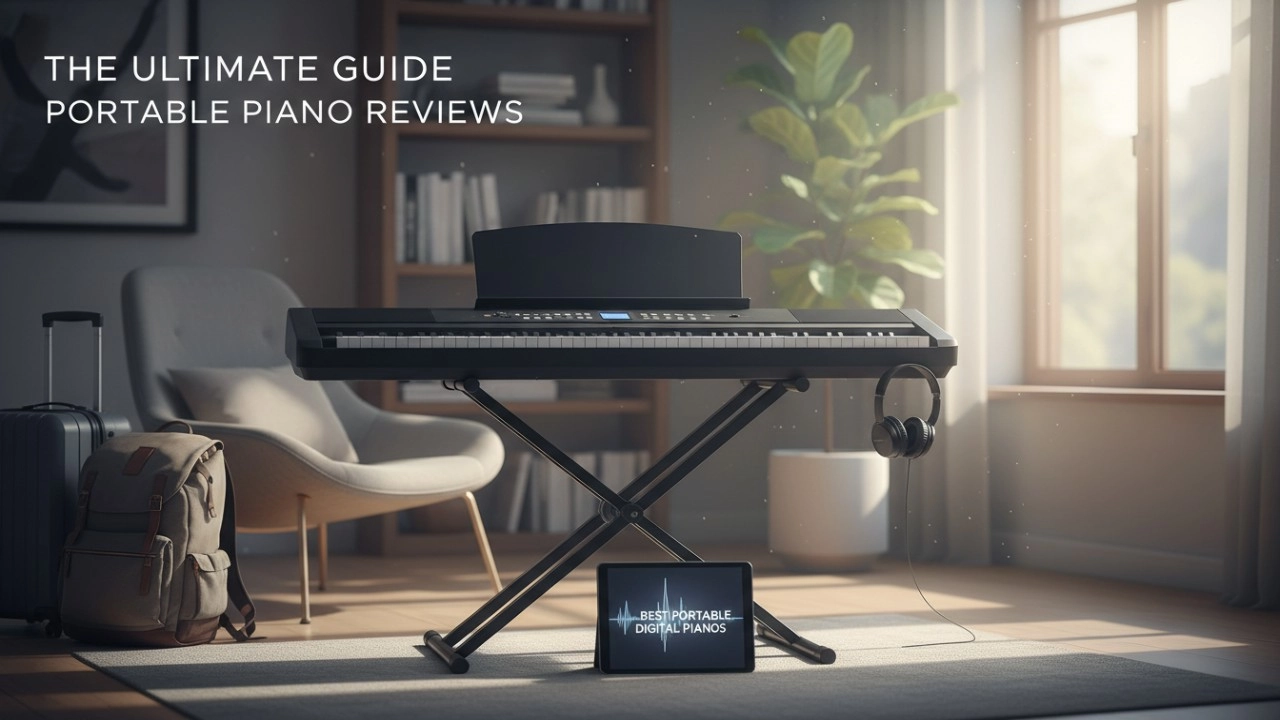
15 Best Portable Digital Pianos of 2026: The Only Comparison Guide You’ll Ever Need
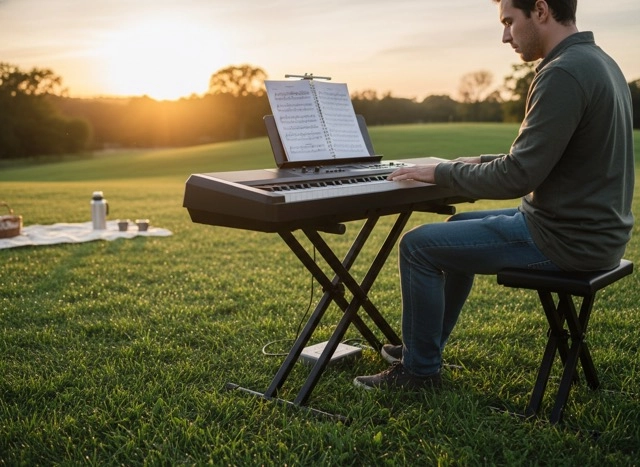
Is the Flykeys FP9 Worth It? Our Real-Life Experience with the World’s Largest Piano Maker’s Digital Tech.
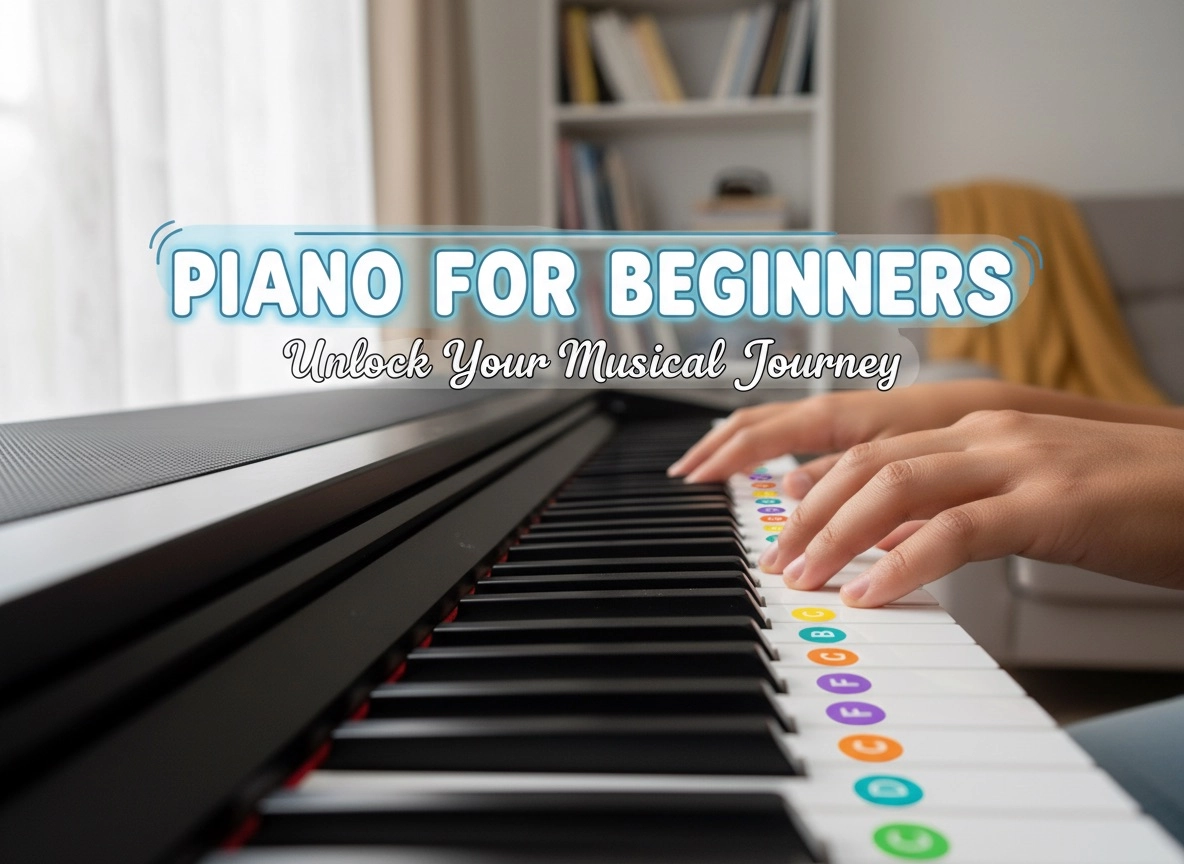
Best Digital Piano Keyboards for Beginners 2026: Your Ultimate Buying Guide
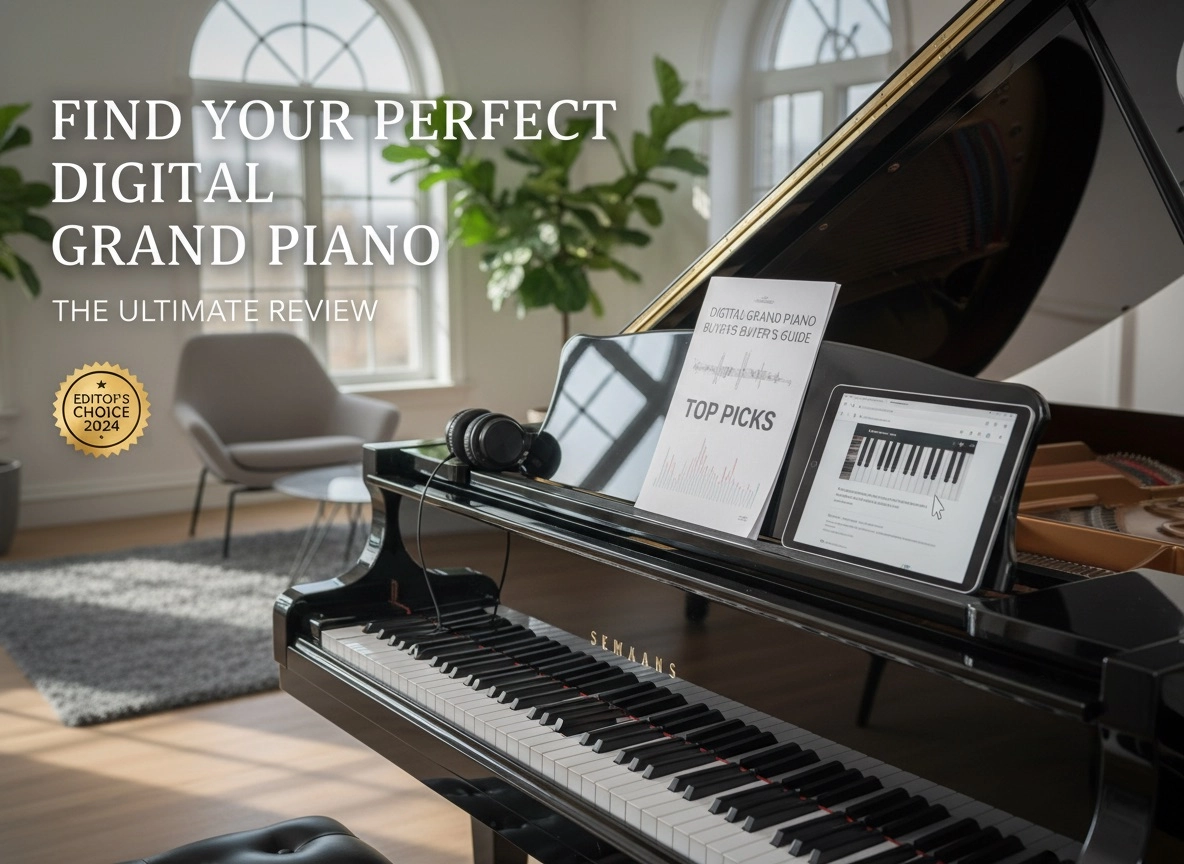
Best Digital Grand Pianos 2026: Ultimate Buyer's Guide for Authentic Sound & Feel
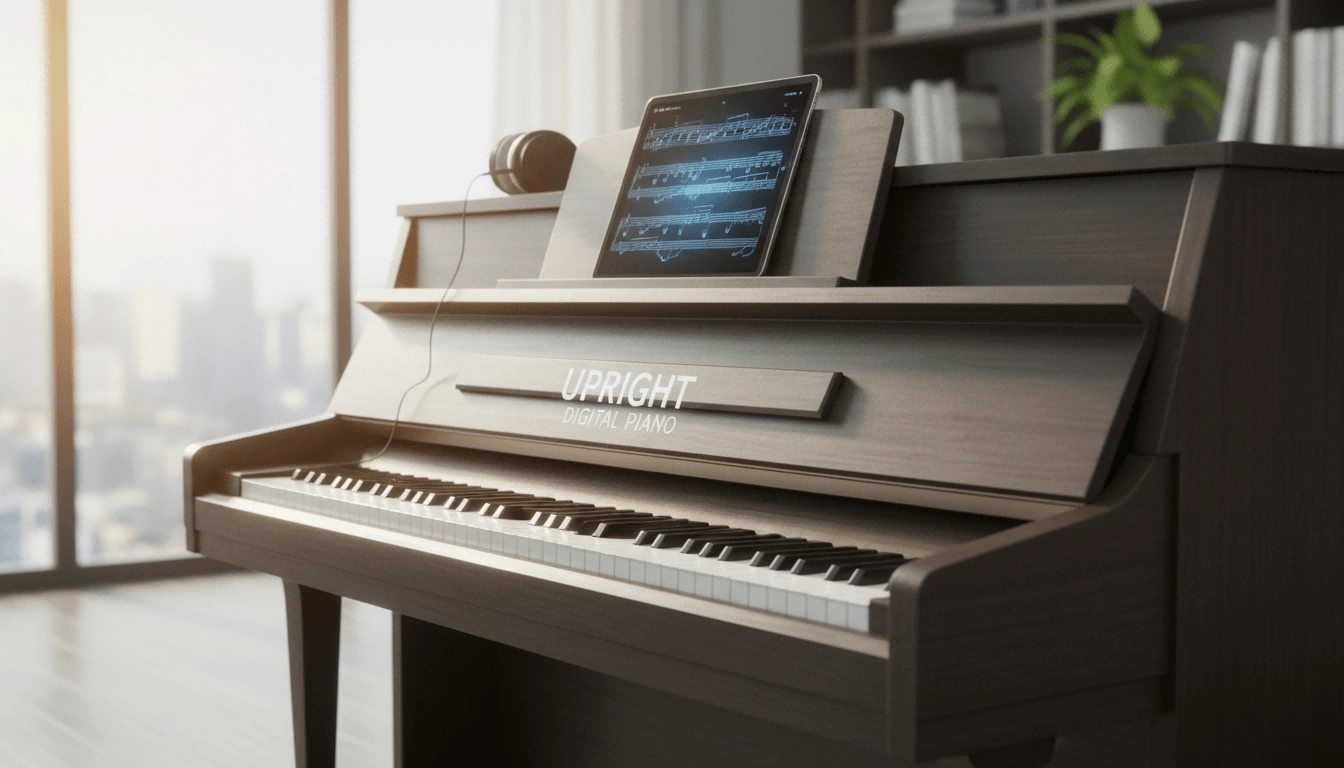
The Definitive Guide to Upright Digital Pianos: Blending Timeless Elegance with Modern Innovation in 2026
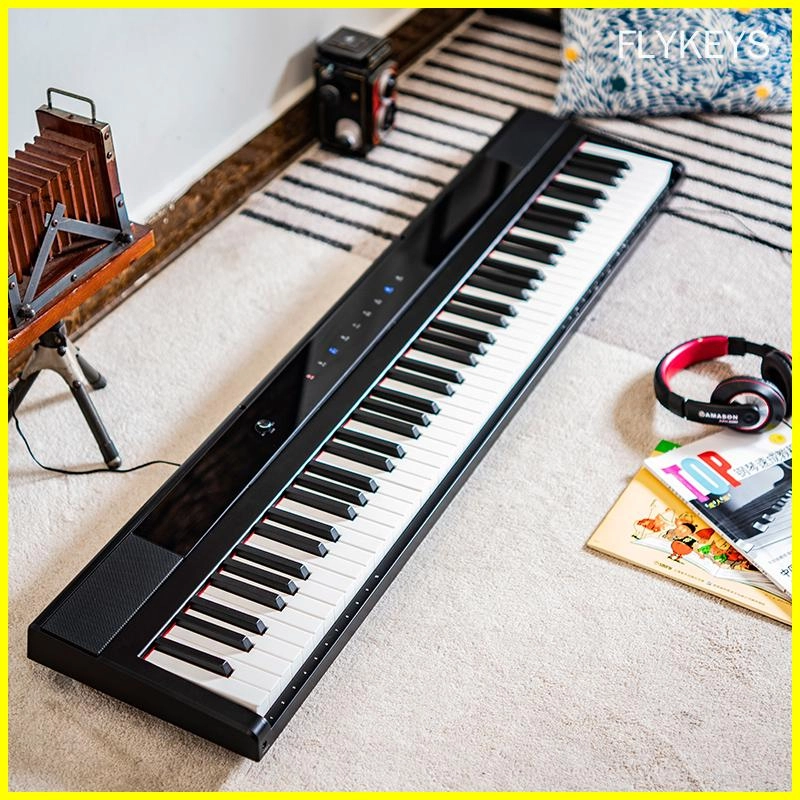
Best-Rated Electronic Pianos for Beginners in 2026: What to Buy and Why
After-Sales Service
What after-sales support do you offer?
We offer comprehensive after-sales support, including technical assistance, troubleshooting, and warranty services.
Logistics
Do you ship internationally?
Yes, we offer international shipping to most countries worldwide.
Products
Do you offer software updates for your electronic pianos?
Yes, we regularly release software updates to enhance performance and add new features to our electronic pianos.
What products do you have?
We offer a diverse range of products, including digital portable piano, digital upright piano, digital grand piano, electronic drum set, piano silent system, audio equipment, interactive whiteboard, advertising machines, Smart TV, Touch Screen,etc.
Company
Where is your company located?
Our headquarters are located in Guangzhou City, China, with manufacturing facilities strategically positioned for efficient global distribution.
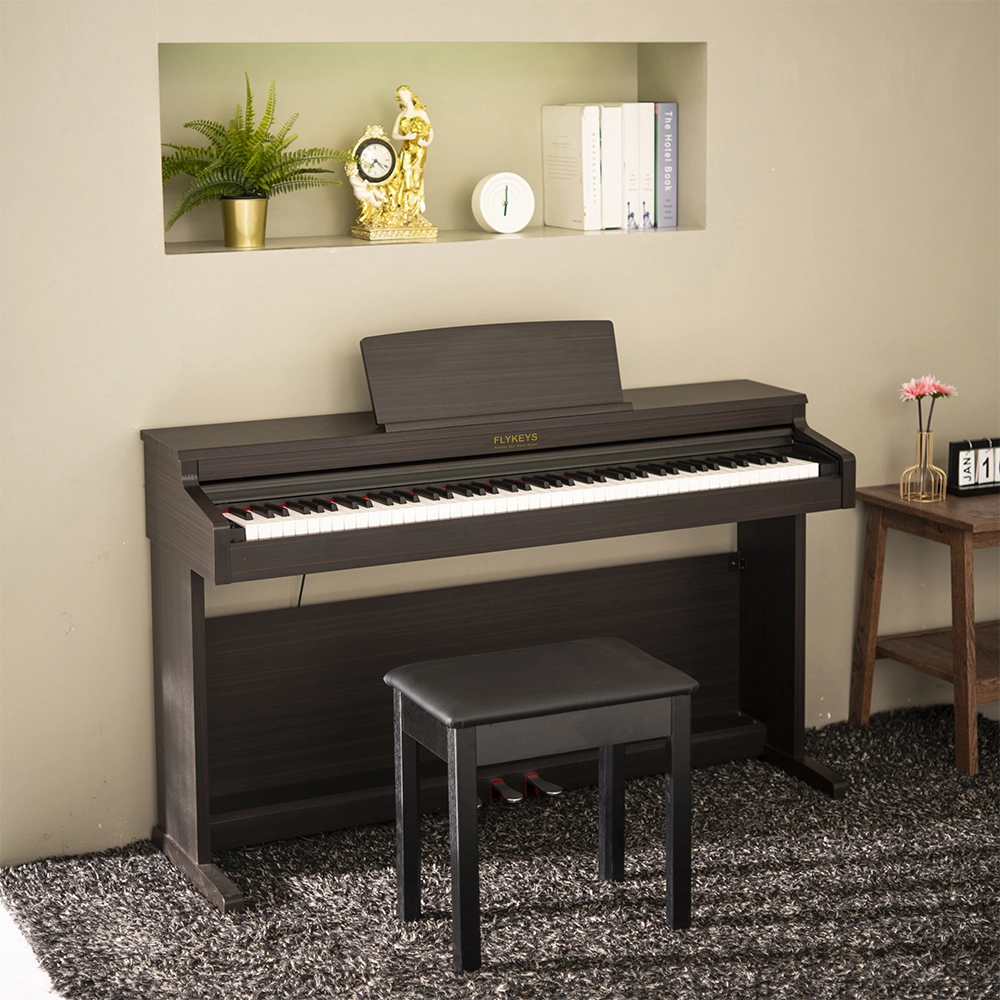
Flykeys 88 Keys Hammer Action keyboard Upright Piano LK03S Digital Piano
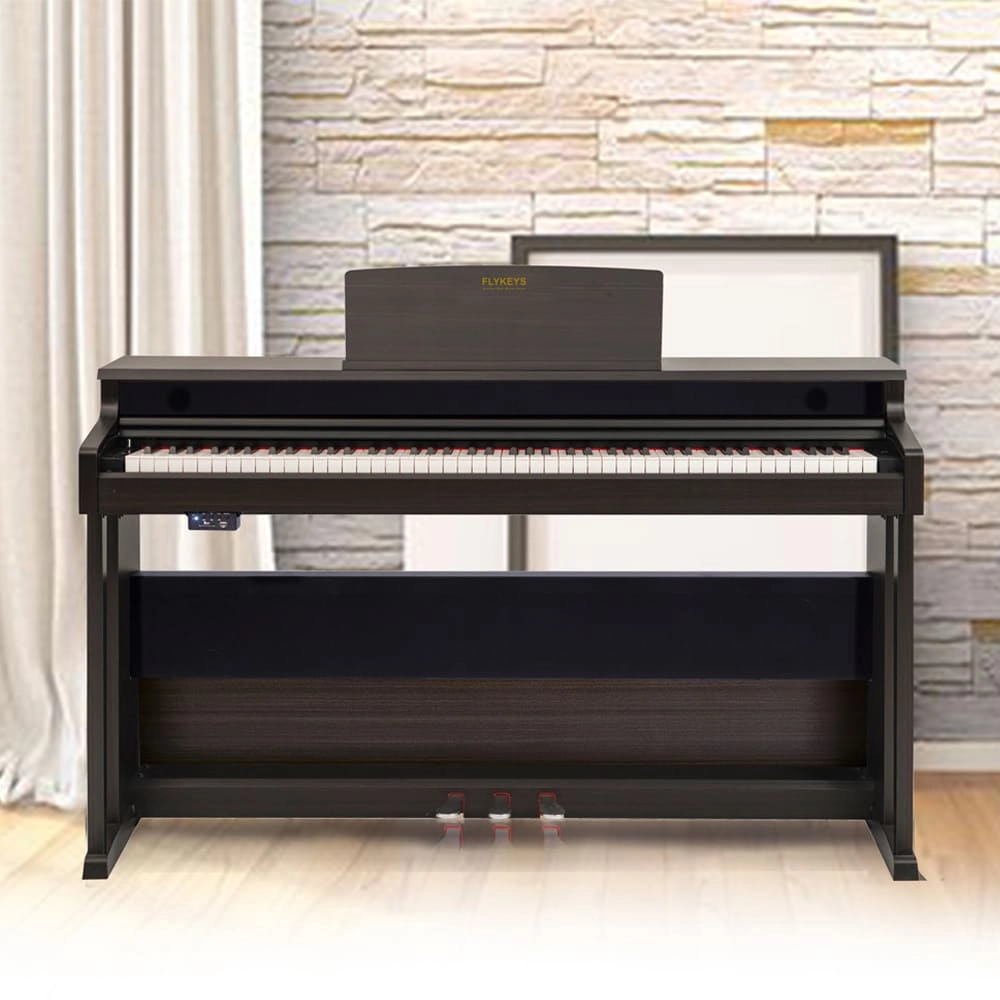
Flykeys Upright Piano Wooden Panel 88 KEYS Piano FK130 Digital Piano
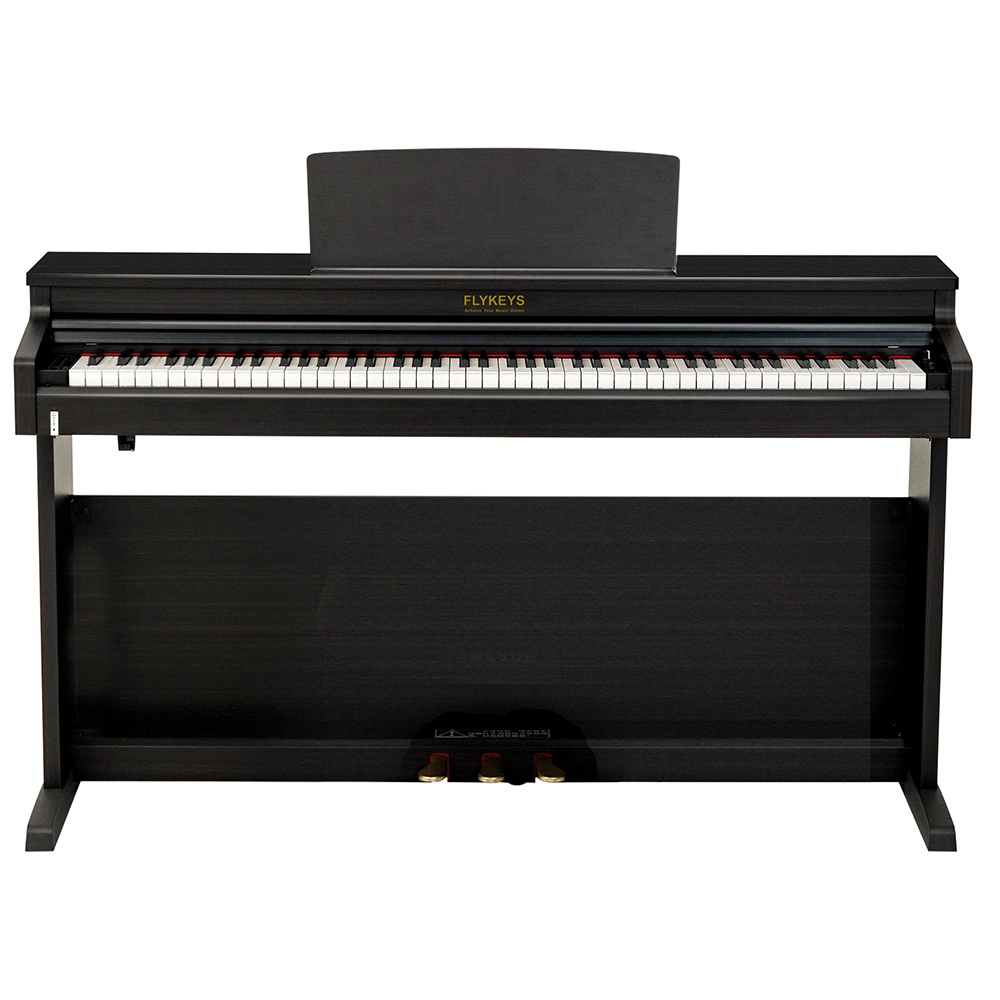
Flykeys Upright Digital Piano FDP 3
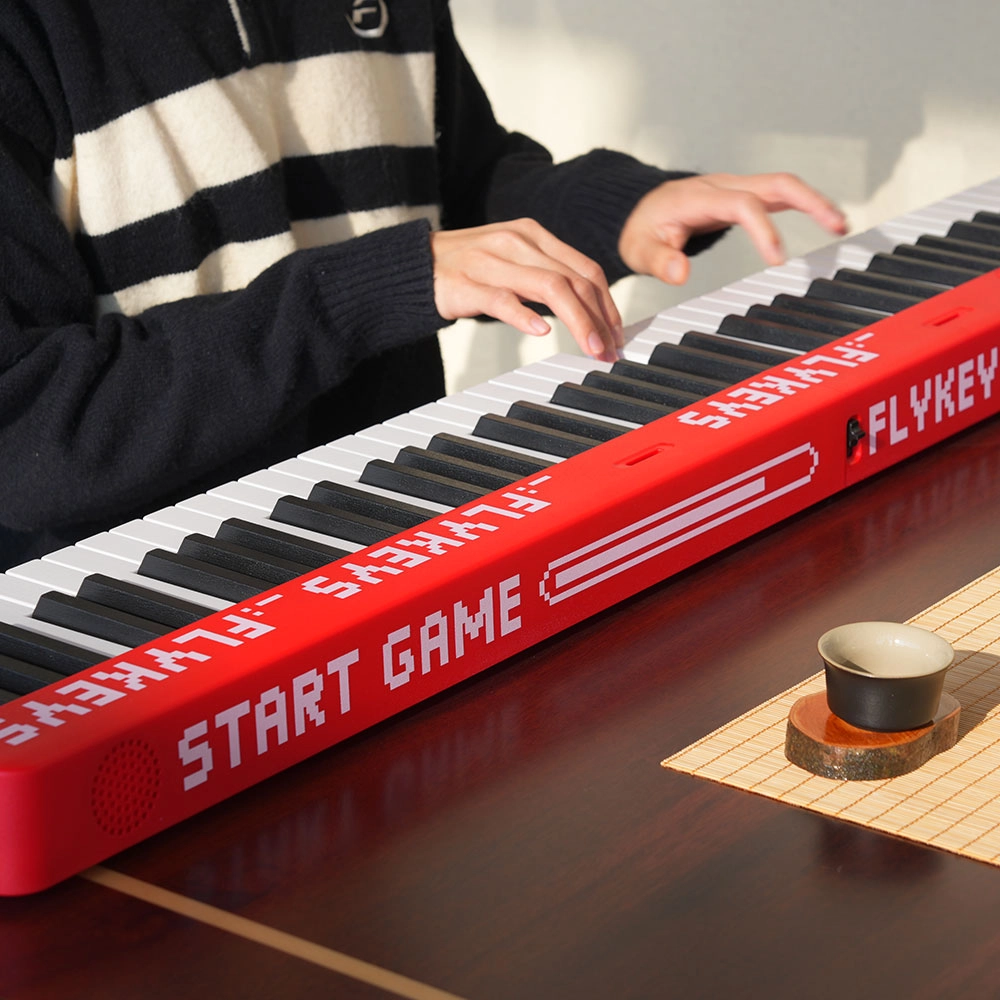
Flykeys M12 Folding Keyboard
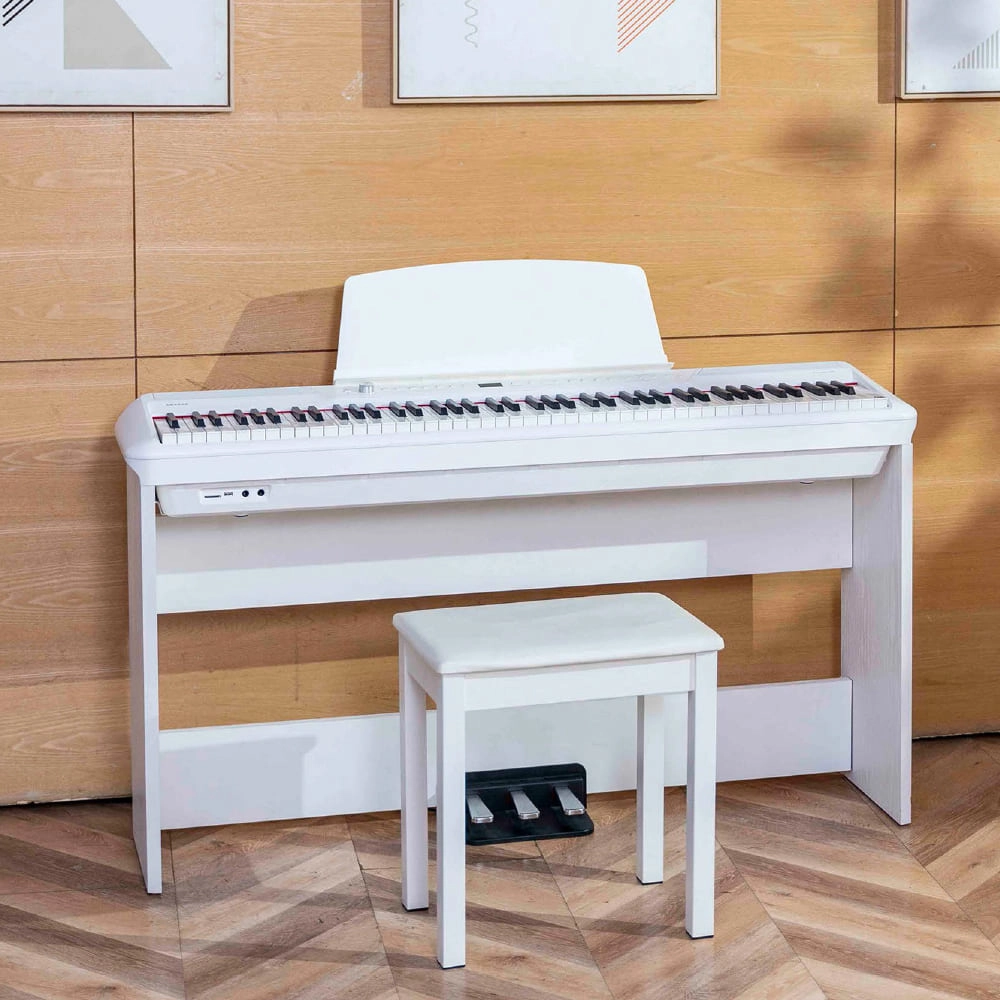
Flykeys Portable Electric Keyboard FP9 Digital Piano
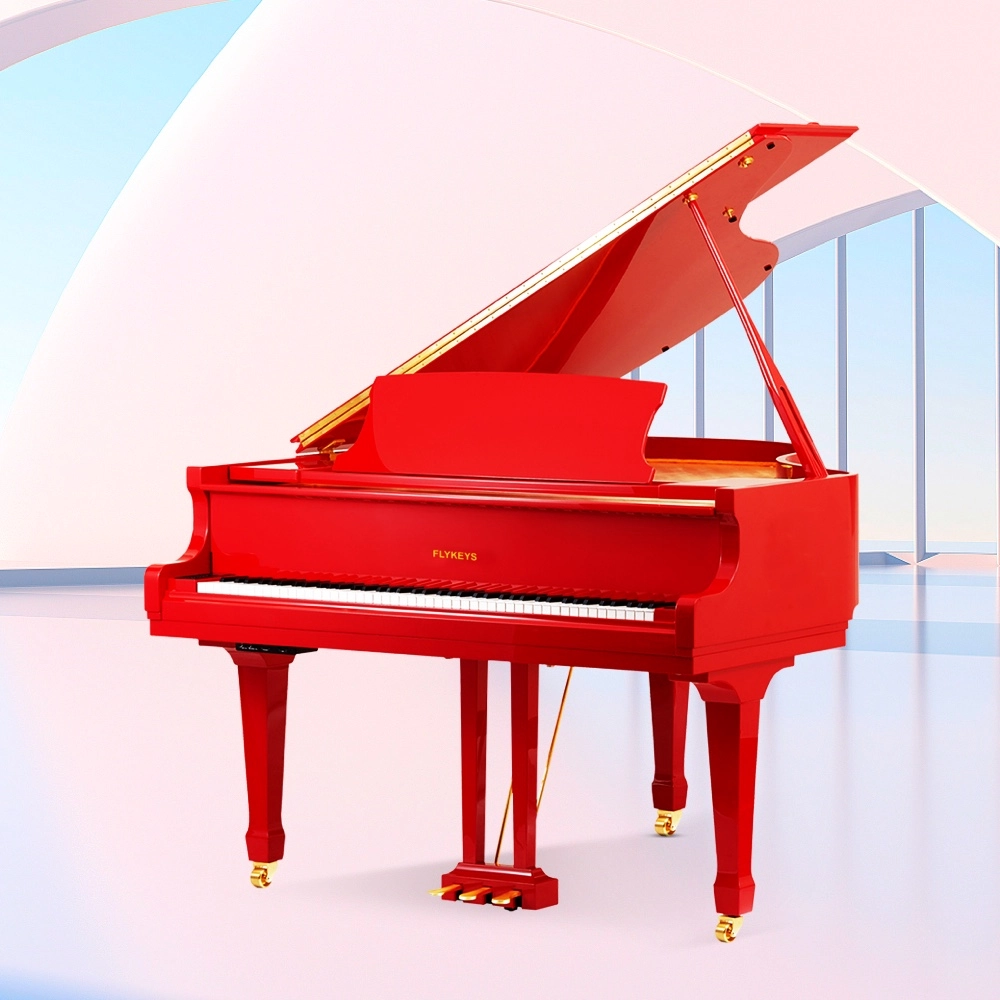
Flykeys Professional Digital Grand Piano FGP610 Digital Piano
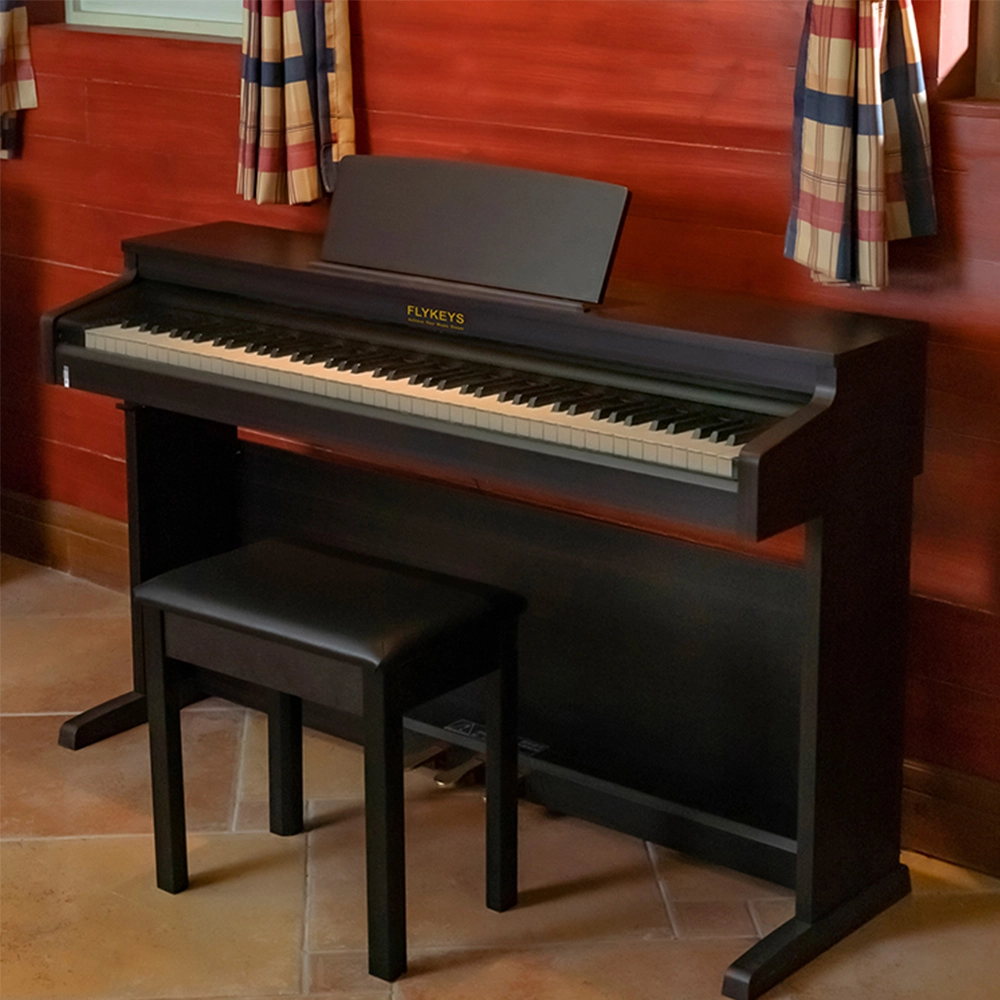
Flykeys Upright Electric Piano Built-In Speakers Music Instrument FD05 Digital Piano
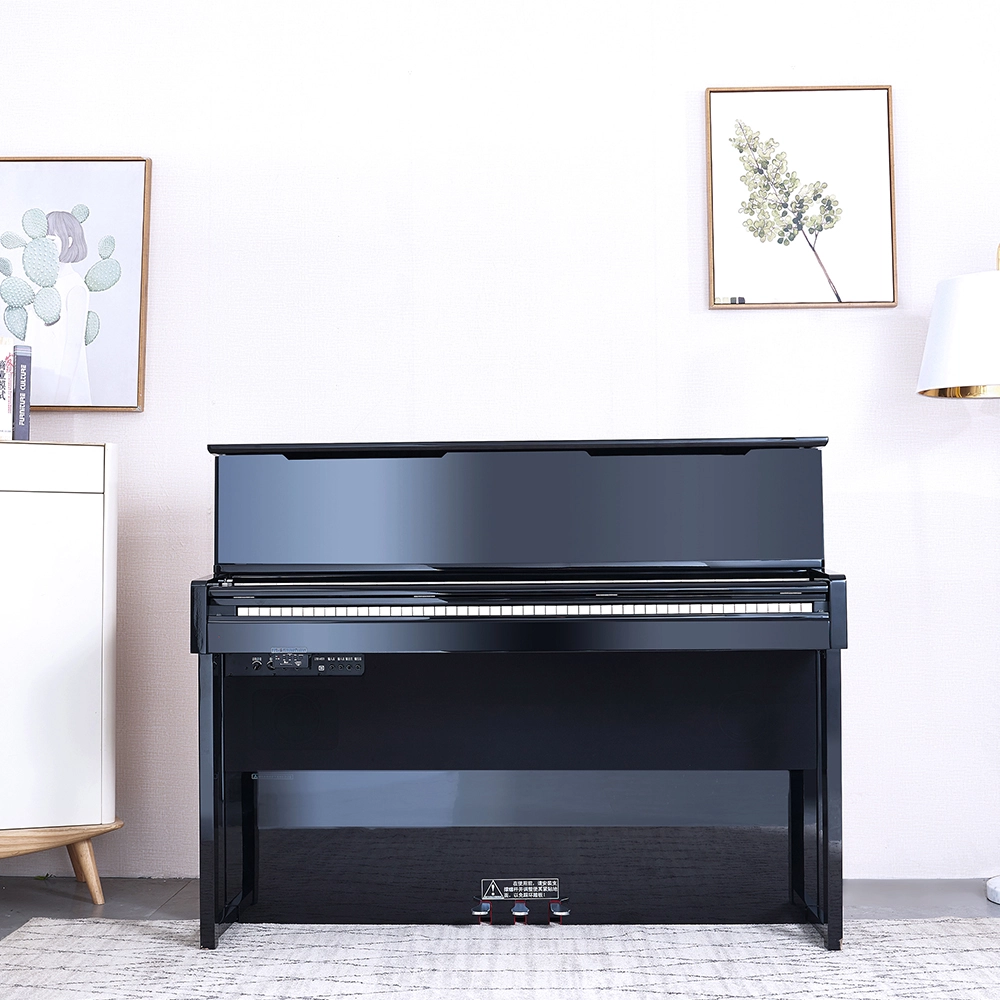
Flykeys Professional Digital Upright Piano 88 Keys Wooden Keyboard FK830 Digital Piano
Get in touch with us
Have a question or inquiry about our digital pianos products? Leave us a message here and our team will get back to you promptly within 24 hours.
Whether you're interested in custom orders, technical specifications, or partnership opportunities, we're here to assist you.
Rest assured that your privacy is important to us, and all information provided will be handled with the utmost confidentiality.
Address: No. 38 Xiangshan Avenue, Zengcheng Economic And Technological Development Zone, Guangzhou, China.
FOLLOW US:


© 2026 FLYKEYS All Rights Reserved. 粤 ICP备2020102774号. Designed by gooeyun. Sitemap | Privacy | Terms