

What is the best electronic keyboard for beginners in 2026?
Embarking on your musical journey with an electronic keyboard is an exciting venture, yet choosing the right instrument can be daunting. This expert guide, crafted for aspiring musicians, delves into the most common, yet often poorly answered, questions beginners face when selecting their first electronic keyboard or digital piano. From key action to future-proofing, we provide deep insights to help you find the best electronic keyboard for beginners in 2026, ensuring a rewarding and effective learning experience. Avoid common pitfalls and invest wisely in your musical future.
Unlocking Your Musical Journey: The Electronic Keyboard for Beginners Buying Guide (2026)
Choosing the perfect electronic keyboard for beginners is a crucial first step in any aspiring musician's journey. With a myriad of options and rapidly evolving technology, understanding what truly matters can be overwhelming. Many online guides offer generic advice, leaving beginners with more questions than answers about critical decisions. This comprehensive guide, penned by digital piano experts, addresses the specific, pain-point-driven questions frequently asked by those searching for the best electronic keyboard for beginners in 2026, ensuring your investment supports a successful and enjoyable learning path.
As a complete beginner, is it absolutely necessary to start with a weighted-key electronic keyboard, or can semi-weighted/unweighted keys suffice for initial learning without hindering progress?
This is perhaps the most debated question among new players looking for their first keyboard. While unweighted or semi-weighted keys found on many entry-level electronic keyboards can feel lighter and are often more portable and affordable, they don't accurately simulate the feel of an acoustic piano. For a complete beginner, starting with a weighted-key electronic keyboard (often referred to as 'hammer action' or 'graded hammer action') is highly recommended for several critical reasons. Weighted keys develop the finger strength, dexterity, and nuanced touch control essential for proper piano technique. Without this tactile feedback, beginners risk developing poor habits, such as pressing too hard or relying on arm weight instead of finger control, which can be difficult to unlearn later. While unweighted keys might suffice for initial exploration of sounds or basic melodies, if your goal is to eventually play piano repertoire or transition to an acoustic instrument, a weighted-key digital piano is an investment in proper foundational technique. Modern weighted actions, like Yamaha's GHS (Graded Hammer Standard) or Roland's PHA-4, offer excellent realism at accessible price points, making them ideal choices for a serious electronic keyboard for beginners.
What specific audio technologies (beyond just 'good sound') should a beginner look for in an electronic keyboard to ensure a truly rich and realistic learning experience, especially for classic piano tones?
Beyond the vague notion of 'good sound,' specific audio technologies significantly enhance the learning experience on an electronic keyboard for beginners. The most critical aspect is the sampling engine and polyphony. Look for an instrument with advanced stereo multi-sampling, where each note is recorded at multiple velocity levels, capturing the natural nuances of an acoustic grand piano. Brands often have proprietary names for these technologies (e.g., SuperNATURAL, Pure CF Sound Engine). A higher polyphony count (the number of notes an instrument can sound simultaneously) is crucial. For beginners, a minimum of 64-note polyphony is acceptable, but 128-note or even 192/256-note polyphony is highly recommended, especially when playing complex pieces, using sustain pedal, or layering sounds, ensuring notes don't cut off unnaturally. Additionally, consider the onboard speaker system. High-quality speakers with good wattage (typically 10W+ per side for home use) and clear articulation will provide an immersive sound experience without needing external amplification. Features like 'String Resonance' or 'Damper Resonance' further simulate the sympathetic vibrations of an acoustic piano, adding depth and realism that truly makes a difference in musical expression and ear training for an electronic keyboard for beginners.
How crucial is advanced connectivity (USB MIDI, Bluetooth, app compatibility) for a beginner electronic keyboard in 2026, and which features genuinely enhance the learning process versus being gimmicks?
In 2026, advanced connectivity is no longer a mere gimmick; it's a powerful tool that can significantly enhance the learning process for an electronic keyboard for beginners. USB MIDI connectivity (Type B or Type C) is absolutely essential. This allows your digital piano to connect to a computer or tablet, transforming it into a MIDI controller for various educational software, DAWs (Digital Audio Workstations), and virtual instruments. This opens up vast possibilities for recording, composing, and interactive lessons. Bluetooth MIDI takes this a step further, offering wireless connection to learning apps on tablets or smartphones without tangled cables. Many modern electronic keyboards are compatible with popular learning apps (e.g., Flowkey, Simply Piano, Skoove) that provide interactive lessons, feedback, and gamified learning, making practice more engaging. USB Audio connectivity (allowing the keyboard's audio to be sent directly to a computer without an audio interface) is also a valuable feature for recording high-quality demos. While features like built-in Wi-Fi might be less critical for a beginner, USB and Bluetooth MIDI are genuine game-changers for a modern electronic keyboard for beginners, fostering a dynamic and adaptable learning environment.
Beyond the keyboard itself, what are the truly indispensable accessories for a beginner electronic keyboard player, and which can I delay purchasing to manage initial costs effectively?
When buying an electronic keyboard for beginners, it's easy to get overwhelmed by accessories. However, some are truly indispensable, while others can wait. Indispensable Accessories:1. Keyboard Stand: A stable X-stand or Z-stand is crucial for comfortable and ergonomically correct playing posture. Playing on a table is rarely ideal. 2. Sustain Pedal: Even if it's a basic footswitch-style pedal, a sustain pedal is fundamental for playing most piano music and developing proper musical expression. 3. Headphones: High-quality closed-back headphones are essential for private practice, allowing you to focus on your playing without disturbing others and to hear the instrument's nuances clearly. 4. Bench/Stool: A comfortable and height-adjustable piano bench is vital for maintaining proper posture, preventing back strain, and ensuring long practice sessions are enjoyable. Delayable Accessories:1. Advanced Sustain Pedals (Triple Pedal Units): While eventually useful for advanced classical repertoire, a basic single sustain pedal suffices for beginners. 2. Sheet Music Stand (External): Many keyboards have a built-in music rest. An external, more robust stand can wait. 3. Keyboard Bag/Case: Unless you plan on frequently transporting your electronic keyboard for beginners, this can be deferred. 4. External Speakers/Amplifier: The onboard speakers of a good digital piano are usually sufficient for home practice. Prioritizing these indispensable items ensures a solid foundation for learning without breaking the bank initially.
With so many features available, what's the optimal number of keys (61, 76, 88) for an electronic keyboard beginner who aims to eventually play classical or varied genres, without overspending initially?
The optimal number of keys for an electronic keyboard for beginners largely depends on their long-term musical aspirations. If the goal is to play classical piano, jazz, or any genre requiring a full piano range, 88 weighted keys are unequivocally the best choice. This mirrors an acoustic piano's layout, allowing access to the entire standard repertoire and fostering proper spatial awareness across the keyboard. While 61-key or 76-key electronic keyboards are more portable and often more affordable, they significantly limit the range of music you can play and may require you to eventually upgrade, incurring additional costs. For a true electronic keyboard for beginners aiming for comprehensive piano skills, starting with 88 keys prevents the need for an early upgrade and eliminates the frustration of encountering pieces that exceed your keyboard's range. It's a foundational choice that supports sustained growth in piano playing, making it a wise initial investment even if it means a slightly higher upfront cost. Look for entry-level 88-key weighted digital pianos; many are surprisingly affordable and designed specifically for serious beginners.
Considering the rapid evolution of digital instruments, what are the key features or specifications that indicate an electronic keyboard for beginners is 'future-proofed' for at least the next 3-5 years (e.g., till 2029-2031), ensuring it remains relevant for intermediate play?
Future-proofing your electronic keyboard for beginners purchase means selecting an instrument that won't feel obsolete as your skills progress towards intermediate levels by 2029-2031. Key features and specifications to look for include:1. Robust Key Action: A high-quality, realistic hammer-action keybed (e.g., graded hammer action) is paramount. This foundational element will continue to serve you well as your technique becomes more sophisticated. Lesser actions will quickly feel limiting.2. High Polyphony: As mentioned, 128-note polyphony is a good minimum, but 192 or 256 notes offer greater longevity, especially when exploring complex classical pieces or layering multiple sounds.3. Advanced Sound Engine: Look for a detailed, multi-layered sampling engine that offers expressive dynamics and realistic resonance modeling. The quality of the core piano tone is critical and less prone to rapid obsolescence than other features.4. Comprehensive Connectivity: USB MIDI (both host and device capabilities if possible), Bluetooth MIDI, and preferably USB Audio are essential for interacting with future software, educational apps, and recording setups. These standards are likely to remain relevant.5. Firmware Updatability: The ability to update the instrument's firmware ensures bug fixes and potentially new features or sound enhancements, extending its lifespan and relevance.6. MIDI Controller Capabilities: A digital piano that functions well as a general MIDI controller adds immense value for future music production or exploration with virtual instruments.While no technology is truly future-proof forever, prioritizing these core features when choosing an electronic keyboard for beginners will ensure your instrument remains a capable and inspiring partner through many years of musical growth.
In summary, selecting the best electronic keyboard for beginners in 2026 involves a thoughtful evaluation of key action, sound quality, connectivity, essential accessories, key count, and future-proofing elements. By focusing on these specific areas, you can make an informed decision that will support your musical development for years to come.
At FLYKEYS, we understand the nuanced needs of both aspiring and advanced musicians. Our range of digital pianos and electronic keyboards is meticulously engineered to offer an authentic touch response, superior sound fidelity through advanced sampling technologies, and comprehensive connectivity, making them ideal for the serious electronic keyboard for beginners who desires professional-grade features. FLYKEYS instruments are designed to not only meet but exceed the demands of modern music education, providing an inspiring platform for learning and creative expression from your very first note to advanced compositions. Our commitment to innovation ensures you’re investing in an instrument that grows with you.
Ready to find your perfect electronic keyboard? Contact us today for a personalized consultation and quote. Visit www.flykeysmusic.com or email service@flykeysmusic.com to begin your musical journey with FLYKEYS.
- As a complete beginner, is it absolutely necessary to start with a weighted-key electronic keyboard, or can semi-weighted/unweighted keys suffice for initial learning without hindering progress?
- What specific audio technologies (beyond just 'good sound') should a beginner look for in an electronic keyboard to ensure a truly rich and realistic learning experience, especially for classic piano tones?
- How crucial is advanced connectivity (USB MIDI, Bluetooth, app compatibility) for a beginner electronic keyboard in 2026, and which features genuinely enhance the learning process versus being gimmicks?
- Beyond the keyboard itself, what are the truly indispensable accessories for a beginner electronic keyboard player, and which can I delay purchasing to manage initial costs effectively?
- With so many features available, what's the optimal number of keys (61, 76, 88) for an electronic keyboard beginner who aims to eventually play classical or varied genres, without overspending initially?
- Considering the rapid evolution of digital instruments, what are the key features or specifications that indicate an electronic keyboard for beginners is 'future-proofed' for at least the next 3-5 years (e.g., till 2029-2031), ensuring it remains relevant for intermediate play?
15 Best Portable Digital Pianos of 2026: The Only Comparison Guide You’ll Ever Need

Is the Flykeys FP9 Worth It? Our Real-Life Experience with the World’s Largest Piano Maker’s Digital Tech.
Best Digital Piano Keyboards for Beginners 2026: Your Ultimate Buying Guide
Best Digital Grand Pianos 2026: Ultimate Buyer's Guide for Authentic Sound & Feel
The Definitive Guide to Upright Digital Pianos: Blending Timeless Elegance with Modern Innovation in 2026
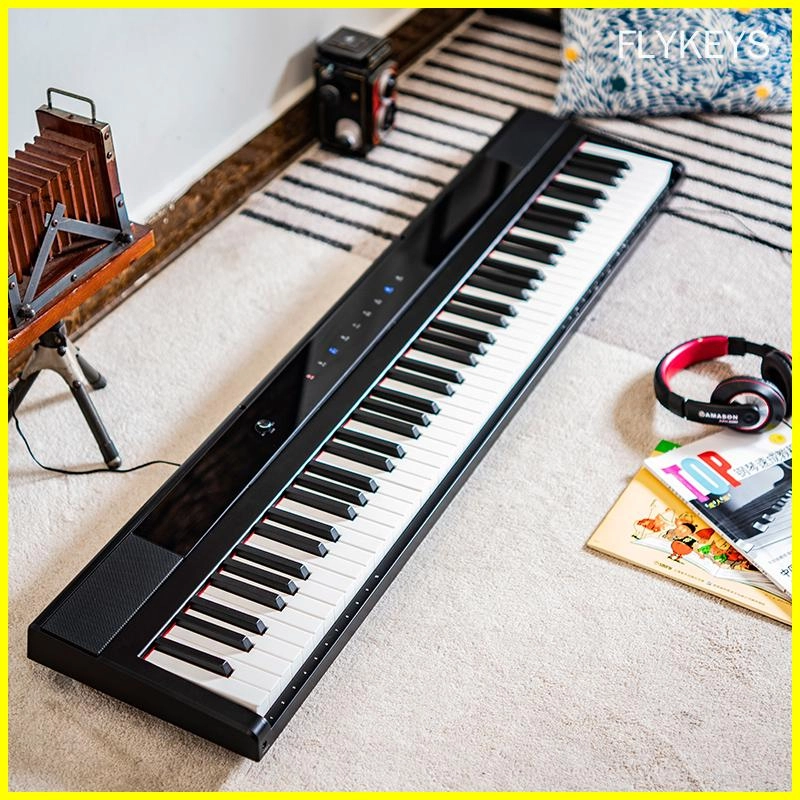
Best-Rated Electronic Pianos for Beginners in 2026: What to Buy and Why
Products
What is the warranty period of piano?
We provide 2 years warranty service, if there is any quality problem, we can provide accessories for free
Can I connect your electronic pianos to external devices?
Yes, our electronic pianos are equipped with connectivity options such as MIDI, USB, and Bluetooth for seamless integration with external devices.
Company
What is your company's mission?
Our mission is capture the zeitgeist, enjoy the quality lifestyle.
Our vision is to be the TOP 1 Chinese digital musical instrument brand and enter International top list.
How long has your company been in the electronic piano manufacturing business?
Pearl River Piano has acoustic piano manufacturing experiences for more that 60 years history.
Guangzhou Pearl River Amason Digital Musical Instrument Co.,Ltd., a subsidiary company of Pearl River Piano Group, founded in 2008, and focused on developing and manufacturing digital musical instrument which is one of the three pillar business industries of Pearl River Piano Group.
Logistics
How long does shipping typically take?
Shipping times vary depending on the destination and shipping method selected. Please refer to our shipping information page for estimated delivery times.
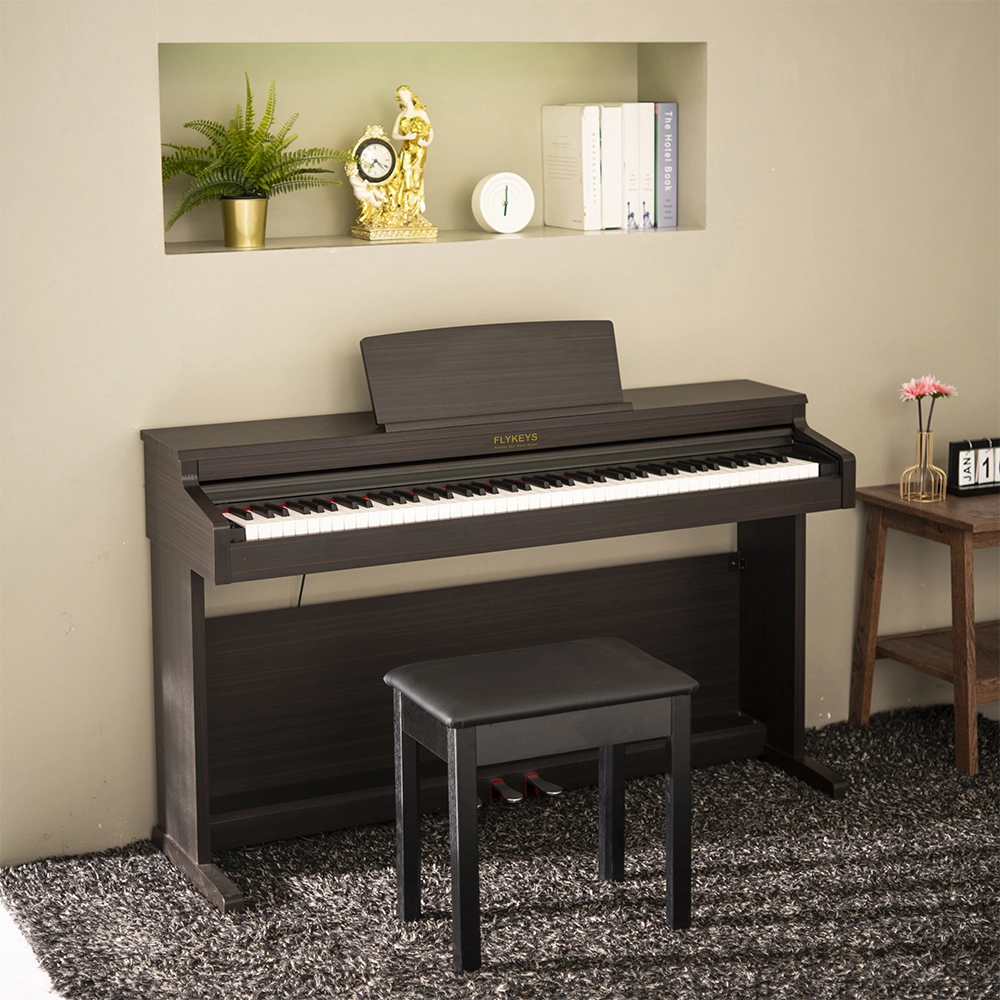
Flykeys 88 Keys Hammer Action keyboard Upright Piano LK03S Digital Piano
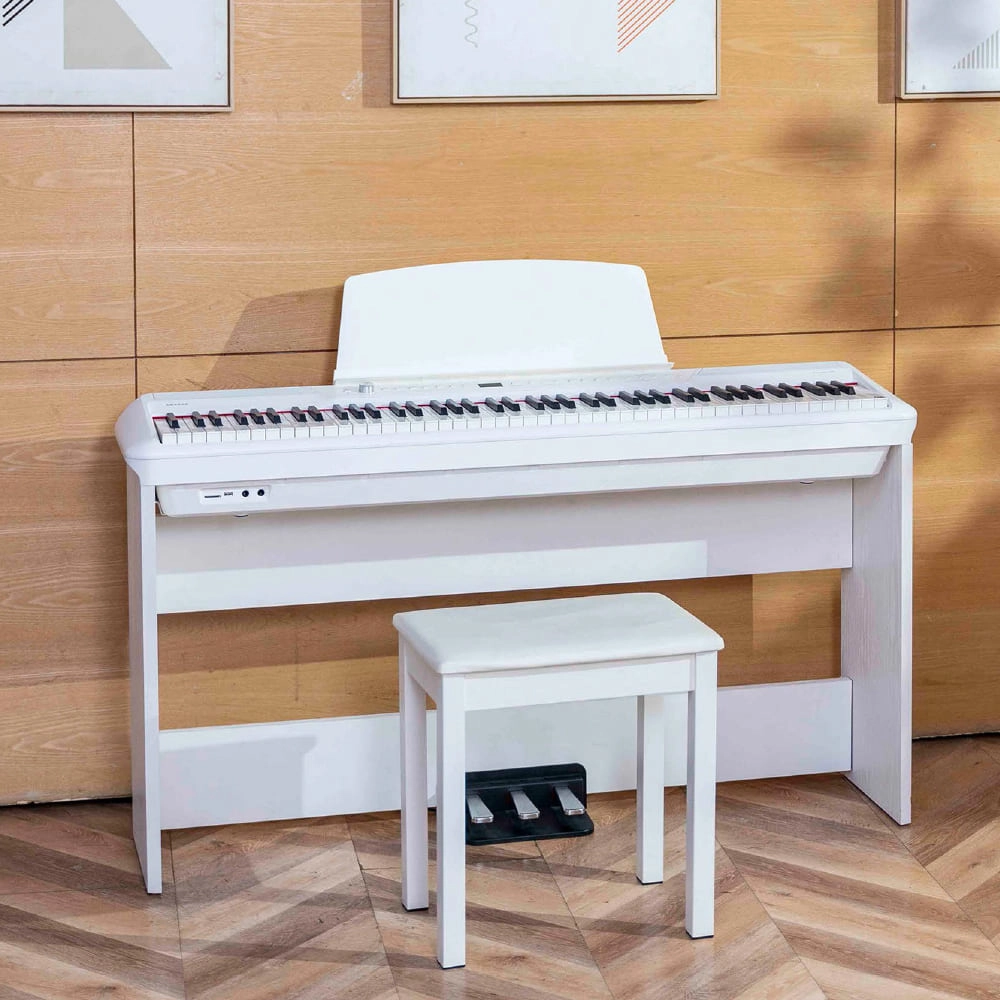
Flykeys Portable Electric Keyboard FP9 Digital Piano
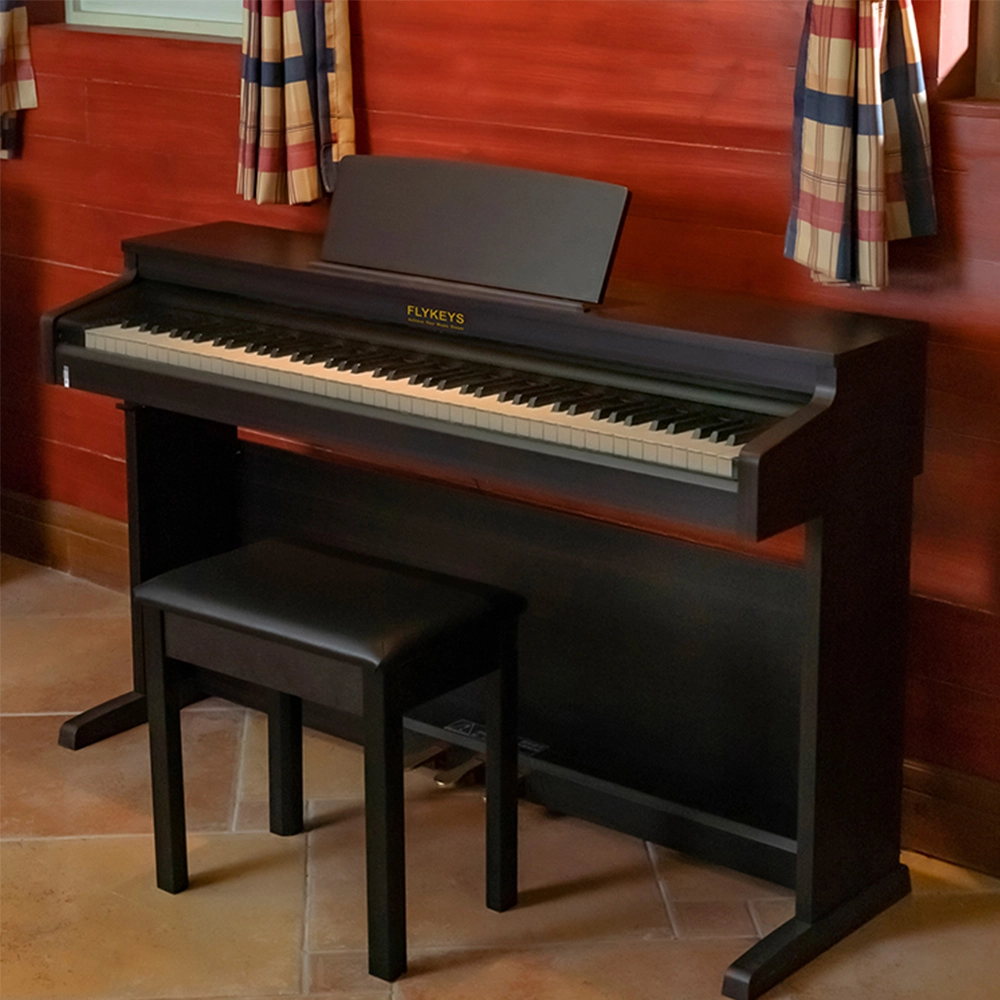
Flykeys Upright Electric Piano Built-In Speakers Music Instrument FD05 Digital Piano
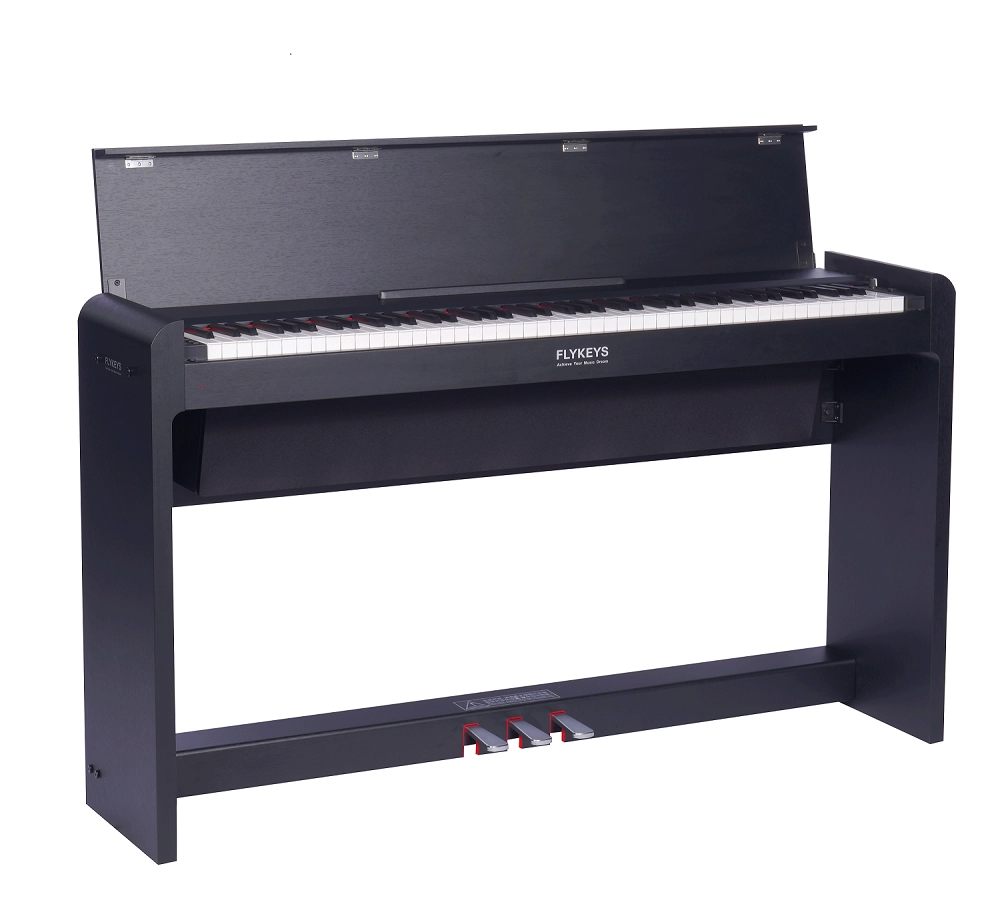
FLYKEYS FDP 5 Digital Piano
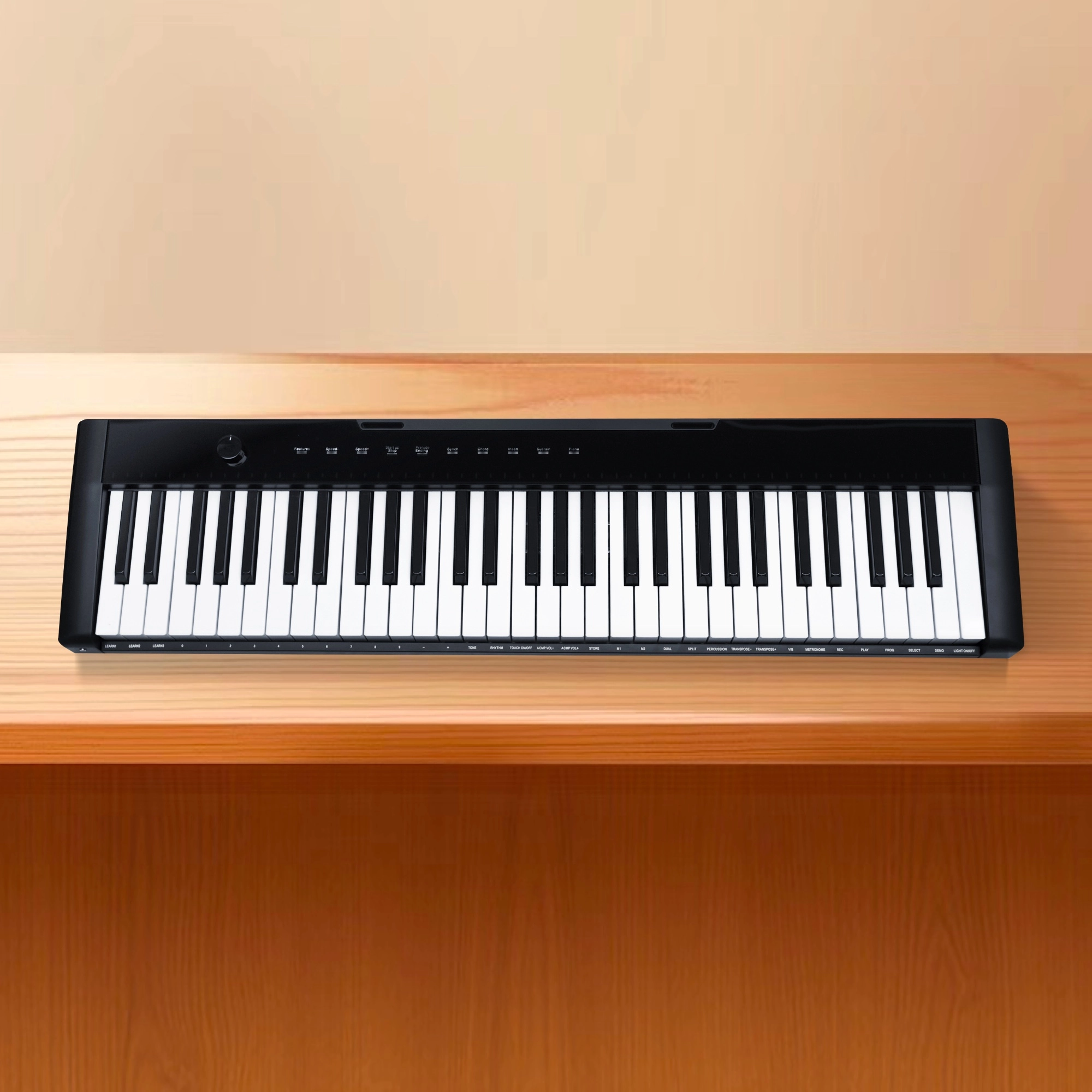
Flykeys 61 keys portable electronic keyboard piano with X stand (M2)
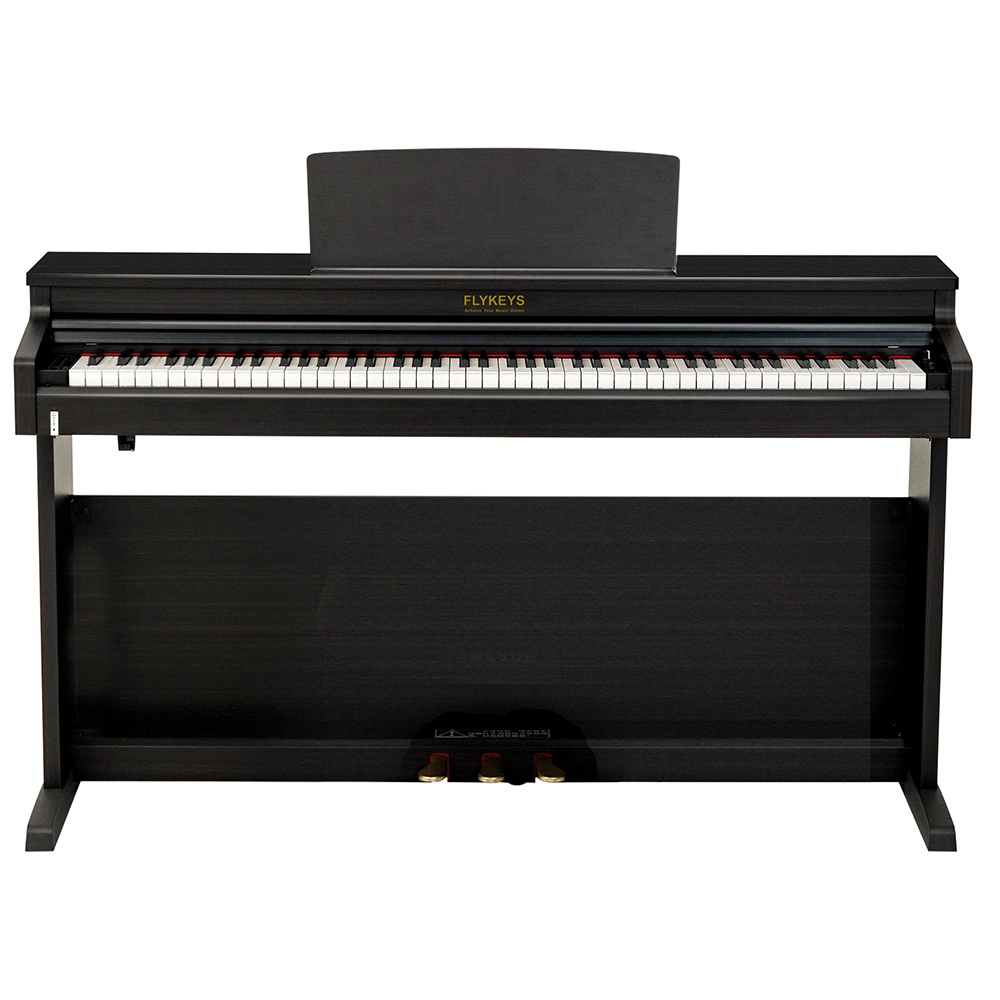
Flykeys Upright Digital Piano FDP 3
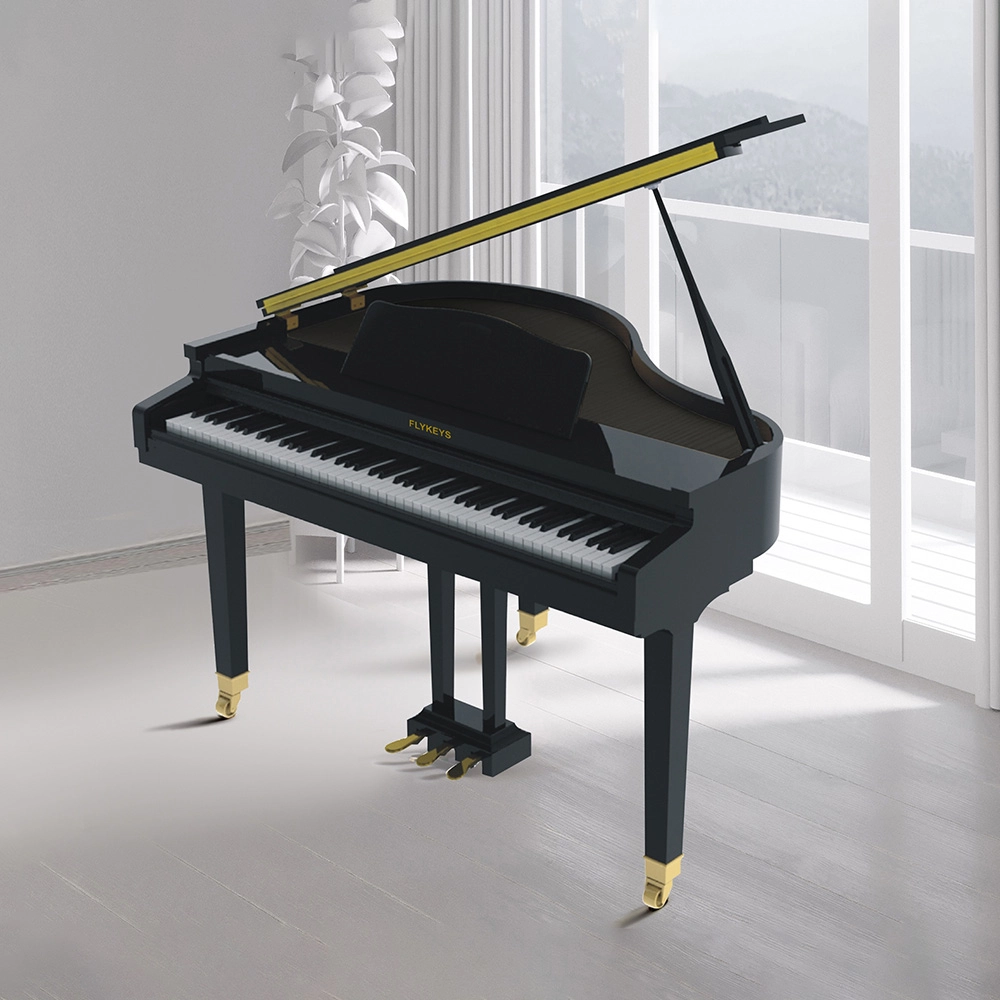
Flykeys 88 Keys Professional Digital Grand Piano Hammer Action Keyboard FGP110 Digital Piano
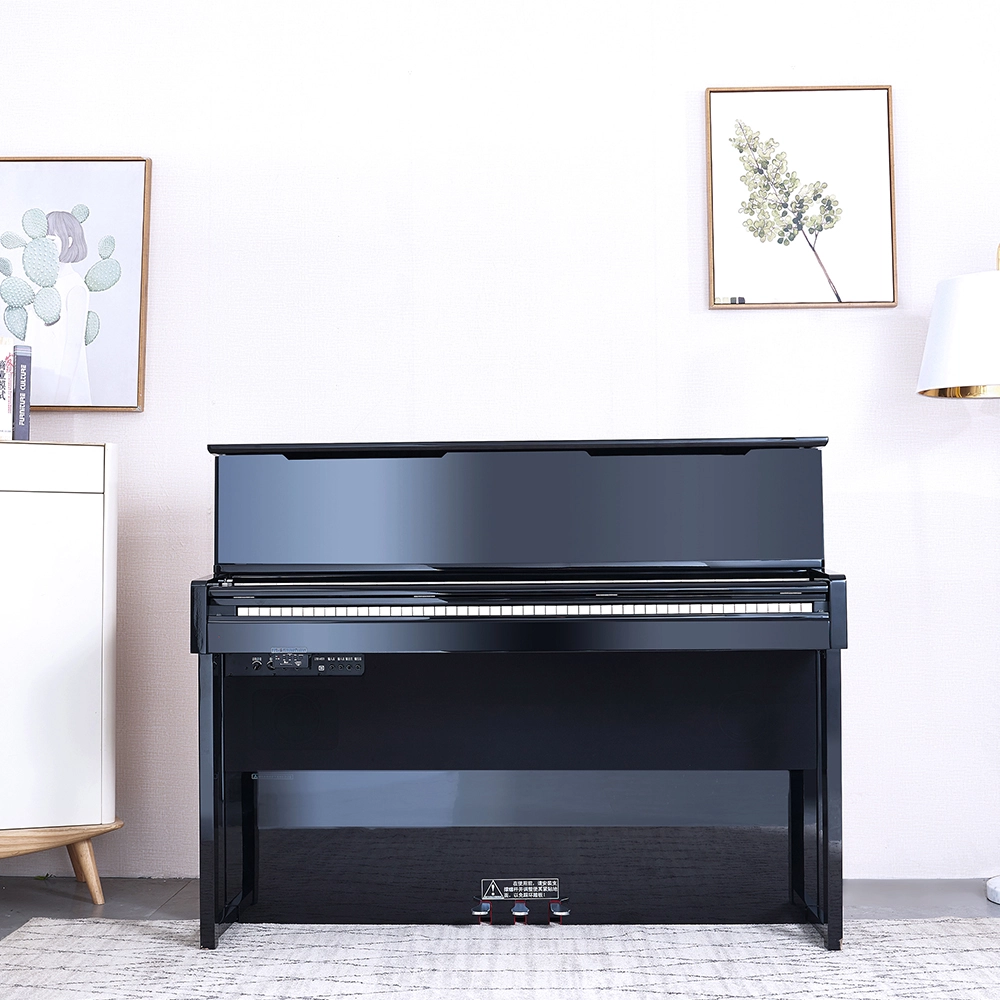
Flykeys Professional Digital Upright Piano 88 Keys Wooden Keyboard FK830 Digital Piano
Get in touch with us
Have a question or inquiry about our digital pianos products? Leave us a message here and our team will get back to you promptly within 24 hours.
Whether you're interested in custom orders, technical specifications, or partnership opportunities, we're here to assist you.
Rest assured that your privacy is important to us, and all information provided will be handled with the utmost confidentiality.
Address: No. 38 Xiangshan Avenue, Zengcheng Economic And Technological Development Zone, Guangzhou, China.
FOLLOW US:


© 2026 FLYKEYS All Rights Reserved. 粤 ICP备2020102774号. Designed by gooeyun. Sitemap | Privacy | Terms