

Digital piano vs keyboard: which is better for beginners?
Explore the key differences between digital pianos and keyboards, and discover essential factors to consider when choosing the right instrument for your musical journey.
When embarking on your musical journey, selecting the right instrument is crucial. For beginners, understanding the distinctions between digital pianos and keyboards can significantly influence your learning experience.
Digital Piano vs Keyboard: Which is Better for Beginners?
1. What is the Difference Between a Digital Piano and a Keyboard?
Digital pianos are designed to replicate the feel and sound of an acoustic piano, featuring weighted keys and a focus on piano sounds. Keyboards, on the other hand, often come with a variety of instrument sounds and may have non-weighted keys, making them more versatile but less authentic in feel.
2. Why Should Beginners Choose a Digital Piano?
Digital pianos offer weighted keys that mimic the resistance of an acoustic piano, aiding in the development of proper finger strength and technique. This feature is essential for building a solid foundation in piano playing.
3. What Key Features Should Beginners Look for in a Digital Piano?
Weighted Keys: Ensure the keys are weighted to develop finger strength and proper technique.
Polyphony: A higher polyphony count allows for more notes to be played simultaneously without distortion.
Connectivity: Features like Bluetooth or USB ports enable connection to learning apps and recording devices.
Built-in Lessons: Some models offer built-in lessons or compatibility with educational apps to assist in learning.
4. Are There Affordable Digital Pianos Suitable for Beginners?
Yes, there are several budget-friendly digital pianos that offer quality features for beginners. Models like the Casio Privia PX-S1100 and Yamaha P-45 provide weighted keys and essential features at accessible price points.
5. How Important is the Sustain Pedal for Beginners?
The sustain pedal is vital for creating smooth transitions between notes and adding depth to your playing. While some entry-level digital pianos may not include a sustain pedal, it's advisable to invest in one to enhance your practice sessions.
6. Should Beginners Consider Digital Pianos with Built-in Speakers?
Digital pianos with built-in speakers are convenient for practice without additional equipment. However, for a more authentic sound experience, connecting to external speakers or headphones is recommended.
7. How Does the Size of the Digital Piano Affect Learning?
A full-sized digital piano with 88 keys is ideal for learning classical pieces and provides a more authentic playing experience. However, 61 or 76-key models can be sufficient for beginners, especially if space is a concern.
8. What Are the Advantages of Choosing a Digital Piano Over a Keyboard?
Digital pianos offer a more authentic playing experience with weighted keys and a focus on piano sounds, which is beneficial for developing proper technique. Keyboards, while versatile, may not provide the same level of authenticity in feel and sound.
In conclusion, selecting a digital piano with weighted keys, appropriate polyphony, and connectivity features will provide a solid foundation for your musical journey. Investing in quality equipment from reputable brands ensures durability and a more authentic playing experience.
For those seeking a reliable and feature-rich digital piano, FLYKEYS offers a range of models tailored for beginners, combining quality, affordability, and user-friendly features to support your learning process.
For a visual guide on choosing a beginner digital piano or keyboard, you might find this video helpful:
(https://www.youtube.com/watch?v=9vvXeAtwGL0&utm_source=openai)
By considering these factors and exploring options like FLYKEYS, you can make an informed decision that aligns with your musical goals and preferences.
- Digital Piano vs Keyboard: Which is Better for Beginners?
- 1. What is the Difference Between a Digital Piano and a Keyboard?
- 2. Why Should Beginners Choose a Digital Piano?
- 3. What Key Features Should Beginners Look for in a Digital Piano?
- 4. Are There Affordable Digital Pianos Suitable for Beginners?
- 5. How Important is the Sustain Pedal for Beginners?
- 6. Should Beginners Consider Digital Pianos with Built-in Speakers?
- 7. How Does the Size of the Digital Piano Affect Learning?
- 8. What Are the Advantages of Choosing a Digital Piano Over a Keyboard?
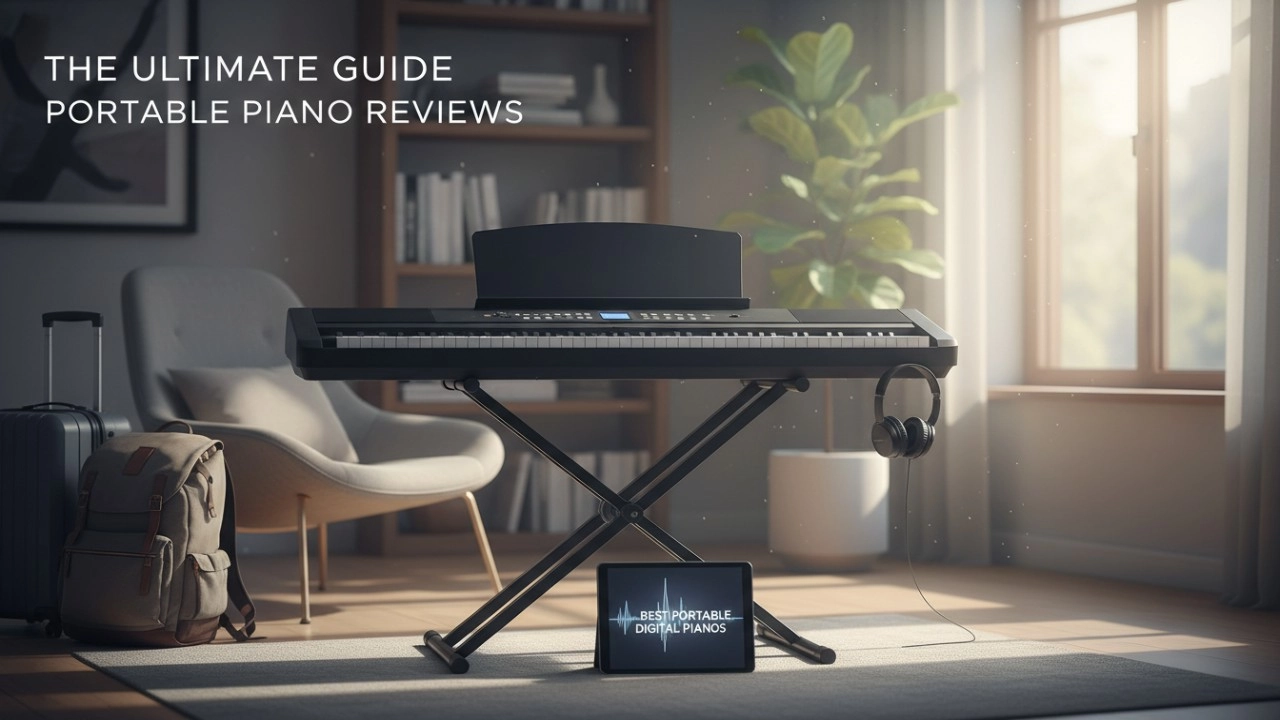
15 Best Portable Digital Pianos of 2026: The Only Comparison Guide You’ll Ever Need
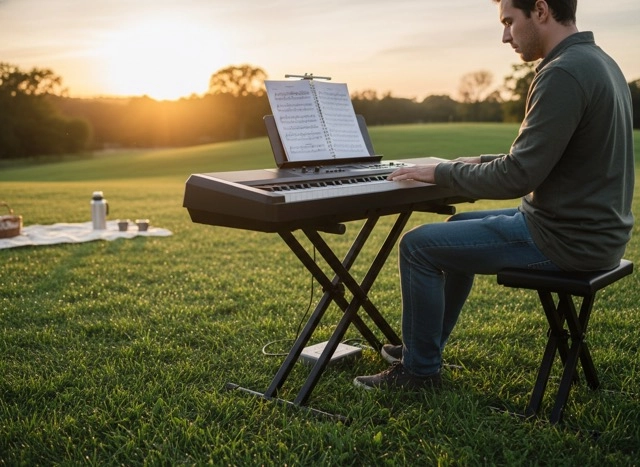
Is the Flykeys FP9 Worth It? Our Real-Life Experience with the World’s Largest Piano Maker’s Digital Tech.
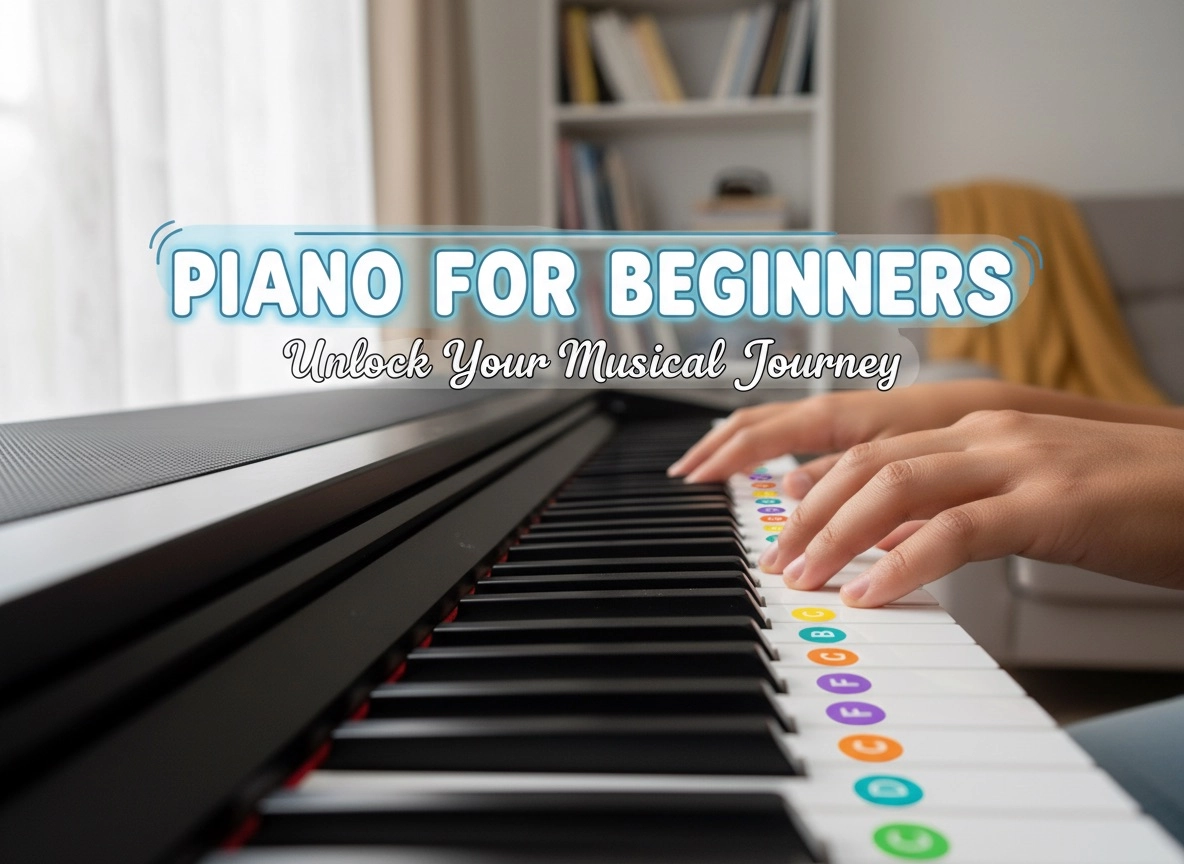
Best Digital Piano Keyboards for Beginners 2026: Your Ultimate Buying Guide
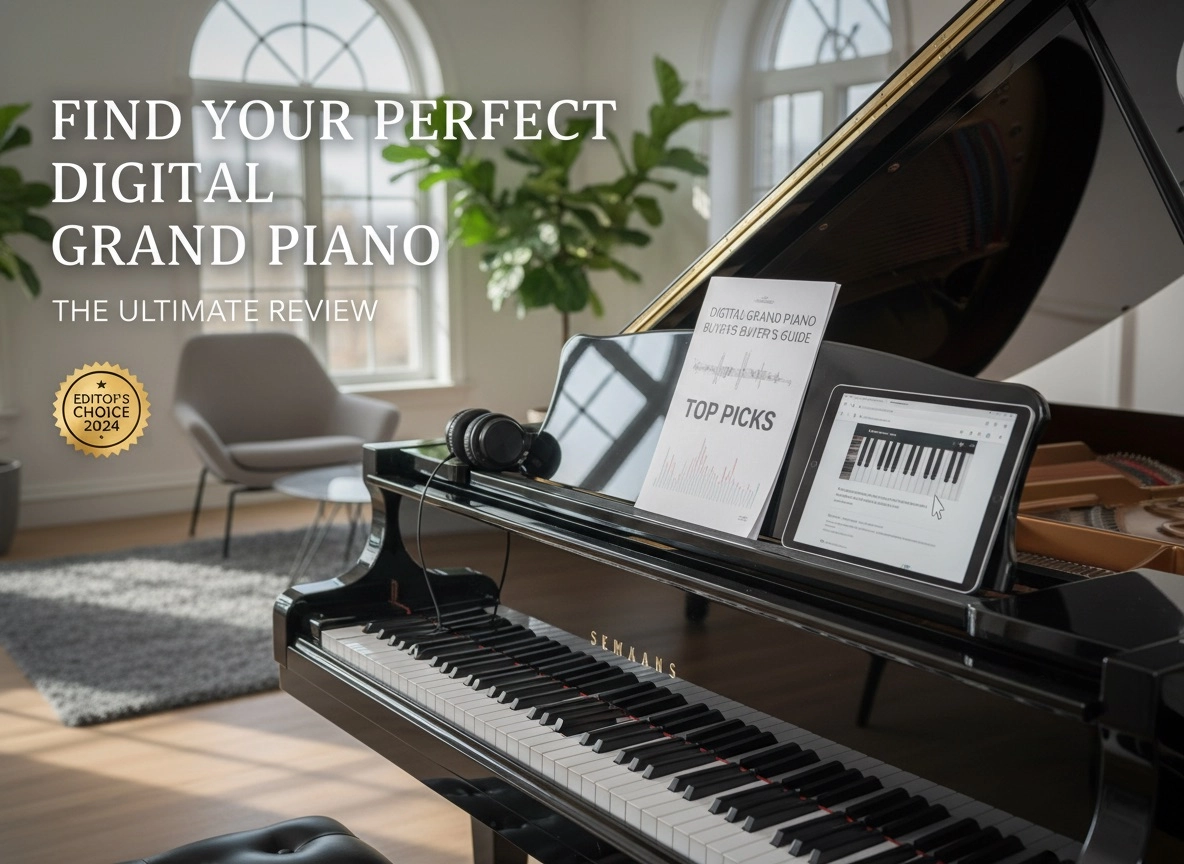
Best Digital Grand Pianos 2026: Ultimate Buyer's Guide for Authentic Sound & Feel
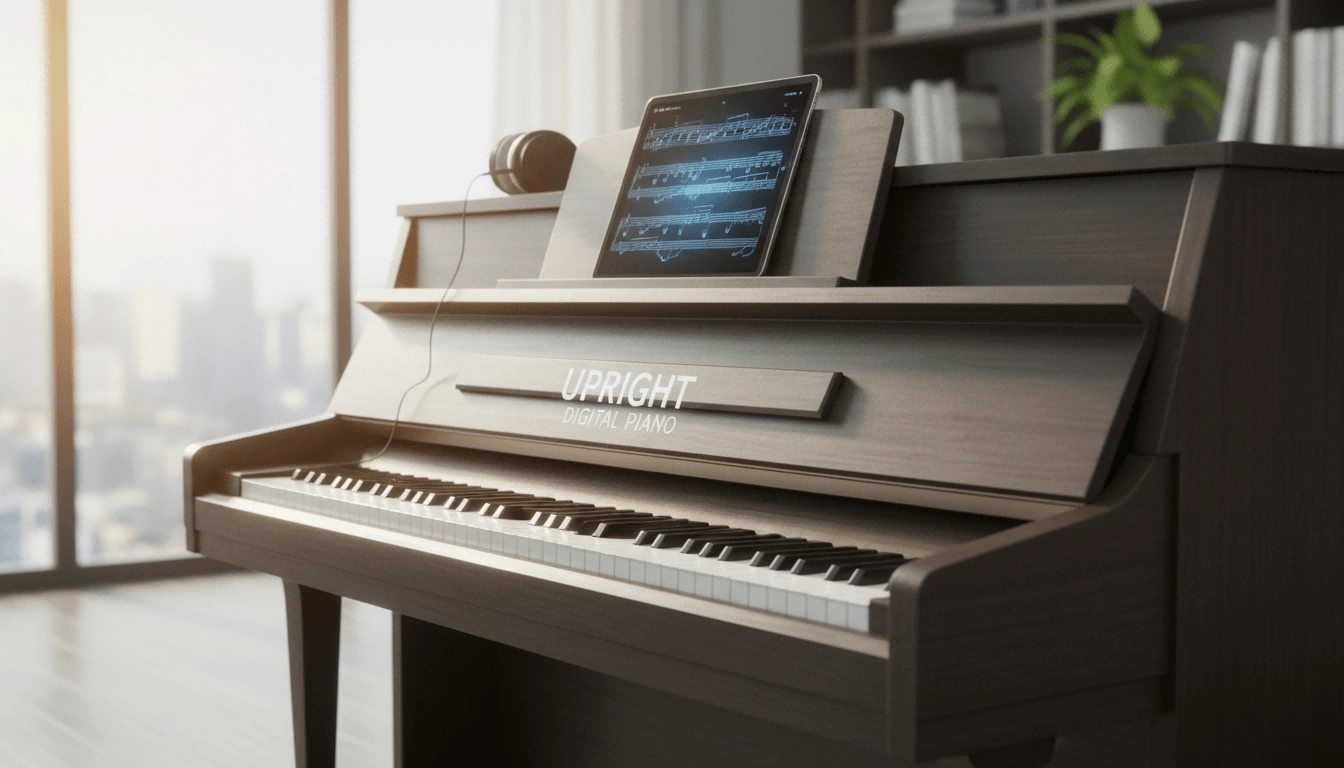
The Definitive Guide to Upright Digital Pianos: Blending Timeless Elegance with Modern Innovation in 2026
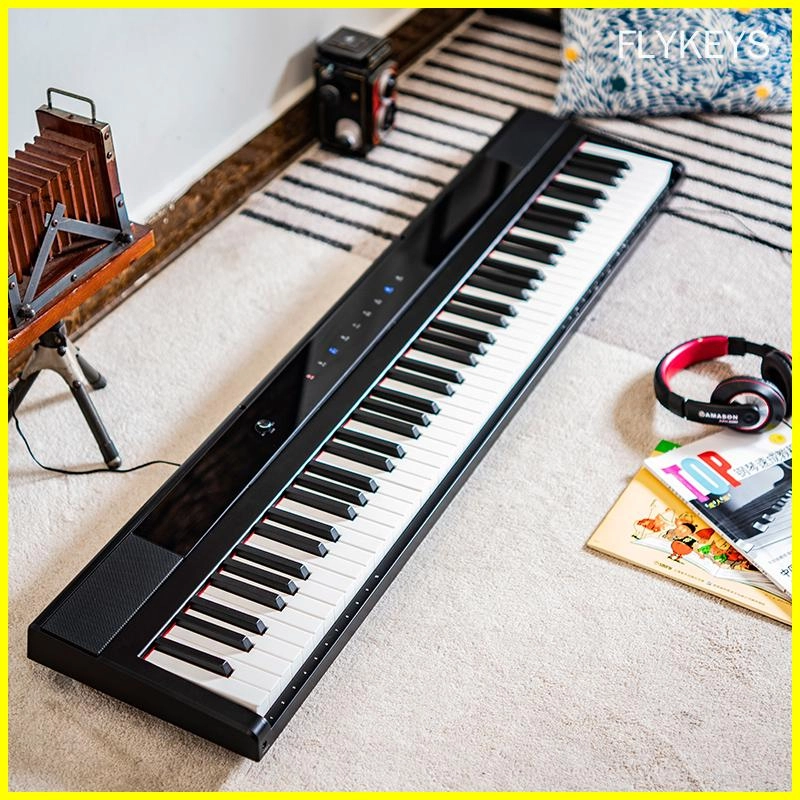
Best-Rated Electronic Pianos for Beginners in 2026: What to Buy and Why
Company
What is your company's mission?
Our mission is capture the zeitgeist, enjoy the quality lifestyle.
Our vision is to be the TOP 1 Chinese digital musical instrument brand and enter International top list.
Does your company have any sustainability initiatives?
Yes, we are dedicated to sustainability and continuously strive to minimize our environmental footprint through responsible manufacturing practices.
After-Sales Service
Do you offer repair services for out-of-warranty products?
Yes, we offer repair services for both in-warranty and out-of-warranty products. Please contact our support team for assistance.
What after-sales support do you offer?
We offer comprehensive after-sales support, including technical assistance, troubleshooting, and warranty services.
Customization
Can I request additional features to be added to a standard model?
Yes, we offer customization services to accommodate specific feature requests, subject to feasibility and additional charges.
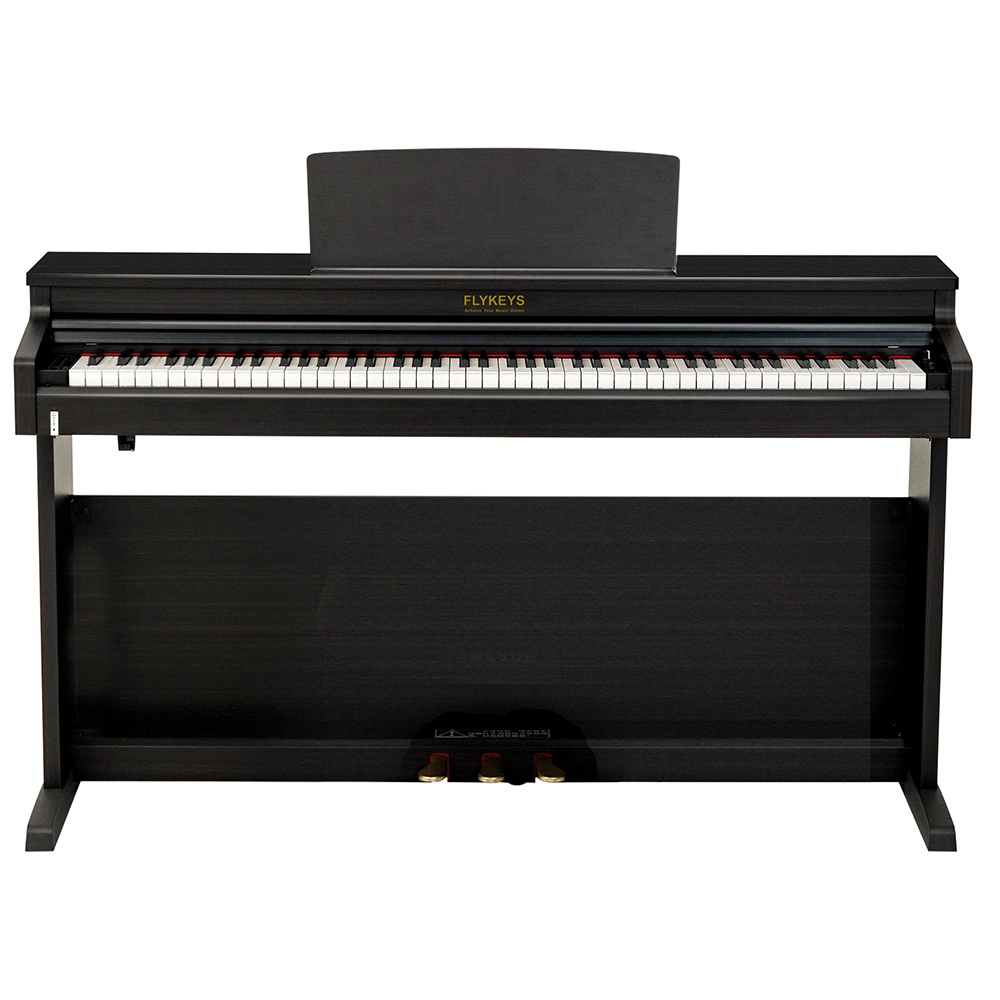
Flykeys Upright Digital Piano FDP 3
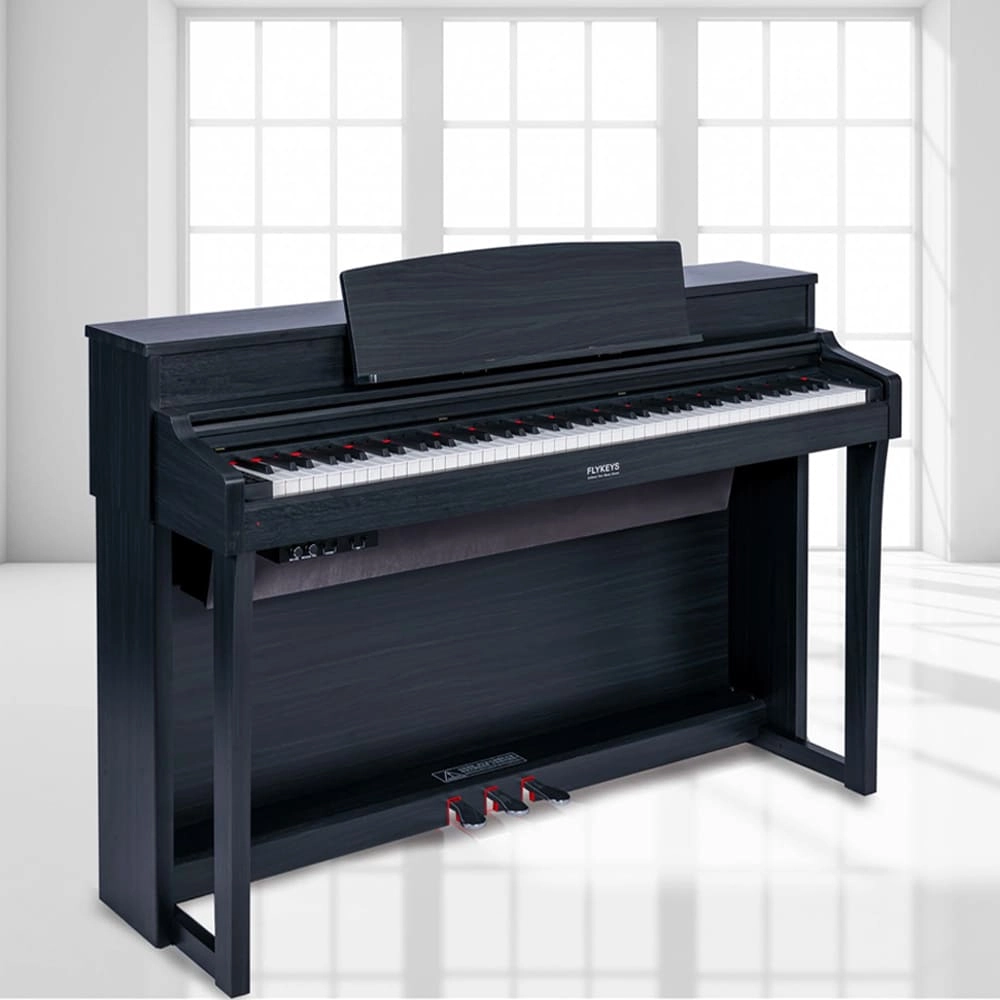
Flykeys Upright Digital Piano 88keys Hammer Action Keyboard FK330 Digital Piano
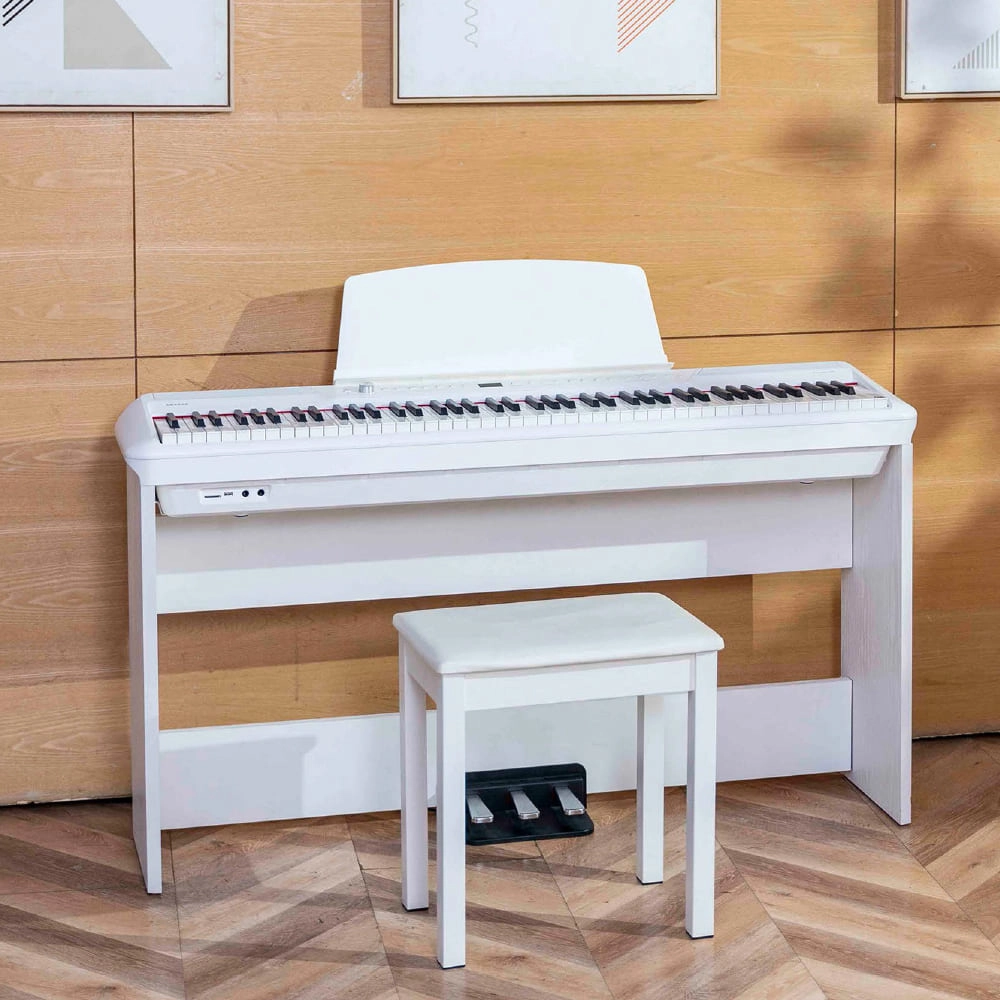
Flykeys Portable Electric Keyboard FP9 Digital Piano
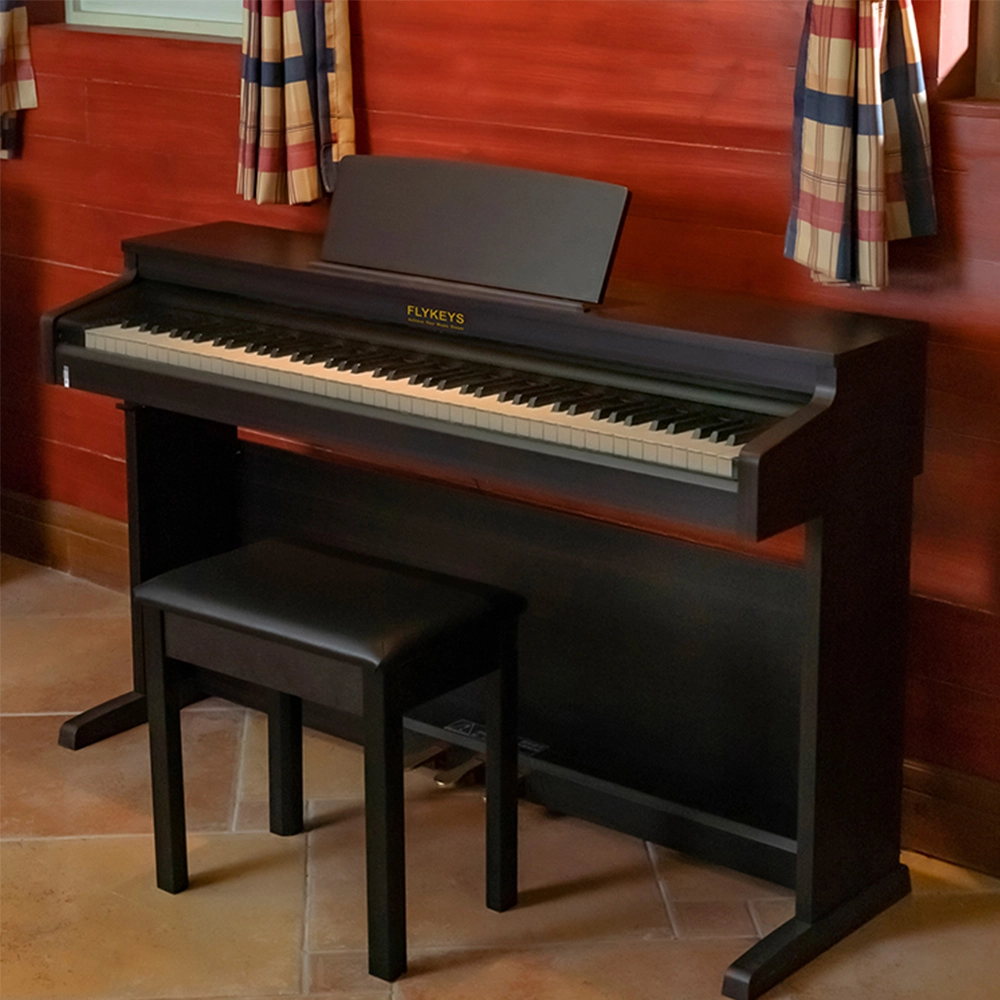
Flykeys Upright Electric Piano Built-In Speakers Music Instrument FD05 Digital Piano
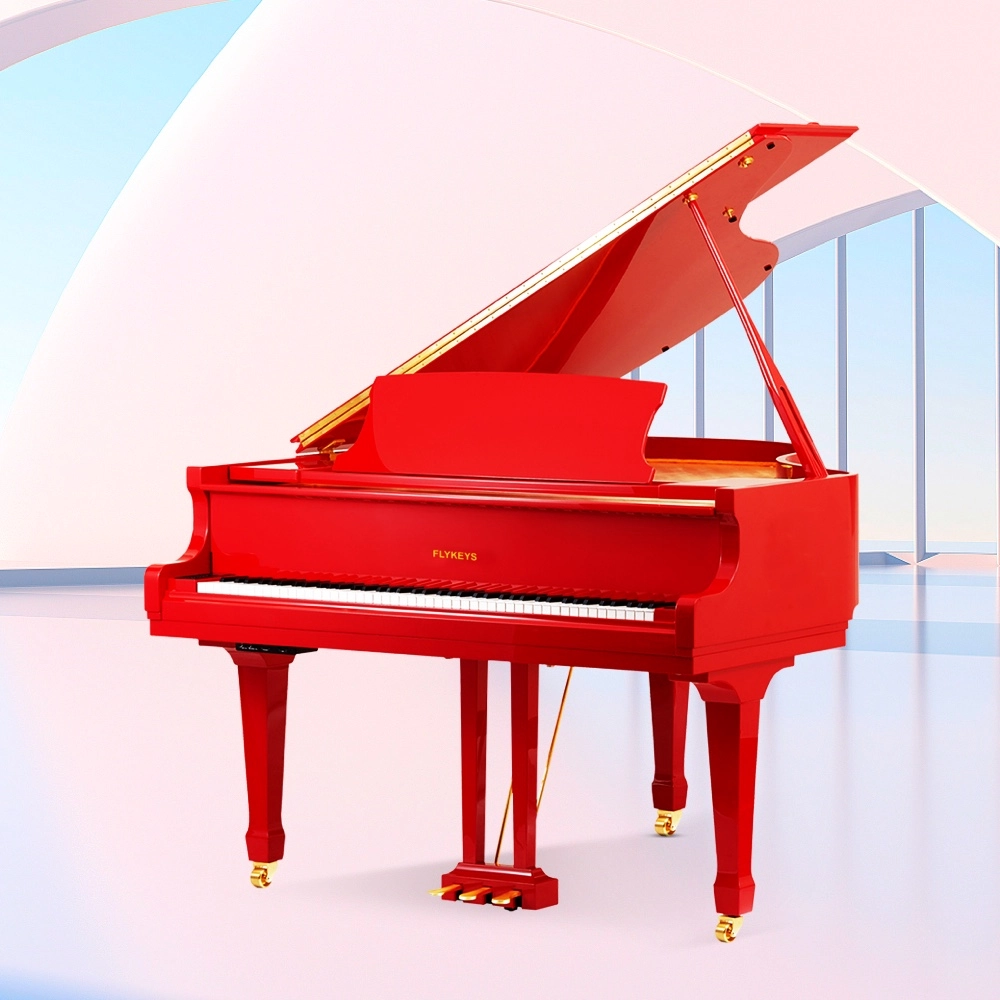
Flykeys Professional Digital Grand Piano FGP610 Digital Piano
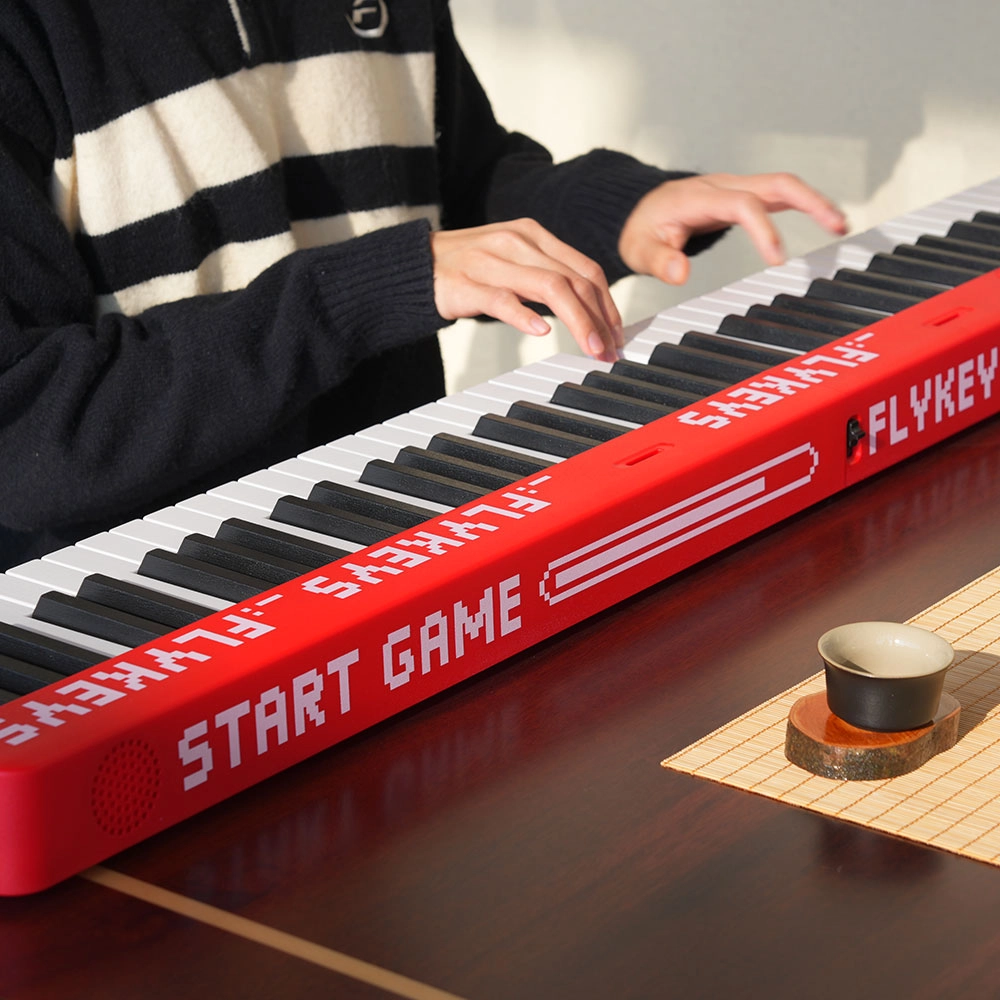
Flykeys M12 Folding Keyboard
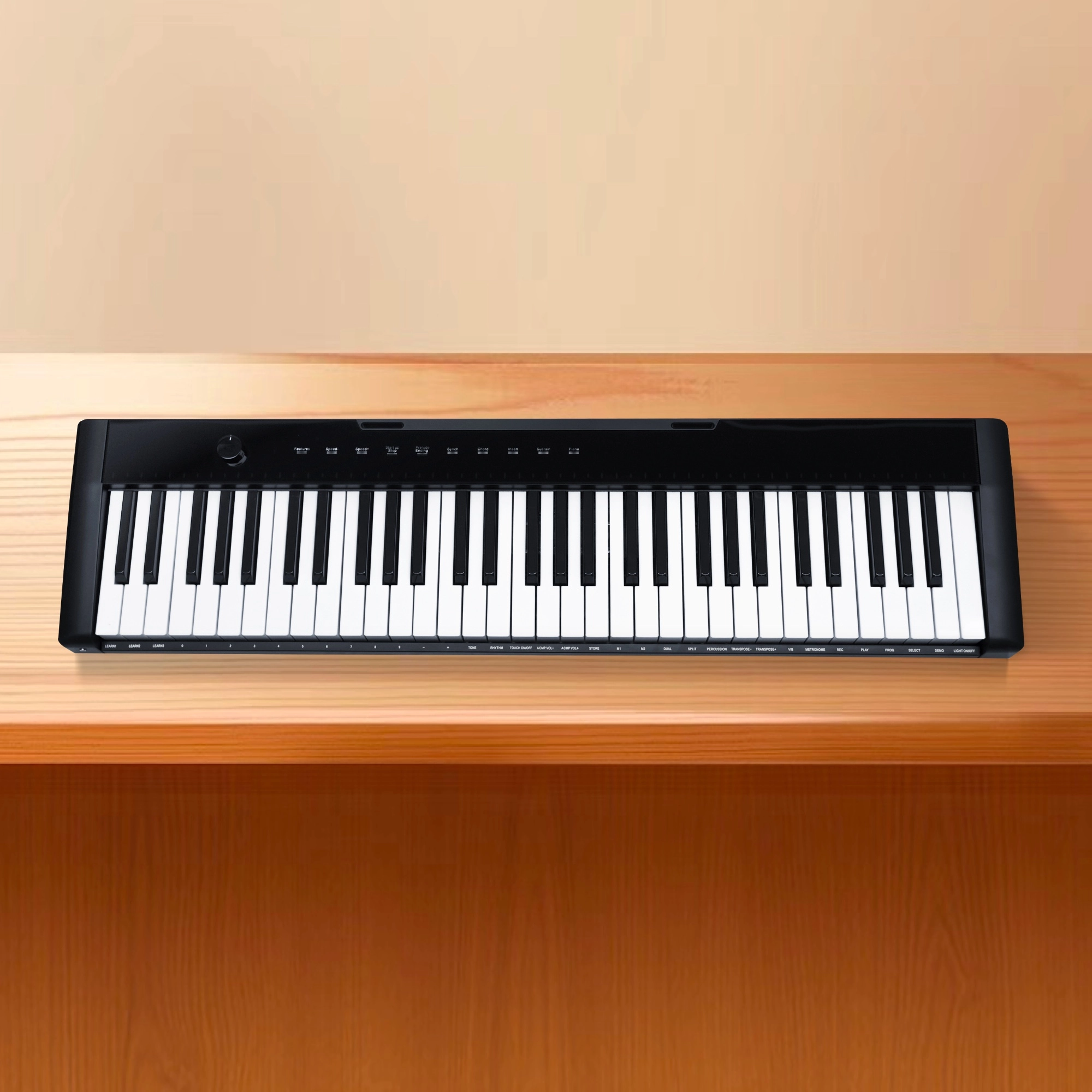
Flykeys 61 keys portable electronic keyboard piano with X stand (M2)
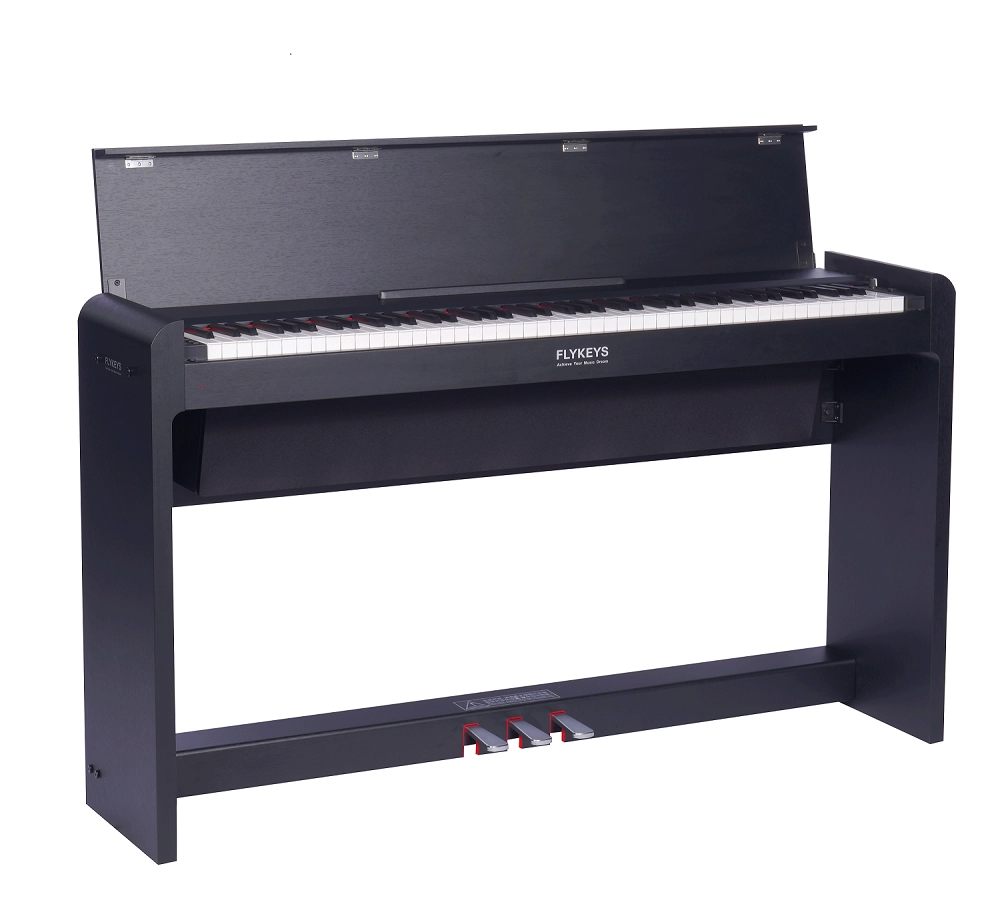
FLYKEYS FDP 5 Digital Piano
Get in touch with us
Have a question or inquiry about our digital pianos products? Leave us a message here and our team will get back to you promptly within 24 hours.
Whether you're interested in custom orders, technical specifications, or partnership opportunities, we're here to assist you.
Rest assured that your privacy is important to us, and all information provided will be handled with the utmost confidentiality.
Address: No. 38 Xiangshan Avenue, Zengcheng Economic And Technological Development Zone, Guangzhou, China.
FOLLOW US:


© 2026 FLYKEYS All Rights Reserved. 粤 ICP备2020102774号. Designed by gooeyun. Sitemap | Privacy | Terms