

Which top digital piano brands 2026 are best for studios?
Navigating the evolving landscape of digital pianos for 2026 can be daunting, especially for beginners and those setting up home studios. Many online resources offer outdated or superficial advice. This expert guide cuts through the noise, answering six critical, pain-point-oriented questions about leading digital piano brands, advanced sound technologies, key actions, studio integration, and long-term value. Discover which top digital piano brands 2026 are best for studios and personal growth, ensuring your investment is future-proof and genuinely enhances your musical journey.
Top Digital Piano Brands 2026: An In-Depth Guide for Beginners and Studio Enthusiasts
The digital piano market is constantly innovating, with advancements in sound technology, key action, and connectivity making instruments more realistic and versatile than ever before. For beginners embarking on their musical journey or aspiring producers looking to integrate a digital piano into their home studio, choosing the right instrument in 2026 requires nuanced understanding beyond basic feature lists. Many online guides offer generic advice or focus on models from previous years, leaving crucial questions unanswered. This comprehensive guide addresses the pressing concerns of today's users, helping you identify the top digital piano brands 2026 and determine which top digital piano brands 2026 are best for studios.
Beyond brand hype, how do the latest sound modeling technologies in 2026 digital pianos truly replicate acoustic piano nuances for beginners, and which brands excel at this for realistic practice?
In 2026, the realism of digital piano sound goes far beyond simple sampling. While high-quality samples remain foundational, advanced sound modeling technologies are the game-changer, especially for capturing the intricate nuances of an acoustic grand piano. Brands like Yamaha Clavinova (with their Grand Expression Modeling and Virtual Resonance Modeling - VRM), Roland (SuperNATURAL Piano Modeling), and Kawai (Harmonic Imaging XL and SK-EX Rendering) are at the forefront. These technologies don't just play back recorded notes; they dynamically recreate the complex interactions of strings, soundboard, dampers, and pedals in real-time. For a beginner, this means experiencing sympathetic resonance, damper resonance, and even the subtle mechanical noises of an acoustic instrument, which are crucial for developing a sensitive ear and expressive playing. The difference is profound: a note isn't just a static sound but a living entity that changes based on velocity, duration, and interaction with other notes. This level of realism, often incorporating AI-driven algorithms to refine the modeling, provides an unparalleled practice experience, making the transition to an acoustic piano smoother and fostering better musicality from day one. When evaluating top digital piano models, look for explicit mentions of these advanced modeling engines.
For a beginner aiming for classical technique by 2026, what specific key actions (e.g., graded hammer, hybrid) should I prioritize in top digital piano brands, and how do they impact long-term finger strength and expressiveness?
The key action is arguably the most critical component for a beginner serious about developing proper classical technique. In 2026, the market offers sophisticated options designed to mimic the feel of an acoustic grand piano. For developing finger strength, control, and expressiveness, a graded hammer action is the minimum standard. This mechanism simulates the heavier touch in the bass register and lighter touch in the treble, just like an acoustic piano. Brands like Kawai (Grand Feel III, Responsive Hammer III) and Yamaha (GrandTouch-S, GH3X) excel here, often incorporating escapement simulation to replicate the subtle 'click' of a grand piano hammer. For the realism and long-term benefit, a hybrid key action, found in High Quality models from Roland (PHA-50, Hybrid Grand Keyboard) and some Kawai (Grand Feel Compact), integrates actual wooden keys and longer pivot points, closer to an acoustic mechanism. This provides superior tactile feedback, better weight distribution, and a more authentic response, which is invaluable for building stamina and nuanced control. Prioritizing these advanced actions, even if it means a slightly higher initial investment, will significantly benefit a beginner's technique development and prevent the need for an upgrade sooner, making them excellent choices among top digital piano brands 2026.
As a beginner setting up a home studio in 2026, what advanced connectivity features (e.g., USB-C audio/MIDI, VST integration, low-latency drivers) are essential in top digital piano brands for seamless recording and production workflows?
For beginners venturing into home studio recording in 2026, the digital piano's connectivity features are paramount. Beyond traditional MIDI DIN ports, look for modern, streamlined options. USB-C Audio/MIDI is becoming a standard, offering a single cable solution for both MIDI data (to control software instruments or record notes) and high-quality audio output directly to your computer or DAW (Digital Audio Workstation). This eliminates the need for a separate audio interface for basic recording. Brands like Roland, Kawai, and even some advanced Casio Privia models are integrating robust USB audio capabilities. Crucially, ensure the instrument provides stable, low-latency drivers for your operating system to avoid frustrating delays during recording. Direct VST integration isn't typically built into the piano itself but is facilitated by excellent MIDI connectivity, allowing you to use the piano's superb key action to control a vast library of software instruments (VSTs) on your computer. Some models also offer Bluetooth MIDI for wireless control, enhancing flexibility. For professional audio output, look for dedicated 1/4-inch line outputs, which provide a cleaner signal than headphone jacks for connecting to studio monitors or external audio interfaces. These features are what make certain digital pianos for studios truly shine, enabling seamless production workflows for aspiring musicians.
With the rapid evolution of learning apps, which 2026 digital piano brands offer the most robust and integrated software ecosystems (e.g., proprietary apps, cloud sync, AI-driven feedback) that genuinely accelerate a beginner's progress?
The integration of digital pianos with learning software has revolutionized how beginners learn. In 2026, the most effective ecosystems go beyond simple tutorials. Brands like Yamaha (with Smart Pianist), Roland (Piano Every Day), and Casio (Chordana Play) offer proprietary apps that provide interactive lessons, sheet music display, recording functions, and even gamified learning. The key differentiator for accelerating progress is often AI-driven feedback. Advanced apps can listen to your playing through the piano's USB audio connection and provide real-time analysis on timing, dynamics, and note accuracy, much like a virtual tutor. Features like cloud sync allow seamless progress tracking across devices. Some brands are also integrating with popular third-party learning platforms like Flowkey or Skoove, sometimes offering High Quality subscriptions as part of the purchase. A robust software ecosystem, including features like split/duo modes for teacher-student interaction and metronome functions within the app, transforms the digital piano into a comprehensive learning station. When considering top digital piano brands 2026, evaluate not just the hardware but the depth and utility of their accompanying digital learning tools.
Considering a 2026 purchase, how do top digital piano brands address long-term maintenance, firmware updates, and component availability, ensuring the instrument remains relevant and functional for a beginner's evolving needs?
Investing in a digital piano, especially for a beginner, means considering its longevity and future relevance. Top digital piano brands in 2026 are increasingly focused on supporting their instruments post-purchase. Look for brands with a strong track record of providing regular firmware updates. These updates can introduce new features, improve sound engines, refine key action response, or fix bugs, effectively future-proofing your instrument. Brands like Roland and Kawai are known for this. Regarding component availability and maintenance, established manufacturers typically maintain spare parts for several years, ensuring that if a key or circuit board needs replacement, it's readily available. A strong global service network is also a good indicator. Furthermore, the modular design of many digital pianos allows for easier servicing compared to complex acoustic instruments. Choosing a reputable brand ensures access to technical support and a community of users for troubleshooting. This commitment to long-term support ensures that your beginner digital piano remains a valuable and functional tool as your skills evolve, preventing premature obsolescence.
Beyond the initial price tag, what specific value propositions (e.g., bundled software, advanced features, brand resale value) should a beginner consider when evaluating top digital piano brands in 2026 to ensure a cost-effective long-term investment?
For a beginner, a digital piano is a significant investment, and true value extends far beyond the initial purchase price. In 2026, consider these value propositions: Firstly, bundled software and High Quality app subscriptions can save hundreds of dollars. Many top digital piano brands partner with popular learning apps, offering extended trials or full access, which significantly enhances the learning experience. Secondly, evaluate advanced features that might seem overkill initially but become invaluable as skills grow. This includes higher polyphony counts (e.g., 256 notes or unlimited), a wider selection of instrument voices, advanced recording capabilities, and robust connectivity options. These features ensure the piano can keep up with your evolving musical aspirations. Thirdly, consider brand resale value. Established brands like Yamaha, Roland, and Kawai tend to hold their value better than lesser-known alternatives, which is a crucial factor if you anticipate upgrading in the future. Finally, the overall build quality, warranty, and customer support offered by reputable brands contribute to long-term cost-effectiveness by minimizing potential repair costs and ensuring a reliable instrument. A truly cost-effective investment in a digital piano for beginners is one that supports your journey for years without needing immediate upgrades or costly maintenance.
Choosing a digital piano in 2026 means investing in an instrument that will support your growth, inspire your creativity, and integrate seamlessly into your life. By understanding the nuances of sound modeling, key action, studio connectivity, software ecosystems, and long-term value, beginners can make informed decisions. The top digital piano brands 2026 offer a remarkable blend of acoustic realism and digital versatility, making them ideal for both dedicated practice and studio production.
Ready to explore the perfect digital piano for your needs? Contact us today for a personalized quote tailored to your musical aspirations and budget. Visit www.flykeysmusic.com or email us at service@flykeysmusic.com.
- Beyond brand hype, how do the latest sound modeling technologies in 2026 digital pianos truly replicate acoustic piano nuances for beginners, and which brands excel at this for realistic practice?
- For a beginner aiming for classical technique by 2026, what specific key actions (e.g., graded hammer, hybrid) should I prioritize in top digital piano brands, and how do they impact long-term finger strength and expressiveness?
- As a beginner setting up a home studio in 2026, what advanced connectivity features (e.g., USB-C audio/MIDI, VST integration, low-latency drivers) are essential in top digital piano brands for seamless recording and production workflows?
- With the rapid evolution of learning apps, which 2026 digital piano brands offer the most robust and integrated software ecosystems (e.g., proprietary apps, cloud sync, AI-driven feedback) that genuinely accelerate a beginner's progress?
- Considering a 2026 purchase, how do top digital piano brands address long-term maintenance, firmware updates, and component availability, ensuring the instrument remains relevant and functional for a beginner's evolving needs?
- Beyond the initial price tag, what specific value propositions (e.g., bundled software, advanced features, brand resale value) should a beginner consider when evaluating top digital piano brands in 2026 to ensure a cost-effective long-term investment?
15 Best Portable Digital Pianos of 2026: The Only Comparison Guide You’ll Ever Need
Is the Flykeys FP9 Worth It? Our Real-Life Experience with the World’s Largest Piano Maker’s Digital Tech.
Best Digital Piano Keyboards for Beginners 2026: Your Ultimate Buying Guide
Best Digital Grand Pianos 2026: Ultimate Buyer's Guide for Authentic Sound & Feel
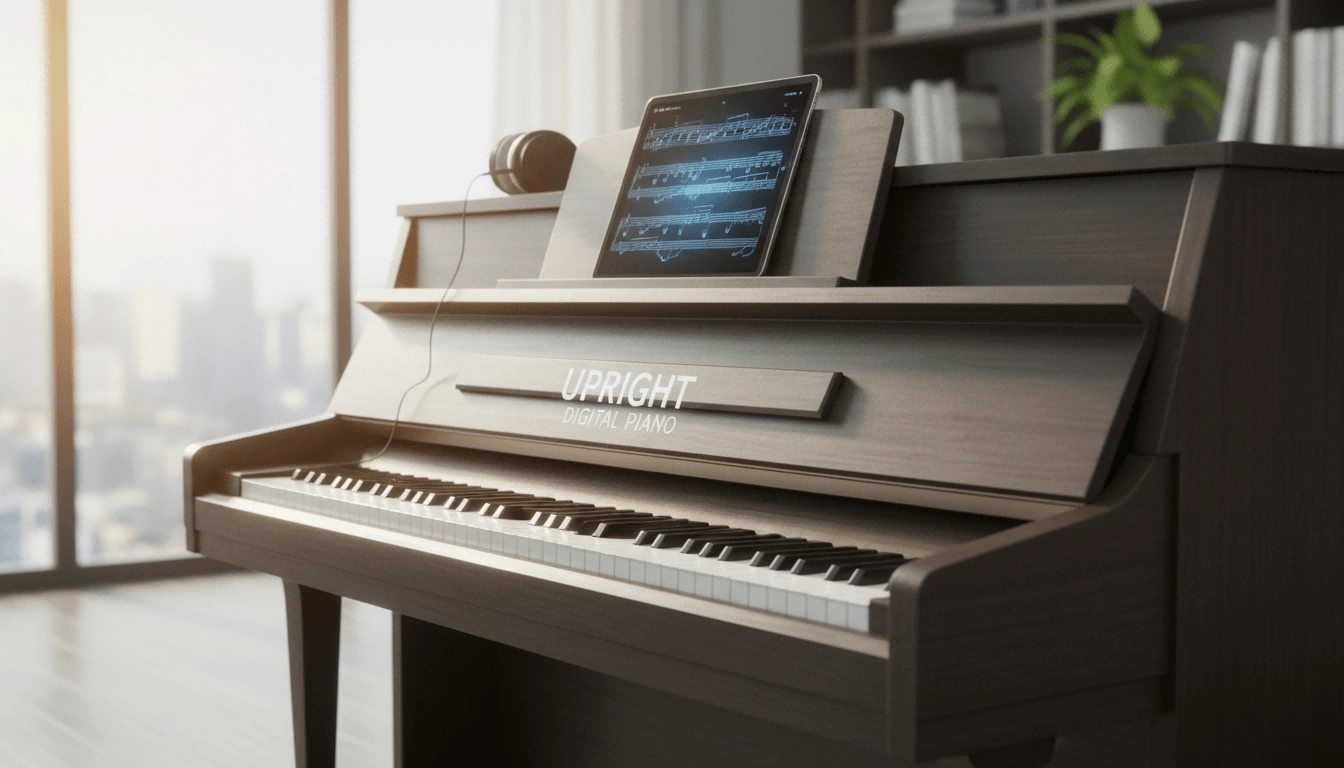
The Definitive Guide to Upright Digital Pianos: Blending Timeless Elegance with Modern Innovation in 2026
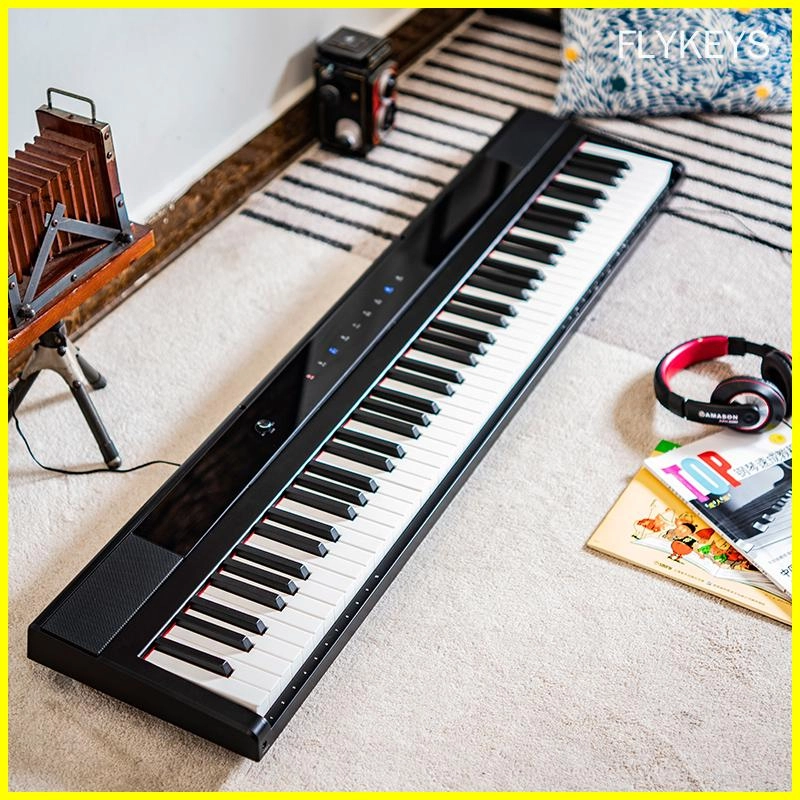
Best-Rated Electronic Pianos for Beginners in 2026: What to Buy and Why
Customization
Can I request additional features to be added to a standard model?
Yes, we offer customization services to accommodate specific feature requests, subject to feasibility and additional charges.
What is the lead time for custom orders?
Lead times for custom orders vary depending on the complexity of the customization and current production schedules. Please contact our sales team for more information.
Products
Are your electronic pianos suitable for beginners?
Yes, we have models designed specifically for beginners, featuring user-friendly interfaces and educational features.
What is the warranty period of piano?
We provide 2 years warranty service, if there is any quality problem, we can provide accessories for free
Company
Does your company have any sustainability initiatives?
Yes, we are dedicated to sustainability and continuously strive to minimize our environmental footprint through responsible manufacturing practices.
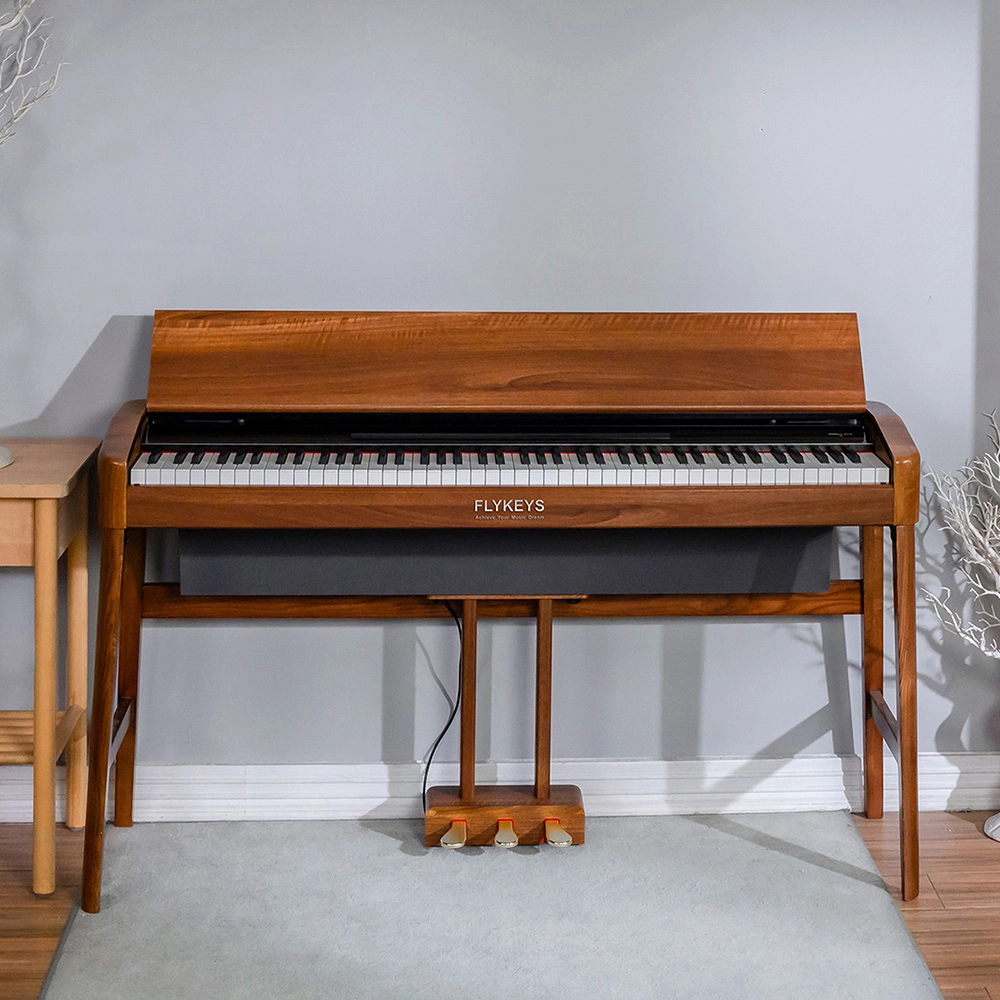
Flykeys Wooden Panel Piano Original Italian Imported Hammer Action Keyboard SK3 Digital Piano
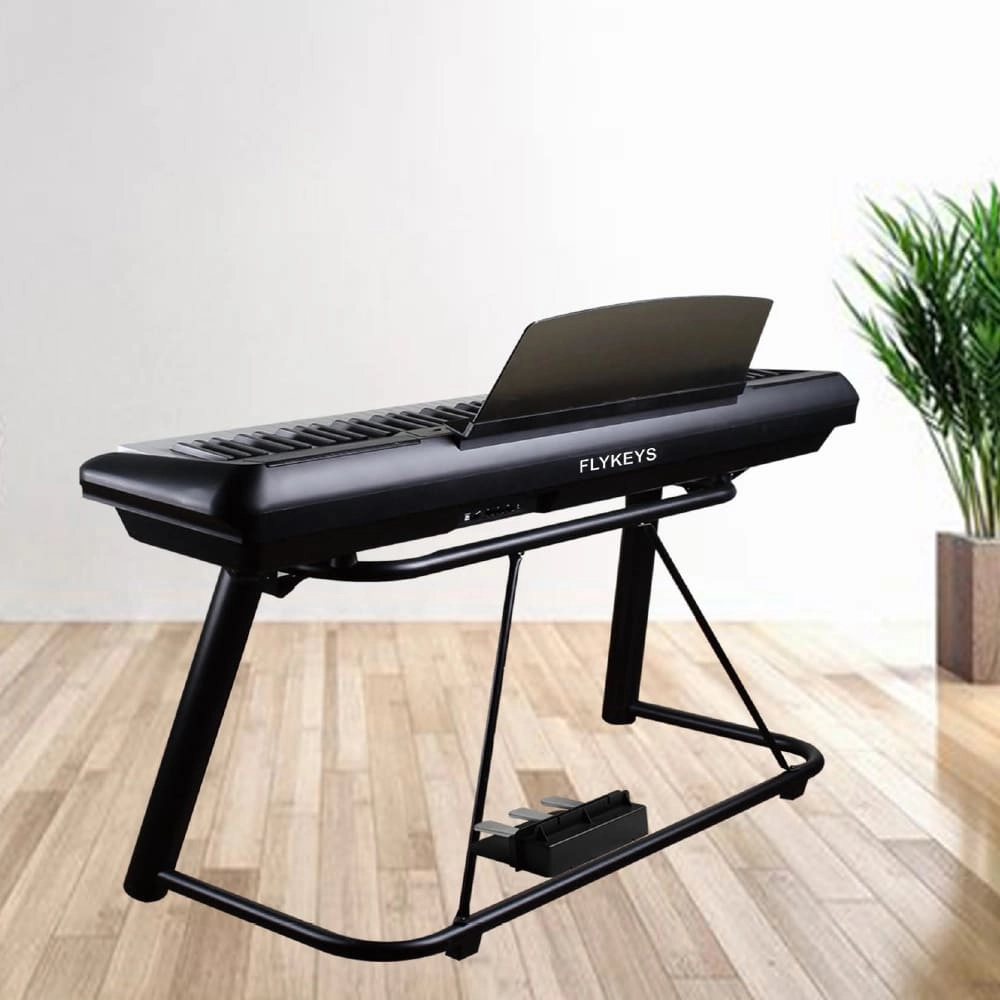
Flykeys 88 Keys Portable Piano With Wooden Stand FP6 Digital Piano
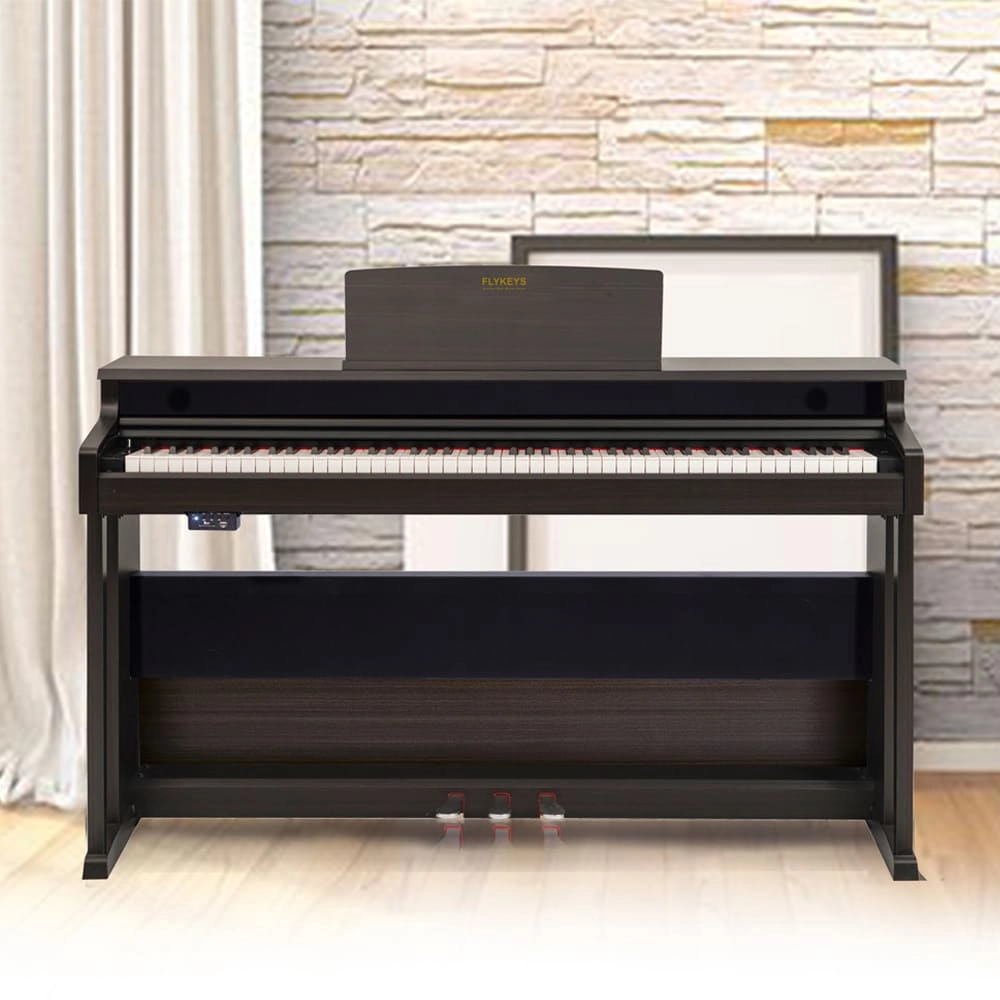
Flykeys Upright Piano Wooden Panel 88 KEYS Piano FK130 Digital Piano
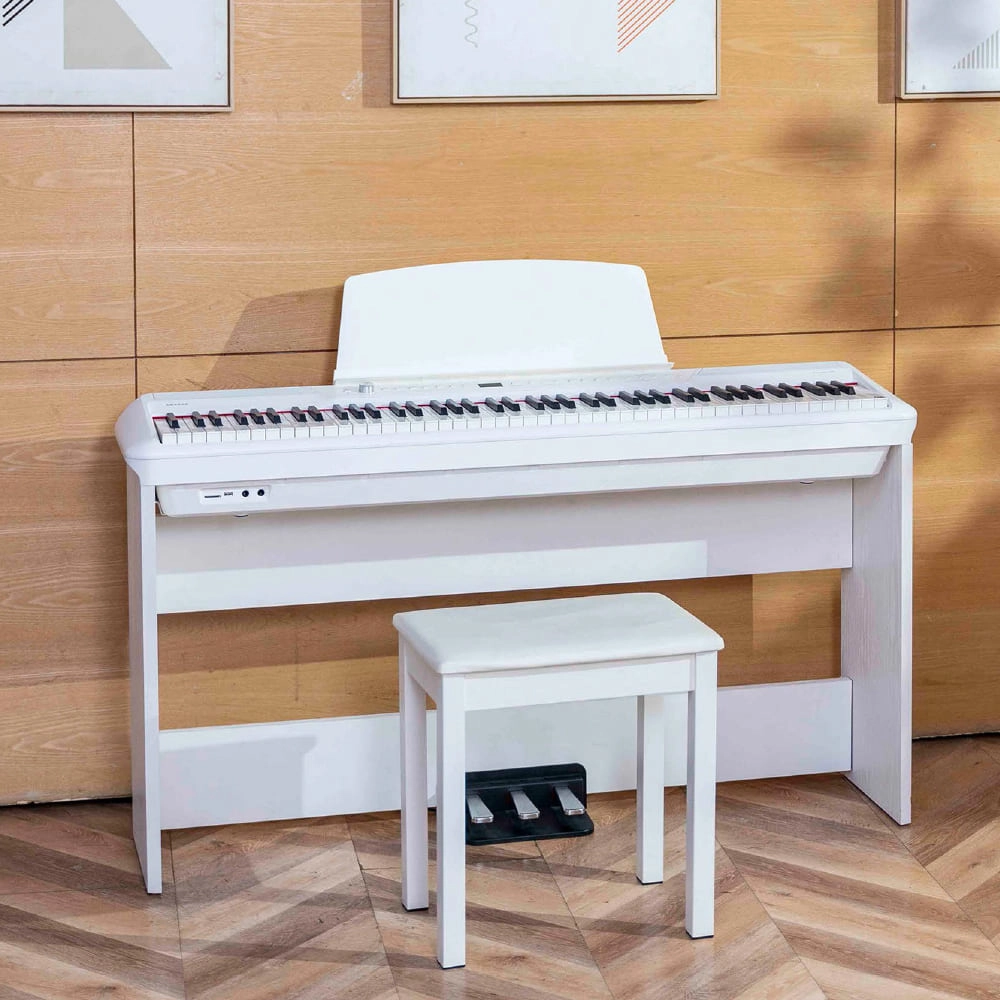
Flykeys Portable Electric Keyboard FP9 Digital Piano
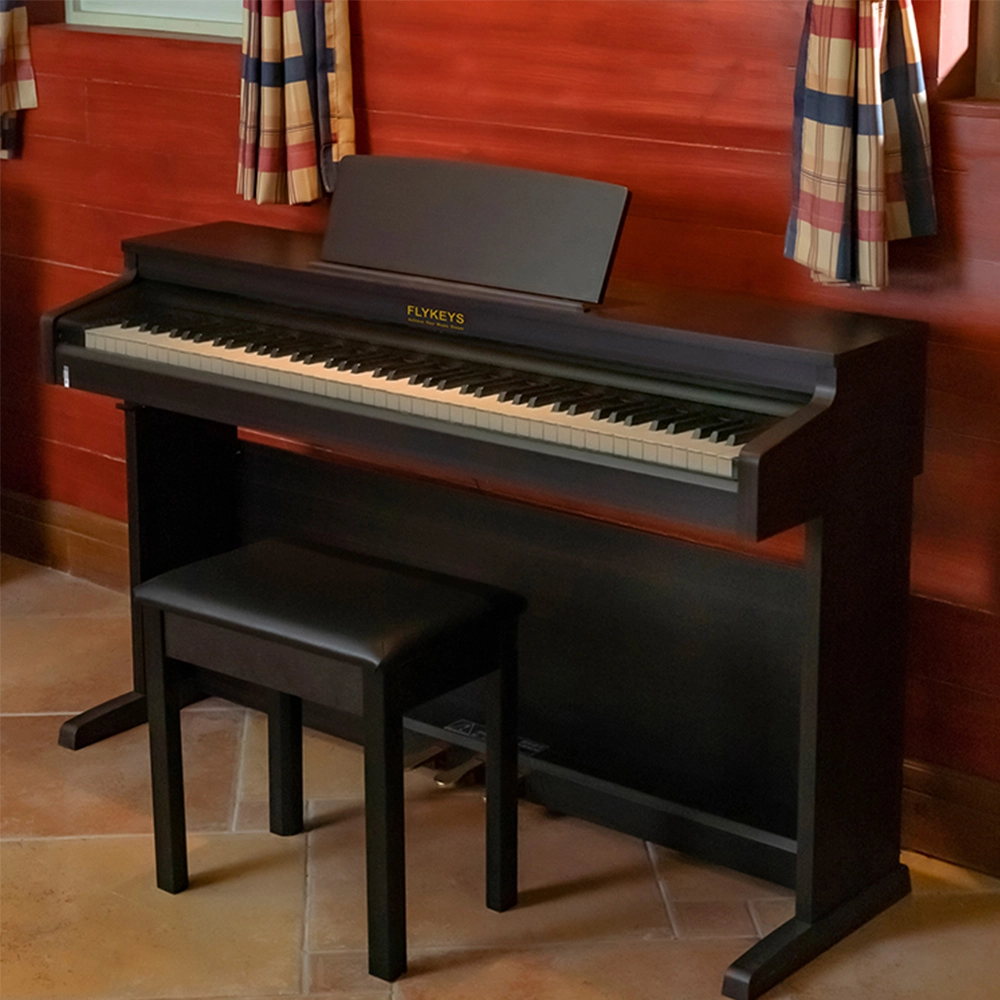
Flykeys Upright Electric Piano Built-In Speakers Music Instrument FD05 Digital Piano
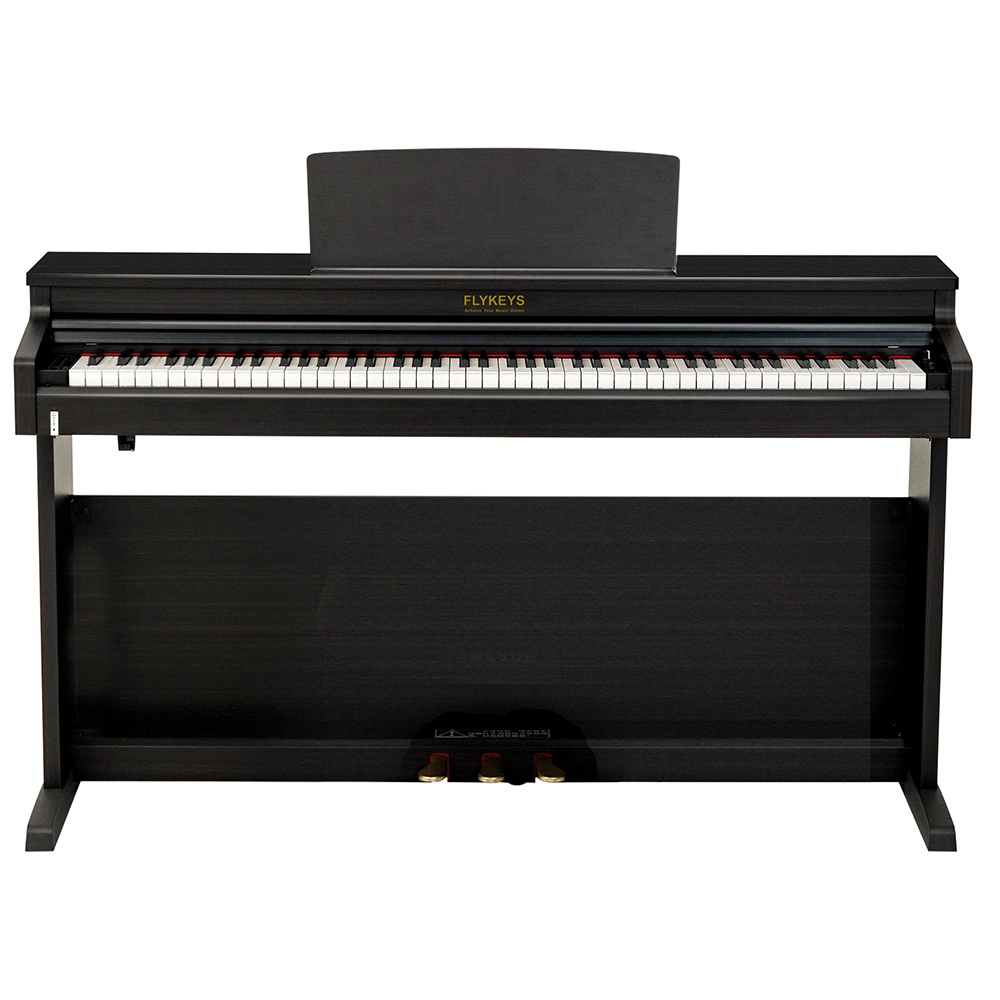
Flykeys Upright Digital Piano FDP 3
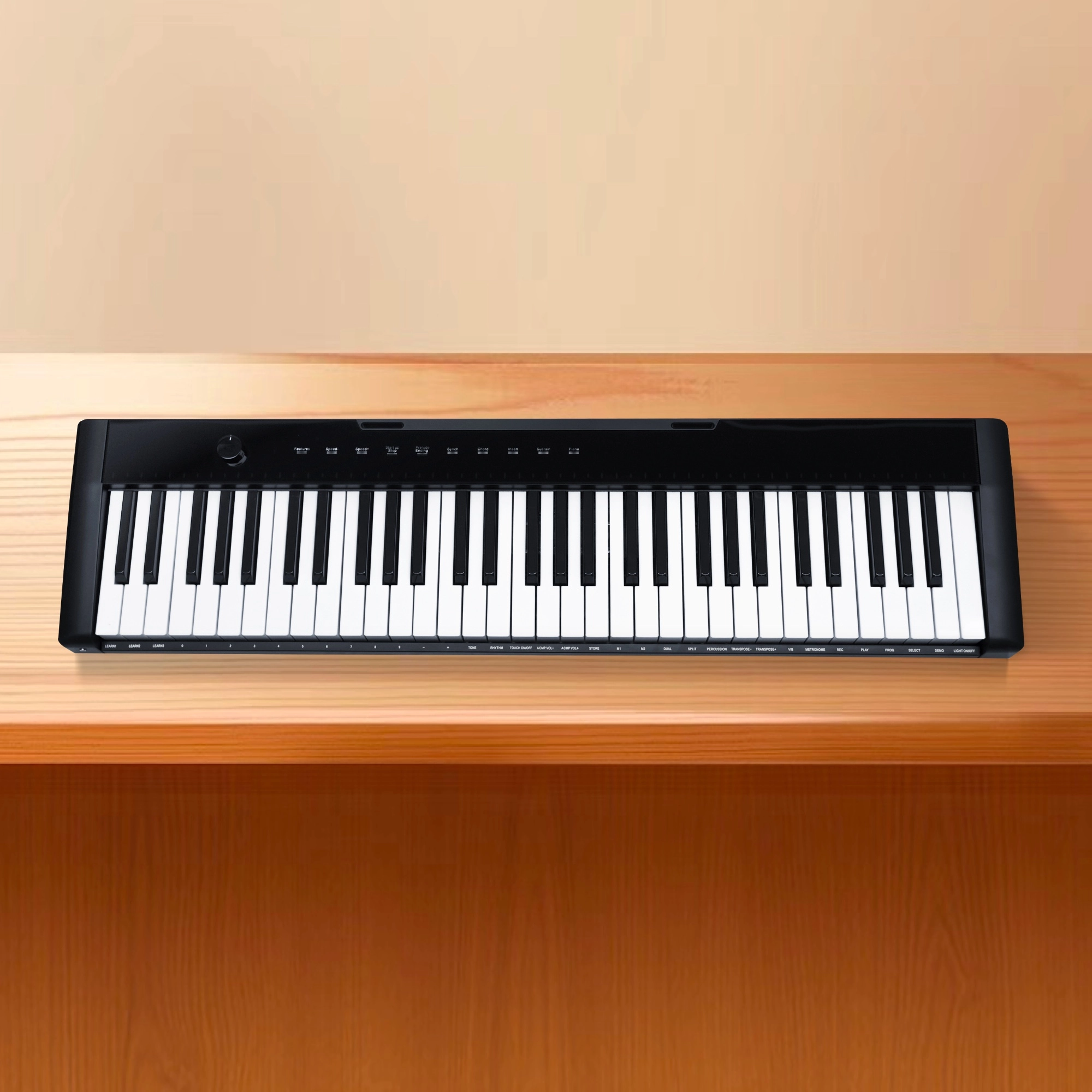
Flykeys 61 keys portable electronic keyboard piano with X stand (M2)
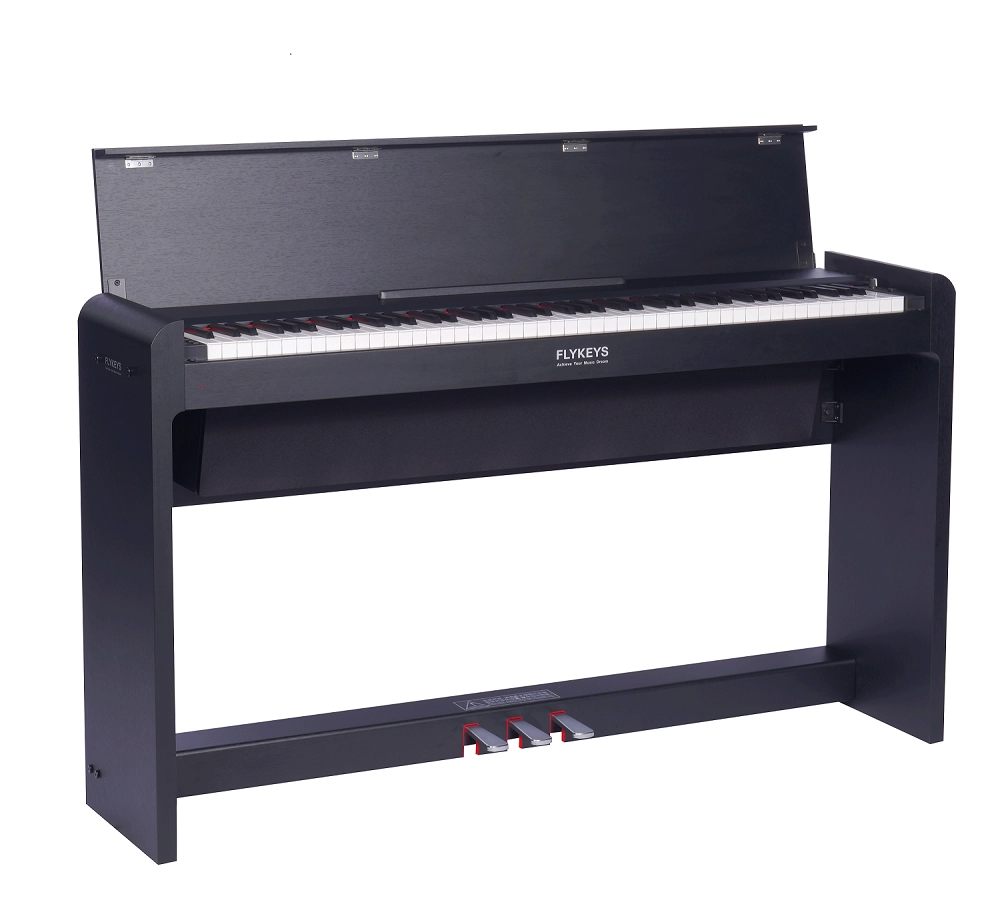
FLYKEYS FDP 5 Digital Piano
Get in touch with us
Have a question or inquiry about our digital pianos products? Leave us a message here and our team will get back to you promptly within 24 hours.
Whether you're interested in custom orders, technical specifications, or partnership opportunities, we're here to assist you.
Rest assured that your privacy is important to us, and all information provided will be handled with the utmost confidentiality.
Address: No. 38 Xiangshan Avenue, Zengcheng Economic And Technological Development Zone, Guangzhou, China.
FOLLOW US:


© 2026 FLYKEYS All Rights Reserved. 粤 ICP备2020102774号. Designed by gooeyun. Sitemap | Privacy | Terms