

How to Choose the 88 key portable digital piano manufacturer and supplier ?
- How to Choose the 88 Key Portable Digital Piano Manufacturer and Supplier
- Introduction: What buyers really want when searching for 88 key portable digital piano manufacturers
- About FLYKEYS and Guangzhou Pearl River Amason
- 1. Define your product and market requirements
- Know the target buyer and price point
- Decide on features important to your customers
- 2. Technical criteria: what to evaluate in an 88 key portable digital piano
- Key action and keyboard construction
- Sound engine, sampling and polyphony
- Amplification, speaker system and output power
- Connectivity and modern expectations
- 3. Quality, testing and certifications
- Production quality control and component traceability
- Certifications that matter
- 4. Manufacturing capacity, lead times and minimum order quantities
- Assess factory scale and flexibility
- Minimum order quantity and batch sizes
- 5. Total cost of ownership and pricing transparency
- Look beyond unit price
- Warranty, spare parts and service
- 6. Intellectual property, design and OEM/ODM options
- Ownership of designs and customization options
- Firmware updates and software support
- 7. Evaluating suppliers: audit, sample testing and on-site checks
- Factory audit checklist
- Sample testing and acceptance criteria
- 8. Comparison table: deciding factors at a glance
- 9. Why choose an established manufacturer like FLYKEYS / Pearl River
- Heritage, scale and piano craftsmanship
- Certifications and export readiness
- 10. Negotiation tips and moving to production
- Start small, prove quality, then scale
- Agree on defect rates and penalties
- Conclusion: A practical checklist to finalize supplier selection
- References and data sources
- Frequently asked questions
How to Choose the 88 Key Portable Digital Piano Manufacturer and Supplier
Introduction: What buyers really want when searching for 88 key portable digital piano manufacturers
When purchasers search for an 88 key portable digital piano manufacturer and supplier, they seek more than a low price. Typical includes sourcing reliable OEM/ODM partners for resell or private-label models, ensuring consistent quality, timely delivery, and compliance with international safety and emissions standards. This guide helps importers, retailers, and OEM managers evaluate potential partners and make confident sourcing decisions for 88 key portable digital piano products.
About FLYKEYS and Guangzhou Pearl River Amason
Guangzhou Pearl River Amason Digital Musical Instrument Co., Ltd. is a subsidiary of Guangzhou Pearl River Piano Group. Founded in 2008, the company focuses on developing and manufacturing digital musical instruments and represents one of Pearl River Piano Group's three core business segments. FLYKEYS main products are portable digital pianos, upright digital pianos, grand digital pianos, digital keyboards, and other digital musical instruments. For overseas markets, FLYKEYS sells products under the FLYKEYS brand and has passed FCC, CE and RoHS testing. FLYKEYS leverages Pearl River Piano's more than 60 years of acoustic piano experience and the company's large manufacturing footprint. Their self-developed reduction technology aims to reproduce acoustic tone and touch more closely. The company vision is to become the world's leading digital piano manufacturer. Website: https://www.flykeysmusic.com/
1. Define your product and market requirements
Know the target buyer and price point
Before contacting manufacturers, define your product scope. Are you producing consumer home models, stage pianos for professionals, or entry-level instruments for schools? Price positioning determines acceptable components, warranty length, and expected lifespan. For example, entry-level 88 key portable digital pianos usually target a retail price range of USD 300-700, mid-range models 700-1,500, and pro models above 1,500.
Decide on features important to your customers
Common selling features buyers expect to evaluate include weighted hammer action, number of built-in voices, polyphony (common levels: 64, 128, 256), piano samples and multi-layer sampling, Bluetooth MIDI/audio, USB-to-host, full-size 88 key keyboard, internal amplification and speaker wattage, and portability/weight. Make a prioritized feature list so potential suppliers can propose realistic BOM (bill of materials) and pricing.
2. Technical criteria: what to evaluate in an 88 key portable digital piano
Key action and keyboard construction
Key action is the most tactile part of the instrument. Look for graded hammer action, real-key weighting, and long pivot points. Manufacturers should be able to describe their hammer mechanism, materials (synthetic ebony/ivory tops), and keybed durability (actuation cycles). For higher-end models, confirm they offer triple-sensor key detection and progressive/hybrid actions.
Sound engine, sampling and polyphony
Sound quality depends on sampling quality, velocity layers, and the DSP/engine used. Ask suppliers about sampling bit-depth, number of velocity layers per piano voice, use of multi-sampling and string resonance modeling, and maximum polyphony. Most modern portable 88 key digital pianos offer 128-note polyphony as a practical minimum for complex layering and sustain pedal use; pro models may offer 256 or unlimited virtual polyphony through voice-stealing algorithms.
Amplification, speaker system and output power
Speakers and amplifier wattage determine stage and home suitability. Typical portable 88 key pianos include 20-60W total amplification with built-in stereo speakers. Confirm speaker size, enclosure design, and whether the manufacturer offers balanced outputs for PA systems.
Connectivity and modern expectations
Essential connectivity features include USB-to-host (MIDI over USB), 5-pin MIDI DIN or MIDI over USB, Bluetooth MIDI/audio, sustain and expression pedal sockets, line in/out, and headphone jacks. Ensure the supplier supports required firmware and driver updates.
3. Quality, testing and certifications
Production quality control and component traceability
Manufacturers should have documented quality control systems: incoming inspection for components, in-line testing, end-of-line functional test, and aging tests for electronic modules. Traceability for keyboard assemblies, speakers, and PCBs helps manage recalls or warranty claims. Ask for QC reports and capability to provide batch-level traceability.
Certifications that matter
For export markets, ensure suppliers can provide or support certification for FCC (USA), CE (EU), and RoHS (hazardous substances) — all of which FLYKEYS products have passed. For other markets, ask about UKCA, EAC (Eurasian), or specific country-level approvals if needed.
4. Manufacturing capacity, lead times and minimum order quantities
Assess factory scale and flexibility
Understand the factory's annual production capacity for 88 key portable digital pianos, typical lead times for first samples, and full production runs. A supplier with integrated manufacturing (in-house keybeds, speaker production, PCB assembly) reduces supply chain risk and can often offer lower per-unit cost and faster change implementation.
Minimum order quantity and batch sizes
MOQ depends on manufacturing layout and BOM complexity. Typical MOQs for new models can range from several hundred units to a few thousand units. Ask suppliers to offer tiered pricing and sample-run options for market testing.
5. Total cost of ownership and pricing transparency
Look beyond unit price
Evaluate customs duties, shipping, packaging, testing costs, warranty reserve, spare parts availability, and after-sales logistics. A slightly higher unit price from a reliable manufacturer with lower defect rates may reduce returns and increase margin overall.
Warranty, spare parts and service
Determine warranty terms (12-36 months commonly), warranty service procedures, and spare parts lead time. Ensure the supplier offers parts kits (key assemblies, PCB, speakers) and technical documentation for repairs.
6. Intellectual property, design and OEM/ODM options
Ownership of designs and customization options
Clarify who owns the design, firmware, and any customized sampling or voicing. If you require private-label models, confirm NDA terms, IP protection measures, and whether the supplier offers custom branding, UI changes, or packaging adjustments.
Firmware updates and software support
Suppliers should provide firmware update procedures, changelogs, and support for drivers. If Bluetooth or mobile app integration exists, verify API access or SDK availability for future feature development.
7. Evaluating suppliers: audit, sample testing and on-site checks
Factory audit checklist
Key audit items: production flow, BOM sourcing, component suppliers, testing stations, aging rooms, ESD control, employee training, safety and environmental controls, and export documentation capabilities. For high-value contracts, consider third-party factory audits.
Sample testing and acceptance criteria
Request pre-production and production samples and test against a clear acceptance list: action feel, measured velocity response, frequency response of speakers, signal-to-noise ratio, Bluetooth stability, power consumption, and certification compliance. Use third-party labs when necessary.
8. Comparison table: deciding factors at a glance
| Factor | Minimum/Expected | Recommended | High Quality |
|---|---|---|---|
| Key action | Weighted 88 keys | Graded hammer action, synthetic ivory | Triple-sensor, hybrid action, wooden keys option |
| Polyphony | 64 | 128 | 256+ |
| Speakers / Power | 10-20W | 20-40W | 40-80W, balanced outputs |
| Connectivity | Headphone, sustain | USB-MIDI, line out, Bluetooth MIDI | Full I/O, multi-device Bluetooth, app integration |
| Certifications | Basic RoHS | FCC, CE, RoHS | FCC, CE, RoHS, UKCA, EAC |
| Warranty | 12 months | 24 months | 36 months plus extended support |
9. Why choose an established manufacturer like FLYKEYS / Pearl River
Heritage, scale and piano craftsmanship
Pearl River Piano Group is among the world's largest piano makers with more than 60 years' experience in acoustic piano making. A digital piano manufacturer backed by such heritage is often able to translate acoustic knowledge into better voicing, hammer feel simulation, and tonal balance. FLYKEYS leverages this pedigree and emphasizes reduction technology to create closer acoustic resemblance in tone and touch.
Certifications and export readiness
FLYKEYS products have passed FCC, CE and RoHS testing, which simplifies market entry for USA and EU customers. The company's existing overseas brand and export routines reduce the administrative burden for importers.
10. Negotiation tips and moving to production
Start small, prove quality, then scale
Begin with a pilot order or small MOQ production run. Perform acceptance testing and collect end-customer feedback. Use clear quality gates and payment milestones tied to successful inspections and shipments.
Agree on defect rates and penalties
Set acceptable defect rates, return logistics, and responsibility for rework. Clarify who covers shipping of faulty units and replacement timing for warranty claims.
Conclusion: A practical checklist to finalize supplier selection
Choosing the right 88 key portable digital piano manufacturer and supplier requires a balanced review of technical capabilities, quality systems, certifications, production capacity, IP and customization terms, and reasonable commercial conditions. Use the checklist below before signing an agreement:
- Confirm key action technology and request samples
- Verify sound engine specs and polyphony
- Ask for QC reports and certification evidence (FCC, CE, RoHS)
- Audit production capability, MOQ and lead time
- Negotiate warranty, spare parts, and firmware support
- Start with a pilot run and scale based on quality
Suppliers like Guangzhou Pearl River Amason and the FLYKEYS brand combine deep piano heritage with export-ready products, making them strong options for importers seeking dependable manufacturing partners for 88 key portable digital pianos.
References and data sources
- FLYKEYS official website and corporate product information
- Pearl River Piano Group company history and manufacturing background
- FCC, CE and RoHS regulatory standards documentation
- Major digital piano brand technical specs (Yamaha, Roland, Korg) for industry benchmarking
- Industry articles on polyphony and digital piano design principles
Frequently asked questions
Note: The following FAQs are presented without H tags. Each answer is separated by a line break as requested.
Which certification is essential for selling digital pianos in the EU and USA?CE is required for EU market compliance and FCC certification applies to electronic emissions in the USA. RoHS compliance is essential for restricting hazardous substances in electronic parts. UKCA may be required for the UK.
What is a reasonable polyphony for modern 88 key portable digital pianos?Most modern, practical instruments provide at least 128-note polyphony. Entry-level units may offer 64 notes, but 128 is recommended for layered sounds and sustain use. High-end models can offer 256 or more.
How much should a reliable 88 key portable digital piano weigh for portability?Portable 88 key models typically weigh between 12 and 20 kilograms, depending on speaker systems and chassis design. For stage portability, lighter models near 12-15 kg are preferable; for richer built-in amplification, expect higher weight.
How long are typical manufacturer warranties for digital pianos?Common warranty periods range from 12 to 36 months. Many reputable manufacturers offer 24 months for electronics and sometimes longer for mechanical parts. Always verify spare parts availability and RMA procedures.
Should I require a factory audit before placing a large order?Yes. A factory audit verifies production capability, quality control, testing facilities, and working conditions. For larger orders, third-party audits provide independent confirmation and reduce risk.
How can I verify sound quality before bulk orders?Request production samples and conduct blind listening tests with professional players. Ask for measured frequency response and dynamic range of the sound engine. Where required, use third-party labs to test audio performance and speaker fidelity.
What are typical lead times from sample approval to shipment?Lead times vary by factory and order size. A typical timeline: tooling and first sample 4-8 weeks, pre-production run 6-10 weeks, and full production 8-16 weeks. Confirm realistic lead times with the supplier and build buffer for logistics.
Is it better to buy from an OEM or ODM supplier?If you want unique design and IP ownership, choose OEM partners who will manufacture to your design. ODM suppliers offer quicker time-to-market with existing platform models customizable for branding. Choose based on speed, cost, and differentiation needs.
OEM/ODM wooden keyboard piano stand Manufacturers and supplier in China
Why choose FLYKEYS 88 weighted key keyboard piano manufacturer in China
Wholesale best piano electric keyboard manufacturer and supplier
Wholesale best digital portable piano manufacturer and supplier
Company
Where is your company located?
Our headquarters are located in Guangzhou City, China, with manufacturing facilities strategically positioned for efficient global distribution.
What is your company's mission?
Our mission is capture the zeitgeist, enjoy the quality lifestyle.
Our vision is to be the TOP 1 Chinese digital musical instrument brand and enter International top list.
Payment
Is payment required upfront for custom orders?
Yes, payment is typically required upfront for custom orders to initiate the production process.
Products
What is the warranty period of piano?
We provide 2 years warranty service, if there is any quality problem, we can provide accessories for free
Logistics
Do you ship internationally?
Yes, we offer international shipping to most countries worldwide.
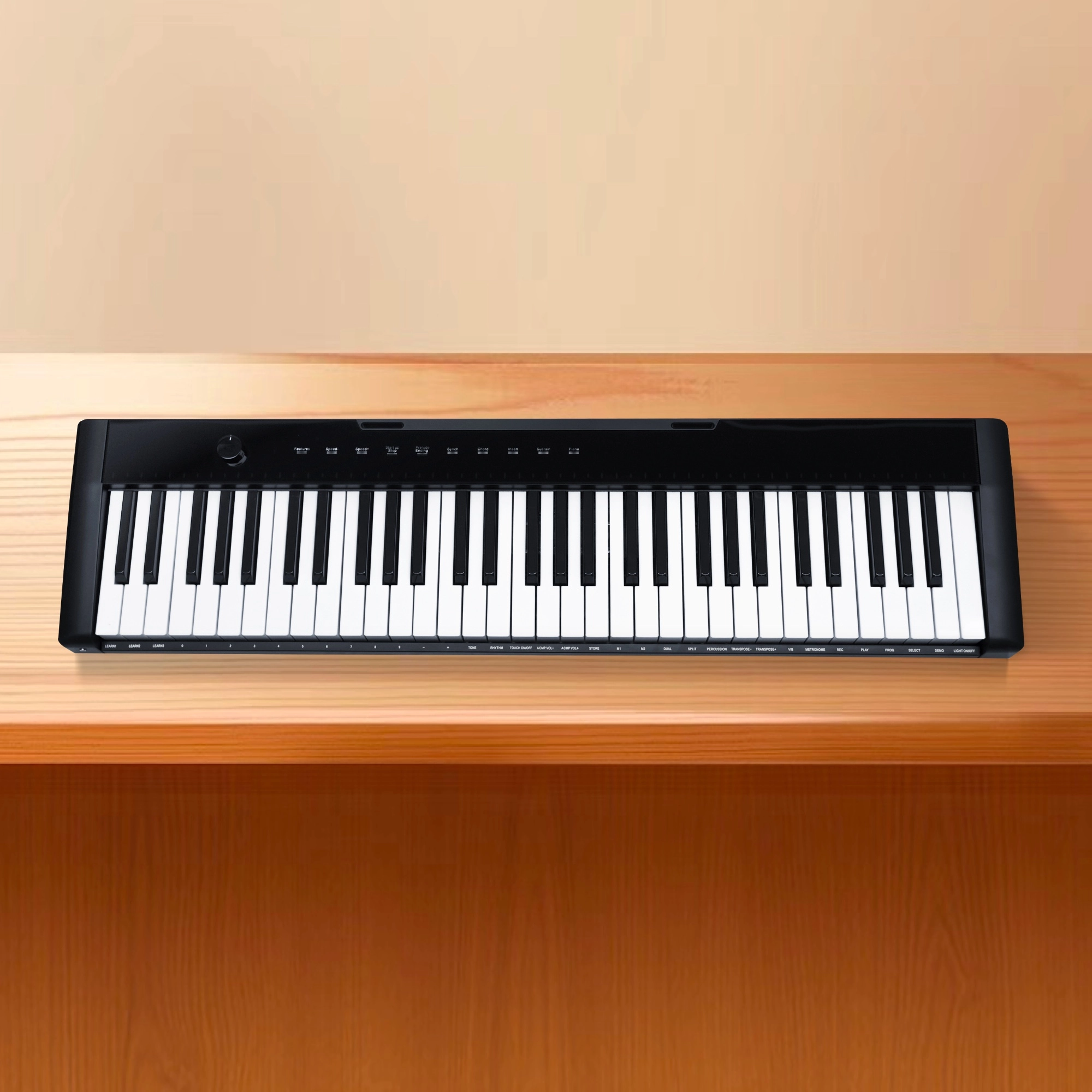
Flykeys 61 keys portable electronic keyboard piano with X stand (M2)
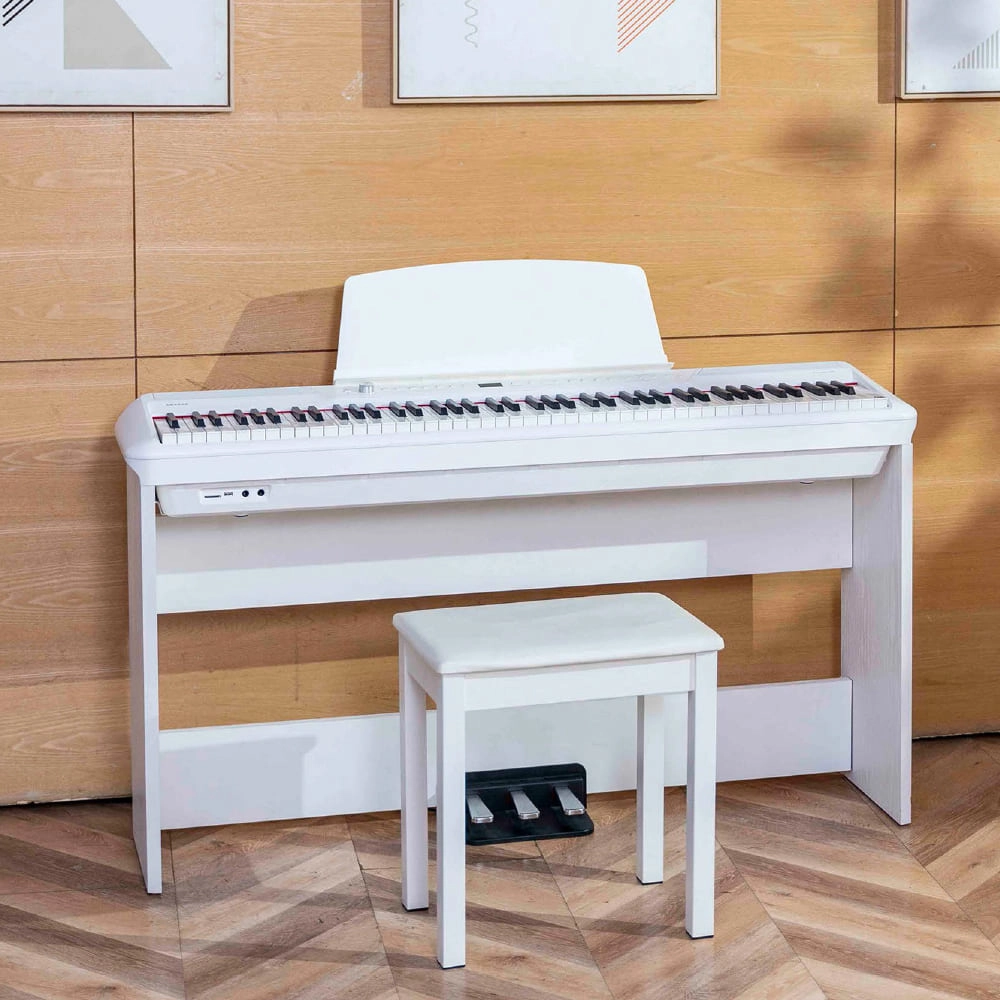
Flykeys Portable Electric Keyboard FP9 Digital Piano
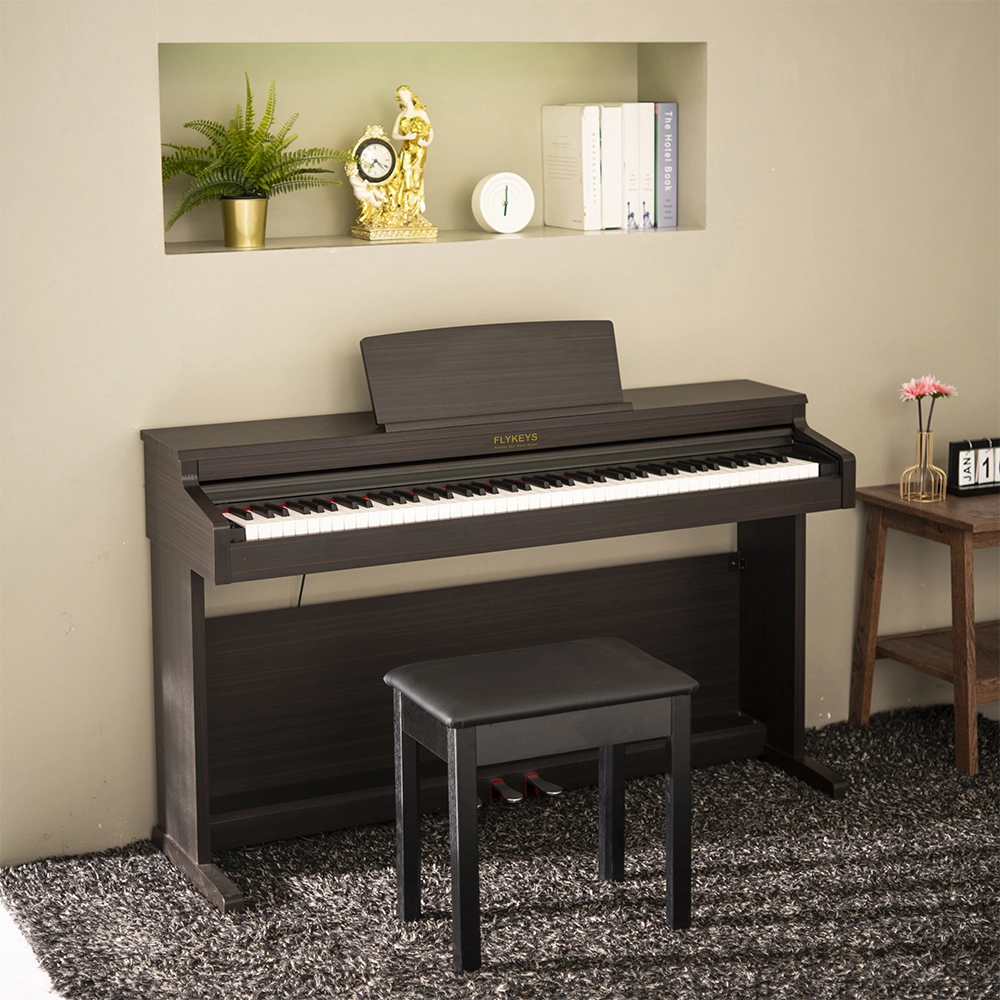
Flykeys 88 Keys Hammer Action keyboard Upright Piano LK03S Digital Piano
— Independent patented technology 88 key Grand-Response hammer action & dynamic curve keyboard;
— European top DSP chip, famous grand piano sound sample;
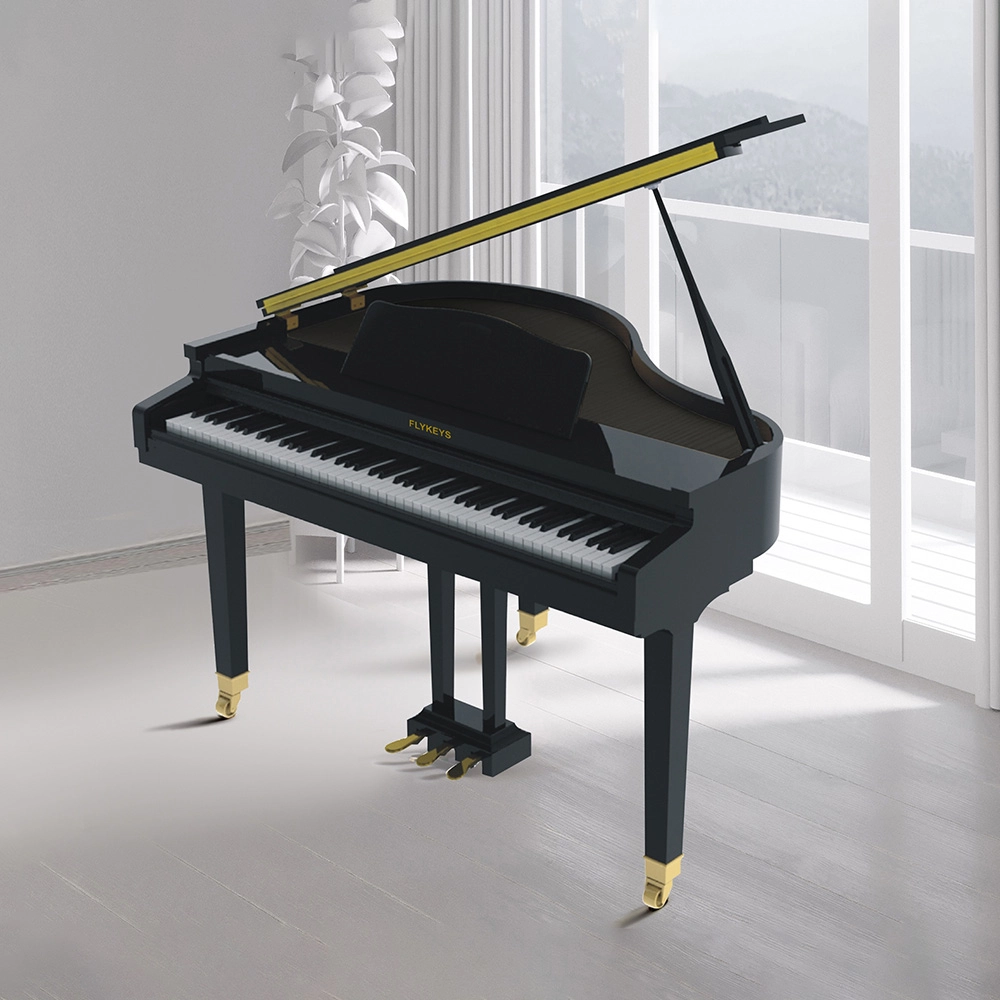
Flykeys 88 Keys Professional Digital Grand Piano Hammer Action Keyboard FGP110 Digital Piano
— Italian Fatar 88 Grand-ResponseTM Key trends with hammer action & dynamic curve
— Independent developed DSP chip, German famous grand piano sound sample
Address: No. 38 Xiangshan Avenue, Zengcheng Economic And Technological Development Zone, Guangzhou, China.
FOLLOW US:


© 2024 FLYKEYS All Rights Reserved. 粤ICP备2020102774号. Designed by gooeyun Sitemap | Privacy | Terms