

how does a digital piano work | FLYKEYS Guide
Digital pianos use digital sampling of acoustic piano sounds. Key actions translate touch into volume and tone variations via sensors. Digital signal processing (DSP) shapes the sound, enabling effects and varied tones. Connectivity features enhance performance and recording capabilities. Understanding these elements is critical for professionals dealing with digital piano repairs and maintenance.
How Does a Digital Piano Work? FLYKEYS
Understanding the inner workings of a digital piano is crucial for technicians, repair specialists, and anyone involved in the musical instrument industry. This article clarifies the technology behind these popular instruments, addressing common questions and troubleshooting challenges.
Many musicians and professionals have questions regarding the components and functionality of digital pianos. This article explains how they create sound, respond to touch, and offer various features. We aim to demystify their technology and boost your understanding.
Sound Generation: The Heart of the Digital Piano
Digital pianos don't rely on hammers striking strings like acoustic pianos. Instead, they use sophisticated digital sampling technology. High-quality recordings of acoustic piano sounds are captured and stored digitally. When a key is pressed, the corresponding sample is triggered and played through built-in speakers or headphones. The quality of the sound depends heavily on the sampling quality and processing power of the digital piano's internal components.
Key Action and Sensing: Translating Touch into Sound
The key action mechanism in a digital piano is crucial for playability. While mimicking the feel of an acoustic piano is a key design goal, various mechanisms exist. These mechanisms usually involve sensors detecting key press depth and velocity. This information is then translated into corresponding volume and tone variations within the digital audio output, resulting in a dynamic and expressive performance. Understanding these mechanisms is critical for diagnosing issues with key response.
Digital Signal Processing (DSP) and Effects: Shaping the Sound
Once the sampled sounds are triggered, digital signal processing (DSP) is used to shape and modify them. This allows for effects like reverb, chorus, and equalization to be applied. DSP also plays a vital role in adjusting the piano's tone and response to emulate different acoustic pianos or even create entirely new sounds. Advanced digital pianos even offer modeling of acoustic piano characteristics like string resonance. Understanding these capabilities is key to troubleshooting sound-related problems.
Connectivity and Features: Expanding the Possibilities
Many modern digital pianos incorporate various connectivity features. USB, MIDI, and audio inputs/outputs allow connection to computers, other instruments, and audio equipment. Some offer recording capabilities, allowing users to capture their performances. A comprehensive understanding of these features is helpful for repair and maintenance.
Troubleshooting Common Issues
Knowing the internal workings of a digital piano helps diagnose issues. Problems with sound, key response, or connectivity can often be traced back to specific components. Familiarity with the digital piano's architecture is essential for effective troubleshooting.
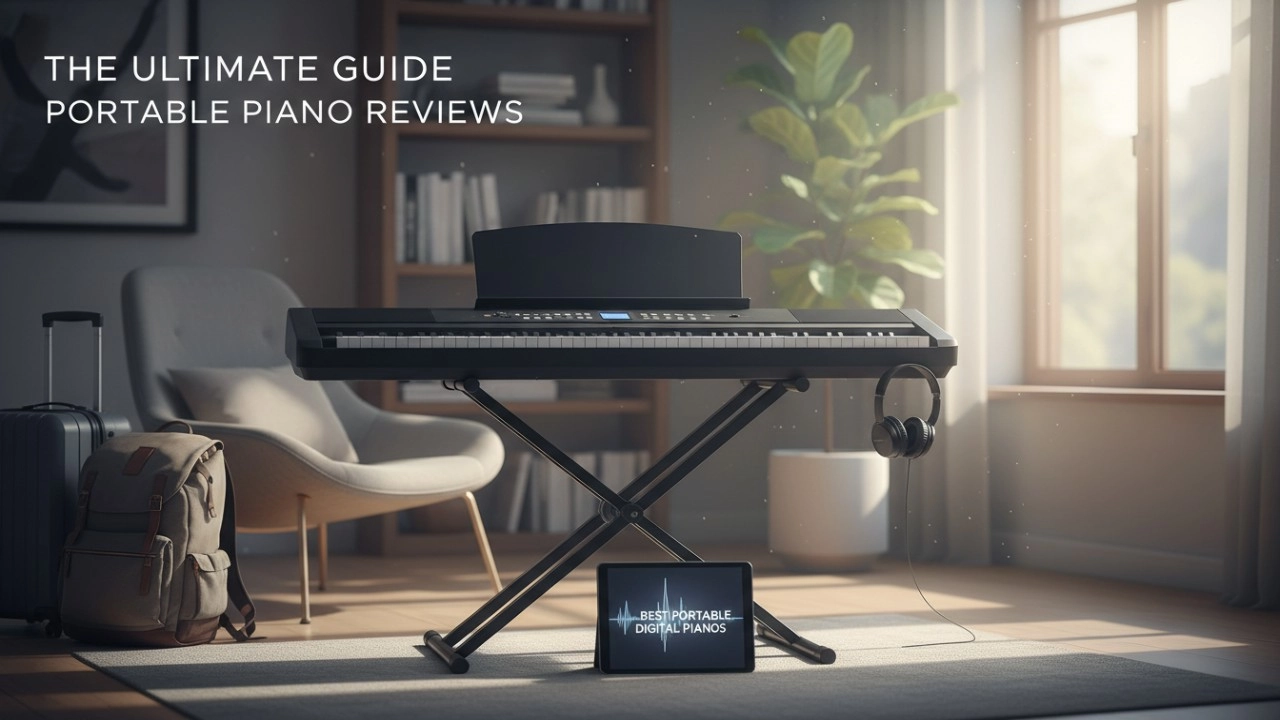
15 Best Portable Digital Pianos of 2026: The Only Comparison Guide You’ll Ever Need

Is the Flykeys FP9 Worth It? Our Real-Life Experience with the World’s Largest Piano Maker’s Digital Tech.
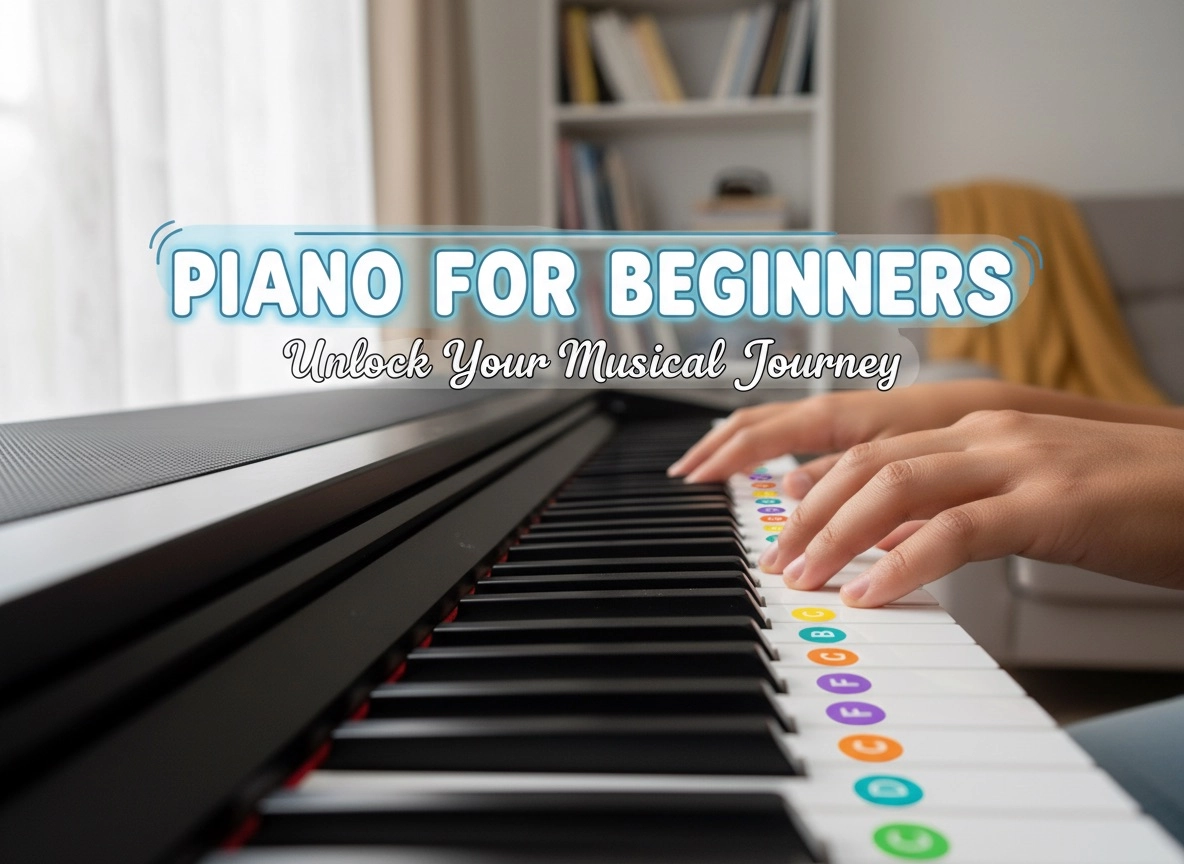
Best Digital Piano Keyboards for Beginners 2026: Your Ultimate Buying Guide

Best Digital Grand Pianos 2026: Ultimate Buyer's Guide for Authentic Sound & Feel
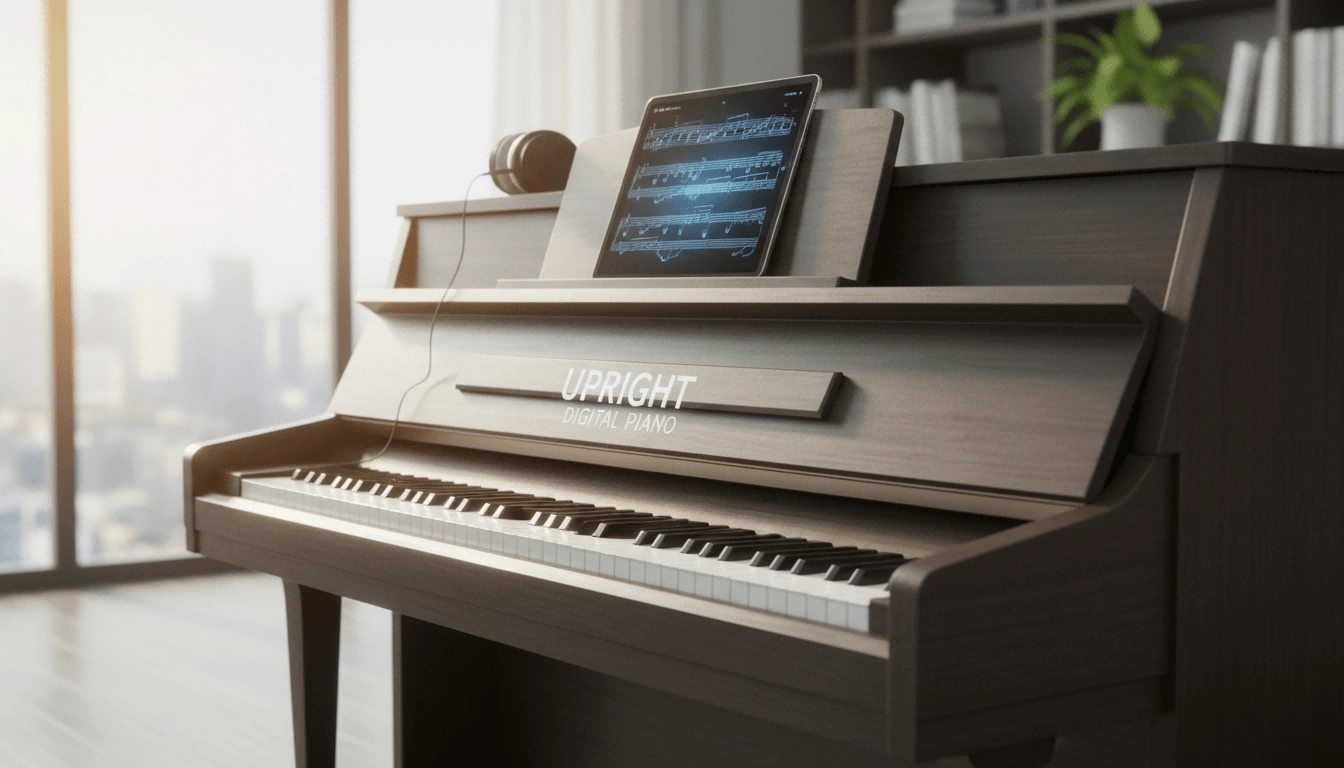
The Definitive Guide to Upright Digital Pianos: Blending Timeless Elegance with Modern Innovation in 2026
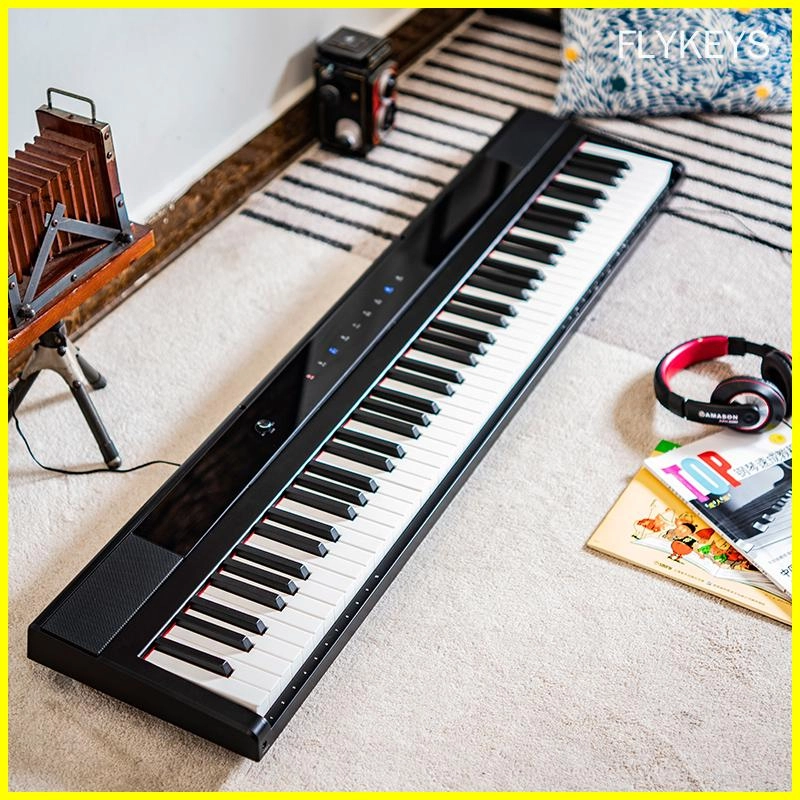
Best-Rated Electronic Pianos for Beginners in 2026: What to Buy and Why
Payment
What payment methods do you accept?
We accept payment methods such as T/T and L/C.
Is payment required upfront for custom orders?
Yes, payment is typically required upfront for custom orders to initiate the production process.
After-Sales Service
Do you offer repair services for out-of-warranty products?
Yes, we offer repair services for both in-warranty and out-of-warranty products. Please contact our support team for assistance.
Products
What products do you have?
We offer a diverse range of products, including digital portable piano, digital upright piano, digital grand piano, electronic drum set, piano silent system, audio equipment, interactive whiteboard, advertising machines, Smart TV, Touch Screen,etc.
Company
Does your company have any sustainability initiatives?
Yes, we are dedicated to sustainability and continuously strive to minimize our environmental footprint through responsible manufacturing practices.
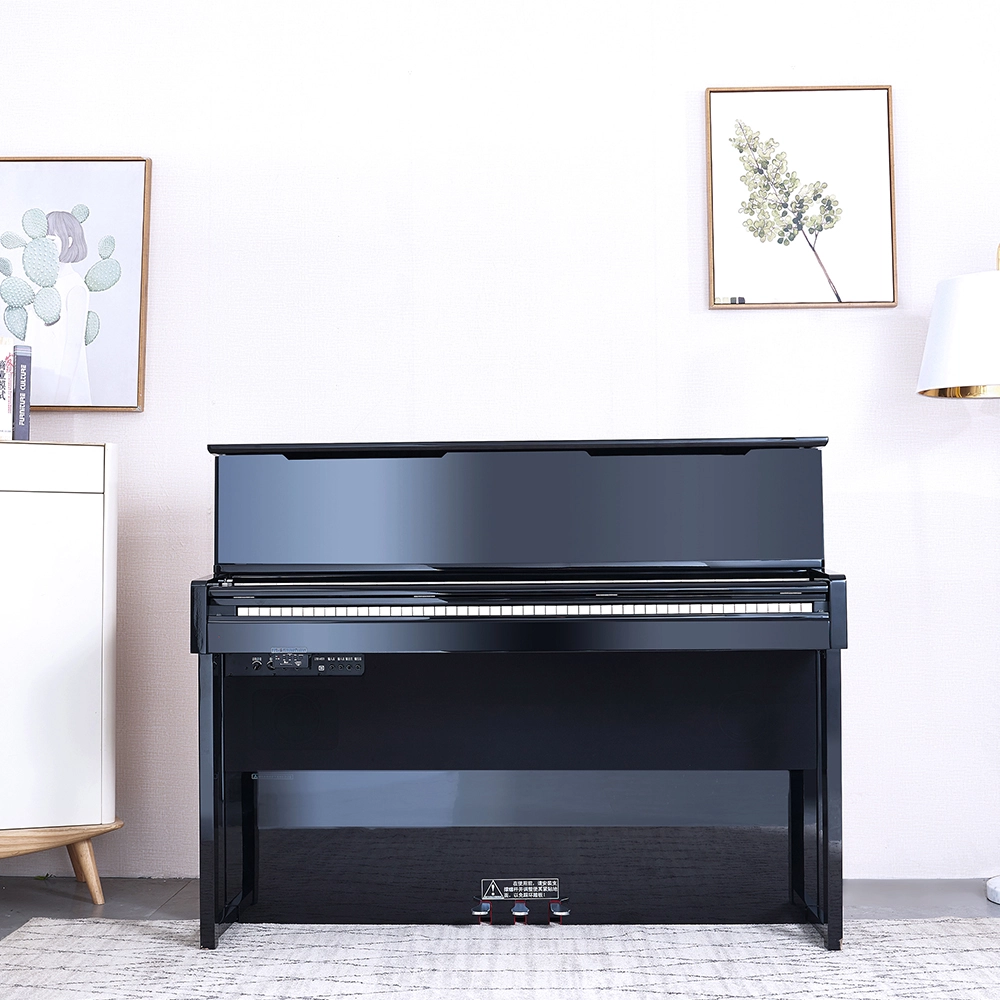
Flykeys Professional Digital Upright Piano 88 Keys Wooden Keyboard FK830 Digital Piano
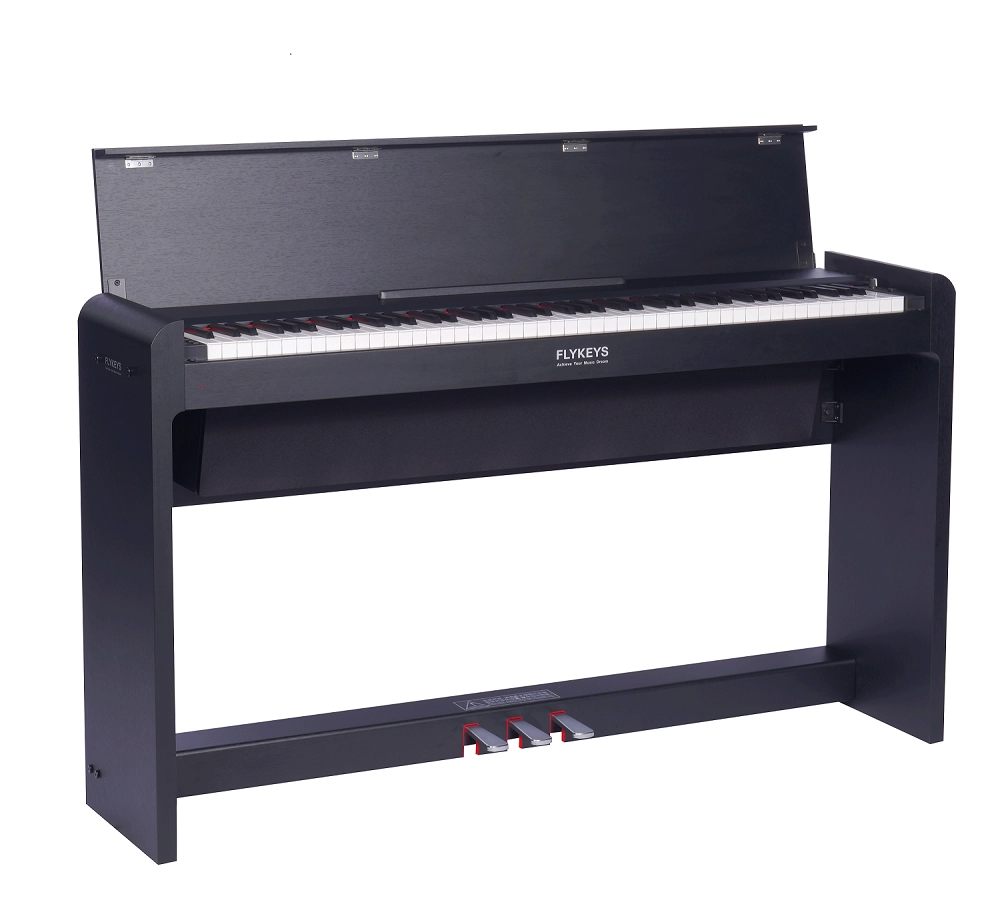
FLYKEYS FDP 5 Digital Piano
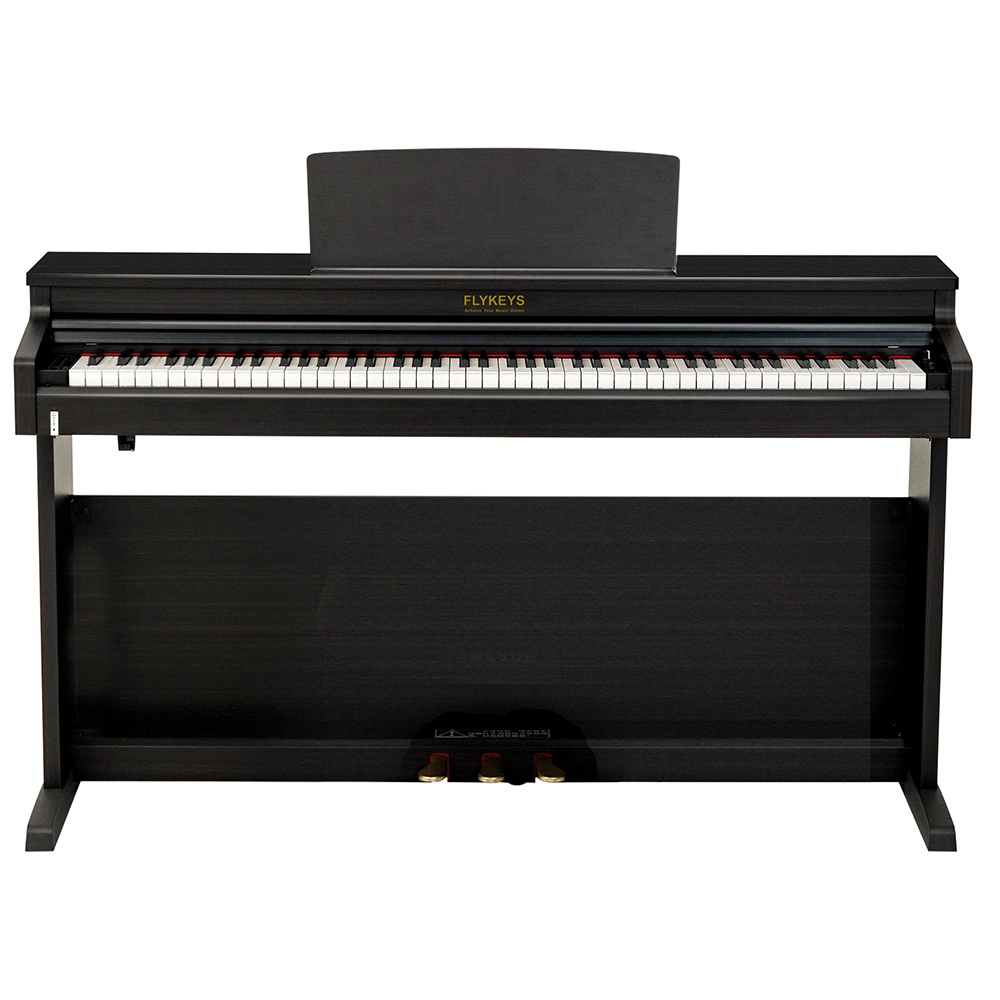
Flykeys Upright Digital Piano FDP 3

Flykeys Professional Digital Grand Piano FGP610 Digital Piano
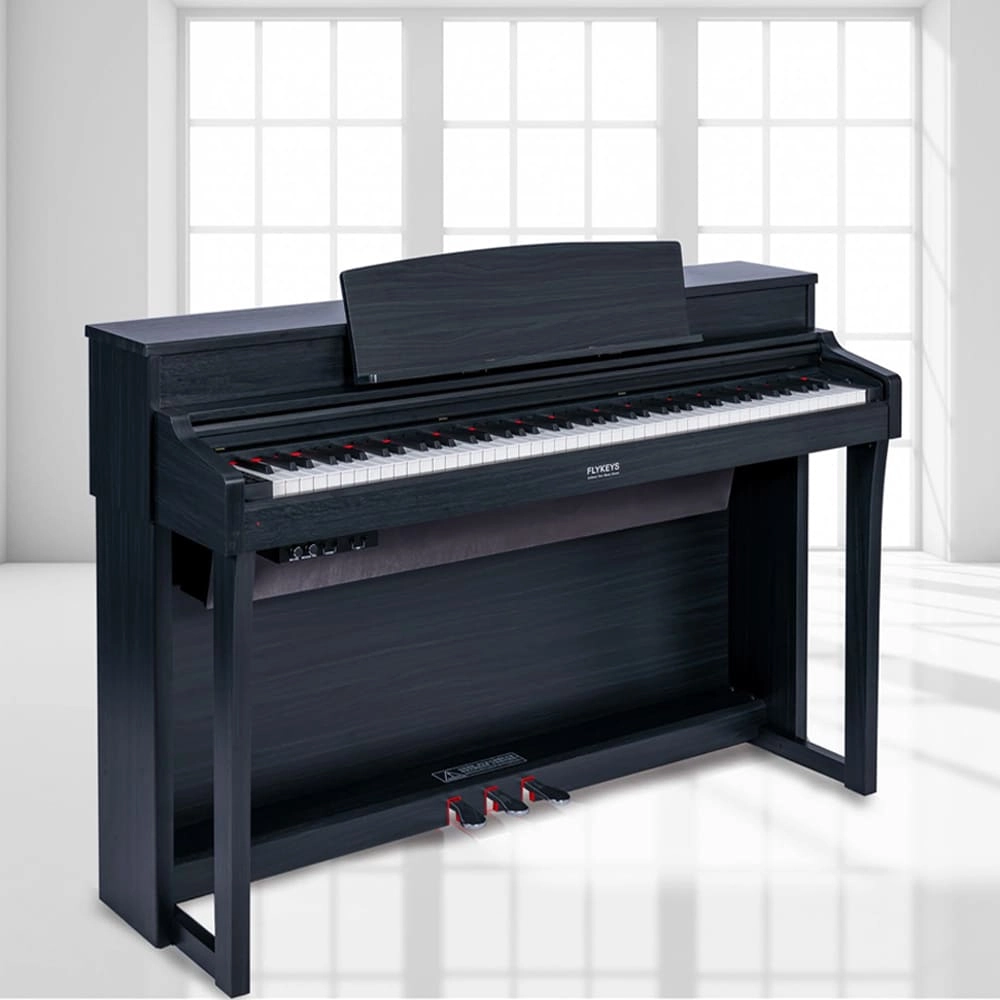
Flykeys Upright Digital Piano 88keys Hammer Action Keyboard FK330 Digital Piano
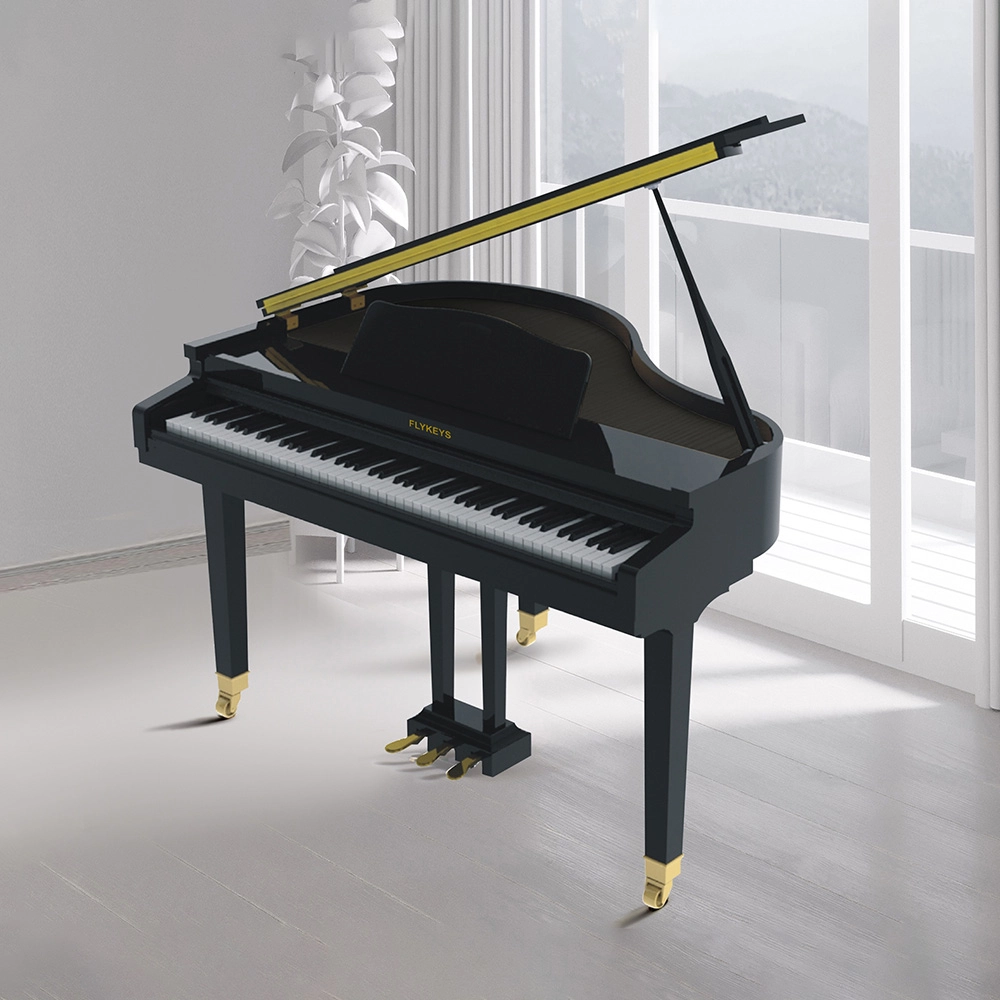
Flykeys 88 Keys Professional Digital Grand Piano Hammer Action Keyboard FGP110 Digital Piano
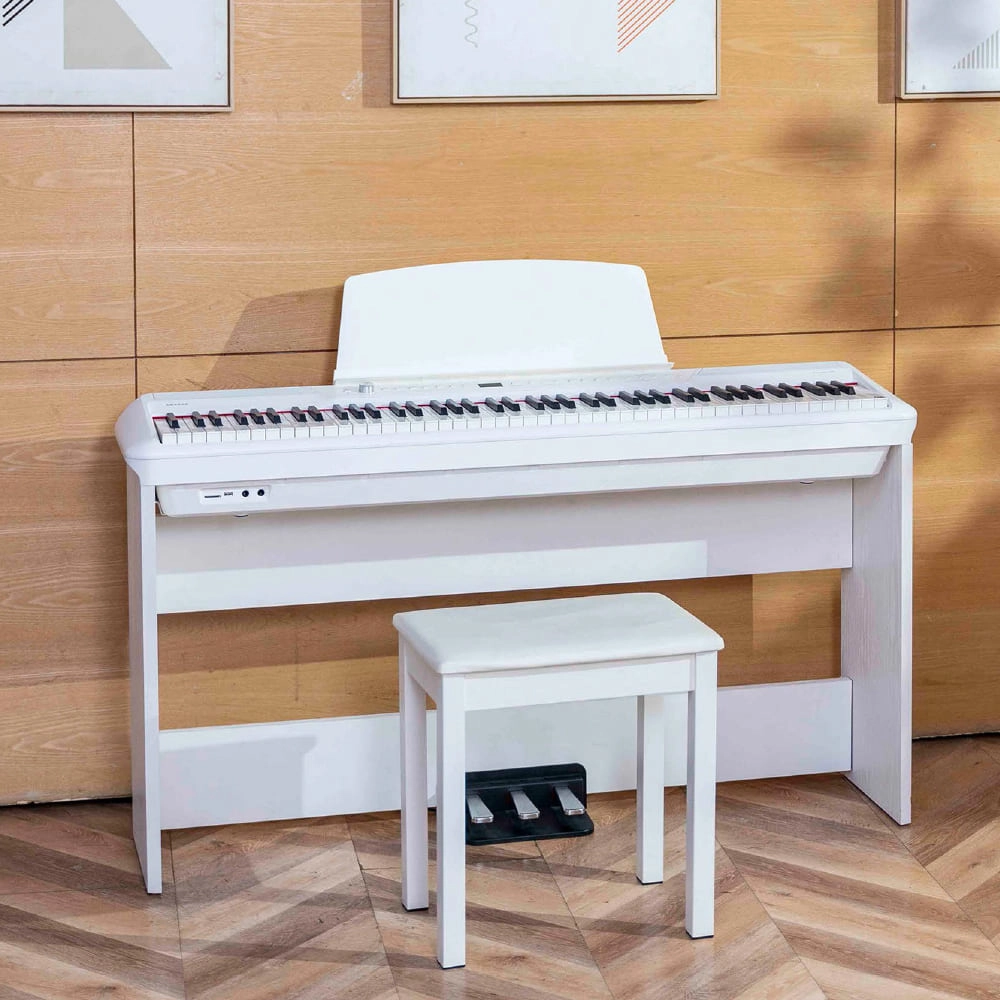
Flykeys Portable Electric Keyboard FP9 Digital Piano
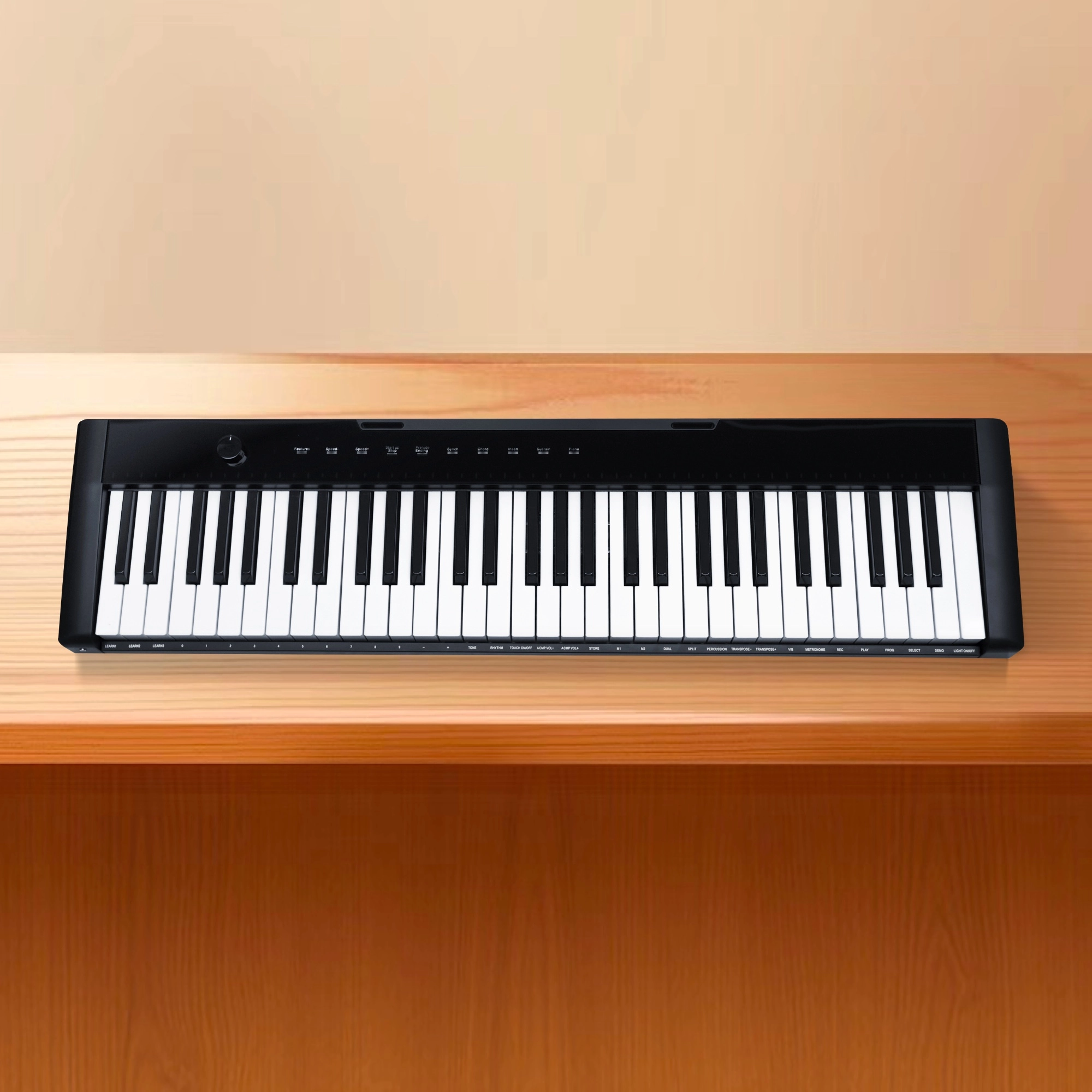
Flykeys 61 keys portable electronic keyboard piano with X stand (M2)
Get in touch with us
Have a question or inquiry about our digital pianos products? Leave us a message here and our team will get back to you promptly within 24 hours.
Whether you're interested in custom orders, technical specifications, or partnership opportunities, we're here to assist you.
Rest assured that your privacy is important to us, and all information provided will be handled with the utmost confidentiality.
Address: No. 38 Xiangshan Avenue, Zengcheng Economic And Technological Development Zone, Guangzhou, China.
FOLLOW US:


© 2026 FLYKEYS All Rights Reserved. 粤 ICP备2020102774号. Designed by gooeyun. Sitemap | Privacy | Terms