

What Is a Digital Piano? A Complete Guide
What Is a Digital Piano? A Complete Guide
A digital piano is an electronic keyboard designed to emulate the sound and feel of an acoustic piano while offering modern features like portability, headphone compatibility, and built-in learning tools. Below, we answer the most common questions about digital pianos to help you understand their benefits and functionality.
1. How Does a Digital Piano Work?
A digital piano uses sampled sounds from high-quality acoustic pianos and reproduces them through speakers or headphones. Key components include:
- Weighted Keys: Mimic the hammer action of an acoustic piano.
- Sound Engine: Generates realistic piano tones using recorded samples.
- Polyphony: Determines how many notes can be played simultaneously (e.g., 64, 128, or 256-note polyphony).
- Connectivity: USB, MIDI, Bluetooth for recording and app integration.
2. Digital Piano vs. Keyboard: What’s the Difference?
While both are electronic, they serve different purposes:
| Feature | Digital Piano | Keyboard |
|---|---|---|
| Key Action | Weighted, hammer-action | Light, non-weighted |
| Sound Quality | High-fidelity samples | Basic synthesized tones |
| Portability | Moderate (some heavy) | Highly portable |
| Price | Mid to high range | Budget-friendly |
3. What Are the Benefits of a Digital Piano?
- Volume Control: Play silently with headphones.
- Low Maintenance: No tuning required (unlike acoustic pianos).
- Built-in Features: Metronome, recording, and learning modes.
- Space-Saving: Compact compared to grand pianos.
4. Can a Digital Piano Replace an Acoustic Piano?
For beginners and intermediate players, yes—modern digital pianos offer:
- Realistic key action (e.g., graded hammer technology).
- High-quality sound samples from concert grands.
- Pedal support (sustain, soft, sostenuto).
However, advanced pianists may prefer acoustic pianos for nuanced dynamics.
5. What Should I Look for When Buying a Digital Piano?
Key factors include:
✔ Key Action: Fully weighted vs. semi-weighted.
✔ Polyphony: At least 128-note for complex pieces.
✔ Sound Quality: Multi-layer sampling for realism.
✔ Brand Reliability: Yamaha, Roland, Kawai, or FLYKEYS.
Final Thoughts
A digital piano is an excellent choice for learners, gigging musicians, and home players seeking versatility without the bulk of an acoustic piano. By understanding its features and benefits, you can make an informed decision.
For High Quality digital pianos with authentic sound and touch, explore FLYKEYS today!
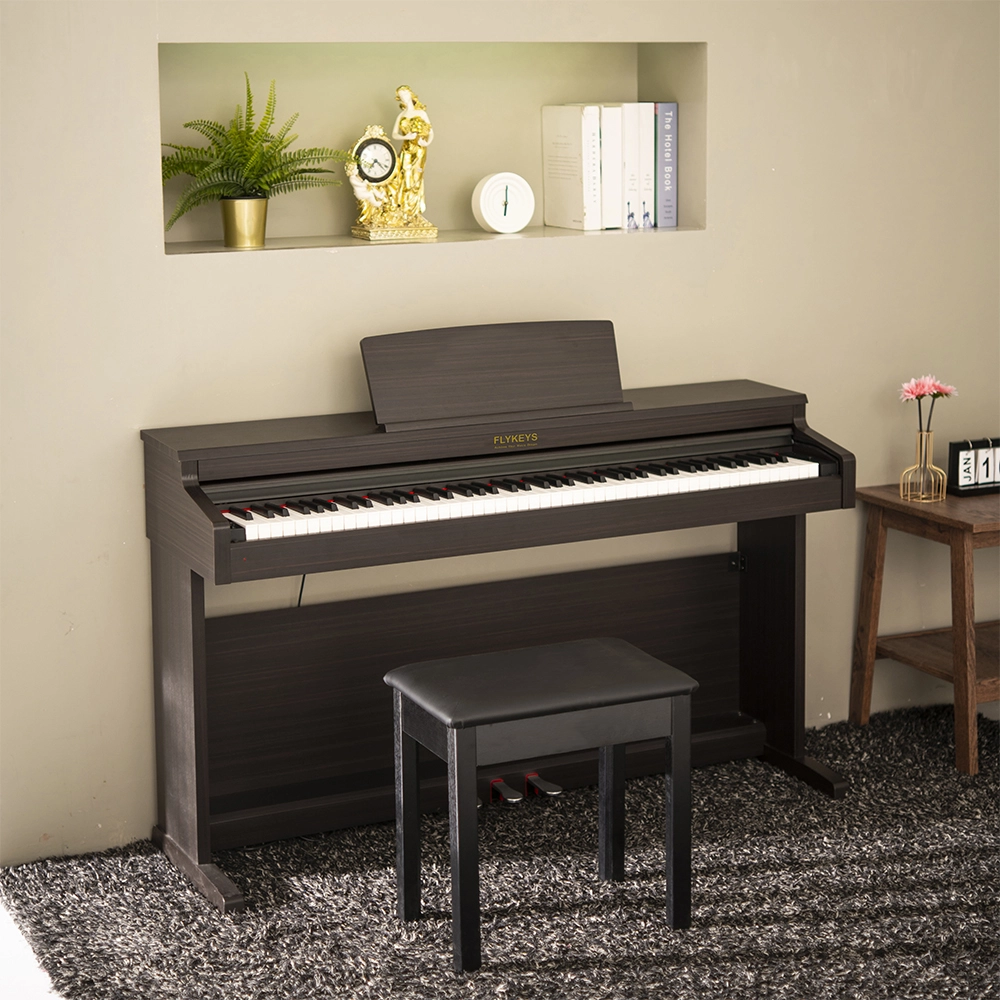
— Standard Upright Digital Piano
— Independent patented technology 88-key Grand-Response hammer-action & dynamic curve keyboard
— European top DSP chip, famous grand piano sound sample
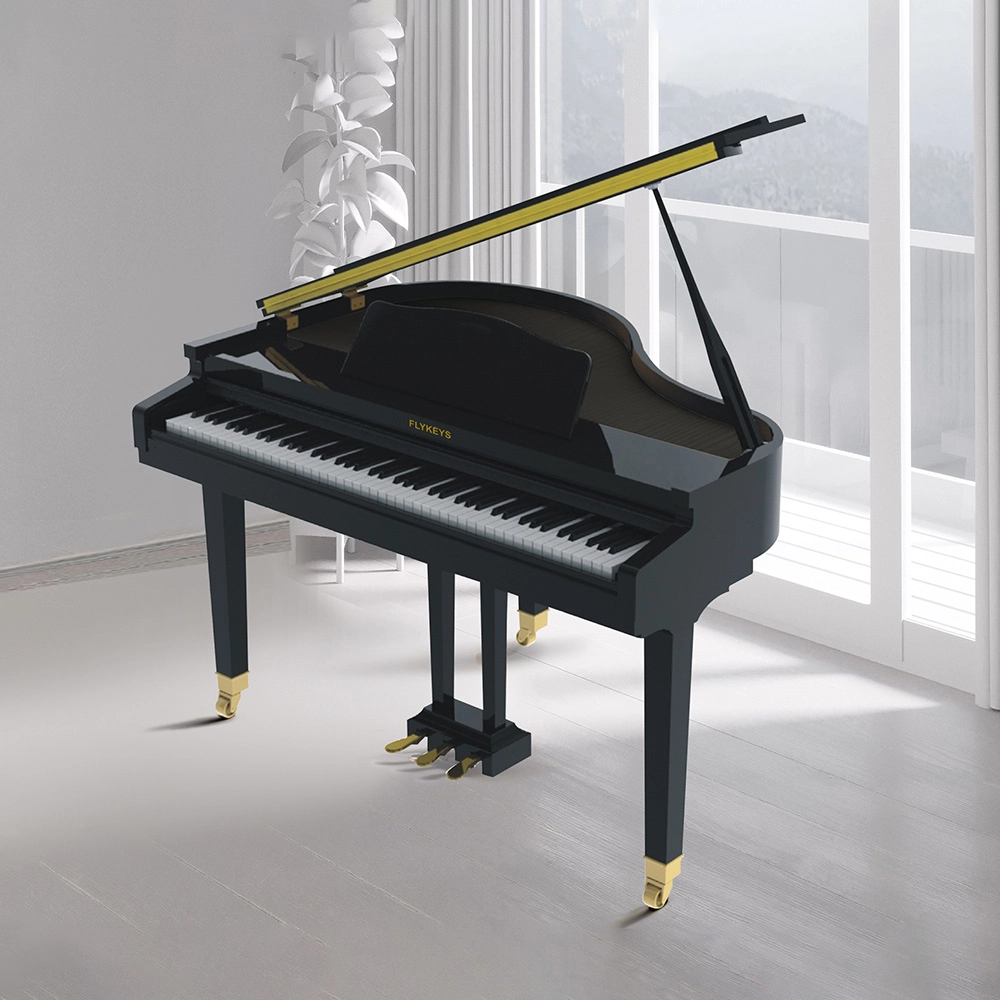
• Baby Grand Style with High-Gloss Polished Cabinet
• Italian Fatar 88-key Grand-Response™ Keyboard with Hammer Action and Touch Curve
• Independently Developed DSP Chip with German Grand Piano Sound Sampling
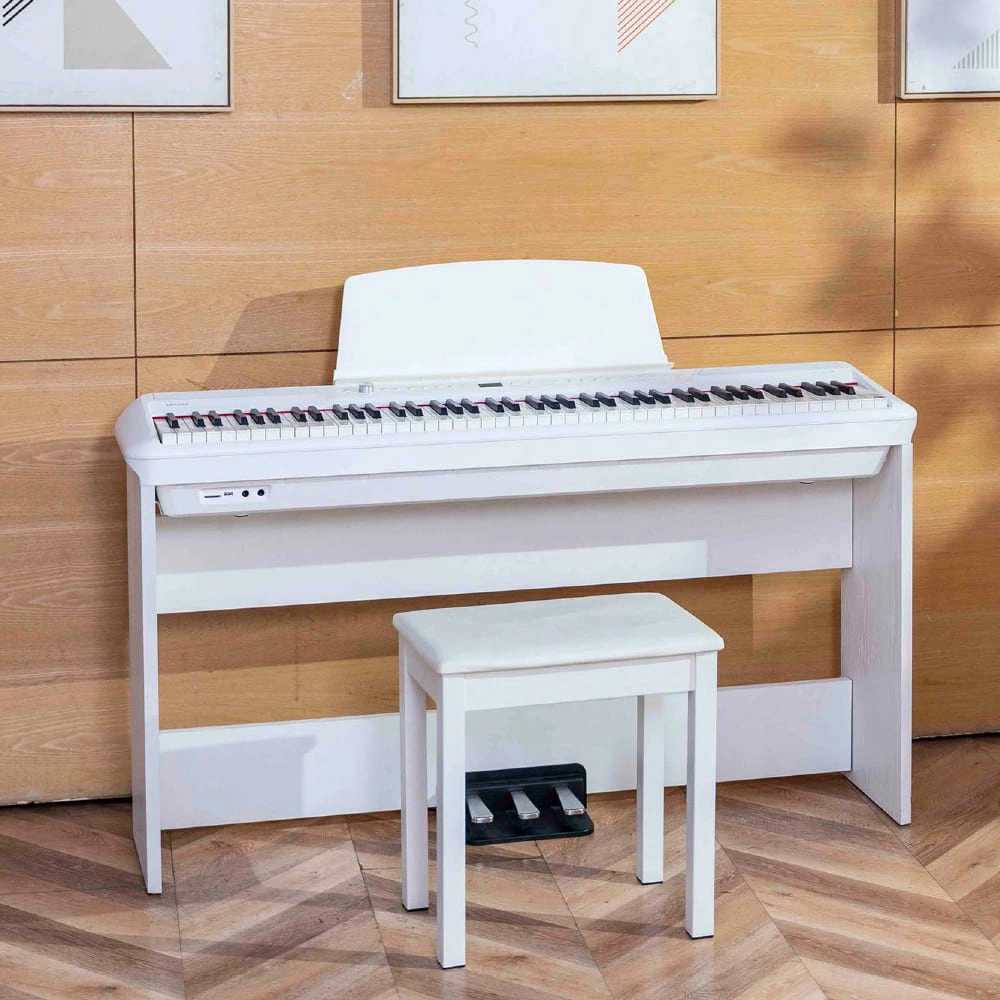
—keyboard: Independent patented technology 88-key, Grand-Response hammer dynamic curve keyboard
—Sound source: Independently developed the 4th generation DSP sound source, German famous grand piano sound sample
— Modern, lightweight case, X stand, U stand, Wood stand, 3 pedals
— Control: double sound, record, split, transpose, reverb, chorus, metronome, MIDI, bluetooth
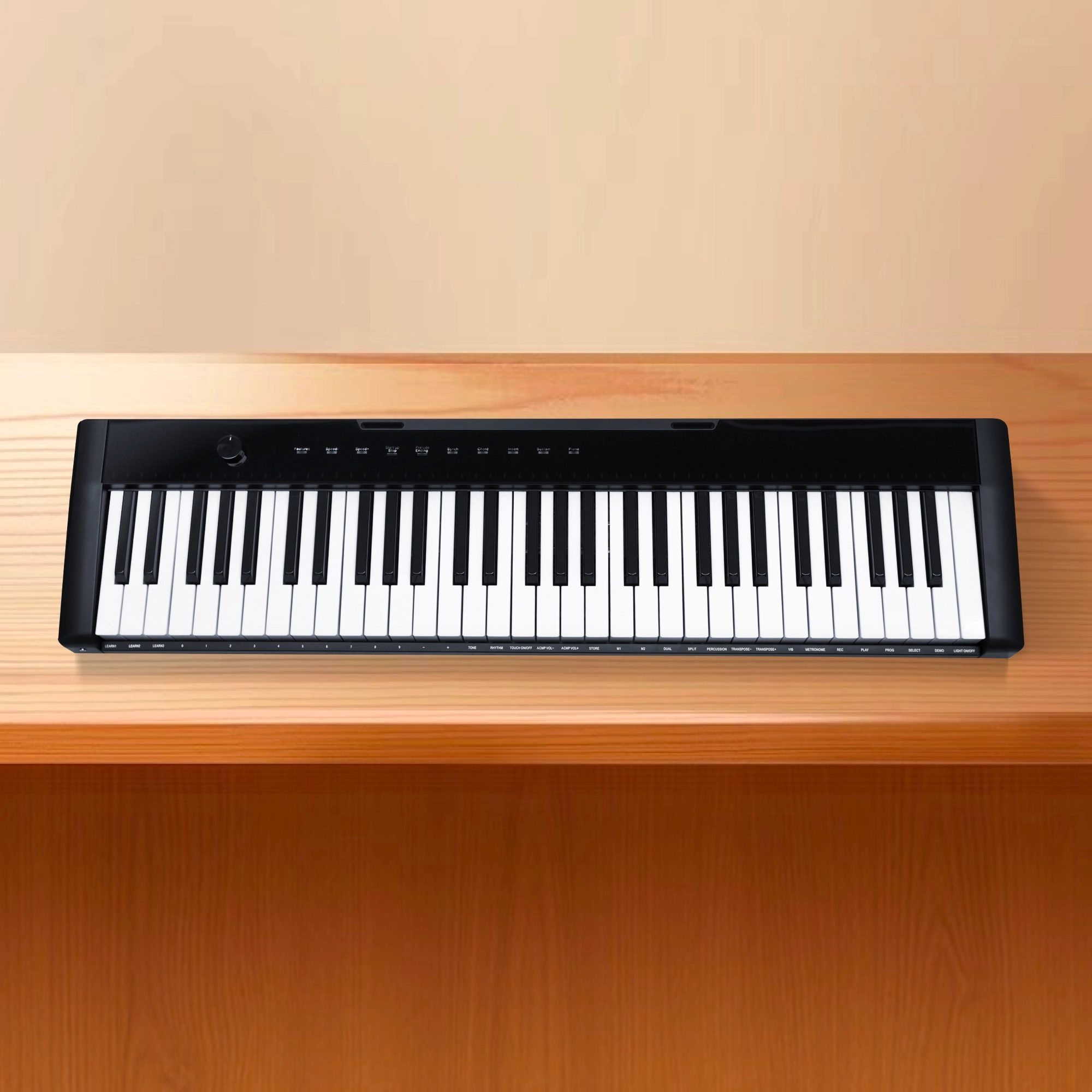
The keyboard features 61 touch-sensitive piano keys, 61 percussion sounds, 600 sounds, 100 demo songs, and 200 rhythms. It includes touch panel control with recording, programming, and playback functions, sync and fill-in functions, metronome function (master volume, accompaniment volume, and tempo control), sound expansion, vibrato, transpose, dual voice, and keyboard functions. Bluetooth and USB cable connectivity support connection with the learning app, which provides three learning modes: duet mode, continuous practice mode, and demonstration mode.
Address: No. 38 Xiangshan Avenue, Zengcheng Economic And Technological Development Zone, Guangzhou, China.
FOLLOW US:
Copyright© 2026 FLYKEYS All Rights Reserved. 粤 ICP备2020102774号. Designed by Gooeyun. Sitemap | Privacy | Terms
FLYKEYS
FLYKEYS
flykeys-music
Flykeys Music