

What Is a Digital Piano?
- What Is a Digital Piano? – A Complete Guide
- 1. How Does a Digital Piano Work?
- 2. Digital Piano vs. Keyboard: What’s the Difference?
- 3. Can a Digital Piano Replace an Acoustic Piano?
- 4. What Are the Benefits of a Digital Piano?
- 5. How Long Do Digital Pianos Last?
- 6. Which Digital Piano Is Best for Beginners?
- Conclusion
What Is a Digital Piano? – A Complete Guide
A digital piano is an electronic keyboard designed to emulate the sound and feel of an acoustic piano while offering modern features like volume control, headphone compatibility, and MIDI connectivity. Below, we answer the most common questions about digital pianos to help you understand their benefits and functionality.
1. How Does a Digital Piano Work?
Digital pianos use sampled sounds from high-end acoustic pianos and weighted keys to replicate the touch response of traditional pianos.
- Sound Generation: Uses recorded samples of real pianos, played back through speakers or headphones.
- Key Action: Weighted or hammer-action keys mimic the resistance of acoustic piano keys.
- Polyphony: Higher-end models support more notes simultaneously (e.g., 128-note polyphony).
2. Digital Piano vs. Keyboard: What’s the Difference?
While both are electronic, key differences include:
| Feature | Digital Piano | Keyboard |
|---|---|---|
| Key Action | Weighted/Hammer-action | Lighter, synth-style |
| Sound Quality | High-fidelity piano tones | More synthetic sounds |
| Portability | Heavier, less portable | Lightweight, portable |
3. Can a Digital Piano Replace an Acoustic Piano?
For most learners and performers, yes, especially if:
✔ You need volume control (headphones for quiet practice).
✔ You want low maintenance (no tuning required).
✔ You prefer modern features (recording, Bluetooth, app integration).
However, advanced pianists may still prefer acoustic pianos for nuanced dynamics.
4. What Are the Benefits of a Digital Piano?
- Portability: Easier to move than heavy acoustic pianos.
- Versatility: Multiple instrument sounds (strings, organs, synths).
- Recording & Connectivity: USB/MIDI for music production.
- Affordability: Cheaper than high-end acoustic pianos.
5. How Long Do Digital Pianos Last?
With proper care, a quality digital piano can last 10-20 years. Factors affecting lifespan:
- Build Quality: Brands like FLYKEYS use durable materials.
- Usage: Heavy playing may wear out keys faster.
- Maintenance: Keep away from moisture and dust.
6. Which Digital Piano Is Best for Beginners?
Top beginner-friendly features:
- Graded Hammer Action (for realistic feel).
- Built-in Lessons & Metronome.
- Affordable Price Range ($300-$800).
FLYKEYS models like the FP-10 offer excellent entry-level options.
Conclusion
A digital piano is a versatile, cost-effective alternative to acoustic pianos, ideal for beginners and professionals alike. Whether for practice, performance, or recording, modern digital pianos deliver authentic sound, responsive keys, and advanced features without the maintenance hassles of traditional pianos.
Looking for a reliable digital piano? Explore FLYKEYS’ range today! 🎹
Tips for Wholesale piano digital portable
Tips for Wholesale how much does grand piano cost
Best Digital Pianos for Recording & MIDI Production
Tips for Wholesale digital piano for sale
After-Sales Service
Do you offer repair services for out-of-warranty products?
Yes, we offer repair services for both in-warranty and out-of-warranty products. Please contact our support team for assistance.
Company
What sets your company apart from competitors?
We pride ourselves on our commitment to quality craftsmanship, cutting-edge technology, and exceptional customer service.
Products
What products do you have?
We offer a diverse range of products, including digital portable piano, digital upright piano, digital grand piano, electronic drum set, piano silent system, audio equipment, interactive whiteboard, advertising machines, Smart TV, Touch Screen,etc.
Logistics
How long does shipping typically take?
Shipping times vary depending on the destination and shipping method selected. Please refer to our shipping information page for estimated delivery times.
Customization
Can I request additional features to be added to a standard model?
Yes, we offer customization services to accommodate specific feature requests, subject to feasibility and additional charges.
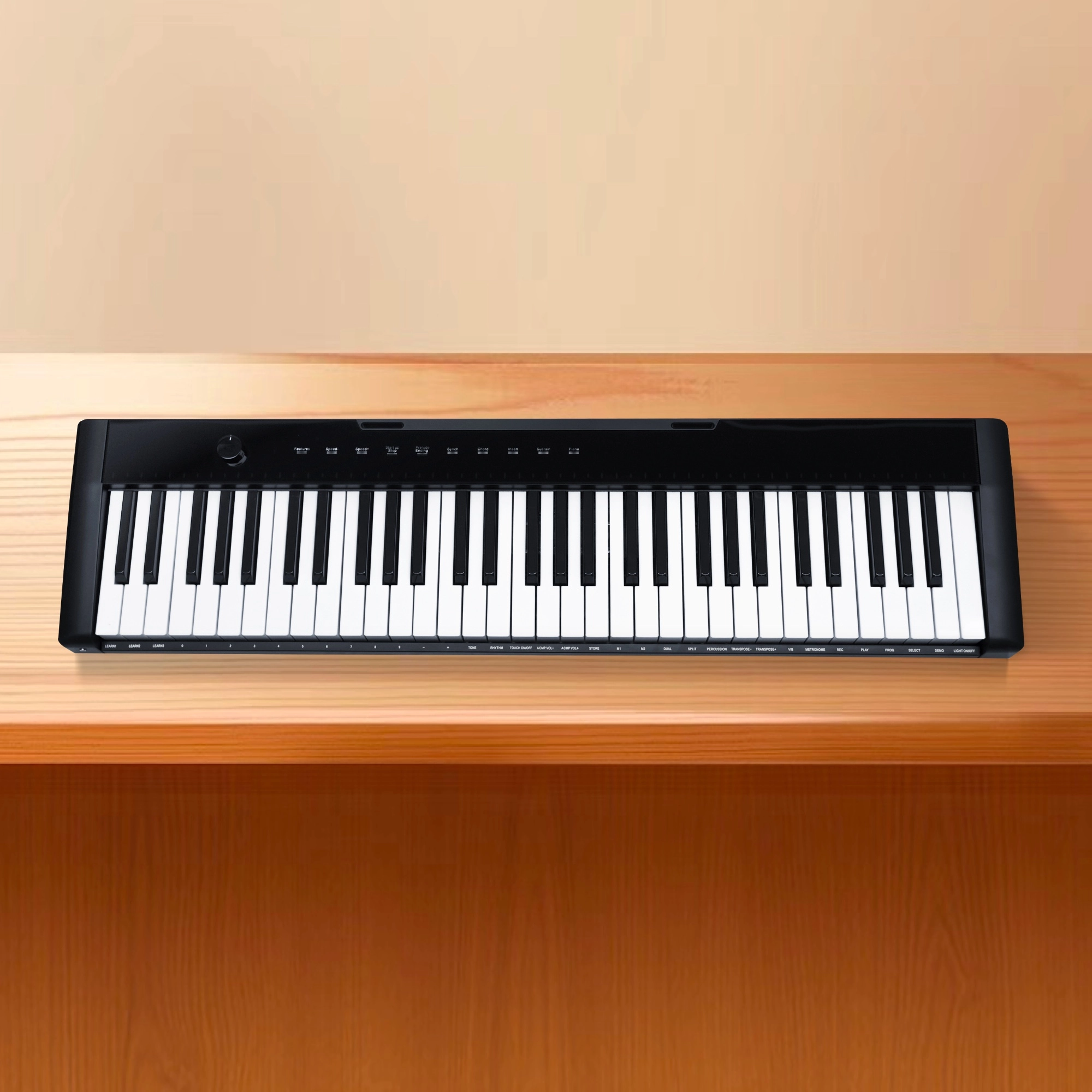
Flykeys 61 keys portable electronic keyboard piano with X stand (M2)
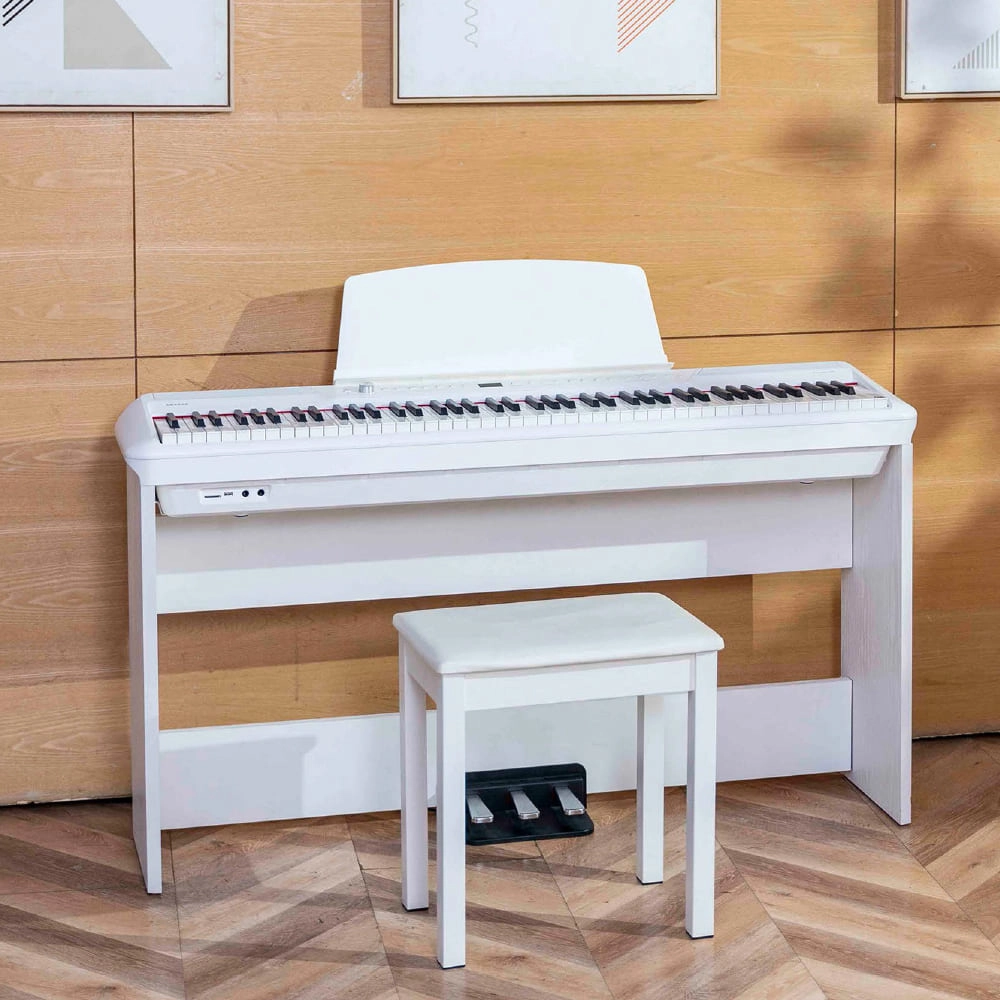
Flykeys Portable Electric Keyboard FP9 Digital Piano
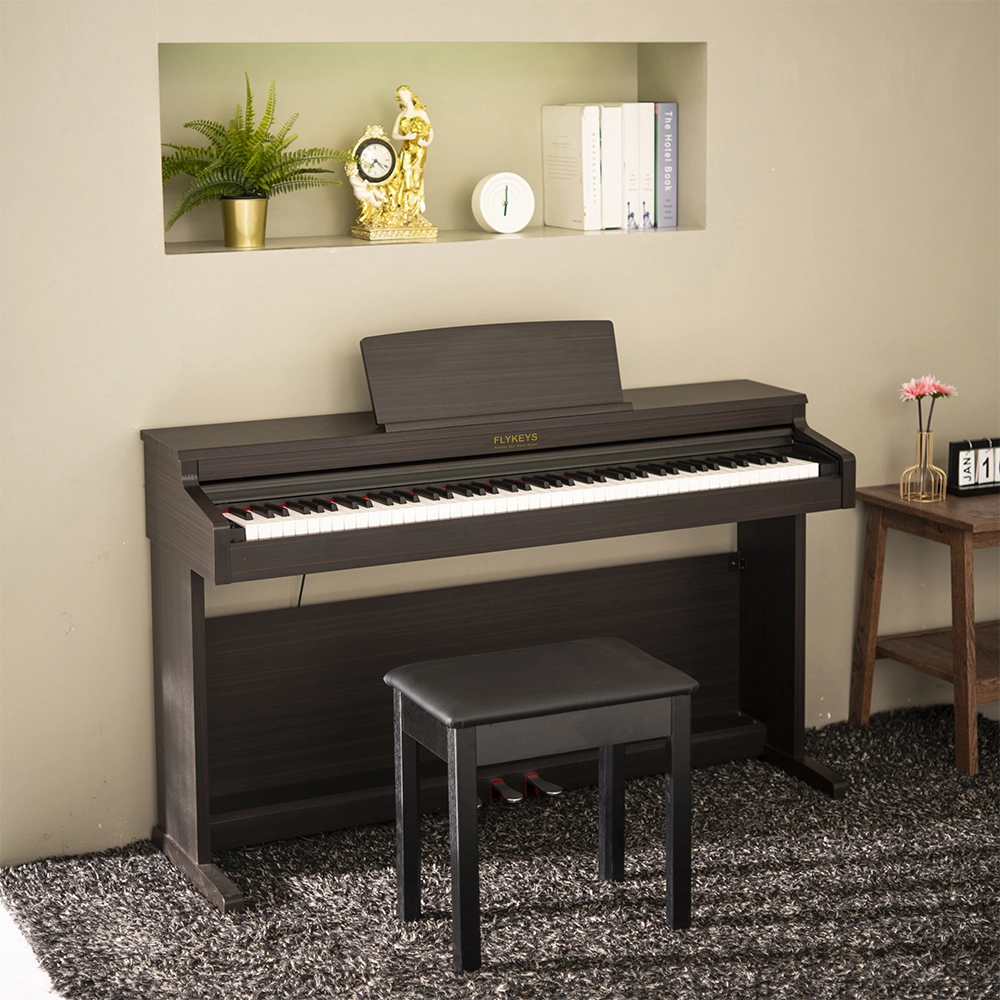
Flykeys 88 Keys Hammer Action keyboard Upright Piano LK03S Digital Piano
— Independent patented technology 88 key Grand-Response hammer action & dynamic curve keyboard;
— European top DSP chip, famous grand piano sound sample;
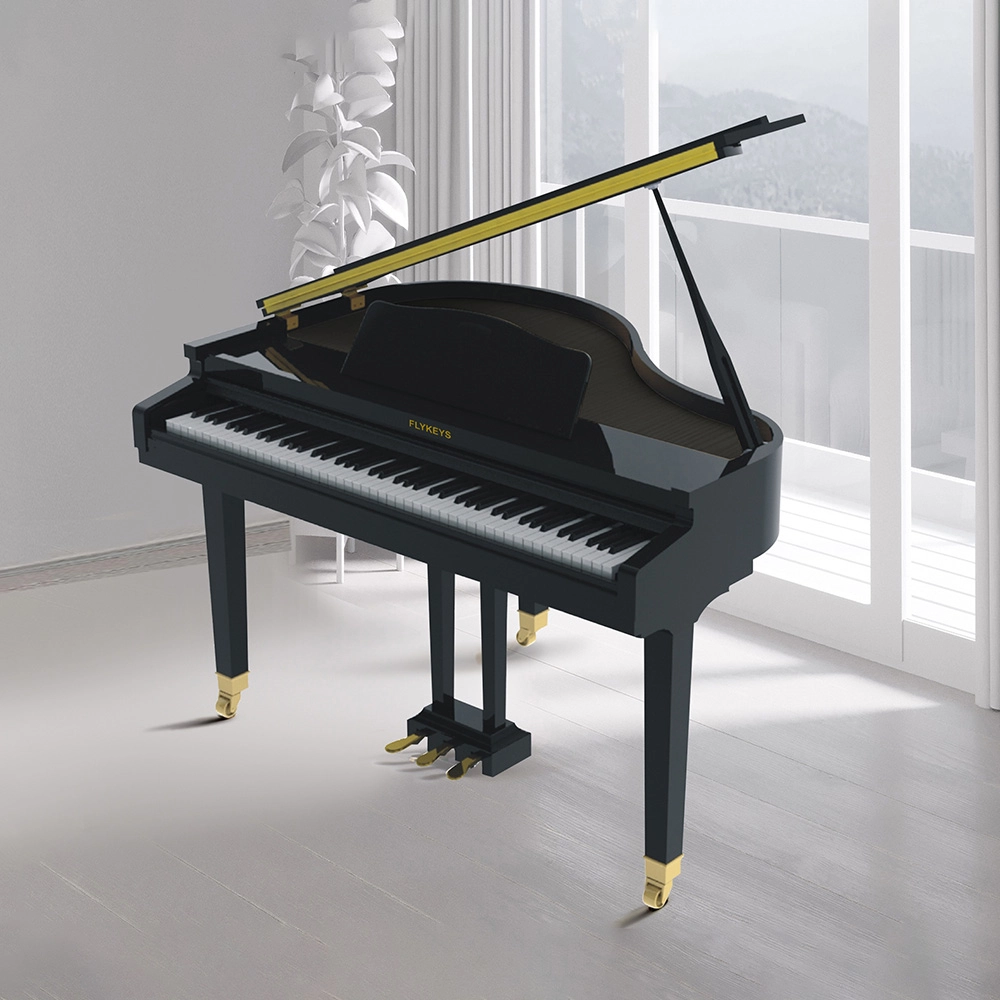
Flykeys 88 Keys Professional Digital Grand Piano Hammer Action Keyboard FGP110 Digital Piano
— Italian Fatar 88 Grand-ResponseTM Key trends with hammer action & dynamic curve
— Independent developed DSP chip, German famous grand piano sound sample
Address: No. 38 Xiangshan Avenue, Zengcheng Economic And Technological Development Zone, Guangzhou, China.
FOLLOW US:


© 2026 FLYKEYS All Rights Reserved. 粤 ICP备2020102774号. Designed by gooeyun. Sitemap | Privacy | Terms