

What Is a Digital Piano? Key Features Explained
What Is a Digital Piano? A Complete Guide
A digital piano is an electronic keyboard designed to emulate the sound and feel of an acoustic piano while offering modern features like portability, headphone compatibility, and multiple instrument voices. Below, we answer the most common questions about digital pianos to help you understand their benefits and functionality.
1. How Does a Digital Piano Work?
A digital piano uses sampled sounds from high-end acoustic pianos and weighted keys to replicate the touch response of traditional pianos. Key components include:
- Sound Engine: Records and reproduces piano tones using advanced sampling technology.
- Weighted Key Action: Simulates the hammer mechanism of acoustic pianos for a realistic feel.
- Polyphony: Higher polyphony (e.g., 128 or 256 notes) allows for complex playing without dropped notes.
- Connectivity: USB, MIDI, Bluetooth, and audio outputs for recording and external speakers.
2. Digital Piano vs. Keyboard: What’s the Difference?
While both are electronic instruments, they serve different purposes:
| Feature | Digital Piano | Keyboard |
|---|---|---|
| Key Action | Weighted, hammer-action | Lighter, synth-style |
| Sound Quality | High-fidelity piano samples | Basic or synthesized tones |
| Portability | Heavier due to weighted keys | Lightweight and compact |
| Best For | Pianists, classical players | Beginners, gigging musicians |
3. Can a Digital Piano Replace an Acoustic Piano?
Yes, for most players, a high-quality digital piano can effectively replace an acoustic piano due to:
✔ Realistic Sound & Feel – Advanced models (e.g., Yamaha Clavinova, Roland FP series) closely mimic grand pianos.
✔ Silent Practice – Headphone compatibility allows for quiet playing.
✔ Low Maintenance – No tuning required, unlike acoustic pianos.
✔ Additional Features – Built-in metronomes, recording functions, and multiple instrument voices.
However, professional pianists may still prefer acoustic pianos for their natural resonance and dynamic response.
4. What Should I Look for When Buying a Digital Piano?
Key factors to consider:
- Key Action: Graded hammer action for a realistic touch.
- Sound Quality: High-quality piano samples (e.g., Yamaha CFX, Steinway D-274).
- Polyphony: At least 128-note polyphony for complex pieces.
- Connectivity: USB/MIDI for recording, Bluetooth for wireless play.
- Portability: Weight and size if you need to move it frequently.
5. Are Digital Pianos Good for Beginners?
Absolutely! Digital pianos are ideal for beginners because:
✅ Affordable – Cheaper than acoustic pianos.
✅ Easy to Use – Built-in lessons, metronomes, and recording features.
✅ Space-Saving – Compact compared to upright pianos.
✅ Versatile – Multiple instrument sounds for creative exploration.
Final Thoughts
A digital piano is a versatile, modern alternative to traditional pianos, offering realistic sound, touch sensitivity, and advanced features at an affordable price. Whether you're a beginner or an experienced player, choosing the right digital piano depends on your needs—key action, sound quality, and connectivity are the most critical factors.
For High Quality digital pianos with authentic piano feel and sound, explore FLYKEYS—your perfect musical companion.
This blog post is optimized for Google search intent, answering common user questions while incorporating SEO-friendly s, bullet points, and authoritative comparisons to enhance visibility.
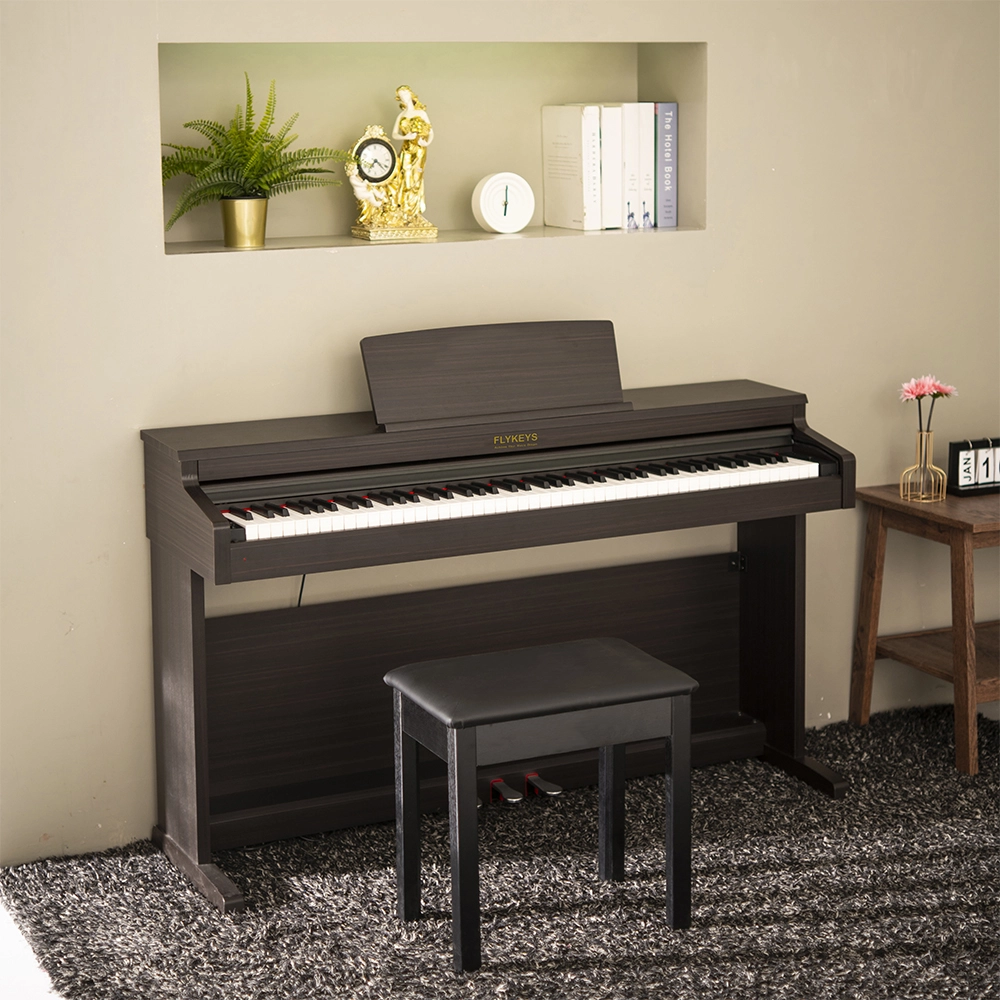
— Standard Upright Digital Piano
— Independent patented technology 88-key Grand-Response hammer-action & dynamic curve keyboard
— European top DSP chip, famous grand piano sound sample
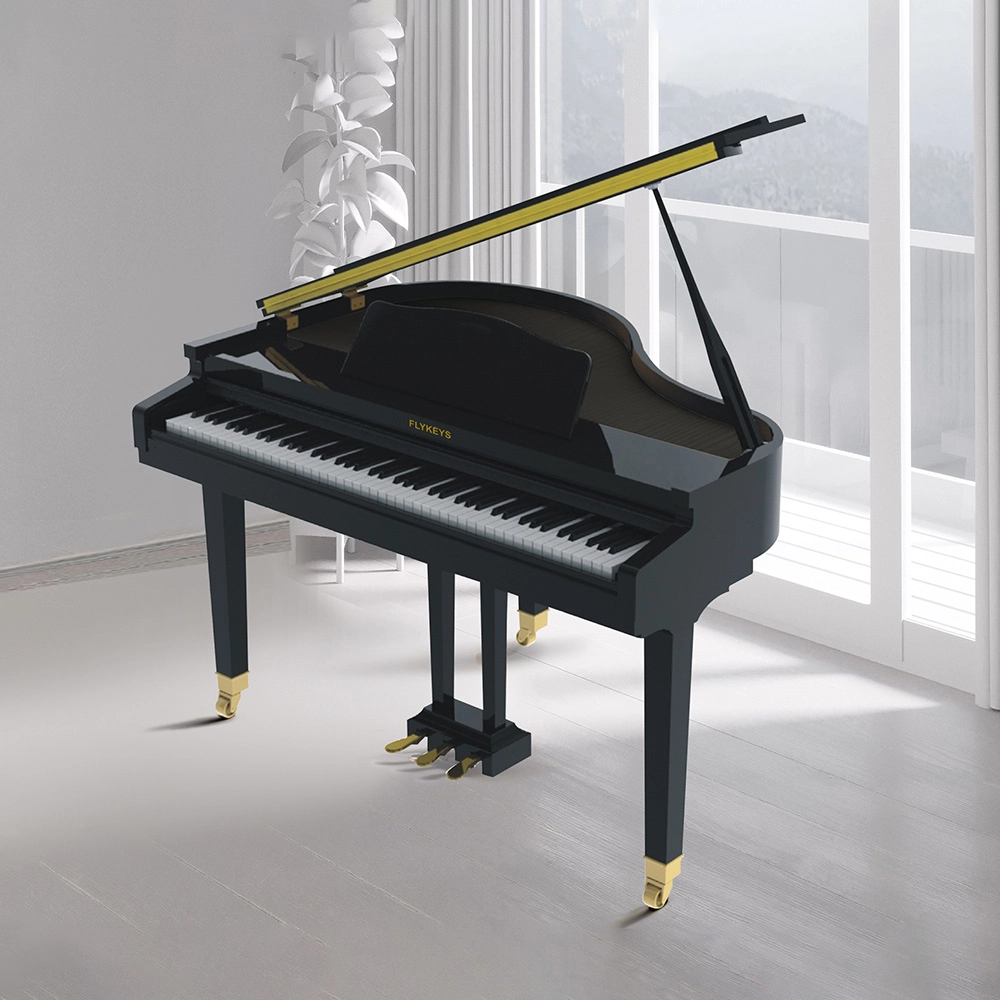
• Baby Grand Style with High-Gloss Polished Cabinet
• Italian Fatar 88-key Grand-Response™ Keyboard with Hammer Action and Touch Curve
• Independently Developed DSP Chip with German Grand Piano Sound Sampling
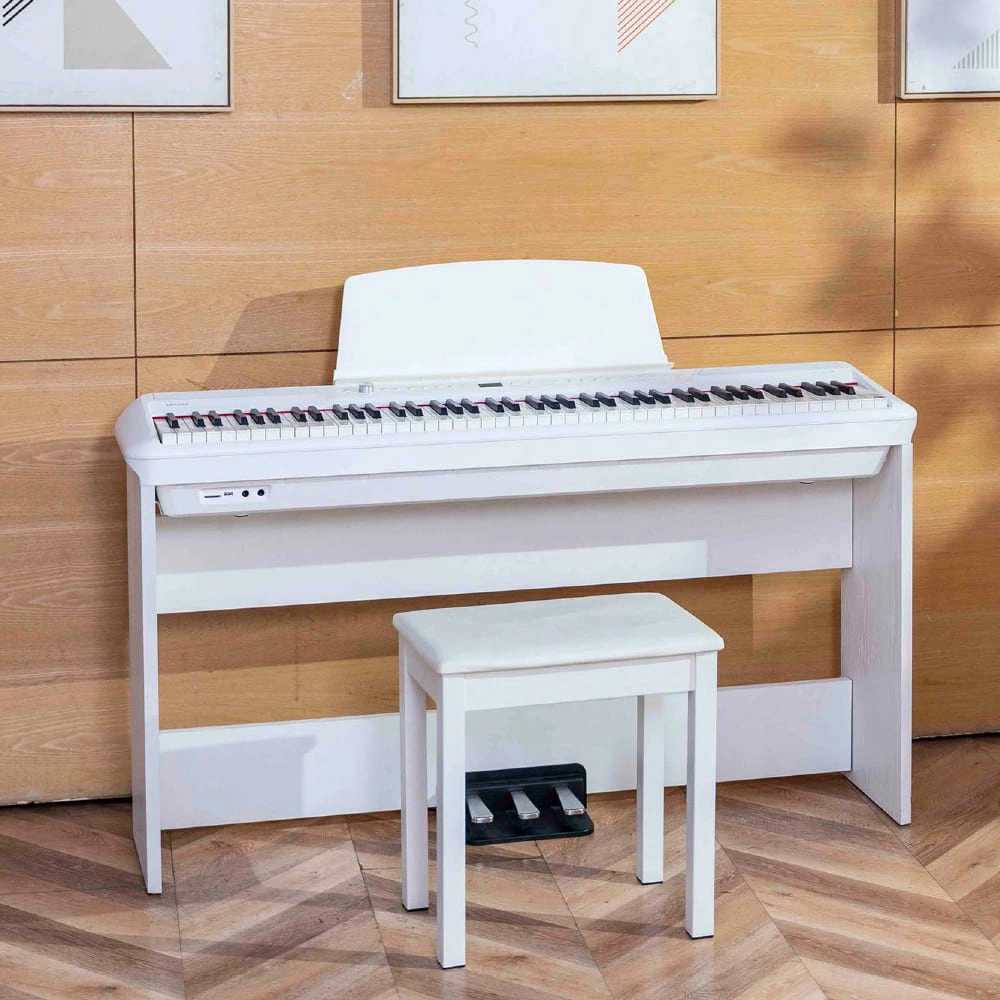
—keyboard: Independent patented technology 88-key, Grand-Response hammer dynamic curve keyboard
—Sound source: Independently developed the 4th generation DSP sound source, German famous grand piano sound sample
— Modern, lightweight case, X stand, U stand, Wood stand, 3 pedals
— Control: double sound, record, split, transpose, reverb, chorus, metronome, MIDI, bluetooth
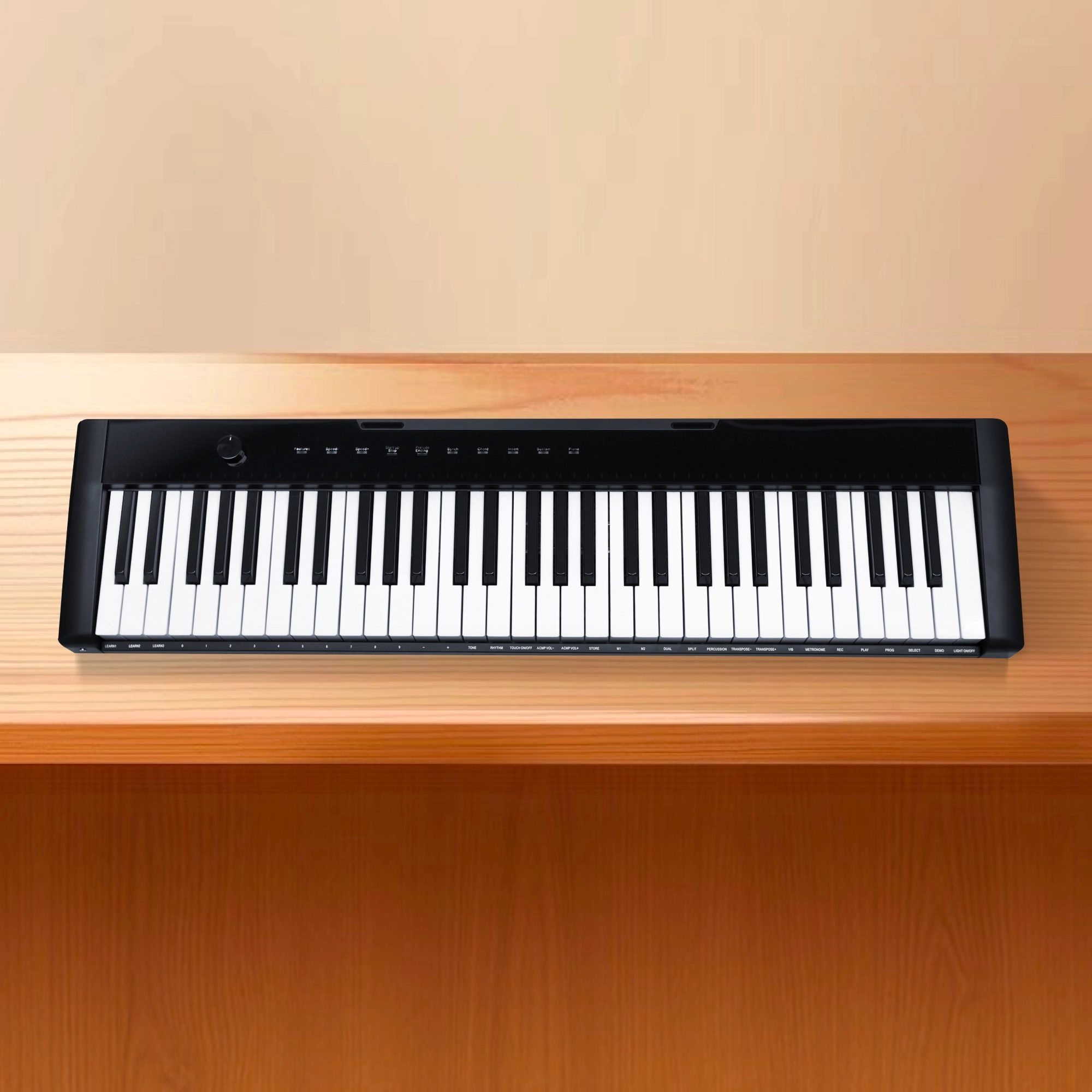
The keyboard features 61 touch-sensitive piano keys, 61 percussion sounds, 600 sounds, 100 demo songs, and 200 rhythms. It includes touch panel control with recording, programming, and playback functions, sync and fill-in functions, metronome function (master volume, accompaniment volume, and tempo control), sound expansion, vibrato, transpose, dual voice, and keyboard functions. Bluetooth and USB cable connectivity support connection with the learning app, which provides three learning modes: duet mode, continuous practice mode, and demonstration mode.
Address: No. 38 Xiangshan Avenue, Zengcheng Economic And Technological Development Zone, Guangzhou, China.
FOLLOW US:
Copyright© 2026 FLYKEYS All Rights Reserved. 粤 ICP备2020102774号. Designed by Gooeyun. Sitemap | Privacy | Terms
FLYKEYS
FLYKEYS
flykeys-music
Flykeys Music