

What is portable digital piano ? | Ultimate Insight
- Introduction: Why portable digital piano matters now
- Definition & Importance: What is a portable digital piano and why it matters
- Core Principles: How a portable digital piano works
- Types of portable digital pianos: find your category
- 1. Stage/Performance Portable Digital Pianos
- 2. Home/Practice Portable Digital Pianos
- 3. Travel/Compact Portable Digital Pianos
- 4. Portable Hybrid Models
- Key decision criteria: How to judge a portable digital piano
- 1. Key action quality (weighted/hammer action)
- 2. Sound engine and sampling
- 3. Speaker power and acoustic projection
- 4. Portability: weight and dimensions
- 5. Connectivity: USB, MIDI, Bluetooth
- 6. Pedal support and polyphony
- 7. Build quality and durability
- 8. Brand reputation and support
- How to choose: matching a portable digital piano to your needs
- Practical buying checklist: features to compare before purchase
- Why choose FLYKEYS portable digital pianos (Pearl River lineage)
- Maintenance and care tips for portable digital pianos
- Conclusion: Portable digital piano—balance realism with mobility
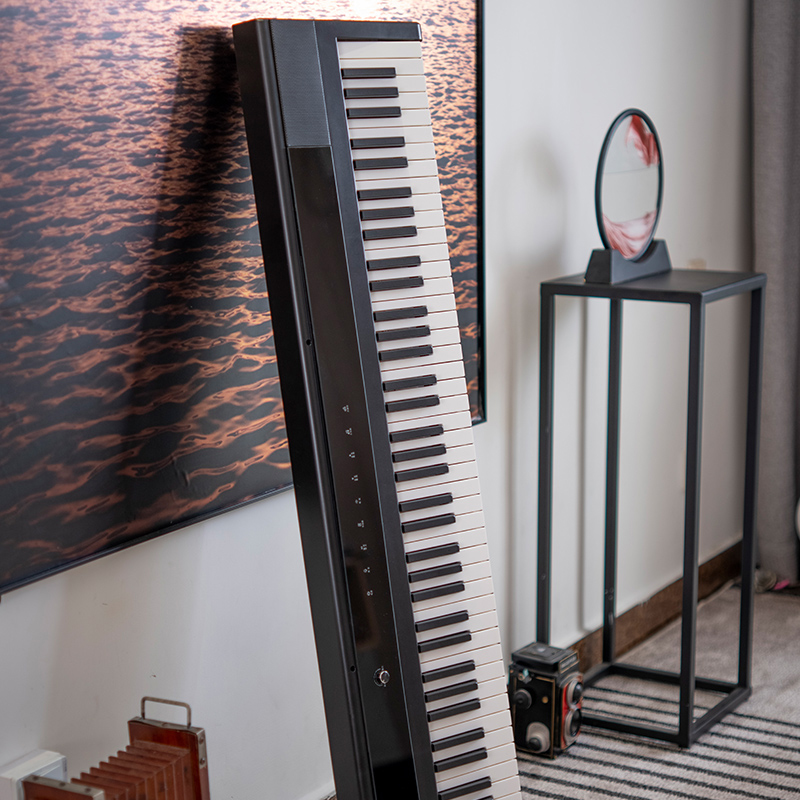
Introduction: Why portable digital piano matters now
Problem: You want piano quality, portability, and value—but there are so many models and specs that it’s hard to know what truly matters.
Agitation: You’ve seen bulky digital pianos, cheap keyboards with unrealistic keys, and High Quality stage pianos costing a fortune. Wasting money or ending up with an instrument that doesn’t suit your lifestyle is a real risk.
Solution: This definitive guide explains exactly what a portable digital piano is, how it differs from other digital keyboards, what features affect playability and sound, and clear buying criteria so you can confidently choose the right portable digital piano for practice, performance, or travel.
Definition & Importance: What is a portable digital piano and why it matters
A portable digital piano is an electronic instrument designed to replicate the touch, tone, and feel of an acoustic piano while prioritizing light weight, compact size, and easy transport. Unlike upright or grand digital pianos, portable models are built to be moved frequently—ideal for gigging musicians, students, teachers, and home users who need flexibility.
Why it matters: Portable digital pianos combine realistic piano action, high-quality sampled sound, and modern connectivity (MIDI, USB, Bluetooth) into a transportable package. They bridge the gap between heavy acoustic pianos and lightweight keyboards, delivering authentic playing experience without sacrificing mobility. For many purchasers, this balance of realism, features, and portability determines practice consistency, performance quality, and long-term satisfaction.
Core Principles: How a portable digital piano works
A portable digital piano replicates the acoustic piano experience using three key systems:
- Key action and mechanics: Weighted and hammer-action keys simulate the resistance and response of acoustic piano keys. Graded hammer action means heavier touch in the low register and lighter in the high register.
- Sound generation: High-quality instruments use multi-sampled acoustic piano recordings captured at multiple velocities. Some advanced models add physical modeling or hybrid sampling to improve realism and dynamic response.
- Amplification and speakers: Built-in speaker systems deliver immediate sound without external amplification. Some portable digital pianos rely on onboard speakers; others are optimized for headphone or amp use when performing live.
Additional layers: modern portable digital pianos also include effects (reverb, chorus), metronomes, split/layer functions, and connectivity such as USB-Audio, MIDI, Bluetooth audio/MIDI, and sustain pedal inputs.
Types of portable digital pianos: find your category
Portable digital pianos aren’t a single product type—there are several categories depending on priorities:
1. Stage/Performance Portable Digital Pianos
Designed for live musicians, stage models prioritize robust sound engines, multiple outputs, and easy integration with PA systems. They often include weighted keys, balanced XLR or TRS outputs, and sturdy build quality for frequent transport.
2. Home/Practice Portable Digital Pianos
These focus on realistic feel and quality onboard speakers for home practice. They usually come with a furniture-style stand option and are lighter than upright digital pianos. They’re ideal for students and home-based players who need a balance between realism and price.
3. Travel/Compact Portable Digital Pianos
Ultra-light models minimize weight and size to suit frequent travel. They may have fewer features or smaller keys but still aim to provide acceptable weighted action and piano tones. Perfect for touring musicians who prioritize portability above all.
4. Portable Hybrid Models
Some portable digital pianos emphasize hybrid features—superior speaker systems, self-amplification, and High Quality sampled tones—offering near-acoustic quality in a portable form. These usually cost more but deliver the most authentic experience in the portable category.
Key decision criteria: How to judge a portable digital piano
When evaluating a portable digital piano, pay attention to these objective indicators—these determine how close the instrument will feel and sound to an acoustic piano and how well it fits your use case.
1. Key action quality (weighted/hammer action)
Priority: highest. The feel of the keys affects technique and expression. Look for full-size 88-key keyboards with graded hammer action or realistic weighted action. Check for terms like tri-sensor or escapement which improve responsiveness. Try the keys in person if possible—action preference is personal, but heavier graded hammer action typically offers the best acoustic likeness.
2. Sound engine and sampling
Priority: high. Better portable digital pianos use multi-layer sampling of high-quality grand pianos and advanced sound engines to capture tonal color at different velocities. Features to look for: multiple velocity layers, sympathetic resonance, and adjustable mic perspectives. Physical modeling can further enhance realism in dynamics and harmonic overtones.
3. Speaker power and acoustic projection
Priority: medium. If you’ll use the piano at home or in small venues without external amplification, the onboard speakers matter. Look at RMS wattage, speaker configuration (woofer/tweeter), and cabinet design. For regular gigs, ensure the piano has clean line outputs to connect to a PA.
4. Portability: weight and dimensions
Priority: functional. True portability means manageable weight, often under 20 kg (44 lbs) for many models, and a slim profile. Consider whether you’ll repeatedly carry the instrument, whether it fits in your vehicle, and ease of setup. Travel-focused models can be 10–15 kg for maximum portability.
5. Connectivity: USB, MIDI, Bluetooth
Priority: growing. Modern workflow requires USB-Audio for recording, MIDI for DAW control, and Bluetooth audio/MIDI for wireless practice apps. Ensure the portable digital piano supports the connections you need for lessons, recording, or live setups.
6. Pedal support and polyphony
Priority: important. A sustain pedal input and support for half-damper are essential for expressive playing. Polyphony (number of simultaneous notes the engine can produce) should be at least 64 voices; 128 or 256 is preferable if you use layered sounds or heavy sustain and effects.
7. Build quality and durability
Priority: practical. Portability often means more handling; pay attention to chassis material, keybed durability, and the robustness of jacks and controls. Look for a brand with reliable after-sales support and warranty.
8. Brand reputation and support
Priority: reassurance. Choose manufacturers with proven experience in acoustic piano making or digital instrument R&D. For example, FLYKEYS is produced by Guangzhou Pearl River Amason Digital Musical Instrument Co., Ltd., a subsidiary of Guangzhou Pearl River Piano Group. FLYKEYS benefits from Pearl River’s over 60 years in acoustic piano manufacturing and applies proprietary reduction technologies to create tones and touch closely resembling acoustic pianos. FLYKEYS products meet FCC, CE and RoHS standards—important for overseas buyers looking for certified instruments.
How to choose: matching a portable digital piano to your needs
Ask yourself these questions before buying:
- Will I mainly practice at home, teach, perform live, or travel?
- Do I prioritize authentic key action and tone over portability, or vice versa?
- Do I need advanced connectivity (Bluetooth, USB-Audio) for recording or apps?
- What is my budget, and what trade-offs am I willing to accept?
Guidelines:
- If you’re a student: prioritize a full 88-key graded hammer action, headphone output, and durability. A reputable mid-range portable digital piano offers the best value.
- If you gig: choose stage-focused portable digital pianos with multiple outputs, strong line-level signal, and rugged build. Battery-powered options add flexibility for outdoor events.
- If you travel frequently: focus on weight and compactness first; accept fewer onboard speakers but ensure good action and line out for amplification.
- If you want near-acoustic quality at home: consider hybrid or High Quality portable models that emphasize sampling detail and speaker systems—even if slightly heavier.
Practical buying checklist: features to compare before purchase
- Number of keys (88 recommended) and type of action (graded hammer/tri-sensor).
- Polyphony (64 minimum; 128–256 preferred).
- Sound engine: number of piano tones, sampling layers, presence of sympathetic resonance and modeling features.
- Speaker power and quality, or provision for external amplification.
- Connectivity: USB-Audio, MIDI, Bluetooth audio/MIDI, headphone jack, pedal inputs.
- Weight and dimensions relative to your transport needs.
- Pedal features: sustain/half-damper and 3-pedal compatibility if you need full piano control.
- Warranty, support network, and certifications (e.g., FCC, CE, RoHS for export models).
Why choose FLYKEYS portable digital pianos (Pearl River lineage)
FLYKEYS, produced by Guangzhou Pearl River Amason Digital Musical Instrument Co., Ltd., leverages Pearl River Piano Group’s six-decade legacy to design portable digital pianos that prioritize realistic touch and tone. The company focuses on digital instrument R&D and manufacturing—part of Pearl River’s three core business segments. For overseas markets, FLYKEYS products pass international certifications such as FCC, CE and RoHS, providing compliance assurance for importers and retailers.
FLYKEYS instruments use self-developed reduction technology to deliver natural piano timbre and responsive key feel, helping bridge the gap between portable convenience and acoustic authenticity. Whether you need a student instrument, a stage piano, or a travel-friendly model, FLYKEYS provides options across portable, upright, and grand digital piano lines.
Maintenance and care tips for portable digital pianos
Even though portable digital pianos don’t require tuning, they still need care:
- Transport: use padded gig bags or hard cases for frequent travel. Secure keys and pedals to avoid damage.
- Cleaning: wipe keys with a slightly damp cloth; use electronics-safe cleaners for controls. Keep liquids away from electronics.
- Storage: avoid extreme temperatures and humidity. Digital electronics perform best in stable environments.
- Software: keep firmware updated when manufacturers release improvements for sound engines or connectivity.
Conclusion: Portable digital piano—balance realism with mobility
A portable digital piano offers the best compromise between authentic piano feel and the freedom to move. When choosing, prioritize key action, sound engine, and the connectivity you need. Consider build quality and brand support—manufacturers with acoustic piano heritage, like FLYKEYS backed by Pearl River’s 60+ years of experience, often deliver instruments that closely mimic acoustic tone and touch while meeting international standards for export markets.
Evaluate practical needs—home practice, teaching, gigging, or travel—and use the buying checklist to compare models. With the right decision, a portable digital piano will improve your practice, suit your performance contexts, and provide years of reliable musical enjoyment.
Frequently Asked Questions (FAQ):
What is the difference between a portable digital piano and a digital keyboard?A portable digital piano prioritizes realistic 88-key weighted action and high-quality piano samples. Digital keyboards often focus on portability and features like synth sounds and auto-accompaniment, frequently with unweighted or semi-weighted keys and fewer piano-focused samples.
Is an 88-key portable digital piano necessary?If you plan to learn classical repertoire or develop proper piano technique, 88 keys are recommended. For casual playing or limited space, 61–76 keys can work, but you sacrifice range and some technical capability.
How important is weighted key action?Very important for technique and expression. Weighted or graded hammer action simulates acoustic touch and helps develop proper finger strength and control.
Can I connect a portable digital piano to my computer or phone?Yes. Most modern portable digital pianos include USB-Audio/MIDI and Bluetooth connectivity for recording, learning apps, and wireless audio. Check model specifications for compatibility with your devices.
What is polyphony and why does it matter?Polyphony is the number of simultaneous notes the instrument can produce. Higher polyphony prevents note dropouts when using sustain, layering sounds, or complex passages. 64 is a practical minimum; 128–256 is better for heavier use.
Do portable digital pianos need tuning?No. Digital pianos don’t need acoustic tuning, but you may want to periodically update firmware and maintain hardware (keys, pedals, speakers).
Are portable digital pianos good for live performances?Yes. Many are specifically designed for stage use, offering strong outputs, lightweight design, and reliable construction. For large venues, connect the piano to a PA for optimal sound.
How long do portable digital pianos last?With proper care, a quality portable digital piano can last many years. Key mechanisms and electronics are generally durable—manufacturer warranty and after-sales support are important considerations.
What certifications should I look for if buying internationally?Look for industry certifications like FCC (USA), CE (European Union), and RoHS (restriction of hazardous substances). These indicate compliance with safety and environmental standards for international markets.
Can beginners start on a portable digital piano?Absolutely. A portable digital piano with 88 weighted keys, headphone support, and a good sound engine is an excellent starting point for beginners and provides a solid foundation for progress.
Top Digital Piano Business Models to Try in 2026
Wholesale stand digital piano manufacturer and supplier in China
Tips for Wholesale piano keyboard 88 keys
How to Choose Right best piano keyboard 88 keys manufacturer and supplier ?
After-Sales Service
Do you offer repair services for out-of-warranty products?
Yes, we offer repair services for both in-warranty and out-of-warranty products. Please contact our support team for assistance.
Products
Do you offer software updates for your electronic pianos?
Yes, we regularly release software updates to enhance performance and add new features to our electronic pianos.
What is the warranty period of piano?
We provide 2 years warranty service, if there is any quality problem, we can provide accessories for free
Logistics
Do you ship internationally?
Yes, we offer international shipping to most countries worldwide.
Company
What sets your company apart from competitors?
We pride ourselves on our commitment to quality craftsmanship, cutting-edge technology, and exceptional customer service.
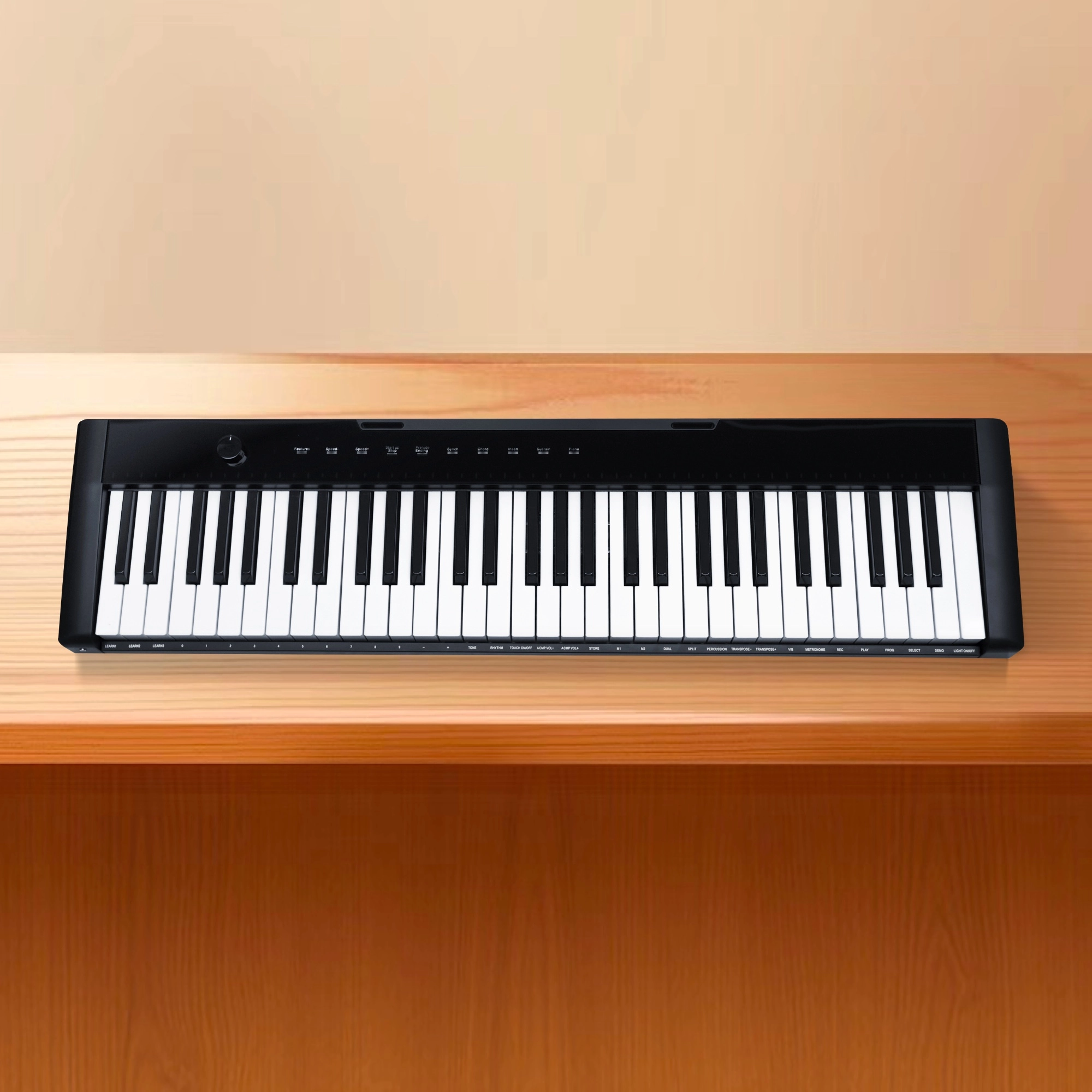
Flykeys 61 keys portable electronic keyboard piano with X stand (M2)
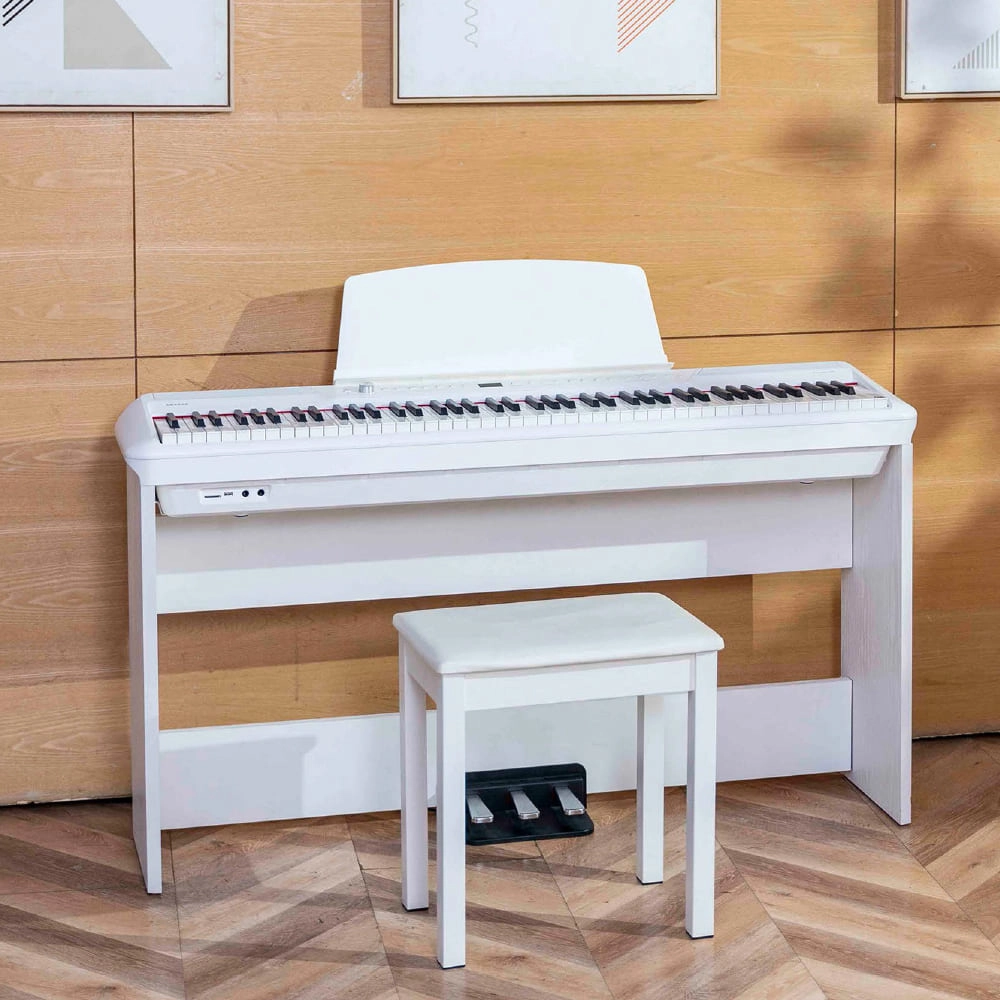
Flykeys Portable Electric Keyboard FP9 Digital Piano
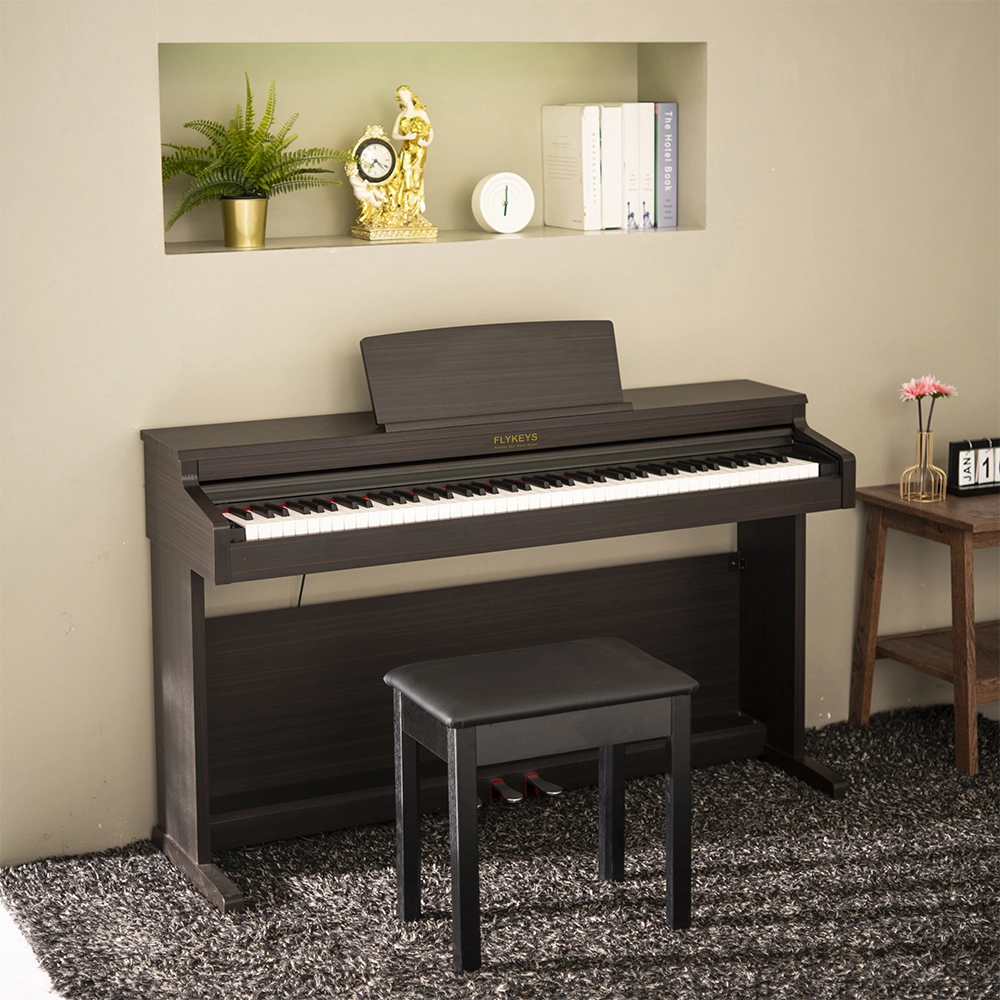
Flykeys 88 Keys Hammer Action keyboard Upright Piano LK03S Digital Piano
— Independent patented technology 88 key Grand-Response hammer action & dynamic curve keyboard;
— European top DSP chip, famous grand piano sound sample;
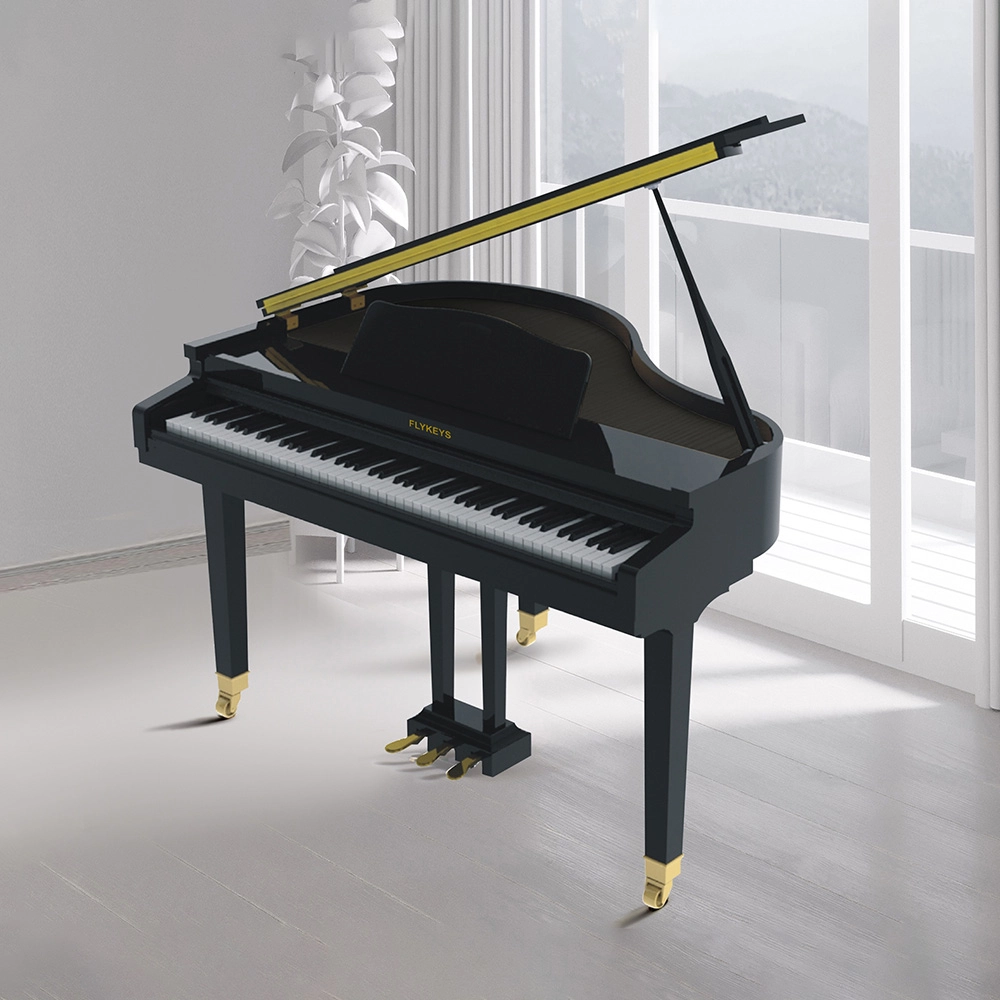
Flykeys 88 Keys Professional Digital Grand Piano Hammer Action Keyboard FGP110 Digital Piano
— Italian Fatar 88 Grand-ResponseTM Key trends with hammer action & dynamic curve
— Independent developed DSP chip, German famous grand piano sound sample
Address: No. 38 Xiangshan Avenue, Zengcheng Economic And Technological Development Zone, Guangzhou, China.
FOLLOW US:


© 2026 FLYKEYS All Rights Reserved. 粤 ICP备2020102774号. Designed by gooeyun. Sitemap | Privacy | Terms