

Why the Best 88 Key Pianos Are Essential for Professionals: Top Tips & Brands
Discover why the best digital pianos are essential for professional musicians with FLYKEYS. Our expert insights guide you in choosing the best 88 key piano, highlighting the importance of 88 keyboard weighted keys for authentic touch and sound. Elevate your musical journey with top brands and tips that ensure optimal performance and expression.
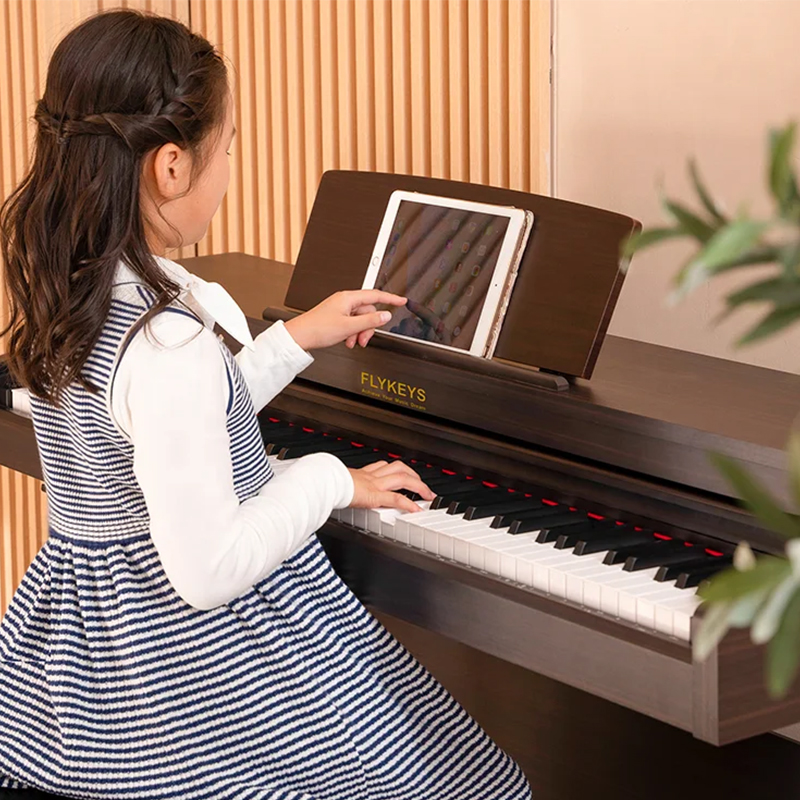
Whenever one is deciding to make that big leap into owning a piano, be it for experts or novices in music or even firms which deem it necessary to own good pianos, is very important to decide on an 88 key piano. Piano – An extraordinary instrument for playing, well-done and clearly responding to touch and providing wonderful sound. Among the manufacturers that exist many, but Flykeys can be referred to one of the most popular brand that is specializing in the production of 88 key pianos that can meet various needs. In this guide, we will guide you through all the fundamental aspects about 88 key pianos, the models we offer at FLYKEYS, and how to select a model that is suitable for you.
What Are Pianos?
Piano is a large course musical instrument formed of a wooden frame on which twenty to eighty black and white notes or keys are placed and sounds are produced by hammers striking the strings when the keys are depressed. Every standard modern piano has from 88 keys and keeps both black and white keys which enable the piano to play the required notes for different melodies. There are different types of pianos such as grand pianos, upright pianos, and digital pianos, all of which are different as they provide different features for use by the pianist.
From these options, FLYKEYS has uniquely 88 key pianos that are suitable for standard and innovative music type, with better sound and play.
Top 10 Trusted 88 Key Piano Brands for Musicians and Businesses
Piano Selection – Deciding on the right kind of 88 key piano can be very challenging as there are numerous great brands on the market that offer distinct characteristics and results. Whether an individual, a piano instructor, or a company and individual looking to purchase really great and high quality instruments, it is critical to select brands that meet or exceed these standards in sound quality, sturdiness and easy usability. In this article, we have listed the Top 10 88 key piano brands along with a brief description of what makes each brand unique. From these results, FLYKEYS is positioned in the leaders's quadrant due to its uniqueness and flexibility.
1. Yamaha (Japan)
Yamaha is unquestionably one of the best companies when it comes to pianos and is located in Japan. 88 keyed models are considered to be sturdy built, durable and capable of producing a wide range of tones. Yamaha has a line of new digital pianos that include the Clavinova series as well as their standard acoustic pianos. These instruments are popular among the specialists as the main demand guaranteed their stably and encompassing tonal abilities. Yamaha pianos are liked by most of classical musicians and by the those who are learning piano for the first time, because of their better touch and sound quality.
2. Kawai (Japan)
Kawai is another firm from Japan which has particularly gained popularity with its line of 88 key pianos mainly for their great touch sensitivity and great sounding. Equipped with the latest Harmonic Imaging sound system, Kawai is able to provide a sharper and better reproduction of the feel and tone of a piano in their digital or hybrid pianos. So whether you are a performing artist or a music teacher, Kawai delivers every note with concert performance and remains a favorite with music schools and orchestras.
3. Steinway & Sons
The pianos are still made in USA in a factory in New York with the Technical direction from Germany.
For 88 key acoustic pianos, Steinway & Sons company, which today is one of the recognized leaders in the world piano industry, produces pianos hand made to meet the highest quality standards. Being an American-German company, Steinway manufactures highly acclaimed grand pianos with the best sound, and with the company famous for deep tonal richness and prime workmanship. They rank some of the most costly in the current market, yet they are favorite and preferred by concert piano players all over the world. For the determined piano lover who is willing to spend for a piano that has style and is compact in design while having high sound quality then Steinway is still a good option for professional players.
4. Roland (Japan)
Roland is specifically renowned for its digital pianos with several ranges of 88 key digital pianos with superior quality and competitive special features. As has always been well associated with Roland innovation in music technology, this one supports first- class piano like keys, weighted and touch sensitivity. Their models are such as the FP and RP series which are preferred by learners and intermediate musicians who require a piano which may assist in practice, performance, and studio. Roland company also offered various features that are useful for sound and connection, thus the digital pianos are suitable for both home use and professional use.
5. FLYKEYS (China)
Among all these brands, FLYKEYS, a brand from China, has become a popular brand of 88 key pianos that incorporates the current technology to its products retaining the traditional art and aesthetics. Besides, the company provides custom piano services and has the 88 key keyboard weighted keys with the real feel of acoustic piano. FLYKEYS gives you the opportunities with the products such as digital pianos to digital and even grand type of pianos which makes it suitable for personal musicians and corporate uses. As for its competitive advantage, the fact is that FLYKEYS provides customizable pianos to meet consumer’s requirements and guarantees the proper feeling while playing. The principal aims of innovation, reasonableness, and sturdiness make FLYKEYS the right decision for vocalists who are searching for quality devices at reasonable costs.
6. Casio (Japan)
Casio, which has been in the musical instruments market for many years, presents number of 88 keys digital pianos which cost reasonable. The Casio pianos are well-known for being easy to use by first-time learners and amateurs due to the basic controls, weighted keys and satisfactory sound system. The Privia and Celviano series retain much popularity among those who seek for a quality instrument for an affordable price. Casio pianos do not have the fancy features as in the advanced brands and they are however reliable, durable for practice as well as occasional performances.
7. Bechstein (Germany)
BECHSTEIN is a German company which is also known as the maker of authentic 88-key acoustic pianos. Beautiful hand built pianos, Bechstein produces instruments that offer a warm tone with depth and high clarity. Their grand pianos are renowned for the dynamics and strong sound giving performance and passion performing artists and musicians. Bechstein piano is fabulous to look at and has great touch feel making it the best piano for anyone intending to buy one of the best piano in the world.
8. Bösendorfer (Austria)
Austrian guitar manufacturer Bösendorfer produces stately 88 key grand pianos, highly praised for their sound quality. However, one of their widely known series is Imperial, and this has an even more extensive scale of note consequently enabling the pianist to even more things. Musicians who recognize sheer virtuosity, requiring the best and specific in the areas of tone and of touch prefer Bösendorfer pianos. They are valued by important concert establishing and are preferred by standpoint artists and instructing.
9. Fazioli (Italy)
Fazioli is an Italian brand that has gained popularity by presenting 88 key grand pianos this is a very sophisticated brand. Fazioli pianos are considered by musical connoisseurs to be some of the best in the world because of their practice of utilizing oversized pieces of very clear glass that produces an acoustically transparent, crystal-clear sound with an incredibly balanced tonal spread. The instruments they use are well made; the piano’s they use are tested and tune before they are produced in the market. Fazioli is one of a kind in that it produces some of the best crafted pianos with a distinct sound that is perfect for use in both solo performances, and orchestras.
10. Samick (South Korea)
South Korean brand Samick has its vast array of 88 key pianos, both acoustic and digital types. Though people mostly use Samick for producing cheap digital pianos, their acoustic pianos produce good sound and action and thus are ideal for starters and intermediates. Samick piano is an ideal choice for those people who are looking for good quality pianos, durability and moderate price so it is quite popular among home users and music schools. Their instruments are quite cheap especially for those new in the music playing business.
When it comes to 88 key pianos, you will be able to compare many models sold by different companies from different countries. Among the top brands, FLYKEYS, thanks to the opportunities for individual approach and the availability of 88 keyboard weighted keys. Whether you are in the market for a digital piano grand or an affordable 88 key piano or indeed a bespoke FLYKEYS piano, you are assured of the unbeatable value, innovation, and performance we offer.
If you want to get the most out of your playing, then you should take time and look for a brand that will suit your needs. If you need a reliable, affordable, and easily customizable piano, please visit FLYKEYS now.
Can FLYKEYS Be Customized?
There is a capability of the customization of FLYKEYS pianos according to the client’s needs and this has become one of the many benefits of purchasing an instrument from the company. For musicians who would like specific features and style to appear on their keyboards or for any business that is interested in adding that particular flavor to the services they offer, FLYKEYS offers that unique customization.
Such variants could imply the use of different materials, type of keys and even engraving of logo on the keys material. Furthermore, FLYKEYS digital pianos including the FLYKEYS digital piano grand series, boast adjustable digital sound options to match different music styles genre and playing techniques. It thus guarantees that not only does your piano look good to your eyes; it also sounds well to your ears.
Selecting the right 88 key piano manufacturer for your business: Top Tips.
It is therefore important for business people dealing in musical instruments such as pianos to ensure they make the right decision in determining which manufacturer to deal with. Below is the breakdown of the FLYKEYS pianos that accommodate all classes of the market.
Here are some factors to consider when choosing a piano manufacturer:
Quality and Durability
FLYKEYS pianos are built to last and hence, the user feels the benefits throughout the time of his or her ownership.
Customization Options
In case if you want to produce a special wooden- ironic melody piano for any occasion or you are an individual artistic entrepreneur who wants to come up with something extraordinary for your clients, FLYKEYS has a lot of opportunities.
Warranty and Support
At FLYKEYS, warranty, and after-sales services are available to make sure that you get all the help you need.
Brand Reputation
When you opt for FLYKEYS, you are opting for a brand that is accepted by musicians and business people globally.
But by choosing FLYKEYS, businesses can be confident about offering instruments that will be liked by musicians and music enthusiasts.
Since we are choosing a perfect 88 key piano for home or business use, FLYKEYS proves to be the best in the market. Whereby, FLYKEYS pianos are recognized for their quality workmanship, and special features and main controls solutions in addition to high sounding quality, which are tailored to meet the needs of musicians across the globe. Be it working musicians searching for superior performing acoustic instruments or companies in the search for affordable constant action instruments FLYKEYS presents a large and diverse selection for all.
If you are interested in an 88 key piano for sale or just need to know more about the best 88 keyboard weighted keys to purchase, then FLYKEYS is the place to turn. You can browse their offerings today to find the piano that accentuates the music you play.
FAQs
How much does a normal piano cost?
There is a great deal of variation in the price of piano depending of the type, brand, and options. They can run from a few hundred to a few thousands of dollars and more depending on the model and its features and functions of an 88 standard key digital piano.
This is the most outstanding virtual piano site. In the list of virtual piano sites, there are free services and paid ones, so the client can choose the desired variant. People who want to practice piano but have no acoustic piano at their disposal can visit web sites like Virtual Piano, OnlinePianist.
With that said, what is the most efficient piano for new learners?
For those who are starting out on their musical journey an 88 key digital piano with weighted keys should be ideal. This make it to be more realistic than a standard keyboard being experience by one while typing. FLYKEYS has several models that are basic and quite cheap for anyone who is starting out.
Is it OK to practice piano on a keyboard?
While a digital keyboard can be a good alternative for practice, it’s best to use an 88 key digital piano with weighted keys if you are serious about developing your piano skills. FLYKEYS offers excellent digital pianos designed to simulate the feel of an acoustic piano.
Why are pianos so expensive?
Pianos are expensive due to the high-quality materials, intricate craftsmanship, and advanced technology involved in their production. High-end pianos, like those from FLYKEYS, offer premium features, superior sound quality, and long-lasting durability, making them a worthwhile investment.
Take your piano playing to the next level with FLYKEYS pianos, designed for musicians who demand nothing less than excellence. Visit our website to explore our collection and find the perfect 88 key piano for your needs.
- What Are Pianos?
- Top 10 Trusted 88 Key Piano Brands for Musicians and Businesses
- 1. Yamaha (Japan)
- 2. Kawai (Japan)
- 3. Steinway & Sons
- 4. Roland (Japan)
- 5. FLYKEYS (China)
- 6. Casio (Japan)
- 7. Bechstein (Germany)
- 8. Bösendorfer (Austria)
- 9. Fazioli (Italy)
- 10. Samick (South Korea)
- Can FLYKEYS Be Customized?
- Selecting the right 88 key piano manufacturer for your business: Top Tips.
- Quality and Durability
- Customization Options
- Warranty and Support
- Brand Reputation
- FAQs
- How much does a normal piano cost?
- With that said, what is the most efficient piano for new learners?
- Is it OK to practice piano on a keyboard?
- Why are pianos so expensive?
15 Best Portable Digital Pianos of 2026: The Only Comparison Guide You’ll Ever Need
Is the Flykeys FP9 Worth It? Our Real-Life Experience with the World’s Largest Piano Maker’s Digital Tech.
Best Digital Piano Keyboards for Beginners 2026: Your Ultimate Buying Guide
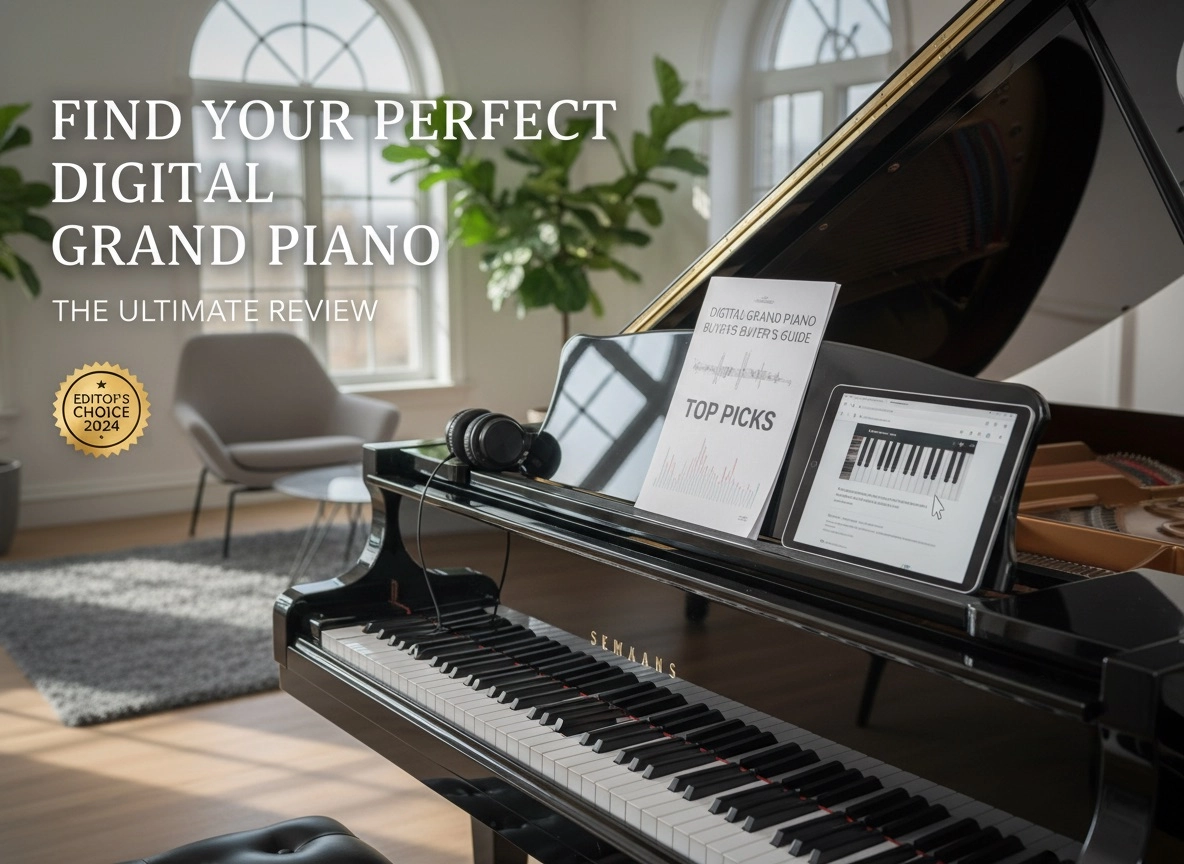
Best Digital Grand Pianos 2026: Ultimate Buyer's Guide for Authentic Sound & Feel
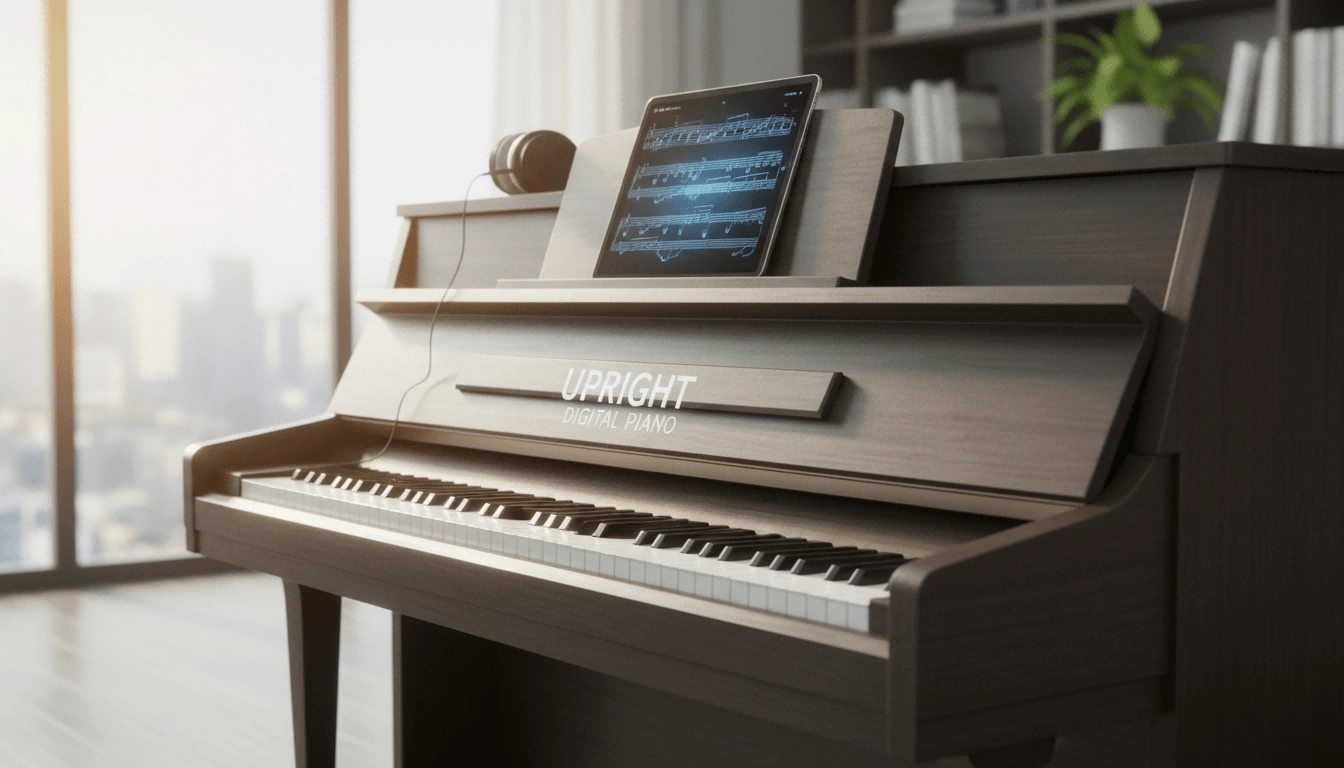
The Definitive Guide to Upright Digital Pianos: Blending Timeless Elegance with Modern Innovation in 2026
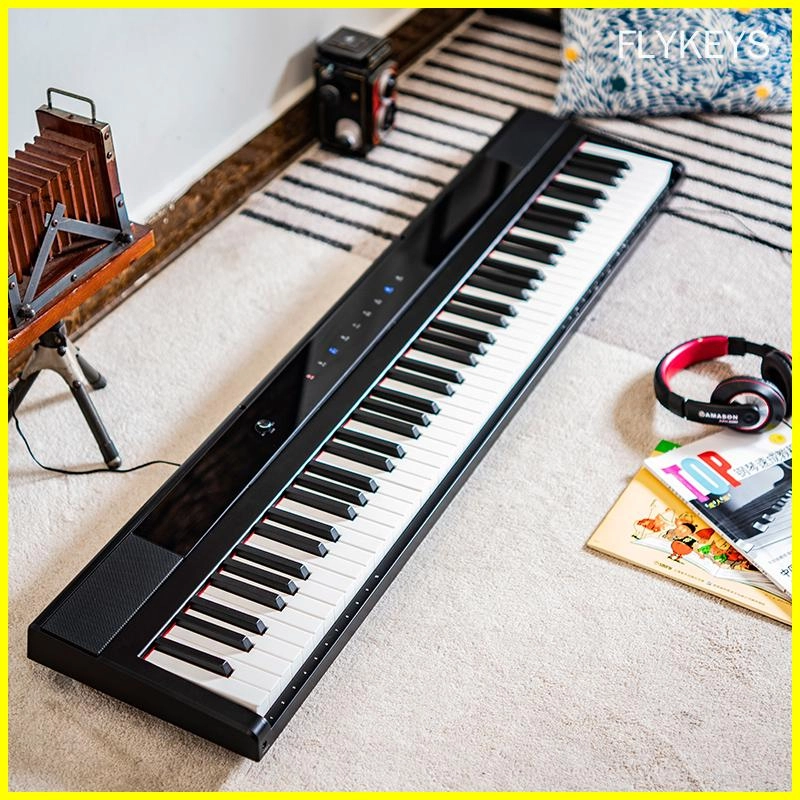
Best-Rated Electronic Pianos for Beginners in 2026: What to Buy and Why
Products
What products do you have?
We offer a diverse range of products, including digital portable piano, digital upright piano, digital grand piano, electronic drum set, piano silent system, audio equipment, interactive whiteboard, advertising machines, Smart TV, Touch Screen,etc.
Are your electronic pianos suitable for beginners?
Yes, we have models designed specifically for beginners, featuring user-friendly interfaces and educational features.
Can I connect your electronic pianos to external devices?
Yes, our electronic pianos are equipped with connectivity options such as MIDI, USB, and Bluetooth for seamless integration with external devices.
After-Sales Service
How can I contact your after-sales support team?
You can contact our after-sales support team via email, phone, or through our website's customer support portal.
Logistics
How long does shipping typically take?
Shipping times vary depending on the destination and shipping method selected. Please refer to our shipping information page for estimated delivery times.
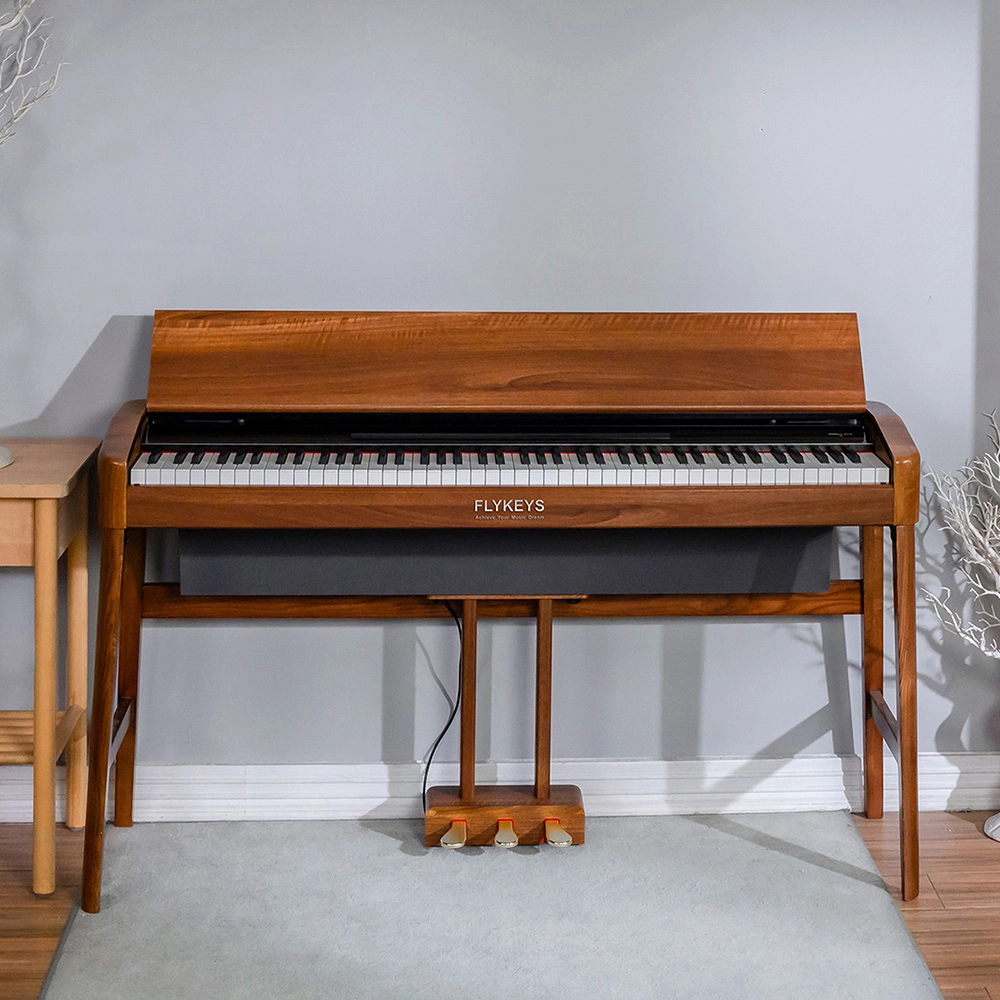
Flykeys Wooden Panel Piano Original Italian Imported Hammer Action Keyboard SK3 Digital Piano
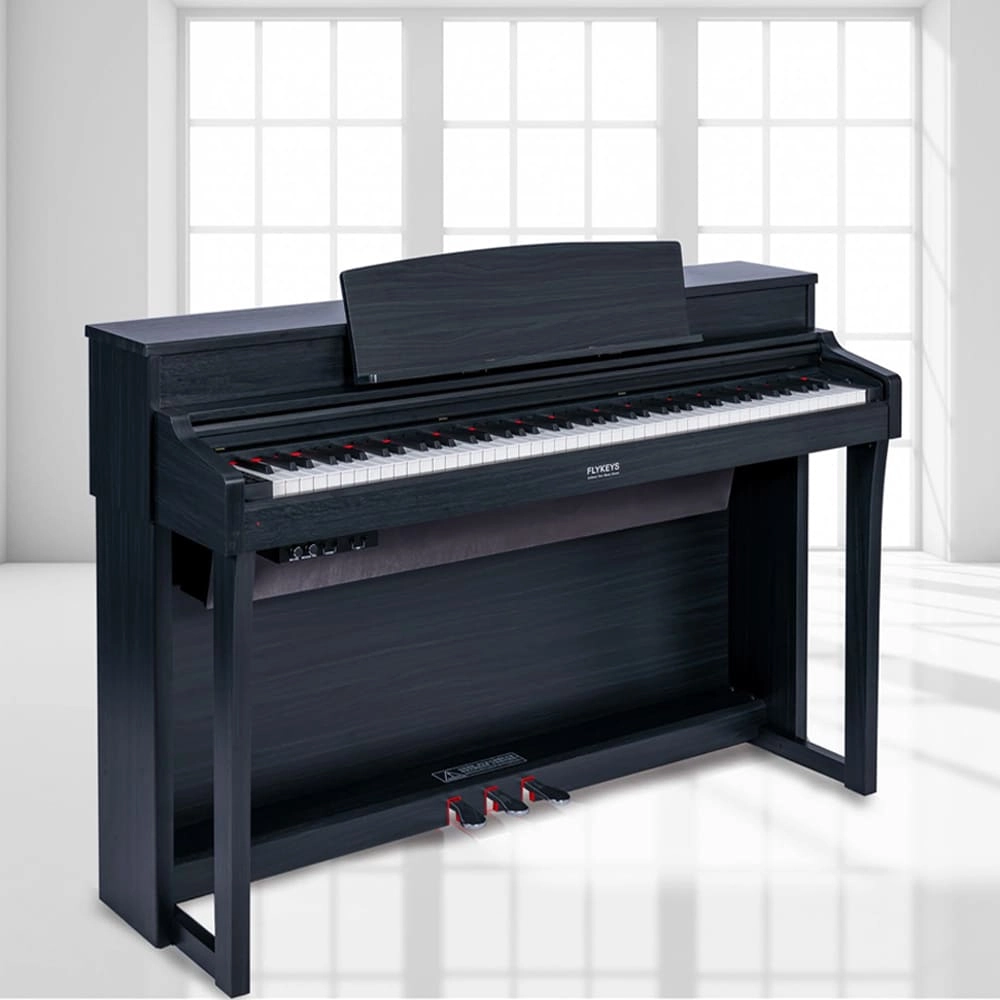
Flykeys Upright Digital Piano 88keys Hammer Action Keyboard FK330 Digital Piano
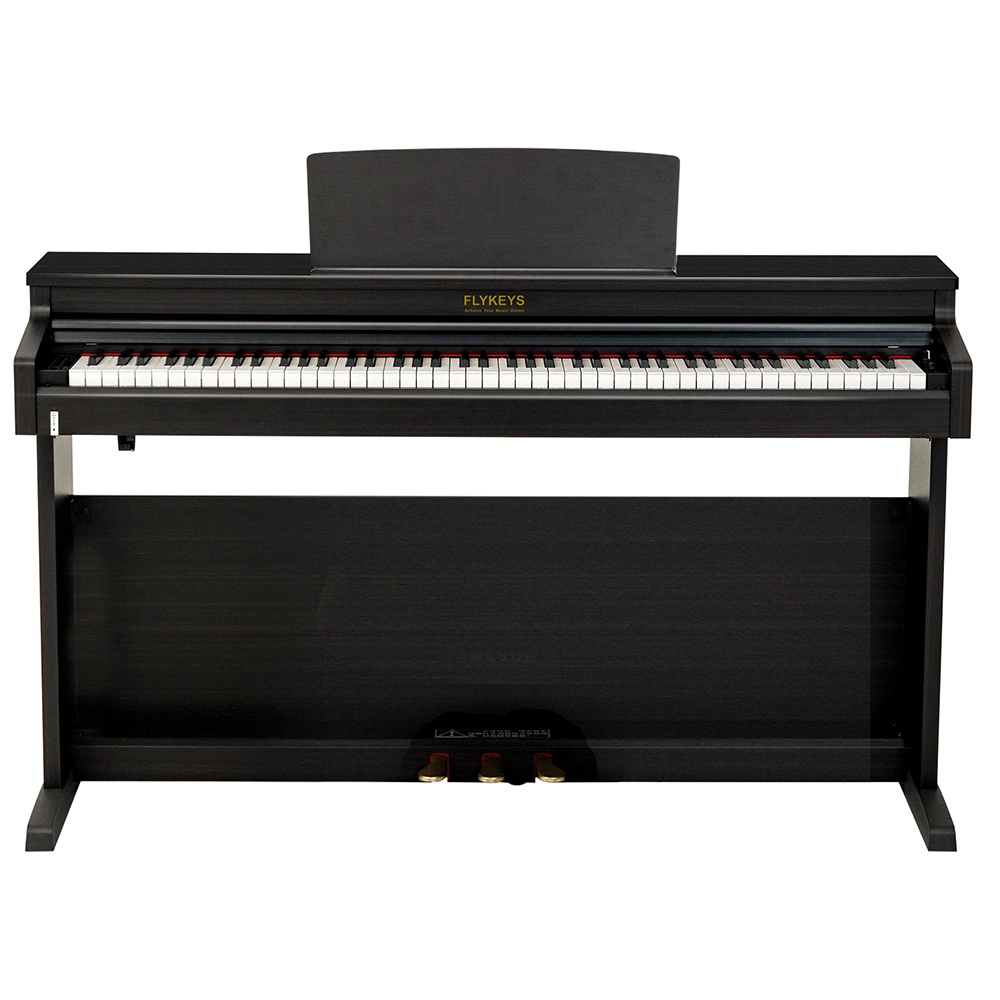
Flykeys Upright Digital Piano FDP 3
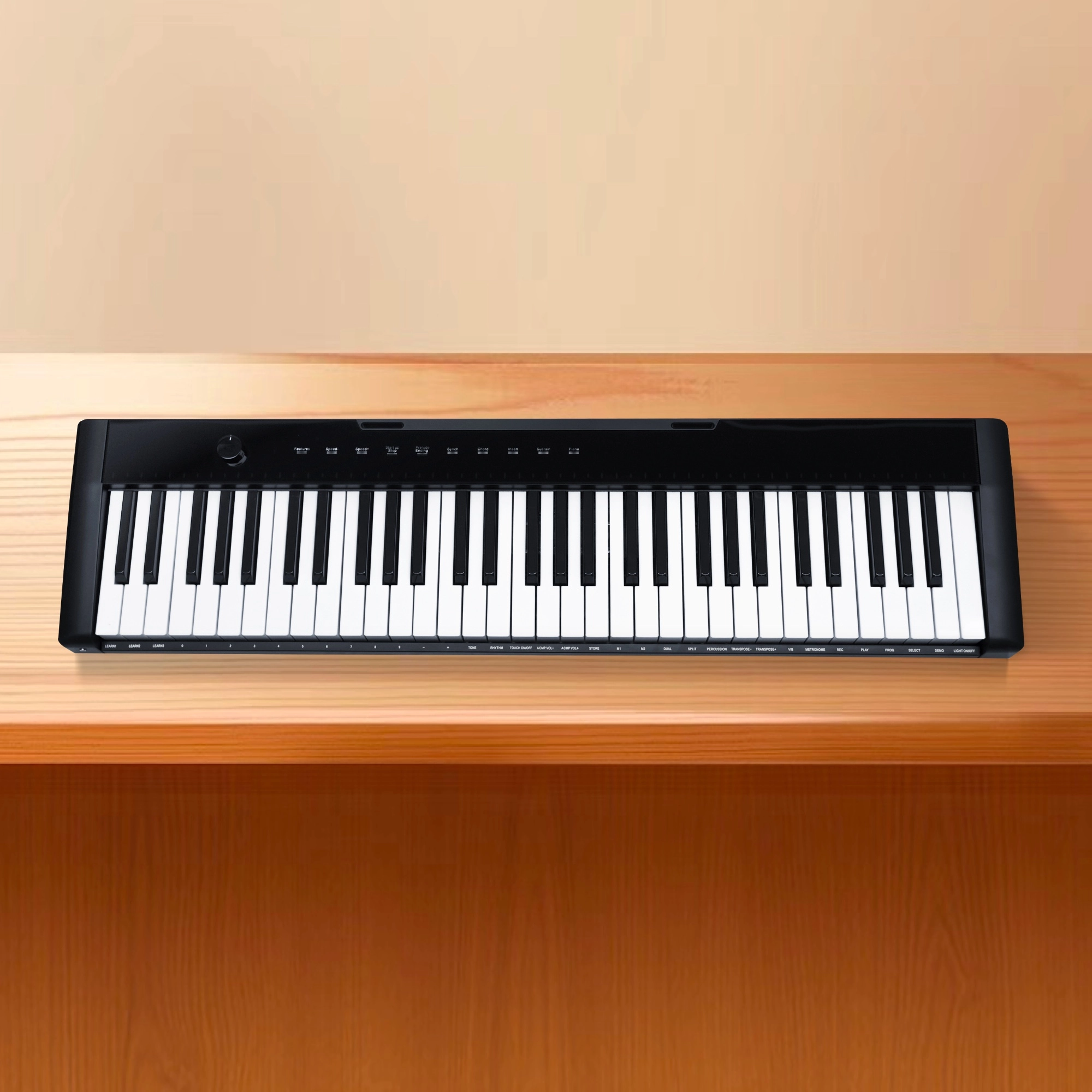
Flykeys 61 keys portable electronic keyboard piano with X stand (M2)
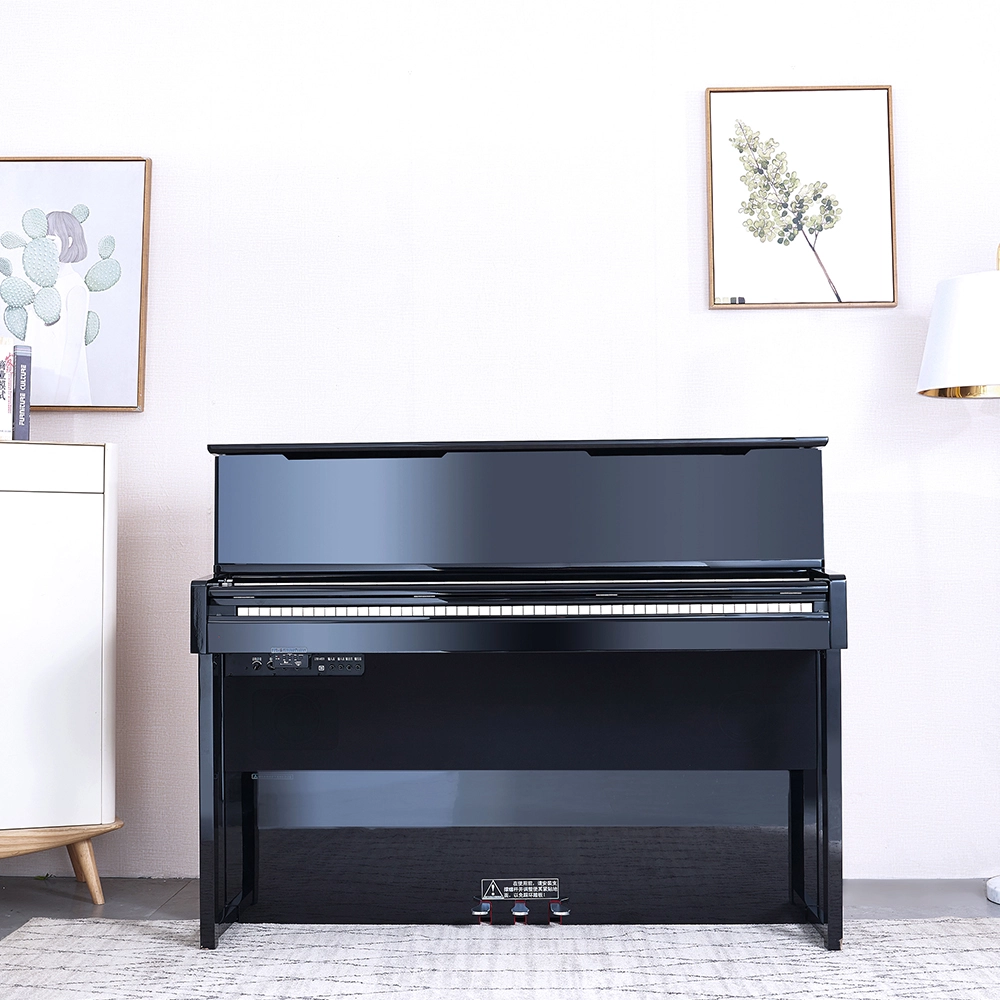
Flykeys Professional Digital Upright Piano 88 Keys Wooden Keyboard FK830 Digital Piano
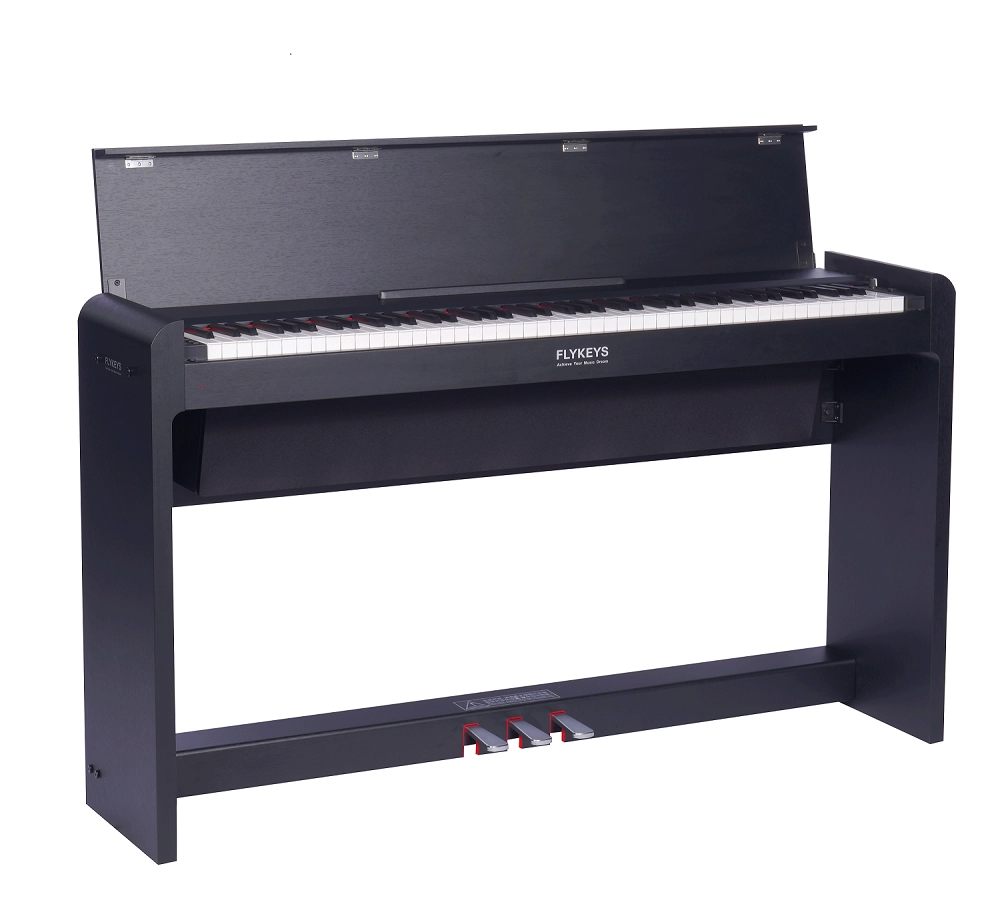
FLYKEYS FDP 5 Digital Piano
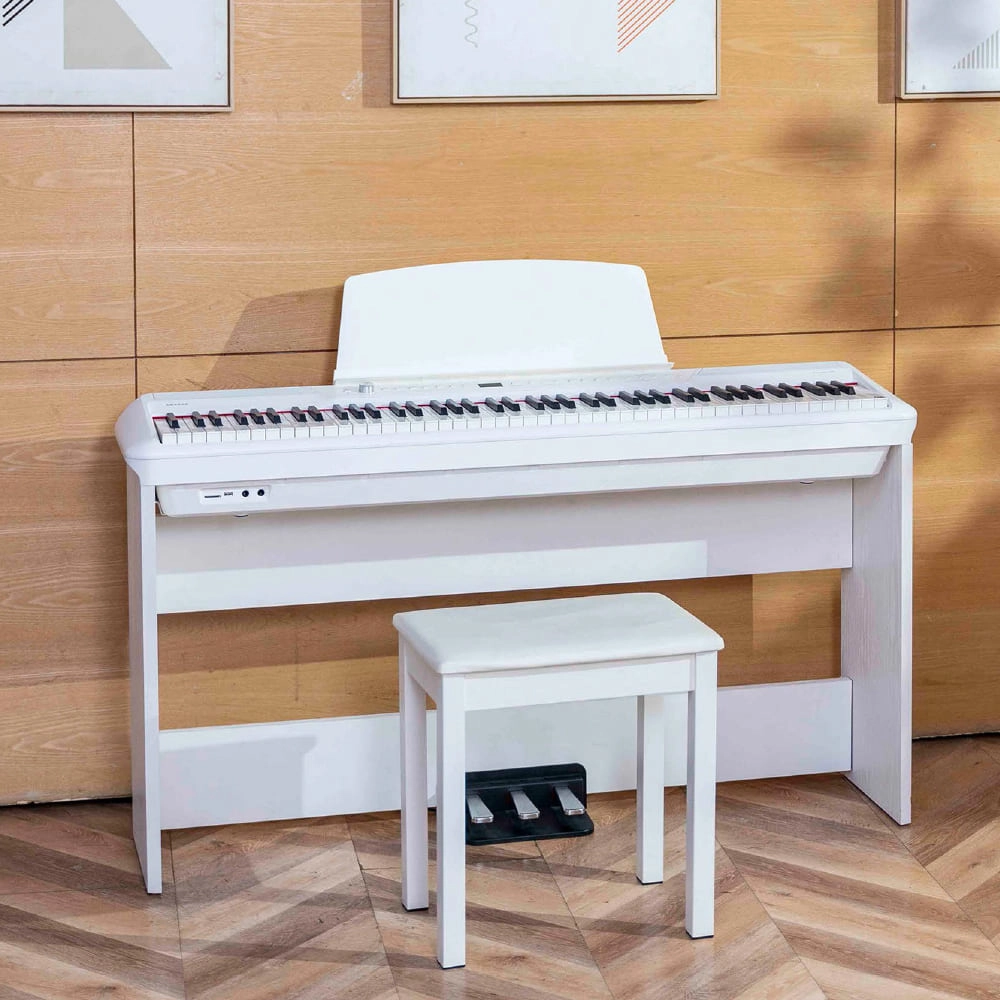
Flykeys Portable Electric Keyboard FP9 Digital Piano
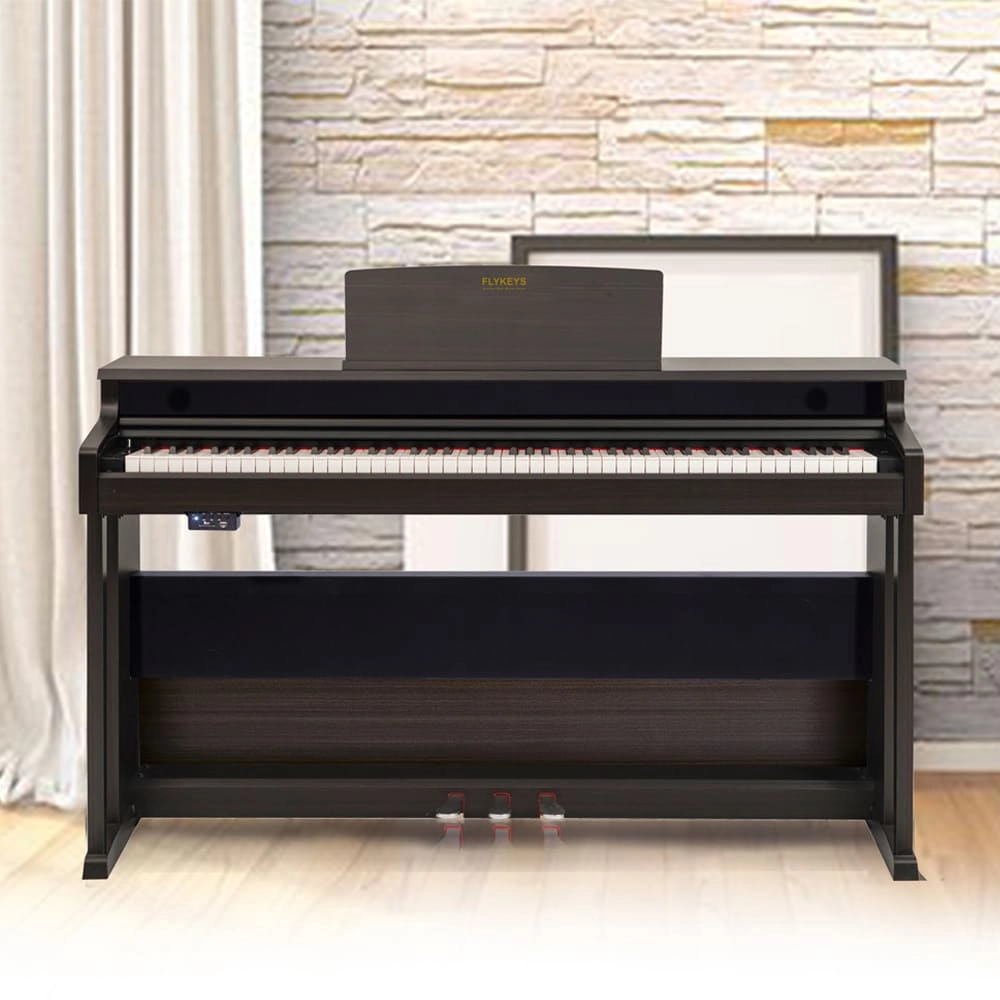
Flykeys Upright Piano Wooden Panel 88 KEYS Piano FK130 Digital Piano
Get in touch with us
Have a question or inquiry about our digital pianos products? Leave us a message here and our team will get back to you promptly within 24 hours.
Whether you're interested in custom orders, technical specifications, or partnership opportunities, we're here to assist you.
Rest assured that your privacy is important to us, and all information provided will be handled with the utmost confidentiality.
Address: No. 38 Xiangshan Avenue, Zengcheng Economic And Technological Development Zone, Guangzhou, China.
FOLLOW US:


© 2026 FLYKEYS All Rights Reserved. 粤 ICP备2020102774号. Designed by gooeyun. Sitemap | Privacy | Terms