

Acoustic vs Digital Piano: Key Differences Explained
- Acoustic vs Digital Piano: Key Differences Explained
- Sound Production: The Heart of the Instrument
- Touch and Feel: Emulating the Acoustic Experience
- Maintenance: Keeping Your Instrument in Top Shape
- Portability: Adapting to Your Space
- Cost Considerations: Evaluating Your Investment
- FLYKEYS: Bridging Tradition and Innovation
- Conclusion: Making the Right Choice for You
- Frequently Asked Questions (FAQ)
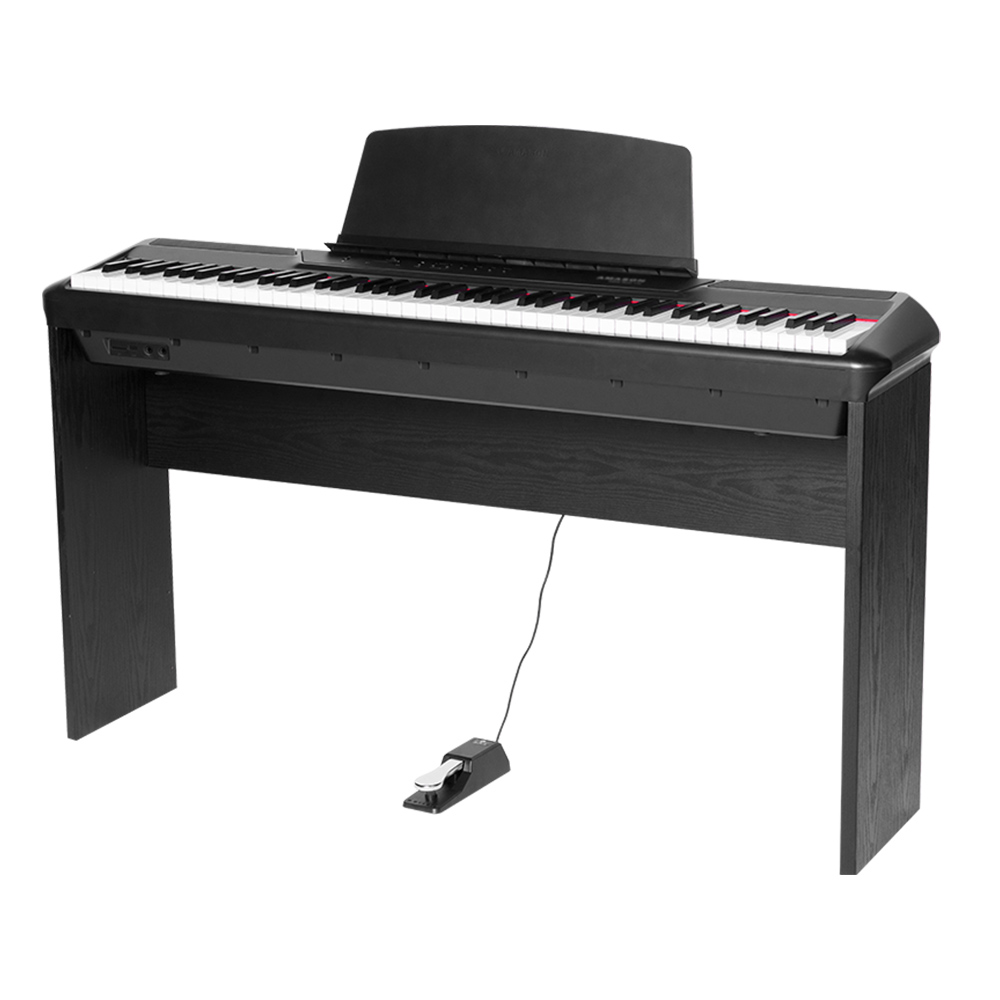
Acoustic vs Digital Piano: Key Differences Explained
When it comes to choosing a piano, understanding the distinctions between acoustic and digital models is essential. Each type offers unique advantages, and your choice will depend on factors such as sound quality, touch and feel, maintenance requirements, portability, and cost. In this article, we'll delve into these aspects and introduce FLYKEYS, a leading manufacturer of digital pianos that seamlessly blend traditional craftsmanship with modern technology.
Sound Production: The Heart of the Instrument
Acoustic Pianos:
Acoustic pianos produce sound through the mechanical action of hammers striking strings, which then vibrate and resonate within the wooden body of the piano. This process creates a rich, warm, and complex tonal quality that many musicians cherish. The resonance and harmonics produced by the strings and soundboard contribute to the unique character of each note.
Digital Pianos:
Digital pianos, on the other hand, generate sound electronically. They use high-quality sound sampling technology to replicate the tones of real pianos. Brands like FLYKEYS have refined this technology to create incredibly realistic and expressive tones comparable to high-end acoustic models. This advancement allows digital pianos to closely mimic the sound of an acoustic piano, providing a satisfying auditory experience.
Touch and Feel: Emulating the Acoustic Experience
Acoustic Pianos:
The touch and feel of an acoustic piano are integral to its appeal. The mechanical action of the keys, combined with the weight and resistance of the hammers, offers a tactile experience that many pianists find inspiring. The keys' responsiveness and the subtle nuances of touch contribute to expressive performances.
Digital Pianos:
Modern digital pianos, especially those marketed as the best digital pianos with weighted keys, simulate the resistance of real hammers, offering a tactile playing experience. The FLYKEYS FGP110 and LK03S models both feature authentic hammer-action keys that closely mimic traditional piano touch. This design ensures that digital pianos provide a playing experience that closely resembles that of an acoustic piano, allowing musicians to express themselves fully.
Maintenance: Keeping Your Instrument in Top Shape
Acoustic Pianos:
Acoustic pianos require regular maintenance to keep them sounding their best. This includes tuning the piano at least once a year, and possibly more often if it is played frequently. Regular cleaning and polishing of the wood finish are also important to protect the piano from damage. Additionally, acoustic pianos are sensitive to environmental factors such as humidity and temperature, which can affect tuning stability and the overall health of the instrument.
Digital Pianos:
Digital pianos are low-maintenance and only require the occasional dusting. They do not need tuning, making them a convenient option for those who prefer a hassle-free experience. Digital pianos are also less sensitive to environmental changes, providing consistent performance without the need for regular upkeep.
Portability: Adapting to Your Space
Acoustic Pianos:
Acoustic pianos, especially grand pianos, are large and heavy, making them difficult to move. They require substantial space and are not easily relocated. This can be a significant consideration for those with limited space or who anticipate moving their instrument.
Digital Pianos:
Digital pianos are compact, lightweight, and easily moved. They are perfect for smaller spaces or families that may relocate. Their portability makes them a practical choice for musicians who need flexibility in their practice and performance settings.
Cost Considerations: Evaluating Your Investment
Acoustic Pianos:
Acoustic pianos are generally more expensive, with upright pianos starting in the few-thousand-dollar range. However, they hold resale value much better than digital pianos. The initial investment is substantial, but the longevity and potential for resale can offset the cost over time.
Digital Pianos:
Digital pianos are more affordable, with many high-quality options costing less than $1,000. They offer a cost-effective way for beginners to start learning without a major upfront expense. While they may not hold value as well as acoustic pianos, their affordability and low maintenance costs make them an attractive option for many musicians.
FLYKEYS: Bridging Tradition and Innovation
FLYKEYS, a subsidiary of Guangzhou Pearl River Piano Group, focuses on developing and manufacturing digital musical instruments. With over 60 years of experience in making acoustic pianos, FLYKEYS leverages this expertise to create digital pianos that closely resemble their acoustic counterparts in terms of tone and feel. Their main products include portable digital pianos, upright digital pianos, grand digital pianos, digital keyboards, and other digital musical instruments. For overseas markets, FLYKEYS sells products under the “FLYKEYS” brand, which have passed FCC, CE, and RoHS testing.
FLYKEYS' vision is to become the world's leading digital piano manufacturer, offering instruments that combine traditional craftsmanship with modern technology to provide a superior playing experience.
Conclusion: Making the Right Choice for You
Choosing between an acoustic and a digital piano depends on your individual needs, preferences, and circumstances. Acoustic pianos offer a traditional playing experience with rich tonal qualities but require significant maintenance and space. Digital pianos provide versatility, portability, and low maintenance, making them suitable for a wide range of musicians.
If you're interested in exploring high-quality digital pianos that bridge the gap between traditional and modern, consider FLYKEYS' range of instruments. Their commitment to quality and innovation ensures that you'll find a piano that suits your musical journey.
Frequently Asked Questions (FAQ)
Q1: Do digital pianos sound as good as acoustic pianos?
A1: While digital pianos have made significant advancements in sound quality, many musicians still prefer the rich, complex tones of acoustic pianos. However, high-quality digital pianos can closely mimic the sound of an acoustic piano, providing a satisfying auditory experience.
Q2: Are digital pianos suitable for professional performances?
A2: Yes, many professional musicians use digital pianos for performances due to their portability, versatility, and advanced features. Models like the FLYKEYS FGP110 and LK03S are designed to meet the demands of professional use.
Q3: How long do digital pianos last?
A3: Digital pianos typically have a lifespan of 10–20 years, depending on usage and maintenance. While they may not last as long as acoustic pianos, their low maintenance requirements make them a practical choice for many musicians.
Q4: Can digital pianos be connected to computers or other devices?
A4: Yes, many digital pianos offer connectivity options such as USB or MIDI ports, allowing them to be connected to computers, recording equipment, or other devices for enhanced functionality.
Q5: Do digital pianos require tuning?
A5: No, digital pianos do not require tuning, as they use electronic sound generation. This eliminates the need for regular tuning sessions, making them a convenient option for musicians.
For more information or to explore our range of digital pianos, visit (https://www.flykeysmusic.com/).
Everything You Need to Know About digital keyboard piano 88 keys
Wholesale grand piano for sale manufacturer and supplier
Best Digital Pianos with MIDI, USB, and Bluetooth
What are the different types of piano table stand?
Company
What is your company's mission?
Our mission is capture the zeitgeist, enjoy the quality lifestyle.
Our vision is to be the TOP 1 Chinese digital musical instrument brand and enter International top list.
Products
Can I connect your electronic pianos to external devices?
Yes, our electronic pianos are equipped with connectivity options such as MIDI, USB, and Bluetooth for seamless integration with external devices.
What products do you have?
We offer a diverse range of products, including digital portable piano, digital upright piano, digital grand piano, electronic drum set, piano silent system, audio equipment, interactive whiteboard, advertising machines, Smart TV, Touch Screen,etc.
Customization
What is the lead time for custom orders?
Lead times for custom orders vary depending on the complexity of the customization and current production schedules. Please contact our sales team for more information.
Logistics
Do you ship internationally?
Yes, we offer international shipping to most countries worldwide.
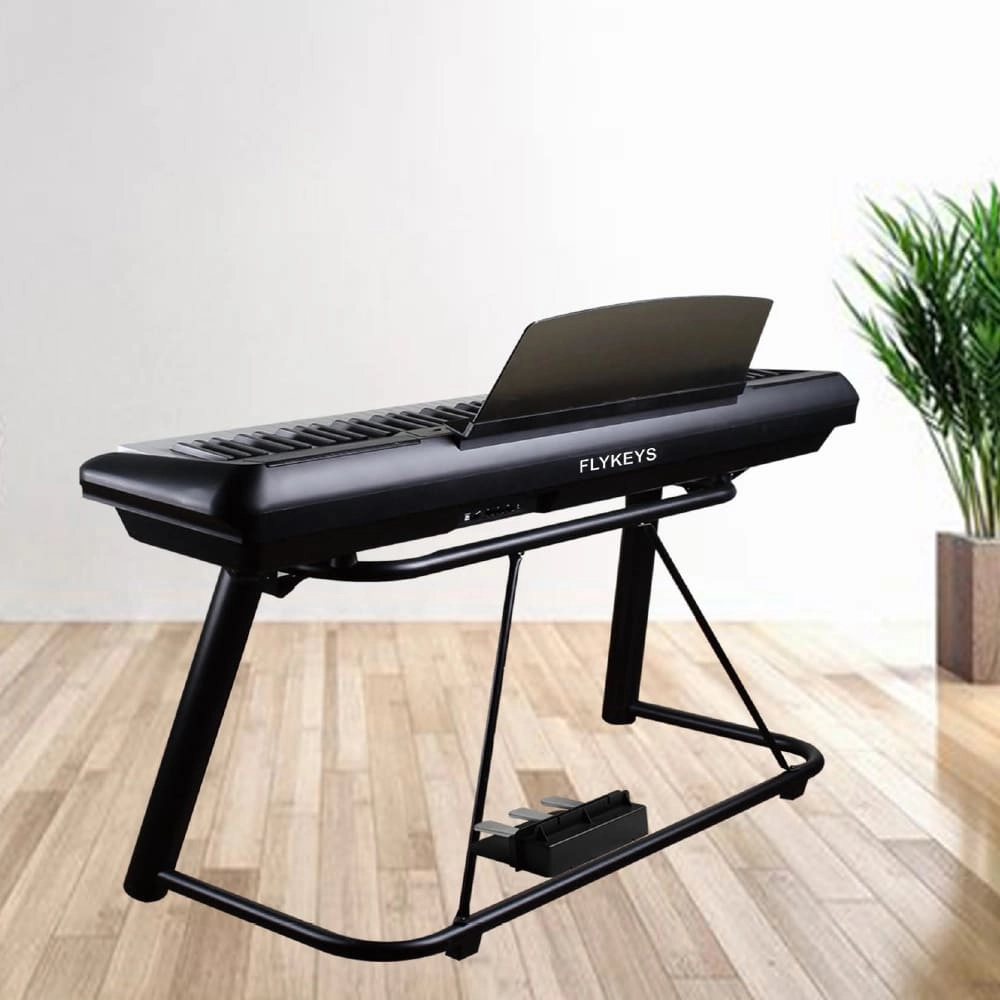
Flykeys 88 Keys Portable Piano With Wooden Stand FP6 Digital Piano
Independent development 88 keys dynamic curve hammer action weighted keyboard
European Spectral Composite techniques DSP chip. German famous Grand Piano sound sampling, string overtones resonance simulation sound technology
Modern, lightweight case,X stand, Ustand, Wood stand, 3pedal Optional
Control: double sound, record, split, transpose, reverb, chorus, metronome, MIDI, bluetooth
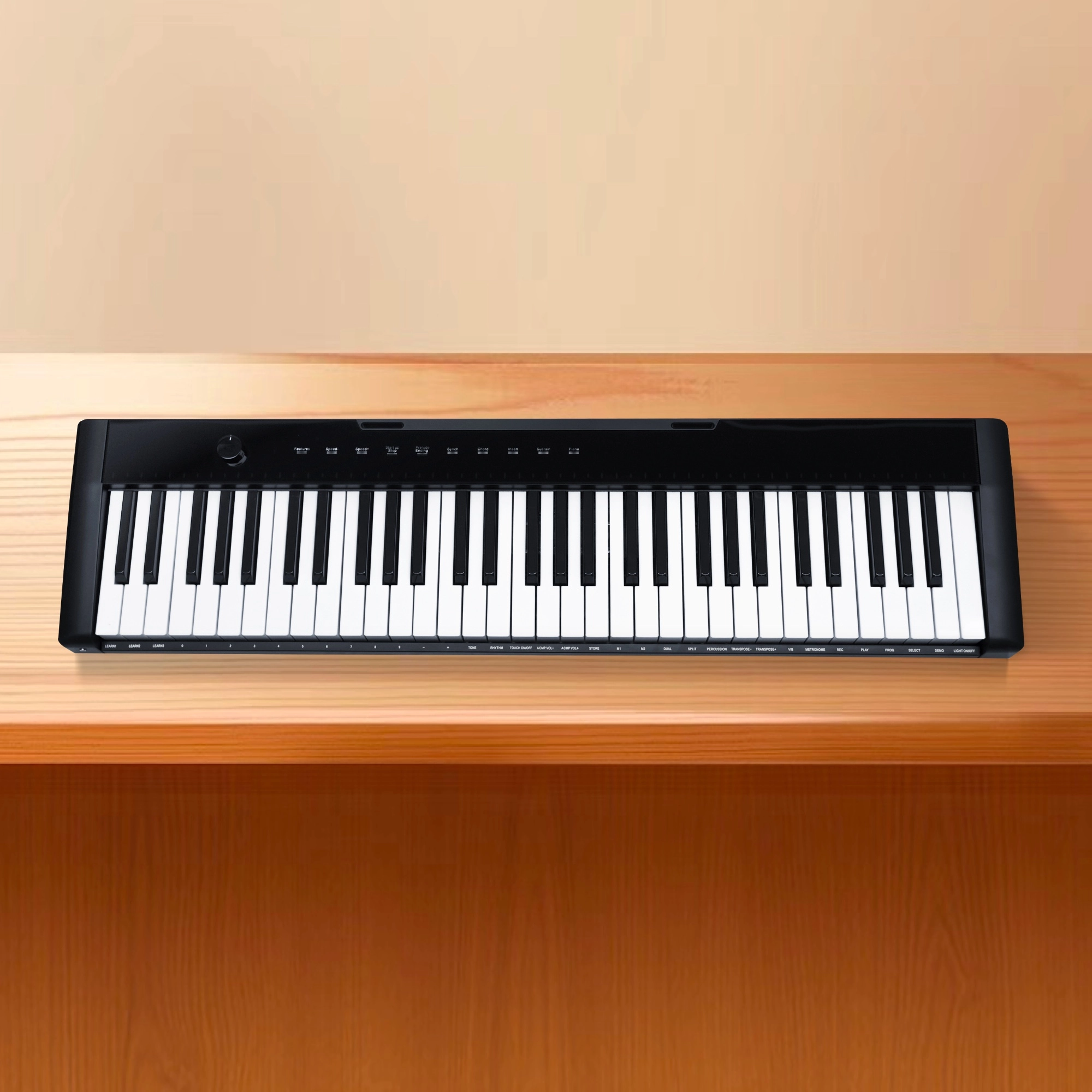
Flykeys 61 keys portable electronic keyboard piano with X stand (M2)
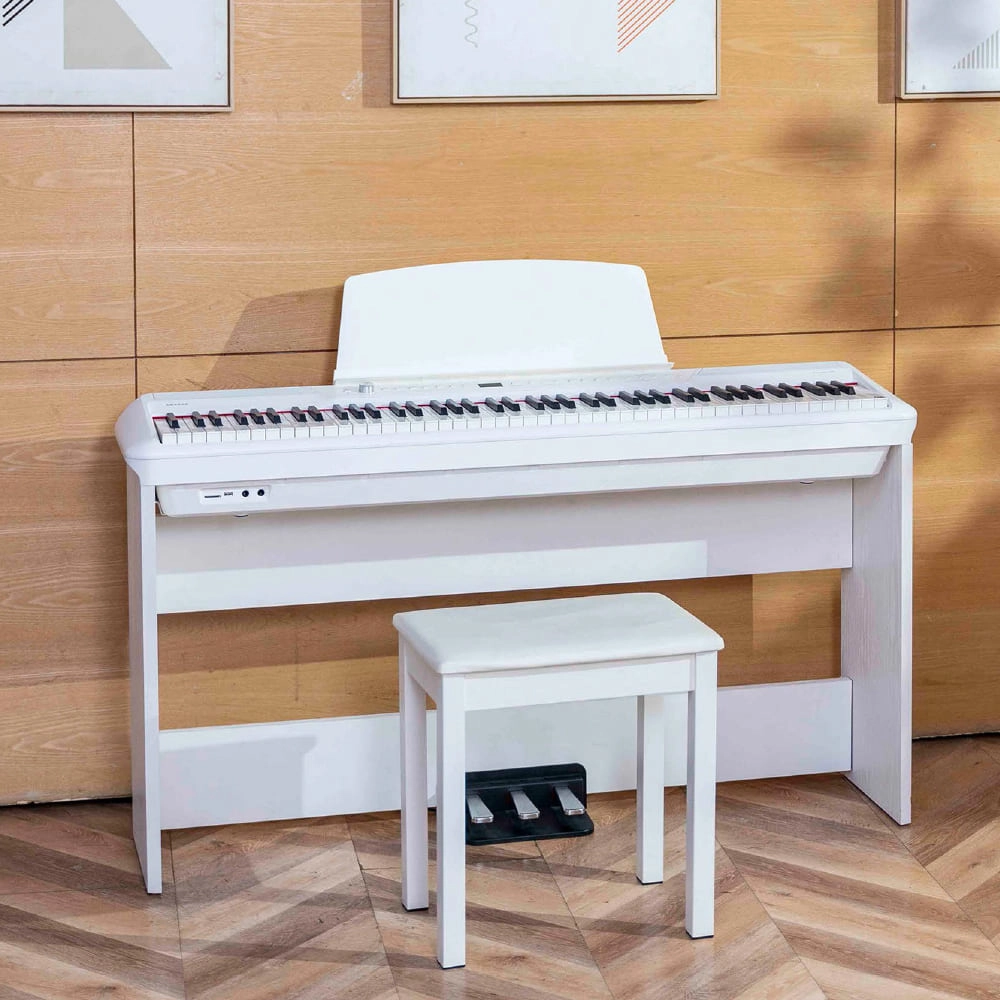
Flykeys Portable Electric Keyboard FP9 Digital Piano
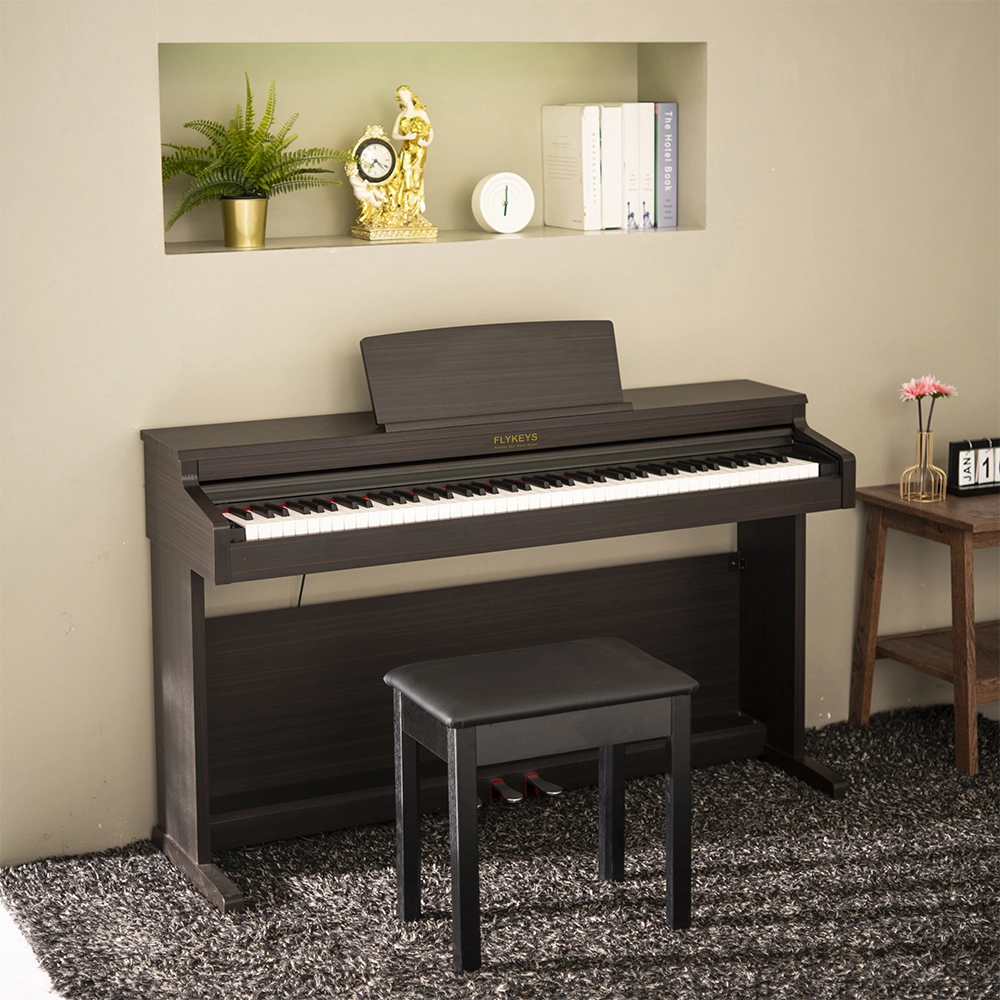
Flykeys 88 Keys Hammer Action keyboard Upright Piano LK03S Digital Piano
— Independent patented technology 88 key Grand-Response hammer action & dynamic curve keyboard;
— European top DSP chip, famous grand piano sound sample;
Address: No. 38 Xiangshan Avenue, Zengcheng Economic And Technological Development Zone, Guangzhou, China.
FOLLOW US:


© 2024 FLYKEYS All Rights Reserved. 粤ICP备2020102774号. Designed by gooeyun Sitemap | Privacy | Terms