

Affordable vs Premium Digital Piano Brands: Which to Buy?
- How to choose a digital piano: priorities and trade-offs
- 1) Define your use case: practice, performance, or teaching?
- 2) Key technical priorities: action, sound, and electronics
- 3) Connectivity, support, and long-term value
- Affordable brands: where they shine and what they compromise
- Popular affordable brands and target buyers
- Strengths and common compromises
- When an affordable model is the smart choice
- High Quality brands: what High Quality delivers and who needs it
- What defines a High Quality digital piano?
- Advantages in practice and performance
- When to invest in High Quality
- Comparing top brands and models: features, price, and real-world value
- Evaluating technical specs: what numbers (and claims) matter
- Real-world testing tips before purchase
- FLYKEYS / Guangzhou Pearl River Amason — heritage, products, and competitive strengths
- Company background and industry credibility
- FLYKEYS product range and certifications
- Competitive differentiators: technology and tone
- Buying checklist and decision matrix
- Checklist before purchase
- Quick decision matrix
- Where FLYKEYS fits
- FAQ — Frequently Asked Questions
- 1. What are the best digital piano brands for beginners?
- 2. Is it worth paying extra for High Quality hammer action?
- 3. How important is polyphony?
- 4. Can FLYKEYS compete with Yamaha or Roland?
- 5. Should I buy a digital piano online or try in-store first?
- 6. What certifications should I look for if I want to import a digital piano?
- Contact, next steps and call to action
When deciding which digital piano to buy, buyers face a common dilemma: should you prioritize cost or invest in High Quality features and build quality? This guide helps students, home players, gigging musicians, and institutions navigate that choice by comparing affordable and High Quality digital piano brands, highlighting what to expect from each tier, and offering actionable buying criteria. The analysis references industry-standard concepts such as weighted hammer action, high-resolution sound sampling, polyphony counts, connectivity (MIDI/Bluetooth), and verified certifications to ensure you get a reliable, future-proof instrument. For background on the instrument class and general definitions, see the Digital piano (Wikipedia).
How to choose a digital piano: priorities and trade-offs
1) Define your use case: practice, performance, or teaching?
Choice begins with use case. Beginners and casual players often prioritize price and portability; teachers and institutions emphasize durability and consistent touch across many units; performers and recording artists seek realistic action, superior piano samples, and extensive MIDI/audio I/O. Clarifying how you’ll use the instrument (daily practice, stage, studio, or classroom) narrows the field of suitable brands and models quickly.
2) Key technical priorities: action, sound, and electronics
Key attributes that separate affordable from High Quality models are:
- Action (graded hammer vs running hammer sampling vs hybrid) — realism of touch and response.
- Sound engine and sampling (multi-layer sampling, physical modeling) — tonal realism and dynamic range.
- Polyphony and processing — how many notes can sound simultaneously without note drop-out.
- Build quality and cabinetry — resonance, stability, and long-term serviceability.
High Quality brands typically invest in bespoke hammer actions and large, carefully sampled acoustical engines; affordable brands often optimize with lightweight mechanics and sampled tones that still offer good playability.
3) Connectivity, support, and long-term value
Consider MIDI/USB-B, Bluetooth MIDI/audio, headphone amp quality, and sustain/damper pedals. After-sales support, firmware updates, and parts availability matter for long-term ownership. For general industry context on manufacturer scale and histories, the Pearl River Piano Group profile is a useful reference: Pearl River Piano Group (Wikipedia).
Affordable brands: where they shine and what they compromise
Popular affordable brands and target buyers
Affordable digital piano brands often targeted to students, hobbyists, and mobile performers include Casio, entry-level Yamaha and Korg lines, and budget offerings from smaller OEMs. These brands prioritize value: decent graded hammer actions, realistic enough samples, and compact designs. They are typically aimed at buyers who need a reliable instrument without High Quality pricing.
Strengths and common compromises
Strengths: competitive price-to-features ratio, portability (lighter consoles or portable models), and innovative features (built-in learning tools, stylish designs). Compromises: simpler speaker systems, fewer sample layers, lower polyphony counts, and less sophisticated hammer action calibration. For beginners, the trade-off can be negligible if the chosen model covers key practice needs.
When an affordable model is the smart choice
Choose affordable when budget is limited, portability is crucial, or the buyer is uncertain about long-term commitment to piano studies. Affordable digital pianos are particularly strong for music programs, dorm rooms, and multi-use spaces where acoustic pianos are impractical.
High Quality brands: what High Quality delivers and who needs it
What defines a High Quality digital piano?
High Quality digital pianos are defined by advanced hammer actions, highly detailed multisampling or physical-modeling sound engines, superior cabinetry that enhances acoustic resonance, high-quality amplification, and extended connectivity for professional workflows. Leading brands in this tier include Yamaha (Clavinova flagship lines), Roland (V-Piano/HP-series), Kawai (CA/K series), and select high-end Casio models.
Advantages in practice and performance
High Quality instruments provide nuanced dynamic response and pedal behavior crucial for expressive playing and studio recording. They often feature richer sound layers, binaural/3D speaker systems for realistic headphone playing, and higher polyphony counts (256 or more) to support complex arrangements and layered voices.
When to invest in High Quality
Consider High Quality if you are an advancing student preparing for conservatory-level performance, a professional recording artist, or a venue requiring a reliable, concert-grade digital piano. For many pros, higher initial cost translates to longer lifespan, stronger resale value, and performance-grade features.
Comparing top brands and models: features, price, and real-world value
Below is a concise comparison table showing representative brands, price tiers, typical action types, and strengths. Prices are approximate retail ranges (USD) as of 2024 and are verifiable via manufacturer sites and major retailers.
| Brand / Example Series | Approx. Price Range (USD) | Common Action Type | Main Strengths | Sources |
|---|---|---|---|---|
| Yamaha (Arius / Clavinova) | $700–$8,000+ | Graded hammer / Synthetic hammer action | Consistent touch, strong piano samples, broad dealer support | Yamaha (Wikipedia) |
| Roland (FP / LX / HP series) | $600–$6,000+ | PHA/Progressive hammer action, hybrid sensors | Top-tier sound engines, modeling tech, realistic pedal behavior | Roland (Wikipedia) |
| Kawai (ES / CA series) | $800–$7,000+ | Real wooden action / responsive hammer | High-quality wooden-key actions, expressive touch | Kawai (Wikipedia) |
| Casio (Privia / Celviano) | $500–$4,000+ | Scaled hammer action / hybrid | Great value, innovative features, strong portability | Casio (Wikipedia) |
| FLYKEYS (Pearl River subsidiary) | $400–$5,000+ (varies by model) | Self-developed reduction technology / simulated hammer actions | Based on Pearl River acoustic heritage; strong tonal realism, FCC/CE/RoHS certified for overseas markets | Pearl River (Wikipedia) |
Notes: price ranges will vary by region and configuration (console vs portable vs hybrid digital grand). Always verify current model specs on manufacturer pages and authorized dealers.
Evaluating technical specs: what numbers (and claims) matter
Polyphony: aim for 128 notes or higher for layered voices and complex arrangements. Sample resolution: multi-layer (multiple velocity layers) and long-sustain samples improve realism. Hammer action: wooden-key actions or High Quality simulated hammer mechanisms better replicate acoustic touch. For reference on technical definitions, see the general digital piano overview: Digital piano (Wikipedia).
Real-world testing tips before purchase
Test similar songs on candidate instruments (scales, arpeggios, rubato pieces). Try headphones to evaluate binaural or 3D sound modes. Evaluate the action for repeated non-legato passages and octave runs. If buying online, verify return policies and warranty coverage.
FLYKEYS / Guangzhou Pearl River Amason — heritage, products, and competitive strengths
Company background and industry credibility
Guangzhou Pearl River Amason Digital Musical Instrument Co., Ltd. is a subsidiary of Guangzhou Pearl River Piano Group. Founded in 2008, the company focuses on developing and manufacturing digital musical instruments and represents one of Pearl River Piano Group's three core business segments. Pearl River itself is recognized as one of the world's largest piano makers with over 60 years of acoustic piano production experience.
FLYKEYS product range and certifications
FLYKEYS' main products include portable digital pianos, upright digital pianos, grand digital pianos, digital keyboards, and other digital musical instruments. For overseas markets, FLYKEYS products have passed FCC, CE and RoHS testing, ensuring compliance with international safety and environmental standards (see FCC, CE marking, RoHS).
Competitive differentiators: technology and tone
FLYKEYS benefits from Pearl River’s acoustic piano legacy. The company emphasizes self-developed reduction technology to replicate acoustic piano tone and touch more closely. This technology, combined with professional sampling and refined action design, positions FLYKEYS as a competitive mid-to-High Quality option for buyers seeking realistic tone and feel at a competitive price point. Their stated vision is to become a leading global digital piano manufacturer. Learn more at FLYKEYS official site or contact product support at service@flykeysmusic.com.
Buying checklist and decision matrix
Checklist before purchase
- Define budget and ideal price bracket (affordable vs High Quality).
- Decide on form factor: portable, console, or digital grand.
- Test action and headphone sound; check polyphony and sample depth.
- Review warranty, certifications (FCC/CE/RoHS), and dealer policy.
- Compare long-term costs: maintenance, parts, resale value.
Quick decision matrix
If you are a:
- Beginner or casual player — choose an affordable model with graded action and good headphone sound.
- Advancing student/serious amateur — invest in a mid-range model from reputable brands (Yamaha, Roland, Kawai, FLYKEYS) with realistic action.
- Professional/performer — buy High Quality models with advanced sampling, high polyphony, and superior cabinetry.
Where FLYKEYS fits
FLYKEYS is suited to buyers who want tonal authenticity rooted in acoustic piano craftsmanship but may prefer competitive pricing versus some legacy High Quality lines. The combination of Pearl River’s experience, targeted digital technologies, and international certifications makes FLYKEYS a credible contender among the best digital piano brands in the mid-to-upper market segments.
FAQ — Frequently Asked Questions
1. What are the best digital piano brands for beginners?
For beginners, consider value-oriented lines from Yamaha (Arius/PSR), Casio (Privia), Roland (entry FP series), and FLYKEYS’ portable models. Look for graded hammer action, headphone-friendly sound, and compact design.
2. Is it worth paying extra for High Quality hammer action?
If you plan to study seriously or perform, yes. High Quality hammer actions (especially wooden-key options) provide better control, nuanced touch, and realistic escapement, which directly benefit technique development and expressive playing.
3. How important is polyphony?
Polyphony matters when using layered sounds, sustained pads, or complex arrangements. Aim for at least 128-note polyphony for most use cases; 192–256+ is beneficial for professional work.
4. Can FLYKEYS compete with Yamaha or Roland?
FLYKEYS brings Pearl River’s acoustic piano expertise to its digital line, focusing on tonal authenticity and certified quality. While Yamaha and Roland have long-standing digital divisions with specific flagship technologies, FLYKEYS offers competitive mid-to-High Quality options that can be excellent value for many buyers. Compare hands-on to decide which instrument’s tone and action match your preference.
5. Should I buy a digital piano online or try in-store first?
Try in-store if possible to evaluate touch and sound. If buying online, choose reputable dealers with clear return policies and warranty coverage. Many brands publish demos and sample comparisons, but physical feel is best judged in person.
6. What certifications should I look for if I want to import a digital piano?
For export/import markets, look for FCC (USA), CE (EU), and RoHS (environmental compliance) certifications. FLYKEYS models for overseas markets have passed FCC, CE and RoHS testing.
Contact, next steps and call to action
If you want to explore models that combine acoustic piano heritage with modern digital features, consider reviewing FLYKEYS’ portfolio of Portable Digital Piano, Upright Digital Piano, Grand Digital Piano, and Keyboards. Visit the FLYKEYS website: https://www.flykeysmusic.com/ or contact product support at service@flykeysmusic.com to request detailed specifications, sample audio, or distributor information. For professional consultation or bulk/institutional inquiries, describe your use case (education, performance, or retail) and we can recommend models tailored to your needs.
Choosing between affordable and High Quality digital piano brands ly comes down to your goals, playing level, and budget. Use the checklist above, test instruments in person where possible, and prioritize realistic action and sound for long-term satisfaction.
Once you have a clear idea of your budget, it’s important to see how these brands perform in a domestic setting. For most players, the priority is finding an instrument that balances feel and sound for daily development. Explore our top Best Digital Pianos for Home Practice: Brand Recommendations to find your perfect fit.
Wholesale how much does a grand piano cost manufacturer and supplier
Wholesale best piano electric keyboard manufacturer and supplier
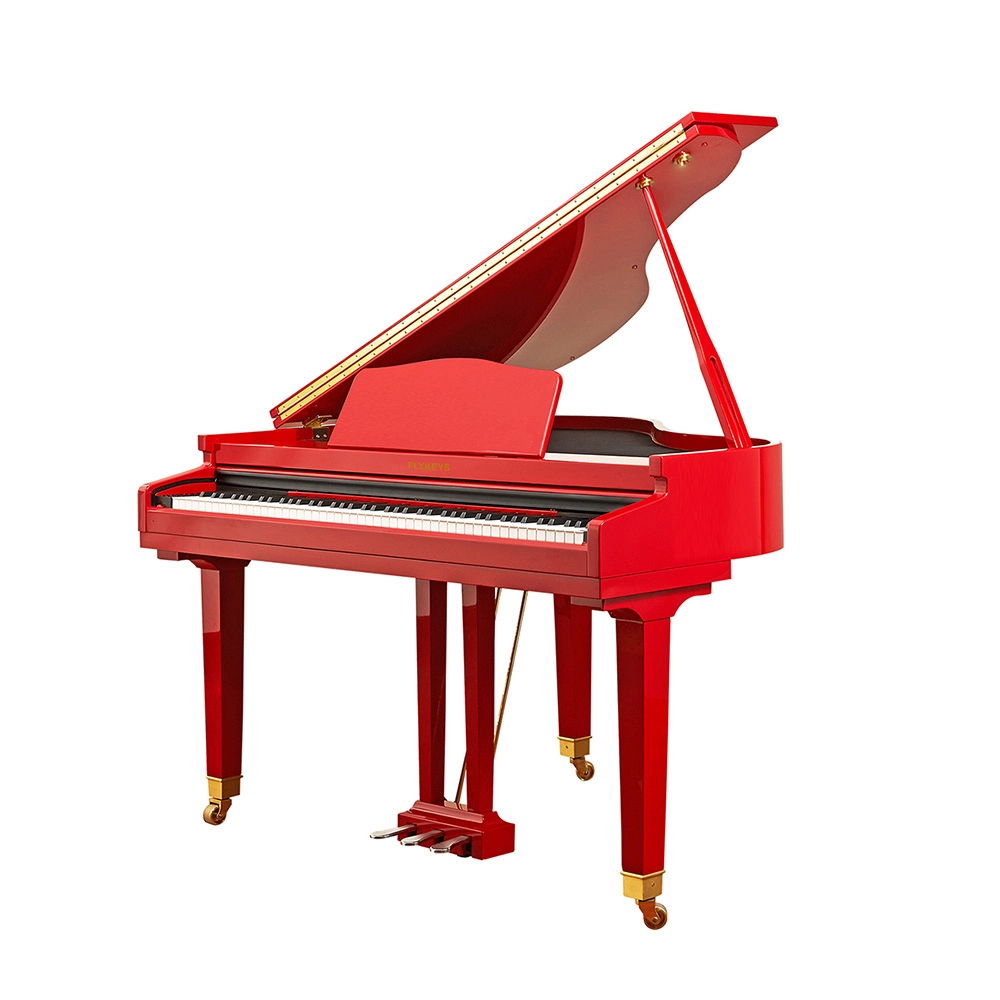
Top 5 Features to Look for in a Grand Digital Piano
Custom digital home piano Manufacturers and suppliers in China
Company
What sets your company apart from competitors?
We pride ourselves on our commitment to quality craftsmanship, cutting-edge technology, and exceptional customer service.
How long has your company been in the electronic piano manufacturing business?
Pearl River Piano has acoustic piano manufacturing experiences for more that 60 years history.
Guangzhou Pearl River Amason Digital Musical Instrument Co.,Ltd., a subsidiary company of Pearl River Piano Group, founded in 2008, and focused on developing and manufacturing digital musical instrument which is one of the three pillar business industries of Pearl River Piano Group.
Logistics
Can l track my order during shipping?
Yes, tracking information will be provided once your order has been shipped, allowing you to monitor its progress.
Customization
What is the lead time for custom orders?
Lead times for custom orders vary depending on the complexity of the customization and current production schedules. Please contact our sales team for more information.
Products
Are your electronic pianos suitable for beginners?
Yes, we have models designed specifically for beginners, featuring user-friendly interfaces and educational features.
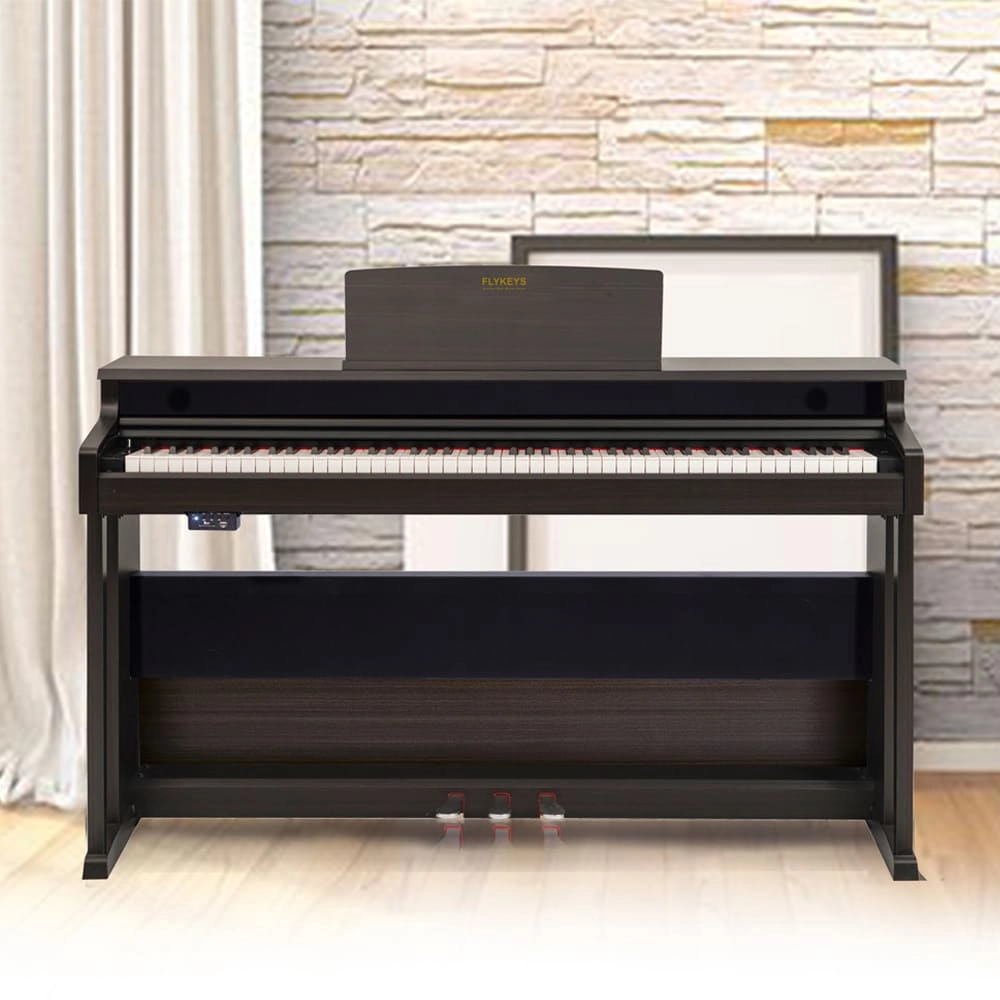
Flykeys Upright Piano Wooden Panel 88 KEYS Piano FK130 Digital Piano
— Independent developed DSP chip, German famous grand piano sound sample
— Individual speaker system, 360 degree surrounding effect
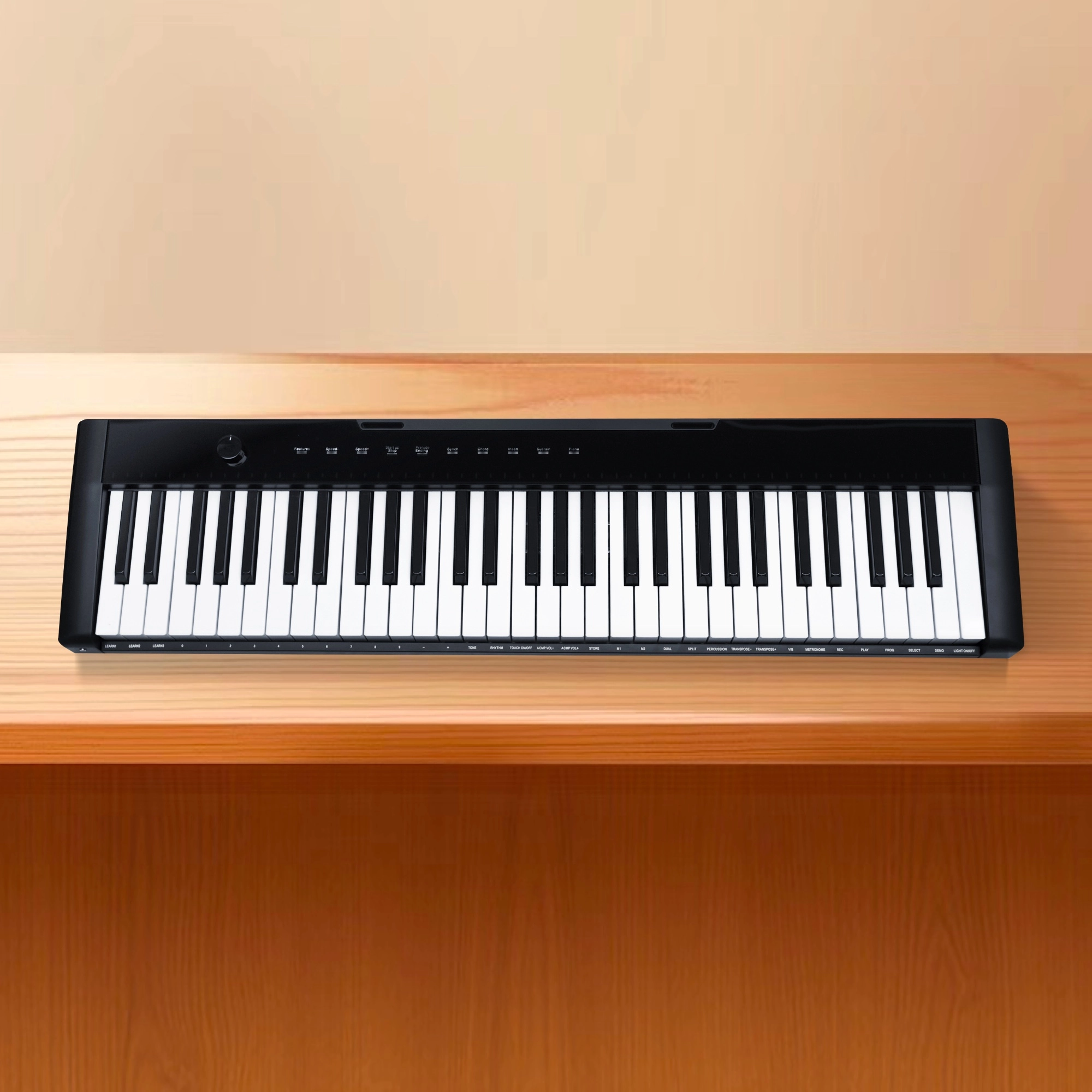
Flykeys 61 keys portable electronic keyboard piano with X stand (M2)
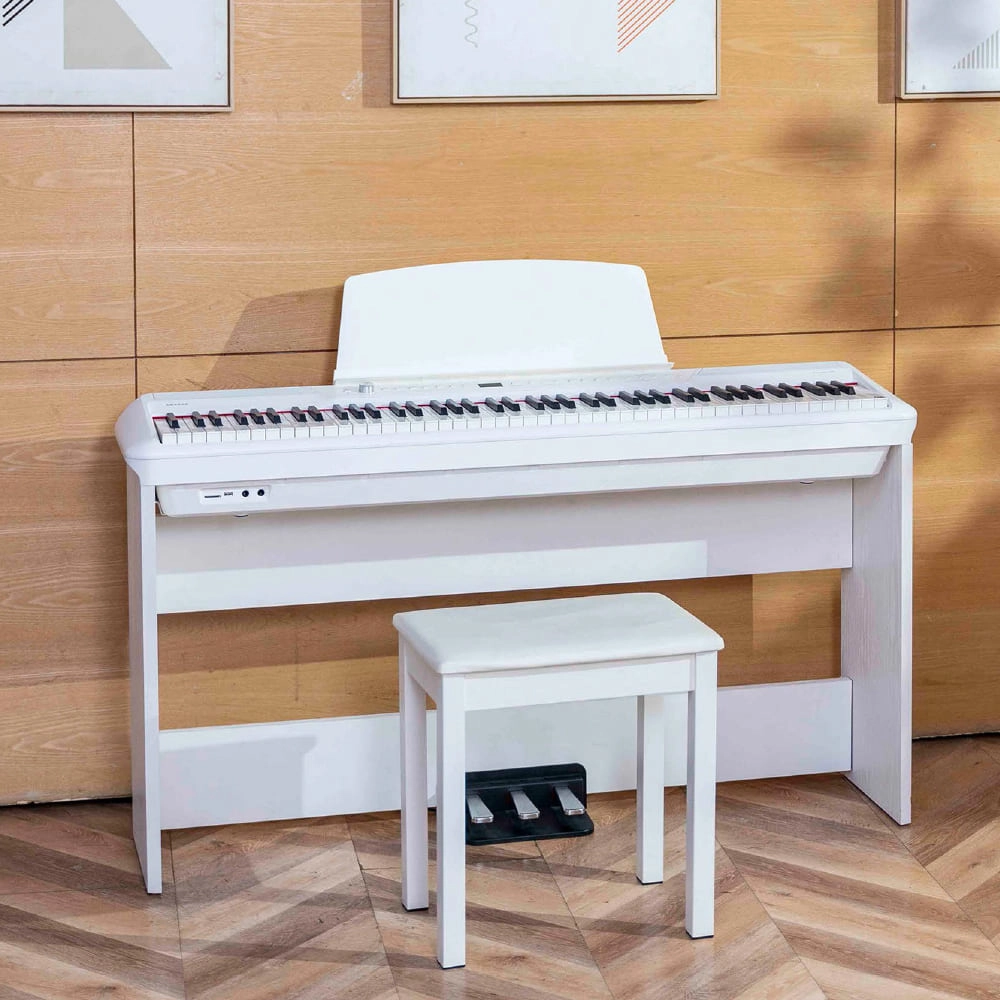
Flykeys Portable Electric Keyboard FP9 Digital Piano
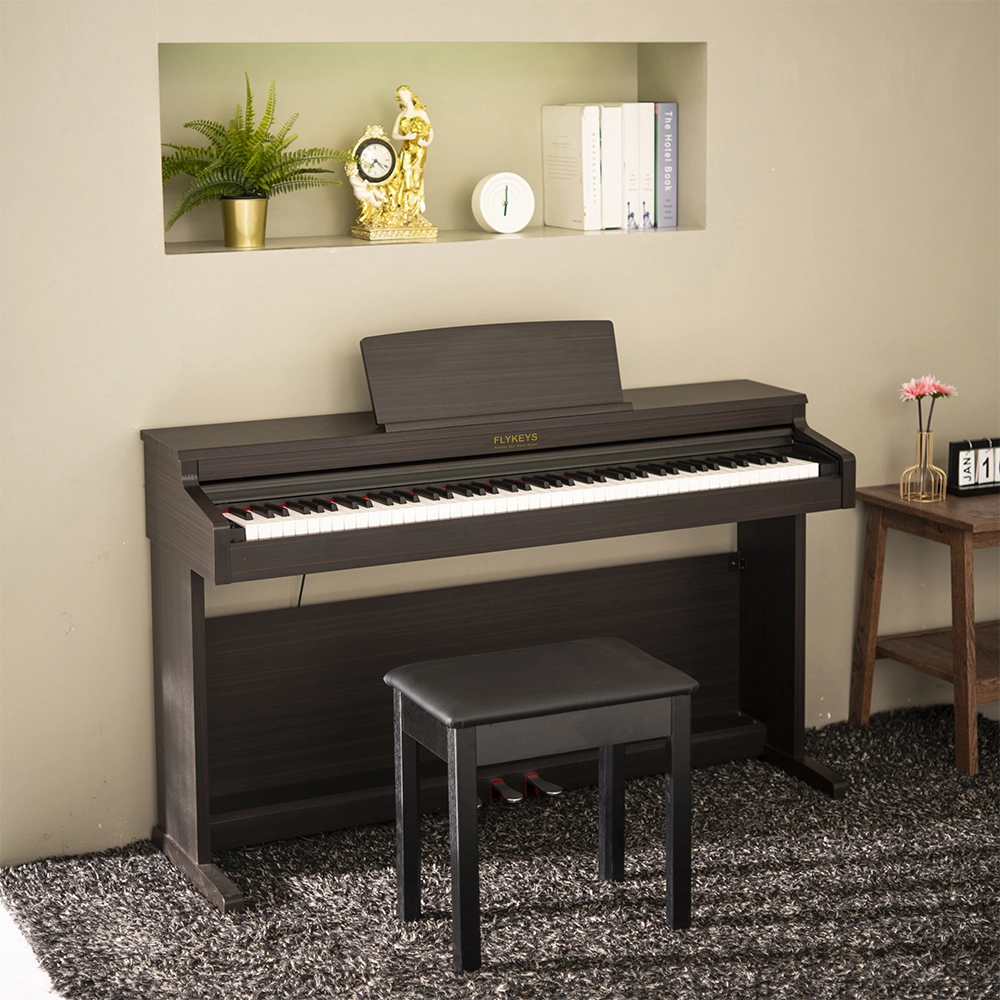
Flykeys 88 Keys Hammer Action keyboard Upright Piano LK03S Digital Piano
— Independent patented technology 88 key Grand-Response hammer action & dynamic curve keyboard;
— European top DSP chip, famous grand piano sound sample;
Address: No. 38 Xiangshan Avenue, Zengcheng Economic And Technological Development Zone, Guangzhou, China.
FOLLOW US:


© 2026 FLYKEYS All Rights Reserved. 粤 ICP备2020102774号. Designed by gooeyun. Sitemap | Privacy | Terms