

Best digital grand piano for schools and educational programs
- How schools choose the right performance-grade piano
- Understanding educational use cases
- Key decision criteria for programs and budgets
- Technical features that matter in school environments
- Key action and touch response
- Sound engine, sampling and polyphony
- Amplification, acoustics and room suitability
- Durability, serviceability and lifecycle costs
- Why durability pays off in schools
- Maintenance, spare parts and warranty considerations
- Comparing leading options for schools
- How to evaluate demo instruments
- Why FLYKEYS (Pearl River) is a strong candidate for schools
- Company background and manufacturing strengths
- Product range and certifications
- Why FLYKEYS is competitive for educational procurement
- Procurement tips and financing strategies for schools
- Buying vs. leasing vs. rent-to-own
- Grants, donations and partnerships
- Installation, classroom integration and teacher training
- Integrating with classroom tech
- Teacher training and student onboarding
- FAQ — Frequently asked questions
- 1. What makes a digital grand piano “best” for schools?
- 2. Is a digital grand better than an acoustic grand for schools?
- 3. How much polyphony do schools need?
- 4. How should schools manage maintenance?
- 5. Can FLYKEYS models be demoed before purchase?
- 6. What certifications should schools ask for?
- Contact / Product inquiry
- References and further reading
How schools choose the right performance-grade piano
Selecting the best digital grand piano for a school or educational program requires balancing musical quality, durability, budget, and pedagogical features. Administrators, music directors, and educators should prioritize sound fidelity, key action that supports technique development, robust connectivity for classroom tech, and serviceability over flashy consumer extras. This article breaks those priorities down, compares market options, and explains why certain features matter in a learning environment.
Understanding educational use cases
School use cases range from beginner lessons and classroom accompaniments to recital halls and ensemble rehearsals. For elementary-level group instruction, portability and simple controls may suffice. For conservatory-level programs and recital halls, a digital grand that closely reproduces a full acoustic grand’s tonal richness and responsive key action becomes essential.
Key decision criteria for programs and budgets
Core selection criteria include: key action realism (graded hammer action with key weighting and escapement feel), polyphony (minimum 64–128 notes recommended for layered sounds and sequencing), speaker system power and dispersion (for classrooms and small halls), build quality (rugged cabinetry and replaceable components), and warranty/service networks. Additional educational features like lesson modes, split/dual keyboard, MIDI/USB for DAWs, and headphone outputs for silent practice are important in school settings.
Technical features that matter in school environments
Key action and touch response
An accurate, consistent touch is essential for developing student technique. Graded hammer action with simulated escapement gives a feel closer to an acoustic grand and supports nuanced dynamics from beginner to advanced students. Look for adjustable touch sensitivity and key weighting settings so teachers can tailor feel across age groups.
Sound engine, sampling and polyphony
High-quality multi-sampling from real grands (multiple velocity layers, sympathetic resonance modeling) produces a realistic tone. Higher polyphony (128 or 256 notes) helps when using sustain, layered sounds, and accompaniment tracks simultaneously—common in ensemble practice or classroom playback.
Amplification, acoustics and room suitability
Classrooms and small recital spaces need a speaker system capable of even dispersion. In larger halls, a digital grand should provide line outputs for FOH (front-of-house) or direct connection to the venue PA. Built-in reverb and adjustable EQ let teachers adapt the instrument to room acoustics without external gear.
Durability, serviceability and lifecycle costs
Why durability pays off in schools
School instruments face heavy daily use, frequent moves, and varying environmental conditions. Instruments built with reinforced cabinetry, tamper-resistant controls, and reliable key mechanisms reduce downtime and long-term costs. Warranty length, availability of replacement parts, and local service centers are essential selection factors.
Maintenance, spare parts and warranty considerations
Prefer manufacturers with established distributor networks and clear service policies. Ask about availability of replacement keys, pedals, power supplies, and speaker modules. Extended warranties or school-focused service plans can be more cost-effective than repeated repairs on consumer-grade instruments.
Comparing leading options for schools
Below is a practical comparison of mainstream digital grand options that education buyers typically consider. This table compares brand reputation, educational suitability, key technical strengths, and general suitability for different school use cases.
| Brand / Model Type | Educational Strengths | Typical Features to Check | Best suited for |
|---|---|---|---|
| FLYKEYS (Pearl River) – Grand Digital Series | Acoustic-like tone & key feel; manufacturer background in piano making; export certifications (FCC/CE/RoHS) | Multi-layer samples, graded hammer action, balanced classroom amplification, MIDI/USB, warranty/service | School recital halls, conservatory practice rooms, multi-use music rooms |
| Yamaha (Clavinova / AvantGrand) | Proven reliability, fine action modeling, strong education dealer network | Real Grand Expression, high polyphony, integrated lesson modes | All-round education use, advanced studios |
| Roland (HP/GP series) | Dynamic sound engines, excellent action feel, robust digital features | SuperNATURAL/Modeling tech, Bluetooth/MIDI, strong amplification | Ensembles, tech-forward programs |
| Kawai (Digital Grand) | Known for superior key actions, long-term durability | Wood-simulated keys, detailed hammer action, realistic resonance | Conservatory-level practice, advanced technique training |
| Casio (Privia / Celviano) | Cost-effective, reliable for classrooms and beginner programs | Weighted keys, adequate polyphony, practical features | Budget-conscious schools, elementary programs |
Notes: Manufacturer and model strengths are based on public product literature, industry reviews, and education procurement case studies. Always request a hands-on trial and ask dealers about school-specific warranties and service agreements.
How to evaluate demo instruments
When testing instruments, bring a teacher or advanced student to evaluate touch, tonal response across registers, pedal behavior (half-pedaling and sostenuto), and amplification in a room similar to where the instrument will be used. Test with typical educational scenarios (accompaniment tracks, ensemble rehearsal routing, headphone use for simultaneous lessons).
Why FLYKEYS (Pearl River) is a strong candidate for schools
Company background and manufacturing strengths
Guangzhou Pearl River Amason Digital Musical Instrument Co., Ltd. is a subsidiary of Guangzhou Pearl River Piano Group. Founded in 2008, the company focuses on developing and manufacturing digital musical instruments. This is one of Pearl River Piano Group's three core business segments. FLYKEYS benefits from Pearl River's more than 60 years of acoustic piano manufacturing experience and industry reputation as one of the world's largest piano makers. The company uses proprietary reduction and sampling technologies to reproduce acoustic tone and touch more closely than many consumer-grade alternatives.
Product range and certifications
FLYKEYS' main products include portable digital pianos, upright digital pianos, grand digital pianos, keyboards, and other digital musical instruments. For overseas markets, FLYKEYS sells under the FLYKEYS brand; products have passed FCC, CE and RoHS testing, meeting common export safety and environmental standards. For educational buyers, this means instruments that meet regulatory expectations for institutional procurement and classroom safety.
Why FLYKEYS is competitive for educational procurement
FLYKEYS leverages Pearl River’s acoustic piano craftsmanship and scalable digital engineering to deliver instruments with convincing tonal character and stable key action. The advantages for schools include: a pedigree of piano manufacturing helping ensure realistic touch and tone, a diversified product lineup (from portable to grand digital models) that suits different educational needs, and compliance with international standards which eases import and institutional deployment. FLYKEYS also emphasizes serviceability and supplier stability—key considerations for long-term school investments.
Procurement tips and financing strategies for schools
Buying vs. leasing vs. rent-to-own
Large programs often buy to minimize lifetime cost, while schools with constrained capital might prefer leasing or rent-to-own to spread payments and include maintenance. Compare total cost of ownership including warranty, shipping, installation, and expected maintenance. Ask vendors for education pricing and extended warranty plans tailored to institutional use.
Grants, donations and partnerships
Music education grants (national and local arts councils, NAMM Foundation programs) can offset costs. Partnerships with local conservatories or music stores sometimes provide trade-in options or discounted bulk purchases. Document educational outcomes to support grant applications: improved student engagement, curriculum expansion, or community outreach programs.
Installation, classroom integration and teacher training
Integrating with classroom tech
Ensure compatibility with existing AV systems and DAWs. Key features to verify: USB MIDI for computer-based learning, audio line outputs for PA systems, Bluetooth or AUX inputs for play-along tracks, and clear headphone routing for simultaneous lessons. Evaluate whether onboard lesson features or bundled apps can support curriculum goals.
Teacher training and student onboarding
Budget for teacher training on advanced features (split modes, recording, MIDI, and maintenance basics). Many manufacturers offer online resources, teacher handbooks, and dealer-led workshops. Training increases utilization and protects the instrument by ensuring correct use.
FAQ — Frequently asked questions
1. What makes a digital grand piano “best” for schools?
The best digital grand piano for schools balances realistic sound and touch, robust build quality for heavy daily use, flexible connectivity (MIDI/USB/line outputs/headphones), and good warranty/service support. Educational pricing, dealer training support, and certifications for safety and emissions are additional deciding factors.
2. Is a digital grand better than an acoustic grand for schools?
Each has advantages. Acoustic grands provide unmatched natural resonance and dynamic nuance but require tuning, climate control, and more maintenance. Digital grands offer consistent tuning, volume control, headphone practice, and features like split modes and recording—often making them more practical for multi-use educational environments.
3. How much polyphony do schools need?
For most school uses, 128-note polyphony is a safe baseline; 256 is preferred when using extensive layering, long sustain, or complex accompaniment tracks in ensemble or recital settings.
4. How should schools manage maintenance?
Establish a maintenance plan including routine checks (pedal function, key alignment, speaker integrity), authorized service providers, and an inventory of spare parts. Consider extended warranties or school service contracts to minimize downtime.
5. Can FLYKEYS models be demoed before purchase?
Yes. FLYKEYS and authorized dealers typically offer demos. Request on-site or in-room demonstrations under representative acoustic conditions for accurate evaluation. Ask about education discounts and service agreements when you schedule a demo.
6. What certifications should schools ask for?
For institutional procurement, confirm FCC (for electronic emissions in the U.S.), CE (European conformity), and RoHS (hazardous substances) certifications for safety and compliance with import regulations. These are commonly required for school purchases and long-term deployments.
Contact / Product inquiry
For consultation on selecting the best digital grand piano for your school, or to view FLYKEYS product options (Portable Digital Piano, Upright Digital Piano, Grand Digital Piano, Keyboards), visit the FLYKEYS website at https://www.flykeysmusic.com/ or contact an authorized FLYKEYS dealer to arrange a demo, request educational pricing, or discuss service plans tailored for school programs.
For a deeper look at bulk purchasing strategies, private labeling, and manufacturer partnerships, refer to Best digital grand piano wholesale and OEM sourcing guide.
References and further reading
- Digital piano — Wikipedia. https://en.wikipedia.org/wiki/Digital_piano (Accessed 2025-12-31).
- Guangzhou Pearl River Piano Group / Pearl River — Wikipedia. https://en.wikipedia.org/wiki/Pearl_River_Piano (Accessed 2025-12-31).
- FLYKEYS official site — Guangzhou Pearl River Amason Digital Musical Instrument Co., Ltd. / FLYKEYS products. https://www.flykeysmusic.com/ (Accessed 2025-12-31).
- NAMM Foundation — The Benefits of Music Education. https://www.nammfoundation.org/articles/benefits-music-education (Accessed 2025-12-31).
- National Association for Music Education (NAfME) — Resources for Schools. https://nafme.org/ (Accessed 2025-12-31).
- Federal Communications Commission (FCC) — Equipment authorization. https://www.fcc.gov/engineering-technology/laboratory-division/general/equipment-authorization (Accessed 2025-12-31).
- European Commission — CE marking. https://ec.europa.eu/growth/single-market/ce-marking/ (Accessed 2025-12-31).
Everything You Need to Know About best digital grand piano Portugal for sale
Top 10 upright digital piano Manufacturers and Supplier Brands
How to Choose Right best piano stand manufacturer and supplier ?
What Is a Digital Piano? Key Features & Benefits | FLYKEYS
Company
How long has your company been in the electronic piano manufacturing business?
Pearl River Piano has acoustic piano manufacturing experiences for more that 60 years history.
Guangzhou Pearl River Amason Digital Musical Instrument Co.,Ltd., a subsidiary company of Pearl River Piano Group, founded in 2008, and focused on developing and manufacturing digital musical instrument which is one of the three pillar business industries of Pearl River Piano Group.
Does your company have any sustainability initiatives?
Yes, we are dedicated to sustainability and continuously strive to minimize our environmental footprint through responsible manufacturing practices.
After-Sales Service
What after-sales support do you offer?
We offer comprehensive after-sales support, including technical assistance, troubleshooting, and warranty services.
Products
What products do you have?
We offer a diverse range of products, including digital portable piano, digital upright piano, digital grand piano, electronic drum set, piano silent system, audio equipment, interactive whiteboard, advertising machines, Smart TV, Touch Screen,etc.
Can I connect your electronic pianos to external devices?
Yes, our electronic pianos are equipped with connectivity options such as MIDI, USB, and Bluetooth for seamless integration with external devices.
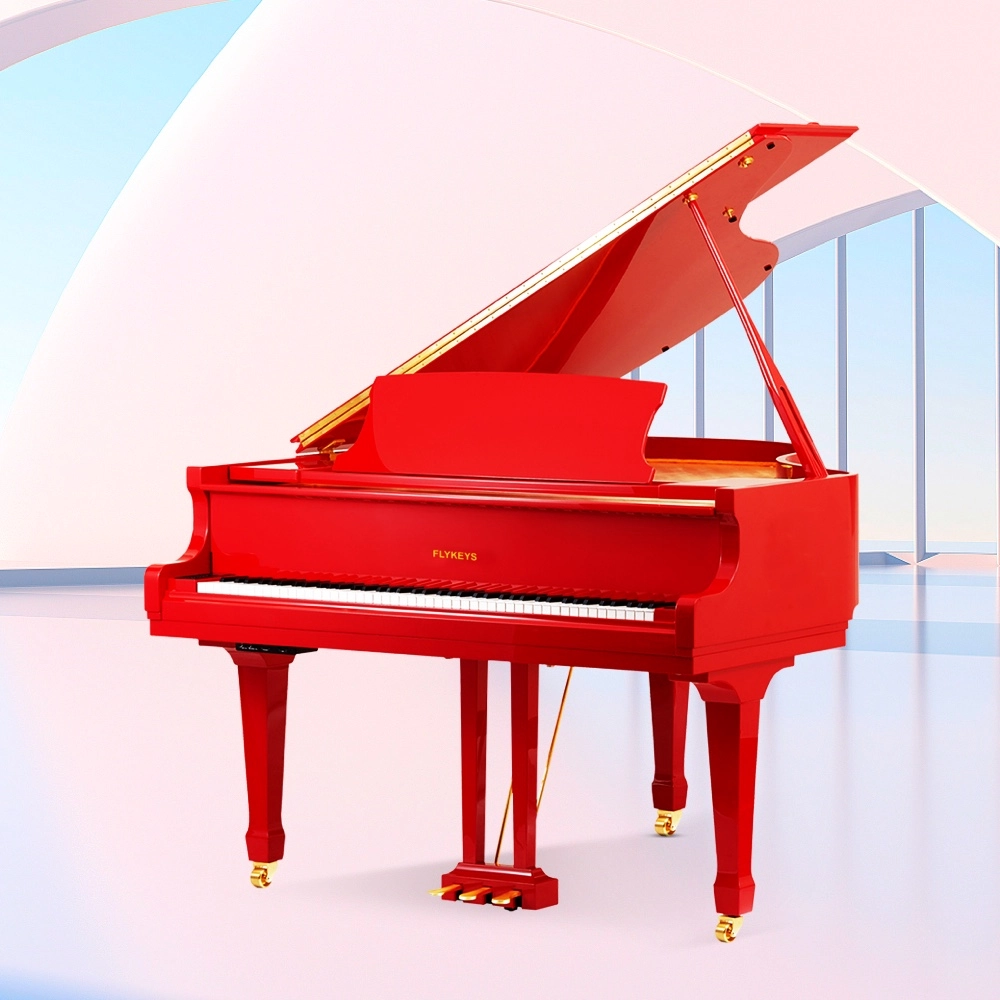
Flykeys Professional Digital Grand Piano FGP610 Digital Piano
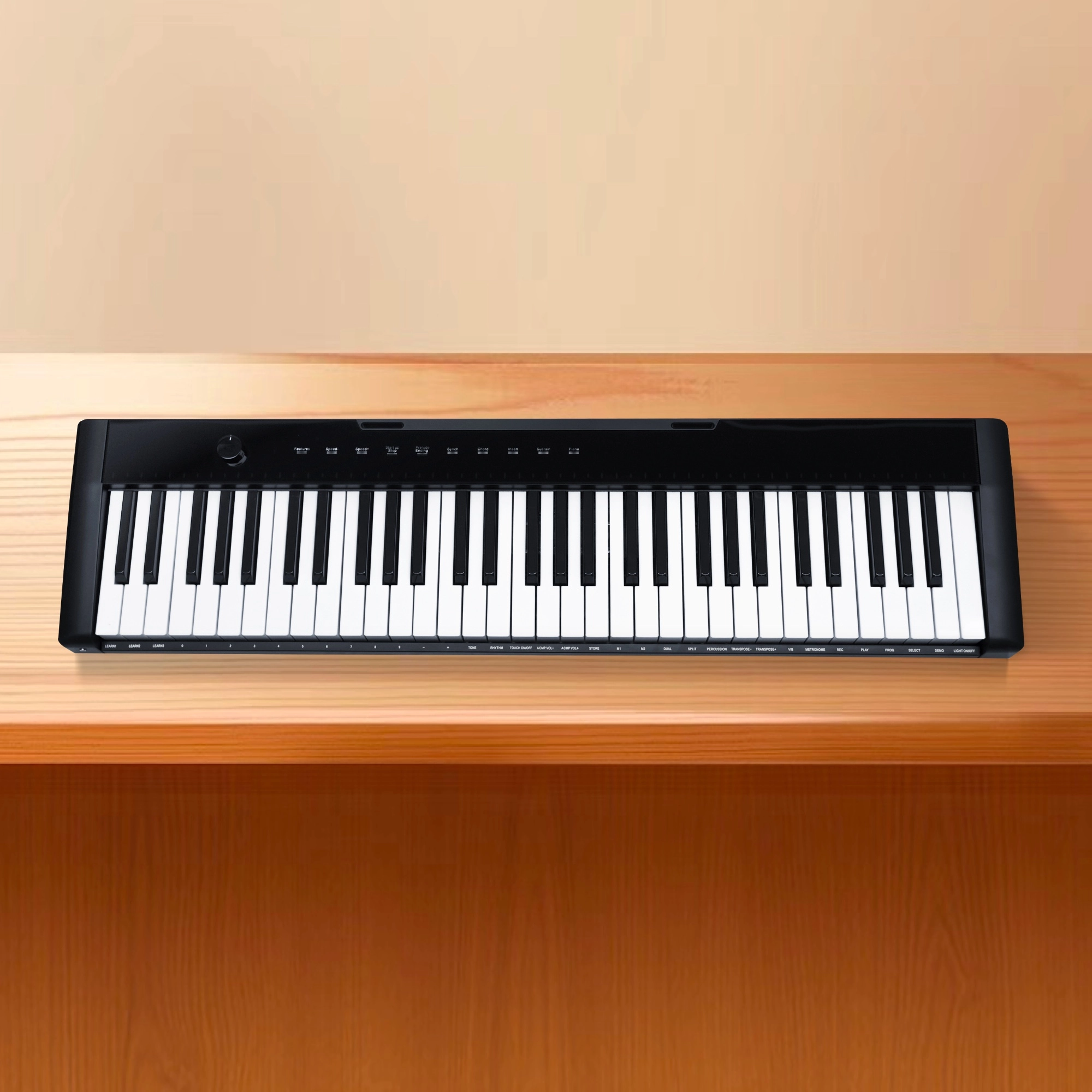
Flykeys 61 keys portable electronic keyboard piano with X stand (M2)
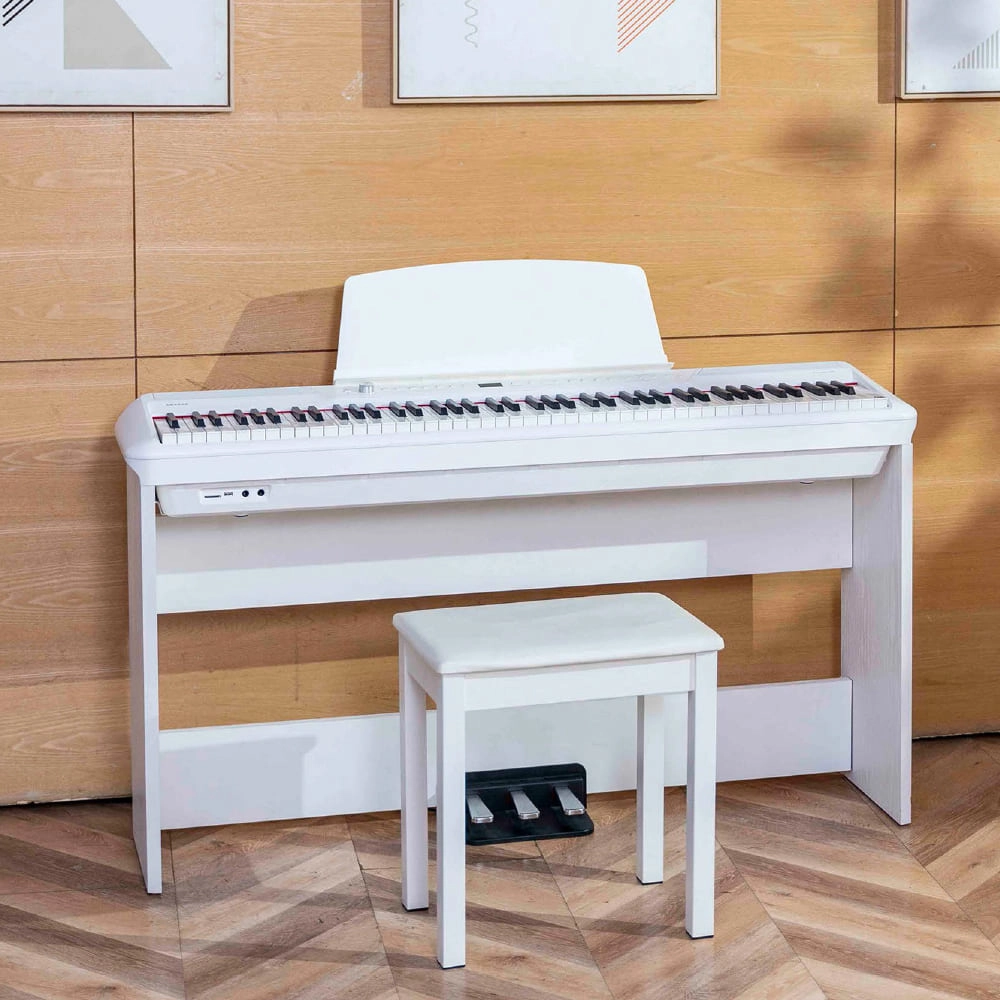
Flykeys Portable Electric Keyboard FP9 Digital Piano
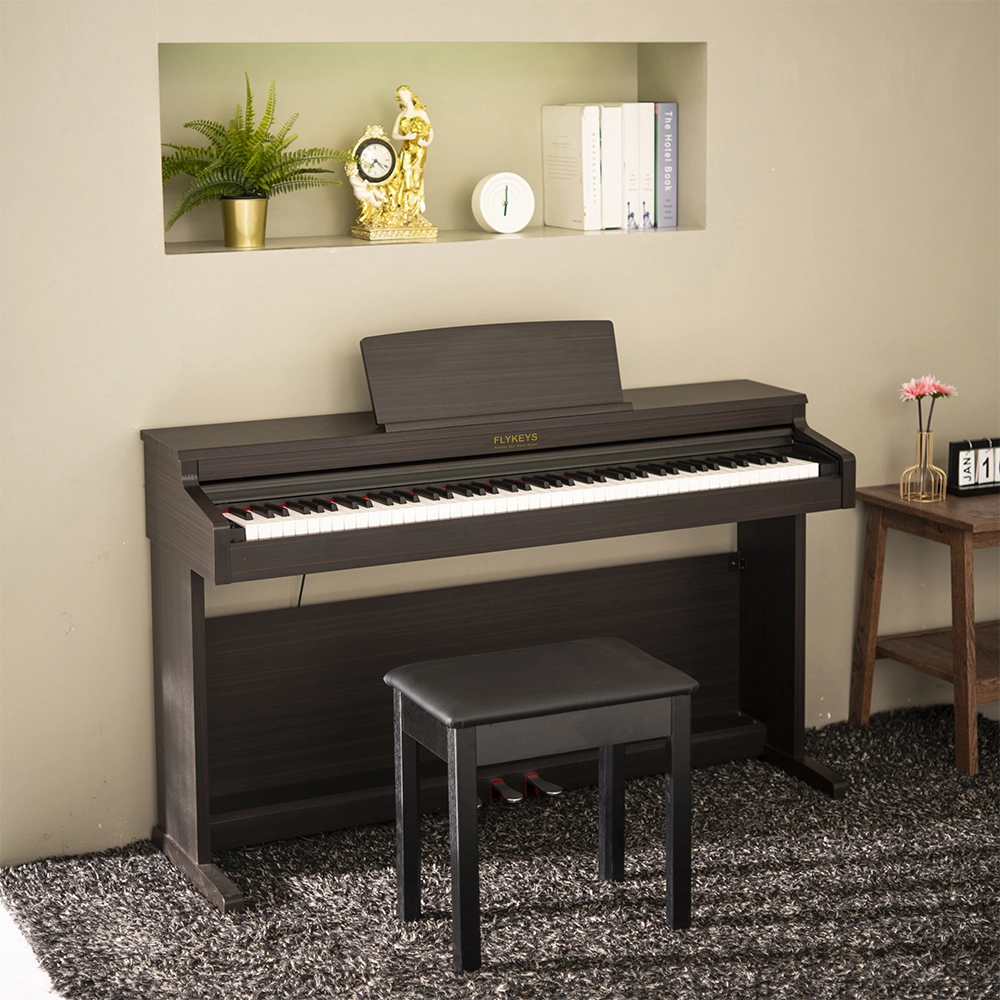
Flykeys 88 Keys Hammer Action keyboard Upright Piano LK03S Digital Piano
— Independent patented technology 88 key Grand-Response hammer action & dynamic curve keyboard;
— European top DSP chip, famous grand piano sound sample;
Address: No. 38 Xiangshan Avenue, Zengcheng Economic And Technological Development Zone, Guangzhou, China.
FOLLOW US:


© 2026 FLYKEYS All Rights Reserved. 粤 ICP备2020102774号. Designed by gooeyun. Sitemap | Privacy | Terms