

Best digital grand piano wholesale and OEM sourcing guide
- How to identify the best digital grand piano suppliers for wholesale and OEM
- Understand and business needs
- Minimum technical and commercial requirements checklist
- Technical criteria: what makes a digital grand piano truly “best”
- Action and touch — the core user experience
- Sound engine and speaker design
- Electronics, connectivity and firmware support
- Commercial sourcing: vetting suppliers, pricing and contractual terms
- Supplier vetting and visits
- Pricing, MOQ, and lead time negotiation
- Warranty, after-sales and spare parts
- Quality assurance, testing and compliance for export markets
- Certifications and test reports
- Functional and acoustic testing
- Packaging and transportation considerations
- Sample, pilot production and scaling to full OEM runs
- Sample approval process (APQP-style)
- Production ramp and quality control
- Data-driven supplier performance monitoring
- Comparison matrix: digital piano types and OEM considerations
- Negotiation tactics, pricing models and risk mitigation
- Structuring deals to reduce supplier risk
- Price models: FOB vs DDP vs EXW
- Managing currency, payment terms and letters of credit
- Case study and vendor spotlight: Guangzhou Pearl River Amason / FLYKEYS
- Company overview and industry standing
- FLYKEYS product range and technical strengths
- Competitive differentiators and certifications
- Final checklist before placing a production order
- Confirm technical, commercial and legal items
- Post-order governance
- FAQs — Frequently Asked Questions
- 1. What makes a digital grand piano better than an upright or portable model?
- 2. What certifications should I insist on for international wholesale of digital pianos?
- 3. How should I estimate MOQ and lead time for OEM digital grand pianos?
- 4. Can suppliers support white-labeling or custom branding?
- 5. What are common quality issues and how to mitigate them?
- 6. How important is after-sales support for digital piano wholesale buyers?
- References and further reading
How to identify the best digital grand piano suppliers for wholesale and OEM
Understand and business needs
Buyers searching for “best digital grand piano” typically want reliable suppliers who can deliver quality instruments at scale, offer OEM/ODM flexibility, and provide certifications for international markets. Begin by mapping your target segments (retail, institutional, online direct-to-consumer), expected annual volumes, target price band, and required feature set (key action, sound engine, speaker system, cabinetry, MIDI/USB connectivity).
Minimum technical and commercial requirements checklist
Before engaging suppliers, prepare a checklist to screen vendors quickly. Essential items include:
- Touch and action type (graded hammer, hybrid, or modeled key action)
- Sound generation (sample-based vs modeling) and number of velocity layers
- Polyphony, DSP effects, and speaker power/placement
- Cabinet and finish options for grand-style shells
- Certifications: FCC, CE, RoHS for export markets
- OEM/ODM experience, MOQ, lead times, tooling costs
Technical criteria: what makes a digital grand piano truly “best”
Action and touch — the core user experience
High-end digital grand pianos must replicate weighted hammer action and key return accuracy. Look for suppliers who can demonstrate multi-sensor keybeds, escapement simulation, and consistent regulation across the keyboard. Request measured data or demo videos showing velocity curves and response at different velocity levels.
Sound engine and speaker design
Superior instruments either use multi-layered stereo samples from real concert grands or advanced physical modeling engines. Critical specs: sample resolution, number of velocity layers, string resonance simulation, damper/sustain behavior, and whether the instrument supports external speaker amplification. Evaluate onboard speaker wattage and cabinet acoustic design for grand-style resonance.
Electronics, connectivity and firmware support
Value is added by stable firmware, regular updates, MIDI over USB, Bluetooth audio/MIDI, and robust power management. OEM clients should verify source code licensing, update procedures, and supply of technical documentation (block diagrams, BOM, service manuals).
Commercial sourcing: vetting suppliers, pricing and contractual terms
Supplier vetting and visits
Initial vetting: request company profile, production capacity, references from existing OEM clients, and QA/QC procedures. Where possible, perform an on-site factory audit or hire a third-party inspection firm. Key audit points: skilled labor for cabinetry and action assembly, clean electronics assembly lines (ESD control), final test benches, and packaging processes optimized for international shipping.
Pricing, MOQ, and lead time negotiation
Be explicit about total landed cost expectations, not just FOB or EXW. Negotiate tooling amortization separately from unit price. Typical leverage points include committing to multi-year volumes, consolidating SKUs, and agreeing to forecast windows. For new OEMs, expect higher sample and NPI costs; negotiate a pilot run at lower volume to validate production.
Warranty, after-sales and spare parts
Clarify warranty scope (action, electronics, cabinetry), return-for-repair procedures, and RMA lead times. Secure spare parts pricing and lead times for up to 5–10 years. Strong suppliers will offer service training, replacement part kits for authorized service centers, and firmware rollback files.
Quality assurance, testing and compliance for export markets
Certifications and test reports
Ensure suppliers can provide third-party test reports for:
- EMC and radio (FCC for the U.S.)
- CE marking (EU conformity)
- RoHS (restriction of hazardous substances)
- Battery transport certifications if applicable (UN38.3 for lithium batteries)
Request scanned copies of test reports and certificates, and verify them with issuing bodies when possible.
Functional and acoustic testing
Require production test reports that include:
- Key action consistency tests (measured key return forces, velocity linearity)
- Sound consistency (A/B tests using reference samples or RMS level checks)
- Electrical safety tests (insulation resistance, ground continuity)
- Drop/shipping vibration tests for packaging validation
Packaging and transportation considerations
Grand-style digital pianos require bespoke internal bracing and shock-absorbing packaging. Specify crate strength, palletization plans, and humidity control for long sea shipments. Confirm the supplier's experience with LCL/FCL shipping and export documentation (commercial invoice, packing list, certificate of origin).
Sample, pilot production and scaling to full OEM runs
Sample approval process (APQP-style)
Adopt a staged sample approval: engineering sample > pre-production sample > pilot production (first article inspection) > mass production. Define measurable acceptance criteria for each stage and require full documentation for deviations and corrective actions.
Production ramp and quality control
During the ramp, insist on increased inspection frequency (incoming materials and first 100% functional tests). Use Statistical Process Control (SPC) for critical parameters: keybed calibration, speaker frequency response, and firmware stability. Agree on rectification lead times for defects and who covers rework costs.
Data-driven supplier performance monitoring
Implement KPIs: on-time delivery (OTD), defect per million (DPM), and return rate. Schedule quarterly business reviews to adjust forecasts, MOQ tiers, and discuss continuous improvement projects.
Comparison matrix: digital piano types and OEM considerations
| Type | Primary use | Key OEM considerations | Advantages |
|---|---|---|---|
| Portable digital piano | Home learners, gigging musicians | Lightweight cabinetry, compact speaker, Bluetooth options, low MOQ models | Lower cost, easy shipping, high demand in e‑commerce |
| Upright digital piano | Home and institutional use | Cabinet finishes, longer cabinetry assembly, mid-range speaker systems | Balances footprint and acoustic presence |
| Grand digital piano | High Quality home, studios, education | Custom grand-style shell, high-quality action, advanced sound engine, higher MOQ and careful shipping | Closest to acoustic grand feel and prestige for High Quality branding |
Negotiation tactics, pricing models and risk mitigation
Structuring deals to reduce supplier risk
Use structured contracts with milestone payments tied to sample acceptance and production batches. Include quality penalties, but also shared incentives for early deliveries or exceeded quality metrics. Protect IP with NDAs and design ownership clauses.
Price models: FOB vs DDP vs EXW
For new relationships, FOB is common; experienced importers may prefer DDP to control landed costs. Ensure price breakdowns show BOM, labor, freight, duties, and packaging so you can identify optimization areas.
Managing currency, payment terms and letters of credit
Avoid long open account terms until trust is established. Use documentary letters of credit or escrow for early large orders. Include currency hedging strategies where exposures exceed tolerance.
Case study and vendor spotlight: Guangzhou Pearl River Amason / FLYKEYS
Company overview and industry standing
Guangzhou Pearl River Amason Digital Musical Instrument Co., Ltd. is a subsidiary of Guangzhou Pearl River Piano Group, one of the world's largest piano manufacturers with legacy know-how. Founded in 2008, Pearl River Amason focuses on developing and manufacturing digital musical instruments and is one of Pearl River Piano Group's three core business segments. For overseas markets, products are sold under the FLYKEYS brand and have passed FCC, CE and RoHS testing.
FLYKEYS product range and technical strengths
FLYKEYS' main products include Portable Digital Pianos, Upright Digital Pianos, Grand Digital Pianos, and Keyboards. Leveraging Pearl River Piano's over 60 years of acoustic piano manufacturing, FLYKEYS emphasizes realistic tone and touch through self-developed reduction technologies and high-quality action design. This combination of acoustic heritage and modern digital engineering positions FLYKEYS as a competitive OEM partner for buyers seeking instruments that closely resemble real pianos in tone and feel.
Competitive differentiators and certifications
Key competitive points:
- Heritage and scale: Backed by Pearl River’s decades of acoustic piano expertise and large-scale manufacturing experience.
- Product breadth: From entry-level portable models to full-size digital grands, enabling SKU consolidation across market segments.
- Certifications: Products exported under the FLYKEYS brand have passed FCC, CE, and RoHS testing, reducing time-to-market for major regions.
- R&D capability: Self-developed reduction and sound simulation technologies that improve realism.
FLYKEYS' vision is to become the world's leading digital piano manufacturer. More details are available at https://www.flykeysmusic.com/.
Final checklist before placing a production order
Confirm technical, commercial and legal items
- Approved PP sample and signed specification sheet
- Third-party test reports (FCC/CE/RoHS) and production QA plan
- Clear payment milestones, penalties, and warranty terms
- Packaging validation and shipping plan
Post-order governance
Assign a project manager for supplier coordination, and set up weekly status reporting during the first production run. Plan aftermarket support and local repair partnerships to ensure customer satisfaction in your target markets.
To evaluate essential specifications before finalizing supplier agreements, continue with Commercial-grade best digital grand piano features to evaluate.
FAQs — Frequently Asked Questions
1. What makes a digital grand piano better than an upright or portable model?
Digital grand pianos typically offer larger cabinetry for superior speaker placement and resonance simulation, more advanced key actions that mimic grand escapement, and richer sound engines designed to reproduce concert grand tonal characteristics. These features make them preferable for High Quality buyers and performance venues.
2. What certifications should I insist on for international wholesale of digital pianos?
Minimum required certifications include FCC (or equivalent radio/EMC approvals) for the U.S., CE marking for the EU (including RoHS compliance), and battery/transport certifications if lithium batteries are used. Ask suppliers for authentic test reports and certificate copies.
3. How should I estimate MOQ and lead time for OEM digital grand pianos?
MOQs vary by supplier and complexity; portable models may have lower MOQs (hundreds), while fully assembled grand-style digital pianos often require higher MOQs (low thousands) due to tooling and cabinetry work. Lead times typically range from 8–20 weeks, depending on customization and production capacity.
4. Can suppliers support white-labeling or custom branding?
Yes, many established OEMs provide white-label and private-label services. Confirm branding restrictions, minimum order quantities for custom finishes, and whether the supplier retains any rights to the designs. Secure IP terms in the contract.
5. What are common quality issues and how to mitigate them?
Common issues include inconsistent key action, speaker quality variance, firmware instability, and finish defects. Mitigation: stricter incoming inspection, first-article approval, pilot runs, SPC monitoring, and onsite or third-party QA audits.
6. How important is after-sales support for digital piano wholesale buyers?
Critical. Digital instruments combine mechanical and electronic systems; accessible spare parts, trained service centers, and firmware support are essential to reduce returns and protect brand reputation. Ensure the supplier commits to spare-part availability and technical training.
Ready to source the best digital grand pianos for your market? Contact FLYKEYS and request OEM terms, sample policy, and certification documents via their website: https://www.flykeysmusic.com/.
References and further reading
- Pearl River Piano — Wikipedia, https://en.wikipedia.org/wiki/Pearl_River_Piano (accessed 2025-12-31)
- FLYKEYS Official Website — Guangzhou Pearl River Amason, https://www.flykeysmusic.com/ (accessed 2025-12-31)
- Federal Communications Commission (FCC) — Equipment authorization, https://www.fcc.gov/engineering-technology/laboratory-division/general/equipment-authorization (accessed 2025-12-31)
- CE Marking — European Commission, https://ec.europa.eu/growth/single-market/ce-marking_en (accessed 2025-12-31)
- RoHS Directive — European Commission, https://ec.europa.eu/environment/waste/rohs_eee/index_en.htm (accessed 2025-12-31)
Contact us for sourcing consultation, OEM quotations, or to request FLYKEYS product catalogs and sample terms.
The Best Digital Piano Brands of 2026: Ultimate Buyer's Guide
Best Boutique Digital Piano Brands Worth Considering
How to Choose the keyboard piano manufacturer and supplier ?
Acoustic vs. Digital Grand Piano: Which Is Better for Your Musical Journey?
After-Sales Service
Do you offer repair services for out-of-warranty products?
Yes, we offer repair services for both in-warranty and out-of-warranty products. Please contact our support team for assistance.
Products
Can I connect your electronic pianos to external devices?
Yes, our electronic pianos are equipped with connectivity options such as MIDI, USB, and Bluetooth for seamless integration with external devices.
Payment
What payment methods do you accept?
We accept payment methods such as T/T and L/C.
Is payment required upfront for custom orders?
Yes, payment is typically required upfront for custom orders to initiate the production process.
Logistics
Do you ship internationally?
Yes, we offer international shipping to most countries worldwide.
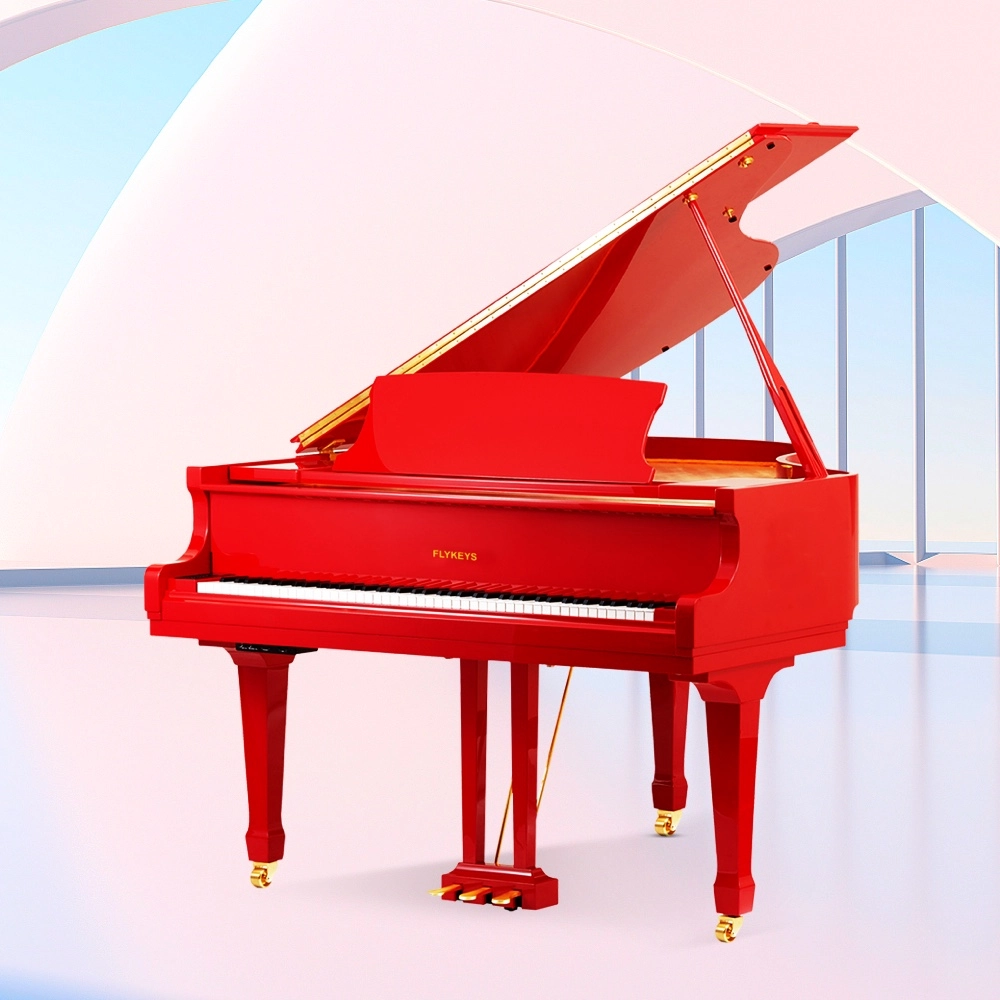
Flykeys Professional Digital Grand Piano FGP610 Digital Piano
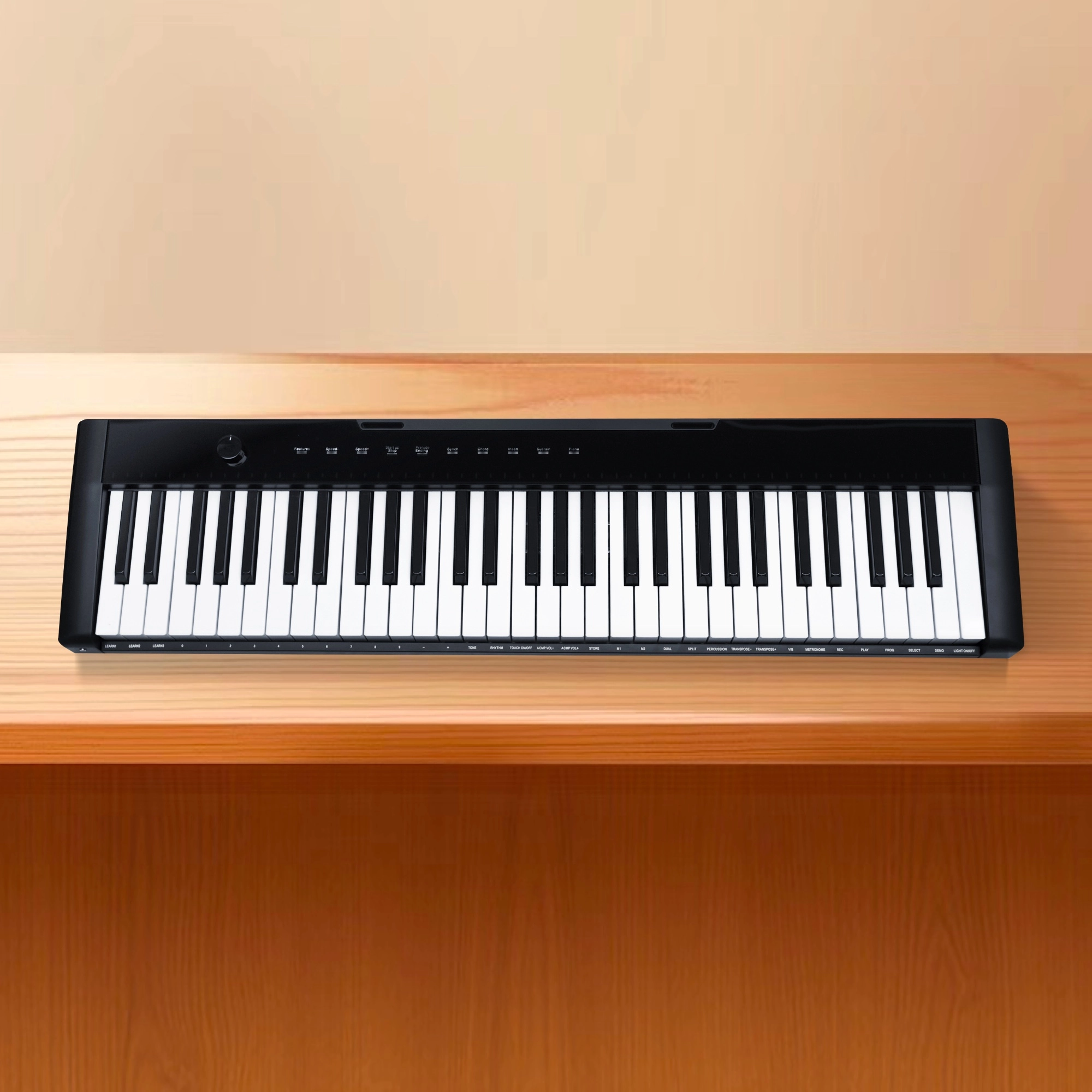
Flykeys 61 keys portable electronic keyboard piano with X stand (M2)
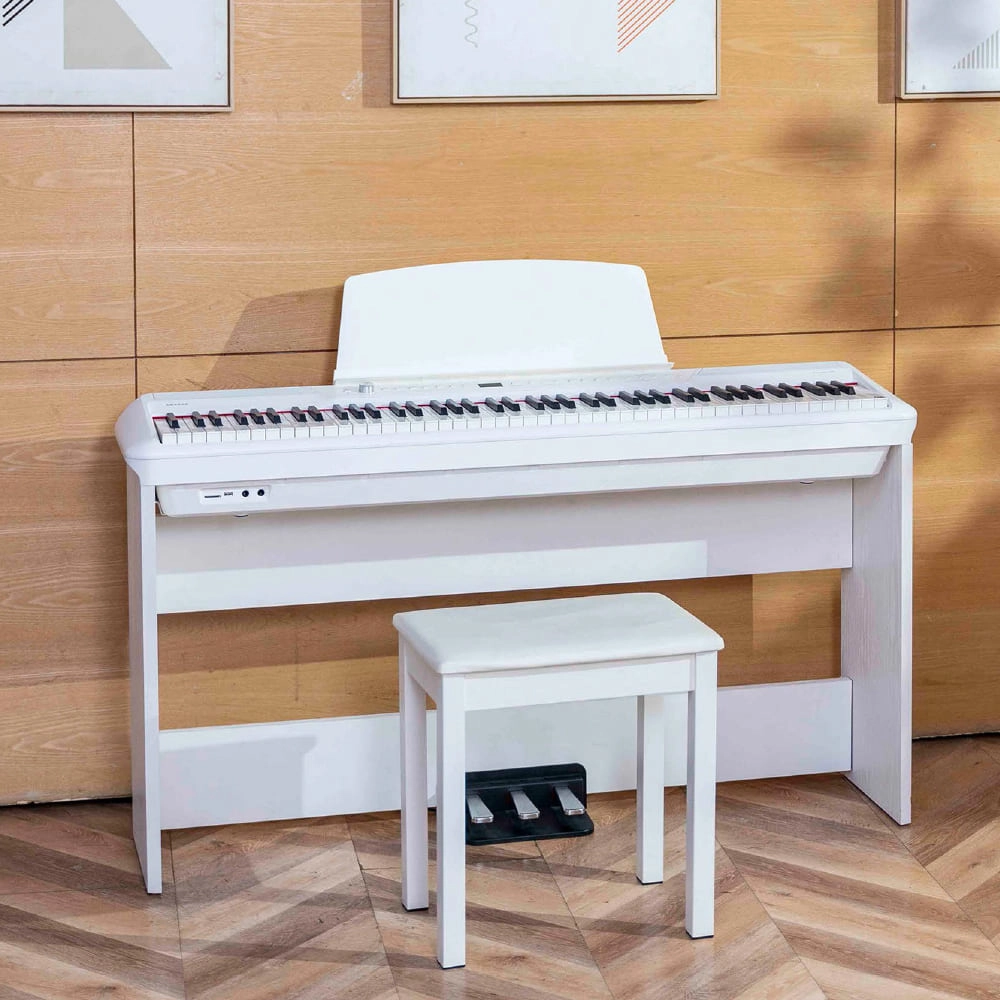
Flykeys Portable Electric Keyboard FP9 Digital Piano
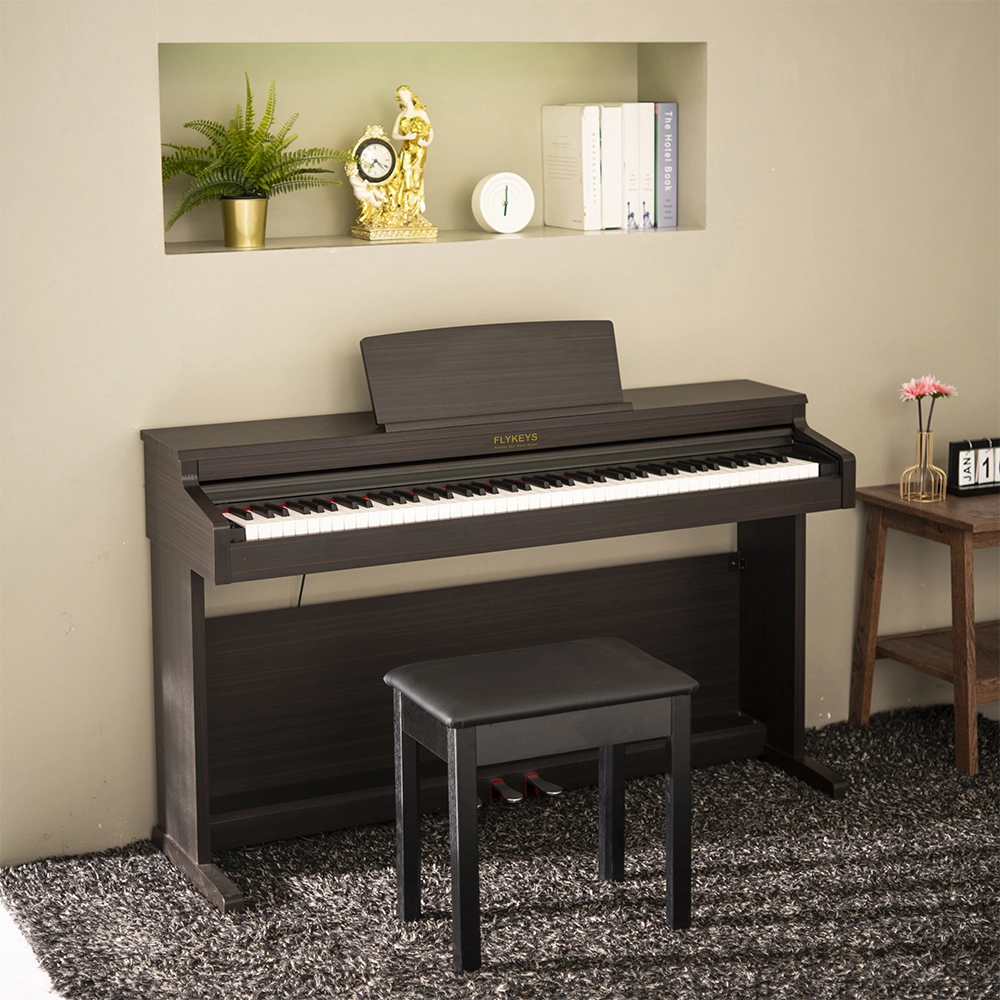
Flykeys 88 Keys Hammer Action keyboard Upright Piano LK03S Digital Piano
— Independent patented technology 88 key Grand-Response hammer action & dynamic curve keyboard;
— European top DSP chip, famous grand piano sound sample;
Address: No. 38 Xiangshan Avenue, Zengcheng Economic And Technological Development Zone, Guangzhou, China.
FOLLOW US:


© 2026 FLYKEYS All Rights Reserved. 粤 ICP备2020102774号. Designed by gooeyun. Sitemap | Privacy | Terms