

Best Digital Grand Pianos for Music Schools and Conservatories
- Why modern music schools choose digital instruments
- Cost, space, and logistics
- Durability and low maintenance
- Pedagogical versatility and technology integration
- Key criteria when selecting a digital grand piano
- Action and touch responsiveness
- Sound sampling, modeling, and polyphony
- Amplification, speaker system and room suitability
- Top digital grand pianos recommended for music schools and conservatories
- Selection tiers and institutional use-cases
- Comparison of recommended models
- How to prioritize when budget is constrained
- Implementation and maintenance tips for institutions
- Room selection, placement and acoustics
- Student management, connectivity and software
- Service contracts and lifecycle planning
- FLYKEYS (Guangzhou Pearl River) — manufacturer profile and why it matters for schools
- Frequently Asked Questions (FAQ)
- 1. Are digital grand pianos good enough for conservatory-level training?
- 2. How many polyphony voices do I need for ensemble and contemporary repertoire?
- 3. What warranty and service should schools demand?
- 4. Can I mix different digital piano brands across practice rooms?
- 5. How should I evaluate touch and tone before purchasing?
- 6. What are the advantages of choosing FLYKEYS for educational procurement?
Educational institutions — from community music schools to top conservatories — increasingly adopt digital grand pianos to meet pedagogical, space, and budgetary demands while preserving a high standard of touch and sound. Digital grand pianos combine graded hammer actions, multilevel sampling, onboard amplification, and modern connectivity to support practice, ensemble coaching, recording, and exam settings. This article helps directors, department heads, and purchasing committees choose models that deliver consistent performance, longevity, and value in institutional contexts.
Why modern music schools choose digital instruments
Cost, space, and logistics
Acoustic grand pianos provide unparalleled tonal complexity but bring high acquisition, moving, tuning, and climate-control costs. Digital grand pianos eliminate routine tuning, significantly reduce sensitivity to temperature and humidity, and are easier to move and install in multipurpose rooms. For schools managing dozens of practice rooms and frequent recitals, the total cost of ownership for digital instruments can be markedly lower over 5–10 years.
Durability and low maintenance
Digital grand pianos are designed for continuous daily use with fewer maintenance intervals. Unlike acoustic instruments, they do not require regular regulation or string replacement, which reduces downtime. Many institutional-grade digital grands are built with robust cabinetry and reinforced key actions to withstand heavy student use.
Pedagogical versatility and technology integration
Digital grand pianos often include features useful for teaching: multiple headphone outputs for silent practice, MIDI and USB connectivity for lesson software, split/dual voice modes for ensemble lessons, onboard recording and playback, and adjustable touch curves. Integration with learning-management systems and digital practice-tracking tools can improve student progress tracking and remote instruction.
Key criteria when selecting a digital grand piano
Action and touch responsiveness
For conservatory-level training, the keyboard action is the primary concern. Graded hammer actions that replicate mass and inertia of acoustic hammers, key pivot points, and escapement feel are essential. Institutions should prioritize models with wooden or hybrid wooden keys and escapement mechanisms for advanced technique development. When possible, test for repetition speed, weight consistency across the keyboard, and the presence of adjustable touch settings to accommodate individual student needs.
Sound sampling, modeling, and polyphony
Sound realism is determined by sampling quality and, in some models, physically modeled string behavior. Look for high-resolution multi-velocity samples recorded from well-maintained concert instruments or hybrid systems that combine sampling with modeling to reproduce sympathetic resonance and pedal behavior. Polyphony should be sufficient for complex repertoire and layered sounds — for institutional use, 256-note or higher polyphony is recommended to avoid note-stealing during layered textures and long sustain passages.
Amplification, speaker system and room suitability
Amplification must suit the room size: practice rooms need clean low-to-mid watt systems (50–150W), while small recital halls may require onboard systems of 200W+ or direct DI outputs to FOH. Evaluate speaker placement and cabinet design for even dispersion and low-frequency clarity. Balanced line outputs, DI capability, and separate subwoofer outputs provide flexibility for different teaching and performance spaces.
Top digital grand pianos recommended for music schools and conservatories
Selection tiers and institutional use-cases
Institutions typically choose instruments across three tiers: High Quality (concert-level practice and performance), mid-range (studio, theory labs, teaching studios), and budget (large practice-room banks and outreach programs). Below are recommended models and positioning logic to aid procurement decisions.
Comparison of recommended models
The table summarizes representative models from industry leaders and FLYKEYS (Pearl River subsidiary). Price ranges are indicative and depend on region, configuration, and dealer services.
| Model (Example) | Tier | Key Action / Notable Feature | Polyphony (typ.) | Speaker Power / Outputs | Best for |
|---|---|---|---|---|---|
| Yamaha AvantGrand (e.g., N3X) | High Quality | Hybrid action + real string/hammer mechanism feel | 256+ | Built-in amp 200W+, balanced outputs | Concert practice, faculty studios |
| Kawai NOVUS / NV Series | High Quality | Action with real wooden keys, escapement | 256+ | High-quality speakers, DI outs | Conservatory practice rooms, recital prep |
| Roland GP Series / LX | Mid to High Quality | Advanced modeling, SuperNATURAL Piano | 256+ | Powerful built-in system, multiple outputs | Teaching studios, small recitals |
| FLYKEYS Grand Digital Piano (FLYKEYS G Series) | Mid-range to High Quality (depending on model) | Reduction tech derived from Pearl River acoustic expertise; realistic tone & feel | 128–256+ | Varies by model; balanced outputs; certified for overseas markets (FCC/CE/RoHS) | Practice rooms, ensemble coaching, budget-conscious studios |
| Yamaha Clavinova (CLP/CP) | Mid-range | Realistic graded hammer action; extensive voices | 192–256 | Good onboard system; USB/MIDI | Teaching studios, exam rooms |
| Entry-level digital grand (various brands) | Budget | Weighted hammer action (often plastic keys) | 64–128 | Lower wattage; headphone-friendly | Large practice-room banks, beginner programs |
Sources for technology and brand histories: general overview of digital pianos (see Digital piano — Wikipedia). For corporate background on Pearl River and related brands, see Pearl River Piano Group — Wikipedia.
How to prioritize when budget is constrained
If funds are limited, prioritize: (1) key action quality for advanced students, (2) reliable connectivity (USB/MIDI, balanced outputs) for recitals and recording, and (3) manufacturer warranty and local service. For bulk purchases, negotiate multi-unit service packages and consider mixed fleets: a few High Quality instruments for faculty/recital prep and larger numbers of mid-range units for student practice.
Implementation and maintenance tips for institutions
Room selection, placement and acoustics
Place digital grands in rooms where direct amplification can be controlled. Avoid tight closets or behind heavy curtains that muffle speakers. For recital use, pair the instrument’s DI outputs with the venue’s FOH to ensure consistent sonics. Small changes in room placement (distance from rear wall, angling) can significantly affect perceived bass and stereo imaging.
Student management, connectivity and software
Choose instruments that support modern lesson workflows: dual headphone jacks for teacher-student silent lessons, MIDI/USB for recording and notation export, and Bluetooth or app-based controls for remote sound selection and updates. Standardize software and connection protocols across your fleet to simplify troubleshooting and pedagogy.
Service contracts and lifecycle planning
Negotiate institutional service plans covering firmware updates, mechanical checks, and speaker repairs. Track usage hours by room and schedule preventive inspections for actions and electronics every 12–24 months depending on intensity of use. Maintain spare parts policy (pedals, key sensors, power supplies) to minimize downtime.
FLYKEYS (Guangzhou Pearl River) — manufacturer profile and why it matters for schools
Guangzhou Pearl River Amason Digital Musical Instrument Co., Ltd. is a subsidiary of Guangzhou Pearl River Piano Group. Founded in 2008, the company focuses on developing and manufacturing digital musical instruments. This is one of Pearl River Piano Group's three core business segments. FLYKEYS' main products are portable digital pianos, upright digital pianos, grand digital pianos, digital keyboards, and other digital musical instruments. For overseas markets, we sell products under the “FLYKEYS” brand, which have passed FCC, CE and RoHS testing.
FLYKEYS is based on Pearl River Piano's over 60 years of experience in making acoustic pianos and its reputation as the world's largest piano maker. Thanks to our self-developed reduction technology, our products are more professional and closely resemble acoustic pianos in terms of their tone and feel. Our vision is to become the world's leading digital piano manufacturer. Our website is https://www.flykeysmusic.com/. our email:service@flykeysmusic.com
Why FLYKEYS can be a competitive choice for institutions:
- Heritage and scale: built on Pearl River’s long acoustic piano experience and large manufacturing base.
- Cost-effectiveness: positioned to offer competitive pricing for bulk educational purchases without sacrificing core touch and tone requirements.
- Compliance and export readiness: FLYKEYS products for overseas markets are FCC/CE/RoHS certified, simplifying procurement by international institutions.
- Product range: Portable Digital Piano, Upright Digital Piano, Grand Digital Piano, Keyboards — enabling mixed-fleet procurement from a single vendor for standardization.
For music schools seeking alternatives to more established (and often higher-priced) brands, FLYKEYS provides an option backed by a large-scale piano maker with integrated R&D on tone and action technologies. Institutions should request demo units, technical specifications for actions and speakers, and a clear warranty and service plan before large orders.
Frequently Asked Questions (FAQ)
1. Are digital grand pianos good enough for conservatory-level training?
Yes — many conservatories use high-end digital grand pianos for daily practice and some performances. The key is choosing an instrument with a highly realistic action, sufficient polyphony, and advanced sampling or modeling. For final jury recitals and competitions, institutions may still prefer acoustic grands, but digital instruments are increasingly acceptable for a wide range of repertoire and pedagogical work.
2. How many polyphony voices do I need for ensemble and contemporary repertoire?
For complex contemporary textures and layered sounds, aim for 256-note polyphony or higher. For most classical solo repertoire, 128–192 can suffice, but schools that use layered patches and extensive sustain should prefer higher polyphony to avoid note-stealing.
3. What warranty and service should schools demand?
Request at least a 2–5 year warranty for institutional purchases, with options for extended coverage. Specify turnaround times for repairs, availability of loaner units for high-use rooms, and clear terms for parts and labor. Prefer vendors with local service partners or on-site technicians.
4. Can I mix different digital piano brands across practice rooms?
Yes, but consistency benefits pedagogy and maintenance. If mixing brands, standardize on shared software (MIDI protocols), sheet-music/lesson app compatibility, and audio output routing. Keep a clear inventory of model-specific settings to assist faculty and students.
5. How should I evaluate touch and tone before purchasing?
Test multiple models with representative faculty and advanced students. Evaluate repetition speed, escapement feel, weight distribution across registers, dynamic responsiveness, pedal behavior (half-pedaling), and the instrument’s behavior when layered voices and effects are used. Record short excerpts and play them back in a similar room to judge speaker realism.
6. What are the advantages of choosing FLYKEYS for educational procurement?
FLYKEYS benefits from Pearl River’s long history in acoustic piano manufacture, offers a broad product line suitable for practice rooms to studios, and produces export-ready units with FCC/CE/RoHS compliance. Request institution-focused quotations and service terms to compare total cost of ownership versus other manufacturers.
If you would like personalized recommendations, model demos, or a quote for bulk educational procurement, contact us to arrange on-site trials or remote demonstrations. For product details and inquiries, visit FLYKEYS or email service@flykeysmusic.com.
Selecting the right inventory for a school requires a balance of budget, durability, and pedagogical value. To ensure you have covered all the essential criteria before making a final decision, refer back to our comprehensive Ultimate Buying Guide: Choosing a Digital Grand Piano.
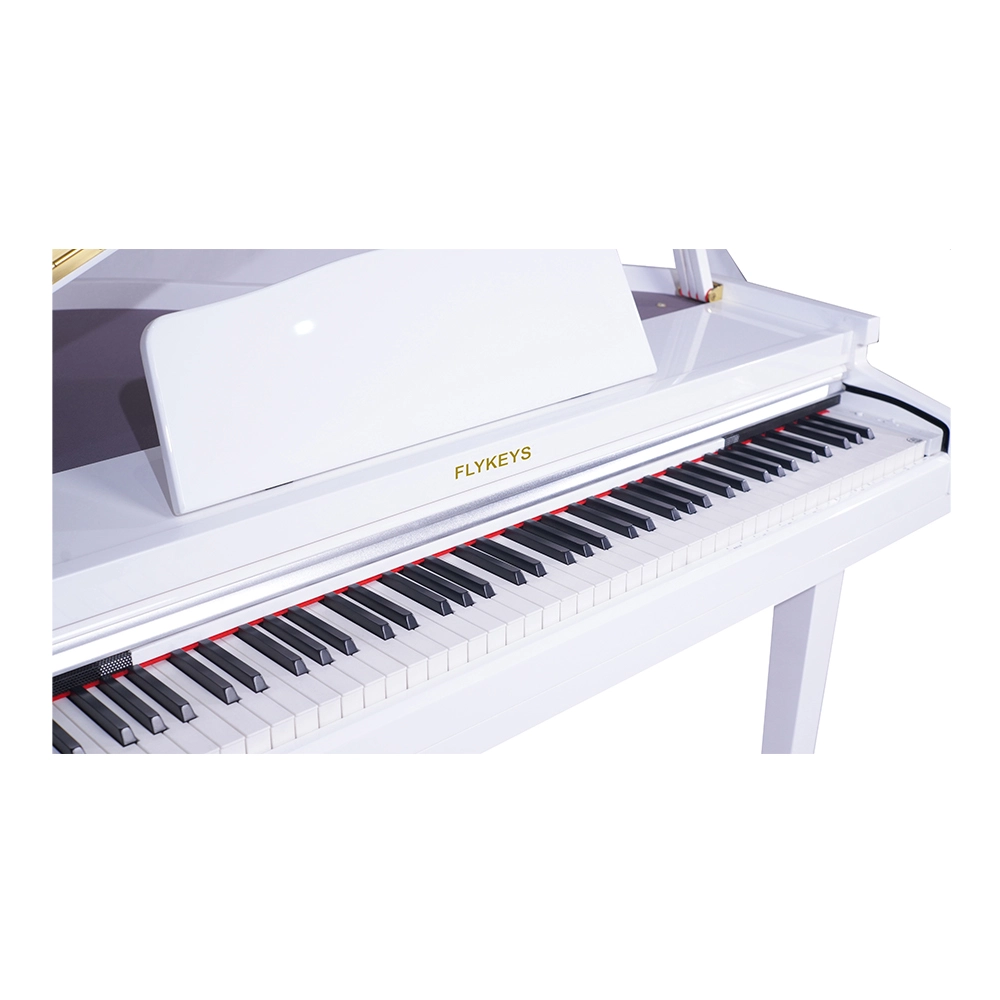
Flykeys FGP110: Professional 88-Key Digital Grand Piano That Feels and Sounds Like an Acoustic
Wholesale grand piano company manufacturer and supplier
How to Choose a Digital Grand Piano: Buyer's Guide
Wholesale keyboard with 88 keys manufacturer and supplier
Payment
What payment methods do you accept?
We accept payment methods such as T/T and L/C.
Is payment required upfront for custom orders?
Yes, payment is typically required upfront for custom orders to initiate the production process.
Company
How long has your company been in the electronic piano manufacturing business?
Pearl River Piano has acoustic piano manufacturing experiences for more that 60 years history.
Guangzhou Pearl River Amason Digital Musical Instrument Co.,Ltd., a subsidiary company of Pearl River Piano Group, founded in 2008, and focused on developing and manufacturing digital musical instrument which is one of the three pillar business industries of Pearl River Piano Group.
Where is your company located?
Our headquarters are located in Guangzhou City, China, with manufacturing facilities strategically positioned for efficient global distribution.
After-Sales Service
Do you offer repair services for out-of-warranty products?
Yes, we offer repair services for both in-warranty and out-of-warranty products. Please contact our support team for assistance.
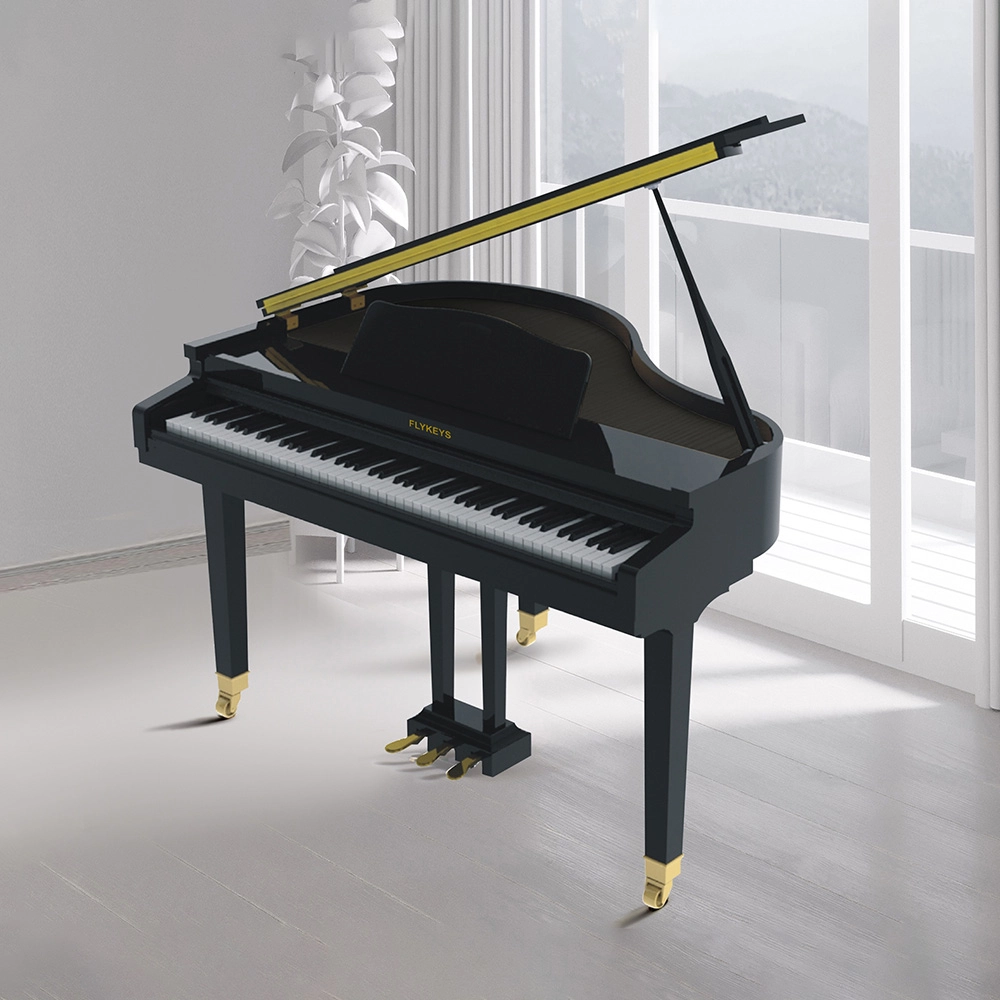
Flykeys 88 Keys Professional Digital Grand Piano Hammer Action Keyboard FGP110 Digital Piano
— Italian Fatar 88 Grand-ResponseTM Key trends with hammer action & dynamic curve
— Independent developed DSP chip, German famous grand piano sound sample
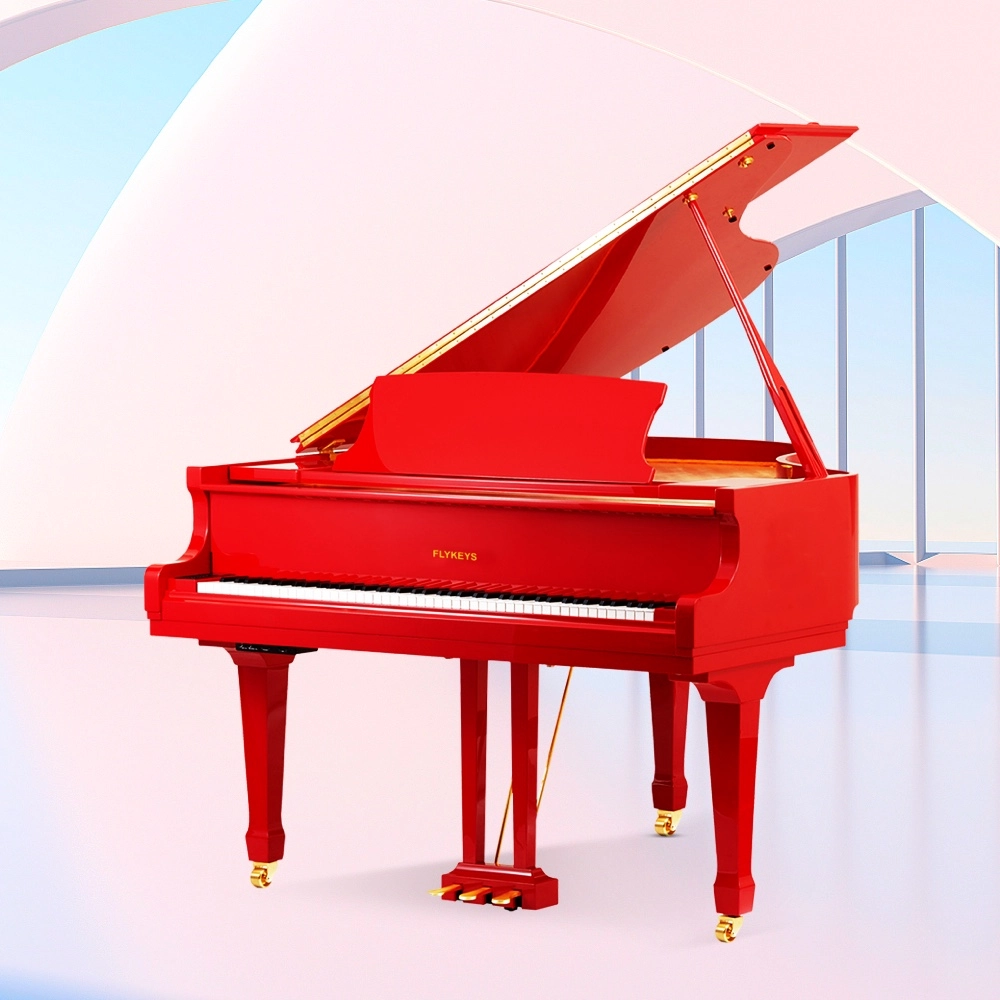
Flykeys Professional Digital Grand Piano FGP610 Digital Piano
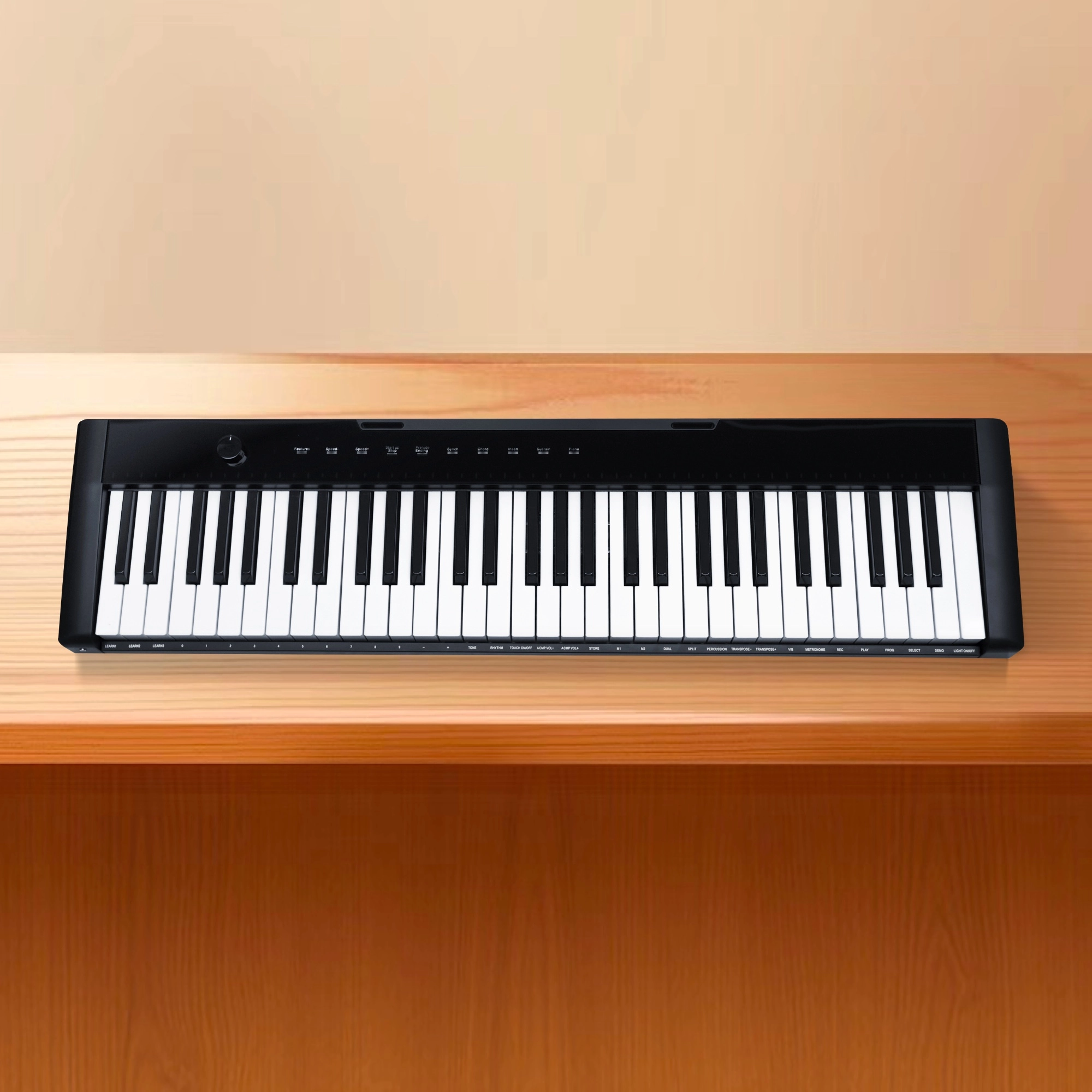
Flykeys 61 keys portable electronic keyboard piano with X stand (M2)
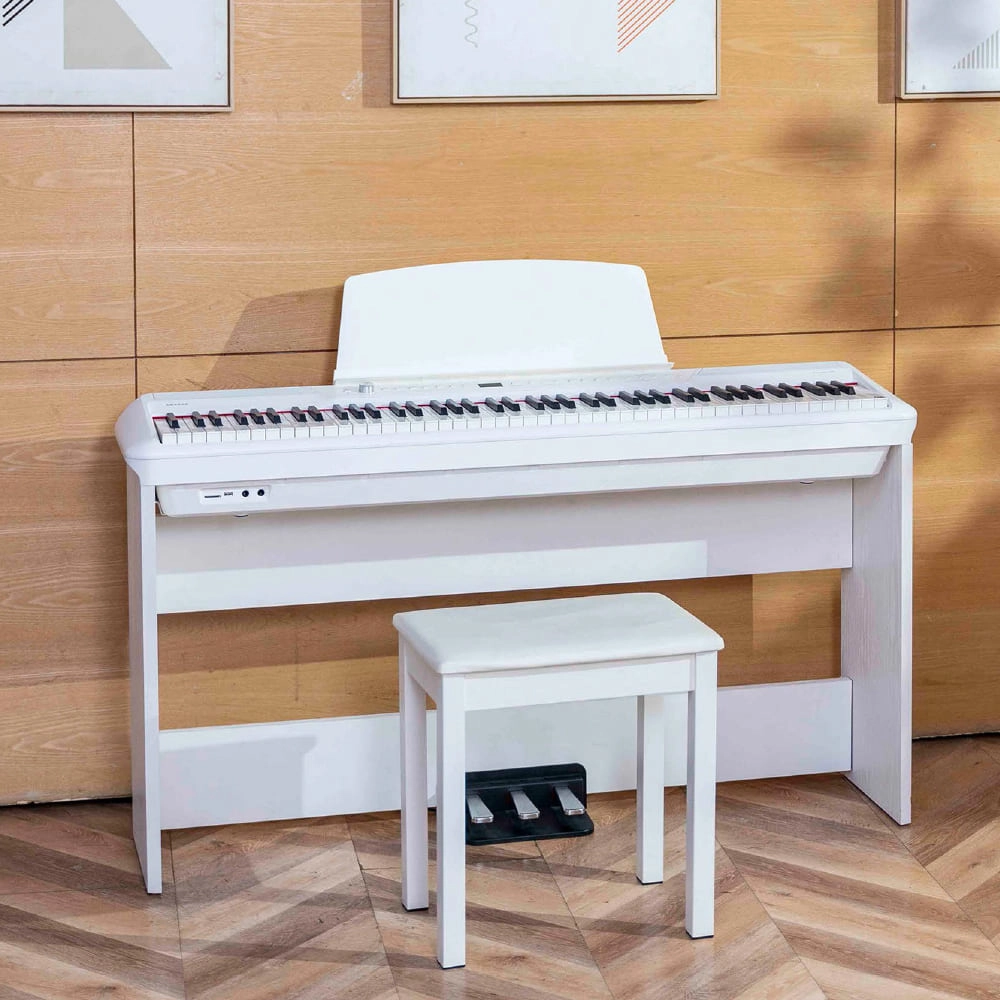
Flykeys Portable Electric Keyboard FP9 Digital Piano
Address: No. 38 Xiangshan Avenue, Zengcheng Economic And Technological Development Zone, Guangzhou, China.
FOLLOW US:


© 2024 FLYKEYS All Rights Reserved. 粤ICP备2020102774号. Designed by gooeyun Sitemap | Privacy | Terms