

Ultimate Buying Guide: Choosing a Digital Grand Piano
- Why choose a modern digital piano?
- Practical advantages over acoustic pianos
- When a digital grand piano is the best option
- Use cases: home, studio, education and stage
- Key features to evaluate in a digital grand piano
- Action and touch: weighted keys, hammer simulation and escapement
- Sound engine: sampling, velocity layers and resonance modeling
- Polyphony, speakers and cabinet acoustics
- How to compare models and what to test in store
- Listening and touch tests: a practical checklist
- Technical specs to verify before buying
- Budgeting and total cost of ownership
- Comparison: digital grand piano vs acoustic grand and upright digital
- FLYKEYS and Pearl River: Why consider this manufacturer
- Company credentials and manufacturing advantage
- FLYKEYS product range, certifications and technology strengths
- Where to buy, warranty and contact details (CTA)
- Practical purchase checklist and final recommendations
- Pre-purchase checklist
- Recommendations by user type
- Why documentation and support matter
- Frequently Asked Questions (FAQ)
- 1. What makes a digital grand piano different from other digital pianos?
- 2. How much polyphony do I really need?
- 3. Can a digital grand piano truly replace an acoustic grand?
- 4. What should I test when trying a digital grand piano in a store?
- 5. Are certifications like FCC, CE and RoHS important?
- 6. How do I maintain a digital grand piano?
- 7. Where can I get warranty and support for FLYKEYS instruments?
Choosing the right digital grand piano requires balancing touch, tone, technology and budget. This guide breaks down what matters most—weighted key action, hammer simulation, sampling and resonance, polyphony, speaker systems, pedals, and connectivity—so you can evaluate models objectively and make a confident purchase. Practical test-checklists, a comparison table, data-backed recommendations and manufacturer information (including FLYKEYS / Pearl River credentials) are included to cover home, studio and stage use.
Why choose a modern digital piano?
Practical advantages over acoustic pianos
Digital pianos offer portability, volume control (headphones), consistent tuning, and a wide palette of sounds and digital features. For many players, this makes them ideal for small apartments, hybrid teaching, and studios. These benefits are well documented in summaries of the instrument family (see Digital piano — Wikipedia).
When a digital grand piano is the best option
A digital grand piano (sometimes called a grand-style digital piano) aims to replicate the action and presence of a grand acoustic while retaining digital advantages. Choose one when you need grand-like touch and voice in a compact footprint, when you require silent practice, or when recording and on-stage connectivity are priorities.
Use cases: home, studio, education and stage
Home: prioritize furniture fit, headphone quality, and a natural hammer action. Studio: look for high polyphony, multiple outputs, and stereo/line-level recording capability. Education: consider durability, teacher/student split features and wireless connectivity. Stage: ruggedness, MIDI/USB/Bluetooth and reliable sound engines matter most.
Key features to evaluate in a digital grand piano
Action and touch: weighted keys, hammer simulation and escapement
The single most important factor is the action. Look for graded hammer action (heavier in the low end, lighter in the high end), realistic key weighting, and an escapement or simulated escapement for light play. Manufacturers simulate hammer mass and inertia with weighted keybeds and mechanical designs; the closer this is to an acoustic grand, the better the transfer of technique. Independent reviews and manufacturer technical notes on action design are useful; reference overviews of piano action mechanics can be found at the Piano — Wikipedia entry for background.
Sound engine: sampling, velocity layers and resonance modeling
High-end digital grand pianos use multi-layer stereo or multi-sampled recordings of acoustic grands plus string and pedal resonance modeling. Pay attention to the number of velocity layers (more layers = smoother dynamic transitions) and whether the instrument models sympathetic resonance and damper behavior. Sound-engine whitepapers and manufacturer tech notes explain sampling depth and modeling; compare these when evaluating tonal realism.
Polyphony, speakers and cabinet acoustics
Polyphony determines how many notes (and overlapping samples) can play simultaneously. For complex piano passages or layered sounds, aim for at least 128-note polyphony; 256 is recommended for advanced studio or ensemble use. Speaker design and cabinet resonance are crucial for perceived realism—large, well-tuned speaker enclosures with separate woofers and tweeters usually offer a fuller grand-like sound.
How to compare models and what to test in store
Listening and touch tests: a practical checklist
Bring or request a short checklist when trying instruments in person: play scales and arpeggios across registers, test repeated notes and fast trills, try soft-to-loud dynamic ranges, and play with pedal transitions. Also bring headphones to judge the headphone output quality. Record short samples if allowed to compare back at home.
Technical specs to verify before buying
Confirm:
- Key type (88-key, fully weighted, graded hammer)
- Polyphony (128, 192, 256 or higher)
- Sampling source (which acoustic grand used as the sample source; manufacturers typically state this in product pages)
- Number of velocity layers and presence of resonance modeling
- Speaker wattage and configuration; outputs (line outs, headphone, USB-A/B, MIDI)
- Included pedals and functionality (half-pedaling/harmonic damper support)
- Certifications for export markets (FCC, CE, RoHS for electronics)
Always cross-check product pages and manuals. Manufacturer sites and product datasheets are authoritative sources for these specifications.
Budgeting and total cost of ownership
Factor in stand/cabinet costs, bench, delivery/assembly, warranty and potential future service. Digital pianos generally require less maintenance than acoustic grands (no tuning frequency cost), but speaker and electronics service availability and warranty terms matter.
Comparison: digital grand piano vs acoustic grand and upright digital
| Feature | Digital Grand Piano | Acoustic Grand Piano | Upright Digital Piano |
|---|---|---|---|
| Touch realism | High (graded hammer, escapement simulations) | Highest (actual mechanical action) | Moderate to high (shorter key dip) |
| Tonal authenticity | High (multi-sampling & modeling) | Natural acoustic resonance | Good; less spatial spread |
| Volume control & headphones | Yes (silent practice) | No | Yes |
| Maintenance | Low (software updates) | High (regular tuning & voicing) | Low |
| Portability | Moderate (heavy but movable) | Poor (very heavy) | Good (compact) |
Sources: general instrument comparisons and product specification norms (see Digital piano — Wikipedia and manufacturer pages for model details).
FLYKEYS and Pearl River: Why consider this manufacturer
Company credentials and manufacturing advantage
Guangzhou Pearl River Amason Digital Musical Instrument Co., Ltd. is a subsidiary of Guangzhou Pearl River Piano Group, one of the world’s largest and most established piano manufacturers with a history exceeding 60 years. Pearl River’s acoustic piano expertise informs digital product development, delivering tonal and action realism backed by long-standing manufacturing knowledge. For more on the group, see the Pearl River Piano Group entry: Pearl River Piano — Wikipedia.
FLYKEYS product range, certifications and technology strengths
FLYKEYS—under Guangzhou Pearl River Amason—focuses on portable digital pianos, upright digital pianos, grand digital pianos, and keyboards. The brand emphasizes self-developed reduction and hammer-simulation technologies to closely match acoustic tone and key feel. For overseas markets, FLYKEYS products have passed FCC, CE and RoHS testing, which supports international compliance and safety; see FCC and CE marking resources for context.
Where to buy, warranty and contact details (CTA)
FLYKEYS aims to be a leading global digital piano manufacturer. Their overseas brand site is https://www.flykeysmusic.com/. For inquiries, product catalogs, OEM/ODM questions or after-sales service, contact: service@flykeysmusic.com. FLYKEYS main product categories: Portable Digital Piano, Upright Digital Piano, Grand Digital Piano, Keyboards. Their combination of Pearl River acoustic heritage, in-house action technology, and international certifications differentiates them in price-to-performance and manufacturing reliability.
Practical purchase checklist and final recommendations
Pre-purchase checklist
- Identify primary use: practice, teaching, recording, stage.
- Set a realistic budget that includes accessories, delivery and warranty.
- Test touch and tone in person or compare high-quality demo recordings.
- Verify polyphony, sampling source, velocity layers and pedal behavior in specs.
- Check certifications (FCC/CE/RoHS) and warranty/service network.
Recommendations by user type
- Beginner/Home student: a compact digital grand with reliable graded hammer action, headphone support and built-in lessons.
- Conservatory/intermediate: 88 fully weighted keys with escapement simulation, ≥128 polyphony, and expressive pedal support.
- Professional/studio: High Quality sound engine, ≥256 polyphony, multiple outputs, and strong speaker system or balanced line outputs for monitors.
Why documentation and support matter
Good documentation (manuals, spec sheets) and responsive support reduce long-term risk. Brands with clear warranty policies and international compliance (FCC/CE/RoHS) are preferable for overseas buyers; verify product pages and ask for a formal datasheet before purchase.
Frequently Asked Questions (FAQ)
1. What makes a digital grand piano different from other digital pianos?
A digital grand piano typically emphasizes a grand-style cabinet or keybed geometry, higher-end hammer-action mechanisms, superior speaker systems and more advanced sound engines designed to emulate the spatial characteristics and touch of an acoustic grand. These instruments bridge the gap between upright digital pianos and acoustic grands.
2. How much polyphony do I really need?
For most users, 128-note polyphony is sufficient. If you use layered sounds, heavy sustain pedal, or multi-timbral sequencing in recordings, consider 192–256 or more to avoid note-stealing artifacts.
3. Can a digital grand piano truly replace an acoustic grand?
For many players, a high-end digital grand can provide comparable touch and tone in controlled environments (home/studio), plus advantages like silent practice and digital connectivity. However, acoustic grands retain unmatched organic resonance and mechanical response. Choice depends on priorities: maintenance-free convenience vs. purely acoustic experience.
4. What should I test when trying a digital grand piano in a store?
Play scales, dynamic ranges, repeated-note passages, and pedaling transitions. Test different timbres, use headphones, and if possible, record a short clip to compare later. Verify specs like polyphony, sample source, and whether half-pedaling is supported.
5. Are certifications like FCC, CE and RoHS important?
Yes. FCC (for the U.S.), CE (for the EU), and RoHS (hazardous substances restrictions) indicate compliance with regional safety and environmental standards, which helps ensure reliability and smoother import/export processes. FLYKEYS products have passed these tests for overseas markets.
6. How do I maintain a digital grand piano?
Maintenance is minimal compared to acoustic instruments. Keep the instrument dust-free, update firmware when available, avoid extreme humidity and temperature swings, and service electronics or speakers through authorized centers if problems arise.
7. Where can I get warranty and support for FLYKEYS instruments?
Contact FLYKEYS via their website https://www.flykeysmusic.com/ or email service@flykeysmusic.com for product catalogs, warranty terms and authorized dealer lists.
If you want personalized recommendations—tell us your budget, space constraints, and whether you prioritize touch, tone, or connectivity—and we can suggest models and specific tests. To view FLYKEYS product lines (Portable Digital Piano, Upright Digital Piano, Grand Digital Piano, Keyboards) and request a quote or technical datasheet, visit FLYKEYS or email service@flykeysmusic.com.
References: Digital piano — Wikipedia, Pearl River Piano — Wikipedia, FCC, CE marking (European Commission).
Navigating the technical specifications of modern instruments can be overwhelming for any shopper. Before diving into specific models, it is crucial to understand how digital technology measures up against traditional craftsmanship. Explore our in-depth analysis on Digital Grand vs Acoustic Grand: Which Should Buyers Choose? to find the right path for your musical journey.
Wholesale best grand piano brands manufacturer and supplier
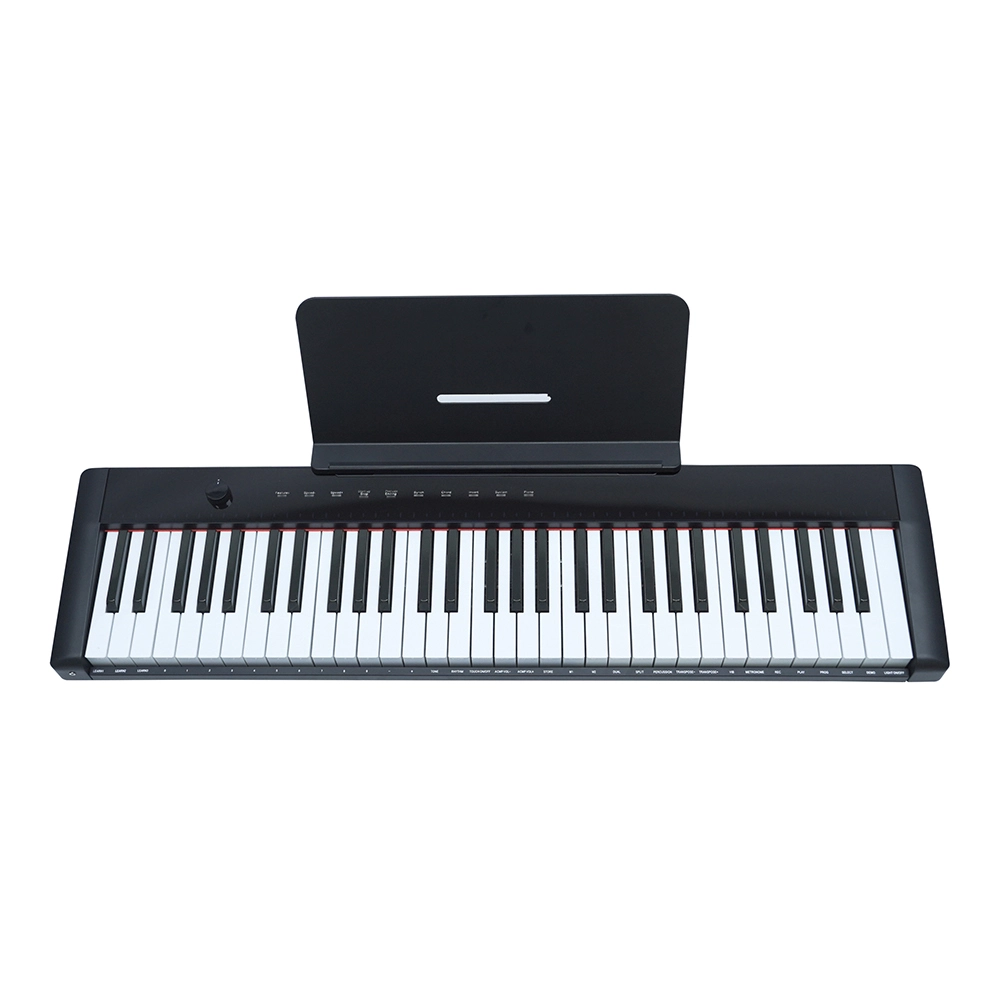
Education procurement: portable piano keyboards for music schools
Tips for Wholesale digital piano for sale
Everything You Need to Know About digital 88 weighted key piano
Logistics
Do you ship internationally?
Yes, we offer international shipping to most countries worldwide.
Company
What sets your company apart from competitors?
We pride ourselves on our commitment to quality craftsmanship, cutting-edge technology, and exceptional customer service.
Products
Can I connect your electronic pianos to external devices?
Yes, our electronic pianos are equipped with connectivity options such as MIDI, USB, and Bluetooth for seamless integration with external devices.
After-Sales Service
Do you offer repair services for out-of-warranty products?
Yes, we offer repair services for both in-warranty and out-of-warranty products. Please contact our support team for assistance.
Customization
Can I customize the finish of my electronic piano?
Yes, we offer customization options for finishes, allowing you to choose from a variety of colors and textures.
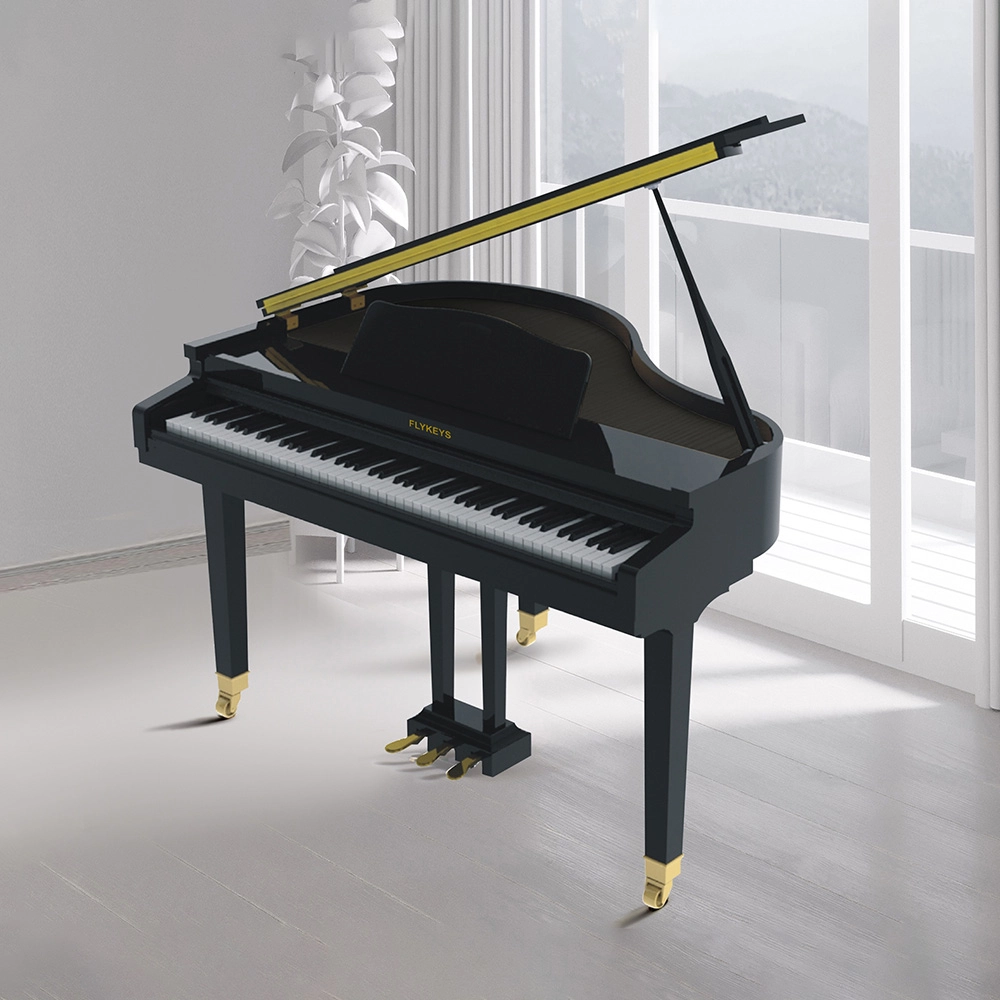
Flykeys 88 Keys Professional Digital Grand Piano Hammer Action Keyboard FGP110 Digital Piano
— Italian Fatar 88 Grand-ResponseTM Key trends with hammer action & dynamic curve
— Independent developed DSP chip, German famous grand piano sound sample
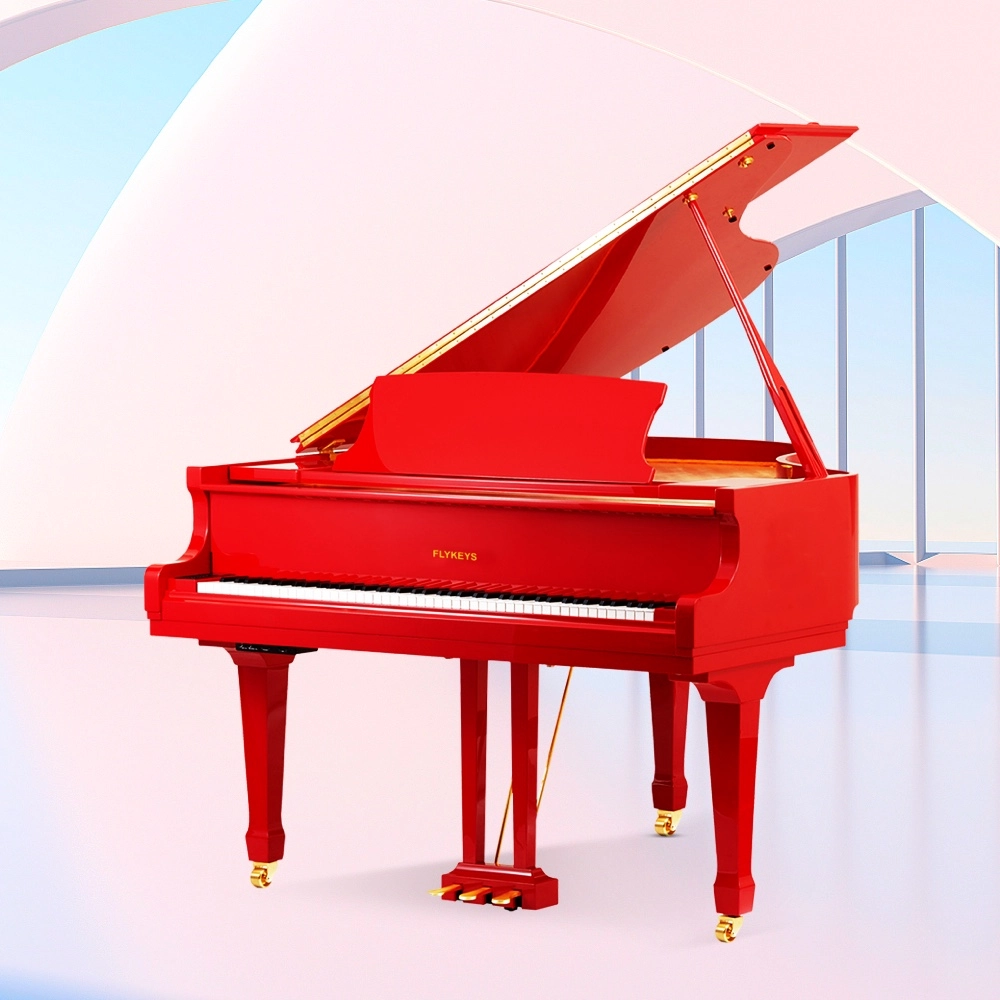
Flykeys Professional Digital Grand Piano FGP610 Digital Piano
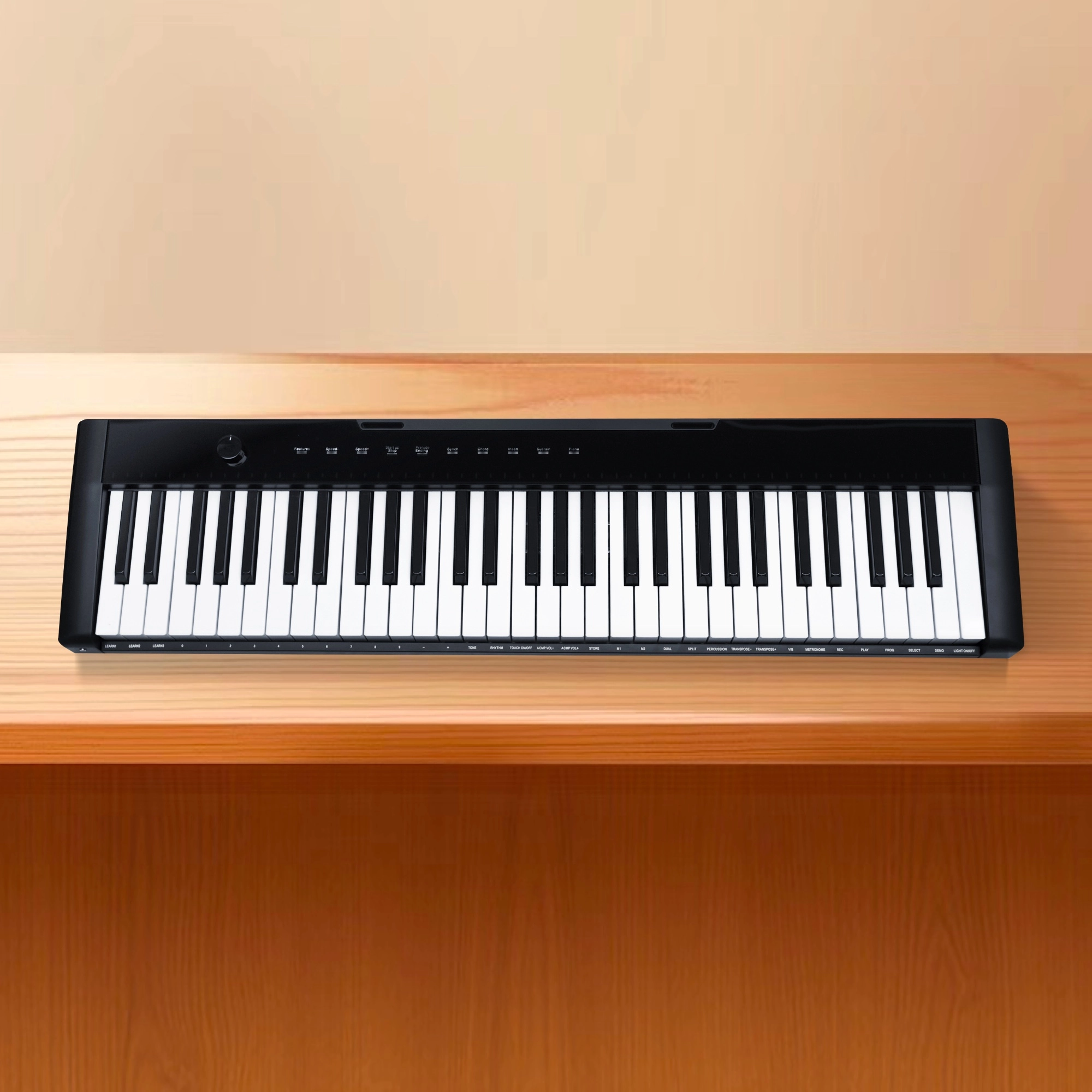
Flykeys 61 keys portable electronic keyboard piano with X stand (M2)
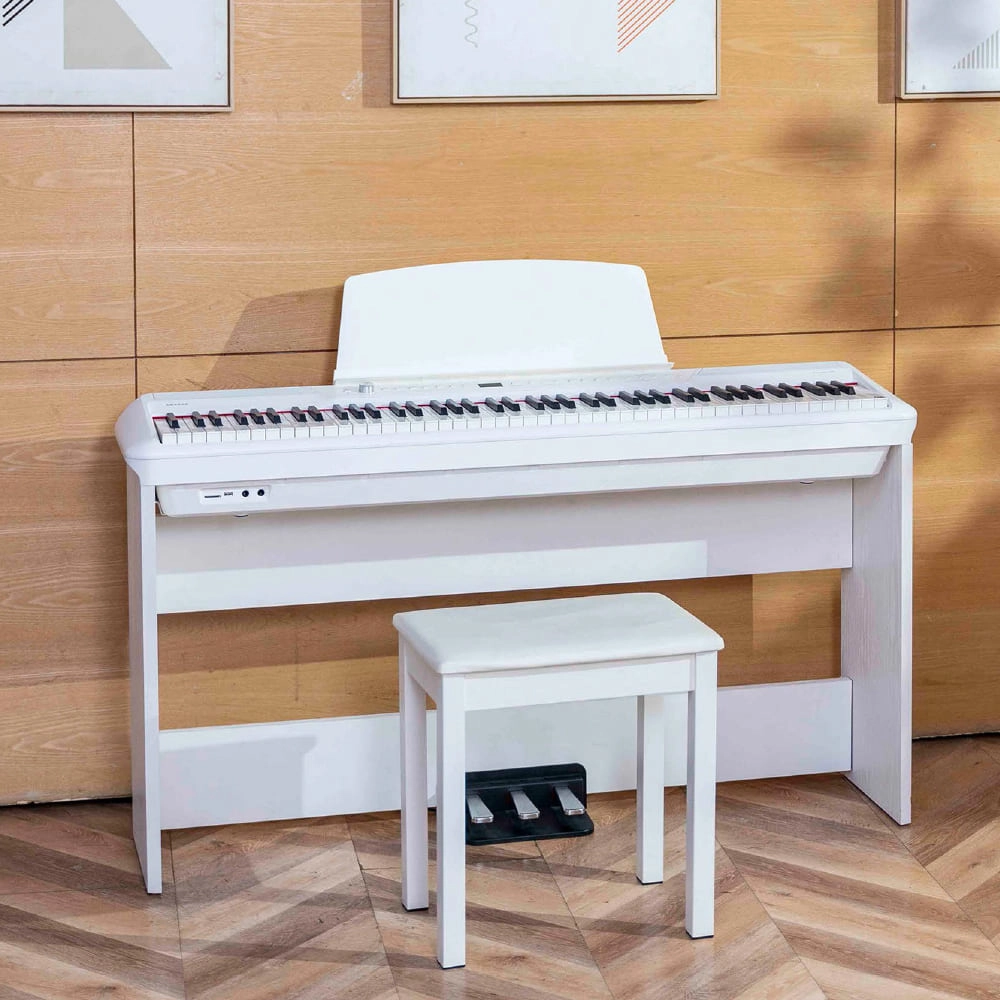
Flykeys Portable Electric Keyboard FP9 Digital Piano
Address: No. 38 Xiangshan Avenue, Zengcheng Economic And Technological Development Zone, Guangzhou, China.
FOLLOW US:


© 2024 FLYKEYS All Rights Reserved. 粤ICP备2020102774号. Designed by gooeyun Sitemap | Privacy | Terms