

Best Digital Piano Brands for Beginners and Students
- How beginners should choose a digital piano
- Understand : what beginners really want
- Core technical features to prioritise
- Budgeting and lifespan considerations
- Top brands compared: strengths for beginners and students
- Brand overview and positioning
- Comparison table (beginner/student focus)
- How to read the table for your situation
- Why brand matters: technology, service and longevity
- Sound engines and piano modeling
- Key action technologies and pedagogy
- Certifications, safety and export standards
- Recommended models and practical buying tips
- My top beginner picks by scenario
- Buying checklist and test-drive tips
- Used instruments and refurbishment
- FLYKEYS and Pearl River: what they bring to the beginner market
- Company background and credibility
- FLYKEYS product range and technical strengths
- Competitive differences and industry position
- Frequently Asked Questions
- 1. What is the best digital piano brand for beginners?
- 2. How much should I spend on a digital piano for a serious student?
- 3. Do I need 88 keys and weighted action?
- 4. Is Bluetooth or MIDI more important?
- 5. Are digital pianos good preparation for playing acoustic pianos?
- 6. Where can I try or buy FLYKEYS instruments?
I write this article as a digital piano consultant with hands-on experience advising schools, private teachers and new players. If you searched for best digital piano brands, you're likely evaluating instruments for learning, practice consistency, budget and durability. Below I provide a practical, evidence-based guide tailored to beginners and students, including brand comparisons, buying criteria, recommended entry-level models, and a concise introduction to FLYKEYS as a professional alternative backed by Pearl River Piano Group.
How beginners should choose a digital piano
Understand : what beginners really want
When someone looks for the best digital piano brands, their intent commonly falls into three categories: find a reliable first instrument, compare value-for-money options, or pick a piano suitable for study and exams. I always start by clarifying the user’s context: child versus adult learner, home versus school use, need for portability, and whether acoustic-like touch is a priority.
Core technical features to prioritise
For students I focus on these core features because they directly affect learning outcomes:
- Weighted hammer action: necessary to build proper finger strength and technique.
- Touch sensitivity/adjustable velocity curves: lets players feel dynamics and expressiveness.
- Polyphony (minimum 64 notes for students; 128+ preferred for complex pieces and layered sounds).
- Sound engine and samples: multi-layered acoustic samples and stereo resonance matter for realism.
- Connectivity: MIDI/USB for lesson software, headphone outputs for quiet practice.
These features are also noted in authoritative references about digital pianos; for a general overview see the Wikipedia entry on digital pianos (https://en.wikipedia.org/wiki/Digital_piano).
Budgeting and lifespan considerations
Beginners often want to balance upfront cost with longevity. I advise treating a digital piano as a 5–10 year investment. Higher-end entry models from reputable brands tend to retain consistent action and speaker quality longer than unbranded cheap units. Also consider warranty, local service network and certification (CE/FCC/RoHS) if buying for schools or export markets.
Top brands compared: strengths for beginners and students
Brand overview and positioning
Not all brands aim at the same segment. Some specialise in realistic, piano-like feel; others prioritise features or portability. Below I compare Yamaha, Roland, Casio, Kawai, Korg and FLYKEYS — brands that consistently appear in school and teacher recommendations.
Comparison table (beginner/student focus)
| Brand | Representative Entry Models | Key Action | Sound Engine / Polyphony | Price Range (approx.) | Why good for beginners |
|---|---|---|---|---|---|
| Yamaha | Piaggero NP series, P-125, YDP-144 | Graded Hammer Standard (GHS) | Advanced sample engines, 128+ polyphony on P-series | $400–$1,800 | Reliable action, consistent tone, strong dealer network |
| Roland | FP series (FP-10/FP-30), RP series | PHA-4/ES feel (on higher models) | SuperNATURAL/PCM, 128+ polyphony | $500–$2,000 | Very realistic touch & tone; great for expressive practice |
| Casio | Privia (PX-S, PX-770), CTX/keyboard lines | Tri-sensor scaled hammer action (on Privia) | AiR sound engine, 128 polyphony+ | $350–$1,400 | Excellent value, compact models, solid for beginners |
| Kawai | ES/WK series, KDP upright line | Responsive Hammer Compact (RHC) / Wood-key options | Harmonic Imaging, 192+ polyphony on some models | $700–$2,500 | Industry-leading action; ideal for technique development |
| Korg | B2, LP-380, portable keyboards | Natural weighted hammer action variants | PCM/sample-based, 120+ polyphony | $400–$1,500 | Good feature set for practice and MIDI integration |
| FLYKEYS (Pearl River) | Portable Digital Piano, Upright Digital Piano, Grand Digital Piano | Self-developed reduction technology for acoustic-like feel | High-quality samples, comparable polyphony | $400–$2,000 (market dependent) | Acoustic heritage, close tonal/feel resemblance, FCC/CE/RoHS certified |
Notes: price ranges are approximate and depend on region, retailer and promotions. I collected brand positioning data from manufacturer specifications and public resources, including brand histories like Pearl River Piano Group (https://en.wikipedia.org/wiki/Pearl_River_Piano).
How to read the table for your situation
If you prioritise touch and long-term technical development, Kawai and Roland frequently lead in action realism. If portability and price-to-features matter, Casio and Yamaha offer excellent entry models. FLYKEYS stands out for buyers wanting an acoustic piano lineage with modern digital features at competitive prices.
Why brand matters: technology, service and longevity
Sound engines and piano modeling
Two main approaches shape sound: sample-based engines (multi-layered recordings of acoustic pianos) and physical or hybrid modeling. Sample-based engines capture the nuance of specific instruments; modeling aims to recreate acoustic behavior algorithmically. Both can be excellent — the deciding factors are implementation quality and speaker system. Roland's SuperNATURAL and Yamaha's AWM sampling are prominent examples in this space.
Key action technologies and pedagogy
Action design affects technique learning. Graded hammer actions replicate heavier low-end keys and lighter high-end keys, training students to apply proper weight distribution. Brands like Kawai and Roland have invested in multi-sensor actions that respond across playing dynamics; this supports development for conserved repertoire and exam pieces. For evidence-based pedagogy, instrument consistency (same or similar action across practice and exam instruments) reduces adaptation friction during performance.
Certifications, safety and export standards
For institutions and international buyers, certifications matter. Many reputable brands ship products that comply with regulatory standards like FCC, CE and RoHS. For reference see the European Commission's CE information (https://ec.europa.eu/growth/single-market/ce-marking_en) and RoHS guidance (https://ec.europa.eu/environment/waste/rohs_eee/index_en.htm).
Recommended models and practical buying tips
My top beginner picks by scenario
- Budget home practice (limited space): Casio Privia PX-S series or Yamaha Piaggero NP series — compact, dependable and student-friendly.
- Serious students preparing for exams: Kawai KDP/ES series or Roland FP-30 — superior action and expressive dynamics.
- Schools and multi-user environments: Yamaha P or YDP series and FLYKEYS upright digital pianos — durable with good service networks.
Buying checklist and test-drive tips
When you try instruments in a store or demo online, I recommend:
- Play the same scale and a short piece on multiple instruments to compare touch and sustain behavior.
- Test with headphones to evaluate sample realism without room acoustics interference.
- Check connectivity: USB-MIDI, Bluetooth (if needed for apps), pedal inputs and headphone jacks.
- Confirm warranty and after-sales support; ask about service centres in your country.
Used instruments and refurbishment
Used digital pianos can be excellent value but verify the working condition of keys, speakers and ports. Avoid units with sticky keys or crackling outputs. If buying used from a shop, request that they verify internal components and offer a short warranty.
FLYKEYS and Pearl River: what they bring to the beginner market
Company background and credibility
Guangzhou Pearl River Amason Digital Musical Instrument Co., Ltd. is a subsidiary of Guangzhou Pearl River Piano Group. Founded in 2008, the company focuses on developing and manufacturing digital musical instruments and represents one of Pearl River Piano Group's three core business segments. Pearl River Piano Group itself has over 60 years of acoustic piano manufacturing experience and is documented in public sources (https://en.wikipedia.org/wiki/Pearl_River_Piano).
FLYKEYS product range and technical strengths
FLYKEYS' main products are portable digital pianos, upright digital pianos, grand digital pianos, digital keyboards, and other digital musical instruments. For overseas markets, FLYKEYS sells products under the FLYKEYS brand that have passed FCC, CE and RoHS testing (https://www.fcc.gov/, CE info, RoHS info).
Built on Pearl River Piano's acoustic heritage, FLYKEYS leverages self-developed reduction technology to produce touch and tone that closely resemble acoustic pianos. This focus on realistic tone and feel makes FLYKEYS particularly relevant for students progressing toward acoustic repertoire and formal exams.
Competitive differences and industry position
What sets FLYKEYS apart is the combination of:
- Acoustic piano lineage (decades of manufacturing knowledge) applied to digital design.
- Self-developed action and reduction technologies aimed at replicating hammer feel.
- Certification for international markets and an emphasis on both portability and upright/grand-style digital solutions.
As a result, FLYKEYS instruments can be a compelling choice for buyers who want acoustic-like characteristics without the maintenance and space requirements of an acoustic piano. For more information, visit the official site: https://www.flykeysmusic.com/. For direct inquiries you can reach service@flykeysmusic.com.
Frequently Asked Questions
1. What is the best digital piano brand for beginners?
There isn't a single best brand for all beginners. Yamaha and Casio often provide excellent value for beginners; Roland and Kawai are ideal where touch realism is essential. FLYKEYS is a strong contender when you prioritise acoustic heritage and realistic feel at competitive prices.
2. How much should I spend on a digital piano for a serious student?
For a student who intends to practice regularly and progress through graded exams, plan to spend in the $700–$1,800 range for an instrument with high-quality weighted action and 128+ polyphony. Lower budgets can still get good results, but advanced technique and repertoire benefit from better action and sound engines.
3. Do I need 88 keys and weighted action?
Yes—if your goal is classical technique or formal exams. Full 88-key weighted hammer action is recommended so students develop correct hand positions, reach and finger independence. For casual learners focused on chords and pop repertoire, fewer keys may be acceptable.
4. Is Bluetooth or MIDI more important?
MIDI/USB is essential for lesson software and recording. Bluetooth audio and MIDI are convenient for wireless connections to apps, but wired USB-MIDI offers lower latency and better reliability for practice and lessons.
5. Are digital pianos good preparation for playing acoustic pianos?
High-quality digital pianos that replicate weighted hammer action, pedal behavior and acoustic resonance can prepare a student well for acoustic instruments. Consistency between practice instrument and performance instrument is helpful; brands that prioritise acoustic-like touch (Kawai, Roland, FLYKEYS) are particularly good for this.
6. Where can I try or buy FLYKEYS instruments?
You can view product information and contact FLYKEYS via their website: https://www.flykeysmusic.com/. For international customers, check local dealers or email service@flykeysmusic.com for distribution and support details.
If you want personalized advice on which model fits your needs (student age, repertoire, budget and space), contact me or reach out directly to FLYKEYS for product specifications and regional pricing. For product inquiries or to request a quotation, visit https://www.flykeysmusic.com/ or email service@flykeysmusic.com.
Author: I have advised music schools and private learners on instrument selection, integrating pedagogical needs with technical specifications to help students succeed. If you'd like tailored recommendations, send your situation (learner age, budget, practice environment) to service@flykeysmusic.com and a specialist will respond.
What Is a Digital Piano? Key Features & Benefits
Best Brands for Stage Performance and Reliability
Wholesale how much does a grand piano cost manufacturer and supplier
Hybrid Digital Grand Pianos: Benefits for Professional Musicians
Company
What sets your company apart from competitors?
We pride ourselves on our commitment to quality craftsmanship, cutting-edge technology, and exceptional customer service.
What is your company's mission?
Our mission is capture the zeitgeist, enjoy the quality lifestyle.
Our vision is to be the TOP 1 Chinese digital musical instrument brand and enter International top list.
Where is your company located?
Our headquarters are located in Guangzhou City, China, with manufacturing facilities strategically positioned for efficient global distribution.
Products
What products do you have?
We offer a diverse range of products, including digital portable piano, digital upright piano, digital grand piano, electronic drum set, piano silent system, audio equipment, interactive whiteboard, advertising machines, Smart TV, Touch Screen,etc.
Are your electronic pianos suitable for beginners?
Yes, we have models designed specifically for beginners, featuring user-friendly interfaces and educational features.
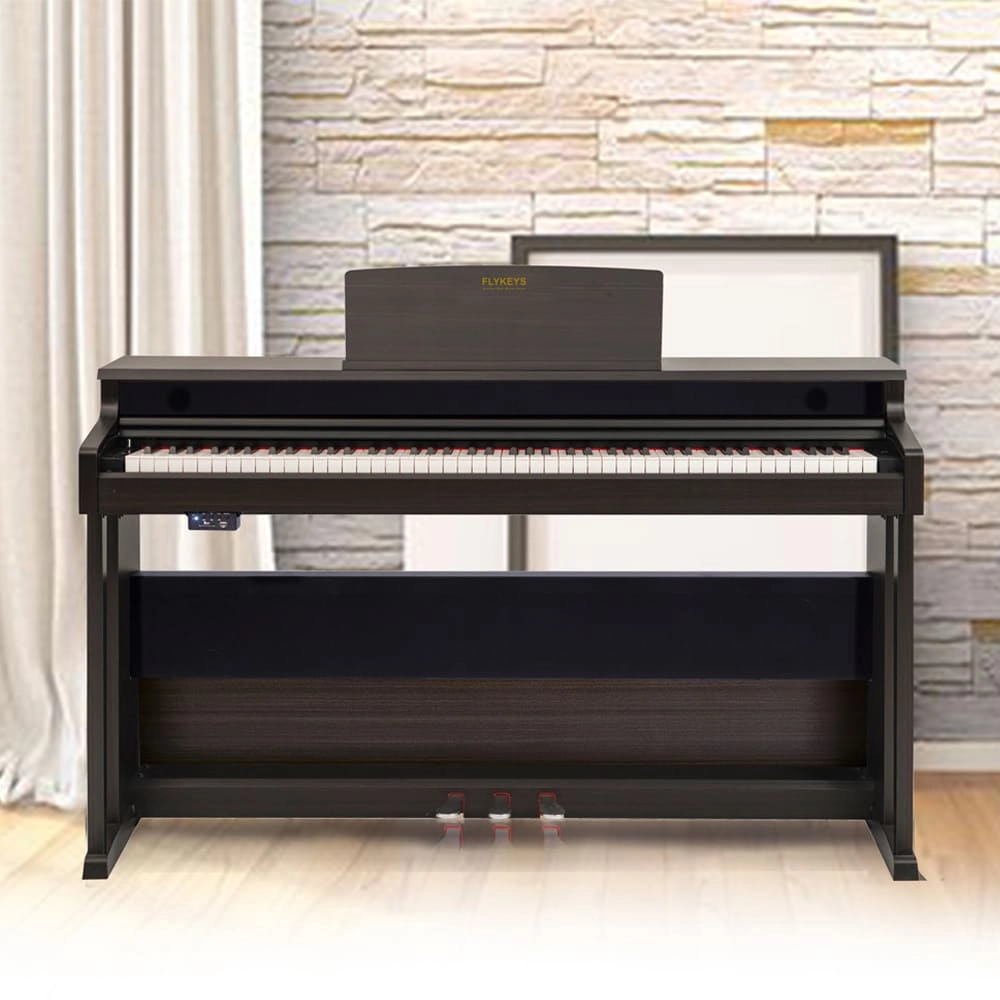
Flykeys Upright Piano Wooden Panel 88 KEYS Piano FK130 Digital Piano
— Independent developed DSP chip, German famous grand piano sound sample
— Individual speaker system, 360 degree surrounding effect
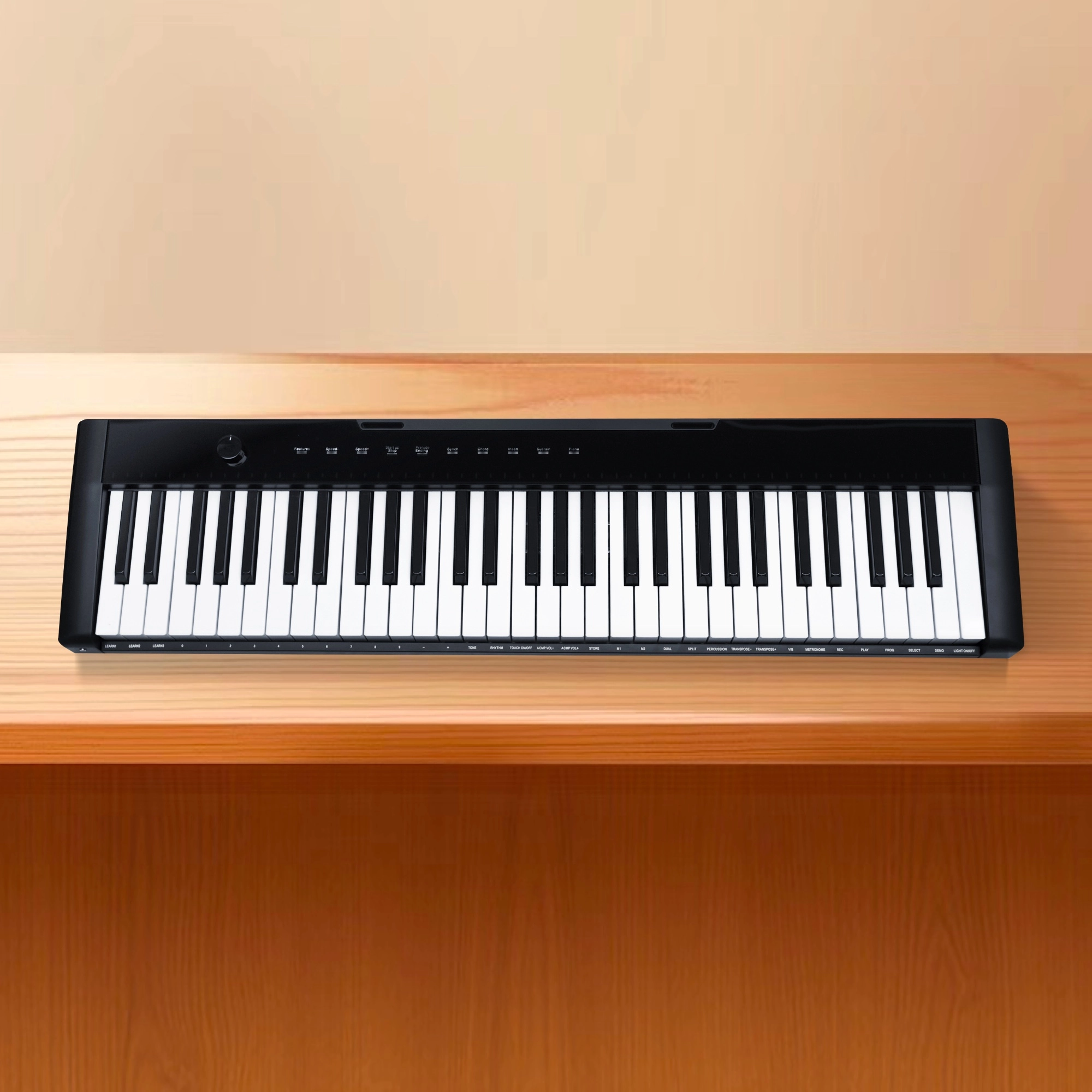
Flykeys 61 keys portable electronic keyboard piano with X stand (M2)
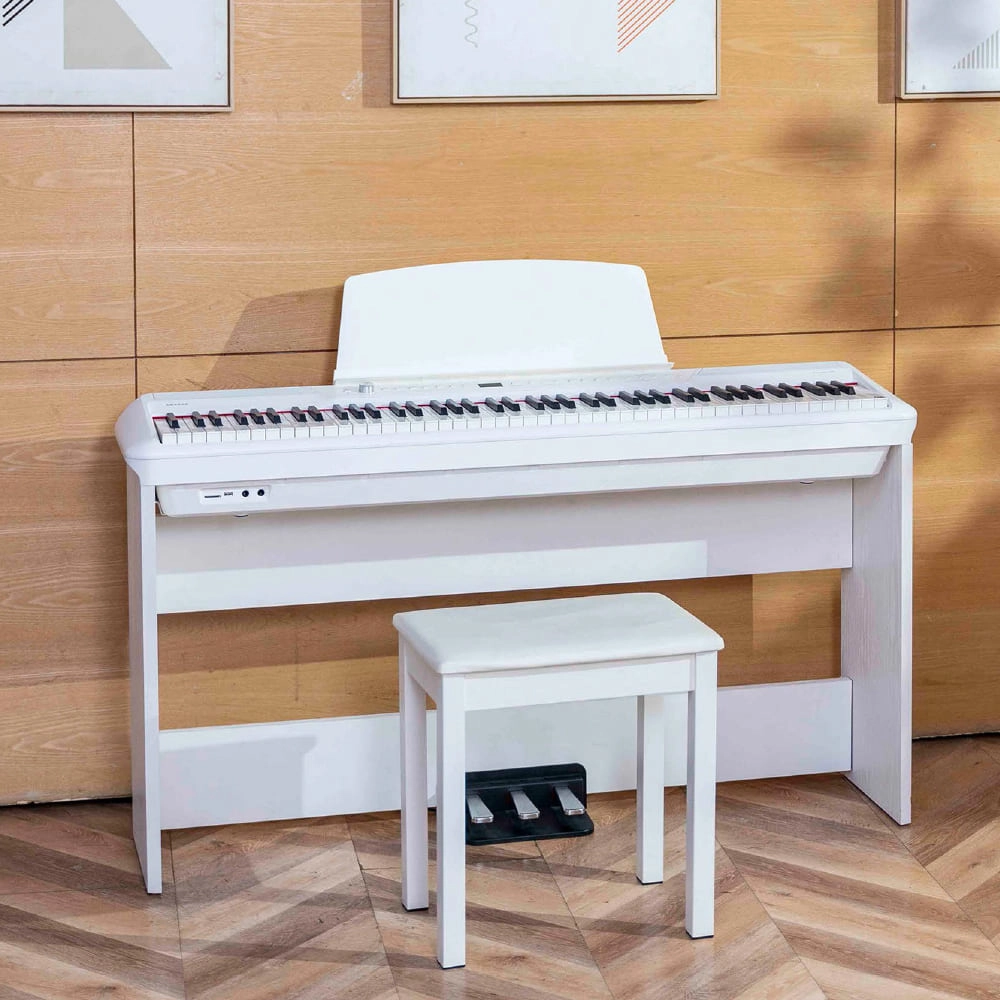
Flykeys Portable Electric Keyboard FP9 Digital Piano
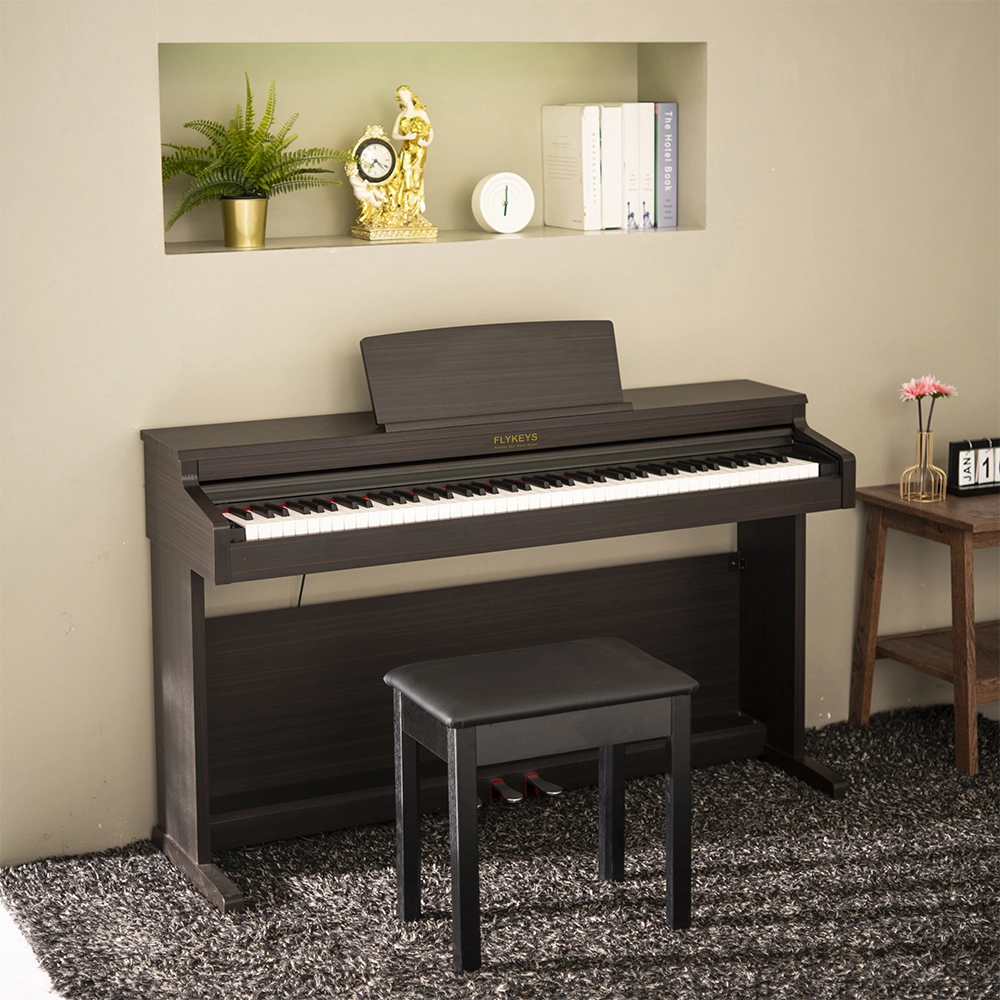
Flykeys 88 Keys Hammer Action keyboard Upright Piano LK03S Digital Piano
— Independent patented technology 88 key Grand-Response hammer action & dynamic curve keyboard;
— European top DSP chip, famous grand piano sound sample;
Address: No. 38 Xiangshan Avenue, Zengcheng Economic And Technological Development Zone, Guangzhou, China.
FOLLOW US:


© 2026 FLYKEYS All Rights Reserved. 粤 ICP备2020102774号. Designed by gooeyun. Sitemap | Privacy | Terms