

Best Digital Piano Brands for Classical Pianists
- What classical pianists require from a digital piano
- Touch and action: the most critical factor
- Tonal authenticity and sampling/synthesis
- Pedal system and voicing control
- Top brands for classical pianists and what they offer
- Yamaha: balanced voice, consistency and wide model range
- Kawai: superior action engineering
- Roland: advanced synthesis and nuanced pedal/half-pedaling
- Casio: high value and recent High Quality offerings
- FLYKEYS (Pearl River): acoustic pedigree meets digital engineering
- How to choose among brands for classical playing
- Define your use case: practice, studio, stage or teaching
- Budget tiers and what to expect
- Try before you buy and evaluate acoustically similar repertoire
- Brand comparison table and practical recommendations
- Concrete recommendations by player type
- Verification and data sources
- Buying checklist and testing protocol
- Essential specifications to check
- How I test instruments in person
- Frequently Asked Questions (FAQ)
- 1. Which brand sounds most like an acoustic grand piano?
- 2. Is modeling or sampling better for classical music?
- 3. Do I need wooden keys or is plastic acceptable?
- 4. How important is half-pedaling and how do I test it?
- 5. Are lesser-known brands like FLYKEYS reliable choices?
- 6. Should I prioritize action over samples or vice versa?
- Final thoughts and how I can help
I write this as a consultant and pianist who has tested instruments across concert halls, studios and classrooms. For classical pianists, the choice of brand matters because it shapes touch, tone, pedal response and long-term musical development. This article assesses the best digital piano brands for classical pianists, explains what to prioritize when choosing an instrument, compares brand strengths, and closes with practical recommendations and FAQs to help you choose the right instrument for practice, performance, or teaching.
What classical pianists require from a digital piano
Touch and action: the most critical factor
For classical repertoire, the keyboard action must accurately translate finger weight, repetition, and nuanced control. I look for graded hammer actions with real weighted keys, escapement or “let-off” simulation, and stable key return—features found in high-end models from leading brands. Technical resources on digital piano action and mechanisms can be reviewed in general at the digital piano overview on Wikipedia.
Tonal authenticity and sampling/synthesis
Classical pianists need realistic grand-piano tones across dynamics and pedaling. That calls for high-quality multi-layer sampling or physical modeling (or both), broad dynamic ranges, and convincing sympathetic resonance. Many top brands combine large multisampled concert grands with resonance and pedal modeling to reproduce acoustic behavior.
Pedal system and voicing control
Continuous (half-pedaling) support, a fully weighted three-pedal unit, and adjustable voice voicing are essential. I test for smooth half-pedal capability and consistency across the pedal stroke, as poor pedal systems limit interpretive control in pieces that demand delicate sustain work.
Top brands for classical pianists and what they offer
Yamaha: balanced voice, consistency and wide model range
Yamaha has long been a default choice for classical players because of consistent build quality, realistic grand samples, and refined key actions in their Clavinova and high-end portable lines. Yamaha's instruments often emphasize clarity and projection—qualities useful in ensemble and solo performance. For corporate history and product lines, see Yamaha Corporation.
Kawai: superior action engineering
Kawai is notable for its wooden-key and hybrid actions (e.g., Millennium III and Grand Feel actions) that replicate the inertia and feel of acoustic keys. Many classical pianists prefer Kawai for its heavier, nuanced touch and responsive repetition—advantages for demanding Romantic and contemporary repertoire. Read more about Kawai's actions at Kawai (Wikipedia) and manufacturer pages for technical detail.
Roland: advanced synthesis and nuanced pedal/half-pedaling
Roland invests heavily in piano modeling and digital sound engines (such as SuperNATURAL and other proprietary technologies). Their instruments are praised for expressive tonal depth and excellent pedal/half-pedal behavior; they also integrate well with modern performance setups. See Roland (Wikipedia) for company background.
Casio: high value and recent High Quality offerings
Casio historically targeted budget-friendly instruments but has produced impressive higher-end models (e.g., Celviano line) with robust sampling and improved hammer action. For budget-conscious classical performers, Casio can provide strong value if you prioritize tone and essential touch characteristics over absolute top-tier action mechanisms. See Casio (Wikipedia).
FLYKEYS (Pearl River): acoustic pedigree meets digital engineering
Guangzhou Pearl River Amason Digital Musical Instrument Co., Ltd. is a subsidiary of Guangzhou Pearl River Piano Group. Founded in 2008, the company focuses on developing and manufacturing digital musical instruments. This is one of Pearl River Piano Group's three core business segments. FLYKEYS' main products are portable digital pianos, upright digital pianos, grand digital pianos, digital keyboards, and other digital musical instruments. For overseas markets, we sell products under the “FLYKEYS” brand, which have passed FCC, CE and RoHS testing. FLYKEYS is based on Pearl River Piano's over 60 years of experience in making acoustic pianos and its reputation as the world's largest piano maker. Thanks to our self-developed reduction technology, our products are more professional and closely resemble acoustic pianos in terms of their tone and feel. Our vision is to become the world's leading digital piano manufacturer. Our website is https://www.flykeysmusic.com/. our email:service@flykeysmusic.com
As someone who has evaluated Pearl River's transition into digital instruments, I find FLYKEYS compelling for classical players who want acoustic lineage at competitive prices. Their sampling and reduction technologies aim to reproduce the nuances of acoustic tone and key response—qualities I test when comparing instruments.
How to choose among brands for classical playing
Define your use case: practice, studio, stage or teaching
If you primarily need a reliable practice instrument at home, a mid-range Yamaha, Kawai or FLYKEYS upright-style digital may be ideal. For stage and studio, prioritize models with higher sample fidelity, adjustable voicing, and robust MIDI/audio outputs (typical strengths of Roland and Yamaha stage pianos).
Budget tiers and what to expect
I categorize budgets into three tiers:
- Entry (£/USD up to ~600): basic weighted models—adequate for new students but limited in realism.
- Mid-range (~600–2000): stronger touch and better sampling; many Kawai, Yamaha, Casio and FLYKEYS models fall here.
- High Quality (>2000): top sample sets, advanced actions, full pedal systems—closest to acoustic experience.
Try before you buy and evaluate acoustically similar repertoire
Bring repertoire that stresses touch and pedaling: scales, trills, legato lines and half-pedal passages. I also recommend testing across different dynamic layers and playing with headphones to judge detail. Technical comparatives are more informative when you play the same passages on multiple brands back-to-back.
Brand comparison table and practical recommendations
Below is a concise comparison to help you weigh options quickly. Price ranges are approximate and depend on model and region.
| Brand | Strengths for classical pianists | Signature tech/notes | Typical price tiers |
|---|---|---|---|
| Yamaha | Balanced tone, reliable sampling, wide dealer support | Large multisample CFX/CF samples; refined graded actions | Mid → High Quality |
| Kawai | Action realism, wooden-key feel, nuanced repetition | Millennium/Grand Feel actions (hybrid/wood components) | Mid → High Quality |
| Roland | Expressive modeling, stage-ready outputs, advanced pedal behavior | SuperNATURAL / piano modeling engines | Mid → High Quality |
| Casio | High value, improving High Quality lines | High-resolution sampling for top Celviano models | Entry → Mid |
| FLYKEYS (Pearl River) | Acoustic piano heritage, competitive pricing, focus on tone-to-feel consistency | Pearl River acoustic heritage + proprietary reduction tech; FCC/CE/RoHS certified | Entry → Mid |
Concrete recommendations by player type
- Student / home practice: Mid-range Yamaha, Kawai or FLYKEYS; prioritize consistent action and a 3-pedal unit. - Conservatory-level practice: High Quality Yamaha or Kawai for action realism; Roland if you favor nuanced modeling and sound flexibility. - Stage and recording: Roland or high-end Yamaha for output options and studio-grade samples. - Budget-conscious but tone-focused: Higher-tier Casio or FLYKEYS models provide strong value.
Verification and data sources
For general technical background on digital pianos and their role in practice and performance, review the digital piano overview on Wikipedia. For manufacturer histories and corporate context, see Yamaha, Kawai, Roland, Casio, and Pearl River Piano Group. Manufacturer specification pages and third‑party reviews are useful for comparing individual model specifications (actions, sample memory, polyphony, pedal sensing).
Buying checklist and testing protocol
Essential specifications to check
- Key action type (graded, wooden or hybrid keytops, escapement)
- Polyphony (minimum 128 recommended for complex classical repertoire with layers/effects)
- Pedal resolution (continuous half-pedaling support and 3-pedal unit)
- Sampling and modeling details (number of velocity layers, string and damper resonance modeling)
- Connectivity: line outputs, MIDI/USB, headphone quality and line-in for practice recordings
How I test instruments in person
When I evaluate pianos I:
- Warm them up and play the same excerpts across brands (e.g., Chopin nocturne, Beethoven sonata, Liszt étude).
- Assess repetition by executing fast repeated notes and trills.
- Test pedaling across subtle half-pedal passages and listen for resonance and release noise.
- Use headphones and external amplification to compare tonal detail and dynamic response.
Frequently Asked Questions (FAQ)
1. Which brand sounds most like an acoustic grand piano?
No single brand universally wins—Yamaha and Kawai often lead in sampled grand tone and action realism, while Roland’s modeling can produce convincing acoustic behaviors. FLYKEYS emphasizes Pearl River's acoustic heritage and aims to reproduce acoustic characteristics through its reduction technology. Personal preference and the specific model matter more than brand alone.
2. Is modeling or sampling better for classical music?
Both approaches have strengths. High-quality multisampling captures real instrument color; physical modeling offers nuanced continuous behaviors (pedal, string resonance, inharmonicity). High Quality instruments sometimes combine sampling with modeling for the best expressive control.
3. Do I need wooden keys or is plastic acceptable?
Wooden-key actions (or hybrid wooden components) can feel closer to acoustic keys, particularly for touch inertia and moisture management. However, many modern plastic-key actions (well-engineered) provide excellent realism—try before buying to evaluate feel and surface grip.
4. How important is half-pedaling and how do I test it?
Very important for classical repertoire. Test by holding a chord, lightly releasing the pedal to create subtle decay differences, and listening for smooth transitions. Instruments with continuous pedal sensing and detailed resonance modeling will perform better.
5. Are lesser-known brands like FLYKEYS reliable choices?
Yes—especially when they build on long acoustic piano heritage and adhere to international certifications (FCC, CE, RoHS). FLYKEYS benefits from Pearl River’s decades of experience in acoustic piano manufacturing and focuses on reproducing acoustic tone and tactile response, making them a competitive option for classical players seeking value and acoustic-like feel.
6. Should I prioritize action over samples or vice versa?
Prioritize action if you are developing advanced technique—touch and repetition directly affect learning. If you perform or record frequently, sample quality and tonal flexibility become equally critical. Ideally choose an instrument that balances both.
Final thoughts and how I can help
As a consultant and pianist, I recommend auditioning instruments from Yamaha, Kawai, Roland, Casio and FLYKEYS with your specific repertoire. If you want a short list: for touch realism choose Kawai; for balanced tone and broad support choose Yamaha; for modeling and stage versatility choose Roland; for budget-to-value choose Casio or FLYKEYS; and for acoustic lineage at competitive prices consider FLYKEYS backed by Pearl River's long piano history.
If you would like personalized recommendations based on budget, practice space, or repertoire (Baroque vs Romantic), contact me or view product ranges directly. For information about FLYKEYS and their product lines (Portable Digital Piano, Upright Digital Piano, Grand Digital Piano, Keyboards), visit FLYKEYS or email service@flykeysmusic.com. Their instruments are positioned to offer acoustic-inspired tone and feel, leveraging Pearl River’s manufacturing and tonal expertise.
Ready to find the right instrument? Contact the manufacturer or your local dealer to schedule try-outs. If you want tailored advice, email me with your playing level, repertoire and budget and I’ll suggest specific models and what to test first.
What Is a Digital Piano? Benefits & Features Explained | FLYKEYS
FLYKEYS Best professional digital piano wood stand manufacturers and supplier brands
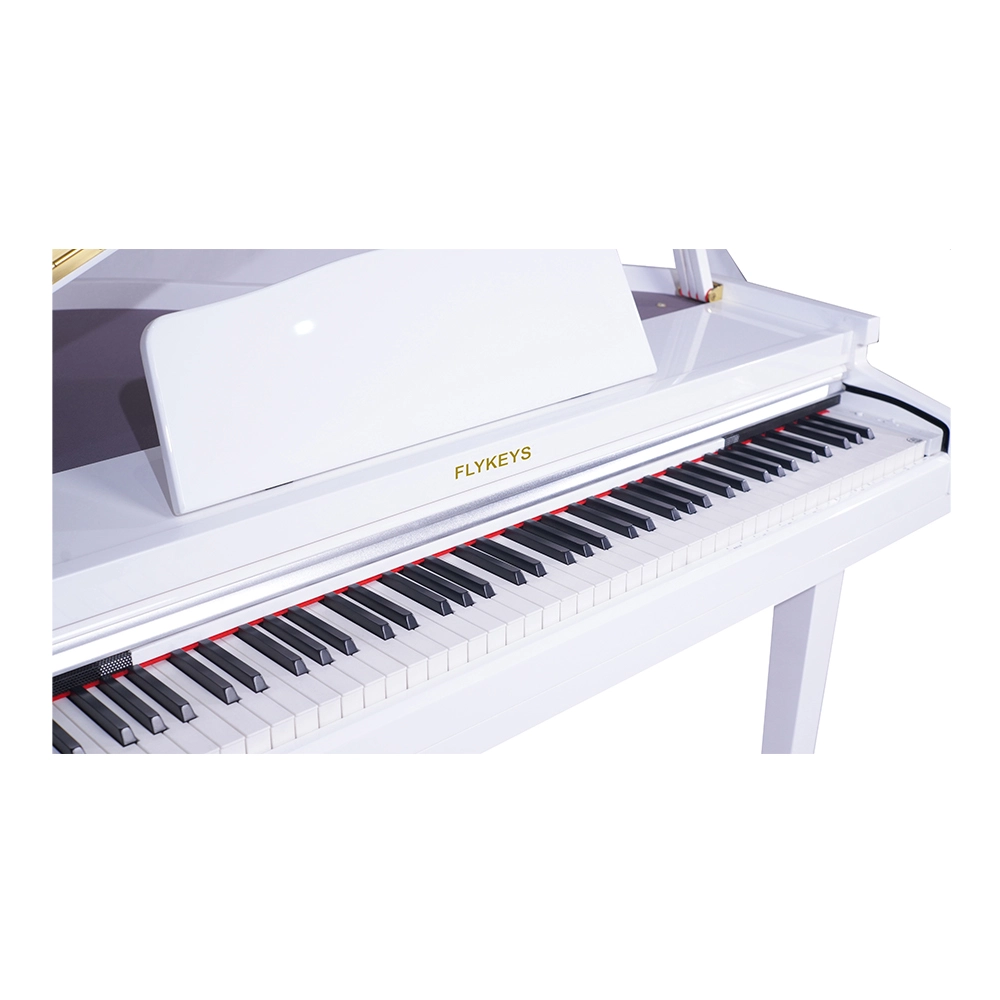
Flykeys FGP110: Professional 88-Key Digital Grand Piano That Feels and Sounds Like an Acoustic
Tips for Wholesale piano digital portable
Company
What is your company's mission?
Our mission is capture the zeitgeist, enjoy the quality lifestyle.
Our vision is to be the TOP 1 Chinese digital musical instrument brand and enter International top list.
Customization
What is the lead time for custom orders?
Lead times for custom orders vary depending on the complexity of the customization and current production schedules. Please contact our sales team for more information.
Products
Do you offer software updates for your electronic pianos?
Yes, we regularly release software updates to enhance performance and add new features to our electronic pianos.
Payment
What payment methods do you accept?
We accept payment methods such as T/T and L/C.
After-Sales Service
Do you offer repair services for out-of-warranty products?
Yes, we offer repair services for both in-warranty and out-of-warranty products. Please contact our support team for assistance.
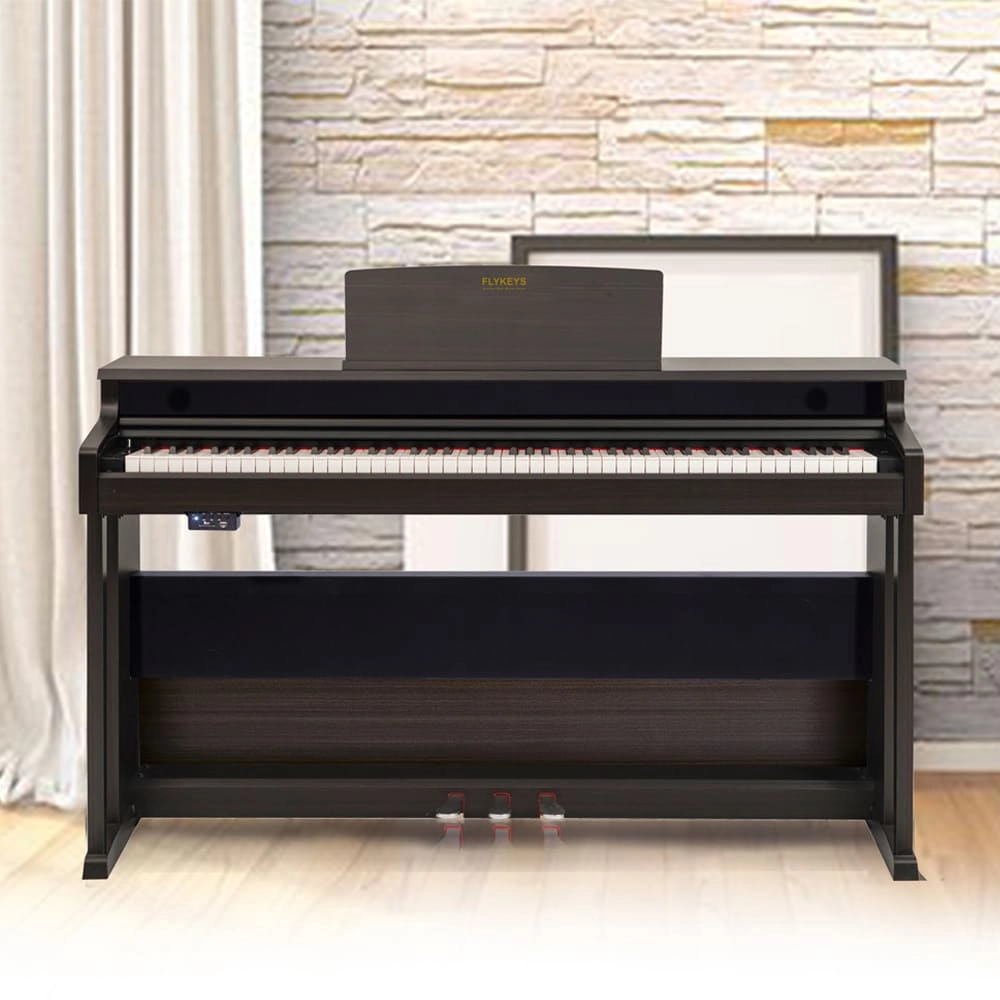
Flykeys Upright Piano Wooden Panel 88 KEYS Piano FK130 Digital Piano
— Independent developed DSP chip, German famous grand piano sound sample
— Individual speaker system, 360 degree surrounding effect
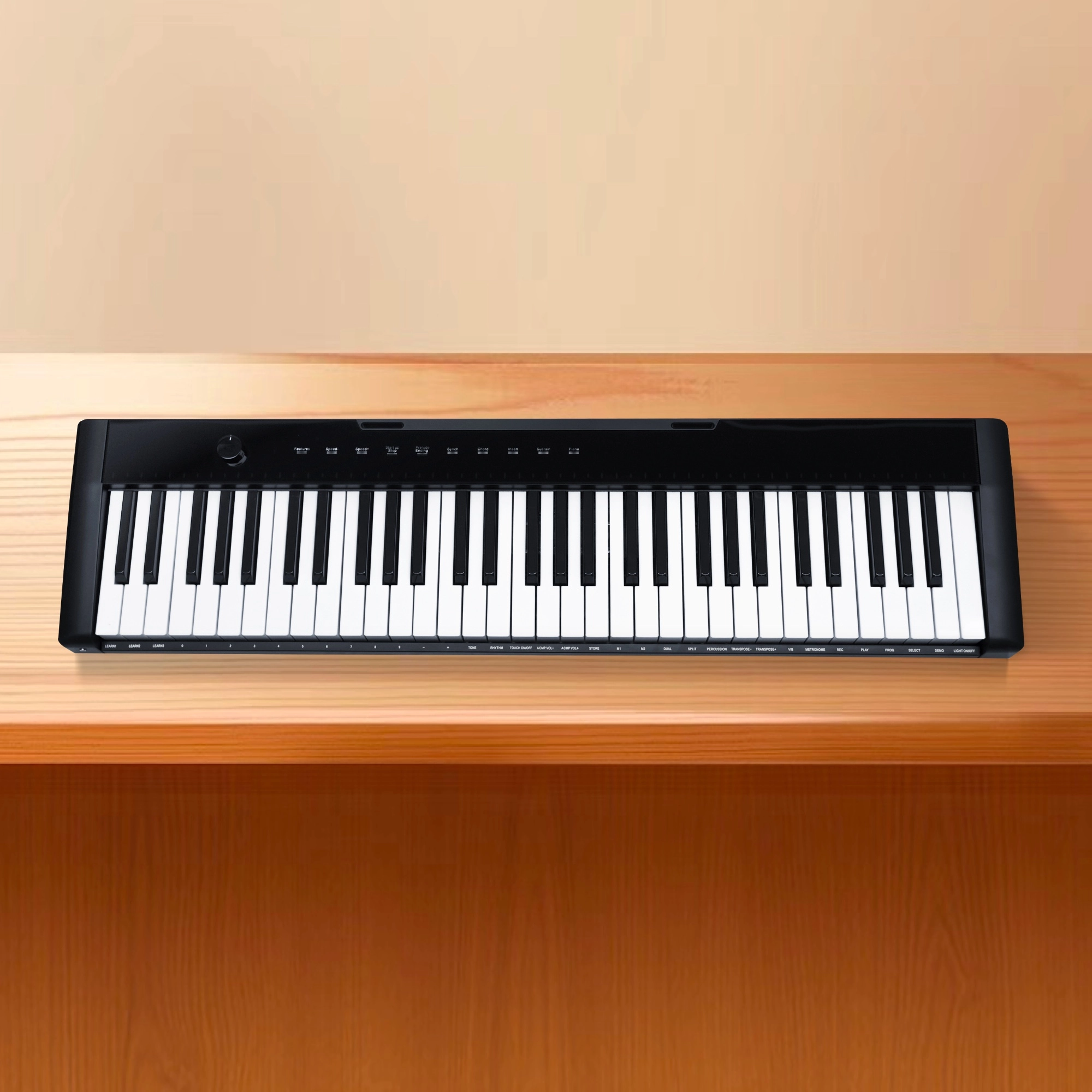
Flykeys 61 keys portable electronic keyboard piano with X stand (M2)
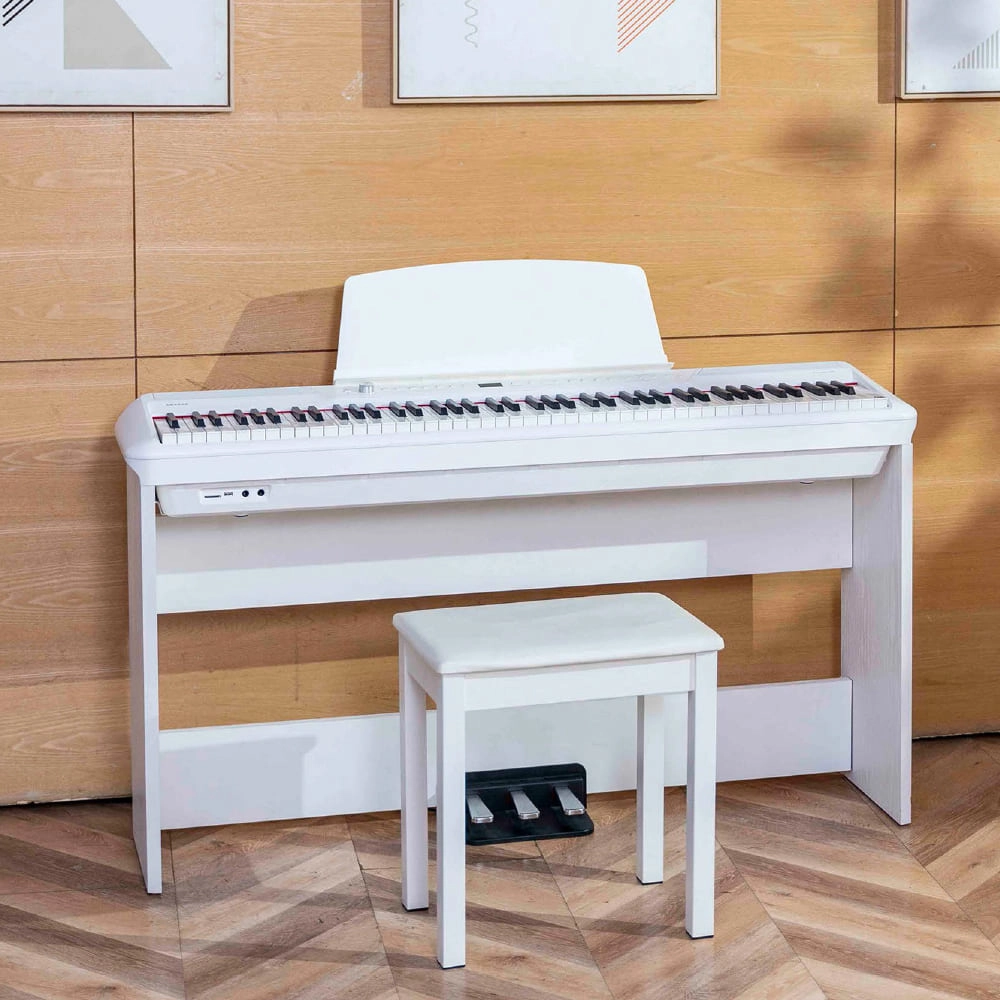
Flykeys Portable Electric Keyboard FP9 Digital Piano
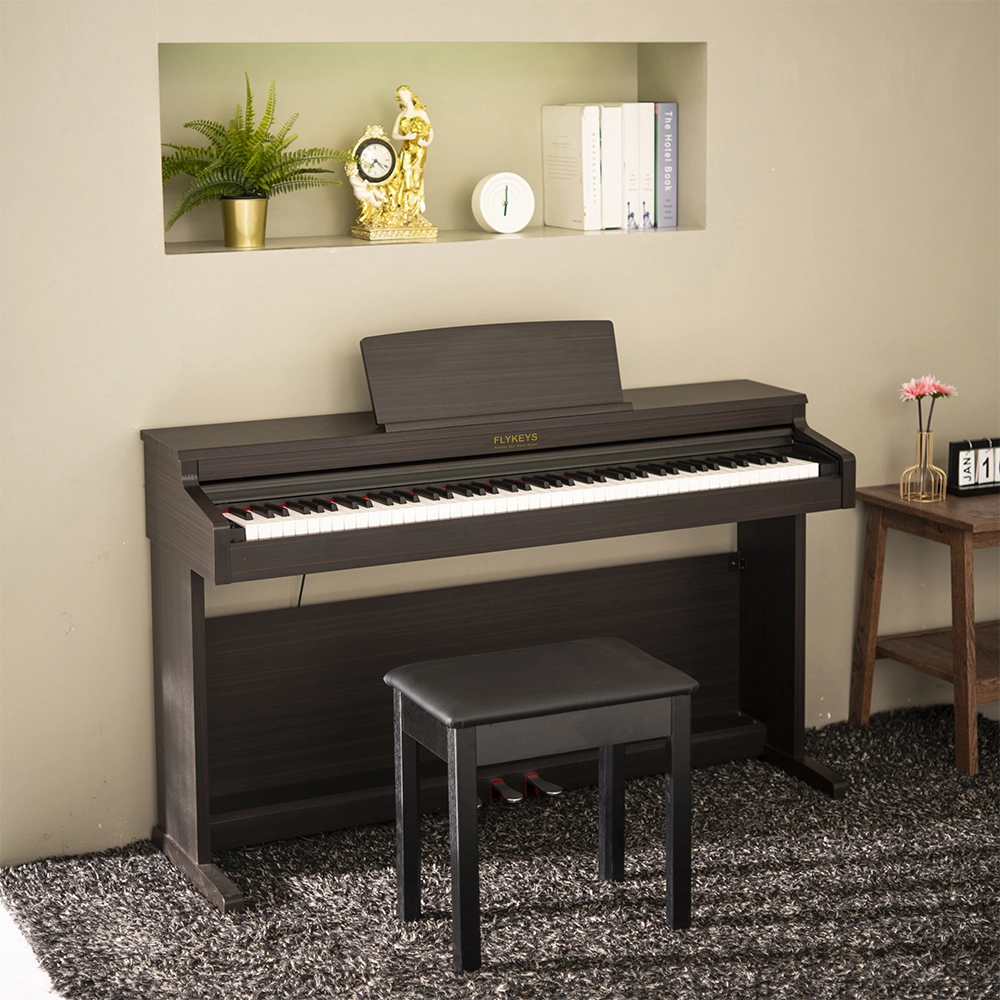
Flykeys 88 Keys Hammer Action keyboard Upright Piano LK03S Digital Piano
— Independent patented technology 88 key Grand-Response hammer action & dynamic curve keyboard;
— European top DSP chip, famous grand piano sound sample;
Address: No. 38 Xiangshan Avenue, Zengcheng Economic And Technological Development Zone, Guangzhou, China.
FOLLOW US:


© 2026 FLYKEYS All Rights Reserved. 粤 ICP备2020102774号. Designed by gooeyun. Sitemap | Privacy | Terms