

What Is a Digital Piano? Benefits & Features Explained | FLYKEYS
- What Is a Digital Piano? Key Features, Benefits & FAQs
- 1. How Does a Digital Piano Work?
- 2. What’s the Difference Between a Digital Piano and a Keyboard?
- 3. Can a Digital Piano Replace an Acoustic Piano?
- 4. What Are the Benefits of a Digital Piano?
- 5. How Long Do Digital Pianos Last?
- 6. What Should I Look for When Buying a Digital Piano?
- Final Thoughts
What Is a Digital Piano? Key Features, Benefits & FAQs
A digital piano is an electronic keyboard designed to emulate the sound and feel of an acoustic piano while offering modern features like portability, headphone compatibility, and customizable sounds. Below, we answer the most common questions about digital pianos to help you understand their advantages.
1. How Does a Digital Piano Work?
Digital pianos use sampled sounds from high-end acoustic pianos and synthesized tones to replicate piano acoustics. Key components include:
- Weighted or Graded Hammer Action Keys – Mimics the resistance of acoustic piano keys.
- Sound Engine – Processes recorded piano samples for realistic sound.
- Polyphony – Determines how many notes can be played simultaneously (e.g., 128-note polyphony).
- Speakers & Amplifiers – Deliver sound output, often with adjustable volume.
2. What’s the Difference Between a Digital Piano and a Keyboard?
While both are electronic, key differences include:
| Feature | Digital Piano | Keyboard |
|---|---|---|
| Key Action | Weighted, piano-like feel | Lighter, synth-style keys |
| Sound Quality | High-fidelity piano tones | Basic or synthesized sounds |
| Portability | Heavier, less portable | Lightweight, easy to carry |
| Price | Mid to high range ($500+) | Budget-friendly ($100+) |
3. Can a Digital Piano Replace an Acoustic Piano?
Yes, for most players, especially:
- Beginners – Affordable, requires no tuning, and includes learning tools.
- Apartment Dwellers – Headphone compatibility allows silent practice.
- Gigging Musicians – Portable and versatile for live performances.
However, advanced classical pianists may prefer acoustic pianos for nuanced touch and resonance.
4. What Are the Benefits of a Digital Piano?
- No Tuning Needed – Unlike acoustic pianos, digital models stay in perfect pitch.
- Volume Control & Headphone Support – Practice anytime without disturbing others.
- Built-in Features – Metronomes, recording, and multiple instrument voices (e.g., strings, organs).
- Connectivity – USB/MIDI ports for music software integration.
5. How Long Do Digital Pianos Last?
With proper care, a high-quality digital piano can last 10–20 years. Factors affecting longevity:
- Brand & Build Quality – Yamaha, Roland, and Kawai are known for durability.
- Usage & Maintenance – Avoid extreme temperatures and dust accumulation.
- Technology Updates – Older models may lack modern features over time.
6. What Should I Look for When Buying a Digital Piano?
Consider these factors:
✔ Key Action – Graded hammer action for realism.
✔ Sound Quality – High-quality samples and speaker system.
✔ Polyphony – At least 64-note (128+ preferred).
✔ Portability – Weight and size if moving frequently.
✔ Additional Features – Bluetooth, lesson modes, recording.
Final Thoughts
A digital piano offers a practical, feature-rich alternative to acoustic pianos, making it ideal for beginners, performers, and home use. By understanding its mechanics and benefits, you can choose the best model for your needs.
For expert recommendations, explore FLYKEYS’ digital piano collection—combining High Quality sound technology with responsive key action.
This structured, FAQ-driven approach ensures the content aligns with user search intent, boosting SEO rankings while providing valuable insights for potential buyers.
How to Choose Right best piano stand manufacturer and supplier ?
Sustainability and ROI of best digital grand piano purchases
Digital Piano Market Trends 2026: Opportunities for Businesses
Tips for Wholesale piano digital portable
After-Sales Service
How can I contact your after-sales support team?
You can contact our after-sales support team via email, phone, or through our website's customer support portal.
What after-sales support do you offer?
We offer comprehensive after-sales support, including technical assistance, troubleshooting, and warranty services.
Logistics
How long does shipping typically take?
Shipping times vary depending on the destination and shipping method selected. Please refer to our shipping information page for estimated delivery times.
Do you ship internationally?
Yes, we offer international shipping to most countries worldwide.
Payment
Is payment required upfront for custom orders?
Yes, payment is typically required upfront for custom orders to initiate the production process.
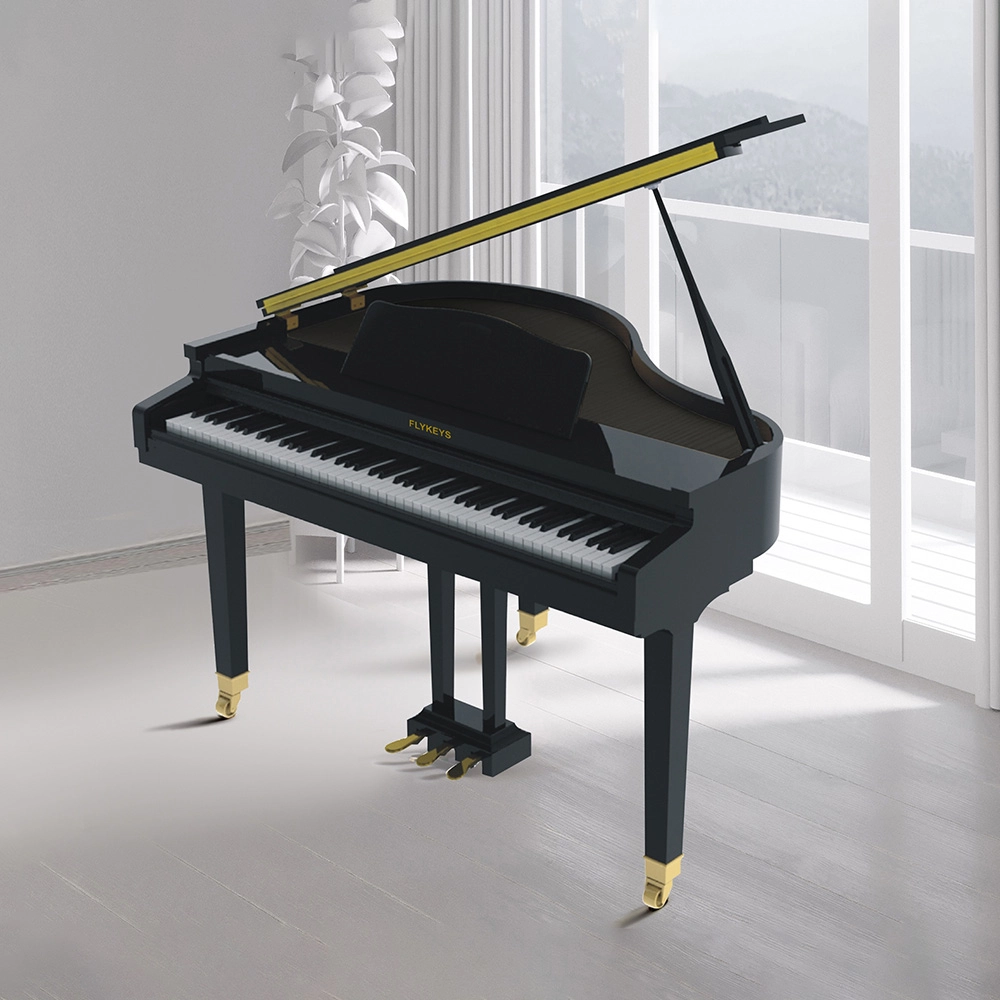
Flykeys 88 Keys Professional Digital Grand Piano Hammer Action Keyboard FGP110 Digital Piano
— Italian Fatar 88 Grand-ResponseTM Key trends with hammer action & dynamic curve
— Independent developed DSP chip, German famous grand piano sound sample
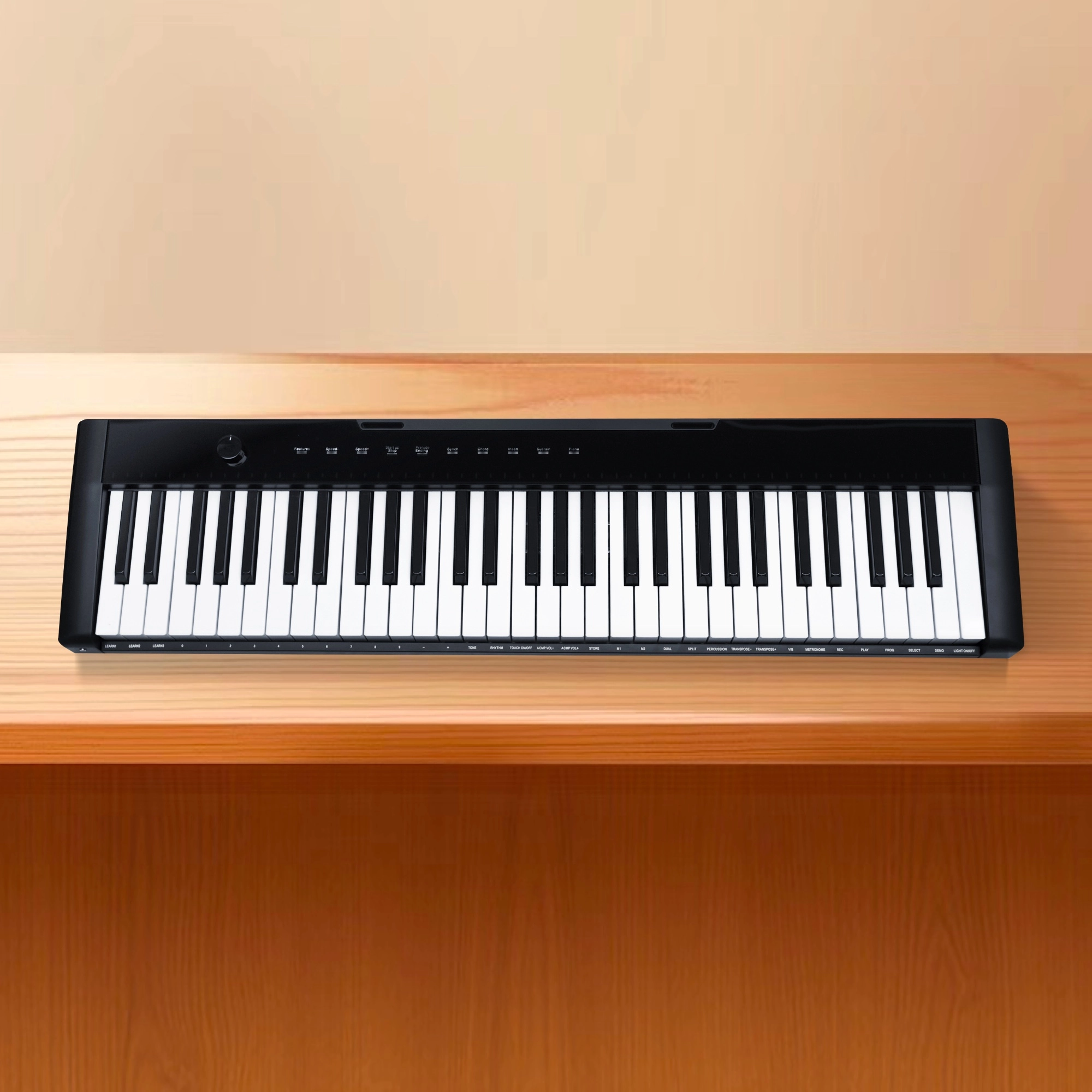
Flykeys 61 keys portable electronic keyboard piano with X stand (M2)
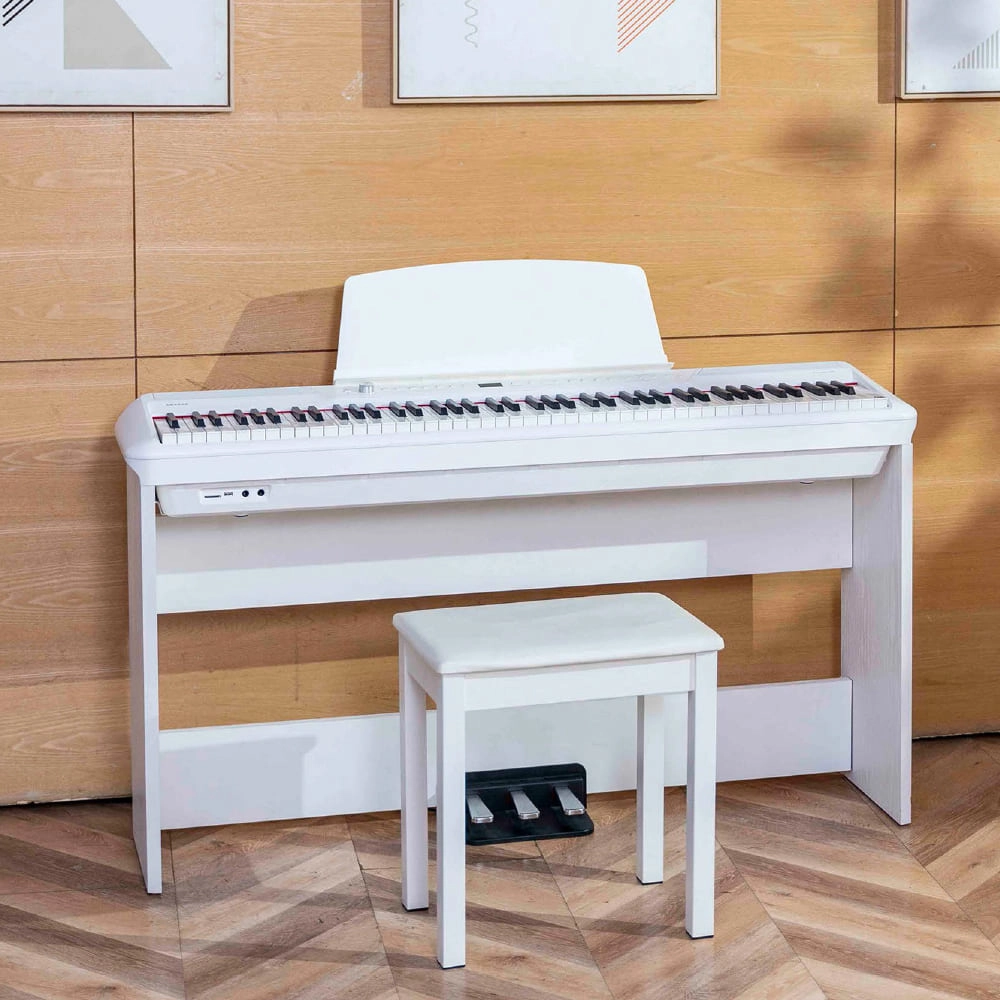
Flykeys Portable Electric Keyboard FP9 Digital Piano
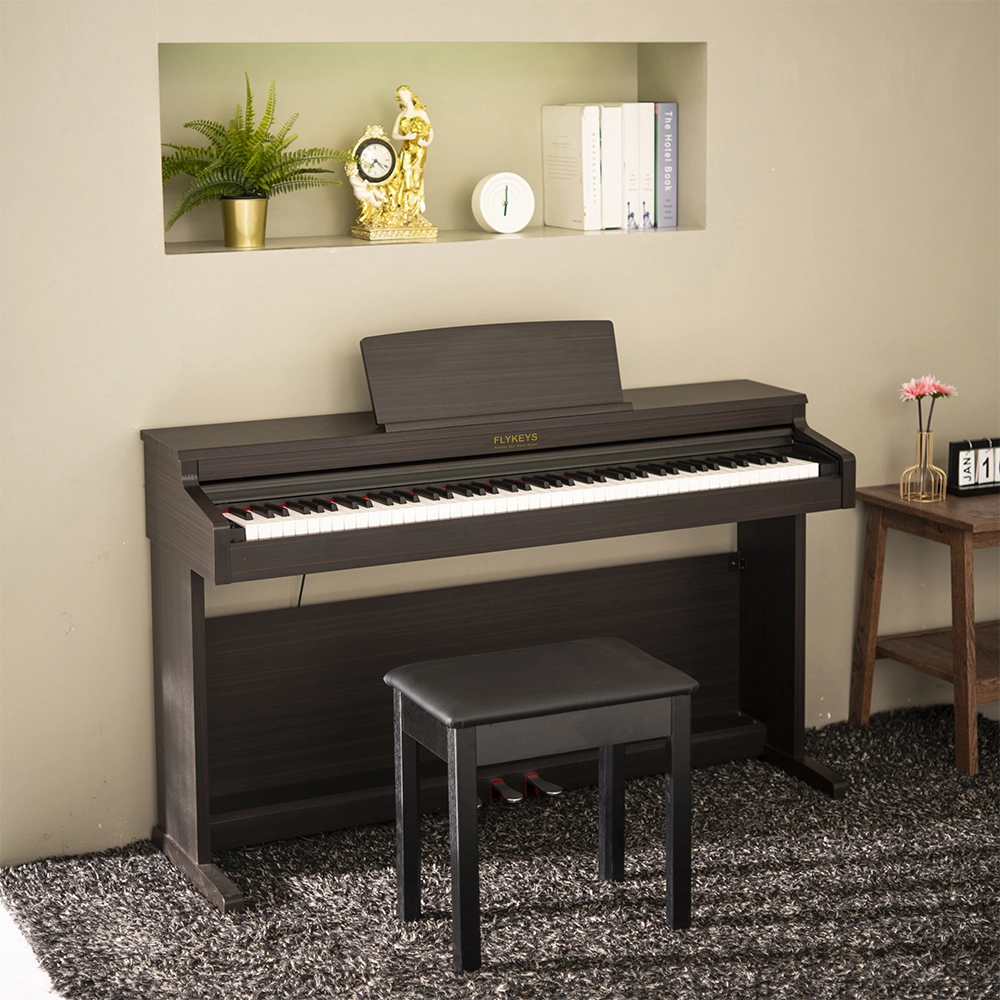
Flykeys 88 Keys Hammer Action keyboard Upright Piano LK03S Digital Piano
— Independent patented technology 88 key Grand-Response hammer action & dynamic curve keyboard;
— European top DSP chip, famous grand piano sound sample;
Address: No. 38 Xiangshan Avenue, Zengcheng Economic And Technological Development Zone, Guangzhou, China.
FOLLOW US:


© 2026 FLYKEYS All Rights Reserved. 粤 ICP备2020102774号. Designed by gooeyun. Sitemap | Privacy | Terms