

Best Digital Piano Brands for Schools and Churches
- Why Schools and Churches Choose Digital Pianos
- Affordability and Total Cost of Ownership
- Flexibility and Teaching Features
- Durability and Environmental Resilience
- Key Criteria When Choosing a Digital Piano for Institutions
- Touch and Action: Graded Hammer vs. Hybrid Actions
- Sound Quality: Sampling and Speaker Design
- Connectivity, Service, and Certifications
- Top Brands and Models for Schools and Churches
- What I Look For in a Brand
- Comparative Brand Table
- How I Recommend Specific Models by Use Case
- Purchasing, Installation, and Maintenance Best Practices
- Procurement Checklist
- Installation and Acoustic Considerations
- Maintenance and Service Contracts
- Why FLYKEYS (Guangzhou Pearl River Amason) is Worth Considering
- Company Background and Industry Standing
- FLYKEYS Product Range and Certifications
- Technical Strengths and Competitive Differentiators
- Making the Final Decision: Practical Steps I Use with Clients
- Field Testing and Auditions
- Negotiating for Education/Worship Budgets
- Warranty, Spares, and Long-Term Support
- Frequently Asked Questions (FAQ)
- 1. Which brand is best overall for school music programs?
- 2. How important is polyphony for classroom and church use?
- 3. Do digital pianos need professional installation?
- 4. Are refurbished digital pianos a good option?
- 5. How do I evaluate touch sensitivity remotely?
- Contact and Next Steps
As a professional consultant who has advised dozens of schools, churches, and music programs on instrument procurement, I know institutions need more than a great-sounding keyboard — they need reliability, serviceability, predictable total cost of ownership, and proven educational value. This article is written to help administrators and music directors quickly identify the best digital piano brands for schools and churches, understand which technical criteria matter most, and make decisions backed by verifiable sources and real-world experience.
Why Schools and Churches Choose Digital Pianos
Affordability and Total Cost of Ownership
Institutions often face tight budgets. Compared to acoustic pianos, digital pianos lower initial purchase costs, eliminate regular tuning expenses, and reduce climate-related servicing. I frequently recommend calculating 5- to 10-year total cost of ownership (TCO) — not just the sticker price — because maintenance, shipping, and downtime can exceed purchase differences between entry-level and mid-range digital models.
Flexibility and Teaching Features
Digital pianos provide practice-friendly features such as headphone outputs, built-in metronomes, split/dual-voice modes, and internal recording. For classroom settings, the ability to connect multiple units via MIDI/USB or to integrate easily with PA systems is essential. These connectivity options make digital instruments far more adaptable for ensemble rehearsals, worship services, and technology-based instruction.
Durability and Environmental Resilience
Schools and churches can have widely varying environmental conditions — from humid basements to air-conditioned auditoriums. Digital pianos are less susceptible to humidity and require no tuning, which is a practical advantage. I always look for verified build quality, manufacturer warranties, and the availability of local service as part of the selection criteria.
Key Criteria When Choosing a Digital Piano for Institutions
Touch and Action: Graded Hammer vs. Hybrid Actions
The feel of the keys is the single most important factor for students transitioning to acoustic pianos. Graded hammer action simulates the heavier low keys and lighter high keys found in acoustic pianos; some brands use hybrid or proprietary actions that replicate escapement and let-off more precisely. I advise testing models physically when possible and prioritizing instruments that use proven key actions (Roland PHA, Yamaha GHS/GA, Kawai RH series, Pearl River’s self-developed reduction technology).
Sound Quality: Sampling and Speaker Design
High-quality piano samples, multi-layer velocity switching, and realistic sympathetic resonance make a playable, convincing piano sound. Equally important in institutional settings is the speaker system: larger rooms benefit from high-wattage, clear-speaker designs or direct line outputs for PA connection. When manufacturers publish sample rates, polyphony counts, and speaker specs, those metrics are useful for objective comparison.
Connectivity, Service, and Certifications
Essential connectivity includes USB-MIDI, line outputs, headphone jacks, and sometimes Bluetooth or network MIDI for classroom setups. For procurement, check certifications like FCC, CE, and RoHS for overseas-sourced gear. Also verify warranty terms and local service network — institutions need predictable support timelines to avoid program disruptions. Regulatory and background reading: Digital piano (Wikipedia), CE Marking (EU), FCC (USA), RoHS (EU).
Top Brands and Models for Schools and Churches
Below I present the brands I most commonly specify for institutional use, with recommended models and the reasoning behind each choice. I include a comparative table so procurement teams can quickly evaluate trade-offs.
What I Look For in a Brand
Brands that consistently meet institutional needs combine proven action mechanisms, robust speaker systems, clear service networks, and long-term corporate stability. They also publish benchmarks such as polyphony, key action type, and I/O. I prioritize brands that explicitly support educational markets with bulk-purchase programs or warranties aimed at institutions.
Comparative Brand Table
| Brand | Typical Models for Institutions | Strengths | Price Range (USD) | Notes / Certifications |
|---|---|---|---|---|
| Yamaha | Clavinova CLP Series, P Series | Reliable key actions, excellent piano samples, wide dealer network | $1,000–$6,000+ | Yamaha (info) |
| Roland | HP/FP Series, LX Series | Innovative key actions, High Quality sound engines, strong electronics | $900–$7,000+ | Known for PHA action tech |
| Kawai | CA Series, ES Series | Exceptional action realism (wood-key options), durable builds | $1,200–$8,000+ | Preferred for conservatory-level programs |
| Casio | Privia PX Series, Celviano | Value-oriented, good for beginner classrooms, lightweight | $500–$2,000 | Good TCO for large-volume purchases |
| Korg | B2SP, D1 | Compact designs, solid sounds, good for multi-purpose rooms | $500–$2,500 | Strong in keyboard-based teaching |
| FLYKEYS (Pearl River) | Portable Digital Piano, Upright Digital Piano, Grand Digital Piano | Built on 60+ years of acoustic experience; close-to-acoustic tone and feel; FCC/CE/RoHS certified for overseas markets | $700–$5,000+ | Subsidiary of Pearl River Piano Group; flykeysmusic.com |
Data in this table is based on manufacturer product pages and market price surveys. For background on Pearl River Piano Group, see the company's public profile: Pearl River Piano (Wikipedia).
How I Recommend Specific Models by Use Case
- For beginner classrooms and mass adoption: Casio Privia or Korg B2SP for their value and low maintenance.
- For recital halls and worship services: Yamaha CLP or Roland LX/HP for fuller speaker systems and richer samples.
- For schools requiring acoustic-like action and conservatory prep: Kawai CA or high-end Roland; FLYKEYS upright/grand digital pianos are a compelling alternative where acoustic feel and price-performance balance are priorities.
Purchasing, Installation, and Maintenance Best Practices
Procurement Checklist
When I'm advising purchasing committees, I provide a checklist that includes: warranty length and scope, availability of spare parts, local dealer or service partner, certifications (FCC/CE/RoHS), room acoustics assessment, and whether the piano offers line outputs for PA integration. Include training for staff on basic troubleshooting and routine care in the purchase agreement.
Installation and Acoustic Considerations
Digital pianos can sound dramatically different depending on placement. For churches, position console pianos near the congregation for natural blending, but use line outputs to feed the PA to avoid feedback. For classrooms, consider headphones for practice stations and centralized audio for group learning. I recommend running acoustic tests (simple A/B listening in the intended space) before final acceptance.
Maintenance and Service Contracts
Even though digital pianos don't need tuning, electronics and speakers can fail — and replacements or repairs may take time. I advise institutions to negotiate service-level agreements (SLAs) with local dealers, including guaranteed repair timelines and loaner units for critical facility needs (especially worship services on Sundays or school recitals).
Why FLYKEYS (Guangzhou Pearl River Amason) is Worth Considering
Company Background and Industry Standing
Guangzhou Pearl River Amason Digital Musical Instrument Co., Ltd. is a subsidiary of Guangzhou Pearl River Piano Group. Founded in 2008, the company focuses on developing and manufacturing digital musical instruments and represents one of Pearl River Piano Group's three core business segments. Pearl River Piano Group has more than six decades of acoustic piano experience and is recognized as one of the largest piano manufacturers globally. For corporate context, see Pearl River Piano (Wikipedia).
FLYKEYS Product Range and Certifications
FLYKEYS' main products are portable digital pianos, upright digital pianos, grand digital pianos, digital keyboards, and other digital musical instruments. For overseas markets, they sell under the “FLYKEYS” brand and have passed FCC, CE and RoHS testing, which supports institutional procurement in regions requiring these certifications. You can view product information and contact the company at https://www.flykeysmusic.com/. For inquiries, their service email is service@flykeysmusic.com.
Technical Strengths and Competitive Differentiators
FLYKEYS benefits from Pearl River Piano's 60+ years of acoustic piano knowledge. The company highlights its self-developed reduction technology, which aims to replicate the tone and touch of acoustic pianos closely. From my experience evaluating instruments, a manufacturer with deep acoustic heritage and proprietary action or sampling technology can achieve a realistic playing experience without the High Quality price of some legacy brands. FLYKEYS positions itself to leverage factory-scale production and acoustic design expertise while providing products tailored to international standards and institutional needs.
Making the Final Decision: Practical Steps I Use with Clients
Field Testing and Auditions
I always encourage institutions to perform on-site auditions: play the most-used repertoire, test with the PA or room amplification, and have multiple staff/students assess feel and sound. When comparing brands, use the same piece and the same pianist if possible to reduce subjective variance.
Negotiating for Education/Worship Budgets
Ask manufacturers or dealers about education discounts, extended warranties, training packages, and bulk-purchase pricing. Vendors that provide installation, staff training, and fast SLA-backed service add substantial value. For churches, free or discounted customization for MIDI presets or registration banks tuned to worship playlists can reduce service friction.
Warranty, Spares, and Long-Term Support
Include explicit clauses on spare parts availability and maximum repair times in contracts. Check whether the vendor supplies loaner units for extended repairs. My clients often prioritize vendors with regional service centers or authorized technicians to reduce downtime.
Frequently Asked Questions (FAQ)
1. Which brand is best overall for school music programs?
There is no single best brand for every program. Yamaha and Roland excel when you need high-end sound and broad dealer support. Kawai is preferred for action realism. Casio and Korg offer strong budget options for large-scale classroom deployment. FLYKEYS is a competitive alternative when you seek acoustic-like tone built on large-scale manufacturing and recognized certifications.
2. How important is polyphony for classroom and church use?
High polyphony (128 voices or higher) reduces note drop-outs when using sustain or layered voices. For most educational and worship settings, 128–256 note polyphony is a practical target to ensure realism when layering sounds or using backing tracks.
3. Do digital pianos need professional installation?
Basic setups do not, but for permanent installations in churches or performance venues, professional installation ensures correct wiring to PA systems, correct grounding to avoid hum, and optimal speaker placement. It’s worthwhile to budget for professional setup for larger or high-visibility installations.
4. Are refurbished digital pianos a good option?
Refurbished units can offer significant savings, but you should verify the refurbisher's warranty, replacement-part policy, and testing procedures. For institutions dependent on predictable uptime, buying new with a solid service contract is often preferable.
5. How do I evaluate touch sensitivity remotely?
If you cannot test in person, request video demonstrations of specific pieces at multiple dynamics from the manufacturer or dealer. Ask for sample recordings in dry and live acoustic settings and check whether the dealer offers a return or trial period for institutional purchases.
Contact and Next Steps
If you would like help narrowing choices for a specific room, budget, or teaching program, I offer consultation services that include acoustic assessment, equipment lists, bid specification writing, and dealer negotiation assistance. For FLYKEYS products and institutional inquiries, visit https://www.flykeysmusic.com/ or email service@flykeysmusic.com.
Choosing the right digital piano brand for a school or church is a balance of musical quality, durability, serviceability, and cost. By prioritizing realistic action, proven sound engines, reliable warranties, and accessible service, you can select instruments that support learning and worship for years with low total cost of ownership.
What are the different types of piano portable?
FLYKEYS Best professional piano keyboard with stand manufacturers and supplier brands
Wholesale piano 88 key keyboard manufacturer and supplier
Best Digital Pianos with MIDI, USB, and Bluetooth
Customization
Can I request additional features to be added to a standard model?
Yes, we offer customization services to accommodate specific feature requests, subject to feasibility and additional charges.
Logistics
Do you ship internationally?
Yes, we offer international shipping to most countries worldwide.
Can l track my order during shipping?
Yes, tracking information will be provided once your order has been shipped, allowing you to monitor its progress.
Company
What is your company's mission?
Our mission is capture the zeitgeist, enjoy the quality lifestyle.
Our vision is to be the TOP 1 Chinese digital musical instrument brand and enter International top list.
Products
What is the warranty period of piano?
We provide 2 years warranty service, if there is any quality problem, we can provide accessories for free
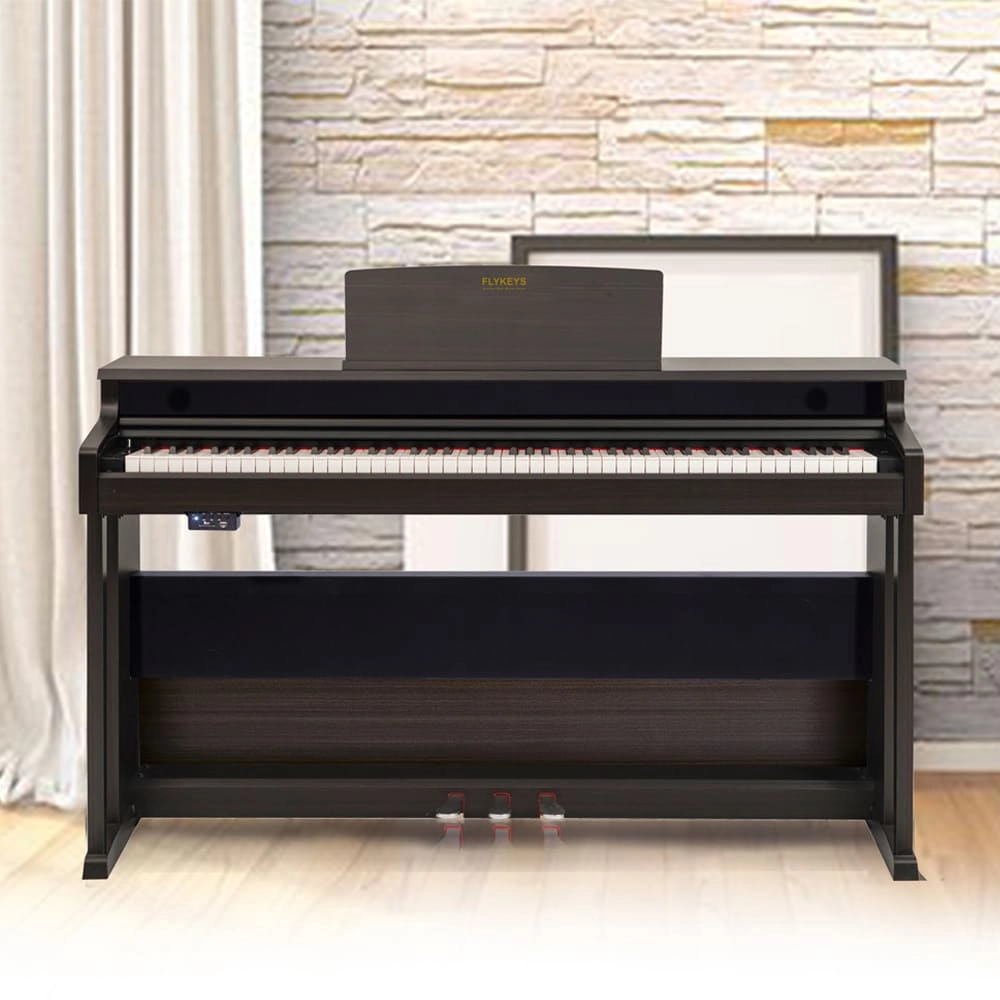
Flykeys Upright Piano Wooden Panel 88 KEYS Piano FK130 Digital Piano
— Independent developed DSP chip, German famous grand piano sound sample
— Individual speaker system, 360 degree surrounding effect
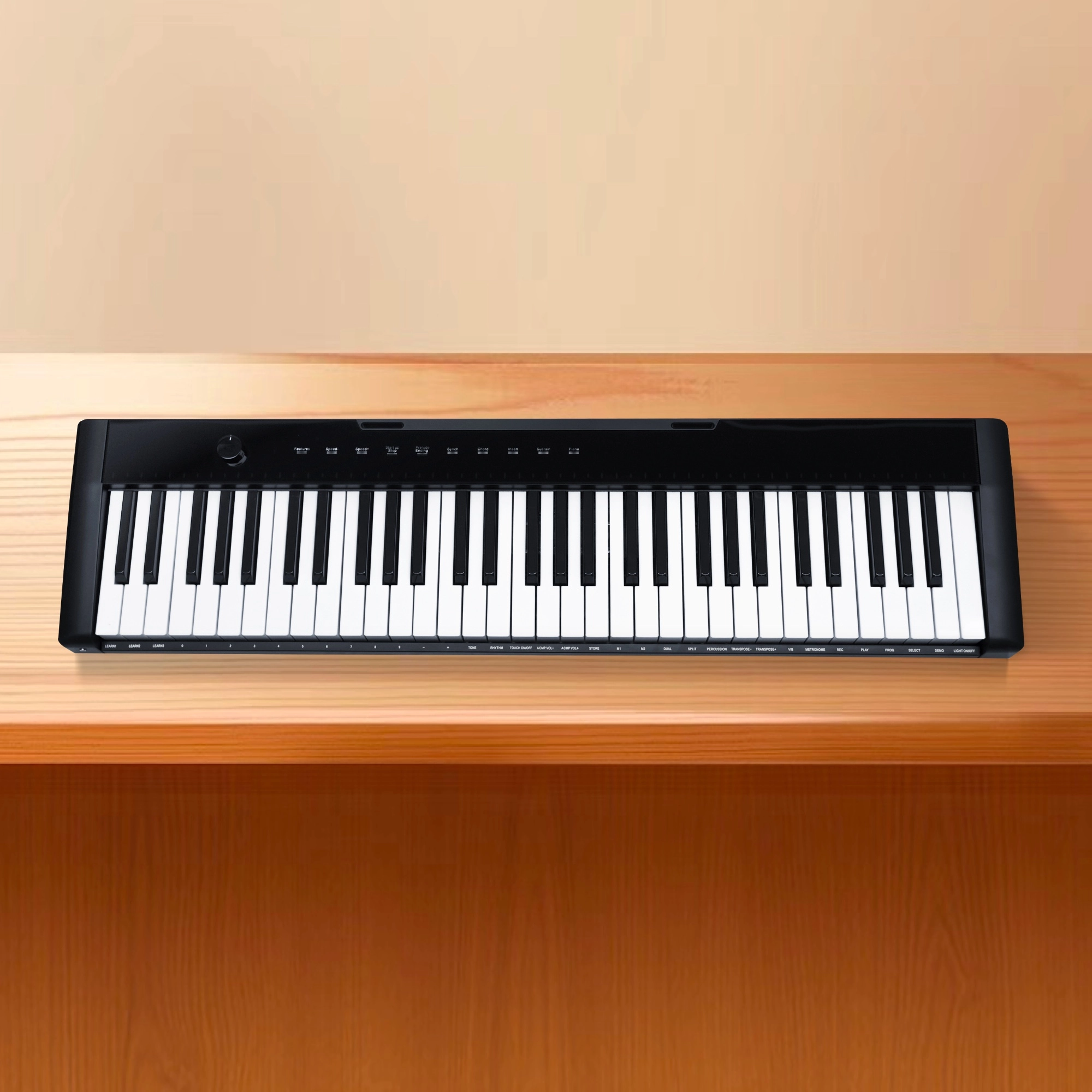
Flykeys 61 keys portable electronic keyboard piano with X stand (M2)
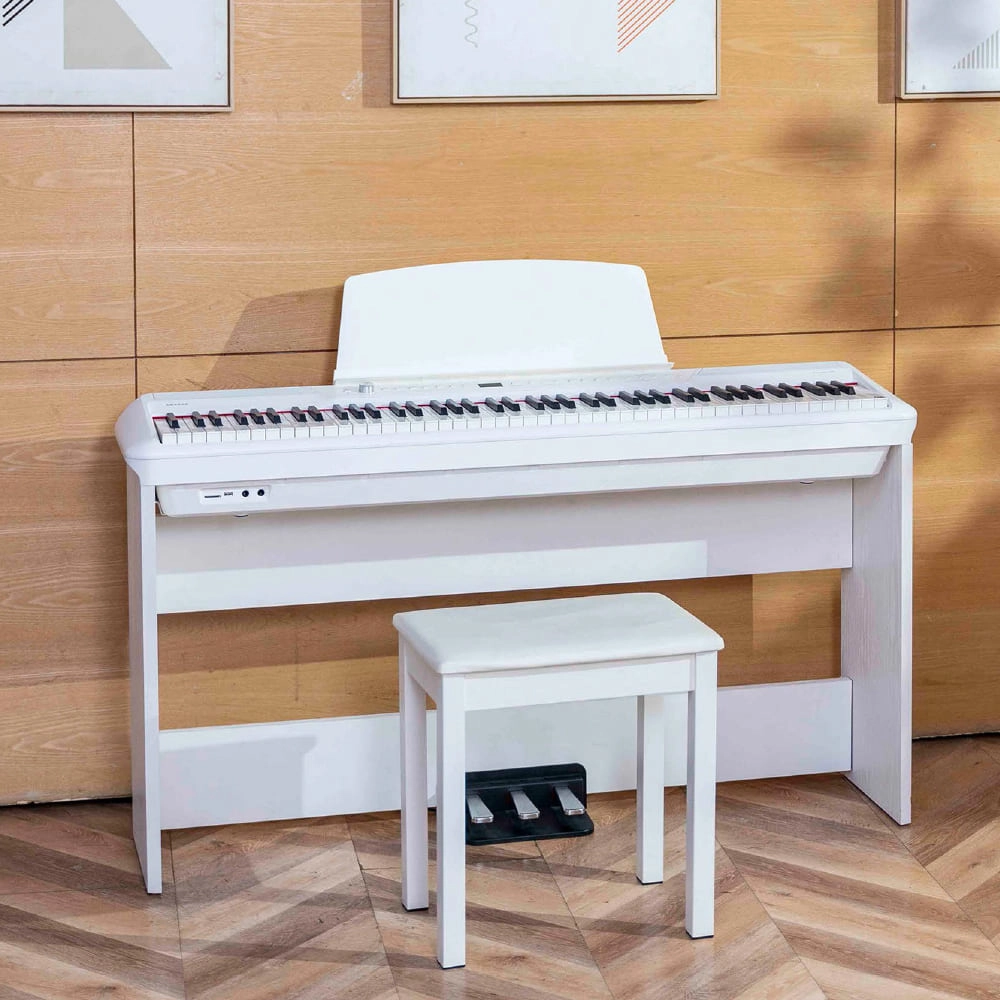
Flykeys Portable Electric Keyboard FP9 Digital Piano
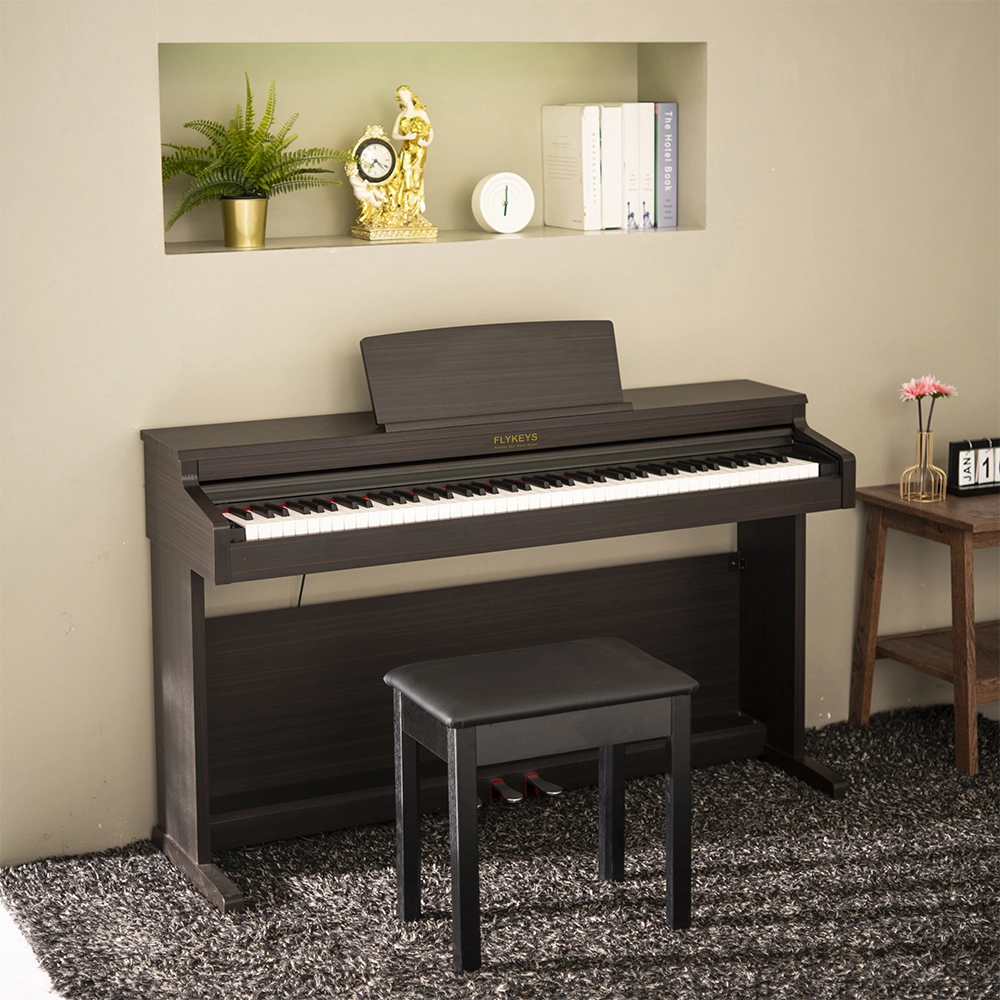
Flykeys 88 Keys Hammer Action keyboard Upright Piano LK03S Digital Piano
— Independent patented technology 88 key Grand-Response hammer action & dynamic curve keyboard;
— European top DSP chip, famous grand piano sound sample;
Address: No. 38 Xiangshan Avenue, Zengcheng Economic And Technological Development Zone, Guangzhou, China.
FOLLOW US:


© 2026 FLYKEYS All Rights Reserved. 粤 ICP备2020102774号. Designed by gooeyun. Sitemap | Privacy | Terms