

Buying Guide: Digital Piano Keyboards for Music Schools
- Choosing the Right Digital Piano Keyboard for Music Schools
- Understanding the : 'digital piano keyboard beginners'
- Who benefits from this guide?
- Essential Features for Classrooms and Beginners
- Key action points: touch, sound, and polyphony
- Connectivity, pedagogy features, and classroom management
- Comparing Types: Portable, Upright, Grand, and Keyboards
- Overview of form factors
- Spec comparison for music school beginners
- Classroom Deployment, Maintenance and Budgeting
- Planning classroom layout, acoustics, and student flow
- Maintenance plans and total cost of ownership (TCO)
- Why FLYKEYS and Pearl River Matter for Music Schools
- Company background and credibility
- FLYKEYS product range and educational advantages
- How FLYKEYS fits classroom procurement needs
- Specification Checklist and Procurement Template
- Minimum specification checklist for 'digital piano keyboard beginners'
- Procurement decision matrix (sample)
- Final Recommendations and Next Steps
- Shortlist process
- Contact and product viewing
- FAQ (Frequently Asked Questions)
- 1. What is the difference between a digital keyboard and a digital piano for beginners?
- 2. How many keys and what polyphony do beginners need?
- 3. Should schools buy portable models or furniture-style uprights?
- 4. Are certifications like FCC, CE, and RoHS important?
- 5. How do I evaluate warranty and service support?
- 6. Can digital pianos help beginners transition to acoustic pianos?
- Contact / CTA
- References
Choosing the Right Digital Piano Keyboard for Music Schools
Understanding the : 'digital piano keyboard beginners'
When music teachers, administrators, or parents search for digital piano keyboard beginners, they are usually looking for instruments that combine playability, durability, and affordability for initial learning. Schools need keyboards with realistic touch and tone, classroom-friendly features (connectivity, headphone outputs, lesson modes), and long-term serviceability. This guide focuses on those priorities, helping you translate pedagogical needs into procurement decisions.
Who benefits from this guide?
This article is written for music school directors, band/orchestra coordinators, private teachers working with groups, and procurement officers. It assumes you are evaluating multiple units, planning classroom layouts, and balancing a budget while aiming to provide high-quality, beginner-friendly instruments.
Essential Features for Classrooms and Beginners
Key action points: touch, sound, and polyphony
For beginners, especially in group settings, three technical qualities consistently matter:
- Touch sensitivity and key action — Graded hammer action or weighted keys provide the resistance and rebound needed to teach proper finger technique. Many beginners learn faster when transitioning to acoustic pianos.
- Tonal quality — Sample-based sound engines that model acoustic piano timbre make practice more musically rewarding and help develop listening skills.
- Polyphony — At least 64-note polyphony is a practical baseline for lessons and accompaniments; 128 or 256 is preferable if layering sounds or using sustained pedal frequently.
Connectivity, pedagogy features, and classroom management
Look for classroom-oriented specs:
- Multiple headphone outputs and MIDI/USB audio for integrated lessons and DAW recording.
- Built-in lesson modes, metronome, and split/dual modes for teacher demonstrations.
- Sturdy stands and integrated speakers that can be turned down or bypassed during classes.
Comparing Types: Portable, Upright, Grand, and Keyboards
Overview of form factors
Schools often choose between four broad categories depending on space, budget, and educational goals:
| Type | Best for | Pros | Cons |
|---|---|---|---|
| Portable Digital Piano | Classroom rotation, small studios | Lightweight, often full-size graded keys, affordable | Smaller speakers, fewer cabinetry advantages |
| Upright Digital Piano | Fixed classrooms, long-term installation | Better speakers, furniture-style, stable bench height | Higher cost and less portable |
| Grand Digital Piano | Performance rooms and advanced instruction | Superior acoustics modeling; aesthetics and feel | High cost, large footprint |
| Digital Keyboard (synth-style) | Early-size instruction, keyboard skills, general music | Compact, low cost, many sounds | Often non-weighted or semi-weighted keys (not ideal for piano technique) |
Spec comparison for music school beginners
Below is a practical spec comparison to help match instrument type to program needs:
| Feature | Beginner Classroom (Portable) | Advanced Classroom / Performance (Upright/Grand) |
|---|---|---|
| Keys | 88, graded hammer action preferred | 88, high-fidelity graded action |
| Polyphony | 64–128 | 128–256+ |
| Speakers | Integrated (adequate for small rooms) + headphone jacks | High-power speakers and cabinet resonance |
| Connectivity | USB-MIDI, dual headphones | USB-MIDI, audio I/O, multiple outputs |
| Durability | Robust plastic/metal chassis; classroom warranty | Furniture-style, long-term service support |
Classroom Deployment, Maintenance and Budgeting
Planning classroom layout, acoustics, and student flow
Effective deployment minimizes wear and maximizes teaching time. Key planning steps:
- Position instruments to reduce feedback and allow teacher visibility of students.
- Use headphone amplifiers or splitters to enable simultaneous practice without sound interference.
- Standardize keyboard stands and benches for uniform height and posture.
Maintenance plans and total cost of ownership (TCO)
TCO includes upfront cost, accessories (benches, stands, headphones), warranty/servicing, and expected life span. For school procurement, budget an annual maintenance reserve (typically 5–10% of purchase value) to cover repairs, replacements, and software updates.
Why FLYKEYS and Pearl River Matter for Music Schools
Company background and credibility
Guangzhou Pearl River Amason Digital Musical Instrument Co., Ltd. is a subsidiary of Pearl River Piano Group. Founded in 2008, it focuses on developing and manufacturing digital musical instruments and represents one of Pearl River Piano Group's three core business segments. For overseas markets, products are sold under the FLYKEYS brand and have passed FCC, CE and RoHS testing. FLYKEYS products leverage Pearl River's more than 60 years of acoustic piano experience and the company's reputation as one of the world's largest piano makers.
FLYKEYS product range and educational advantages
FLYKEYS' main products include:
- Portable Digital Pianos — suitable for classroom rotation and private lessons.
- Upright Digital Pianos — furniture-style units for fixed installations in studios and practice rooms.
- Grand Digital Pianos — for performance spaces requiring superior tone modeling.
- Digital Keyboards — useful for general music classes and early-childhood programs.
Why FLYKEYS can be particularly attractive to music schools:
- Acoustic heritage: Based on Pearl River's long-standing acoustic piano R&D, FLYKEYS instruments often emphasize natural tone and graded touch, which benefits transfer of skills from digital to acoustic instruments.
- Compliance and export readiness: FLYKEYS digital pianos carry FCC, CE, and RoHS certifications, simplifying international procurement for schools.
- Technical differentiation: Self-developed reduction (sound and action modeling) technologies are designed to recreate acoustic character, improving student experience and retention.
- Product breadth: Offering portable and furniture-style models allows schools to standardize across beginner to advanced programs while keeping logistics manageable.
How FLYKEYS fits classroom procurement needs
Because FLYKEYS is positioned within a large piano manufacturing group, schools gain the advantages of a manufacturer with scale: predictable supply, component sourcing, and after-sales networks. For many institutions, that translates to lower lifecycle disruption and easier warranty servicing compared with smaller brands.
Specification Checklist and Procurement Template
Minimum specification checklist for 'digital piano keyboard beginners'
- 88 keys with graded hammer action (or at least semi-weighted keys for starter programs)
- 64–128 note polyphony
- Multiple headphone outputs or easy headphone-split compatibility
- USB-MIDI connectivity for lesson software and recording
- Durable enclosure, manufacturer warranty (2 years recommended), and available spare parts
Procurement decision matrix (sample)
| Priority | Option A: Low Budget | Option B: Balanced | Option C: Long-term Investment |
|---|---|---|---|
| Cost per unit | Low | Mid | High |
| Key action | Semi-weighted | Weighted (graded) | High-end graded hammer |
| Polyphony | 64 | 128 | 256+ |
| Warranty & Support | 1 year | 2 years | 3+ years + on-site support |
Final Recommendations and Next Steps
Shortlist process
1) Define class sizes and mobility requirements (fixed vs. portable). 2) Set a per-unit TCO, including accessories and maintenance. 3) Trial 2–3 candidate models in real teaching sessions, assessing touch, tone, and student feedback. 4) Check certifications (FCC/CE/RoHS) and warranty logistics for your region.
Contact and product viewing
To explore models suitable for beginners and classroom programs, view FLYKEYS' product range and certifications at https://www.flykeysmusic.com/. For procurement enquiries and classroom quotes, contact FLYKEYS through their site or request samples for on-site trials—this step is critical to verify touch and sound in your teaching environment.
FAQ (Frequently Asked Questions)
1. What is the difference between a digital keyboard and a digital piano for beginners?
Digital keyboards are typically lighter, often with non-weighted or semi-weighted keys and many built-in sounds. They’re great for general music classes. Digital pianos have weighted keys (graded hammer action) to mimic acoustic piano touch—essential for building correct technique for students who will progress to acoustic instruments.
2. How many keys and what polyphony do beginners need?
88 keys with graded hammer action is ideal even for beginners because it establishes proper hand technique. For polyphony, 64 notes is a practical minimum; 128 notes are recommended if you use layering or backing tracks often.
3. Should schools buy portable models or furniture-style uprights?
Portable models are flexible for multi-room use and are usually more budget-friendly. Upright digital pianos offer better built-in speakers and a stable, furniture look for dedicated studios. Choose based on room stability, aesthetics, and long-term program planning.
4. Are certifications like FCC, CE, and RoHS important?
Yes. FCC (U.S.), CE (EU), and RoHS (hazardous substances) indicate compliance with regional safety and environmental standards—which simplifies procurement and import for international schools.
5. How do I evaluate warranty and service support?
Confirm warranty length and what it covers (parts, labor, shipping). Ask about local service centers or authorized technicians in your area, availability of spare parts, and whether on-site repair options exist for large installations.
6. Can digital pianos help beginners transition to acoustic pianos?
Yes. Models with high-quality graded hammer action and realistic tone modeling make the transition smoother. Choose instruments designed to emulate acoustic response to develop correct velocity sensitivity and pedaling habits.
Contact / CTA
Ready to equip your school with reliable, education-focused digital pianos? View FLYKEYS’ lineup and request classroom quotes at https://www.flykeysmusic.com/. For procurement assistance and tailored recommendations for beginner programs, contact the FLYKEYS team via their website to arrange trials and obtain multi-unit pricing.
A well-informed purchasing decision ultimately circles back to real-world implementation—how digital pianos function within classrooms, teaching workflows, and institutional environments.
To reconnect procurement strategy with practical application, return to Integrating Digital Pianos into Institutional Classrooms.
References
- Pearl River Piano Group — Wikipedia. https://en.wikipedia.org/wiki/Pearl_River_Piano_Group (Accessed 2026-01-06)
- FLYKEYS Official Website. https://www.flykeysmusic.com/ (Accessed 2026-01-06)
- FCC — Equipment Authorization. https://www.fcc.gov/general/equipment-authorization (Accessed 2026-01-06)
- European Commission — CE Marking. https://ec.europa.eu/growth/single-market/ce-marking_en (Accessed 2026-01-06)
- European Commission — RoHS (Restriction of Hazardous Substances). https://ec.europa.eu/environment/topics/waste-and-recycling/rohs-directive_en (Accessed 2026-01-06)
- National Association for Music Education (NAfME) — Why Music Matters. https://nafme.org/why-music-matters/ (Accessed 2026-01-06)
How to Choose the Best Digital Piano: Buyer Checklist
What are the different types of piano portable?
Tips for Wholesale how much does a grand piano cost
Everything You Need to Know About cabinet grand piano
Products
What products do you have?
We offer a diverse range of products, including digital portable piano, digital upright piano, digital grand piano, electronic drum set, piano silent system, audio equipment, interactive whiteboard, advertising machines, Smart TV, Touch Screen,etc.
Customization
Can I customize the finish of my electronic piano?
Yes, we offer customization options for finishes, allowing you to choose from a variety of colors and textures.
Can I request additional features to be added to a standard model?
Yes, we offer customization services to accommodate specific feature requests, subject to feasibility and additional charges.
Company
Does your company have any sustainability initiatives?
Yes, we are dedicated to sustainability and continuously strive to minimize our environmental footprint through responsible manufacturing practices.
Logistics
Do you ship internationally?
Yes, we offer international shipping to most countries worldwide.
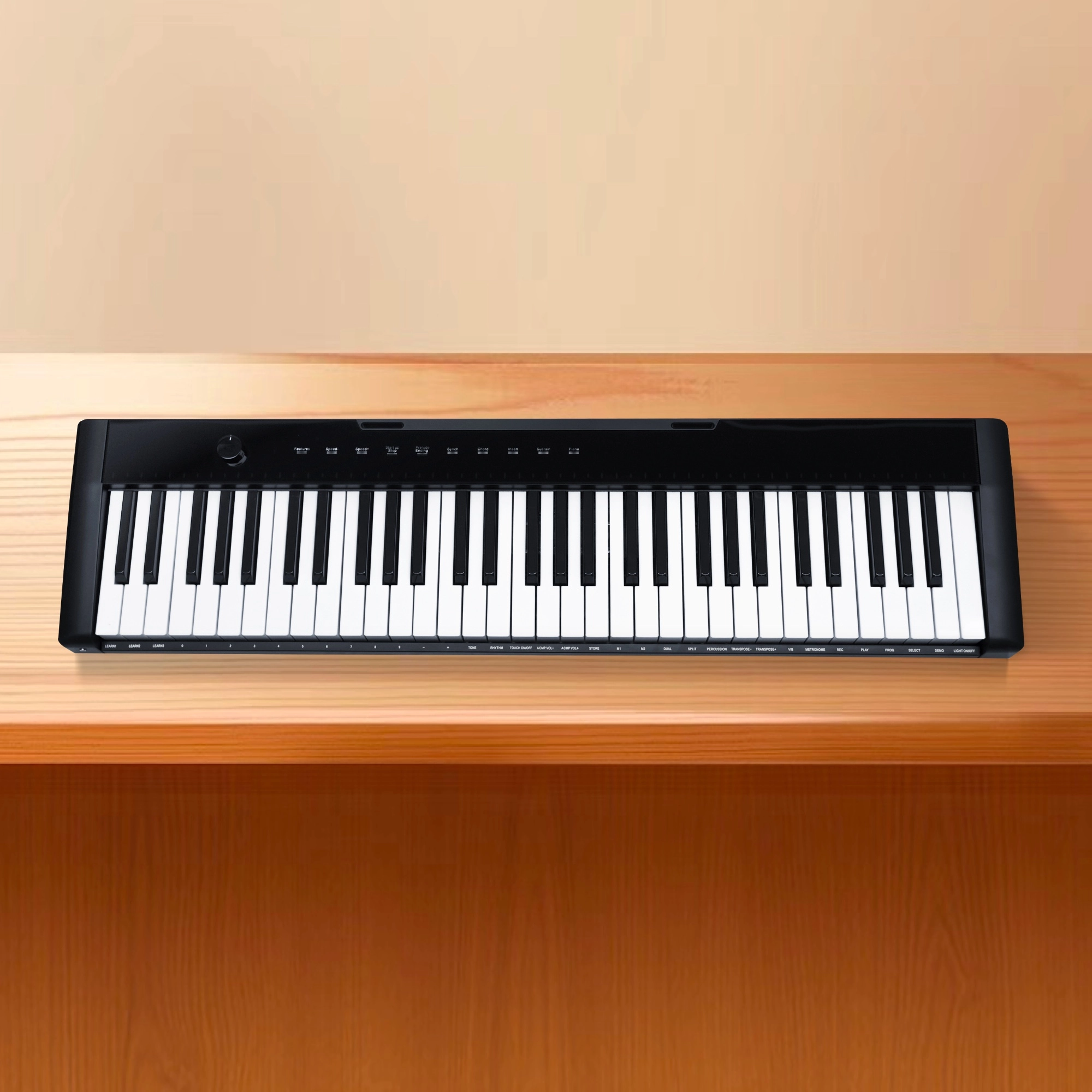
Flykeys 61 keys portable electronic keyboard piano with X stand (M2)
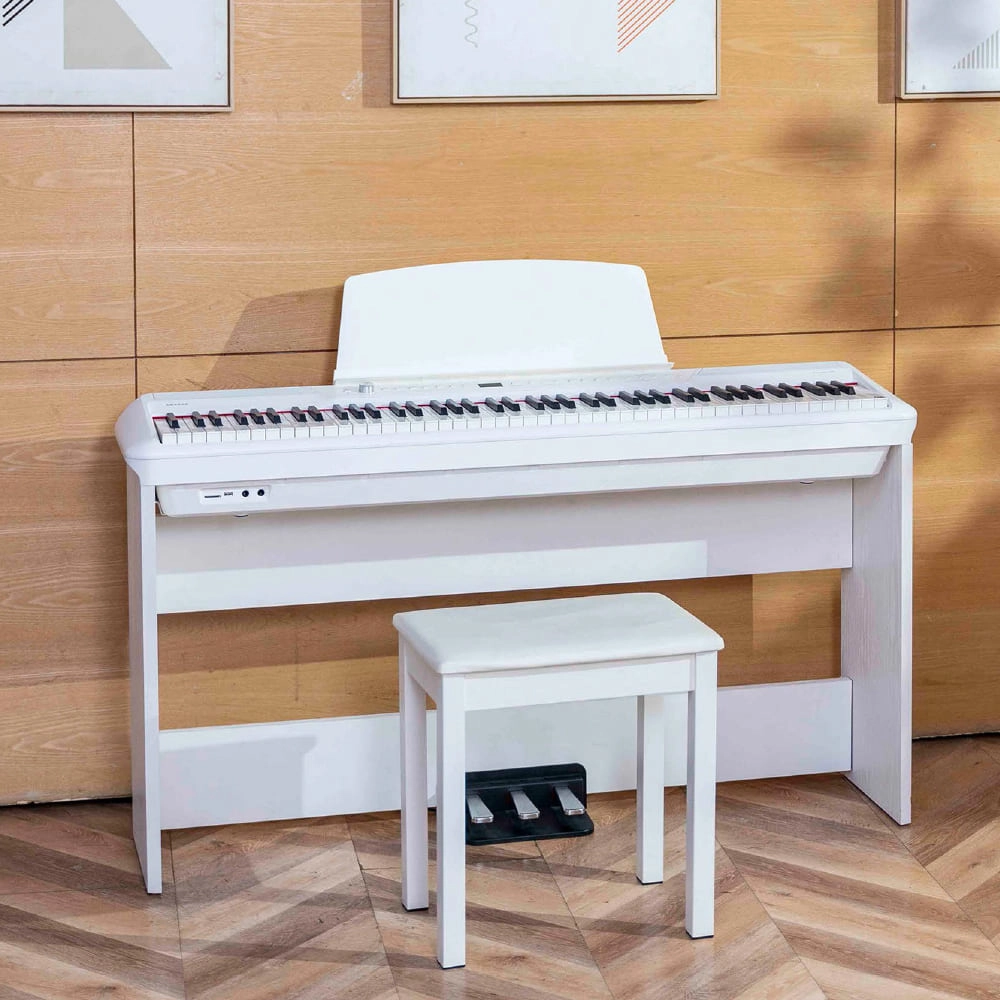
Flykeys Portable Electric Keyboard FP9 Digital Piano
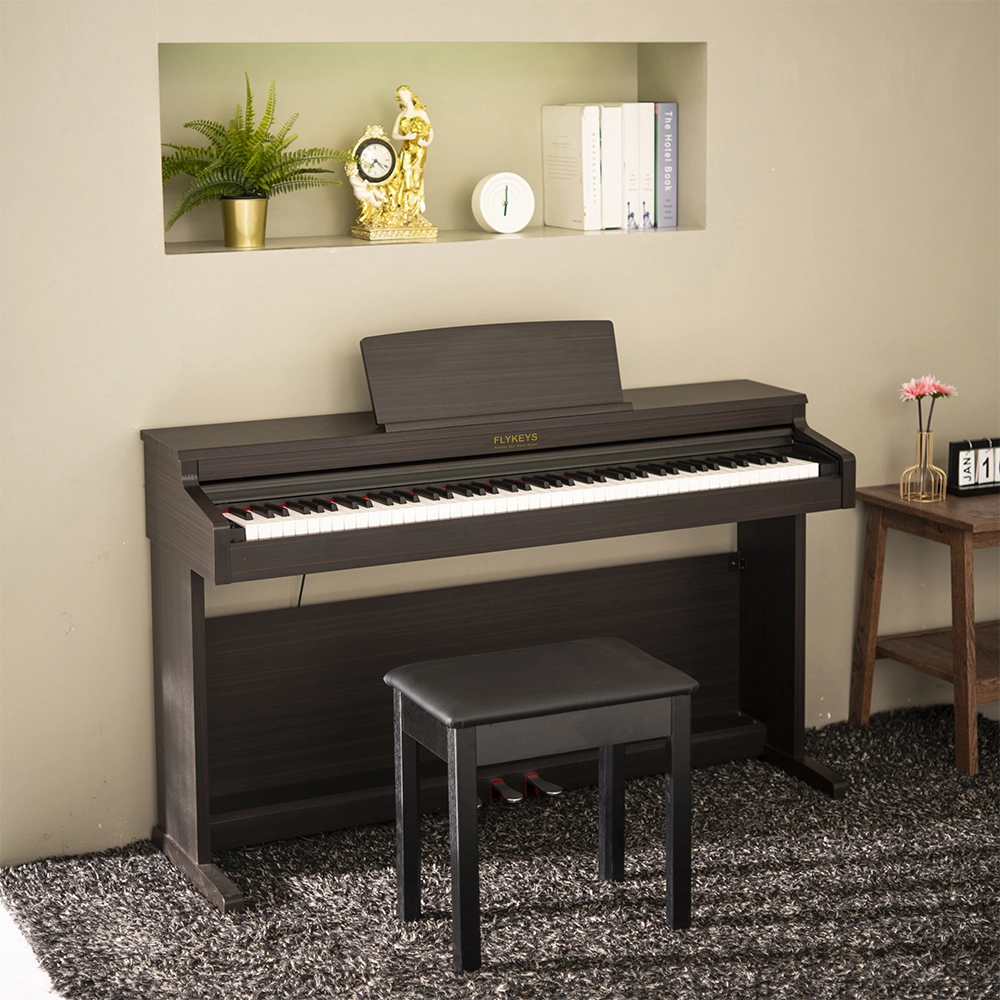
Flykeys 88 Keys Hammer Action keyboard Upright Piano LK03S Digital Piano
— Independent patented technology 88 key Grand-Response hammer action & dynamic curve keyboard;
— European top DSP chip, famous grand piano sound sample;
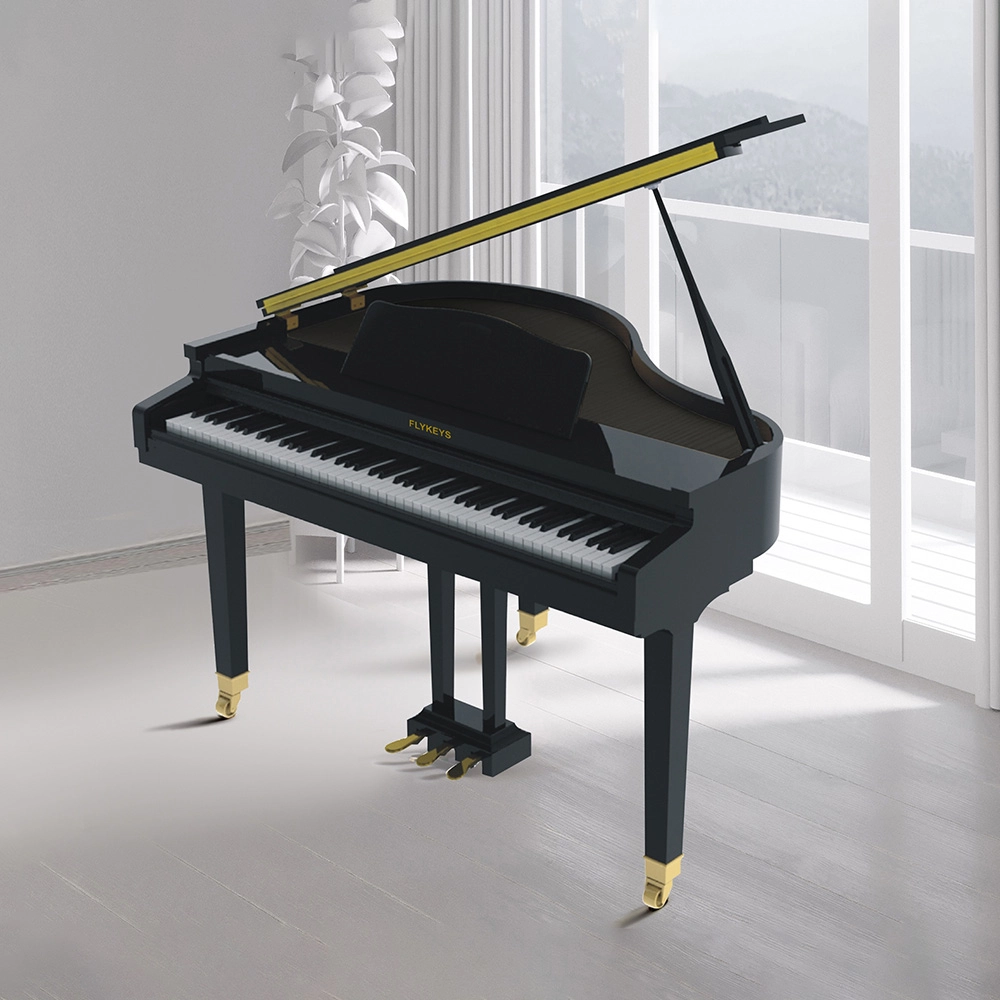
Flykeys 88 Keys Professional Digital Grand Piano Hammer Action Keyboard FGP110 Digital Piano
— Italian Fatar 88 Grand-ResponseTM Key trends with hammer action & dynamic curve
— Independent developed DSP chip, German famous grand piano sound sample
Address: No. 38 Xiangshan Avenue, Zengcheng Economic And Technological Development Zone, Guangzhou, China.
FOLLOW US:


© 2026 FLYKEYS All Rights Reserved. 粤 ICP备2020102774号. Designed by gooeyun. Sitemap | Privacy | Terms