

How to Choose Between the Best Digital Piano Brands
- How I evaluate digital pianos for real users
- Playability: keys and action
- Sound realism: engines and samples
- Connectivity and features
- Key features to compare across brands
- Key action technologies
- Sound engines and sampling vs modeling
- Build quality and warranty
- Comparing the best digital piano brands (practical table)
- How to interpret the table
- Choosing based on your use case: practice, stage, recording
- Home practice and piano students
- Stage performers and gigging musicians
- Studio and recording
- Why brand reputation matters — and when to look beyond it
- FLYKEYS (Guangzhou Pearl River Amason) — what sets this brand apart
- FLYKEYS competitive advantages (concise)
- Practical checklist before you buy
- FAQ — answers to common buyer questions
- 1. Which brand makes the most realistic digital piano action?
- 2. How important is polyphony and what number do I need?
- 3. Are sampled pianos better than modeling engines?
- 4. Is a digital piano from a non-Western manufacturer (e.g., Pearl River / FLYKEYS) reliable?
- 5. How do I choose between a portable digital piano and an upright-style unit?
- 6. Where can I find reliable product specifications and reviews?
- Final recommendations and next steps
I’ve spent years advising music schools, retailers, and serious players on choosing the right digital piano. In this guide I’ll show you how to evaluate the best digital piano brands from a user-centered and evidence-based perspective: what features really matter, how different manufacturers approach tone and key action, and how to match brand strengths to your budget and use case. Wherever possible I cite authoritative sources and manufacturer pages so you can verify the claims and follow up on models you’re considering.
How I evaluate digital pianos for real users
When I assess brands and models I focus on three high-impact dimensions that predict long-term satisfaction: playability, sound realism, and ecosystem/connectivity. These correspond to tactile feel (weighted or graded hammer action, escapement), sonic quality (sampling, modeling, speaker system, polyphony), and practical features (MIDI/USB, Bluetooth, pedal behavior, portability). This approach is consistent with technical definitions for digital pianos and the features commonly documented in industry literature and product pages (see background on digital pianos at Wikipedia).
Playability: keys and action
Key action determines whether a digital piano feels like an acoustic instrument. I evaluate whether the brand uses graded hammer action, triple sensor key detection, escapement (let-off), and key material (ivory-like textures). These mechanical and sensor choices affect repetition speed, dynamic range, and authenticity for advanced technique.
Sound realism: engines and samples
Top brands use either multi-layer sampling with velocity switching and sympathetic resonance modeling or physical modeling engines. I compare how brands implement stereo piano samples, damper/una corda/pedal behavior, and speaker placement. Polyphony counts (128, 192, 256 etc.) matter when using layered sounds, backing tracks, or sustain-heavy repertoire; I check manufacturer specifications to confirm polyphony claims.
Connectivity and features
In 2026, connectivity is critical. Bluetooth audio/MIDI, USB-A/B, MIDI DIN, app ecosystems (lesson apps, sound editing), and pedal compatibility determine whether a digital piano integrates with home recording, teaching, or live performance workflows.
Key features to compare across brands
Below I break down feature areas I consider essential and explain how they vary by brand. This helps you translate a brand reputation into measurable purchase criteria.
Key action technologies
Brands like Yamaha, Roland, Kawai, and Casio each have proprietary action names (e.g., Yamaha’s Graded Hammer series or Roland’s PHA actions). These differ in weight distribution, escapement simulation, and long-term durability. If you practice classical repertoire, prioritize graded hammer action with escapement and triple sensors; for stage keyboards, fast repetition and durability may be more important.
Sound engines and sampling vs modeling
Some brands emphasize sampled grand piano sound (multi-velocity stereophonic samples with sympathetic resonance), others combine sampling with modeling technologies for pedal and string resonance. Roland and Kawai have strong modeling/sampling hybrids; Yamaha is renowned for its conservative, high-quality sampled voices.
Build quality and warranty
Materials, hinge and pedal robustness, and long-term service are often correlated with brand scale and manufacturing quality. Larger manufacturers typically offer multi-year warranties and global service networks; always check the regional warranty and service policy on the official brand site.
Comparing the best digital piano brands (practical table)
The table below summarizes the typical strengths, target users, and price ranges for the most-referenced brands. Numbers and descriptions are drawn from manufacturer product lines and official pages (links provided in the footnotes of each row).
| Brand | Strengths | Typical Key Action | Sound Approach | Target Users & Price Range |
|---|---|---|---|---|
| Yamaha | Reliable, balanced sound, broad piano lineup | Graded hammer (GHS/GA/CF) with good escapement on higher models | High-quality multi-sampled pianos, physical modeling in some models | Beginners to conservatory students; $600–$10,000+ |
| Roland | Advanced modeling tech, excellent stage pianos | PHA or Ivory Feel, progressive hammer action | SuperNATURAL modeling + sampling hybrid | Performers and studio pros; $700–$15,000+ |
| Kawai | Realistic wooden-key actions, emphasis on acoustic-like touch | Wooden-key graded hammer (Responsive Hammer) | Rich sampled pianos with physical simulations | Serious students and pros; $800–$12,000+ |
| Casio | Value-oriented, innovative features | Scaled hammer action or Smart Scaled Hammer | AiR sampling engine on higher lines, cost-competitive samples | Beginners, budget buyers; $300–$3,000 |
| Korg | Good for keyboards and stage use; creative features | Weighted actions on stage models | Sampling + modeling in some ranges | Stage players and synth users; $500–$5,000 |
| FLYKEYS (Pearl River) | Acoustic heritage, focus on realistic tone and feel | Weighted/graduated hammer actions, models across portable/upright/grand | Self-developed reduction technology for acoustic-like tone | Home, studio, and institutional markets; competitive pricing |
Sources: official brand product pages (Yamaha, Roland, Kawai, Casio, Korg) and FLYKEYS manufacturer information. For a general overview of digital piano technology see Digital piano (Wikipedia).
How to interpret the table
The table shows typical emphases: Yamaha and Kawai emphasize acoustic realism; Roland pushes modeling and stage performance; Casio competes on value. FLYKEYS leverages Pearl River’s acoustic piano background to optimize tonal realism and feel, and its product lineup covers portable, upright, grand digital pianos and keyboards.
Choosing based on your use case: practice, stage, recording
After distilling brand differences, I recommend mapping your use case to brand strengths and model features. Here’s how I advise different user types.
Home practice and piano students
Priorities: accurate weighted action, realistic piano tone, decent speakers, headphone-friendly design, and a reliable sustain pedal. For students I usually recommend a brand line that offers graded hammer action, good touch response, and a solid headphone experience. Yamaha, Kawai, and FLYKEYS models often excel here.
Stage performers and gigging musicians
Priorities: reliable stage-ready action, quick power-up, varied sounds, robust outputs, and lightweight options for travel. Roland and Korg have strong stage models. Evaluate how brands handle split/layer functions, MIDI/USB, and build durability.
Studio and recording
Priorities: detailed sound engine (high polyphony), direct digital outputs (USB audio/MIDI), detailed velocity layers, and editable sound parameters. Roland, Kawai, and higher-end Yamaha models typically provide the depth needed for recording. For integration into DAWs, verify the product’s USB audio specs on the manufacturer site.
Why brand reputation matters — and when to look beyond it
Brand reputation is a useful shorthand for likely quality, but you must check model-level details. Two models from the same brand can have very different actions, speaker systems, or feature sets. Always test the specific model where possible and compare spec sheets for key factors: action type, polyphony, sampled/modeling approach, pedal compatibility, connectivity, and warranty.
For objective background on product certification (relevant when importing or buying internationally), see FCC equipment authorization (FCC), CE marking overview (CE marking), and RoHS directive summary (RoHS).
FLYKEYS (Guangzhou Pearl River Amason) — what sets this brand apart
In the second half of this guide I want to introduce FLYKEYS and explain why I consider it a credible contender among the best digital piano brands. Guangzhou Pearl River Amason Digital Musical Instrument Co., Ltd. is a subsidiary of the Pearl River Piano Group. Founded in 2008, the company focuses on developing and manufacturing digital musical instruments and represents one of Pearl River Piano Group's three core business segments.
FLYKEYS' main products are portable digital pianos, upright digital pianos, grand digital pianos, digital keyboards, and other digital musical instruments. For overseas markets the products are sold under the FLYKEYS brand and have passed FCC, CE and RoHS testing, ensuring compliance for global distribution (FLYKEYS official site).
FLYKEYS is based on Pearl River Piano's more than 60 years of acoustic piano experience and its reputation as one of the world’s largest piano makers. The company leverages this heritage in two practical ways:
- Tone and feel: FLYKEYS uses self-developed reduction technology to more closely mimic acoustic piano tone and hammer behavior, giving players a more convincing touch-to-tone response.
- Manufacturing scale and quality control: Pearl River’s long history in acoustic piano manufacturing supports consistent build quality, supply chain maturity, and access to acoustic expertise.
These factors make FLYKEYS an attractive choice if you want a digital piano that emphasizes acoustic authenticity while also offering modern connectivity. Their product range covers Portable Digital Piano, Upright Digital Piano, Grand Digital Piano, and Keyboards, targeting both home users and institutional buyers.
If you want to learn more, visit the FLYKEYS website at https://www.flykeysmusic.com/ or contact their service email at service@flykeysmusic.com.
FLYKEYS competitive advantages (concise)
- Acoustic piano heritage from Pearl River provides tonal and manufacturing expertise.
- Product compliance with FCC, CE, and RoHS for global markets.
- Range across portable, upright, and grand-style digital pianos to match different user needs.
- Competitive price positioning with a focus on realistic feel and tone.
Practical checklist before you buy
Use this checklist when comparing models across brands. I keep a printed copy during store visits and when comparing online spec sheets.
- Action: is it graded hammer? Does it have escapement or triple sensors?
- Sound: how many velocity layers? What is the declared polyphony?
- Speakers: wattage, placement, and presence of subwoofer or soundboard emulation.
- Connectivity: USB audio/MIDI, Bluetooth audio/MIDI, MIDI DIN, aux in/out.
- Pedal behavior: half-damper support and standardized pedal inputs.
- Size and weight: portability needs vs home furniture form factor.
- Warranty and service: regional warranty terms and service centers.
- Certifications: FCC/CE/RoHS if you plan to import or resell internationally.
FAQ — answers to common buyer questions
1. Which brand makes the most realistic digital piano action?
No single brand dominates in every category; Kawai is frequently praised for wooden-key actions while Yamaha and Roland produce highly refined graded hammer actions. FLYKEYS emphasizes acoustic-like touch through its reduction technology derived from Pearl River’s acoustic experience.
2. How important is polyphony and what number do I need?
For simple solo practice, 64–128 voices may be sufficient. For layering, using piano + strings, or heavy sustain/reverb, aim for 128–256+ polyphony. Check manufacturer specs and prioritize higher polyphony for recording and complex arrangements.
3. Are sampled pianos better than modeling engines?
They serve different goals. High-quality multi-layer samples often sound very natural; modeling can provide nuanced pedal/string interactions and dynamic response. Many top brands use hybrid solutions to obtain the benefits of both approaches. Test by ear to decide which you prefer.
4. Is a digital piano from a non-Western manufacturer (e.g., Pearl River / FLYKEYS) reliable?
Manufacturing origin is less important than quality control, certifications, and warranty. Guangzhou Pearl River (FLYKEYS) leverages decades of piano-making expertise and provides FCC, CE, and RoHS-compliant models for overseas markets; this indicates adherence to international safety and electromagnetic standards.
5. How do I choose between a portable digital piano and an upright-style unit?
Portable pianos prioritize compactness and mobility; upright-style consoles offer furniture-like aesthetics and often better speaker systems. Match choice to space and use: choose portable if you travel or need to move the instrument; choose upright if it will stay in a living room or teaching studio.
6. Where can I find reliable product specifications and reviews?
Start with official manufacturer pages for technical specs (e.g., Yamaha, Roland, Kawai, Casio, Korg, FLYKEYS). Complement that reading with hands-on reviews from reputable music technology websites and trusted user communities. When possible, play the instrument in person.
Final recommendations and next steps
Choosing between the best digital piano brands requires aligning feature priorities with your budget and intended use. My approach is to narrow choices by action and sound requirements first, then evaluate connectivity, speaker quality, and warranty. Don’t rely solely on brand name—inspect the specific model’s action, sound engine, polyphony, and certifications.
If you’d like personalized guidance, product comparisons, or to explore FLYKEYS models that reflect Pearl River’s acoustic heritage, visit FLYKEYS or contact their support at service@flykeysmusic.com. I’m also available for consulting on selecting instruments for schools, studios, or performance rigs.
Good luck with your search—play as many pianos as you can and prioritize the one that inspires you to practice.
Best Digital Piano Brands for Stage and Touring Musicians
What are the different types of piano portable?
Wholesale keyboard 88 keys manufacturer and supplier
Wholesale digital piano manufacturers china manufacturer and supplier
Customization
Can I request additional features to be added to a standard model?
Yes, we offer customization services to accommodate specific feature requests, subject to feasibility and additional charges.
Logistics
Do you ship internationally?
Yes, we offer international shipping to most countries worldwide.
Company
What is your company's mission?
Our mission is capture the zeitgeist, enjoy the quality lifestyle.
Our vision is to be the TOP 1 Chinese digital musical instrument brand and enter International top list.
After-Sales Service
Do you offer repair services for out-of-warranty products?
Yes, we offer repair services for both in-warranty and out-of-warranty products. Please contact our support team for assistance.
Products
What products do you have?
We offer a diverse range of products, including digital portable piano, digital upright piano, digital grand piano, electronic drum set, piano silent system, audio equipment, interactive whiteboard, advertising machines, Smart TV, Touch Screen,etc.
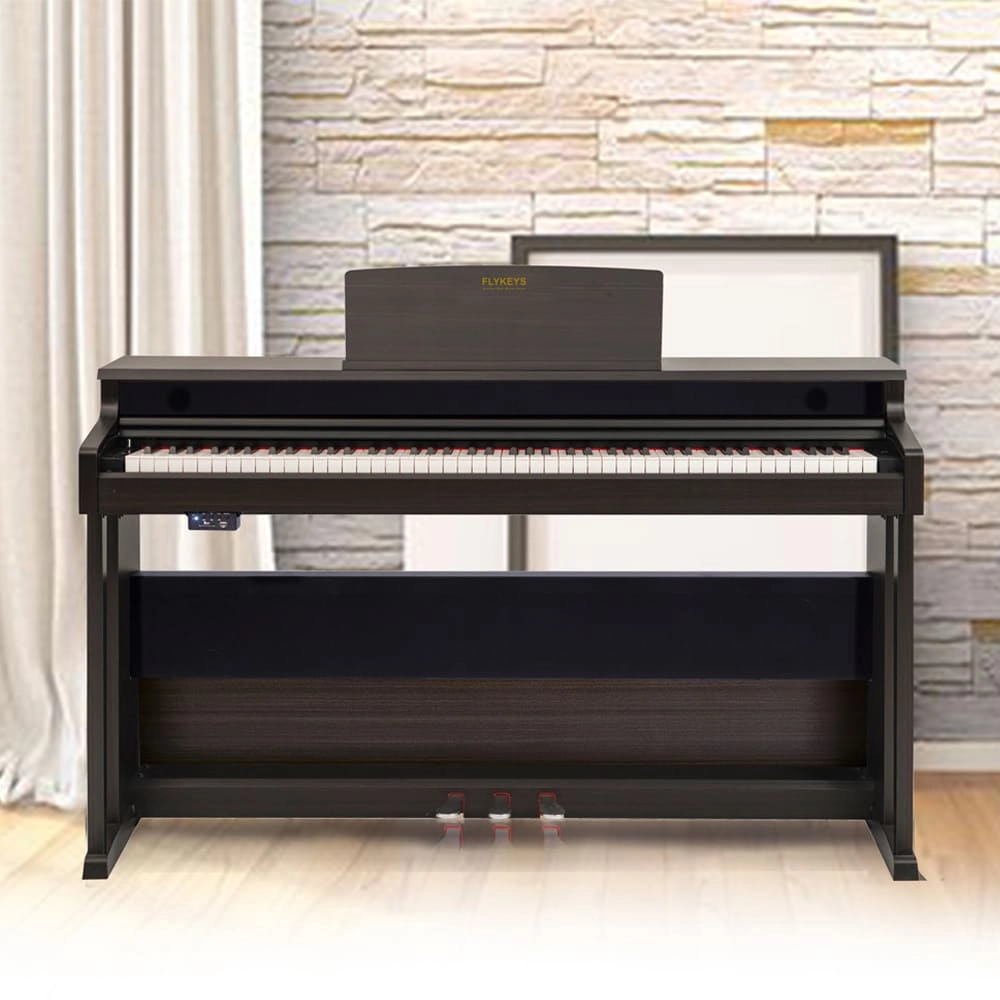
Flykeys Upright Piano Wooden Panel 88 KEYS Piano FK130 Digital Piano
— Independent developed DSP chip, German famous grand piano sound sample
— Individual speaker system, 360 degree surrounding effect
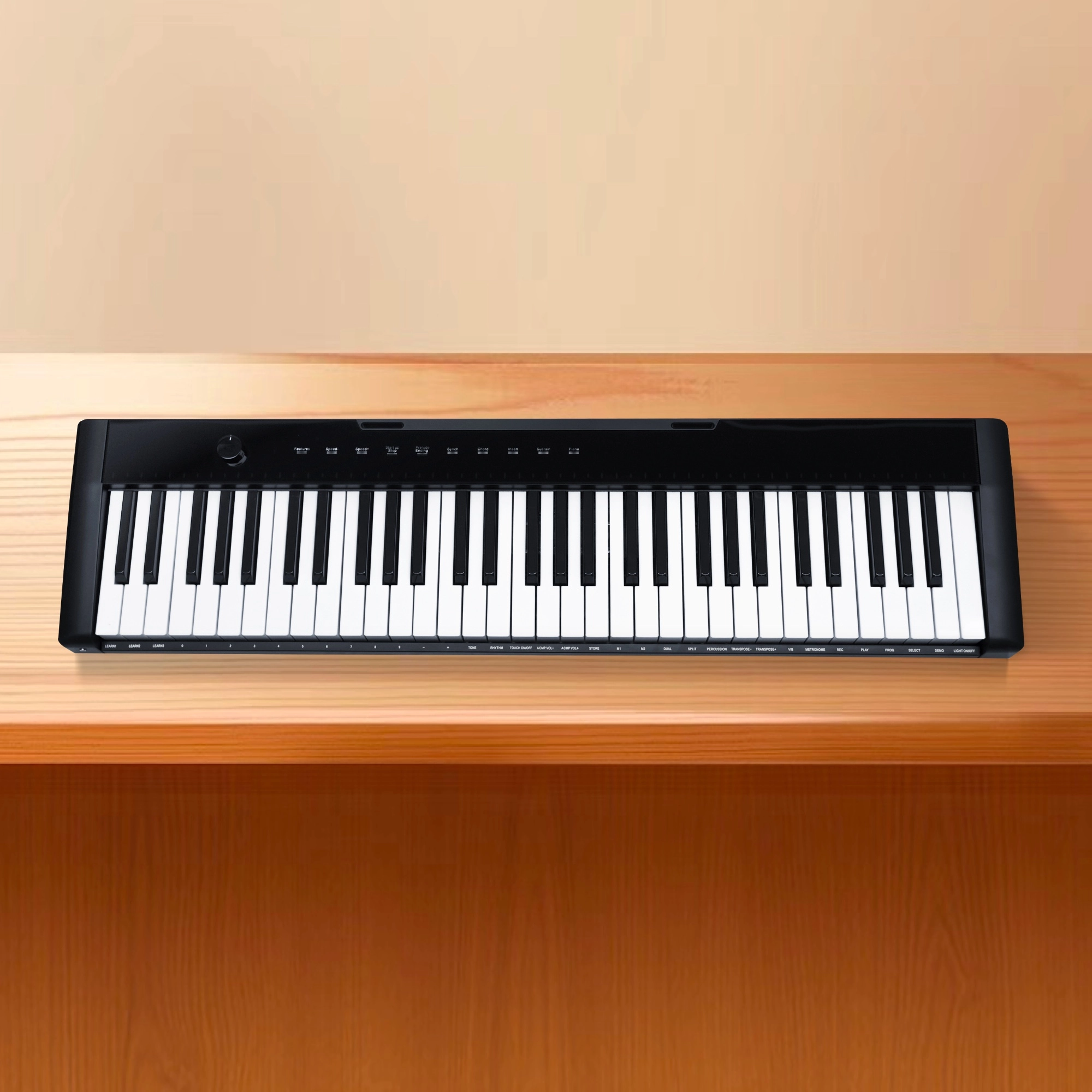
Flykeys 61 keys portable electronic keyboard piano with X stand (M2)
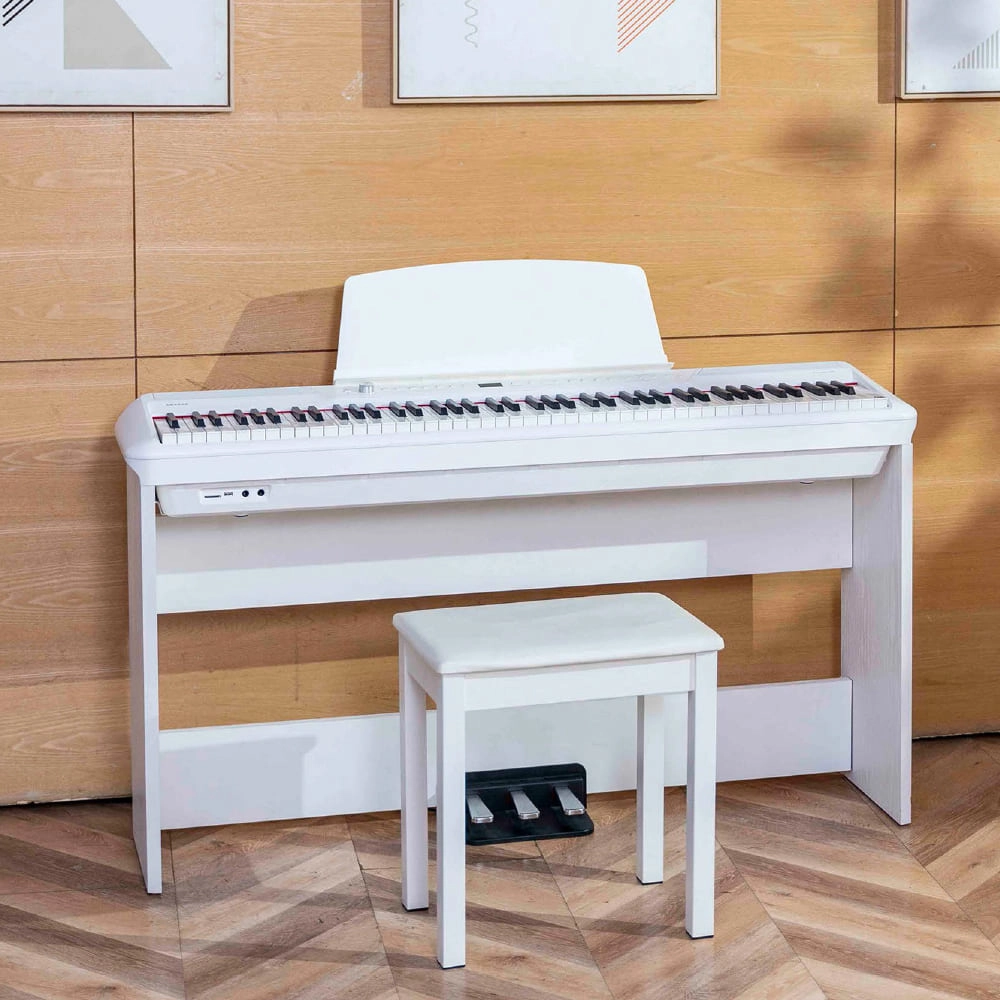
Flykeys Portable Electric Keyboard FP9 Digital Piano
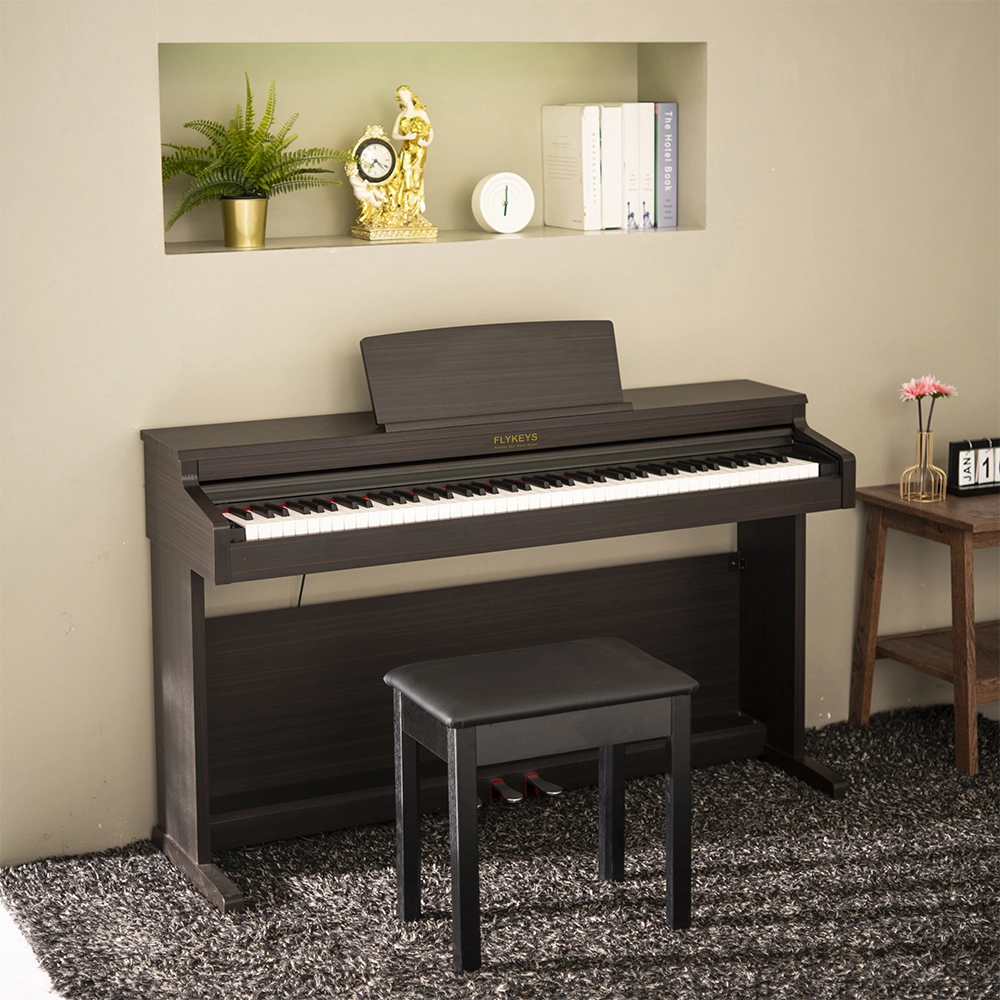
Flykeys 88 Keys Hammer Action keyboard Upright Piano LK03S Digital Piano
— Independent patented technology 88 key Grand-Response hammer action & dynamic curve keyboard;
— European top DSP chip, famous grand piano sound sample;
Address: No. 38 Xiangshan Avenue, Zengcheng Economic And Technological Development Zone, Guangzhou, China.
FOLLOW US:


© 2026 FLYKEYS All Rights Reserved. 粤 ICP备2020102774号. Designed by gooeyun. Sitemap | Privacy | Terms