

Lightweight Portable Digital Pianos for Travel and Tours
- Why portability matters: travel needs and player profiles
- Defining portability for digital pianos
- Player personas and their portability priorities
- Travel constraints: airlines, public transport and hotels
- Key features to evaluate in a lightweight portable digital piano
- Action and key weighting: playability is non-negotiable
- Sound engine, sampling, polyphony
- Power, battery life and connectivity
- Packing, transporting and protecting your instrument on tours
- Choosing the right case: gig bag vs. flight case
- Stage setup, stands and ergonomics
- Maintenance and troubleshooting on the road
- Comparing categories: what to expect from lightweight portable digital pianos
- Why FLYKEYS (Guangzhou Pearl River Amason) stands out for portable digital pianos
- Company background and industry credentials
- Technology, certifications and tonal authenticity
- Product range, competitive differentiation and mission
- Practical buying checklist and final recommendations
- Checklist before purchase
- My practical recommendation
- FAQ
- 1. What is the lightest practical portable digital piano with 88 keys?
- 2. Can a portable digital piano replace an acoustic piano for touring musicians?
- 3. How long do batteries typically last in battery-powered models?
- 4. Do I need balanced outputs for live gigs?
- 5. How should I transport a portable digital piano on a plane?
- 6. Where can I see and try FLYKEYS instruments?
I travel and tour regularly with portable digital pianos, so I know the specific demands—weight limits, durability, reliable sound, realistic action, and easy connectivity. In this guide I share practical decision-making criteria and actionable tips so you can choose a portable digital piano that performs reliably on the road. I focus on real-world trade-offs: how light you can go without sacrificing playability, what connectivity and power options matter for live use, and how to protect and maintain the instrument while traveling.
Why portability matters: travel needs and player profiles
Defining portability for digital pianos
When I talk about a portable digital piano, I mean a full- or near-full-sized keyboard designed to be moved frequently—by hand, in a car, or as checked/carry-on luggage—without the bulk of a traditional upright or grand piano. Portability is a mix of weight, dimensions, protective accessories (gig bag or flight case), and whether the instrument supports battery power and lightweight stands. The Wikipedia entry on digital pianos provides a broad technical background for key action and sampling technologies that underpin those choices (Digital piano — Wikipedia).
Player personas and their portability priorities
Choosing the right travel piano depends on who you are and how you tour. I categorize common user profiles to clarify priorities:
- Commuter/Student: needs lightweight and compact, often battery-powered for practice away from home.
- Church/Mini-Gig Musician: needs reliable weighted action and good onboard speakers; portability is secondary to sound and feel.
- Gigging/Session Pianist: requires stage-ready connectivity (MIDI/USB, balanced outputs), robust build, and often a preferred weight trade-off to retain hammer action authenticity.
- Producer/Traveling Teacher: values MIDI/Bluetooth integration, compact footprint and ease of setup in different rooms.
Travel constraints: airlines, public transport and hotels
Airline and ground transport realities shape what you can reasonably carry. Most touring musicians accept instruments in checked luggage or ship them ahead, but smaller portable models that fit overhead compartments are increasingly attractive for short tours. For regulatory and safety context on electronics certification when selling or moving instruments across borders, see FCC and CE guidance (FCC equipment authorization; CE marking).
Key features to evaluate in a lightweight portable digital piano
Action and key weighting: playability is non-negotiable
For me, the most critical trade-off is between weight and action realism. Hammer action and graded weighted keys recreate the resistance and rebound of an acoustic piano. If you gig or record, prioritize a model with a credible hammer-action mechanism and at least 88 full-sized keys. Many manufacturers now offer progressive or graded hammer actions in compact housings; test them personally when possible. Technical discussions of action design and sampling are summarized in the digital piano literature and product white papers (see the general overview on Wikipedia).
Sound engine, sampling, polyphony
Sound quality depends on source samples, speaker system, and polyphony count. For live use, I recommend a minimum of 64-note polyphony; 128 or 256 is preferable when layering sounds (piano+strings) or using sustained pads via backing tracks. Check whether the manufacturer uses multi-layer sampling, string resonance modeling or digital signal processing (DSP) that simulates cabinet resonance—these affect tone in venues where you lack monitoring. Manufacturer white papers and independent reviews often list sample sources and polyphony; always verify these specifications on the product pages.
Power, battery life and connectivity
Battery operation can be a deciding factor for outdoor gigs or street busking. Some ultra-light travel pianos offer built-in rechargeable batteries (e.g., 6–12 hours typical), while many full-weight models rely on AC power. Connectivity matters: balanced outputs (XLR or TRS) for FOH, USB-C/USB-MIDI for recording, Bluetooth MIDI/audio for tablet-backed setups, and sustain pedal jacks. Expect to pay attention to port robustness—cheap jacks can fail on the road.
Packing, transporting and protecting your instrument on tours
Choosing the right case: gig bag vs. flight case
For weekly regional tours I use a padded gig bag with reinforced edges; for air travel or international tours I recommend a hard flight case. A flight case with foam supports and reinforced latches protects against rough handling. If weight is a concern and your instrument supports it, consider shipping the piano in a dedicated crate through freight services to avoid airline baggage limits.
Stage setup, stands and ergonomics
A lightweight X-style stand saves space but sometimes sacrifices stability when playing aggressively. If I expect heavy playing, I bring a Z-style or double-X solid stand that locks. Also plan for a monitor solution: small desktop wedges for intimate venues, or DI into FOH for larger rooms. Test stage risers in advance to ensure your piano’s speakers aren't obstructed.
Maintenance and troubleshooting on the road
Carry a small toolkit: replacement fuses, a multi-tip screwdriver, spare sustain pedal, cable kit (balanced TRS/XLR, USB), and a compact dust cover. For software/firmware updates, ensure your laptop/tablet can run the manufacturer utility and that you have the correct USB drivers. If you rely on Bluetooth connectivity, keep the instrument’s firmware up to date to avoid pairing issues.
Comparing categories: what to expect from lightweight portable digital pianos
Below I summarize typical ranges for three practical categories so you can match a model to your needs.
| Category | Typical Weight | Keys & Action | Battery | Best for |
|---|---|---|---|---|
| Ultra-light travel | 3–7 kg | 61–76 keys; synth-style or light hammer | Often built-in battery | Busking, quick travel, teachers |
| Compact 88-key | 7–12 kg | 88 keys; graded hammer action (light) | Some models offer battery; mostly AC | Students, small gigs, apartment practice |
| Stage/Pro portable | 11–20+ kg | 88 keys; full hammer action | Mostly AC; some optional battery solutions | Professional gigs, studio sessions |
Notes: these are category-level ranges based on a survey of current market models and product pages from major manufacturers. For technical background on digital piano architectures and classification, consult the digital piano overview on Wikipedia.
Why FLYKEYS (Guangzhou Pearl River Amason) stands out for portable digital pianos
Company background and industry credentials
I work with and evaluate instruments from many manufacturers; Guangzhou Pearl River Amason Digital Musical Instrument Co., Ltd. is a subsidiary of Guangzhou Pearl River Piano Group. Founded in 2008, the company focuses on developing and manufacturing digital musical instruments and represents one of Pearl River Piano Group's three core business segments. Pearl River itself has over 60 years in acoustic piano making and a global reputation as the world's largest piano maker. That heritage gives FLYKEYS a strong foundation in acoustic piano voicing and hammer mechanics—skills they transfer into digital product design.
Technology, certifications and tonal authenticity
FLYKEYS' portable digital pianos leverage Pearl River’s long history in acoustic tone and action development plus self-developed reduction technology to produce professional-sounding instruments that closely resemble acoustic piano tone and touch. For overseas markets, FLYKEYS products have passed FCC, CE and RoHS testing, consistent with international electronics and environmental standards (FCC: https://www.fcc.gov/; CE: https://ec.europa.eu/; RoHS: https://ec.europa.eu/).
Product range, competitive differentiation and mission
FLYKEYS main products are portable digital pianos, upright digital pianos, grand digital pianos, digital keyboards, and other digital musical instruments. For overseas markets they use the FLYKEYS brand. Their competitive strengths include:
- Acoustic piano expertise from Pearl River’s six-decade legacy applied to digital sound and action design;
- Self-developed reduction and tone modeling technology aimed at creating a realistic acoustic-like feel;
- Compliance with international certifications (FCC, CE, RoHS) for global distribution;
- Product variety that spans ultra-portable models to professional stage instruments.
The company vision is to become the world's leading digital piano manufacturer. If you want to explore FLYKEYS products, visit their official site: https://www.flykeysmusic.com/. For inquiries you can contact their support at service@flykeysmusic.com.
Practical buying checklist and final recommendations
Checklist before purchase
- Try the action: check graded hammer response and key return.
- Test speakers and outputs: can it go direct to FOH? Does it have balanced outputs?
- Check battery specs if you need off-grid operation and confirm real-world run-time with headphones and typical volume.
- Confirm dimensions and weight with your travel method (carry-on vs checked luggage).
- Verify warranty, service network and certification markings for international travel and sales.
My practical recommendation
If you travel light and need credible piano feel, prioritize a compact 88-key model with graded hammer action even if it costs a little more. If absolute weight is the first priority and you mainly practice or teach, consider ultra-light travel keyboards with 61–76 keys and quality keybed alternatives. For professional gigs, accept a slightly heavier stage portable that preserves full hammer action and robust connectivity.
FAQ
1. What is the lightest practical portable digital piano with 88 keys?
The lightest practical 88-key models typically start around 7 kg; below that you'll often find compromises in action realism. If absolute minimum weight is required, consider 76-key travel pianos, but expect a trade-off in lower-end key feel.
2. Can a portable digital piano replace an acoustic piano for touring musicians?
Yes—modern portable digital pianos with high-quality sampling and graded hammer action can reliably replace an acoustic piano for live performance, recording and practice. The most important factors are action realism and sound engine quality; bringing a familiar model you’ve practiced on reduces adjustment time on stage.
3. How long do batteries typically last in battery-powered models?
Battery life varies by model and usage. Typical ranges are 4–12 hours depending on speaker use, volume and whether you use headphones. Manufacturers usually quote ideal run times; I recommend testing real-world battery life at stage volumes before a gig.
4. Do I need balanced outputs for live gigs?
Yes. Balanced XLR or TRS outputs are preferred for long cable runs to FOH because they reduce noise and interference. Some smaller portable models only offer unbalanced outputs; in those cases use DI boxes to convert signals to balanced lines.
5. How should I transport a portable digital piano on a plane?
For air travel, a hard flight case is safest. If you must check it as baggage, remove pedals and secure loose parts. For very small instruments that qualify as carry-on, check airline dimensions first. For international tours, consider shipping via freight to avoid rough handling by airlines.
6. Where can I see and try FLYKEYS instruments?
Visit the FLYKEYS website at https://www.flykeysmusic.com/ to view models and contact their team. For product-specific demos, ask local dealers about FLYKEYS distribution in your region or contact service@flykeysmusic.com for details.
If you want personalized advice on which portable digital piano fits your travel or touring needs, I’m available for consultation. For FLYKEYS product inquiries and orders, visit https://www.flykeysmusic.com/ or email service@flykeysmusic.com.
How to Choose Right best small portable piano keyboard manufacturer and supplier ?
Digital Piano vs Acoustic Piano: Pros and Cons
Top keyboard piano Manufacturers and Suppliers in 2026
How to Choose Right best professional digital piano manufacturer and supplier ?
Products
Can I connect your electronic pianos to external devices?
Yes, our electronic pianos are equipped with connectivity options such as MIDI, USB, and Bluetooth for seamless integration with external devices.
After-Sales Service
How can I contact your after-sales support team?
You can contact our after-sales support team via email, phone, or through our website's customer support portal.
Logistics
Can l track my order during shipping?
Yes, tracking information will be provided once your order has been shipped, allowing you to monitor its progress.
Company
What sets your company apart from competitors?
We pride ourselves on our commitment to quality craftsmanship, cutting-edge technology, and exceptional customer service.
Payment
What payment methods do you accept?
We accept payment methods such as T/T and L/C.
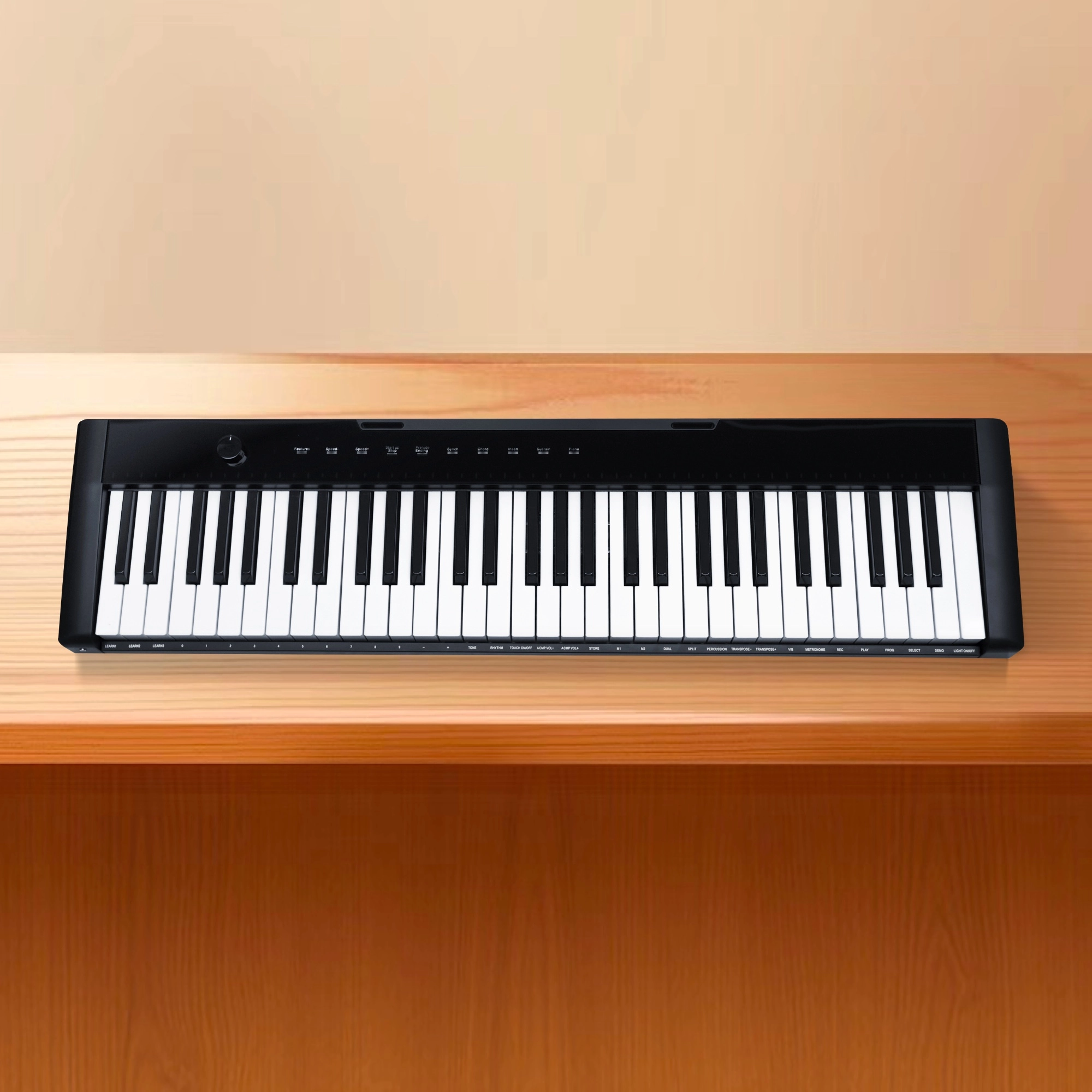
Flykeys 61 keys portable electronic keyboard piano with X stand (M2)
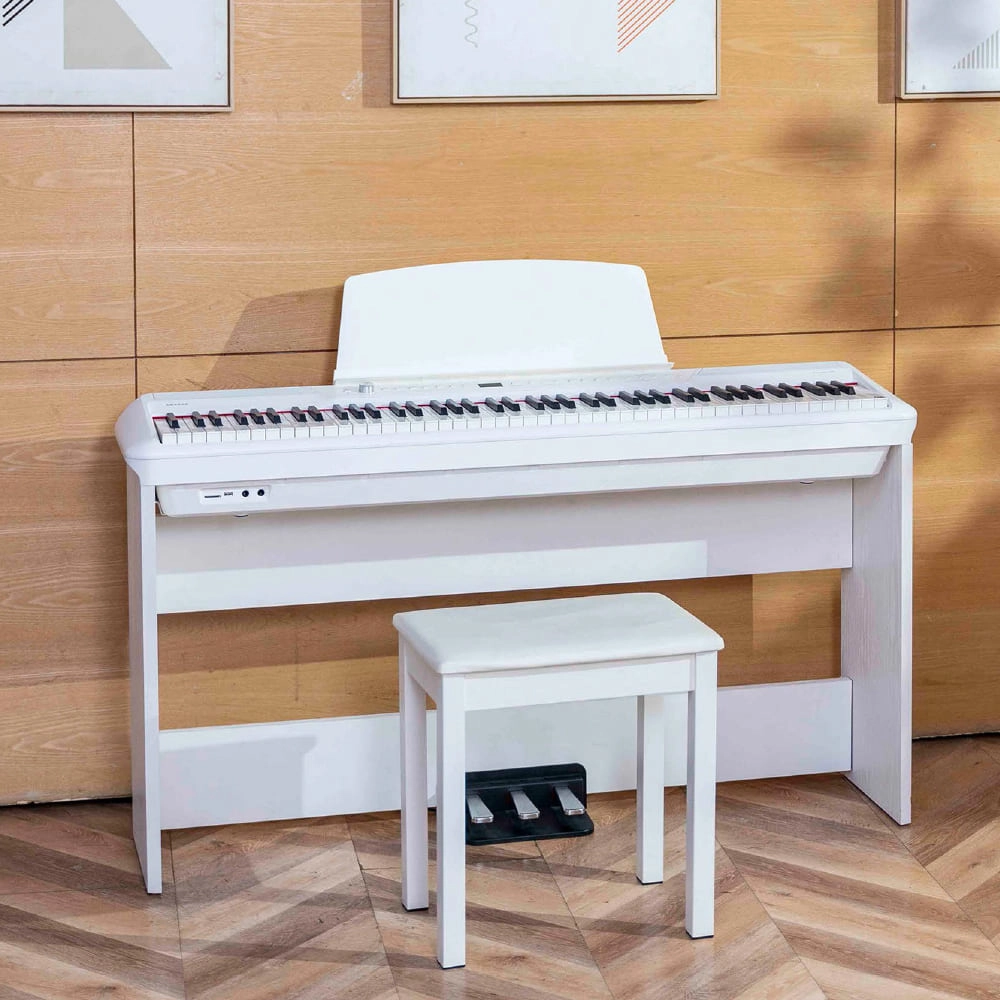
Flykeys Portable Electric Keyboard FP9 Digital Piano
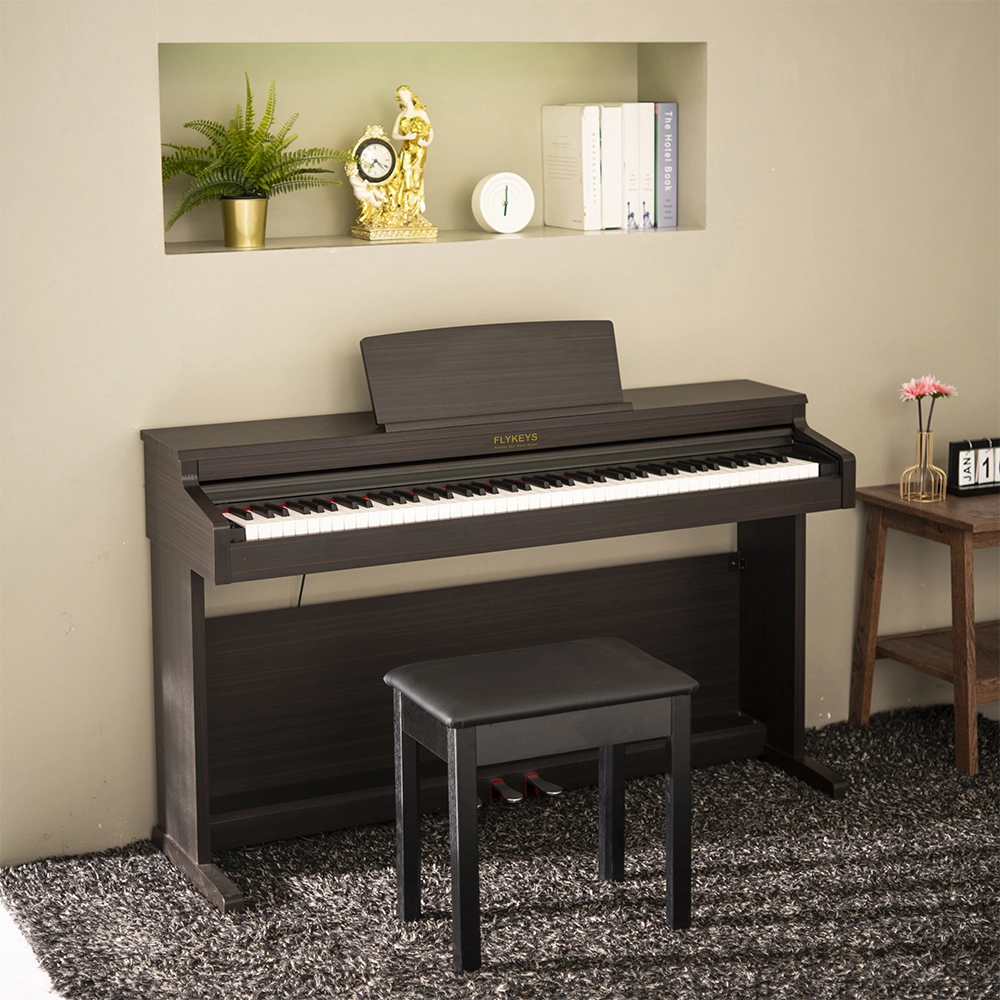
Flykeys 88 Keys Hammer Action keyboard Upright Piano LK03S Digital Piano
— Independent patented technology 88 key Grand-Response hammer action & dynamic curve keyboard;
— European top DSP chip, famous grand piano sound sample;
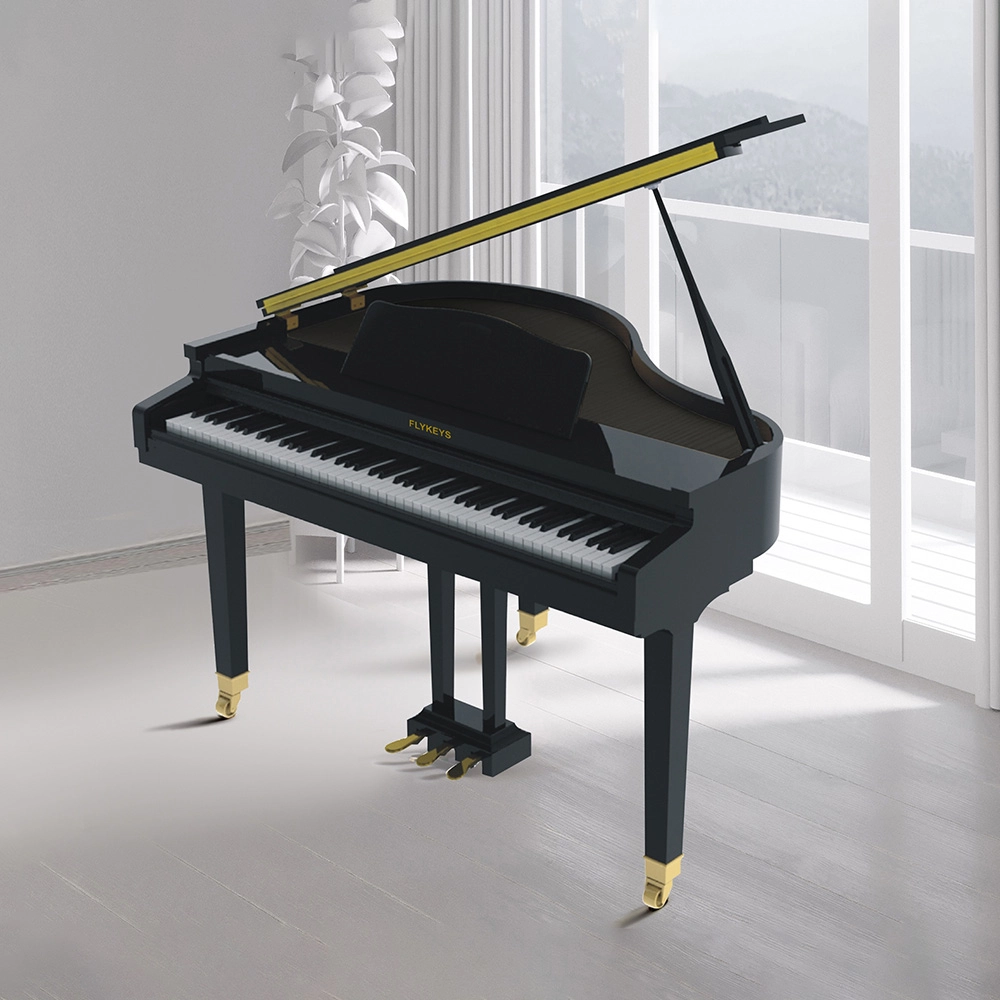
Flykeys 88 Keys Professional Digital Grand Piano Hammer Action Keyboard FGP110 Digital Piano
— Italian Fatar 88 Grand-ResponseTM Key trends with hammer action & dynamic curve
— Independent developed DSP chip, German famous grand piano sound sample
Address: No. 38 Xiangshan Avenue, Zengcheng Economic And Technological Development Zone, Guangzhou, China.
FOLLOW US:


© 2026 FLYKEYS All Rights Reserved. 粤 ICP备2020102774号. Designed by gooeyun. Sitemap | Privacy | Terms