

Digital Piano vs Acoustic Piano: Pros and Cons
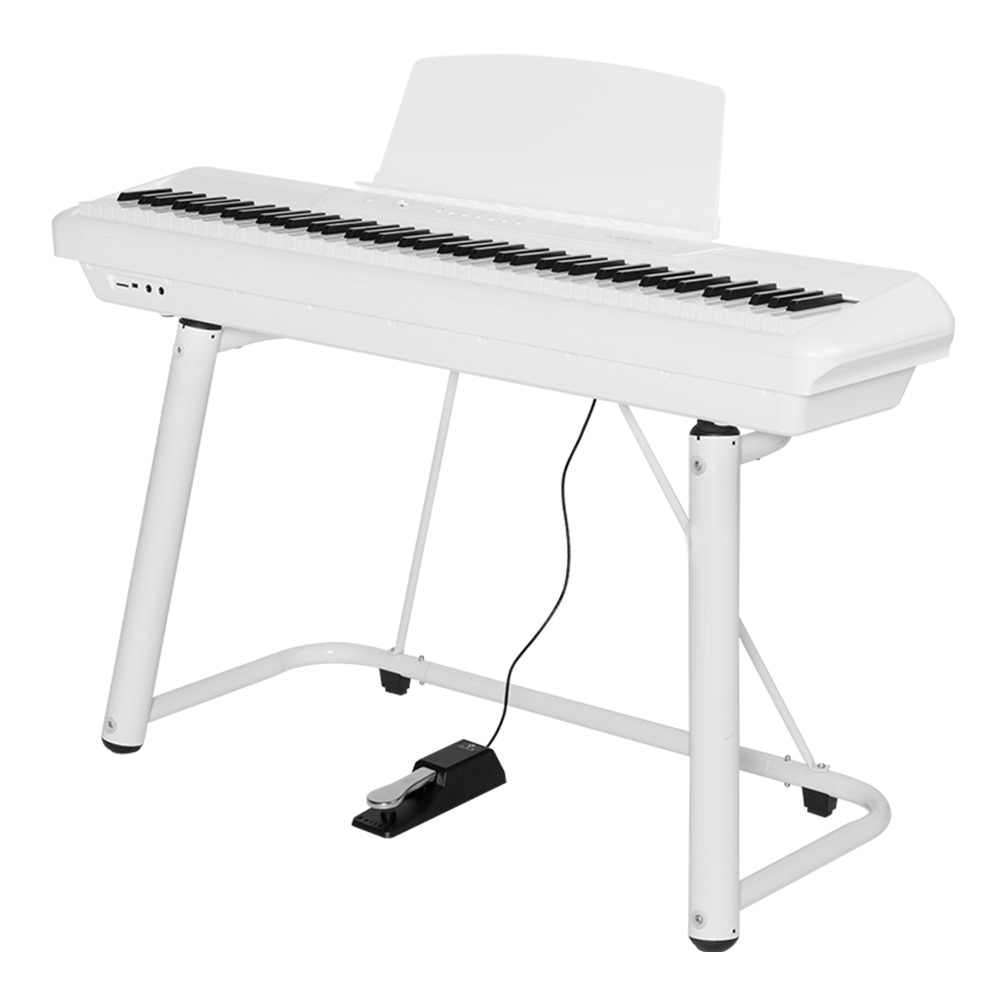
Digital Piano vs Acoustic Piano: Pros and Cons
When it comes to choosing between a digital piano and an acoustic piano, it's essential to consider various factors such as sound quality, touch and feel, maintenance, portability, and cost. This comprehensive guide will delve into the pros and cons of each instrument to help you make an informed decision.
Sound Quality: Authenticity vs. Versatility
Acoustic Pianos:
Acoustic pianos produce sound through the vibration of strings and resonance of the wooden body, resulting in a rich, natural tone. This organic sound quality is highly valued by purists and is often preferred for classical and jazz performances. However, the sound can be affected by environmental factors like humidity and temperature, requiring regular tuning and maintenance.
Digital Pianos:
Digital pianos use high-quality sound sampling technology to replicate the tones of real pianos. Brands like FLYKEYS have refined this technology to create incredibly realistic and expressive tones comparable to high-end acoustic models. Additionally, digital pianos often offer a variety of instrument voices, allowing musicians to experiment with different sounds. ((https://www.flykeysmusic.com/digital-vs-acoustic-piano-which-to-choose.html?utm_source=openai))
Touch and Feel: Simulating the Acoustic Experience
Acoustic Pianos:
The hammer-and-string mechanism in acoustic pianos provides a weighty, responsive feel. Every note reacts differently depending on how it's played, helping pianists develop dynamic control and expression. This tactile experience is often considered irreplaceable by digital alternatives.
Digital Pianos:
Modern digital pianos, especially those marketed as the best digital pianos with weighted keys, simulate the resistance of real hammers, offering a tactile playing experience. The FLYKEYS FGP110 and LK03S models both feature authentic hammer-action keys that closely mimic traditional piano touch. ((https://www.flykeysmusic.com/digital-vs-acoustic-piano-which-to-choose.html?utm_source=openai))
Maintenance: Upkeep and Longevity
Acoustic Pianos:
Acoustic pianos require regular tuning and maintenance to keep them in optimal condition. This includes tuning, voicing, and occasional repairs, which add to the overall cost of ownership. They are also sensitive to environmental changes, necessitating a stable environment to prevent damage.
Digital Pianos:
Digital pianos require virtually no maintenance. They never go out of tune, making them perfect for busy musicians or educational institutions. However, like all electronics, they can experience technical issues over time, and repairs may be more complex and costly. ((https://www.flykeysmusic.com/digital-vs-acoustic-piano-which-to-choose.html?utm_source=openai))
Portability and Space Considerations
Acoustic Pianos:
Traditional upright and grand pianos are large and heavy, making them difficult to move. They also require a significant amount of space, which may not be suitable for smaller living areas.
Digital Pianos:
Digital pianos are significantly smaller and lighter, making them easy to transport and ideal for small apartments or shared spaces. Many models can be disassembled for even easier transportation.
Cost: Initial Investment and Value
Acoustic Pianos:
Acoustic pianos are generally more expensive, with prices varying based on brand, model, and condition. They also require ongoing maintenance costs, including tuning and potential repairs. However, well-maintained acoustic pianos can hold their value over time and may even appreciate.
Digital Pianos:
Digital pianos are more affordable, especially for beginners. They offer a wide range of features at a lower price point. However, they may depreciate faster due to technological advancements and new model releases.
FLYKEYS: Bridging the Gap Between Digital and Acoustic
FLYKEYS, a subsidiary of Guangzhou Pearl River Piano Group, focuses on developing and manufacturing digital musical instruments. With over 60 years of experience in making acoustic pianos, FLYKEYS leverages this expertise to create digital pianos that closely resemble their acoustic counterparts in terms of tone and feel. Their product line includes portable digital pianos, upright digital pianos, grand digital pianos, and digital keyboards, all designed to provide a professional and authentic playing experience. ((https://www.flykeysmusic.com/?utm_source=openai))
Conclusion: Making the Right Choice
Choosing between a digital and an acoustic piano depends on your individual needs, preferences, and circumstances. Consider factors such as sound quality, touch and feel, maintenance requirements, portability, and cost. If you value authenticity and are willing to invest in regular maintenance, an acoustic piano may be the right choice. If you prefer versatility, affordability, and low maintenance, a digital piano like those offered by FLYKEYS could be more suitable.
Frequently Asked Questions (FAQ)
Q1: Do digital pianos sound as good as acoustic pianos?
A1: While high-end digital pianos can closely replicate the sound of acoustic pianos, some purists may still prefer the natural resonance of an acoustic instrument.
Q2: Are digital pianos suitable for professional performances?
A2: Yes, many professional musicians use digital pianos for performances due to their versatility and advanced features.
Q3: How long do digital pianos last?
A3: The lifespan of a digital piano varies depending on the model and usage but generally ranges from 10 to 20 years.
Q4: Can digital pianos be connected to computers or other devices?
A4: Yes, many digital pianos offer connectivity options for recording, composing, and learning purposes.
Q5: Do digital pianos require tuning?
A5: No, digital pianos do not require tuning, as they use sampled sounds that remain consistent over time.
For more information or to explore our range of digital pianos, visit (https://www.flykeysmusic.com/).
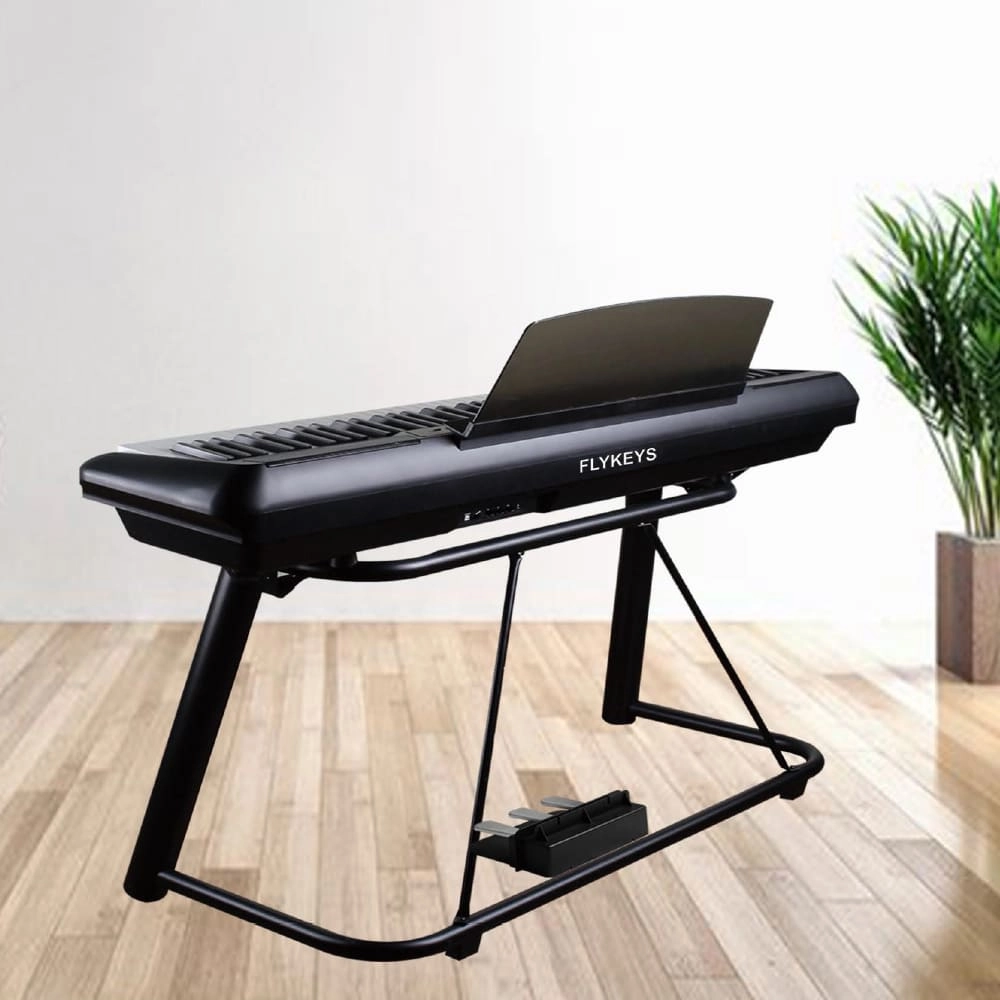
Keyboard: Independently developed 88-key hammer-action weighted keyboard with dynamic touch curves.
Sound Source: European Spectral Composite technology DSP chip, famous German grand piano sound sampling, and string overtone resonance simulation technology.
Exterior: Modern, lightweight cabinet design with optional X-stand, U-stand, wooden stand, and three-pedal unit.
Control: Dual Voice, Recording, Split Mode, Transpose, Reverb, Chorus, Metronome, MIDI, and Bluetooth.
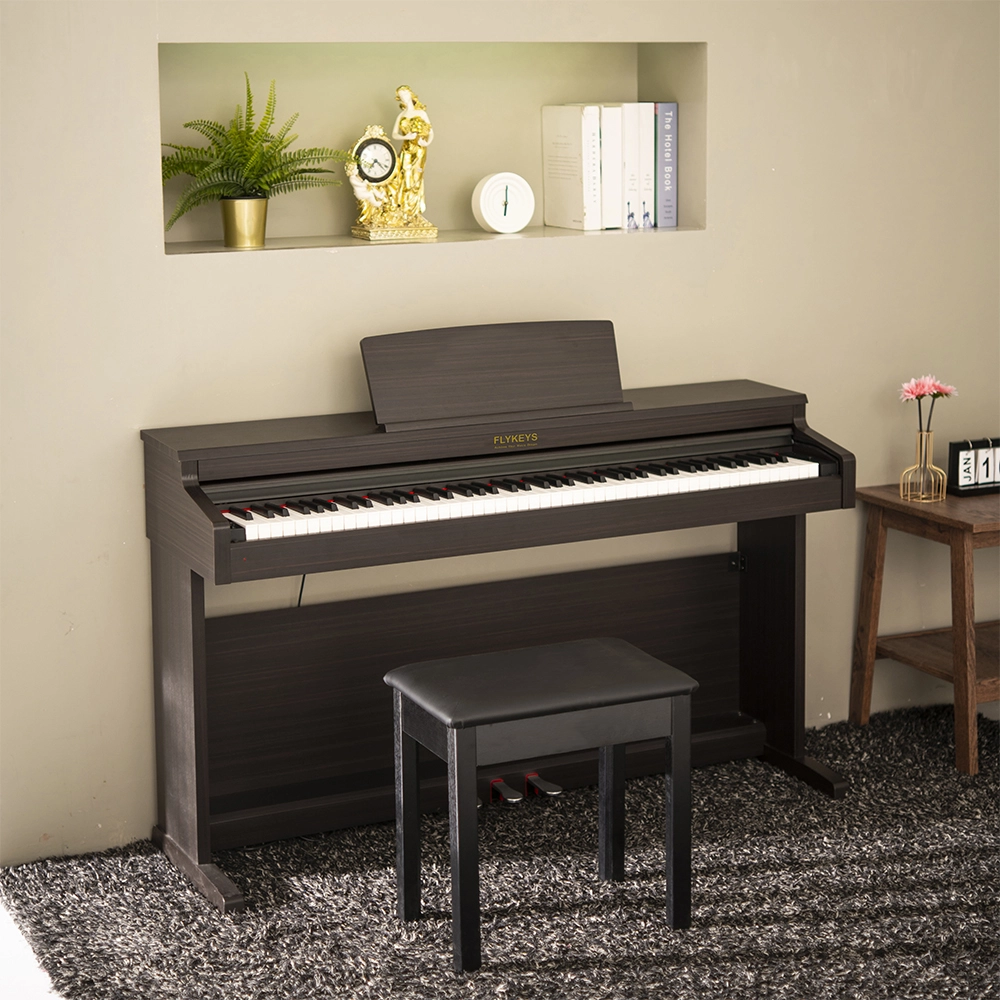
— Standard Upright Digital Piano
— Independent patented technology 88-key Grand-Response hammer-action & dynamic curve keyboard
— European top DSP chip, famous grand piano sound sample
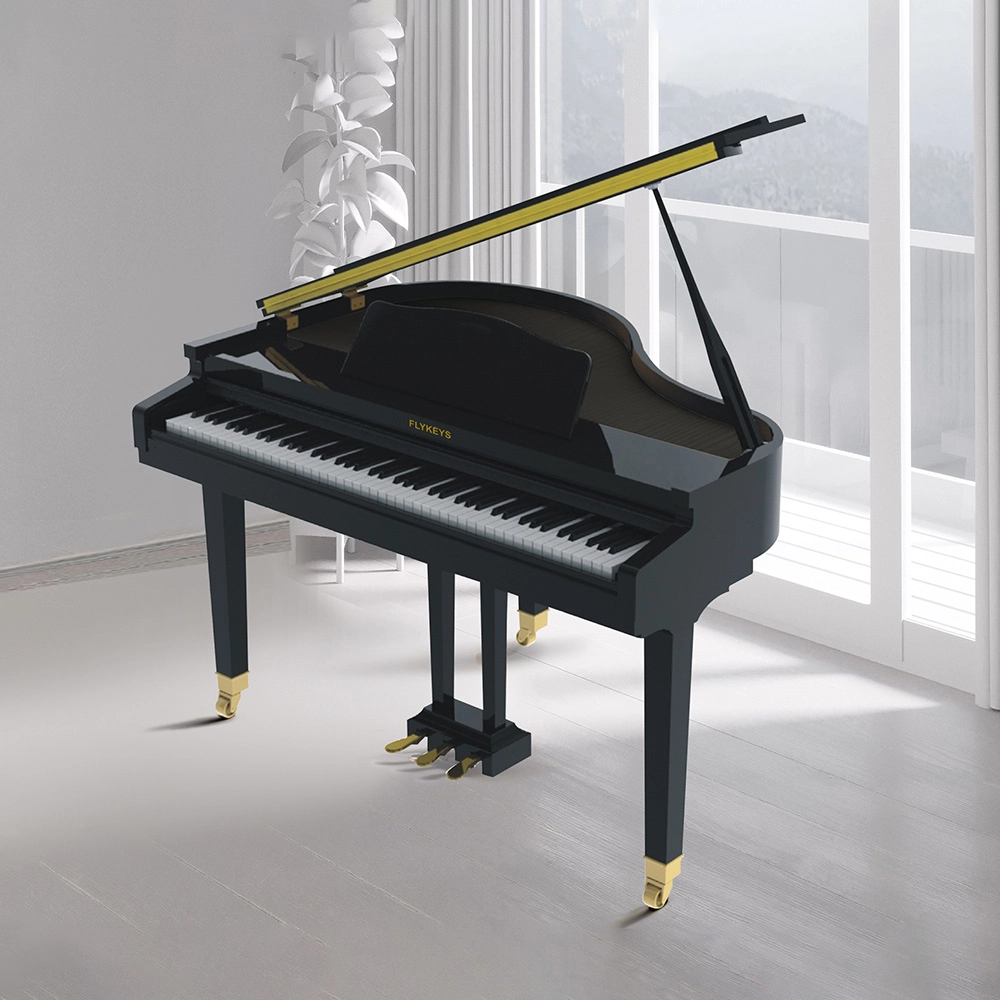
• Baby Grand Style with High-Gloss Polished Cabinet
• Italian Fatar 88-key Grand-Response™ Keyboard with Hammer Action and Touch Curve
• Independently Developed DSP Chip with German Grand Piano Sound Sampling
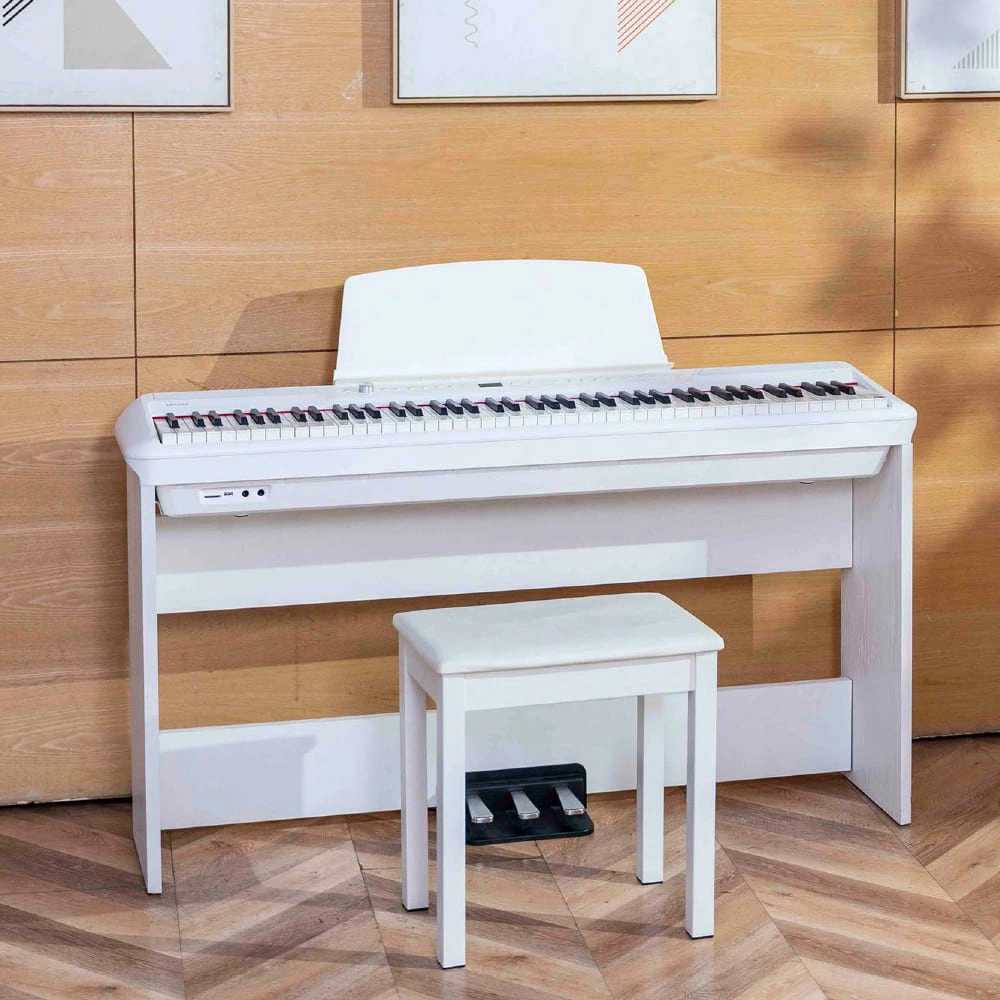
—keyboard: Independent patented technology 88-key, Grand-Response hammer dynamic curve keyboard
—Sound source: Independently developed the 4th generation DSP sound source, German famous grand piano sound sample
— Modern, lightweight case, X stand, U stand, Wood stand, 3 pedals
— Control: double sound, record, split, transpose, reverb, chorus, metronome, MIDI, bluetooth
Address: No. 38 Xiangshan Avenue, Zengcheng Economic And Technological Development Zone, Guangzhou, China.
FOLLOW US:
Copyright© 2026 FLYKEYS All Rights Reserved. 粤 ICP备2020102774号. Designed by Gooeyun. Sitemap | Privacy | Terms
FLYKEYS
FLYKEYS
flykeys-music
Flykeys Music