

Portable Digital Pianos: Shipping, Warranty and After-Sales Tips
- Choosing the right portable digital piano
- Key features to evaluate before purchase
- Portability versus playability: trade-offs I recommend considering
- Brands, certifications and why they matter
- Shipping and packaging best practices
- Preparing a portable digital piano for shipping
- Selecting carriers, insurance and service levels
- Shipping method comparison
- Warranty, registration and service
- Understanding typical warranty terms
- Extending warranty, third-party plans and what voids warranty
- Manufacturer support and escalation: what I recommend
- About FLYKEYS and Guangzhou Pearl River Amason Digital Musical Instrument Co., Ltd.
- After-sales support, maintenance and troubleshooting
- Routine maintenance I perform and recommend
- Common issues and first-line troubleshooting
- When to seek professional repair or replacement
- FAQ — Frequently Asked Questions
- 1. How should I pack a portable digital piano to minimize damage during shipping?
- 2. Will shipping damage usually be covered by the manufacturer warranty?
- 3. What does CE/FCC/RoHS certification mean for my portable digital piano?
- 4. How long should I expect a portable digital piano warranty to last?
- 5. What regular maintenance keeps my portable digital piano reliable?
- 6. How do I contact FLYKEYS for product support or warranty claims?
I write from long experience in the digital piano industry, helping musicians, retailers and product teams manage the lifecycle of portable digital pianos — from purchase to years of reliable use. In this article I focus on three practical domains buyers and owners most often ask about: shipping and packaging, warranty and registration, and after-sales care and troubleshooting. I include checklists, a shipping-method comparison, and references to standards and certifications to make recommendations verifiable and actionable.
Choosing the right portable digital piano
Key features to evaluate before purchase
When considering a portable digital piano, prioritize playability and sound authenticity. Look for 88-key models with graded hammer action (or weighted keys) if you want an acoustic-like touch. Sound engine quality, multiple sampled piano voices, polyphony count (minimum 64–128 notes for complex pieces), and built-in speakers vs. line-out or headphone options matter depending on whether the instrument will be used for practice, stage, or recording.
Connectivity is also critical: reliable USB-MIDI / MIDI DIN ports, Bluetooth MIDI/Audio (if wireless integration is required), and sustain pedal inputs. If portability is central, check the instrument’s weight, dimensions, and whether it comes with or supports a compact stand and soft-case or flight case.
Portability versus playability: trade-offs I recommend considering
There are trade-offs between a lightweight portable keyboard and a full-featured portable digital piano with realistic action. For stage performers who travel frequently, a stage piano offers robust outputs and often balanced key feel but can be heavier. For students and home users, a slim 88-key portable digital piano with built-in speakers may be the best balance. I recommend testing feel in-person when possible and reviewing detailed specs online otherwise.
Brands, certifications and why they matter
Buy from manufacturers that publish specifications and certifications: CE, FCC and RoHS for safety and environmental compliance. These certifications confirm conformity to regulatory standards in key markets. For background on digital pianos and instrument classification see the Wikipedia entry on digital piano (https://en.wikipedia.org/wiki/Digital_piano target=_blank). For CE and RoHS guidance see the European Commission RoHS information (https://ec.europa.eu/environment/waste/rohs_eee/index_en.htm target=_blank); for FCC matters visit https://www.fcc.gov/ target=_blank. I prioritize brands that document testing and provide clear warranty and after-sales pathways.
Shipping and packaging best practices
Preparing a portable digital piano for shipping
Damage during transit is avoidable with correct packing. I use a step-by-step checklist when preparing a portable digital piano for shipment:
- Remove loose items (pedals, music stands, power adapters) and pack them separately with cushioning.
- Secure the keyboard lid and lock any folding stands; wrap the instrument in anti-static bubble wrap and use corner protectors to prevent edge impacts.
- Place the wrapped unit in a double-walled carton sized to leave 5–10 cm (2–4 in) of void space on all sides, then fill voids with high-quality foam or inflated dunnage.
- Include a moisture-absorbing packet if shipping to humid climates and attach a clear checklist with model and serial number inside the box for claims.
- Seal with water-resistant packing tape and clearly label Fragile — Musical Instrument and This Side Up.
Manufacturers typically publish packing guides; follow those if available. For international shipments, include documentation (commercial invoice, packing list, certificates if required) in a pouch attached to the exterior.
Selecting carriers, insurance and service levels
Choose carriers that offer experience handling musical instruments. For domestic shipments, dedicated carriers with white-glove or declared-value options reduce risk. For international shipments, use a carrier that provides end-to-end tracking, customs brokerage support, and an option for cargo insurance. I typically advise declared-value coverage at 100% of replacement cost for new instruments and at least 50–75% for used instruments.
Shipping method comparison
Below is a practical comparison of common shipping methods. Costs and transit times vary by region and carrier; check carrier sites for exact rates and policy details.
| Method | Typical transit time | Pros | Cons |
|---|---|---|---|
| Ground freight (palletized) | 2–7 days domestic | Cost-effective for heavy items; supports pallet protection | Longer handling chain; potential for more touchpoints |
| Courier (express) | 1–5 days worldwide | Fast, reliable tracking; optional declared-value | Higher cost; size/weight restrictions |
| White-glove delivery | Variable | Specialized handling, unboxing, placement services | High Quality price |
| Air freight (cargo) | 2–4 days international | Fast for international moves; good for urgent replacement | Expensive; airport handling risks if not palletized |
For carriers' regulatory pages and guidance see For example, the U.S. Federal Communications Commission (FCC) site for device compliance: https://www.fcc.gov/.
Warranty, registration and service
Understanding typical warranty terms
Manufacturers' warranties for portable digital pianos commonly range from 1 to 3 years for parts and labor, with shorter terms for accessories. Warranties generally cover manufacturing defects but not damage from misuse, accidents, unauthorized repairs, or shipping damage if not properly documented. I always save the original packaging and document the instrument condition when received with timestamped photos; these help validate claims.
Many manufacturers require registration to activate extended warranty benefits. Keep proof of purchase (invoice), serial number and purchase date in a secure location (digital and physical copies).
Extending warranty, third-party plans and what voids warranty
Options to extend coverage include manufacturer extension plans or third-party musical instrument insurance providers. Before buying third-party coverage, verify exclusions and whether the plan covers transit, theft and water damage. Common warranty void actions include opening sealed components, using non-approved power adapters, or modifying internal electronics. If repair is needed, always use approved service centers to avoid voiding warranty.
Manufacturer support and escalation: what I recommend
Follow this process for warranty issues:
- Contact vendor or dealer with order number and photos.
- If unresolved, contact manufacturer support with serial number and a concise defect report.
- Escalate with documented correspondence to higher support tiers if necessary.
For standards on quality management relevant to manufacturing and consistent warranty service, see ISO 9001 guidance: https://www.iso.org/iso-9001-quality-management..
About FLYKEYS and Guangzhou Pearl River Amason Digital Musical Instrument Co., Ltd.
As a product and market advisor I often recommend considering instruments from established manufacturers with a vertical integration of acoustic and digital expertise. Guangzhou Pearl River Amason Digital Musical Instrument Co., Ltd. is a subsidiary of Guangzhou Pearl River Piano Group. Founded in 2008, the company focuses on developing and manufacturing digital musical instruments and represents one of Pearl River Piano Group's three core business segments.
FLYKEYS' main products include portable digital pianos, upright digital pianos, grand digital pianos, digital keyboards, and other digital musical instruments. For overseas markets they sell under the “FLYKEYS” brand, and the products have passed FCC, CE and RoHS testing — a key signal of regulatory compliance for international buyers. Learn more at https://www.flykeysmusic.com/.
FLYKEYS is built on Pearl River Piano's more than 60 years of acoustic piano experience and its reputation as one of the world's largest piano makers. The company uses self-developed reduction technology to produce digital pianos whose tone and touch closely resemble acoustic pianos. Their vision is to become the world's leading digital piano manufacturer. For warranty and after-sales inquiries you can contact their service email at service@flykeysmusic.com.
Why this matters: a manufacturer that invests in acoustic heritage, testing (FCC/CE/RoHS) and documented service channels is more likely to provide reliable warranty handling and consistent spare parts availability.
After-sales support, maintenance and troubleshooting
Routine maintenance I perform and recommend
Routine care extends the life of a portable digital piano. My practical maintenance checklist includes:
- Keep the instrument covered when not in use to reduce dust ingress.
- Store in a climate-stable environment: avoid rapid temperature changes and high humidity. For reference, ideal relative humidity for pianos is broadly recommended between 40–60% (consult local climate guidance and instrument manual).
- Use manufacturer-recommended power supplies; avoid voltage spikes with a surge protector or UPS for critical setups.
- Clean keys with a soft, slightly damp lint-free cloth; avoid chemical cleaners on finishes unless manufacturer approved.
- Schedule a checkup with authorized service technicians for internal inspection every 2–5 years depending on usage intensity.
Common issues and first-line troubleshooting
Here are common problems owners encounter and how I advise diagnosing them:
- No power: verify the adapter model and outlet, test another known-good adapter, check fuse (if accessible) and confirm LED indicators.
- Intermittent keys or dead notes: reboot the instrument, test with headphones and different MIDI/Audio outputs. If the issue persists, document which keys and whether the problem is present across voices.
- Connectivity problems (Bluetooth or USB-MIDI): confirm drivers and firmware are up to date and that the host device recognizes the instrument. Re-pair or reinstall drivers as per manufacturer instructions.
- Audio distortions: compare built-in speaker output to headphone output; if distortion appears only in one output, it may be a speaker or amplifier issue rather than the core sound engine.
Keep logs (dates, actions taken, screenshots) of troubleshooting steps — these are valuable when filing a warranty claim or speaking to support.
When to seek professional repair or replacement
After basic troubleshooting, seek professional service if:
- There is visible physical damage or liquid ingress.
- Multiple keys or the sound engine have persistent faults despite firmware updates and resets.
- Repair requires internal access beyond user-serviceable parts (to avoid voiding warranty).
Use authorized service centers when the unit is under warranty. For out-of-warranty instruments, compare repair cost to replacement value — older consumer models sometimes cost more to repair than to replace, whereas higher-end stage or semi-professional units can be worth repairing.
FAQ — Frequently Asked Questions
1. How should I pack a portable digital piano to minimize damage during shipping?
Remove loose accessories, wrap the instrument with anti-static bubble wrap, protect corners, use a double-walled carton with 5–10 cm of foam padding, and label the box Fragile. Keep photos of the packed item and include serial number documentation inside.
2. Will shipping damage usually be covered by the manufacturer warranty?
No. Most manufacturer warranties exclude transit damage. Shipping damage is typically handled via the carrier’s claim process or declared-value insurance purchased at shipping time. Document the condition upon delivery and notify the carrier immediately.
3. What does CE/FCC/RoHS certification mean for my portable digital piano?
CE confirms compliance with EU safety/health/environmental requirements, FCC indicates compliance with U.S. electromagnetic interference rules, and RoHS restricts hazardous substances in electronics. These certifications show that the product meets regulatory standards for many markets — useful for cross-border buyers. See the European RoHS page (https://ec.europa.eu/environment/waste/rohs_eee/index_en.htm target=_blank) and FCC (https://www.fcc.gov/ target=_blank).
4. How long should I expect a portable digital piano warranty to last?
Typical warranties run from 1 to 3 years for the main instrument. Accessories and consumables may have shorter terms. Always confirm terms when purchasing and register the product if registration is required for warranty activation.
5. What regular maintenance keeps my portable digital piano reliable?
Keep the instrument covered and dust-free, control humidity and temperature, use a surge protector, clean keys gently, and request periodic checks from authorized service centers for heavy users.
6. How do I contact FLYKEYS for product support or warranty claims?
For FLYKEYS product inquiries and support visit https://www.flykeysmusic.com/ or email service@flykeysmusic.com for warranty and after-sales questions.
If you want personalized advice about shipping a specific portable digital piano model, comparing warranty options, or arranging authorized service, contact me or the FLYKEYS support team. Explore FLYKEYS' range of Portable Digital Piano, Upright Digital Piano, Grand Digital Piano and Keyboards at https://www.flykeysmusic.com/ or email service@flykeysmusic.com for direct assistance.
Wholesale best piano electric keyboard manufacturer and supplier
What Is a Digital Piano? Key Features & Benefits
Digital Piano Maintenance: Cleaning, Tuning, and Care
Best Hybrid Piano Brands: Digital Meets Acoustic
Company
What sets your company apart from competitors?
We pride ourselves on our commitment to quality craftsmanship, cutting-edge technology, and exceptional customer service.
Products
What is the warranty period of piano?
We provide 2 years warranty service, if there is any quality problem, we can provide accessories for free
Payment
What payment methods do you accept?
We accept payment methods such as T/T and L/C.
Logistics
Do you ship internationally?
Yes, we offer international shipping to most countries worldwide.
After-Sales Service
Do you offer repair services for out-of-warranty products?
Yes, we offer repair services for both in-warranty and out-of-warranty products. Please contact our support team for assistance.
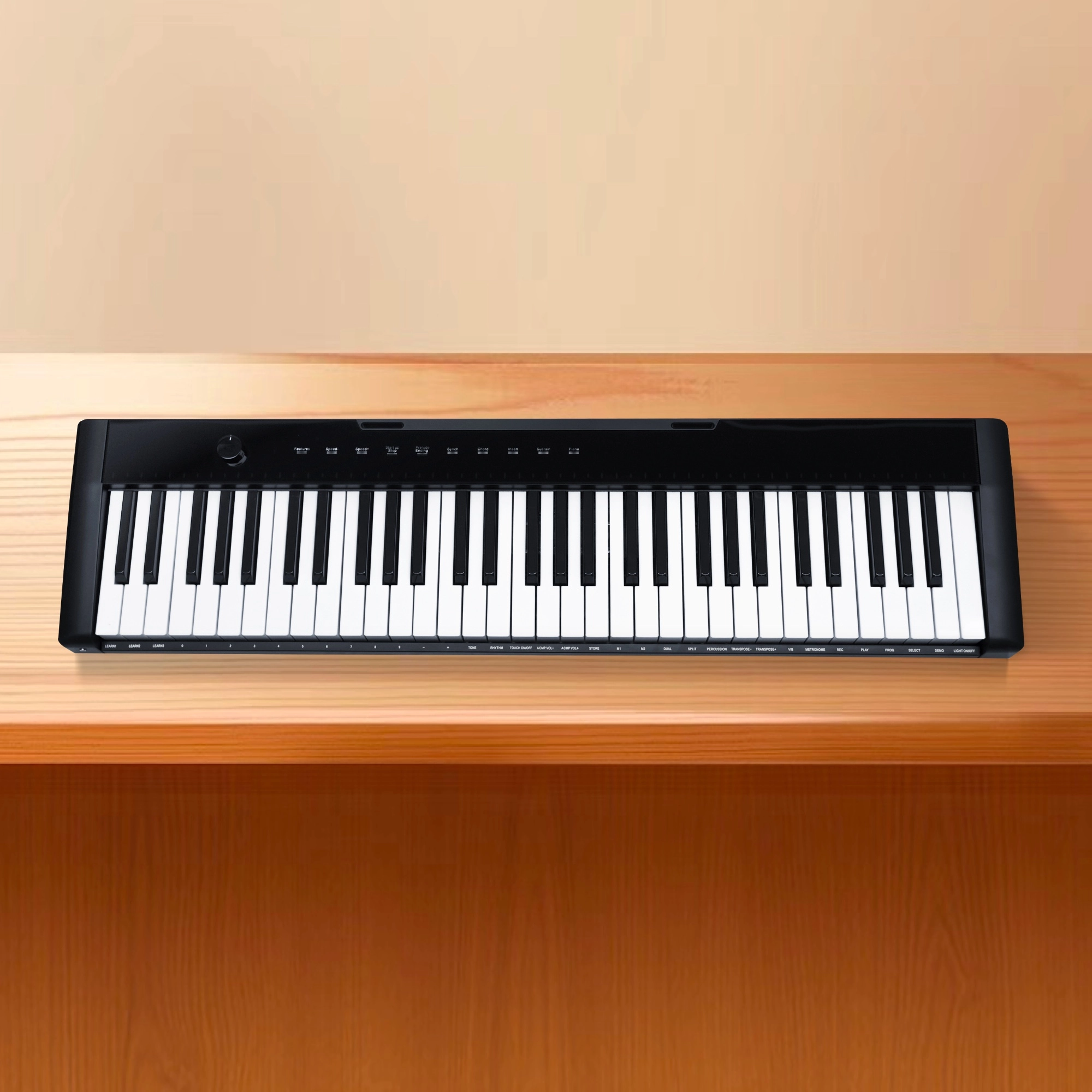
Flykeys 61 keys portable electronic keyboard piano with X stand (M2)
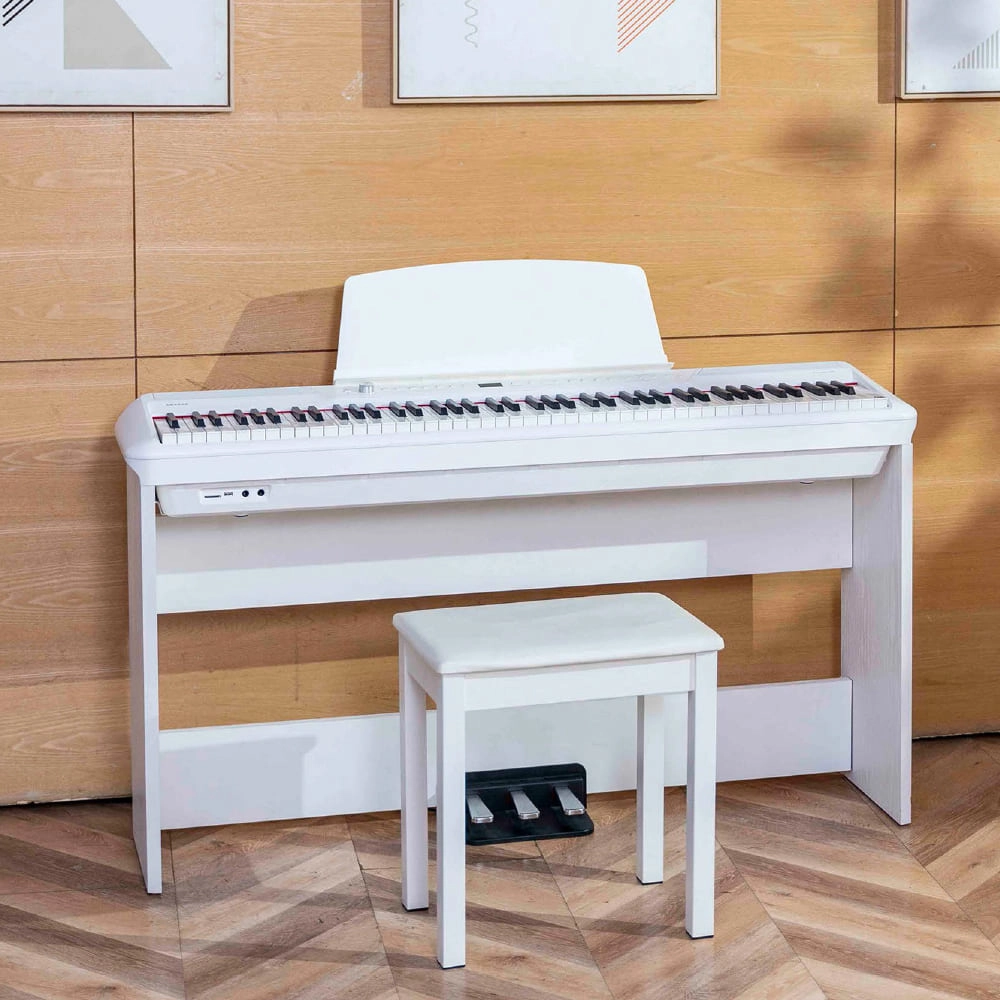
Flykeys Portable Electric Keyboard FP9 Digital Piano
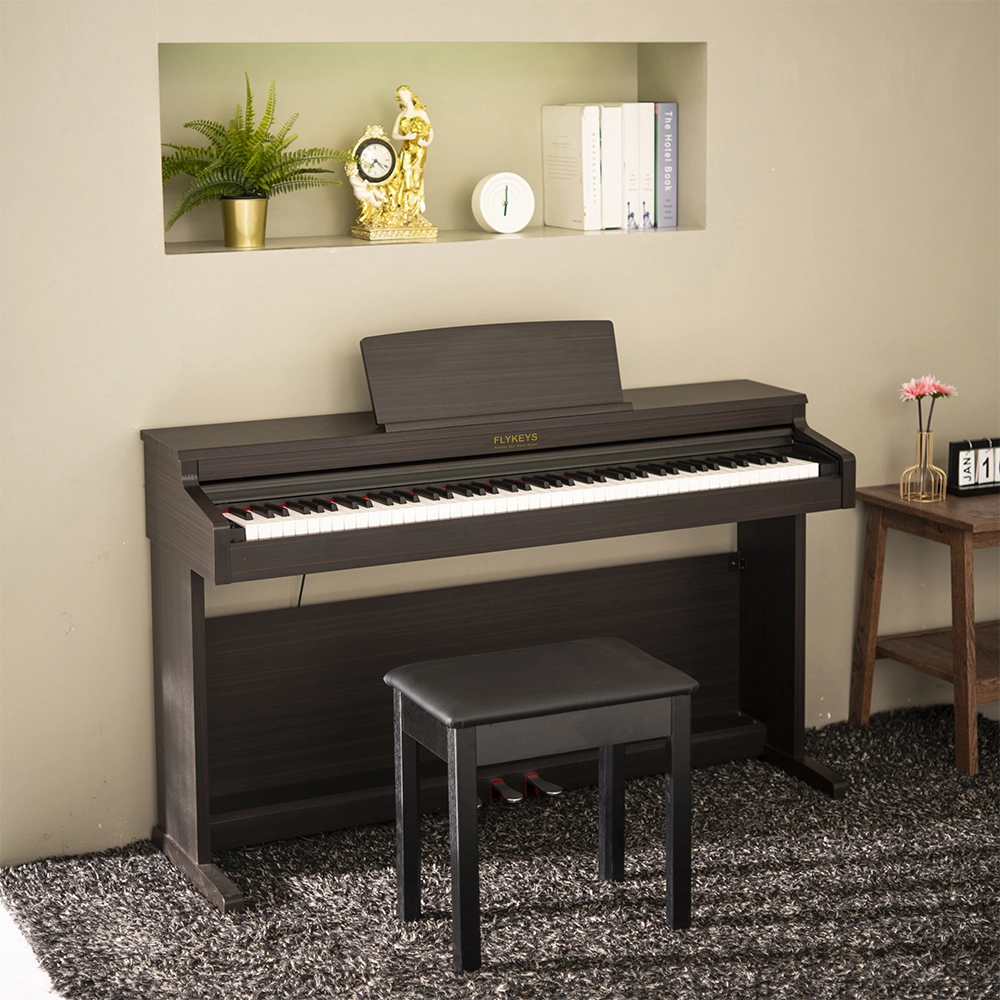
Flykeys 88 Keys Hammer Action keyboard Upright Piano LK03S Digital Piano
— Independent patented technology 88 key Grand-Response hammer action & dynamic curve keyboard;
— European top DSP chip, famous grand piano sound sample;
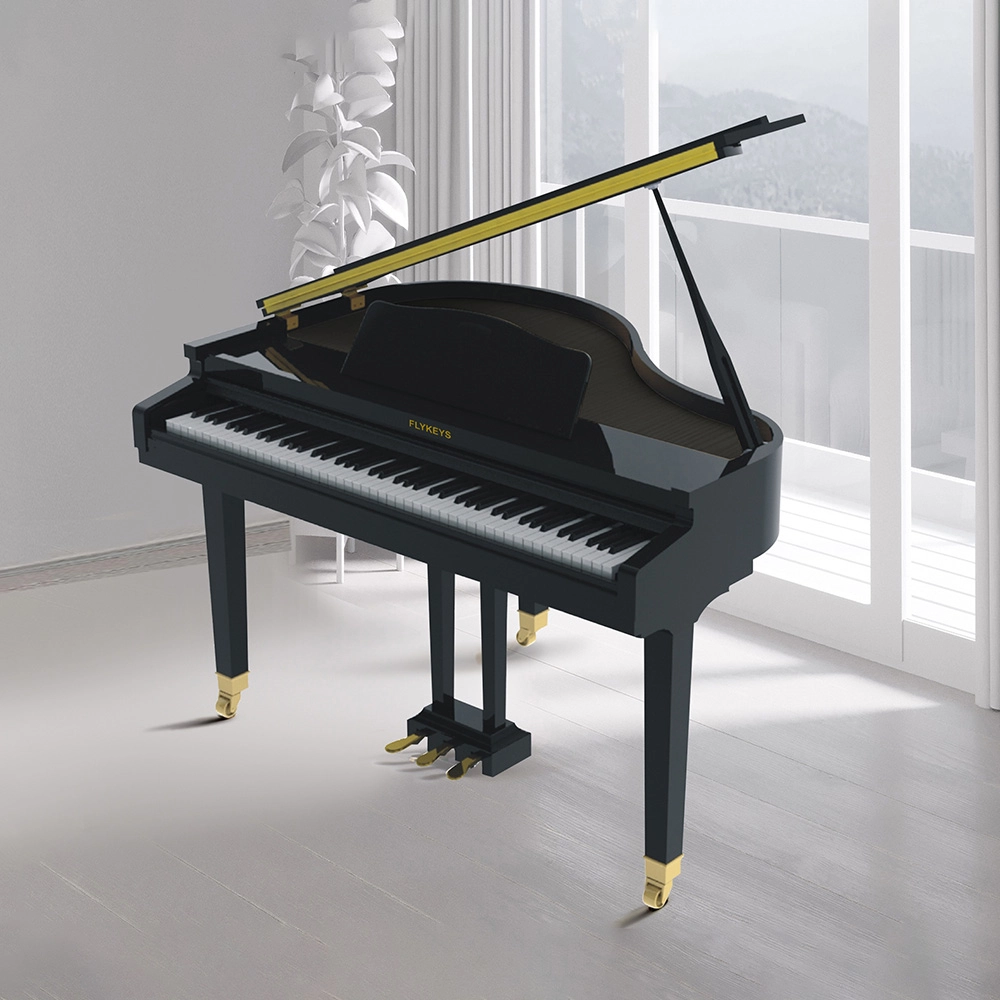
Flykeys 88 Keys Professional Digital Grand Piano Hammer Action Keyboard FGP110 Digital Piano
— Italian Fatar 88 Grand-ResponseTM Key trends with hammer action & dynamic curve
— Independent developed DSP chip, German famous grand piano sound sample
Address: No. 38 Xiangshan Avenue, Zengcheng Economic And Technological Development Zone, Guangzhou, China.
FOLLOW US:


© 2026 FLYKEYS All Rights Reserved. 粤 ICP备2020102774号. Designed by gooeyun. Sitemap | Privacy | Terms