

Digital Piano Maintenance: Cleaning, Tuning, and Care
- Digital Piano Maintenance: Cleaning, Tuning, and Care
- Why regular Digital Piano maintenance matters
- Cleaning your Digital Piano: safe methods and products
- Recommended cleaning schedule for Digital Piano owners
- Tuning, calibration and firmware: what Digital Piano owners need to know
- Environmental care: humidity, temperature and placement for Digital Pianos
- DIY maintenance vs professional service: when to seek paid service
- Troubleshooting common Digital Piano problems
- Recommended maintenance products and buying tips for Digital Piano owners
- FLYKEYS and Pearl River: brand strengths and maintenance advantages for Digital Piano buyers
- Why FLYKEYS matters for maintenance-conscious buyers
- Choosing between portable, upright, and grand Digital Pianos (maintenance perspective)
- Maintenance checklist before buying a Digital Piano
- FAQ — Digital Piano Maintenance
- Do Digital Pianos need tuning?
- How often should I update the firmware on my Digital Piano?
- Can I clean keys with disinfectant wipes?
- Is it worth getting annual professional servicing?
- Where can I buy official replacement parts for my Digital Piano?
- Contact and product viewing CTA
- References
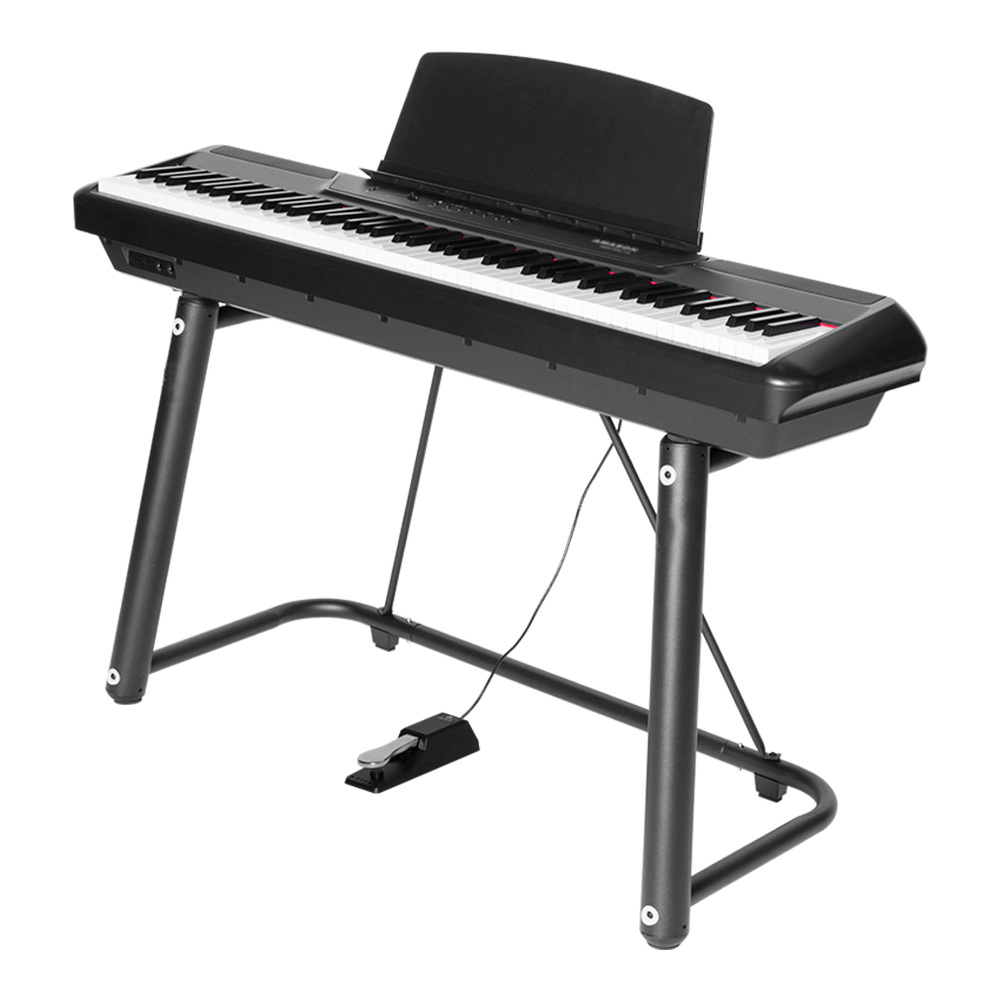
Digital Piano Maintenance: Cleaning, Tuning, and Care
Why regular Digital Piano maintenance matters
Digital Pianos are precision instruments that combine mechanical keys, electronic sensors, speakers, and digital sound engines. Even though they don't require the same acoustic tuning as an acoustic piano, proper maintenance directly affects sound quality, touch response, longevity, and resale value. Regular care prevents issues like sticky keys, degraded speakers, connectivity failure, and unwanted noise — and it ensures consistent performance whether you're practising, teaching, recording, or performing.
Cleaning your Digital Piano: safe methods and products
Cleaning a Digital Piano involves four different systems: the case and finish, the keys, the control surfaces (buttons/knobs/touchscreens), and the speaker grilles. Use gentle, non-abrasive methods to avoid damaging finishes or electronics.
- Exterior case and finish: Dust weekly with a soft microfiber cloth. For spills or fingerprints, lightly dampen the cloth with distilled water; wipe dry immediately. Avoid household cleaners that contain ammonia, alcohol, or abrasives as they can strip finishes.
- Keys (white and black): Wipe keys with a soft cloth dampened in a 50/50 solution of distilled water and isopropyl alcohol (70% or lower). Work row by row and never allow liquid to drip between keys. For stubborn grime, use a soft toothbrush or a foam swab gently along key edges.
- Control surfaces and touchscreens: Use a microfiber cloth; for touchscreens, use screen-safe cleaning solutions recommended by the manufacturer. Never spray directly on the surface — spray on the cloth first.
- Speaker grilles and vents: Use compressed air from a safe distance (10–15 cm) in short bursts to dislodge dust. For fabric grilles, a vacuum with a brush attachment on low suction can be helpful.
Always power off and unplug your Digital Piano before cleaning to reduce risk of short circuits or accidentally changing settings.
Recommended cleaning schedule for Digital Piano owners
Consistency is more important than intensity. The table below gives a clear timetable for common care tasks, tailored for Digital Piano owners keeping in mind (such as buying care products or professional cleaning services).
| Task | Frequency | Method | Notes |
|---|---|---|---|
| Dusting exterior | Weekly | Microfiber cloth | Prevents buildup that can scratch finish |
| Key cleaning | Monthly (more often if used frequently) | Damp microfiber with distilled water or 50/50 isopropyl mix | Prevent sticky keys and hygiene issues |
| Speaker grille maintenance | Every 3 months | Compressed air or vacuum (low suction) | Preserve sound clarity |
| Pedal and mechanical check | Every 6 months | Inspect for wear; tighten screws | Addresses key action and sustain quality |
| Full professional service | Annually or biannually (depending on use) | Technician checks electronics, calibration, firmware | Recommended for studio/pros and venues |
Tuning, calibration and firmware: what Digital Piano owners need to know
Digital Pianos don't require tuning in the acoustic sense, but they do benefit from periodic calibration and firmware updates:
- Key sensor calibration: Over time, velocity curves and key response can drift. Most modern Digital Pianos offer software or service-mode calibration. If keys feel uneven or velocities are inconsistent, recalibrate through the instrument menu or consult a technician.
- Pedal calibration: Pedal sensors (especially half-damper/sustain) may need adjustment. A technician can recalibrate or replace sensors to restore expressive control.
- Firmware and sample updates: Manufacturers release updates that improve stability, add tones, or fix bugs. Check for firmware updates periodically and follow the official update procedure. Back up settings before updating.
Environmental care: humidity, temperature and placement for Digital Pianos
Environmental factors are critical. Even though Digital Pianos are less susceptible than acoustic pianos, extreme humidity, dust, or temperature swings can damage electronics and key mechanisms.
- Humidity: Aim for 40–60% relative humidity. Use a humidifier or dehumidifier in extreme climates. Low humidity can cause key bushings and wooden key parts to shrink; high humidity promotes corrosion and mildew.
- Temperature: Keep the instrument between 10–30°C (50–86°F). Avoid placing the instrument near heating vents, direct sunlight, air conditioners, or exterior doors where rapid temperature changes occur.
- Placement: Place on a stable stand or cabinet to prevent vibrations. Keep away from speakers or subwoofers that induce excessive mechanical vibration, which may affect internal components over time.
DIY maintenance vs professional service: when to seek paid service
Many routine tasks can be handled by the owner, but there are clear thresholds for professional help — and keywords like service, repair, and buy replacement parts are relevant here.
- Do-it-yourself (safe): Cleaning, key lubrication with manufacturer-approved products, firmware updates, replacing easily accessible parts (e.g., batteries in battery-powered models), and simple mechanical tightening.
- When to hire a technician: Persistent electronic faults, intermittent audio or MIDI connections, broken key actions, internal water damage, or when calibration options are not accessible through the user menu. Professional service ensures correct parts, warranty-safe repairs, and access to factory diagnostics.
- Cost considerations: For high-end or stage instruments, annual service is a sound investment. For budget portable models, evaluate repair cost versus replacement, keeping resale value and downtime in mind.
Troubleshooting common Digital Piano problems
Quick troubleshooting steps can save time and money:
- No power: Check AC adapter, power strip, and outlet. Test with another compatible adapter if available.
- No sound but power on: Check volume, headphones socket (often mutes speakers when used), audio outputs, and internal speaker settings. Try factory reset if safe.
- Intermittent MIDI/USB: Replace cables, update drivers/firmware, test with another computer or device.
- Sticky keys: Clean around keys, check for spills, and if necessary, have an authorized technician inspect the keybed.
Recommended maintenance products and buying tips for Digital Piano owners
When you buy maintenance products, select items designed for musical instruments or electronics rather than generic household cleaners. Recommended shopping list:
- Microfiber cloths and soft brushes
- Isopropyl alcohol (70% max) and distilled water
- Contact cleaner specifically labeled safe for electronics (for technicians)
- Compressed air (use short bursts and keep distance)
- Manufacturer-approved replacement parts and adapters
Buying replacement parts or professional service from authorized dealers preserves warranty coverage and ensures compatibility. keywords: consider buying official OEM parts or scheduling a repair service through brand-authorized channels.
FLYKEYS and Pearl River: brand strengths and maintenance advantages for Digital Piano buyers
Guangzhou Pearl River Amason Digital Musical Instrument Co., Ltd. is a subsidiary of Guangzhou Pearl River Piano Group. Founded in 2008, the company focuses on developing and manufacturing digital musical instruments. This is one of Pearl River Piano Group's three core business segments.
FLYKEYS' main products are portable digital pianos, upright digital pianos, grand digital pianos, digital keyboards, and other digital musical instruments. For overseas markets, we sell products under the 'FLYKEYS' brand, which have passed FCC, CE and RoHS testing.
FLYKEYS is based on Pearl River Piano's over 60 years of experience in making acoustic pianos and its reputation as the world's largest piano maker. Thanks to our self-developed reduction technology, our products are more professional and closely resemble acoustic pianos in terms of their tone and feel.
Our vision is to become the world's leading digital piano manufacturer.
Why FLYKEYS matters for maintenance-conscious buyers
Choosing a Digital Piano from a manufacturer with deep acoustic piano expertise brings maintenance advantages:
- Parts availability: As part of Pearl River's supply chain, FLYKEYS benefits from established logistics for replacement parts, reducing downtime for repairs.
- Acoustic-informed design: Keys, action, and cabinetry developed with acoustic experience tend to have predictable wear patterns and more straightforward service procedures.
- Certifications and quality control: FCC, CE, and RoHS testing indicate compliance with safety and environmental standards, which reduces the risk of early electronic failures.
- Product range: From Portable Digital Piano to Grand Digital Piano, FLYKEYS offers instruments suitable for hobbyists, educators, and professionals — each with maintenance guidance from the manufacturer.
Visit the official site to view products and service information: https://www.flykeysmusic.com/
Choosing between portable, upright, and grand Digital Pianos (maintenance perspective)
Each form factor has different maintenance profiles. The quick comparison below helps buyers choose a model that matches their willingness to perform routine care or pay for professional service.
| Type | Typical Maintenance Needs | Pros | Cons |
|---|---|---|---|
| Portable Digital Piano | Low to moderate; focus on cleaning, firmware, cables | Easy to move; lower service cost | Smaller key actions, limited speaker life if used heavily |
| Upright Digital Piano | Moderate; case care, pedal sensors, occasional professional check | Home-friendly, good touch response | Heavier; can accumulate dust in cabinet |
| Grand Digital Piano | Higher; more complex action components, professional calibration recommended | Best touch and acoustic feel | Higher service and transport cost |
Maintenance checklist before buying a Digital Piano
When purchasing, ask vendors the following to reduce future maintenance surprises:
- What is the warranty period and what does it cover (parts, labour, shipping)?
- Are service centers available locally or regionally?
- Are firmware updates released regularly and how are they obtained?
- Are replacement parts (keybeds, sensors, adapters) readily available?
FAQ — Digital Piano Maintenance
Do Digital Pianos need tuning?
No acoustic tuning is required because sound is generated digitally, not acoustically. However, periodic calibration of key sensors, pedals, and firmware updates are recommended to maintain accurate touch and sound performance.
How often should I update the firmware on my Digital Piano?
Check for updates every 3–6 months or when you encounter bugs or new features. Always follow manufacturer instructions and back up settings before updating.
Can I clean keys with disinfectant wipes?
Use caution: alcohol-based wipes can be used sparingly on plastic keys, but avoid bleach or harsh solvents and never let liquids seep between keys. Prefer a 50/50 distilled water and isopropyl solution applied to a cloth.
Is it worth getting annual professional servicing?
For frequent players, studio use, or stage instruments, annual or biannual servicing is recommended. For casual home users, professional checks every 1–2 years are usually sufficient.
Where can I buy official replacement parts for my Digital Piano?
Buy through the manufacturer's authorized dealers or official website. For FLYKEYS products, parts and service information are available via https://www.flykeysmusic.com/.
Contact and product viewing CTA
If you need professional maintenance, replacement parts, or want to explore Digital Piano options from a global manufacturer, contact our sales and support team or visit the FLYKEYS product pages to view Portable Digital Piano, Upright Digital Piano, Grand Digital Piano, and Keyboards.
Once your piano is well-maintained, you can maximize its potential by connecting it to MIDI software and exploring new ways to enhance your music. Dive into Using MIDI and Software with Your Digital Piano: A Guide to see how digital technology can expand your creative possibilities.
References
- Yamaha Corporation — Piano care and maintenance recommendations
- Roland Corporation — Digital piano care and maintenance support
- Pearl River Piano Group — company history and manufacturing background
- FLYKEYS product and certification information from official materials
Top 10 portable digital piano Manufacturers and Supplier Brands
Best Digital Pianos for Classical Piano Students
Tips for Wholesale grand piano outlet
Top digital grand piano Manufacturers and Suppliers in 2026
Customization
Can I customize the finish of my electronic piano?
Yes, we offer customization options for finishes, allowing you to choose from a variety of colors and textures.
Payment
Is payment required upfront for custom orders?
Yes, payment is typically required upfront for custom orders to initiate the production process.
Logistics
Can l track my order during shipping?
Yes, tracking information will be provided once your order has been shipped, allowing you to monitor its progress.
Products
Can I connect your electronic pianos to external devices?
Yes, our electronic pianos are equipped with connectivity options such as MIDI, USB, and Bluetooth for seamless integration with external devices.
Company
How long has your company been in the electronic piano manufacturing business?
Pearl River Piano has acoustic piano manufacturing experiences for more that 60 years history.
Guangzhou Pearl River Amason Digital Musical Instrument Co.,Ltd., a subsidiary company of Pearl River Piano Group, founded in 2008, and focused on developing and manufacturing digital musical instrument which is one of the three pillar business industries of Pearl River Piano Group.
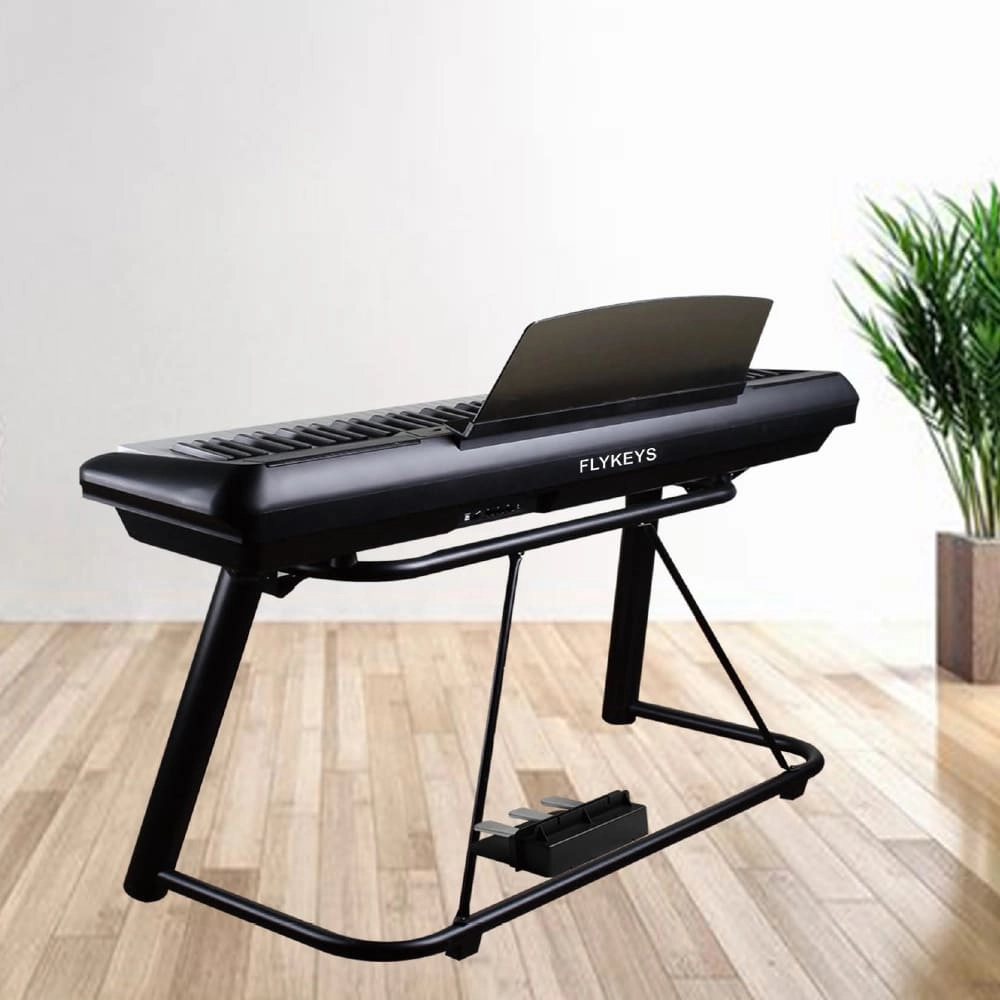
Flykeys 88 Keys Portable Piano With Wooden Stand FP6 Digital Piano
Independent development 88 keys dynamic curve hammer action weighted keyboard
European Spectral Composite techniques DSP chip. German famous Grand Piano sound sampling, string overtones resonance simulation sound technology
Modern, lightweight case,X stand, Ustand, Wood stand, 3pedal Optional
Control: double sound, record, split, transpose, reverb, chorus, metronome, MIDI, bluetooth
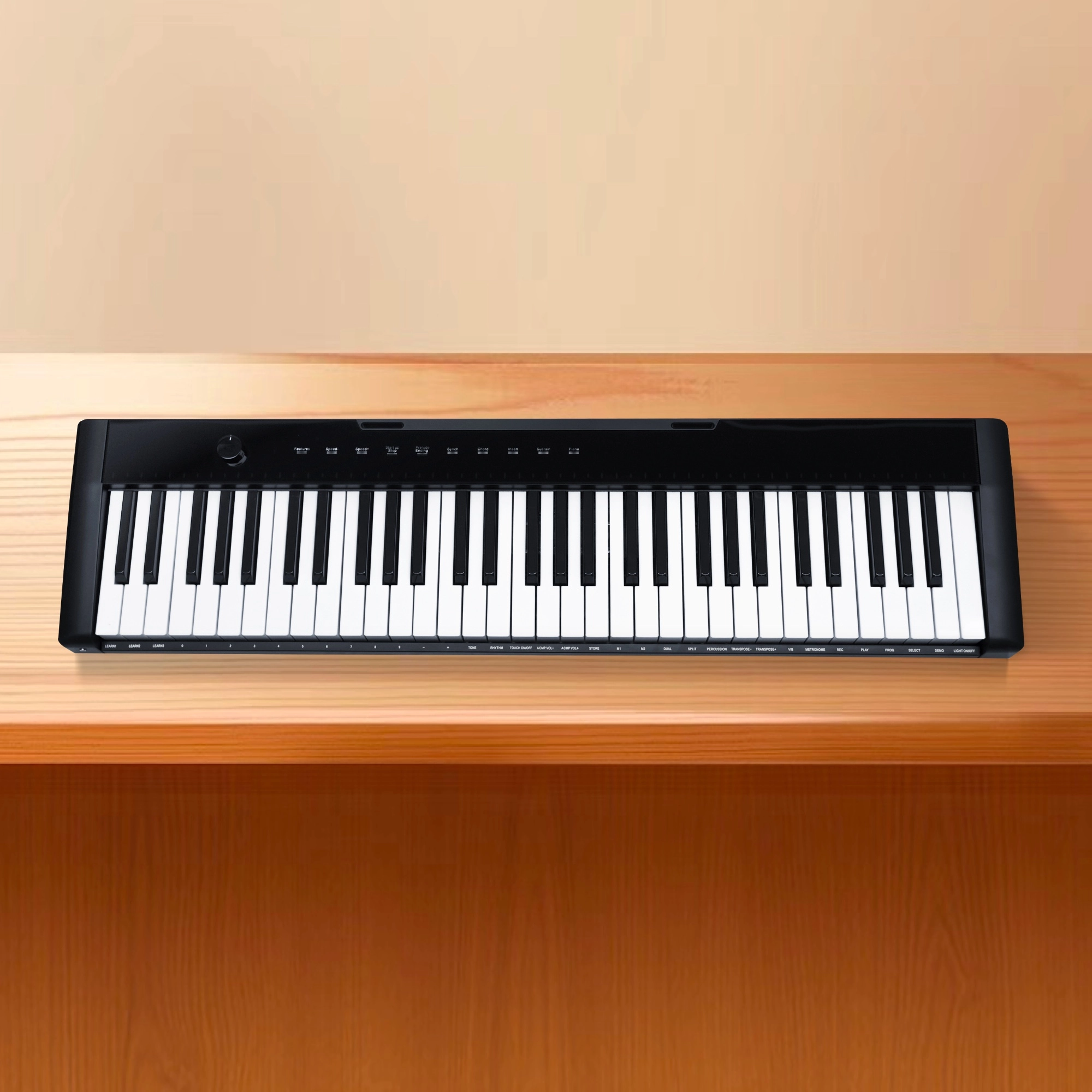
Flykeys 61 keys portable electronic keyboard piano with X stand (M2)
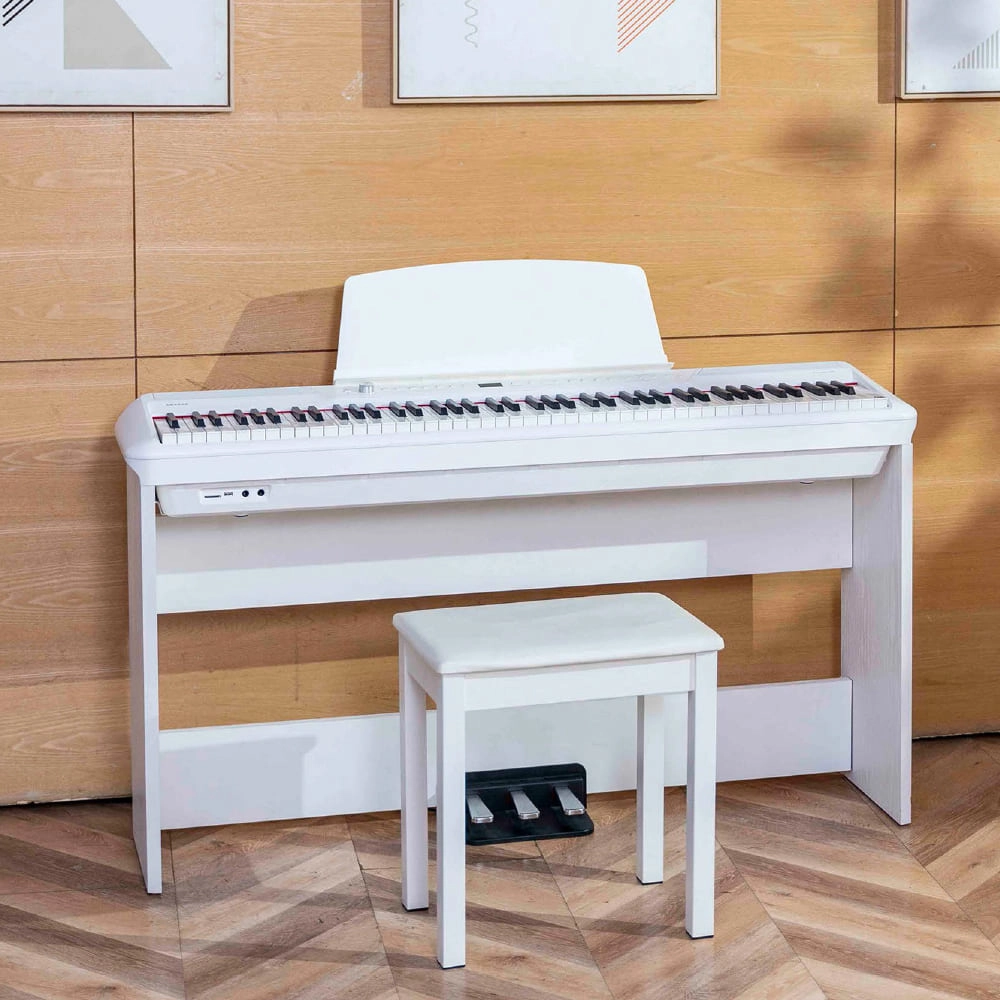
Flykeys Portable Electric Keyboard FP9 Digital Piano
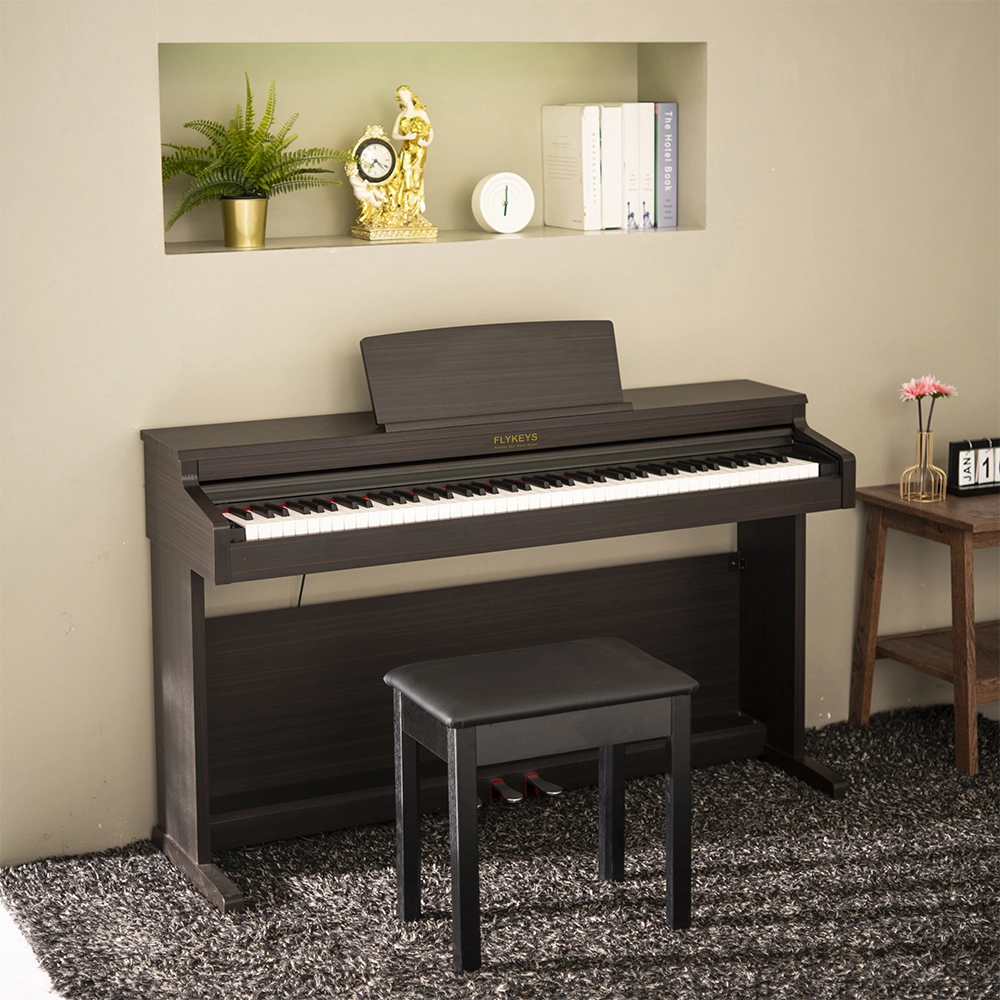
Flykeys 88 Keys Hammer Action keyboard Upright Piano LK03S Digital Piano
— Independent patented technology 88 key Grand-Response hammer action & dynamic curve keyboard;
— European top DSP chip, famous grand piano sound sample;
Address: No. 38 Xiangshan Avenue, Zengcheng Economic And Technological Development Zone, Guangzhou, China.
FOLLOW US:


© 2024 FLYKEYS All Rights Reserved. 粤ICP备2020102774号. Designed by gooeyun Sitemap | Privacy | Terms