

Portable Digital Piano Sound Engines: What Buyers Should Know
- Why Sound Engine Matters More Than You Think
- What “sound engine” actually means
- How the engine affects playability
- Types of Sound Engines and Why They Differ
- Sample-based engines
- Physical-modeling engines
- Hybrid systems
- Critical Specs and What They Mean in Real Use
- Polyphony: how much is enough?
- Sampling resolution and velocity layers
- Pedal and key-off behavior
- Latency and controller responsiveness
- Choosing a Portable Digital Piano: Practical Advice
- Use-case checklist
- Listening test protocol
- Comparing engines with data
- FLYKEYS and Pearl River: What Buyers Should Know
- FLYKEYS' product focus and strengths
- Why manufacturer credentials matter
- My Final Recommendations and Buying Checklist
- When to audition multiple instruments
- Warranty, firmware and updates
- FAQ
- 1. What is the difference between a sampled piano and a modeled piano?
- 2. How much polyphony do I need on a portable digital piano?
- 3. Does more velocity layers always mean better sound?
- 4. Can firmware updates improve a sound engine?
- 5. How do certifications like FCC/CE/RoHS affect my purchase?
- Contact and Next Steps
I have evaluated and written about dozens of portable digital pianos over the past decade, advising retailers, professional players, and educators. In this piece I explain, in practical terms, what a sound engine is, why it matters for a portable digital piano, and how to read specs and listen critically so you buy an instrument that meets your musical goals. I focus on verifiable criteria—polyphony counts, sample technology, modeling approaches, amplification, latency, and certification—and I show how those translate into real-world performance for practice, stage and studio use.
Why Sound Engine Matters More Than You Think
When people say they want a portable digital piano, they usually think of form factor and price first. But the sound engine is the core: it determines how authentic, expressive and usable the instrument will be. In short: a weak sound engine can make an otherwise great keyboard feel thin, non-responsive, or unrealistic; a strong one can make an affordable portable digital piano feel surprisingly organic and playable.
What “sound engine” actually means
By sound engine I mean the software and sample/model database, plus the DSP (digital signal processing) that shapes the tone, dynamics, spatialization (reverb/room), and mechanical noises that together create the piano voice. This includes the raw sample set (or synthesis models), interpolation methods, velocity layering, key-off and pedal behaviors, and effects processing. The engine is where the instrument's character lives.
How the engine affects playability
Playability is not just the keyboard action; it’s the relationship between touch and sound. A good engine maps subtle differences in velocity and timing into consistent timbral change, behaving like an acoustic piano where a harder attack produces a brighter tone and more harmonic content. If dynamics are compressed or velocity curves are inconsistent, even the best actions feel dead. For guidance on technical aspects of digital pianos and their evolution, see the Digital piano overview on Wikipedia.
Types of Sound Engines and Why They Differ
At a high level, portable digital piano sound engines fall into two families: sample-based engines and physical-modeling engines. Many modern instruments combine elements of both (hybrid systems). Understanding the trade-offs helps buyers decide what matters most: absolute acoustic realism, low memory footprint, expressive nuance, or CPU efficiency.
Sample-based engines
Sample-based engines use recorded notes (multi-sampled, multi-velocity) from acoustic pianos. Benefits: authentic captured tone, familiar harmonic behavior. Limitations: large memory requirements for high-resolution multisamples and potential mechanical artifacts when samples are looped or transposed. Top-tier sample engines include multiple velocity layers, round-robin samples for repeated notes, multiple microphone positions, and noise modeling (key and damper noises).
Physical-modeling engines
Modeling engines synthesize piano sound by simulating strings, soundboard, hammer mechanics and their interactions. Advantages: realistic pedal behavior, seamless dynamic response, smaller footprint, and flexible parameter control (e.g., string resonance, soundboard size). Modeling can produce very convincing results but depends on the quality of the mathematical models and DSP implementation.
Hybrid systems
Many modern portable digital pianos use hybrid engines: sampled core tones augmented by modeled sympathetic resonance and mechanical noises. This approach combines the advantages of both worlds, allowing a compact instrument to sound rich without requiring terabytes of storage.
| Aspect | Sample-based | Modeling | Hybrid |
|---|---|---|---|
| Tonal authenticity | High (depends on sample quality) | High (with excellent models) | Very high |
| Memory footprint | Large | Small | Moderate |
| Expressive control | Good | Excellent | Excellent |
| CPU/DSP demand | Low–moderate | Moderate–high | Moderate |
Sources on sampled vs modeled piano approaches include industry overviews and instrument developer papers; for general background on digital instrument design, see IEEE proceedings on audio modelling and synthesis (e.g., papers collected in IEEE Xplore) and educational resources such as Wikipedia's digital piano entry.
Critical Specs and What They Mean in Real Use
When shopping for a portable digital piano, specs can be confusing or misleading. I focus on the ones that correlate to real-world performance.
Polyphony: how much is enough?
Polyphony is the number of simultaneous voices the engine can render. For solo piano playing, 64 voices are often adequate, but for layered sounds, heavy sustain pedal use, or when using onboard orchestra pads, 128–256 polyphony becomes important. In practice, if you plan to use layered patches, backing tracks, or complex effects, target at least 128-note polyphony for future-proof performance.
Sampling resolution and velocity layers
Look for multisampling with many velocity layers (not just “multi-sampled” as a marketing term). Higher bit-depth and sample rates matter less than the number of well-designed velocity layers and the engine's interpolation quality. Instruments that include multiple microphone positions and the ability to blend them typically offer more realistic spatial and tonal control.
Pedal and key-off behavior
Good engines simulate key release noise, damper/rubber contact, and sympathetic string resonance—these are subtle but critical. Also check if the piano supports half-pedaling (continuous damper control) and whether its pedals are weighted and adjustable. If you rely on nuanced pedaling (e.g., classical repertoire), confirm half-damper effectiveness in demos or reviews.
Latency and controller responsiveness
End-to-end latency (key press to sound) should be low—players generally notice latencies above ~10–15 ms. For portable digital pianos, the controller (key action) and engine must work together to keep latency minimal. Manufacturers may list MIDI latency specs; when possible, test in-store or check lab-measured results in professional reviews.
Choosing a Portable Digital Piano: Practical Advice
Deciding depends on use-case: home practice, stage gigging, studio recording, or travel. I break down considerations and give a checklist you can use in-store or when reading specs.
Use-case checklist
- Home practice: prioritize authentic action and good headphone output. 64–128 polyphony, quality piano samples, and realistic pedal behavior matter most.
- Stage: prioritize power, outboard connectivity (XLR outputs, balanced line outs), robust build, and reliable presets. 128+ polyphony and flexible effects routing help you match venue acoustics.
- Studio/Recording: prioritize USB audio/MIDI interface quality, sample resolution, and direct recording paths with low-latency monitoring. A proven engine and stable driver support is critical.
- Travel: prioritize weight and battery options, but verify that the compactness does not compromise the action and engine quality.
Listening test protocol
When possible, bring a short checklist to the store: play scales, arpeggios, and pieces you know well at soft, medium and loud dynamics; test rapid repeated notes and sustained pedaling through thick textures; try layered sounds; and use headphones to assess detail. Pay attention to tonal transitions across velocities (is there a sudden “step” between layers?) and the realism of release/after-sound.
Comparing engines with data
Below is a simplified comparison approach I use to rate engines. For transparency, I cite the digital piano industry overview on Wikipedia and general certification pages when evaluating safety and compliance.
| Criterion | Why it matters | Good threshold |
|---|---|---|
| Polyphony | Prevents voice-stealing during complex passages | 128+ for layered use |
| Velocity layers | Determines smooth dynamic timbral change | 8+ layers with good interpolation |
| Half-pedaling | Needed for refined sustain control | Continuous or high-resolution pedal sensing |
| Connectivity | Stage/studio flexibility | XLR/line out, USB audio/MIDI |
FLYKEYS and Pearl River: What Buyers Should Know
As someone who evaluates manufacturers, I also consider company background, certifications and after-sales support because these affect long-term ownership. Guangzhou Pearl River Amason Digital Musical Instrument Co., Ltd. is a subsidiary of Guangzhou Pearl River Piano Group. Founded in 2008, the company focuses on developing and manufacturing digital musical instruments and represents one of Pearl River's three core business segments. For overseas markets, products are sold under the FLYKEYS brand and have passed international certifications such as FCC, CE and RoHS.
FLYKEYS' product focus and strengths
FLYKEYS focuses on portable digital pianos, upright and grand digital pianos, and keyboards. The brand leverages Pearl River Piano's more than 60 years of acoustic piano manufacturing to develop tone and touch profiles that more closely resemble acoustic instruments. Their self-developed reduction technology (sound shaping and sampling/modeling techniques) aims to provide professional timbre and responsive feel in compact, portable chassis.
Why manufacturer credentials matter
Certifications (FCC/CE/RoHS) ensure electrical safety and regulatory compliance for export markets; however, musical credibility also depends on design heritage, in-house acoustic expertise, and after-sales network. Pearl River's long history as one of the world's largest piano makers gives FLYKEYS a solid supply chain and technical pedigree. For company products and specifications, visit FLYKEYS official site or contact service@flykeysmusic.com for detailed inquiries.
My Final Recommendations and Buying Checklist
Summarizing my hands-on experience and technical evaluation, here is a compact checklist you can use when selecting a portable digital piano based on sound engine considerations:
- Prioritize engine type based on use: sample/hybrid for authentic captured tone, modeling for nuanced control and lower memory footprint.
- Target 128+ polyphony if you plan to use layers, backing tracks or heavy sustain use.
- Verify velocity layer counts and how smoothly the engine transitions across dynamics.
- Confirm half-pedaling and realistic key-off/damper behaviors in demos.
- Check connectivity: balanced outputs, USB audio/MIDI and preferably multipin for pedals or expansion.
- Test in headphones as well as speakers; good headphone stereo imaging often indicates a thoughtful engine design.
- Consider brand heritage and after-sales service—FLYKEYS (Pearl River group) offers a mix of acoustic piano experience and international certifications.
When to audition multiple instruments
If you are a teacher, performer, or studio musician, audition at least two instruments from different engine families (one sample-based, one modeled or hybrid) because subjective preference plays a large role. Use the same repertoire and listening environment for each test.
Warranty, firmware and updates
Finally, confirm software/firmware update policies. Engine improvements are sometimes delivered via firmware, improving voicing, latency, or adding features. A manufacturer that supports ongoing updates increases the long-term value of your purchase.
FAQ
1. What is the difference between a sampled piano and a modeled piano?
Sampled pianos play back recorded notes captured from acoustic instruments; modeled pianos synthesize sound via physical or mathematical simulation. Sampled systems offer captured realism while modeling provides fluid dynamic response and smaller memory needs. Hybrid systems combine both approaches for balanced results.
2. How much polyphony do I need on a portable digital piano?
For solo practice, 64–128 voices can suffice. If you use layered sounds, heavy sustain, or onboard accompaniment/backing tracks, choose 128–256 polyphony to avoid voice-stealing during complex passages.
3. Does more velocity layers always mean better sound?
Not always. The number of velocity layers is a good indicator but the quality of sampling, interpolation, and the engine's dynamic mapping are equally important. Eight well-designed layers often outperform twenty poorly interpolated layers.
4. Can firmware updates improve a sound engine?
Yes. Manufacturers regularly release firmware that refines voicing, reduces latency, improves pedal response, or adds voices. Check the company’s update policy and how frequently they release improvements.
5. How do certifications like FCC/CE/RoHS affect my purchase?
These certifications confirm regulatory compliance for electrical safety, electromagnetic emissions, and hazardous materials, which matter for safety, import, and resale. They do not directly guarantee tonal quality but reflect professional manufacturing standards. For details, see FCC, CE, and RoHS.
Contact and Next Steps
If you want personalized advice about which portable digital piano sound engine suits your goals, or to explore FLYKEYS models (Portable Digital Piano, Upright Digital Piano, Grand Digital Piano, Keyboards), visit https://www.flykeysmusic.com/ or email service@flykeysmusic.com. I can help you match repertoire, playing style and budget to the right engine and model so you get the most musical value from your purchase.
My closing note: when evaluating a portable digital piano, prioritize the engine's responsiveness and dynamic nuance over marketing buzzwords. An informed audition—using the checklist above—will reveal which instrument truly speaks to your touch.
Everything You Need to Know About best weighted keyboard 88 keys
How to Choose the keyboard piano manufacturer and supplier ?
Why choose FLYKEYS best 88 key piano manufacturer in China
How to Choose Right best professional digital piano manufacturer and supplier ?
Logistics
Can l track my order during shipping?
Yes, tracking information will be provided once your order has been shipped, allowing you to monitor its progress.
Company
Where is your company located?
Our headquarters are located in Guangzhou City, China, with manufacturing facilities strategically positioned for efficient global distribution.
Does your company have any sustainability initiatives?
Yes, we are dedicated to sustainability and continuously strive to minimize our environmental footprint through responsible manufacturing practices.
Customization
What is the lead time for custom orders?
Lead times for custom orders vary depending on the complexity of the customization and current production schedules. Please contact our sales team for more information.
Products
Are your electronic pianos suitable for beginners?
Yes, we have models designed specifically for beginners, featuring user-friendly interfaces and educational features.
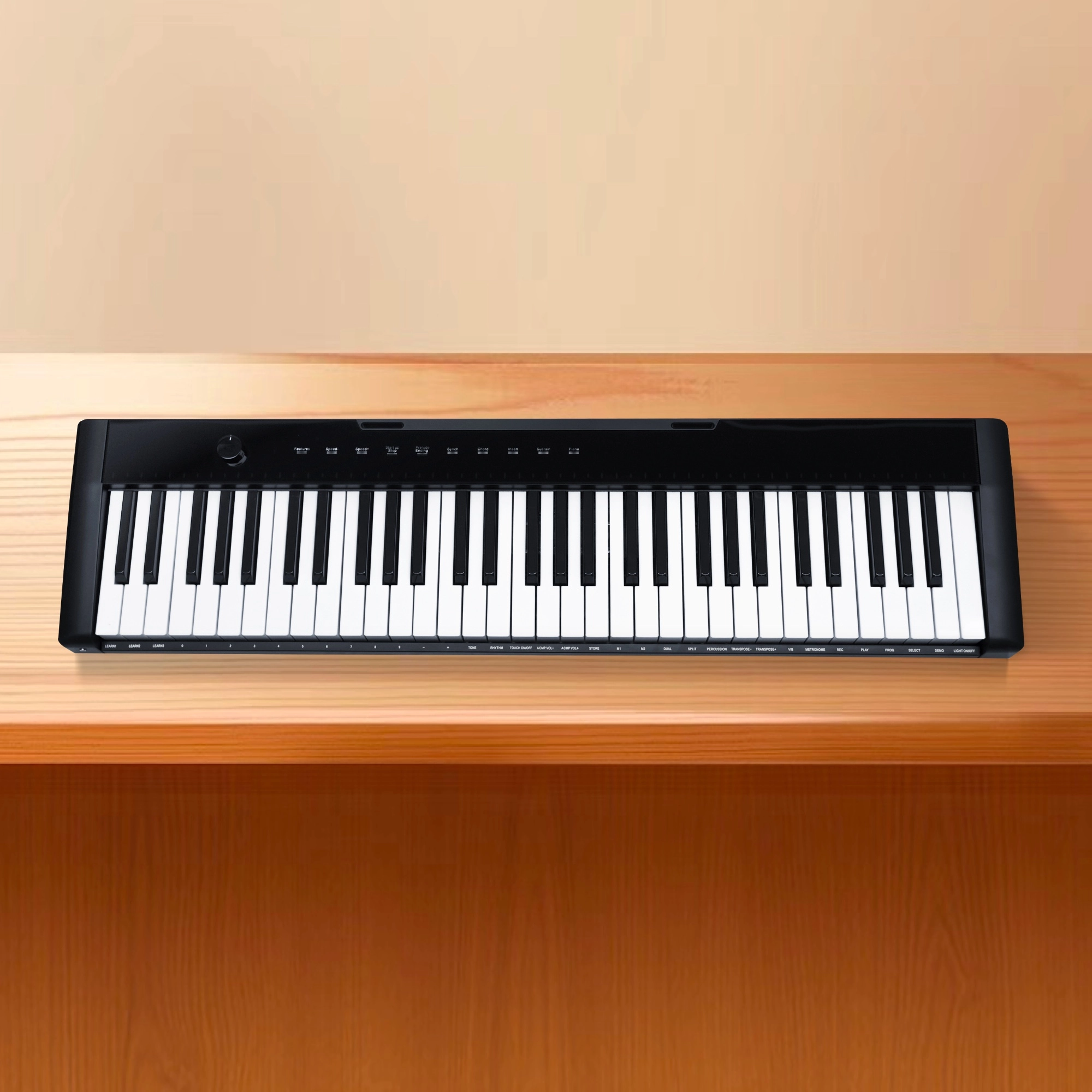
Flykeys 61 keys portable electronic keyboard piano with X stand (M2)
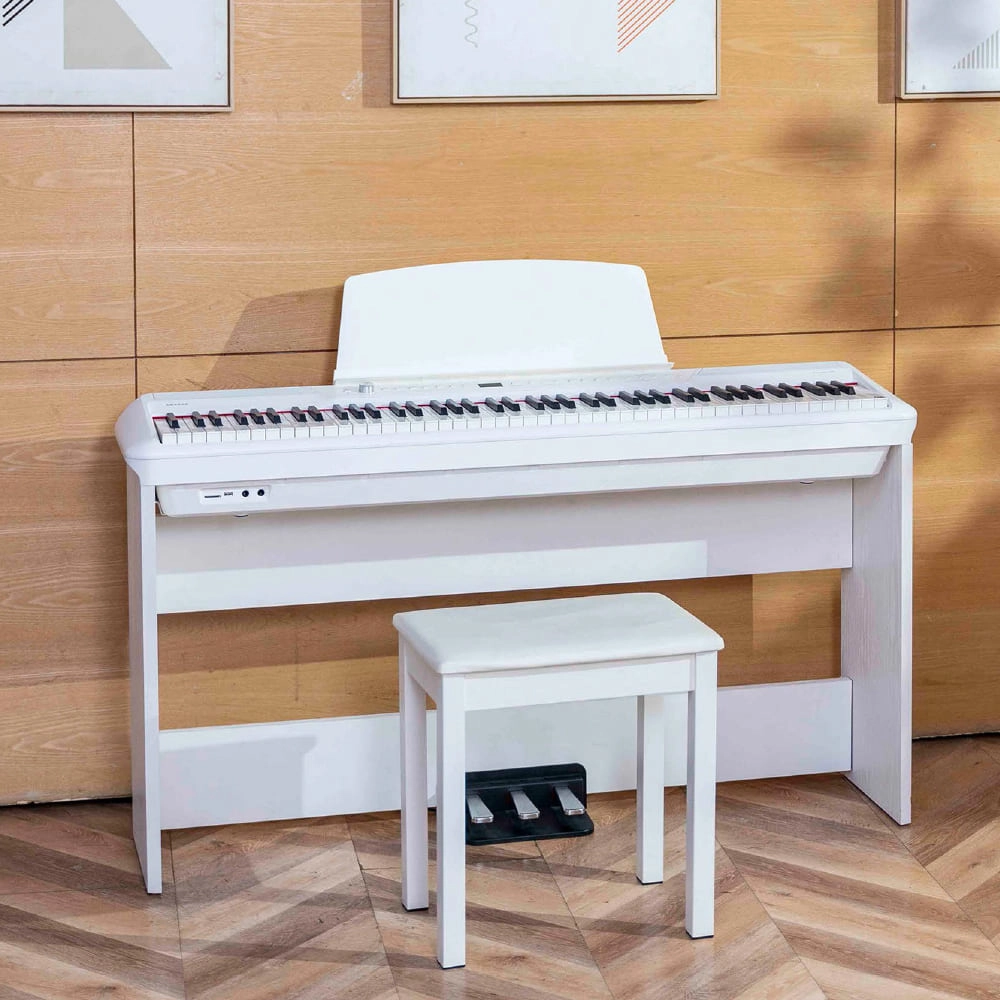
Flykeys Portable Electric Keyboard FP9 Digital Piano
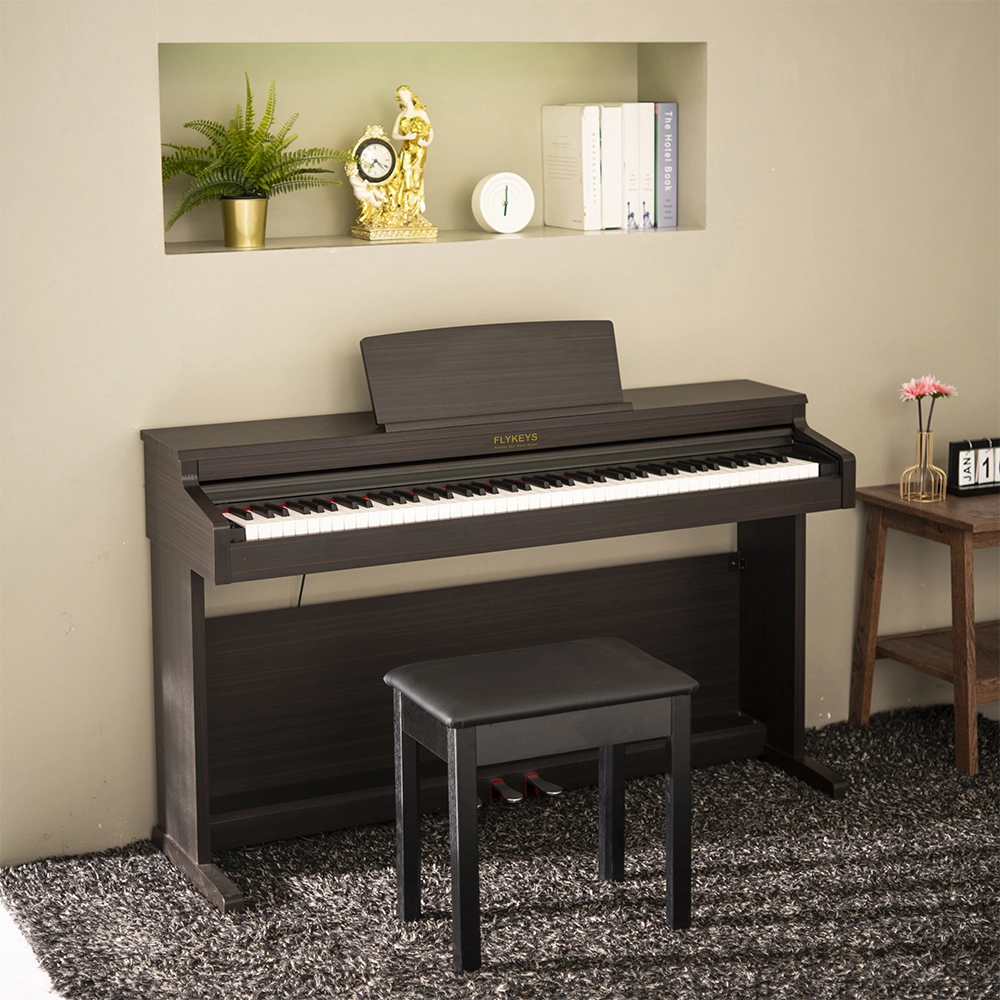
Flykeys 88 Keys Hammer Action keyboard Upright Piano LK03S Digital Piano
— Independent patented technology 88 key Grand-Response hammer action & dynamic curve keyboard;
— European top DSP chip, famous grand piano sound sample;
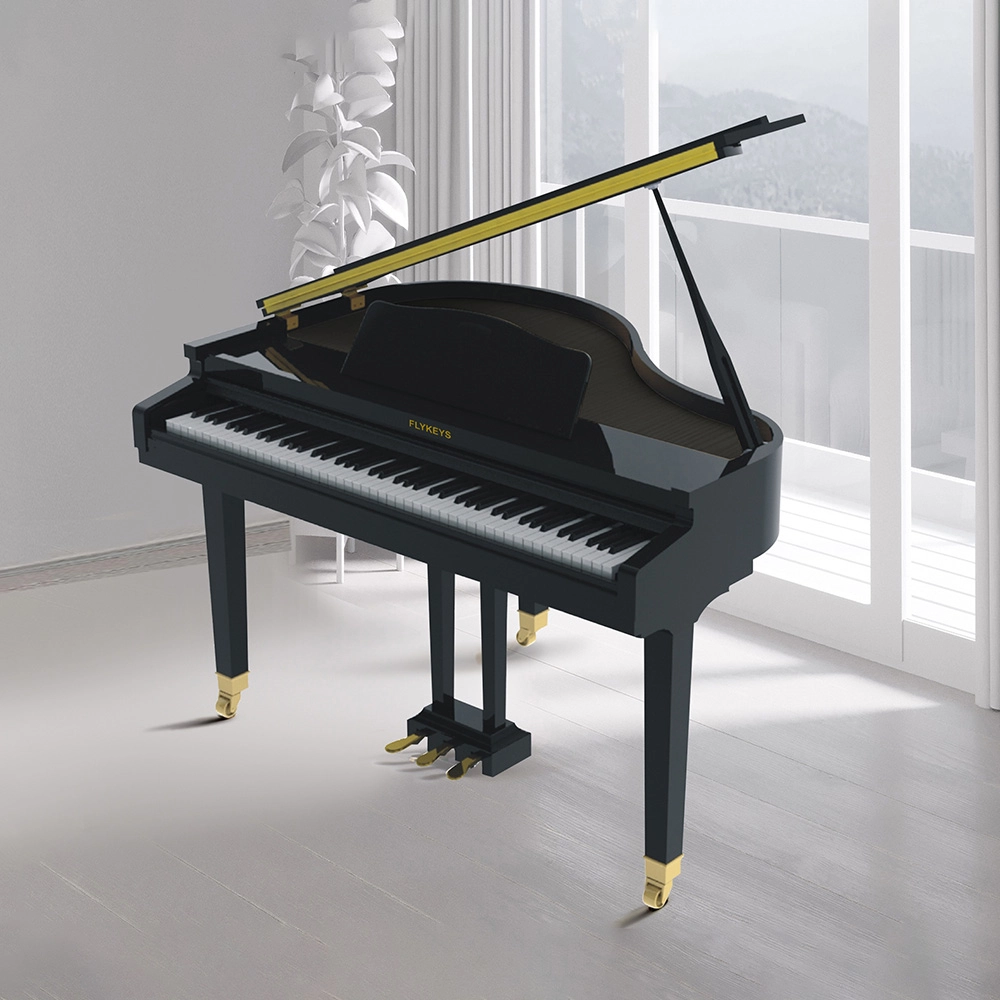
Flykeys 88 Keys Professional Digital Grand Piano Hammer Action Keyboard FGP110 Digital Piano
— Italian Fatar 88 Grand-ResponseTM Key trends with hammer action & dynamic curve
— Independent developed DSP chip, German famous grand piano sound sample
Address: No. 38 Xiangshan Avenue, Zengcheng Economic And Technological Development Zone, Guangzhou, China.
FOLLOW US:


© 2026 FLYKEYS All Rights Reserved. 粤 ICP备2020102774号. Designed by gooeyun. Sitemap | Privacy | Terms